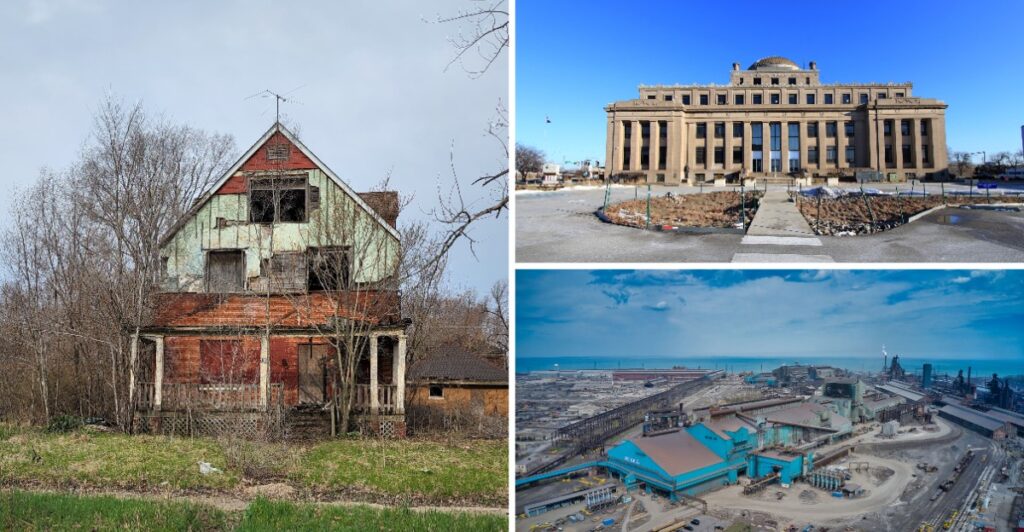
Few Indiana landscapes create quite the same sense of contrast as Gary. Abandoned buildings and remnants of its industrial past can give certain areas an eerie, almost frozen-in-time appearance, especially when quiet streets stretch past structures left behind by another era.
Yet Gary is not an actual ghost town—it remains a living city with active neighborhoods, residents, businesses, and a complicated history that extends far beyond its vacant properties. That tension between abandonment and everyday life makes exploring its story particularly fascinating. Look past the haunting imagery, and Gary reveals a place shaped as much by resilience and change as by what has disappeared.
Where Silence Meets Steel
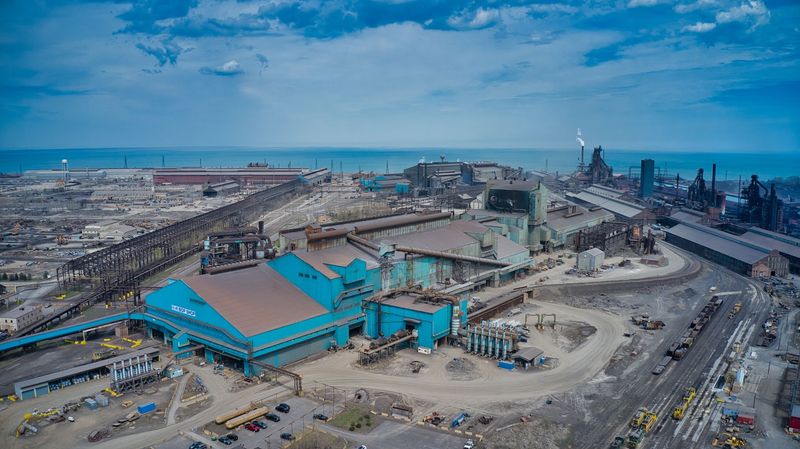
Few places in Indiana announce themselves the way Gary does. Long blocks, massive industrial shapes, and stretches of surprising quiet create a first impression that can feel more like a movie set than a city in motion.
The eerie part is not just emptiness. It is the contrast between giant infrastructure and the limited movement around it, with railroad lines, utility poles, and worn commercial corridors hinting at a busier past that once filled every corner with noise.
Gary grew around heavy industry, especially steel, and that history still dominates the visual experience. Even before learning dates or population changes, a visitor can read the landscape through smokestacks, freight routes, and buildings that seem oversized for the number of people passing by.
That scale matters because it creates an unusual kind of tension. A small abandoned structure may seem sad, but a whole district of outsized streets and aging factories feels unsettling in a deeper way, as if the city was built for crowds that stepped away all at once.
Yet the setting is not frozen in time. Cars still move through town, homes remain occupied, churches stand open, and local routines continue beside weathered reminders of economic decline, which gives Gary a layered character rather than a simple ruin story.
For anyone trying to understand why the city earns such a spooky reputation, the answer often begins with that first visual collision. Steel, silence, distance, and history gather in one frame, making Gary seem both enormous and strangely hollow at the same time.
The Giant Shadow of Gary Works
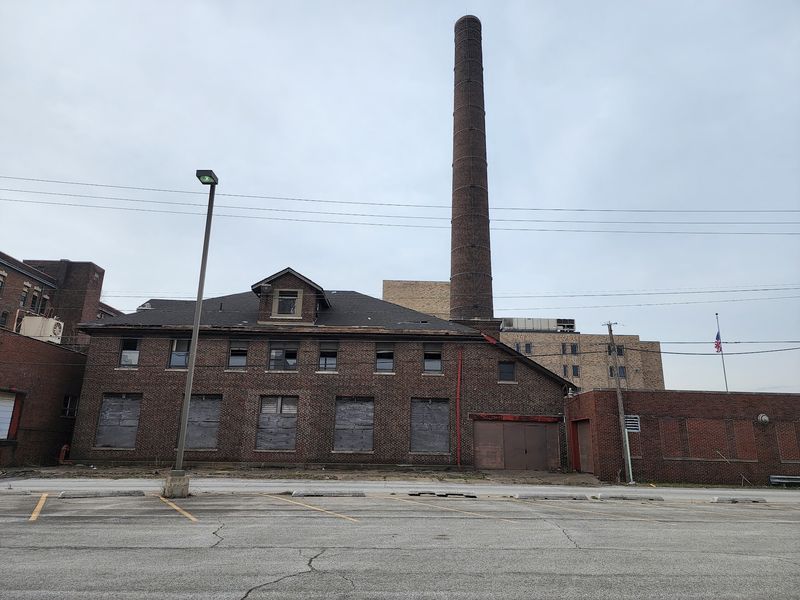
If Gary has a signature image, it is the immense industrial wall of Gary Works. The steel complex is so large that it can make nearby streets, houses, and vehicles look miniature, which adds to the city’s severe and unforgettable mood.
Known as one of the biggest steel mill complexes in North America, Gary Works is more than a background feature. It explains why the city rose so quickly, why its physical footprint is so large, and why the landscape still carries the weight of industrial ambition.
There is a harsh beauty in that machinery. Pipes, stacks, towers, and metal frameworks form a skyline unlike the polished downtowns found elsewhere, replacing glassy office buildings with hard lines and surfaces shaped by heat, labor, and decades of production.
That industrial presence also helps explain the ghostly feeling attached to Gary. When a place has such powerful infrastructure and fewer residents than in its peak years, the city can appear as though it still wears the clothes of a much larger population.
Even without entering restricted areas, the mill’s scale changes how the whole city is read. Streets seem built to serve a giant, and many parts of Gary make the most sense once that giant industrial center is placed at the heart of the story.
For readers chasing the creepiest angle, the mill is not scary in a haunted-house way. Its effect is broader and heavier, a reminder of how industry can shape an entire city, leave behind monumental scenery, and cast a shadow that still defines Gary’s identity today.
Blocks That Tell the Hard Part of the Story
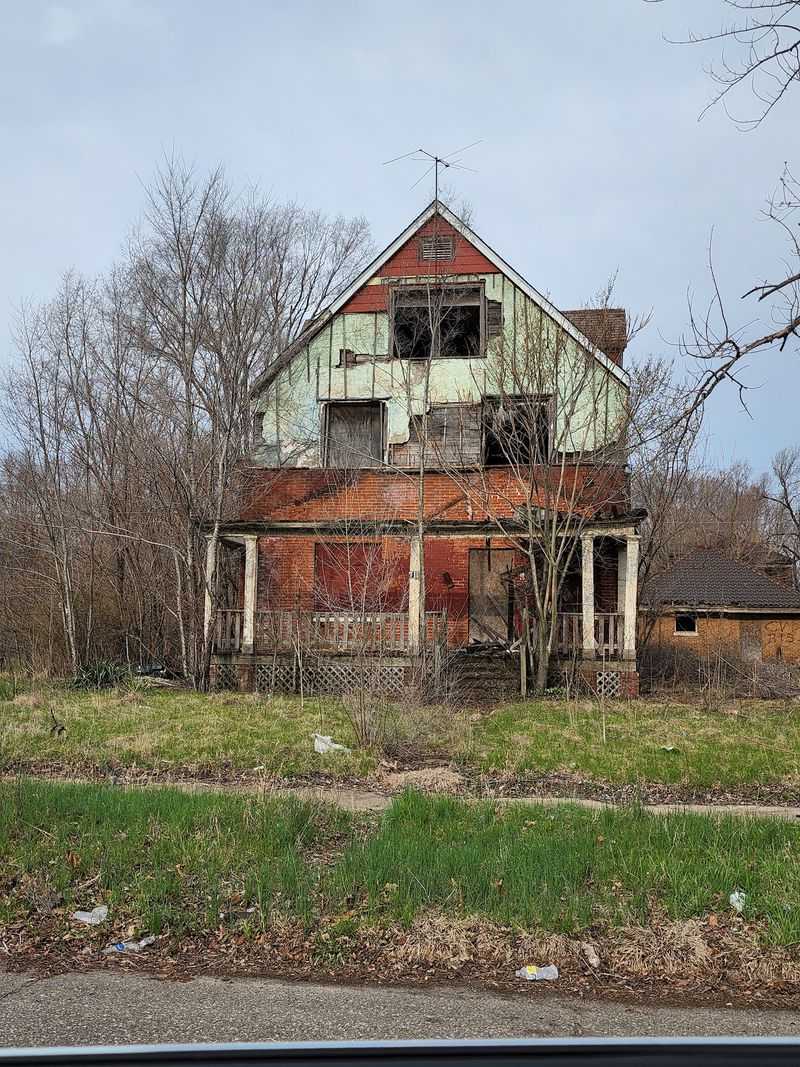
Some of Gary’s most haunting scenes are not the giant factories at all. They are the residential blocks where sturdy houses stand beside empty lots, boarded properties, and sidewalks that seem to lead toward spaces where entire rows once stood.
That pattern gives the city a stop-and-start rhythm. One stretch may show active homes with cars in driveways and trimmed grass, while the next turns sharply quieter, with gaps in the streetscape that reveal how much has changed over time.
The visual effect is powerful because neighborhoods are where city life is usually easiest to read. In Gary, those missing pieces become part of the story, showing the long impact of job loss, population decline, disinvestment, and the difficult task of maintaining such a large urban footprint.
There is also an important caution here. It is easy to reduce these blocks to a creepy image, but doing that misses the people who still live, work, worship, and raise families in Gary, often in the middle of landscapes outsiders notice only for their emptiness.
Seeing the city respectfully means paying attention to both realities at once. The vacant structures and open parcels create the ghost-town reputation, yet they exist beside ordinary life, which makes the mood more complicated than simple abandonment.
That complexity is part of why Gary stands out in Indiana. Instead of offering one neat scene of decay, it presents a patchwork of resilience and loss, where each block can shift the mood from familiar neighborhood calm to a stark reminder of how dramatically an American city can change.
Gary, Indiana History in Plain Sight
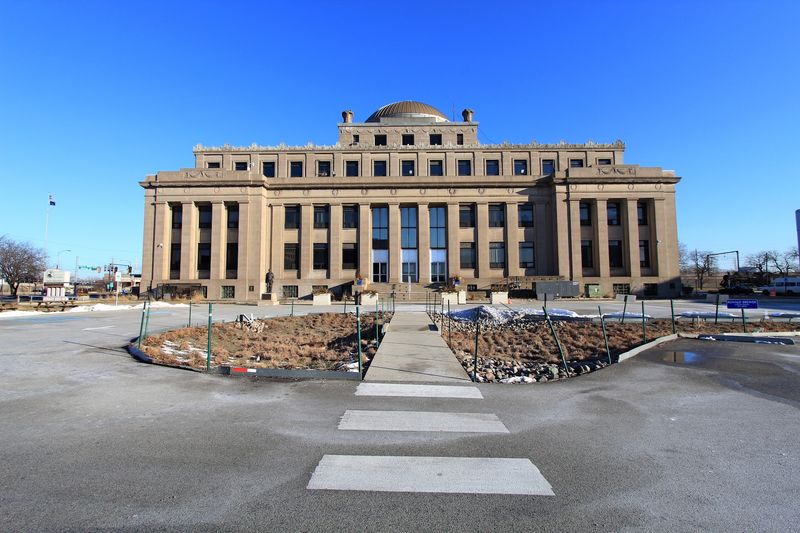
History does not hide in Gary. It sits right out in the open, written across old commercial buildings, oversized civic spaces, aging churches, and streets laid out for a booming industrial city that once expected growth to keep going.
Founded as a company town tied closely to steel, Gary expanded fast in the twentieth century. That rapid rise shaped everything from its housing stock to its downtown scale, leaving behind a city plan that still reflects the confidence of an earlier era.
When population fell over the decades, the physical city did not shrink at the same speed. The result is one of the reasons Gary can appear so uncanny, because the bones of a major urban center remain even when some sections no longer carry the same daily energy.
There is a deeply human story behind that shift. Jobs, migration, policy choices, suburban growth, and industrial change all played a part, turning Gary into a place where architecture often says as much about economics and power as it does about design.
That context matters when old schools, theaters, or business districts enter the conversation. A vacant building in Gary is rarely just a spooky shell, it is also evidence of a city shaped by national forces that lifted it up, then left difficult gaps behind.
Seeing Gary through history does not make it less eerie. Instead, it sharpens the feeling, because the empty spaces stop looking random and start looking legible, each one connected to a larger American story of industry, ambition, decline, and the stubborn endurance of place.
How to See the City Without Missing the Real One
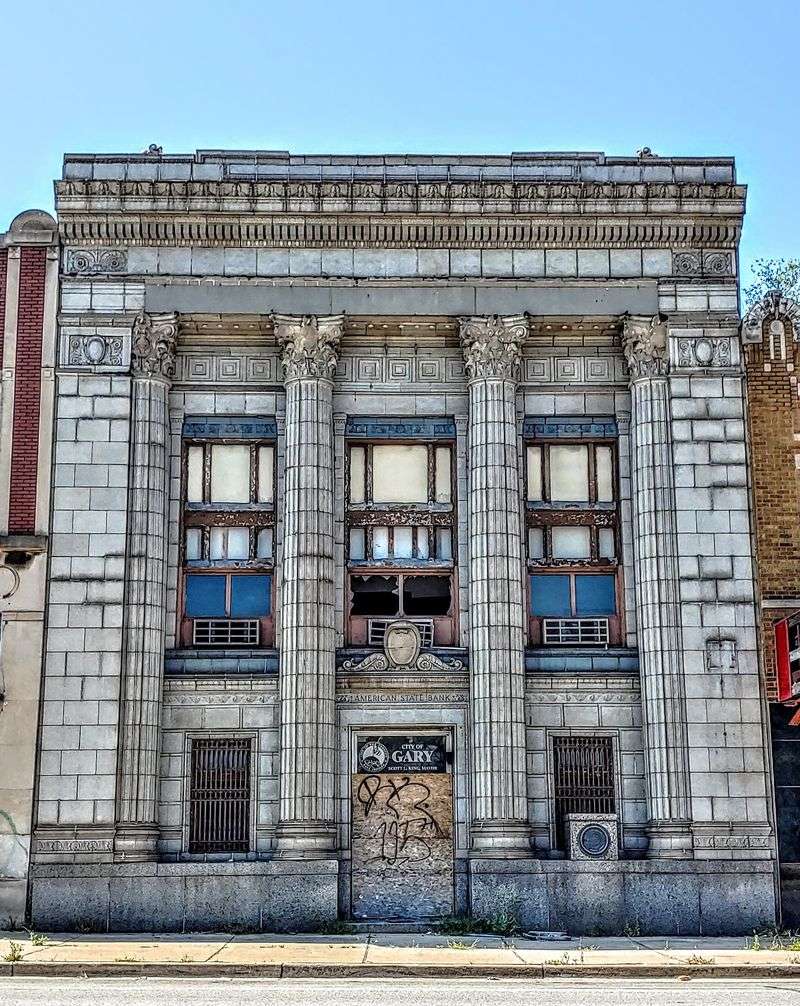
The smartest way to experience Gary is to treat it as a living city, not an attraction built around ruins. A slow daytime drive through different parts of town reveals far more than a reckless search for dramatic abandoned buildings ever could.
Start with the big picture instead of chasing a single spooky stop. Major streets, visible industrial zones, older commercial corridors, and residential areas together explain why Gary has such a strong visual identity and why no one section tells the full story.
Timing changes the mood in a major way. Morning and afternoon light show details in brickwork, faded signs, church facades, rail crossings, and factory silhouettes, while also making it easier to stay oriented and respectful in unfamiliar parts of the city.
There are a few practical rules that matter. Do not trespass, do not enter unstable structures, and do not confuse vacancy with permission, because many sites are dangerous, privately owned, or part of active neighborhoods where people deserve privacy and courtesy.
It also helps to notice where life remains steady. Schools, local stores, homes with porches, maintained lawns, and traffic moving through working corridors all push back against the lazy idea that Gary is only a ghost town, which makes the haunted reputation more interesting, not less.
Seen this way, the city becomes less of a dare and more of an education. Gary’s power comes from its scale, its contradictions, and the way ordinary community life continues within a landscape many outsiders know only through eerie photographs.
Why Gary Still Holds Indiana’s Creepiest Reputation
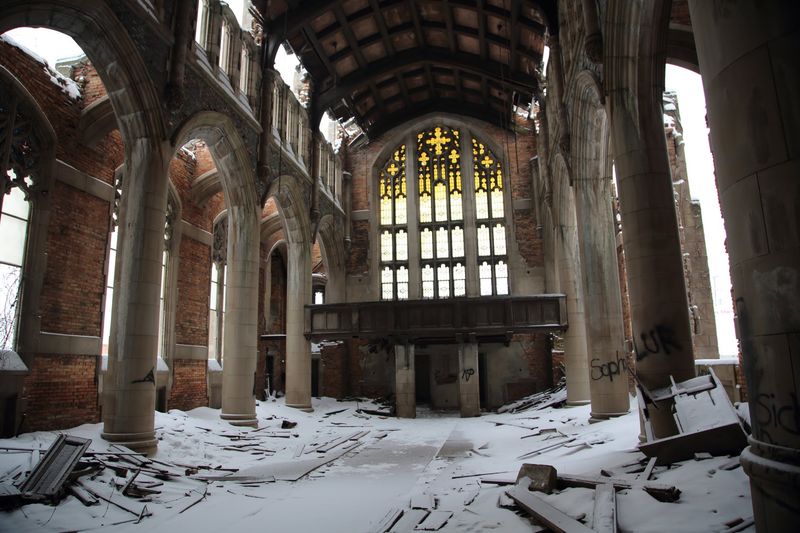
Plenty of places have abandoned buildings. Gary’s reputation runs deeper because the city combines scale, history, industrial power, and visible loss in one concentrated setting, creating a mood that is larger and stranger than a typical forgotten site.
Part of the chill comes from contrast. Gary is not an isolated ruin in the woods, but a real city in northwest Indiana where active neighborhoods, industrial infrastructure, empty properties, and major roads exist side by side in ways that can look startling from one block to the next.
That unpredictability keeps the landscape visually tense. A church steeple, a fading storefront, a broad street built for heavier traffic, and a distant web of steel structures can all enter the same frame, making the city seem both inhabited and hollow at once.
There is also no need to exaggerate the place. Gary does not require made-up legends or ghost stories to feel unsettling, because its strongest effect comes from what is plainly visible, the size of its built environment and the evidence of how much life it once held.
At the same time, reducing Gary to creepiness alone misses the point. Its story includes labor, music, migration, community, and endurance, which gives the city’s darker edges more depth than a simple thrill-seeking label ever could.
That is why Gary remains so hard to forget. It captures a rare mix of American grandeur and fracture, where massive industry, altered neighborhoods, and an unmistakable sense of absence meet in one place, earning its status as one of Indiana’s most haunting urban landscapes.