Texas is massive, and that means plenty of space to find your own slice of wilderness without bumping elbows with a hundred other campers. Whether you crave desert sunsets, shady river valleys, or starry canyon nights, the Lone Star State has hidden gems that feel worlds away from the usual crowded spots. These campgrounds offer real solitude, stunning scenery, and the kind of peace that makes you remember why you love camping in the first place.
1. Guadalupe River State Park
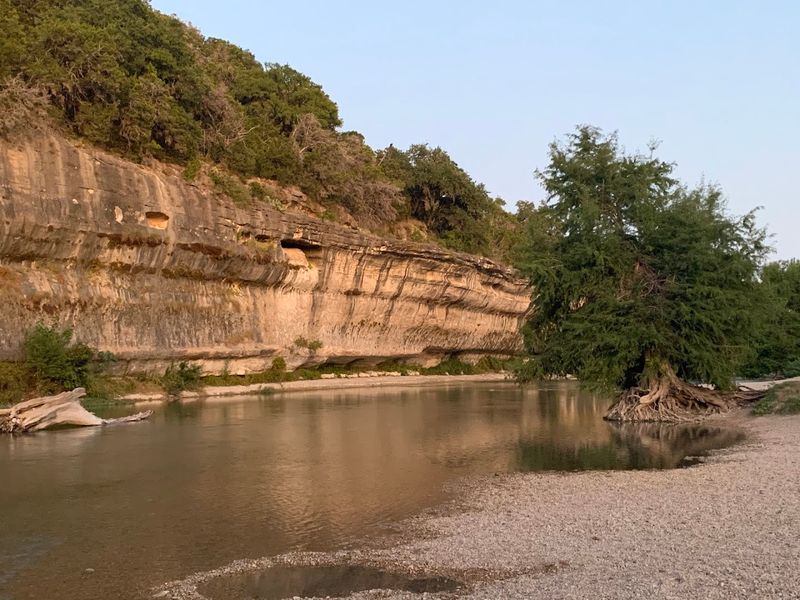
Cool, clear water winds through this Hill Country hideaway where bald cypress trees tower overhead and limestone bluffs frame the horizon. Guadalupe River State Park sits far enough from San Antonio to shake most weekend warriors, yet close enough for an easy escape when city life gets too loud.
Campsites here nestle under thick canopies that keep things comfortable even during Texas summers. You can wade right into the river from several spots, and the water stays refreshingly cold year-round thanks to spring-fed flow.
Hikers find miles of trails weaving through juniper breaks and across rocky ridges with views that stretch for days. Bird watchers come for the golden-cheeked warblers in spring, while tubers float lazily downstream when the water level cooperates.
The park stays quieter than its famous neighbors downstream, making it perfect for families wanting nature without the party scene. Pack your fishing rod—catfish and bass bite well in the deeper pools near the day-use area.
2. Davis Mountains State Park
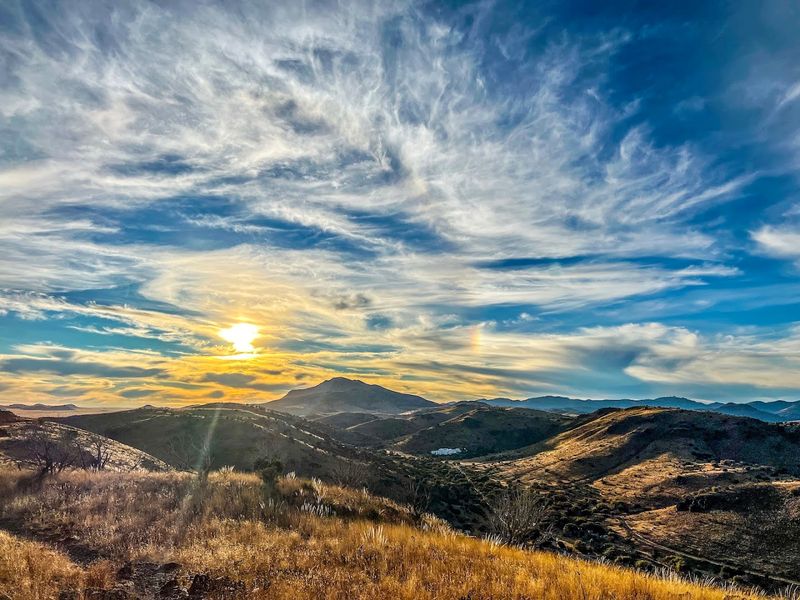
Up in the Trans-Pecos region where mountains rise unexpectedly from desert plains, this park offers elevation that brings cooler temps and clearer skies than almost anywhere else in Texas. Davis Mountains State Park sits at nearly a mile high, which means actual relief from summer heat and some of the best stargazing you’ll find anywhere.
The campground spreads across rolling terrain with sites that give you breathing room and mountain views in every direction. Most spots accommodate both tents and RVs, though the park maintains that rustic West Texas vibe that feels genuinely remote.
Trails lead up into the surrounding peaks where desert plants give way to unexpected pine and oak groves. The Indian Lodge nearby adds convenience without crowding the camping experience, and the whole area stays blissfully uncrowded except during major meteor showers.
Bring layers—temperatures drop significantly after sunset, even in summer. The park sits close enough to McDonald Observatory for incredible night sky programs if you want expert-led stargazing alongside your camping adventure.
3. Padre Island National Seashore
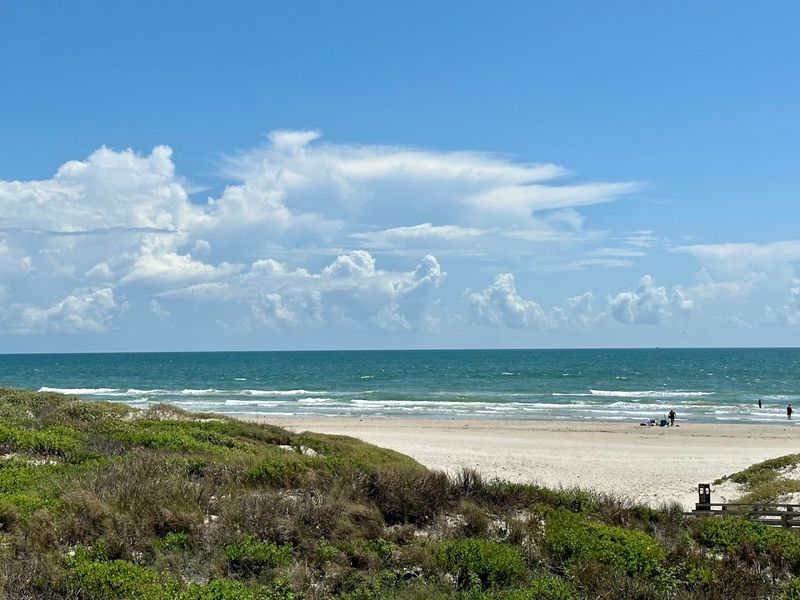
Miles and miles of undeveloped coastline stretch along this barrier island where you can drive right onto the beach and camp with nothing but sand, surf, and seabirds for company. Padre Island National Seashore protects the longest stretch of primitive beach in the United States, and most visitors never make it past the first few miles.
Beach camping here means setting up wherever you find a good spot beyond the five-mile marker. Four-wheel drive becomes essential as the sand gets softer the farther south you venture, but that challenge keeps crowds thin.
Surf fishing produces excellent catches of redfish, speckled trout, and black drum depending on the season. Sea turtle nesting happens in summer, and if you time it right, you might witness hatchlings making their moonlit dash to the waves.
Pack everything you need including plenty of water—services disappear quickly once you leave the visitor center area. Wind blows constantly, so bring sturdy tent stakes and prepare for sand in absolutely everything by the end of your trip.
4. Lost Maples State Natural Area
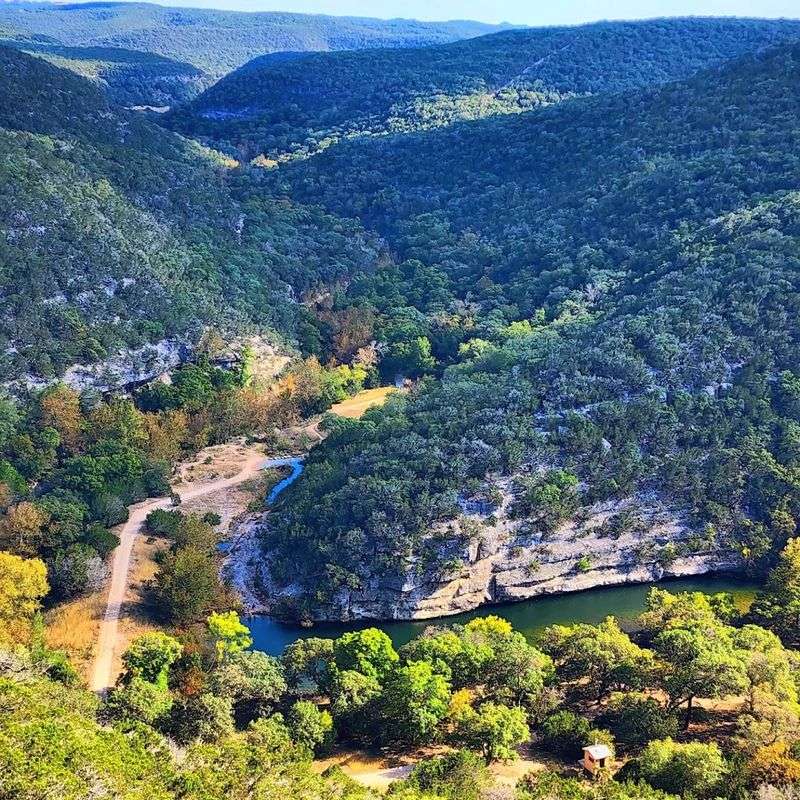
Hidden in a remote Hill Country canyon where bigtooth maples somehow survived the last ice age, this park explodes with autumn color that rivals anything New England claims to offer. Lost Maples State Natural Area draws leaf-peepers in October and November, but visit any other time and you’ll practically have the place to yourself.
The campground tucks into a scenic valley where the Sabinal River creates pools perfect for summer swimming. Sites feel private thanks to natural vegetation buffers, and the whole area maintains a peaceful atmosphere that bigger parks can’t match.
Hiking trails climb steep canyon walls to viewpoints overlooking the entire preserve. Spring brings wildflowers that carpet the hillsides, while summer heat keeps visitor numbers manageable for those willing to brave the warmth.
Reserve early if you’re planning an autumn visit—those fall colors attract crowds that book sites months ahead. Winter camping offers solitude and surprisingly mild weather for exploring the canyons without the leaf-peeping masses.
5. Big Bend National Park
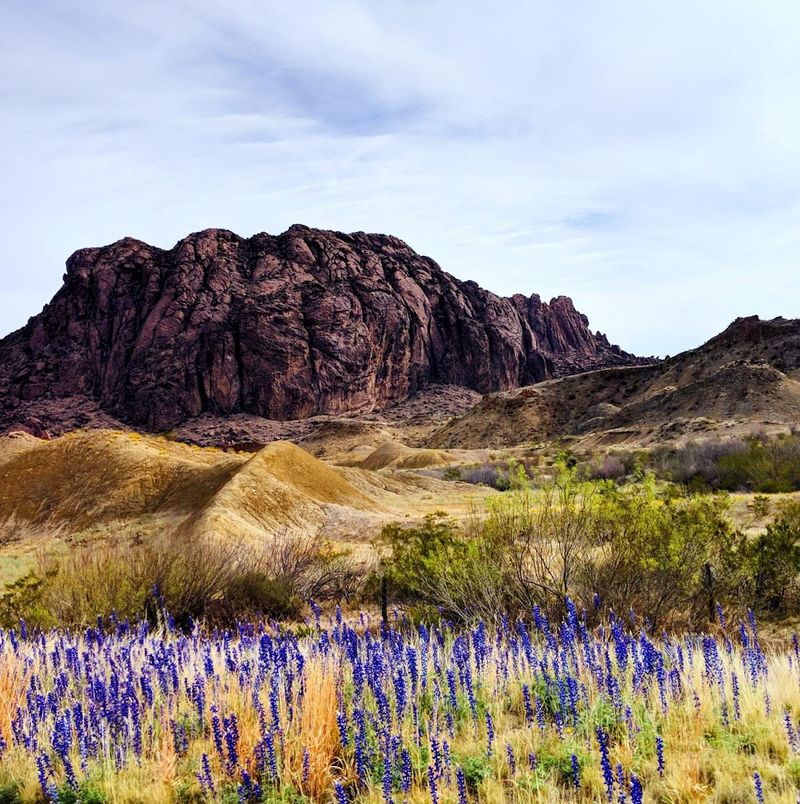
Way down where Texas borders Mexico and the Rio Grande carves through ancient canyons, Big Bend sprawls across 800,000 acres of genuine wilderness that feels more remote than almost anywhere in the Lower 48. Several campgrounds scatter throughout the park, each offering distinct desert experiences from riverside oases to mountain hideaways.
Chisos Basin Campground sits high in the mountains where temperatures stay bearable and trails lead to the famous Window View. Down along the river, Rio Grande Village offers palm-shaded sites and hot springs you can soak in after dusty hikes.
Backcountry camping takes adventurousness to another level—permits let you disappear into roadless zones where you won’t see another soul for days. The park’s sheer size means even developed campgrounds rarely feel crowded outside spring break and major holidays.
Plan carefully because services sit hours away in every direction. Cell service doesn’t exist, gas stations are scarce, and summer heat can be genuinely dangerous. Visit between November and March for the best weather and incredible night skies unmarred by light pollution.
6. Caddo Lake State Park
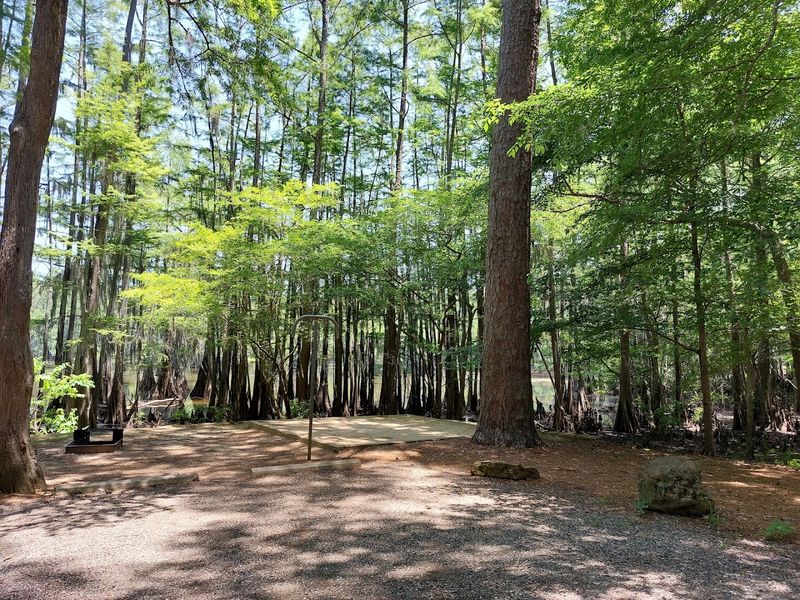
Spanish moss drapes from ancient bald cypress trees rising out of dark water that creates an almost otherworldly atmosphere unlike anything else in Texas. Caddo Lake State Park protects a piece of the only natural lake in Texas, where bayous and sloughs form a watery maze perfect for kayaking exploration.
Campsites spread along the shoreline with some offering direct water access for launching canoes or kayaks right from your spot. The lake’s mysterious beauty comes from thousands of cypress trees creating channels and passages that feel more Louisiana than Lone Star State.
Wildlife thrives in this wetland environment—alligators sun themselves on logs, great blue herons stalk the shallows, and river otters occasionally make appearances. Early morning mist rising off the water creates magical photography opportunities that draw artists year-round.
Rent a kayak if you don’t bring your own, because paddling through the cypress forest ranks among Texas’s most unique outdoor experiences. Spring and fall offer the best weather, while summer brings heat and mosquitoes that can test your patience despite the beauty surrounding you.
7. Enchanted Rock State Natural Area
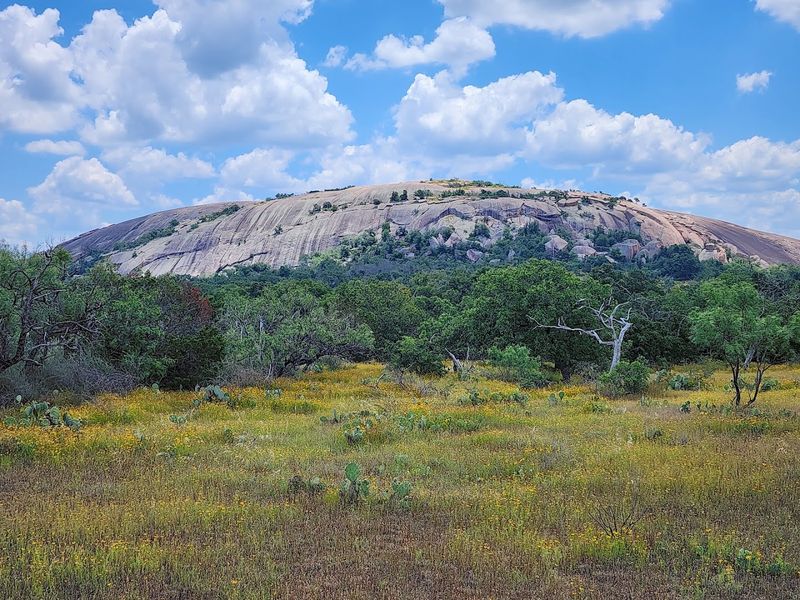
A massive pink granite dome rises 425 feet above the surrounding Hill Country, creating one of Texas’s most recognizable natural landmarks and a surprisingly peaceful camping destination. Enchanted Rock State Natural Area limits daily visitors through a reservation system that keeps crowds manageable even on beautiful weekends.
Walk-in tent sites offer the most solitude, requiring a short hike from the parking area but rewarding you with views of the rock and starry skies unobstructed by RV generators. The primitive camping experience here feels authentic and wild despite being relatively accessible.
Climbing the rock itself takes about an hour round-trip and delivers 360-degree views across miles of Texas landscape. Rock climbers tackle more technical routes on the dome’s faces, while kids enjoy scrambling up the easier main trail to the summit.
The park fills quickly on spring and fall weekends when temperatures make hiking pleasant. Summer heat reflecting off bare granite can be intense, so plan early morning adventures and afternoon shade time. Night hiking to the top for stargazing has become popular—just bring good flashlights for the descent.
8. Colorado Bend State Park
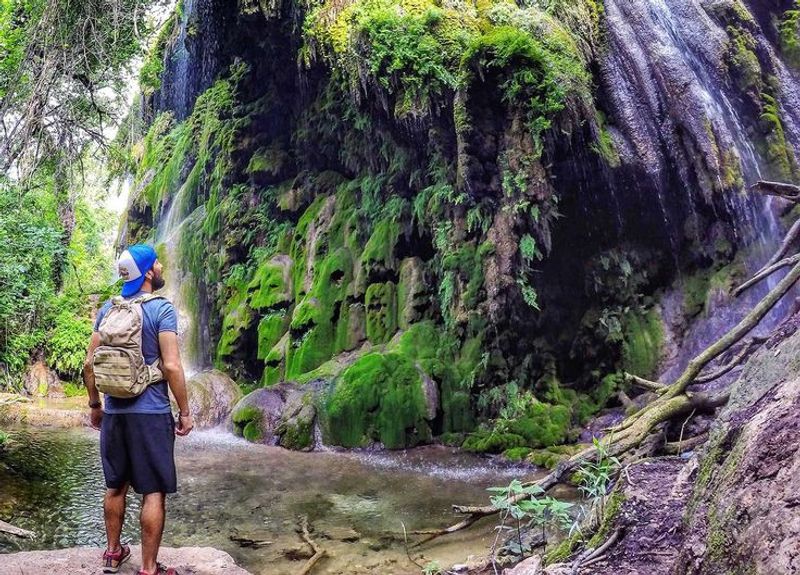
Tucked into a remote bend of the Colorado River where limestone cliffs hide caves and waterfalls, this park requires commitment to reach but pays back every bumpy mile with genuine wilderness solitude. Colorado Bend State Park sits at the end of a long gravel road that discourages casual visitors and rewards adventurous campers.
Primitive campsites scatter throughout the park with some perched on bluffs overlooking the river and others nestled in shady groves. The lack of modern amenities keeps things rustic and crowds light even during peak camping season.
Gorman Falls cascades 70 feet over a travertine formation covered in ferns and moss—reaching it requires a moderately challenging hike but the payoff is spectacular. Cave tours explore underground passages, while the river offers swimming holes and fishing spots that rarely see pressure.
Four-wheel drive isn’t required but higher clearance helps on the access road after heavy rains. Pack everything you need including firewood since gathering isn’t allowed. The park’s isolation means help sits far away, so come prepared and self-sufficient for the ultimate escape from civilization.
9. Lake Meredith National Recreation Area
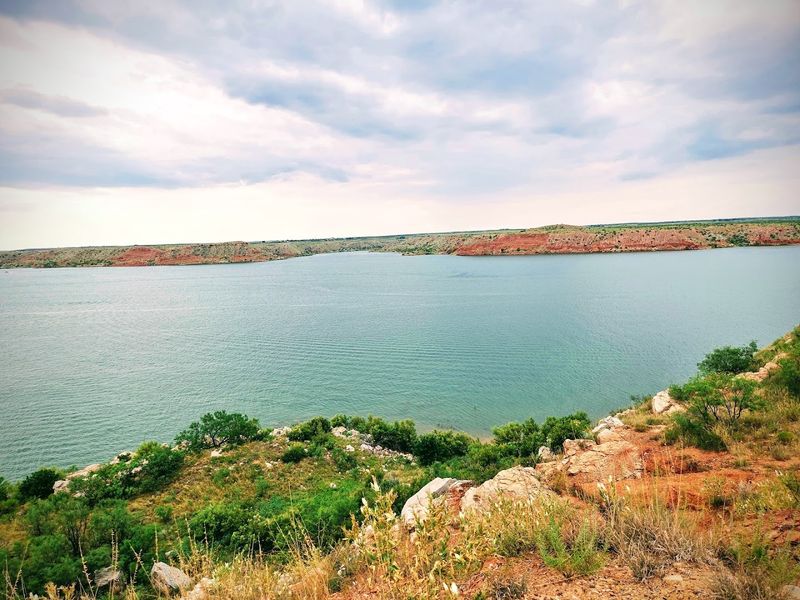
Red rock cliffs rise above blue water in the Texas Panhandle where most people never expect to find a massive reservoir and miles of undeveloped shoreline. Lake Meredith National Recreation Area offers free dispersed camping along the Canadian River breaks with scenery that surprises anyone expecting flat grasslands.
No designated campgrounds mean you can set up almost anywhere along the shore, creating your own private camping experience with lake views and complete solitude. The colorful rock formations and wide-open spaces give the area a distinctly Western feel that’s pure Panhandle character.
Water levels fluctuate with rainfall, but when the lake sits full, boating and fishing become excellent. Striped bass, walleye, and catfish all inhabit these waters, while the surrounding cliffs attract rock climbers and hikers.
Wind blows constantly across the plains, so secure your tent well and expect breezy conditions year-round. The area sees few visitors compared to more famous Texas destinations, making it perfect for campers seeking true isolation. Bring all your own water despite the lake’s presence—it’s not potable without treatment.
10. Palo Duro Canyon State Park
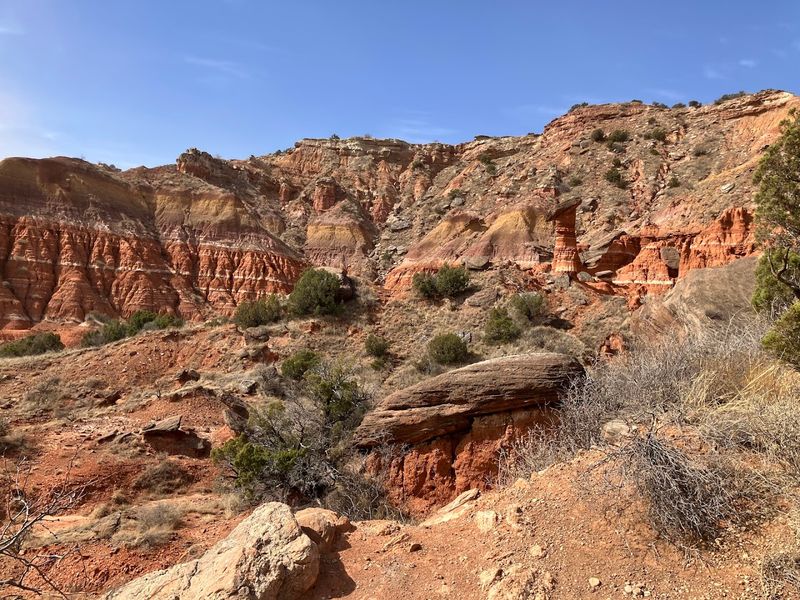
The second-largest canyon in America slices through the Texas Panhandle in bands of red, orange, and white rock that glow impossibly bright at sunrise and sunset. Palo Duro Canyon State Park drops 800 feet below the surrounding plains, creating a dramatic landscape that feels more Southwest than Texas.
Multiple campgrounds line the canyon floor with sites ranging from basic tent spots to full hookup RV pads. Despite the park’s popularity, the canyon’s size means you can find quiet corners, especially on weekdays or during shoulder seasons.
Hiking trails wind through the canyon past rock formations like the famous Lighthouse peak. Mountain biking on the multi-use paths offers another way to explore, while the summer outdoor musical provides entertainment if you want civilization mixed with your camping.
Summer temperatures soar in the canyon bottom, making spring and fall the prime seasons for comfortable camping. Winter brings occasional snow that transforms the red rocks into a stunning contrast of color. The park stays open year-round, and off-season visits deliver solitude that summer crowds never allow.
11. Caprock Canyons State Park
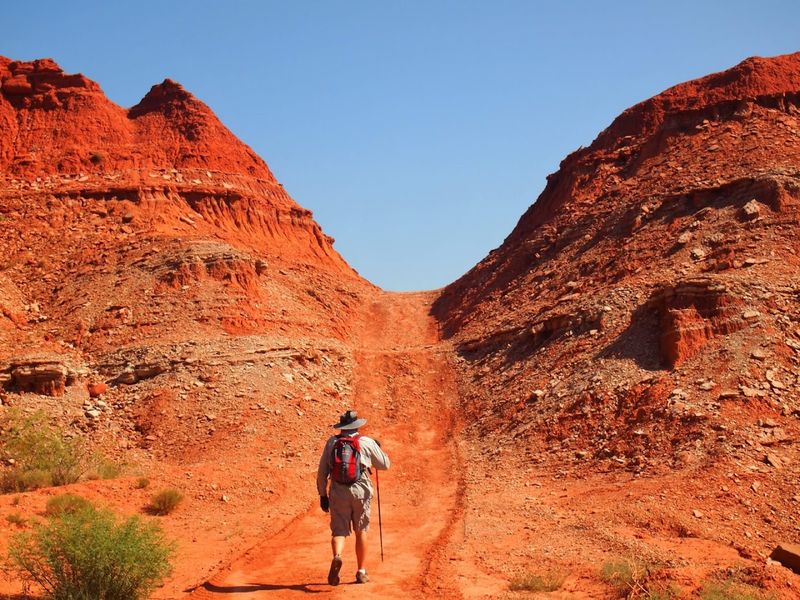
Where the flat High Plains suddenly break into colorful canyons and rough terrain, a smaller and less-visited alternative to Palo Duro offers equally stunning scenery without the crowds. Caprock Canyons State Park protects rugged landscape where the official Texas bison herd roams free and hiking trails explore genuine wilderness.
Campsites spread across different areas of the park with some offering canyon views and others tucked into more sheltered spots. The small number of sites and the park’s relative obscurity mean you’ll often have entire sections to yourself, especially mid-week.
The Trailway follows an old railroad bed for over 60 miles through the canyons, perfect for long-distance hiking or mountain biking. Spotting the bison herd rates as a highlight—these aren’t zoo animals but truly wild descendants of the original Southern Plains herd.
Bring binoculars for wildlife watching since the park hosts over 175 bird species plus aoudad sheep on the canyon walls. Weather can change quickly in the Panhandle, so pack layers even in summer when afternoon thunderstorms sometimes roll through with little warning.
12. Garner State Park
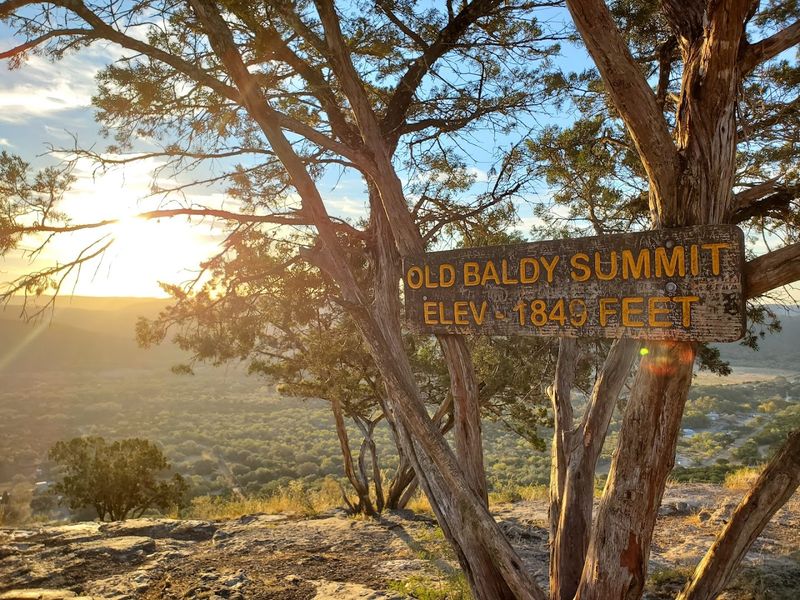
Crystal-clear water flowing over limestone creates natural pools perfect for summer swimming along the Frio River where this Hill Country favorite has welcomed generations of Texas families. Garner State Park gets busy during peak season, but its size and multiple camping areas mean you can still find peaceful spots away from the main action.
Campsites range from riverside locations where you can hear the water flowing to hillside spots offering views across the valley. The park’s infrastructure supports both tent campers and RV travelers, though the most coveted sites book months ahead for summer weekends.
Old Baldy trail climbs to a scenic overlook above the park where sunset views stretch across miles of Hill Country. The river itself provides endless entertainment—rent tubes, canoes, or paddleboards, or simply wade in the shallow areas where kids can safely play.
Summer evenings bring outdoor dances at the pavilion, a tradition dating back decades that adds nostalgic charm. Visit during spring or fall for better weather and thinner crowds, or brave the winter for a completely different experience when the park feels almost deserted.
13. Balmorhea State Park
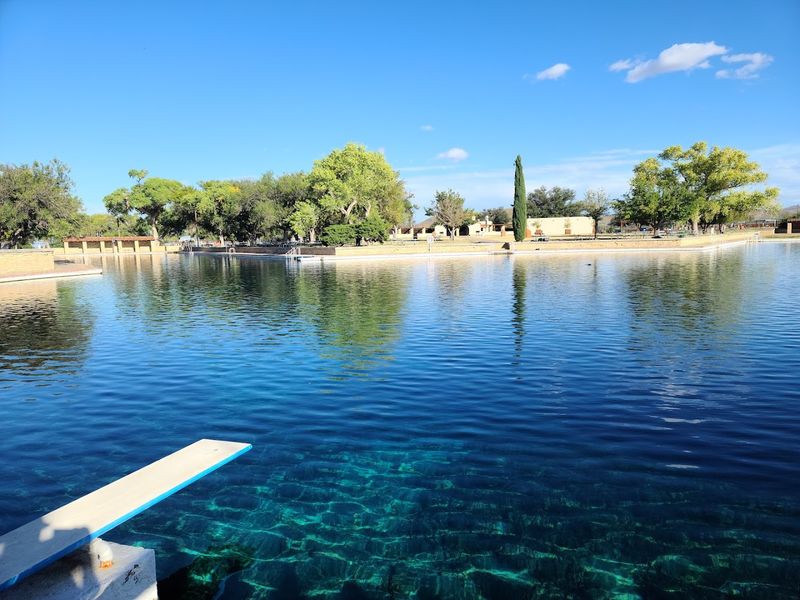
A massive spring-fed pool measuring nearly two acres sits in the middle of West Texas desert, creating an oasis that seems almost miraculous in this arid landscape. Balmorhea State Park centers around this natural wonder where 15 million gallons of 72-degree water flow daily from the San Solomon Springs.
Camping here means you’re steps from the pool, which opens early for lap swimmers before the day crowds arrive. The campground itself offers basic amenities with sites that provide some shade—a valuable commodity in this part of Texas where summer heat dominates.
Snorkeling and scuba diving in the pool reveal an underwater world of native fish species and the spring’s impressive depth. The constant water temperature makes swimming pleasant even on scorching days when air temps push past 100 degrees.
The park’s location along the way to Big Bend makes it a perfect stopover for longer West Texas adventures. Summer weekends see the pool packed with families, so weekday visits offer more space and tranquility. The surrounding Chihuahuan Desert landscape provides stark beauty and excellent stargazing after the pool closes for the evening.
14. Inks Lake State Park
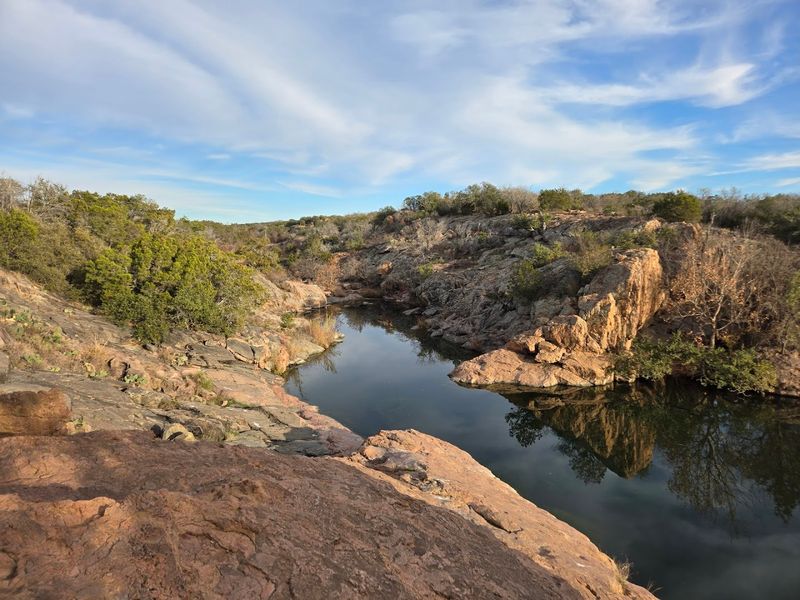
Pink granite boulders frame blue water along this Highland Lakes gem where the lake level stays constant thanks to dam control, making it perfect for year-round water activities. Inks Lake State Park offers a more intimate camping experience than larger reservoirs while maintaining easy access to swimming, fishing, and boating.
Waterfront campsites let you launch kayaks right from your spot, while inland sites offer more shade and privacy under oak trees. The park’s relatively small size creates a cozy atmosphere without feeling cramped, and the steady water level means shoreline activities stay consistent regardless of season.
Devil’s Waterhole provides a popular swimming area with deeper water for jumping off rocks, while calmer coves around the lake suit families with young kids. Hiking trails wind through the surrounding hills past more granite formations and viewpoints overlooking the water.
Spring brings wildflowers and perfect camping weather before summer heat arrives. The park stays accessible and pleasant year-round though, with winter offering surprisingly mild conditions and far fewer visitors. Fishing for largemouth bass and catfish stays productive throughout the year in these consistent waters.
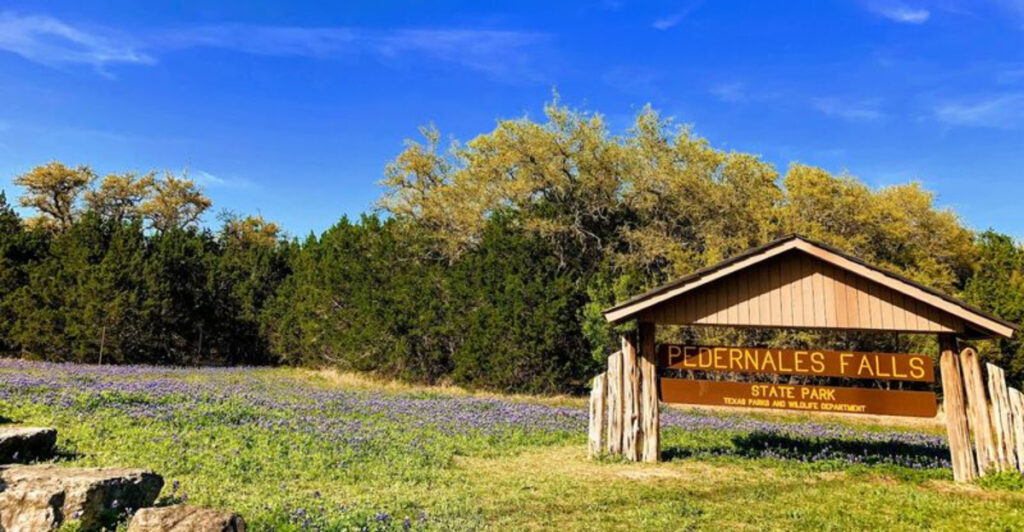
15. Pedernales Falls State Park
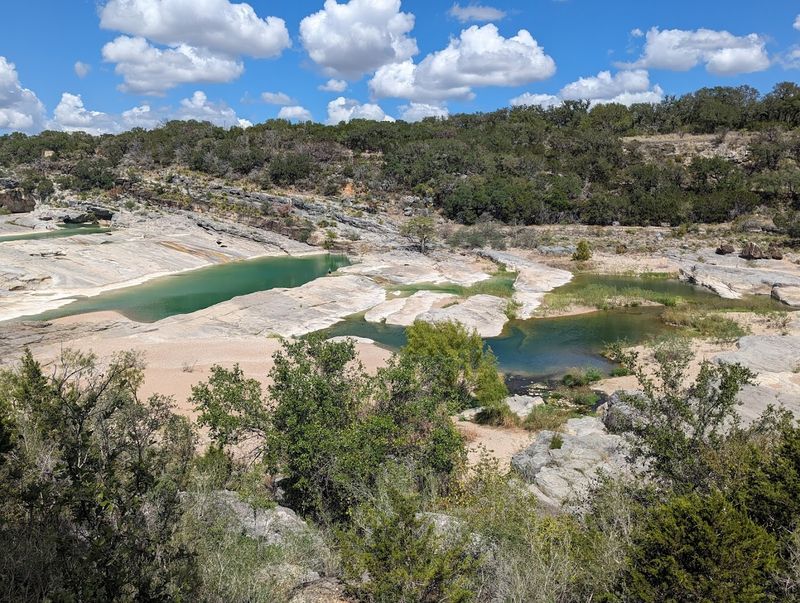
Limestone shelves create dramatic cascades where the Pedernales River drops through a series of falls that range from gentle ripples to impressive torrents depending on recent rainfall. Pedernales Falls State Park spreads across nearly 5,200 acres of Hill Country terrain with camping areas that balance convenience and natural setting.
The campground sits within easy walking distance of the falls overlook but far enough back to maintain a peaceful atmosphere. Sites accommodate both tents and RVs, with some offering more privacy thanks to natural vegetation screening between spots.
When water flows strongly, the falls put on a spectacular show that draws photographers and nature lovers. During drier periods, exposed limestone creates interesting formations and pools for wading, though swimming near the falls themselves isn’t allowed due to dangerous currents.
Miles of trails explore the surrounding hills and river bottomlands where wildlife sightings happen regularly. Mountain biking on designated trails provides another way to experience the park’s varied terrain. The park’s proximity to Austin makes it popular on weekends, but weekday visits offer much more solitude for enjoying the falls and river without crowds.
16. Choke Canyon State Park
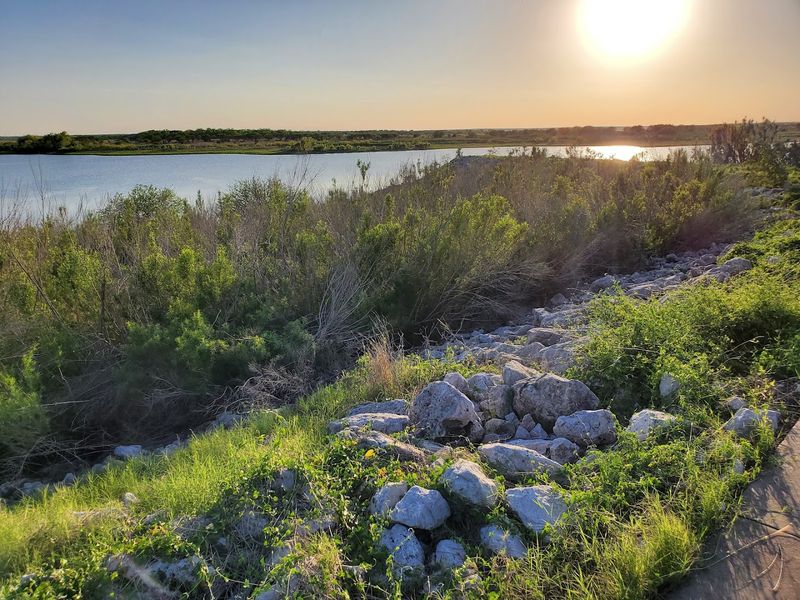
Down in South Texas brush country where mesquite and cactus dominate the landscape, this reservoir park flies completely under the radar despite offering excellent fishing and genuine solitude. Choke Canyon State Park actually consists of two units on opposite sides of the lake, with Calliham Unit being the larger and more developed option.
Campsites spread along the shoreline with many offering direct lake access and views across the water. The park sees light use compared to more famous destinations, meaning you’ll often have entire loops to yourself even on weekends when other parks overflow.
Fishing for catfish and bass ranks as the main draw, with the lake producing quality catches year-round. Bird watching appeals to those seeking South Texas specialties like green jays and great kiskadees that don’t occur farther north.
The remote location and hot climate keep summer crowds minimal—most visitors come during cooler months when temperatures make outdoor activities more pleasant. The park’s isolation means you’ll need to bring supplies since nearby towns are small. If you’re seeking a true escape from crowds and tourist scenes, this overlooked gem delivers authentic Texas wilderness camping.
Share this story