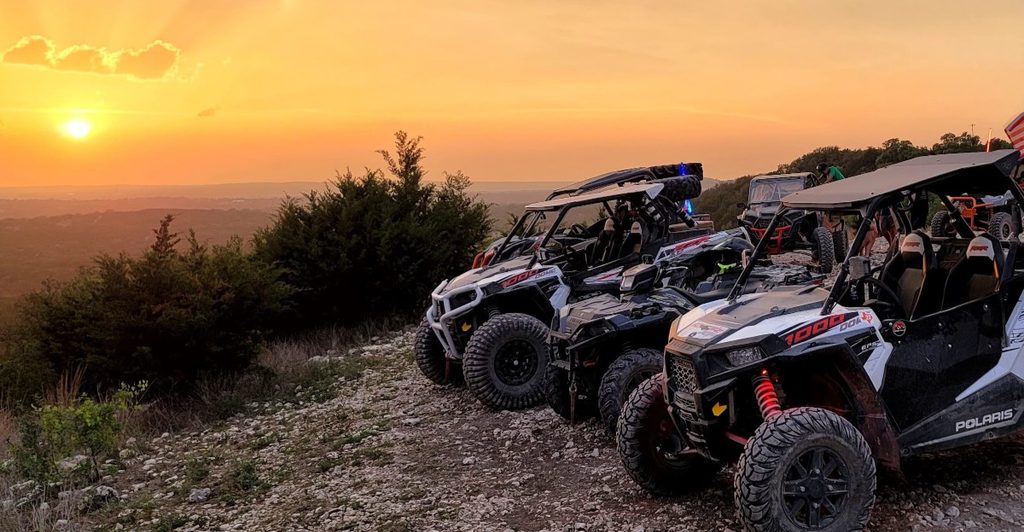
Texas isn’t all sprawling cities and endless highways. Tucked between the Hill Country limestone and the Gulf Coast waves, you’ll find small towns that pack serious outdoor punch. Whether you’re craving mountain bike trails, kayaking routes, or hiking paths that wind through wildflower fields, these six destinations prove the Lone Star State has way more to offer than barbecue and cowboy boots.
1. Marble Falls
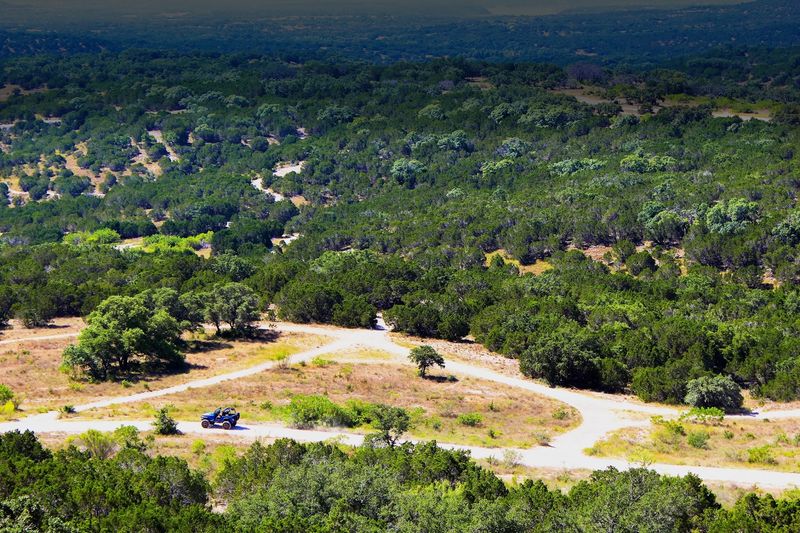
Perched along the Colorado River in the heart of Hill Country, this spot delivers year-round adventure without the tourist crowds you’d find in bigger destinations. The name might sound fancy, but the vibe here is pure Texas casual, where locals greet you with a wave and everyone seems to know the best swimming holes.
Water activities dominate the scene. Lake Marble Falls and Lake LBJ create over 100 miles of shoreline perfect for kayaking, paddleboarding, or just floating around on a lazy afternoon. Fishing enthusiasts cast lines for bass and catfish, while families claim their favorite coves for picnics and swimming.
When you’re ready to leave the water behind, the trails around Balcones Canyonlands offer hiking routes through juniper-covered hills. Spring brings wildflowers that blanket the roadsides in blue, orange, and red. Fall temperatures drop just enough to make outdoor exploring comfortable without needing a jacket.
Downtown feels authentically Texan, not like a movie set. Local shops sell handmade goods, and the restaurants serve up comfort food that hits the spot after a day outside. You won’t find chain stores crowding Main Street.
Rock climbing draws adventurers to the limestone formations surrounding town. Routes range from beginner-friendly to seriously challenging, with views that stretch across the Hill Country when you reach the top. Mountain bikers tackle the rugged terrain on trails that twist through cedar and oak.
The pace here moves slower than city life. People actually stop to chat at the grocery store, and rush hour means waiting for three cars at a stoplight. It’s the kind of place where outdoor fun doesn’t require reservations or advance planning, just a willingness to explore what’s around the next bend.
2. Fredericksburg
German heritage meets Texas grit in this Hill Country gem that’s become an outdoor lover’s headquarters. Founded by German immigrants in 1846, the town still celebrates its roots with architecture and festivals, but these days it’s equally famous for the wild landscapes surrounding it.
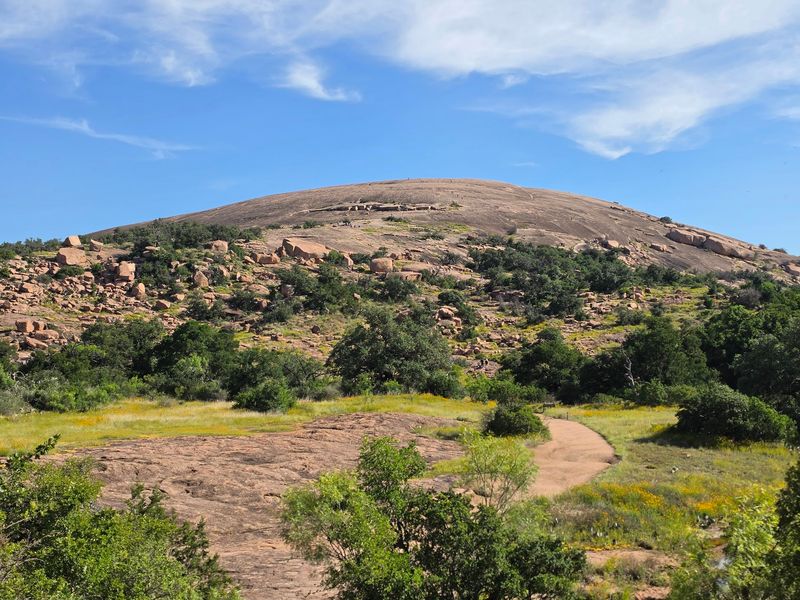
Enchanted Rock State Natural Area sits just outside town like a massive pink granite dome rising 425 feet above ground. Climbing to the summit takes about an hour, and the 360-degree views reward every step. Locals recommend going at sunrise before the heat kicks in and the parking lot fills up.
The rock formations create natural pools after rain, and the ecosystem supports rare plants found nowhere else.
Wine country sprawls across the nearby hills. Over 50 wineries dot the landscape, many with grounds perfect for picnicking between tastings. Cycling tours connect the vineyards along scenic farm roads where you’ll spot more longhorns than cars.
The terrain challenges riders with rolling hills but rewards them with postcard views.
Main Street keeps its 19th-century charm while serving modern adventurers. Outfitters rent bikes and kayaks, while local guides lead nature walks through the surrounding preserves. The Pedernales River offers tubing and swimming spots where families claim shady banks for all-day hangouts.
Birdwatching attracts serious enthusiasts year-round. The area sits on migration routes, bringing species you won’t see elsewhere in Texas. Spring and fall migrations turn the skies into highways for warblers, buntings, and raptors.
Local shops cater to birders with specialized gear and trail maps marking the best viewing spots.
After dark, the lack of light pollution reveals star-filled skies. Several ranches outside town offer stargazing programs with telescopes, though you can see the Milky Way clearly just by driving a few miles from downtown. It’s outdoor adventure with a side of culture and history.
3. Port Aransas
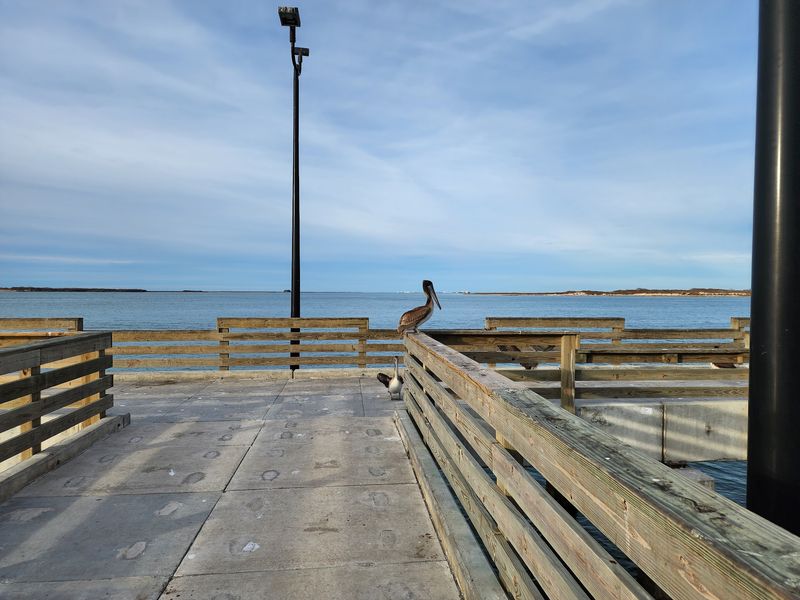
This barrier island town lives and breathes Gulf Coast energy. Forget the fancy resort atmosphere, Port A keeps it real with sandy streets, weathered fishing piers, and a community that measures time by tides and fish runs rather than clocks.
Beaches stretch for miles in both directions from town. The sand stays firm enough for driving, and locals park their trucks right on the shoreline to fish, surf, or set up camp for the day. Waves roll in consistently enough for surfing and boogie boarding, while calmer days invite paddleboarders and kayakers to explore the coastline.
Beachcombing turns up shells, driftwood, and occasionally sea glass worn smooth by the waves.
Fishing defines the culture here. Charter boats leave daily for deep-sea expeditions chasing red snapper, kingfish, and tarpon. The jetties provide free fishing spots where you can cast for speckled trout and redfish without paying for a guide.
Locals will share tips if you ask nicely, and the bait shops stock everything you need plus plenty of fish tales.
Mustang Island State Park protects 3,700 acres of coastal prairie and dunes. Trails wind through the grasslands where you might spot coyotes, armadillos, or migratory birds. Camping puts you steps from the beach, with sunrise views that make waking up early worthwhile.
The park stays less crowded than town beaches, offering solitude if you walk far enough.
Birding reaches world-class status during migration seasons. Over 400 species pass through the area, and serious birders travel from across the country to add rarities to their life lists. The Leonabelle Turnbull Birding Center provides boardwalks through wetlands where roseate spoonbills, reddish egrets, and other colorful species feed.
Golf carts outnumber regular cars in some neighborhoods. The whole island measures just 18 miles long, making it easy to explore without serious transportation. That casual vibe extends to dress codes, nobody expects shoes in most places.
4. Rockport
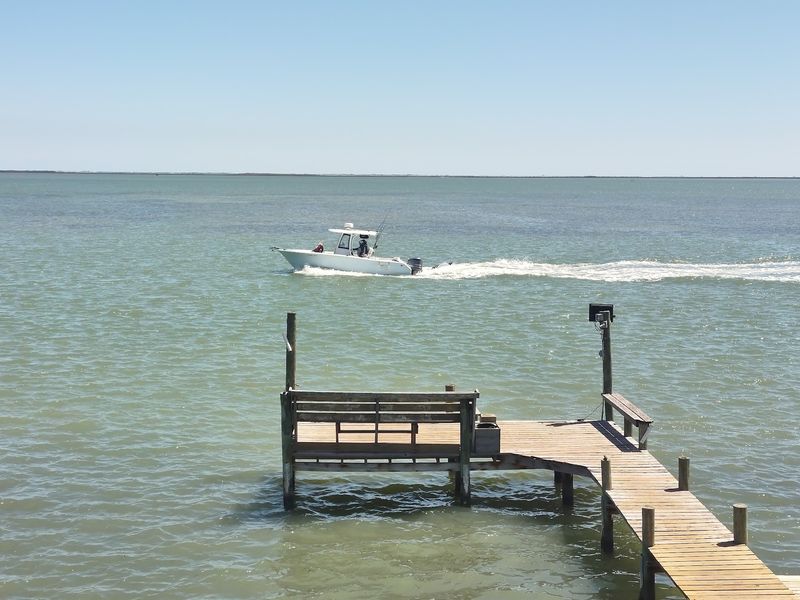
Aransas Bay wraps around this coastal town like a protective arm, creating sheltered waters perfect for kayaking and fishing. The pace here runs even slower than most Texas beach towns, with an artsy community that values nature as much as creativity.
Kayaking through the bay’s shallow waters lets you glide past oyster reefs and seagrass beds teeming with marine life. Dolphins surface regularly, sometimes swimming alongside paddlers for stretches. The calm conditions make it ideal for beginners, while experienced paddlers can explore further into the maze of islands and channels.
Several outfitters rent equipment and lead guided tours that teach you about the ecosystem.
Whooping cranes winter here, making Rockport one of the few places to see North America’s tallest bird. Boat tours take visitors into Aransas National Wildlife Refuge where the endangered cranes feed and rest. Watching these five-foot-tall birds through binoculars feels like witnessing something ancient and precious.
The refuge also shelters alligators, javelinas, and over 400 bird species.
Fishing opportunities range from wading the flats for redfish to casting from piers for flounder. The bay’s protected waters stay fishable even when Gulf conditions turn rough. Local guides know where fish congregate with the tides, and they’re usually willing to share knowledge with respectful anglers.
Crabbing and shrimping also produce dinner ingredients if you know what you’re doing.
Live oak trees draped with Spanish moss create shaded parks throughout town. The Big Tree, estimated at over 1,000 years old, draws visitors who want to stand beneath its massive canopy. Beach walking along the shoreline turns up interesting shells and the occasional piece of sea pottery smoothed by decades of wave action.
Art galleries and studios fill the downtown area, many featuring coastal landscapes and wildlife paintings. The creative community hosts regular events and workshops. It’s a place where outdoor adventure and artistic expression blend naturally, where you can kayak in the morning and browse galleries in the afternoon without feeling rushed.
5. Tyler
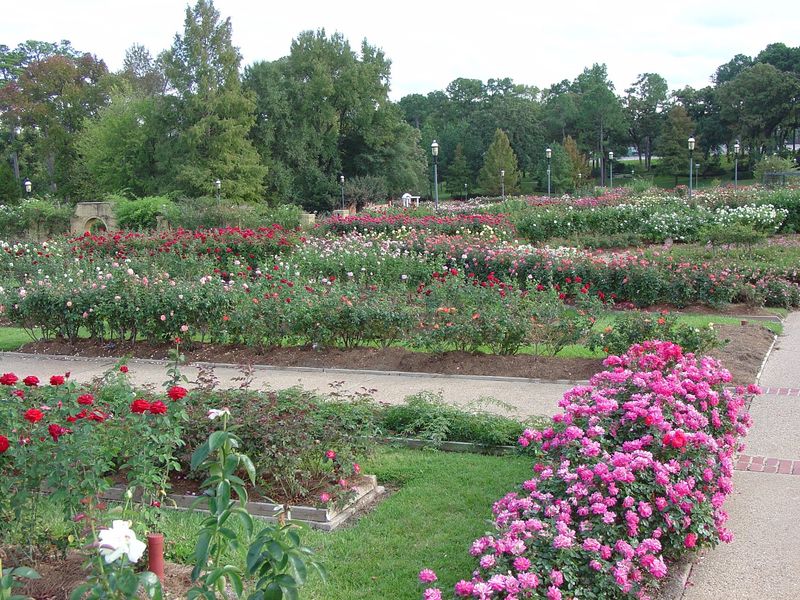
East Texas pine forests surround this city known as the Rose Capital, but the outdoor opportunities extend far beyond flower gardens. The landscape here differs completely from Hill Country or coastal regions, with tall pines, red clay soil, and lakes that reflect the trees like mirrors.
Tyler State Park protects 985 acres of forest and lake frontage. Hiking trails loop through the woods, passing beneath towering loblolly pines that create cathedral-like spaces. The 64-acre lake invites swimming, fishing, and paddling in water that stays refreshingly cool even during summer heat.
Campsites nestle among the trees, offering shade and privacy. Mountain biking trails challenge riders with technical sections over roots and around tight turns.
Rose gardens do deserve attention despite the focus on other outdoor activities. Tyler Rose Garden spans 14 acres with over 38,000 rose bushes representing 500 varieties. Walking the paths when roses bloom creates an sensory experience with colors and fragrances that change with each section.
It’s outdoor beauty of a different sort, cultivated rather than wild.
Lake Tyler and Lake Palestine provide serious water recreation. Boaters cruise the open water while water skiers cut wakes behind them. Bass fishing draws anglers year-round, with tournaments regularly scheduled on both lakes.
Marinas rent boats and equipment, making it accessible even without owning watercraft. Shoreline parks offer swimming beaches and picnic areas where families spend entire weekends.
The Sabine and Neches River corridors create paddling routes through remote bottomland forests. Cypress trees rise from the water, their knees creating obstacles to navigate around. Wildlife sightings include herons, egrets, turtles, and occasionally alligators sunning on logs.
These trips require more planning and skill than lake paddling, but the wilderness experience rewards the effort.
Cycling routes wind through the countryside on farm roads with minimal traffic. The terrain rolls gently compared to Hill Country, making long rides achievable without extreme fitness. Spring brings wildflowers along the roadsides, and fall colors paint the hardwood trees scattered among the pines.
It’s a different Texas landscape, greener and more forested than most people expect.
6. New Braunfels
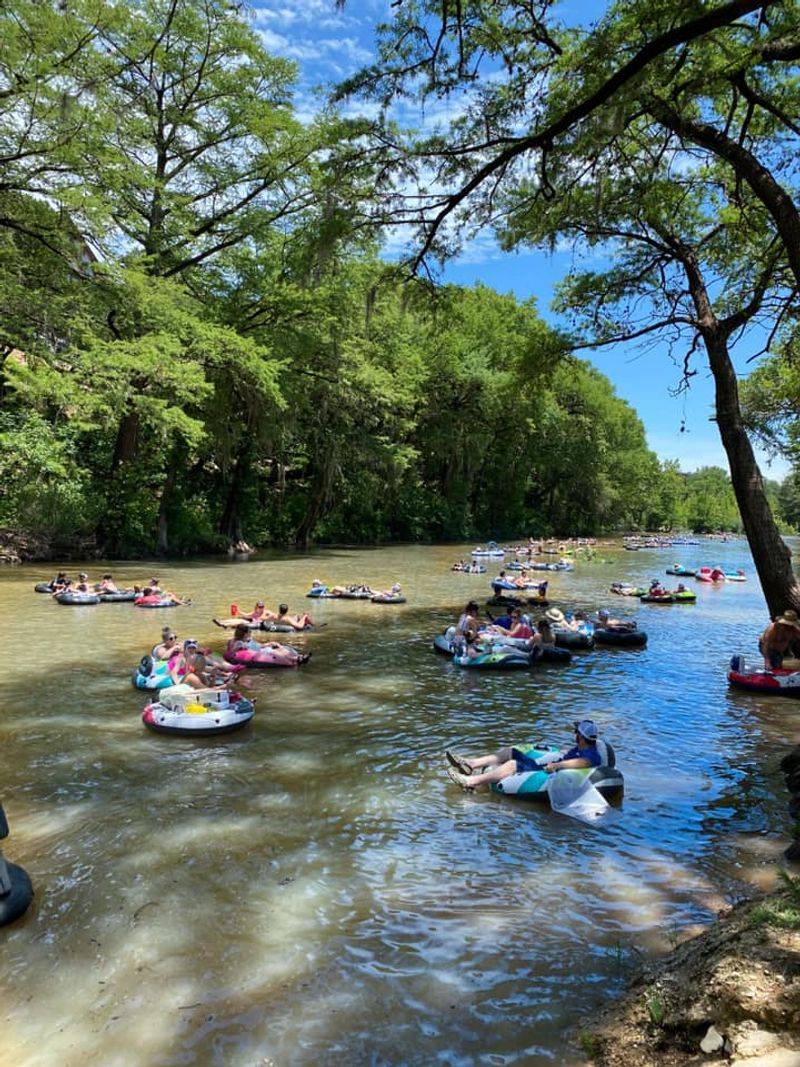
Two rivers converge here, the Guadalupe and Comal, creating a water playground that draws tubers, kayakers, and swimmers by the thousands. Summer weekends turn the rivers into floating parties, but visit midweek or off-season and you’ll find a completely different, quieter experience.
Tubing the Guadalupe ranks as a Texas rite of passage. You rent an inner tube, get shuttled upriver, then float downstream for hours while the current does all the work. Rapids add excitement without real danger, and natural swimming holes provide spots to stop and cool off.
Outfitters line the riverbanks, making it easy to find rentals and shuttles. The Comal River offers a shorter, calmer float better suited for families with young kids.
Landa Park combines natural springs with developed recreation areas. The spring-fed pool maintains a constant 72-degree temperature year-round, making it swimmable even in winter. Trails wind through the park past the springs’ source, where you can watch thousands of gallons bubble up from underground.
Playgrounds, picnic areas, and a miniature train keep kids entertained between water activities.
Guadalupe River State Park protects four miles of riverfront with hiking trails that climb the limestone bluffs above the water. Views from the top stretch across the Hill Country, especially impressive during fall when the cypress trees turn rust-colored. The park offers both primitive and developed camping, plus river access for paddling and fishing.
Bald cypress trees line the riverbanks, their roots creating underwater structure where fish hide.
Canyon Lake sprawls across 8,240 acres just outside town. The reservoir’s clear water and limestone cliffs create a scenic backdrop for boating, skiing, and scuba diving. Several parks around the lake provide different access points and amenities.
Fishing produces bass, catfish, and white bass depending on the season. Hiking trails explore the surrounding hills and canyons.
Natural Bridge Caverns descend deep underground into massive rooms decorated with formations. While technically not outdoor recreation, the caverns connect to adventure courses above ground featuring zip lines and climbing challenges. It adds variety when you need a break from water activities or want something different.