Retirement can feel easier when your money has room to stretch. Across Pennsylvania, smaller towns offer older homes, local shops, parks, and a slower pace that may cost less than life in a big city. They can also provide a stronger sense of community and the chance to spend more time enjoying everyday life without constantly watching your budget. A low home price is only part of the story, though, so it pays to look at property taxes, home repairs, health care, groceries, and transportation too.
The cost of living can vary quite a bit from one town to the next, and the most affordable option on paper may not be the best fit for everyone. These towns are worth a closer look if you want a place that fits both your budget and your daily life, whether you are planning a move or simply exploring your retirement options.
1. Titusville
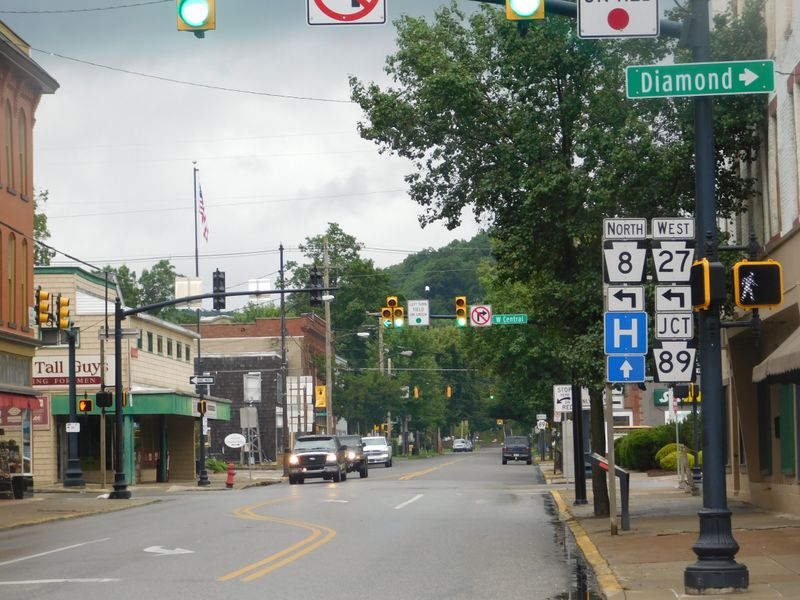
Oil history still gives this small town a story to tell.
Titusville sits near the site of the Drake Well, where an early commercial oil well helped change American industry.
Today, its older neighborhoods and modest downtown may appeal to retirees who want character without paying for a busy city address.
Start your budget search with the houses, not just the asking prices.
An older home can be affordable to buy but expensive to heat or repair during a Pennsylvania winter.
Ask for a careful inspection, check the age of the roof and furnace, and compare a full year of utility bills before you make an offer.
Daily life matters just as much as the sale price.
Walk downtown to see which shops and services you would actually use, then drive the routes you would take for groceries, appointments, and visits with friends.
If you no longer plan to drive, ask about local transportation options before choosing a home on the edge of town.
For a low-cost outing, look into the area’s oil history sites and nearby outdoor spaces.
Keeping entertainment close to home can make a retirement budget feel more comfortable.
It also helps you learn whether the town has enough to do on an ordinary Tuesday, not just during a weekend visit.
Before settling on Titusville, compare property taxes, home insurance, and expected upkeep for several homes.
Visit during cold weather if you can, since a sunny summer afternoon tells only half the story.
The best deal is a place you can afford to maintain and enjoy throughout the year.
2. Oil City
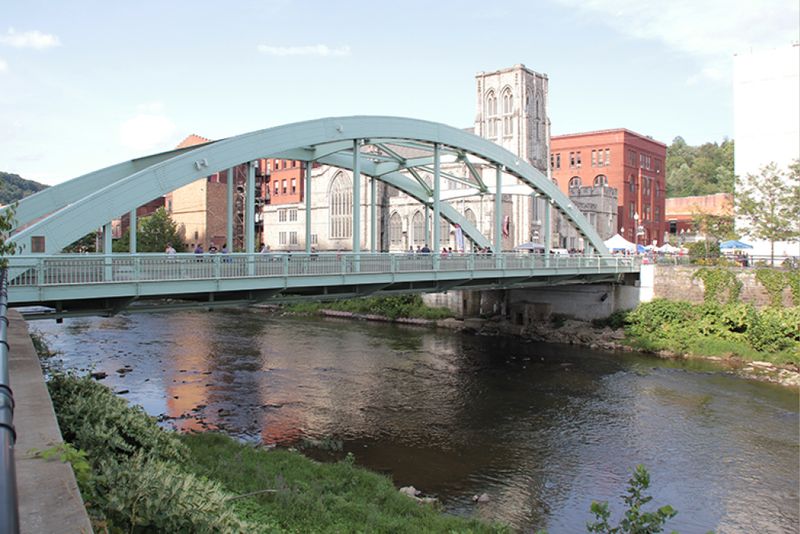
Two rivers give Oil City a sense of place before you even reach downtown.
The Allegheny River and Oil Creek meet here, and the town’s oil boom past shows up in its older buildings.
For retirees, that mix can offer something appealing: a distinctive setting where a simple afternoon walk need not cost anything.
Housing may look inexpensive compared with larger Pennsylvania communities, but compare homes carefully.
A low listing price can hide steep steps, drafty windows, or a basement that needs attention.
Think about how the layout will work years from now, especially if climbing stairs becomes harder.
A smaller home in better shape may be the wiser purchase.
Spend time in the downtown area and along the river before deciding where to live.
A house that seems close on a map may involve a hill or a road you would not enjoy walking beside.
Test the trip to the grocery store, pharmacy, and health appointments at the times you would normally go.
Oil City’s outdoor setting can help keep leisure costs in check.
River views, local events, and public spaces offer ways to get out without buying tickets every week.
Still, check which activities run all year.
A town feels different in January than it does during a summer festival.
Build a monthly budget that includes property taxes, utilities, insurance, and money for repairs.
If you are moving from elsewhere in Pennsylvania, do not assume your old costs will carry over.
Give yourself time to talk with residents, visit more than once, and choose a neighborhood that fits your routines as well as your wallet.
3. Sunbury
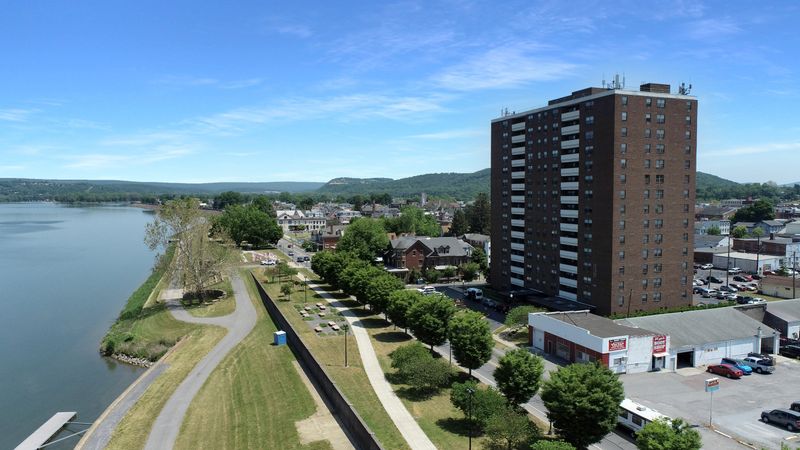
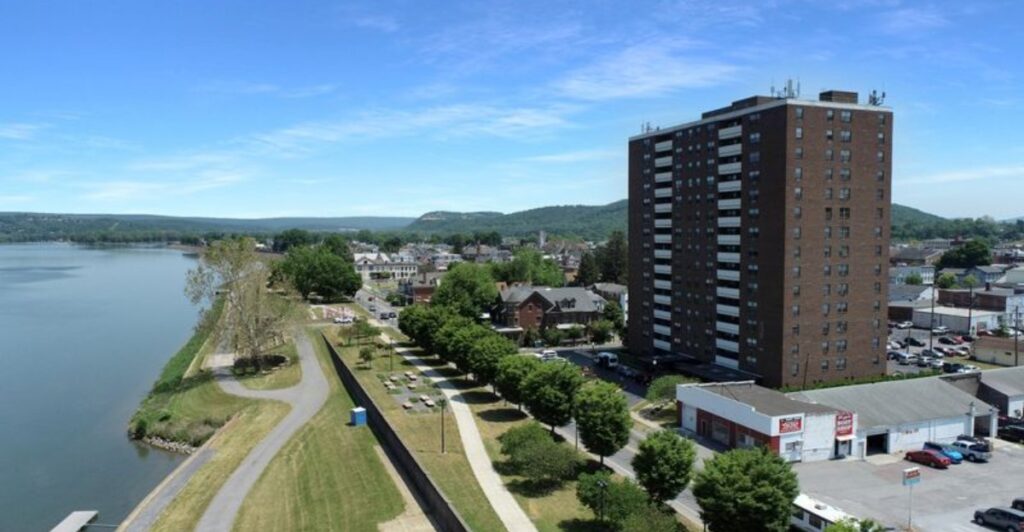
River views can make an ordinary errand feel like a pleasant trip.
Sunbury sits where two branches of the Susquehanna River meet, giving the town a setting that is easy to remember.
Retirees who enjoy walks and small-town routines may find its location more useful than a long list of costly attractions.
Look beyond the price tag when comparing homes near the water.
Check flood maps, ask about insurance, and learn whether a property has had water problems.
A lower purchase price will not help much if coverage and repairs strain your monthly budget.
Homes farther from the river may offer a different balance of price and risk.
Sunbury can also be a practical base for everyday trips in central Pennsylvania.
Before you commit, map out your preferred grocery stores, medical offices, and places to meet friends.
Try the routes on a weekday rather than relying on mileage alone.
The time and effort needed for regular errands will shape your retirement more than a pretty view.
For easy recreation, explore the riverfront and local public spaces at different times of day.
Notice where you feel comfortable walking and where benches or parking make an outing simpler.
If community events interest you, check current schedules instead of assuming activities happen every week.
Older Pennsylvania towns often have houses with charm and hidden maintenance needs.
Ask an inspector to pay close attention to heating, wiring, and the foundation.
Then set aside money each month for work that may come later.
Sunbury is worth considering when you want river scenery, but the right home should also keep your day-to-day costs predictable.
4. Johnstown
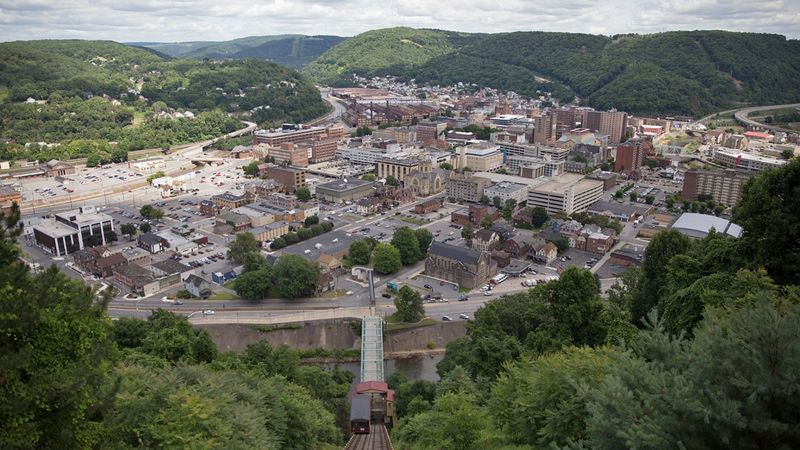
From the hills above, Johnstown looks like a town built around its landscape.
Its valley streets, industrial history, and famous flood story give it a strong identity.
Retirees may be drawn by the chance to find an older home at a price that leaves room in the budget for other needs.
The key is matching the house to the way you live.
Some neighborhoods have steep streets, and some homes have stairs at nearly every turn.
Tour a property as if you were carrying groceries or dealing with an icy sidewalk.
Ask about snow removal, parking, and the condition of the steps before falling in love with a low price.
Johnstown offers museums and historic sites for people who like learning about their new home.
The Johnstown Flood Museum and the area’s incline are well-known points of interest, though you should check current hours and access before making plans.
Local parks and community events can add affordable choices to your calendar.
Medical access deserves a close look, too.
Write down the care you use now, from routine checkups to specialists, and see how far each appointment might be.
Call offices to ask whether they accept your insurance and new patients.
A shorter drive can be worth more than saving a little on a house.
Compare total monthly costs across neighborhoods rather than treating Johnstown as one price point.
Taxes, insurance, heating, and repairs can change the picture quickly.
Visit on a rainy day and during winter if possible.
A home that stays comfortable through Pennsylvania’s changing seasons is the kind of bargain you can actually enjoy.
5. Shamokin
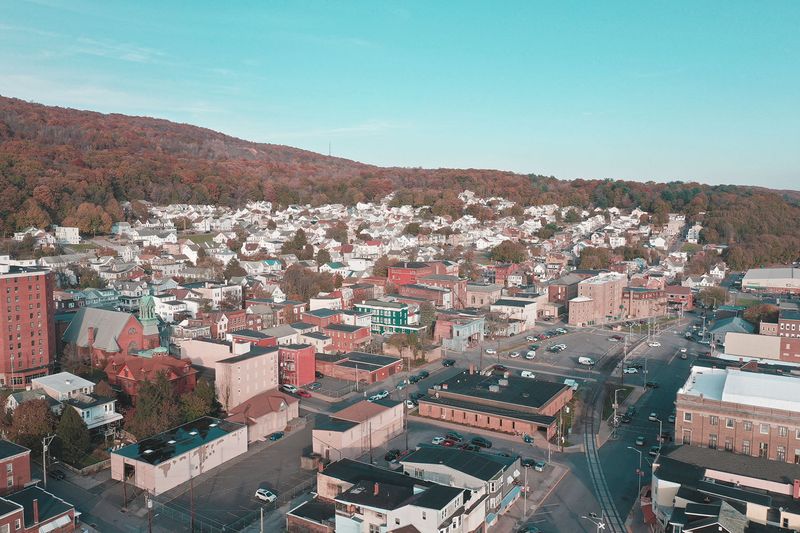
Coal-region history is visible on the streets of Shamokin.
Rows of older homes and a compact downtown recall the years when mining shaped work and family life here.
Someone hoping to retire on a smaller housing budget may find prices worth investigating, provided they are ready to look closely at each property.
Start with a realistic repair fund.
In an older house, a furnace, roof, or section of plumbing can need attention even when the rooms look tidy.
Pay for a thorough inspection and ask local contractors what common fixes might cost.
Avoid using your entire savings on the down payment and moving expenses.
Next, think about the daily routine you want.
Walk the blocks around a possible home, listen to traffic, and check the distance to groceries and a pharmacy.
If you enjoy knowing your neighbors, spend time at local businesses and see how the area feels.
A cheap house on an inconvenient street may not be cheap in practice.
The surrounding Pennsylvania landscape offers ways to spend time outside without making every day a paid outing.
Check nearby parks and public spaces, then consider how often you would use them.
Also ask about winter road care on the streets you expect to travel.
Hills and snow can change an easy summer drive.
Shamokin is not a place to choose from a listing photo alone.
Visit more than once, learn about the block, and compare insurance and tax estimates for specific addresses.
When the home is sound and the location meets your needs, the town’s lower-cost possibilities can leave more room for hobbies, visits, and everyday peace of mind.
6. Bradford
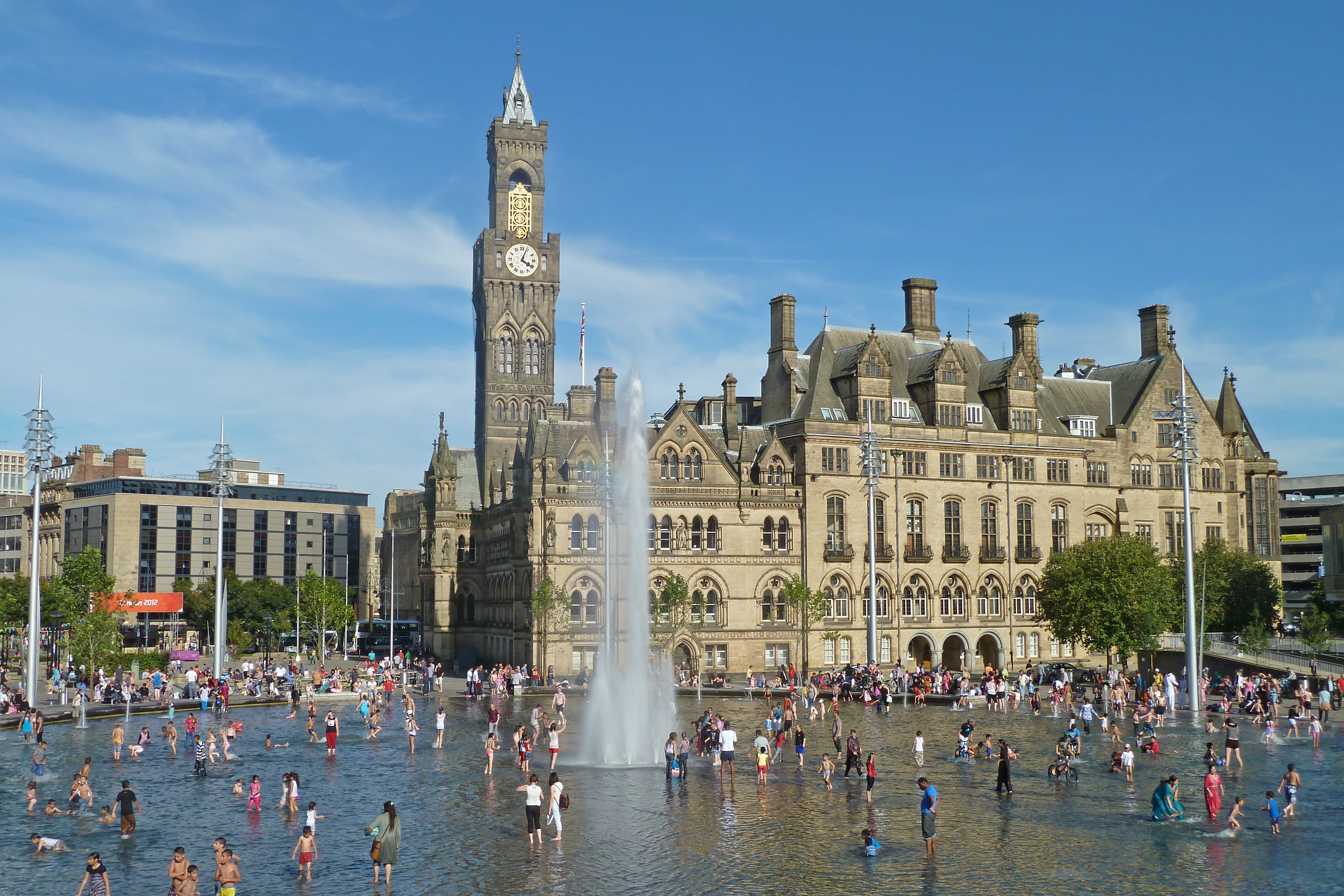
A quiet morning downtown can be a good test of a retirement town.
In Bradford, historic buildings and wooded surroundings give that morning a distinct northern Pennsylvania feel.
The city may appeal to people who would rather spend on their interests than stretch their budget for a home in a larger market.
Bradford’s setting also comes with a practical question: how do you feel about winter?
Before buying, ask what heating a home costs through the coldest months.
Check insulation, windows, and the furnace, and find out who clears the sidewalk.
A low mortgage payment can lose its shine when winter bills and upkeep arrive.
Take advantage of a visit to see whether the town supports your favorite routines.
Look for the stores you use, places to meet people, and outdoor areas you can reach easily.
Bradford is associated with the Zippo company, and local history can add interest to an afternoon.
Still, picture a regular week, not just a sightseeing day.
Health care planning is especially helpful when considering a smaller community.
Confirm the location of routine services and ask about access to any specialist you see often.
If a longer drive is likely, add fuel, travel time, and possible overnight costs to your budget.
These expenses matter even when housing is affordable.
Compare homes by total cost, including taxes, insurance, heat, and repairs.
Pay attention to whether a driveway, entrance, and bathroom will remain easy to use as you age.
Bradford may offer welcome breathing room in the housing budget, but comfort depends on finding a home and a routine that suit all four seasons.
7. Warren
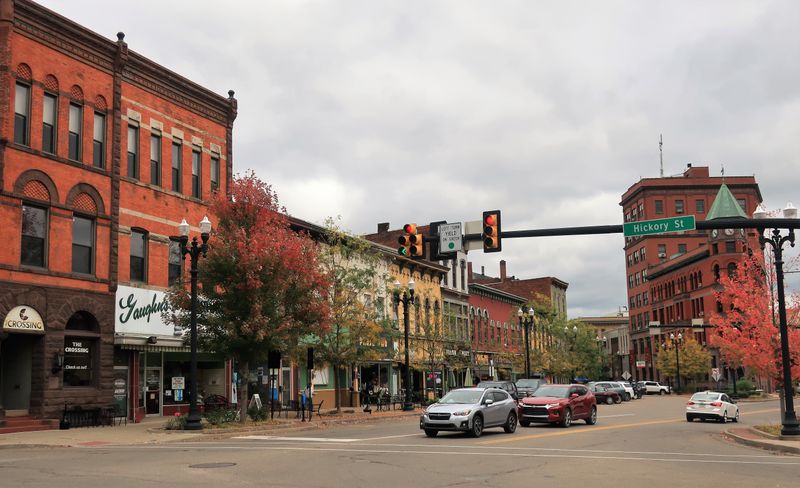
Some places invite you to slow down before you have even parked the car.
Warren, set along the Allegheny River in northwestern Pennsylvania, has a historic downtown and easy access to outdoor scenery.
That combination can suit retirees who value a walk, a library visit, or a drive through the woods more than expensive entertainment.
Housing costs deserve a close comparison, not a quick guess.
Look at several homes with similar size and condition, then ask what each one costs to heat and maintain.
A charming old house may require more work than a plain one.
If you prefer fewer chores, include smaller homes and apartments in your search.
The nearby Allegheny National Forest adds options for scenic drives and outdoor days.
Check trail difficulty and facilities before heading out, especially if you want an easy walk rather than a long hike.
Free or low-cost activities can help stretch retirement income, but only if they are activities you truly enjoy.
Spend a weekday in Warren to test its practical side.
Drive to groceries, check parking near services, and see how long a medical appointment would take from neighborhoods you like.
Ask about transportation if driving less is part of your future plan.
A beautiful setting should not make basic errands feel like a project.
Finally, build your budget around the address you choose.
Property taxes, insurance, flood risk, and winter utility bills can vary by home.
Talk with local professionals and review documents rather than relying on a general claim that a town is cheap.
Warren’s appeal is strongest when its scenery and your monthly numbers work together.
8. Pottsville
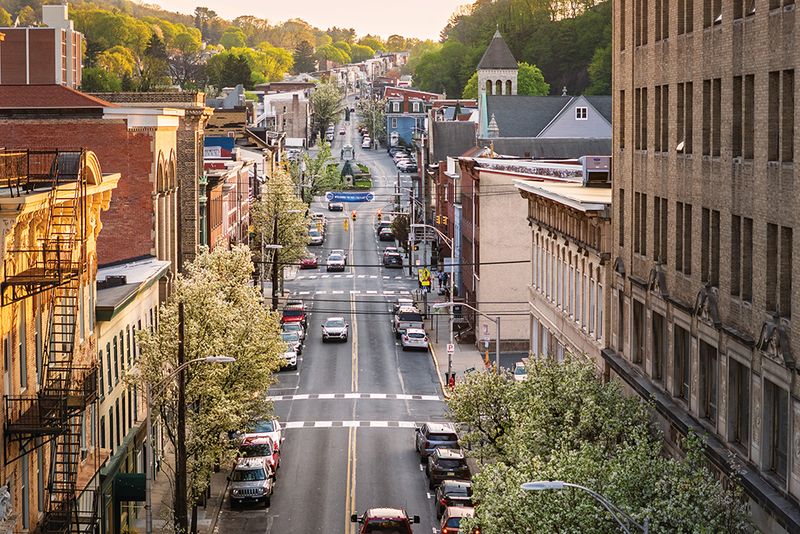
Hills give Pottsville its shape, and history gives it plenty to talk about.
The Schuylkill County seat is closely tied to Pennsylvania’s coal past and to the Yuengling brewery.
For a retiree, its appeal may be more practical: older housing and a settled downtown can offer choices beyond costly new developments.
Those hills are worth thinking about before you sign anything.
Walk from a possible home to the places you hope to visit, and decide whether the grade feels comfortable.
Check the stairs inside and outside the house as well.
A low price is less useful if everyday movement becomes tiring or risky.
Review the basics of each property with care.
Ask about the roof, heating system, wiring, and basement, especially in an older home.
Have an inspector explain repairs in plain language, then get estimates before deciding what you can afford.
Leave room in your savings for surprises rather than counting on a perfect first year.
Pottsville’s downtown and local history can make low-key outings enjoyable.
Try visiting on both a weekday and a weekend to see which shops and services fit your routine.
Check the route to your pharmacy and doctor, and ask whether parking is easy where you will need it most.
Property taxes, insurance, utilities, and transportation belong in the same budget as the mortgage or rent.
Compare several addresses because costs can change from one home to another.
If Pottsville’s character feels right, choose a place that lets you enjoy it without worrying every time a bill arrives.
That is a better retirement deal than the lowest asking price alone.
9. DuBois
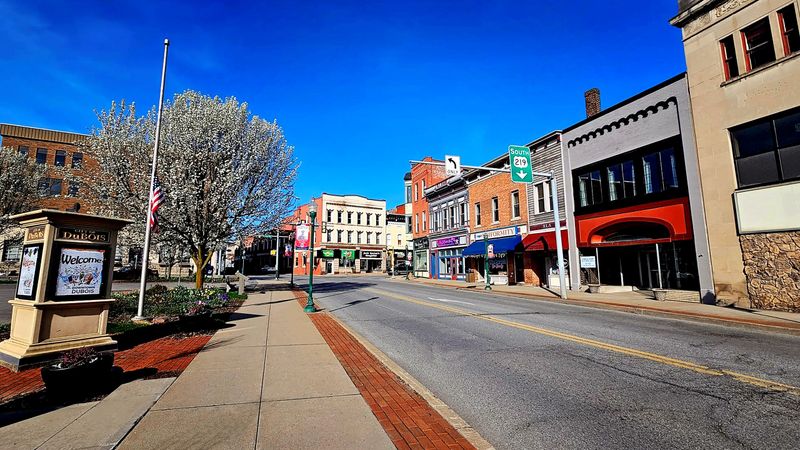
Convenience can save money in ways a home listing never shows.
DuBois offers a small-city setting in central Pennsylvania, with shopping and services that may make ordinary errands simpler.
Retirees who want a quieter base without feeling far from the things they use should give the area a careful look.
Begin by listing your weekly trips.
Include groceries, medicine, appointments, faith gatherings, and visits with friends or family.
Then test the drive from each home you consider.
A property farther out may have a tempting price but add fuel costs and time to every errand.
Location is part of the real price of retirement.
Compare the condition of houses as closely as their sale prices.
Find out what you would spend on heating and cooling, whether major systems have been updated, and how much yard work awaits.
If you want to travel often, a place with less upkeep may suit you better than a larger house that needs attention.
Look for ways to build a social life that do not strain your budget.
Libraries, community activities, and public spaces can help you meet people after a move.
Check current schedules and visit a few places while you are in town.
Feeling connected matters, especially when the first excitement of moving has worn off.
Before making a decision, confirm that your health coverage works with the providers you expect to use.
Request estimates for property taxes and insurance at the actual address, not just the neighborhood.
DuBois could be a useful middle ground between rural quiet and daily convenience, but the right fit depends on your habits, your home, and your complete monthly budget.
10. Carbondale
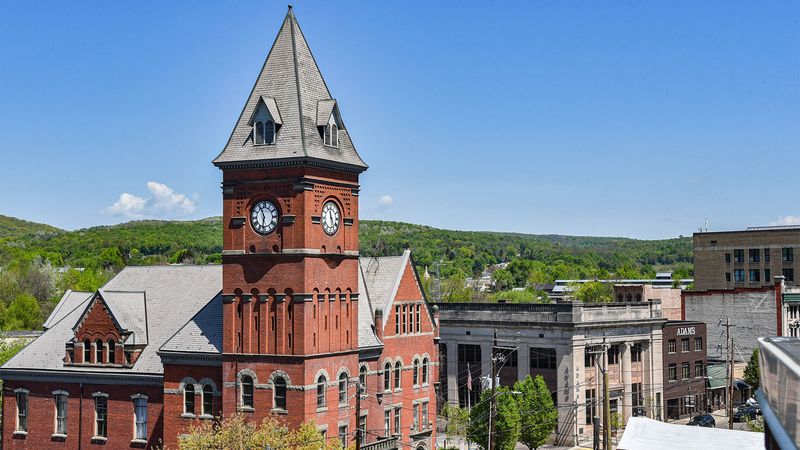
A town with a railroad and coal story, Carbondale wears its past in its streets and buildings.
Its location in northeastern Pennsylvania may catch the eye of retirees seeking an older home without the prices found in some larger communities.
The smart approach is to ask what that home will cost after the keys are yours.
Start with an inspection and a repair plan.
Older houses can have appealing porches and roomy floors, yet still need work on heating, wiring, or drainage.
Request utility history when possible, and ask contractors for estimates on anything the inspection raises.
Keep an emergency fund separate from the money you plan to spend moving.
Neighborhood choice can change your daily experience.
Visit the block during the day and evening, try the walk to nearby services, and check how easy parking feels.
If a house sits on a hill, imagine handling the driveway and sidewalk after snow.
Choose for the days you will actually live there, not only for the photographs.
Carbondale’s local history offers a starting point for exploring the community.
Libraries, public events, and nearby outdoor spaces may provide inexpensive ways to fill your week.
Check what is currently open and active, and talk with residents about where they like to spend time.
Their answers can help you picture your own routine.
Make health care and transportation part of the comparison, too.
Confirm that the providers you need accept your coverage, and estimate the cost of regular travel.
If Carbondale fits your budget, a well-kept home in a convenient spot can make its lower housing costs feel like a lasting benefit rather than a short-lived surprise.
11. New Castle
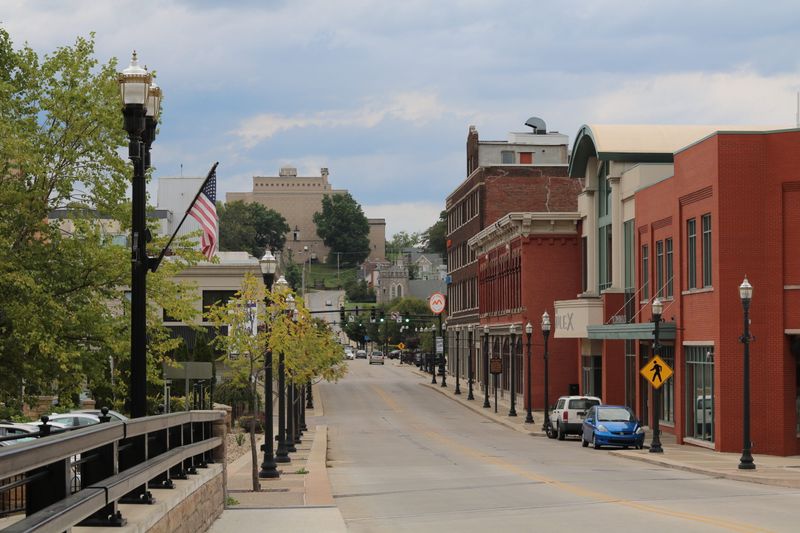
Fireworks are part of New Castle’s story, but a steady monthly budget is the attraction for many retirees.
This western Pennsylvania city has long-standing neighborhoods and older homes that may offer lower purchase prices than some nearby markets.
The trick is finding a property whose ongoing costs are as friendly as its listing price.
Give each home a simple cost sheet.
Add the mortgage or rent, property taxes, insurance, utilities, and a monthly amount for repairs.
If you are paying cash, keep the other lines on the sheet.
Ownership still costs money after the sale closes, and an older home can bring a surprise at any time.
New Castle is also a place to test your preferred pace.
Walk through the downtown area, look at local parks, and see where you would buy everyday items.
Visit the neighborhoods you like at different hours.
A house may be attractive, but you should feel comfortable with its street, parking, and routes to familiar places.
Ask practical questions about aging in place.
Could you enter the home without climbing many steps?
Is there a bathroom on the main floor, or room to make one easier to use?
Can you reach medical care and friends without a difficult drive?
Small details can protect both your independence and your savings later.
Check current information on local services before you commit, since stores and programs can change.
Talk with residents and compare several homes rather than choosing the first bargain you see.
New Castle may leave more money for the life you want after work, but only when the house, neighborhood, and full budget all make sense together.