Ohio might not be the first place that comes to mind when you think of Hollywood, but this Midwestern state has quietly become one of the most interesting filming destinations in the country. From gothic prison walls to cozy neighborhood streets, Ohio offers a stunning range of backdrops that have caught the eye of filmmakers for decades.
Whether you grew up watching classic holiday movies or love gritty crime dramas, chances are you have already seen Ohio on the big screen without even knowing it. This guide is your ticket to exploring ten remarkable filming locations scattered across the state, each one packed with history, character, and that special cinematic magic that makes a place feel bigger than life.
Ohio is a state full of surprises, and its filming locations prove that you do not need to travel to Los Angeles or New York to find something truly worth seeing. Some of these spots are open to visitors year-round, while others are best appreciated from the outside, but every single one of them tells a story worth knowing.
Grab your camera, plan a road trip, and get ready to walk in the footsteps of movie legends across the great state of Ohio.
1. Ohio State Reformatory in Mansfield, Richland County
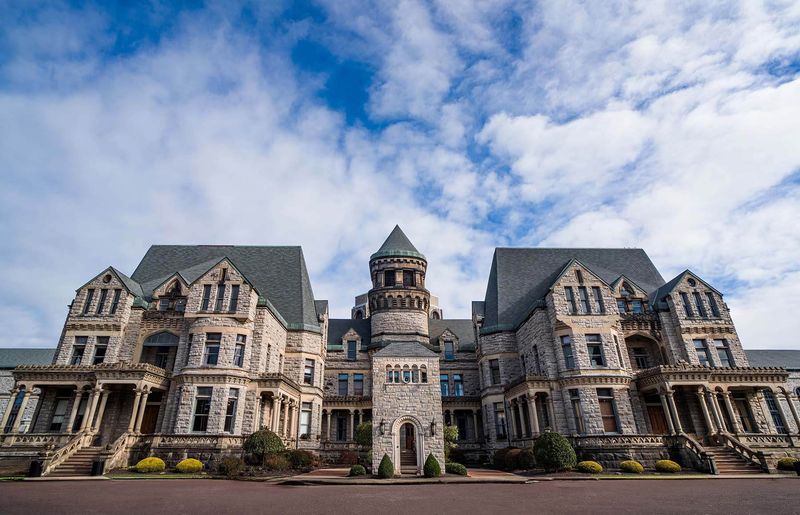
Few buildings in America carry as much raw, cinematic power as the Ohio State Reformatory. Standing in Mansfield, this towering Gothic and Romanesque structure has loomed over the surrounding landscape since 1886, and its dramatic stone walls have made it one of the most photographed buildings in the entire Midwest.
Most movie fans know it as the backdrop for the beloved 1994 film “The Shawshank Redemption,” where it played the fictional Shawshank State Penitentiary alongside stars Tim Robbins and Morgan Freeman.
Walking through the reformatory today is an experience unlike anything else in Ohio. The six-story cell block inside is said to be the largest freestanding steel cell block in the world, and standing beneath it feels genuinely overwhelming.
Guided tours are available throughout the year, and the staff does an excellent job of weaving together the building’s real history with its Hollywood legacy.
Beyond “The Shawshank Redemption,” the reformatory has also appeared in films like “Air Force One” and several music videos. The building closed as an active prison in 1990, and a dedicated nonprofit organization has since worked hard to preserve and restore it for future generations.
Ghost tours are also incredibly popular here, since many believe the building retains more than just cinematic history.
If you are planning a visit, the Mansfield Reformatory Preservation Society runs regular events, including film-themed weekends where fans gather to celebrate the movies shot on location. The surrounding area in Richland County is also worth exploring, with pleasant parks and local restaurants nearby.
Booking tickets in advance is strongly recommended, especially during the busy summer and fall seasons when crowds can be significant.
2. A Christmas Story House in Cleveland, Cuyahoga County
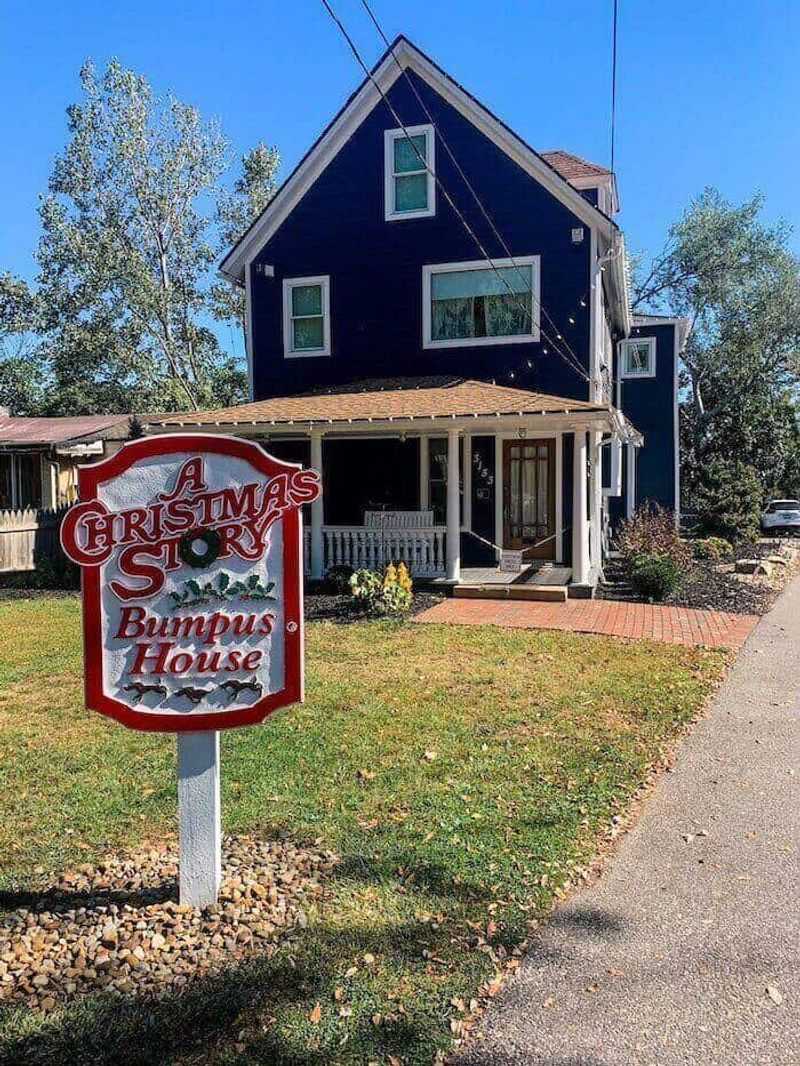
Every December, millions of people curl up on the couch and watch Ralphie Parker desperately wish for a Red Ryder Carbine Action 200-shot Range Model air rifle. The house where those iconic scenes were filmed sits right in the Tremont neighborhood of Cleveland, and it is one of the most charming and nostalgic film tourism destinations in the entire country.
The 1983 film “A Christmas Story” has become a genuine cultural institution, and this modest two-story home is at the heart of it all.
Brian Jones, a superfan from Georgia, purchased the house in 2004 after it was listed on eBay. He spent years restoring it to match its exact appearance in the film, right down to the leg lamp glowing in the front window.
Today, visitors can tour the fully furnished interior, pose for photos in the famous kitchen, and even spend the night in the house through a special rental program that books up extremely fast.
Across the street, a museum houses an impressive collection of props, costumes, and memorabilia from the movie. The gift shop is stocked with everything a fan could want, from replica leg lamps to Ralphie-themed ornaments.
The whole experience feels warmly personal rather than overly commercial, which is a big part of its lasting appeal.
Cleveland’s Tremont neighborhood surrounding the house is also a wonderful place to spend an afternoon. Lined with independent restaurants, coffee shops, and art galleries, it offers a genuine taste of local life in Cuyahoga County.
Whether you visit during the holidays or on a sunny summer afternoon, A Christmas Story House delivers a cozy, feel-good experience that fans of all ages genuinely enjoy.
3. Cleveland Public Square in Cleveland, Cuyahoga County
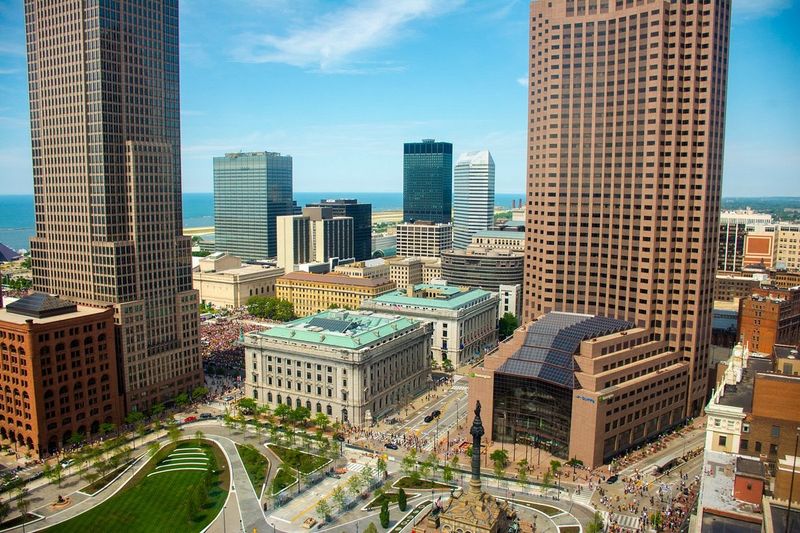
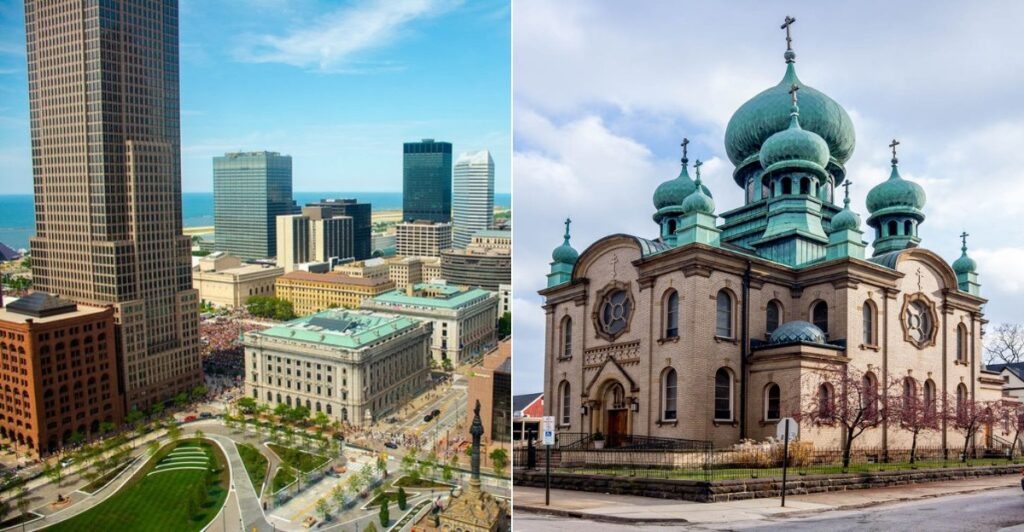
Right at the heart of downtown Cleveland sits one of the most recognizable urban spaces in the Midwest. Cleveland Public Square has served as the city’s civic center for over two centuries, and its combination of green space, historic architecture, and modern energy has made it a natural magnet for filmmakers looking to capture the spirit of a real American city.
The square underwent a major renovation in 2016, emerging as a beautifully redesigned public park that feels both grand and welcoming.
The square has appeared in several films and television productions over the years, often standing in for a generic but visually compelling American downtown. Its proximity to iconic landmarks like the Terminal Tower and the historic Old Stone Church gives any shot taken here an immediate sense of place and history.
Directors love the way the square balances old-world architecture with the energy of a living, breathing city.
For visitors, the square is completely free to explore and offers a great starting point for a broader Cleveland walking tour. Food trucks, public art installations, and seasonal events frequently fill the space with activity.
The nearby West Side Market, Rock and Roll Hall of Fame, and Great Lakes Science Center are all within easy reach, making the square a natural hub for a full day of exploration.
Movie fans who want to connect the square to its on-screen appearances should look into Cleveland’s growing reputation as a film-friendly city. The city has invested significantly in attracting productions, and the public square often plays a central role in that effort.
Cuyahoga County as a whole offers generous filming incentives, which is one reason so many productions choose to set up shop here rather than in more expensive coastal cities.
4. St. Theodosius Russian Orthodox Cathedral in Cleveland, Cuyahoga County
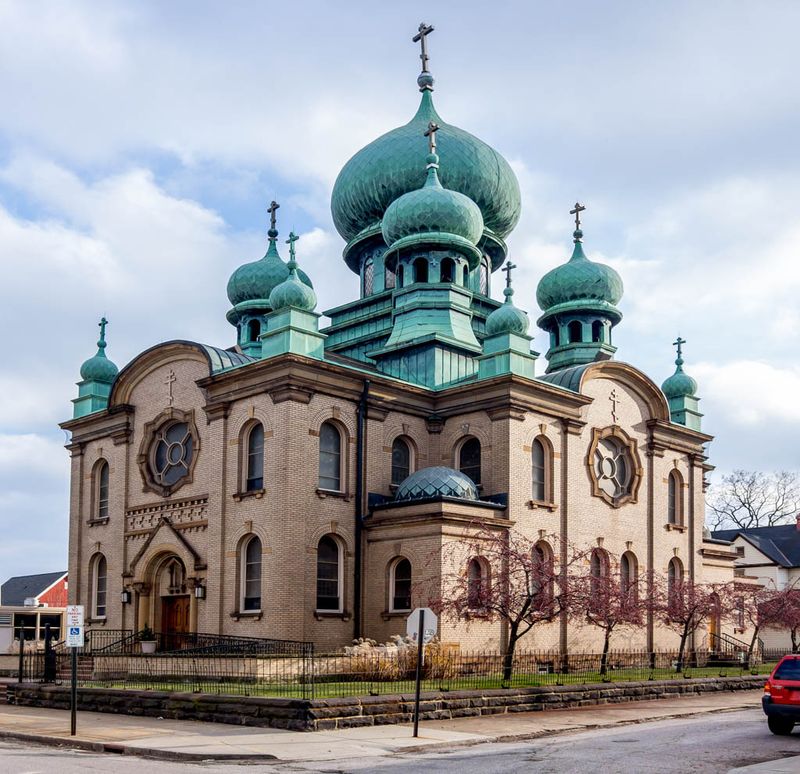
Tucked into Cleveland’s Tremont neighborhood, St. Theodosius Russian Orthodox Cathedral is one of the most visually stunning buildings in the entire state of Ohio. Built between 1911 and 1913, the cathedral features thirteen onion-shaped domes representing Jesus Christ and his twelve apostles, and its Byzantine architecture makes it feel like it was lifted directly from another continent.
Filmmakers have long recognized its extraordinary visual power, and the cathedral’s most famous cinematic moment came in the 1978 film “The Deer Hunter.”
In “The Deer Hunter,” the cathedral served as the setting for a pivotal wedding scene that opens the film. Director Michael Cimino chose the location specifically because it captured the deep cultural roots of the Ukrainian and Russian immigrant communities in the Ohio steel towns the film portrays.
The cathedral’s interior is equally breathtaking, filled with hand-painted icons, carved woodwork, and warm candlelight that creates an atmosphere of profound beauty.
The congregation at St. Theodosius is still active, and the cathedral holds regular services that the public is welcome to attend. Visiting during a service is one of the most immersive ways to experience the space, as the choir and liturgical traditions bring the building to life in a way that no tour can fully replicate.
Photography inside is generally permitted outside of service hours, but it is always polite to ask first.
Film fans making the trip to Cleveland should absolutely add this cathedral to their itinerary alongside A Christmas Story House, since both are located in the same Tremont neighborhood and can easily be visited on the same afternoon. The surrounding streets are filled with murals, local restaurants, and a creative community that makes Tremont one of the most interesting corners of Cuyahoga County.
5. Southerly Wastewater Treatment Plant in Cleveland, Cuyahoga County
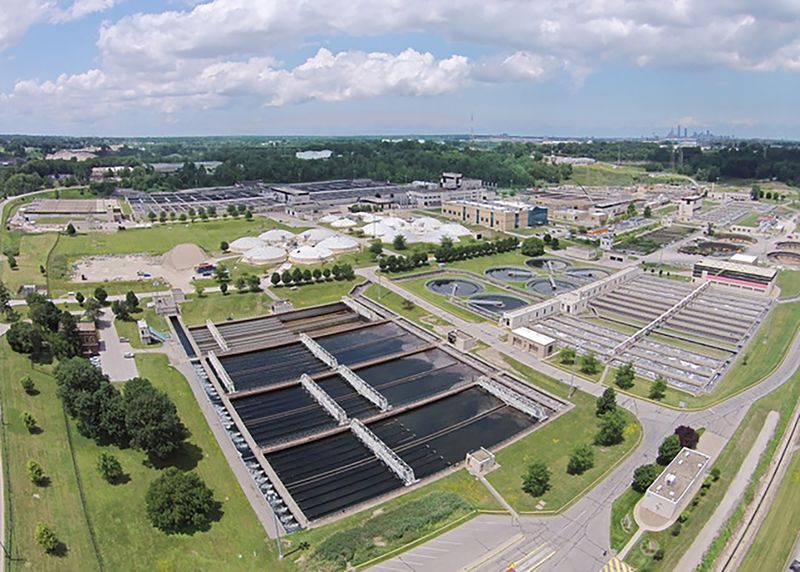
Not every filming location looks glamorous from the outside, and the Southerly Wastewater Treatment Plant is proof that industrial infrastructure can have serious cinematic appeal. Located along the banks of the Cuyahoga River in Cleveland, this massive facility played a memorable role in the 1988 film “Major League,” the beloved baseball comedy that put the Cleveland Indians front and center in American pop culture.
The plant’s hulking tanks and industrial silhouette provided a gritty, authentic backdrop that perfectly matched the film’s blue-collar spirit.
“Major League” remains one of the most celebrated sports comedies ever made, and its connection to real Cleveland locations gives it an authenticity that purely studio-made films often lack. The Southerly plant, officially operated by the Northeast Ohio Regional Sewer District, is not open to casual visitors, but its exterior and the surrounding riverfront area can be viewed from nearby public vantage points.
Fans who make the trip appreciate the chance to connect a beloved movie to an unexpectedly real piece of Cleveland’s working landscape.
The Cuyahoga River area around the plant has undergone significant transformation over the decades. Once infamous for pollution, the river is now part of an ongoing environmental recovery story that makes the whole area feel like a symbol of resilience.
The nearby Towpath Trail offers a pleasant way to explore the riverfront on foot or by bike while taking in views of the industrial skyline.
For die-hard “Major League” fans, combining a visit to the plant’s exterior with a game at Progressive Field, where the Cleveland Guardians now play, makes for a perfect baseball-themed day in the city. Cleveland’s sports culture is deeply woven into its identity, and exploring it through a film lover’s lens adds a genuinely fresh dimension to any visit.
6. Dixie Terminal in Cincinnati, Hamilton County
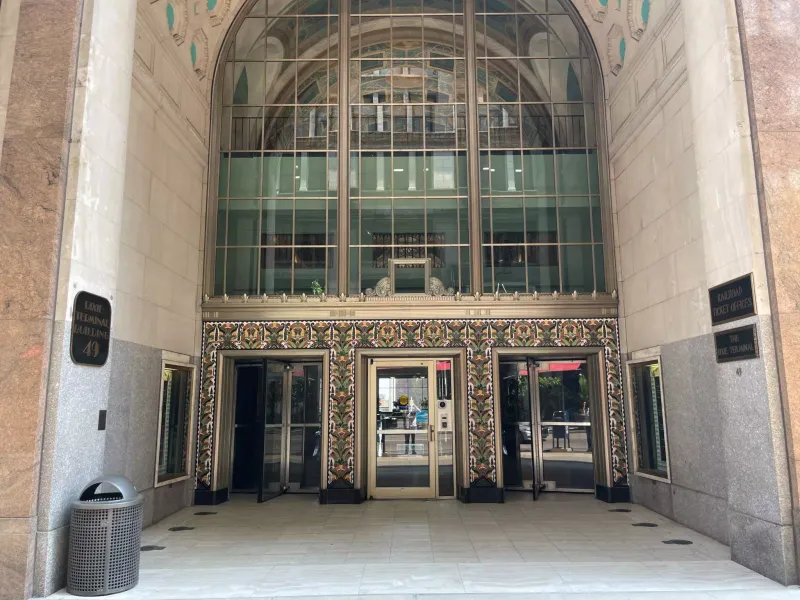
Cincinnati’s Dixie Terminal is the kind of building that stops you in your tracks the moment you walk through the door. Built in 1921 as a transit hub for the Cincinnati streetcar system, this elegant Beaux-Arts structure features soaring vaulted ceilings, marble floors, and a grandeur that feels almost out of place in a working office building.
Filmmakers have recognized its exceptional beauty, and the terminal has served as a backdrop for several productions that needed a space with real architectural gravitas.
The building is perhaps best known to film fans as a location used in the 2012 George Clooney film “The Ides of March,” a political thriller that leaned heavily on Cincinnati’s rich architectural landscape to create a sense of institutional weight and drama. The Dixie Terminal’s interior, with its warm lighting and classical details, translated beautifully onto the screen and helped establish the film’s serious, polished tone.
Today, the Dixie Terminal operates primarily as an office building, but the public lobby is accessible during business hours and well worth a visit. Standing in the main hall and looking up at the elaborate ceiling gives you an immediate sense of why filmmakers keep coming back to Cincinnati for productions that need authentic historic spaces.
The building sits in the heart of downtown Cincinnati, making it easy to combine with other nearby attractions.
Hamilton County as a whole has a remarkable concentration of early 20th century architecture that continues to attract productions looking for locations with genuine character. Film fans visiting Cincinnati should plan to spend time in the downtown core, where buildings like the Dixie Terminal reveal a city that has taken great care to preserve its architectural heritage.
The nearby Cincinnati Art Museum and Eden Park offer additional cultural depth to any visit.
7. Over-the-Rhine Historic District in Cincinnati, Hamilton County
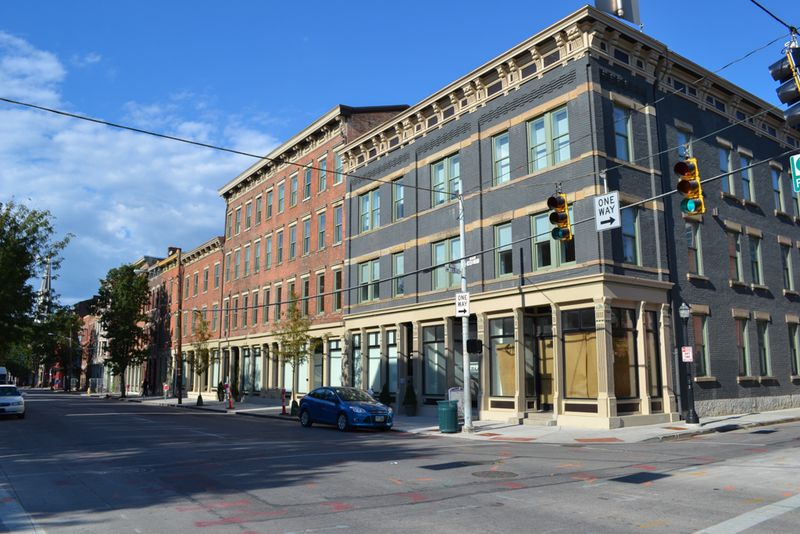
Wandering through Over-the-Rhine feels like stepping into a different century. This remarkable Cincinnati neighborhood contains one of the largest collections of intact Italianate architecture in the entire United States, with block after block of beautifully detailed 19th century brick buildings that create a streetscape unlike anything else in the Midwest.
Filmmakers have been drawn here repeatedly, and the neighborhood has appeared in a growing number of productions that need a location with genuine historic texture.
The neighborhood served as a key filming location for the Amazon Prime series “Goliath” and has attracted attention from producers who appreciate its combination of authentic architecture and cooperative local government. Cincinnati has worked hard to position itself as a film-friendly city, and Over-the-Rhine is frequently cited as one of its most versatile and visually compelling assets.
The neighborhood’s mix of renovated storefronts, art galleries, and breweries gives it a layered quality that reads differently depending on the angle and the lighting.
Beyond its cinematic appeal, Over-the-Rhine is one of the most vibrant neighborhoods in Ohio right now. The area has experienced a significant renaissance over the past fifteen years, with independent restaurants, coffee shops, and creative businesses breathing new life into historic spaces.
Washington Park, located at the neighborhood’s heart, hosts concerts, farmers markets, and community events throughout the year.
For film fans visiting Cincinnati, an afternoon in Over-the-Rhine is genuinely rewarding on multiple levels. You can trace the footsteps of film crews through streets that look almost exactly as they did a hundred years ago, then reward yourself with a meal at one of the neighborhood’s acclaimed restaurants.
The Cincinnati Music Hall, a National Historic Landmark that sits at the edge of the district, adds another layer of architectural splendor to an already remarkable neighborhood.
8. Ohio Statehouse in Columbus, Franklin County
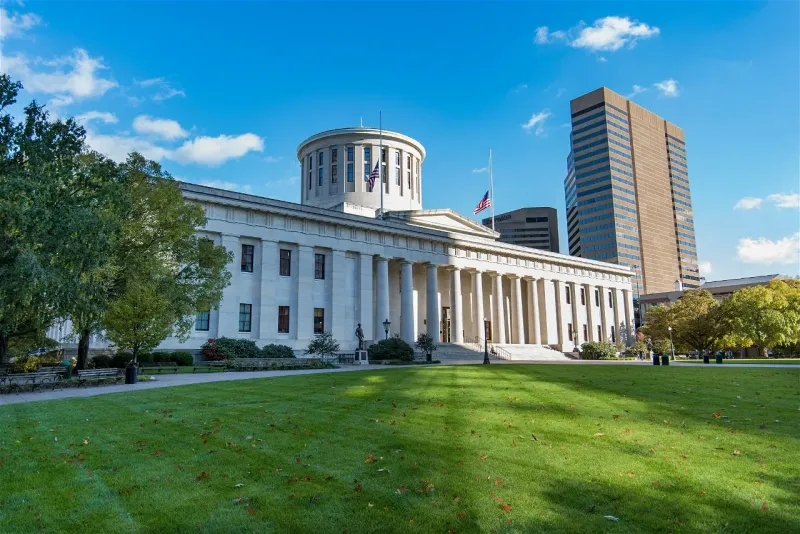
Some buildings carry the weight of history so visibly that you can feel it just by standing outside. The Ohio Statehouse in Columbus is one of those places.
Completed in 1861 after more than two decades of construction, this Greek Revival masterpiece sits at the center of downtown Columbus and serves as one of the most architecturally significant capitol buildings in the entire country. Its relatively low drum-style dome and massive Doric columns give it a serious, dignified presence that has made it a natural choice for film and television productions needing an authentic seat of government power.
The statehouse has appeared in several productions over the years and continues to attract filmmakers who appreciate the building’s combination of grandeur and accessibility. Unlike many historic government buildings, the Ohio Statehouse is genuinely open to the public and offers free guided tours that cover both its political history and its architectural significance.
The rotunda interior, with its elaborate painted ceiling and marble floors, is particularly impressive and photographs beautifully.
Franklin County surrounds the statehouse with a vibrant urban environment that has grown considerably in recent years. Columbus has emerged as one of the fastest-growing cities in the Midwest, and the area around the statehouse reflects that energy, with new restaurants, hotels, and cultural venues continuing to open nearby.
The Short North Arts District, just a short walk away, adds a creative counterpoint to the statehouse’s formal grandeur.
Visitors planning a full day in Columbus can pair the statehouse with a visit to the Columbus Museum of Art, the North Market, and the vibrant German Village neighborhood to the south. The Ohio Statehouse also hosts a range of public events throughout the year, from holiday celebrations to civic ceremonies, making it a living part of the city rather than simply a preserved monument.
9. Downtown Brewfontaine in Bellefontaine, Logan County
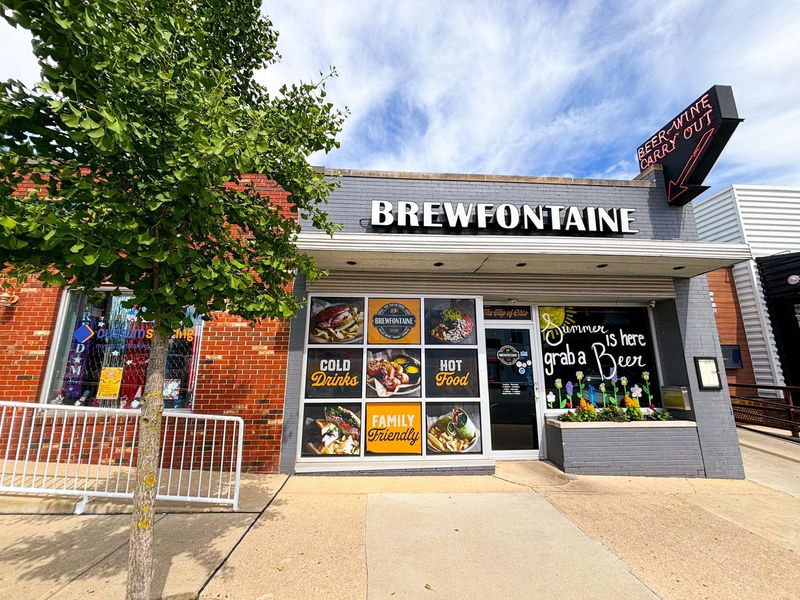
Bellefontaine might be one of the smallest towns on this list, but it has earned its place here with a genuinely surprising filmmaking connection. The downtown area, including the locally beloved Brewfontaine craft brewery, has been used as a filming location that captures the authentic character of small-town Ohio life.
Logan County’s seat has a well-preserved historic downtown that looks exactly like the kind of American Main Street that filmmakers dream about finding.
Brewfontaine itself opened in a beautifully restored historic building and quickly became a centerpiece of Bellefontaine’s downtown revival. The brewery’s warm interior, exposed brick walls, and carefully chosen decor give it the kind of lived-in atmosphere that is nearly impossible to manufacture from scratch.
When productions come looking for a setting that feels genuinely rooted in a community, places like Brewfontaine offer something that no Hollywood set designer can fully replicate.
The broader downtown Bellefontaine area is also worth exploring for its own sake. The city is home to the first concrete street in the United States, a quirky historical distinction that locals are rightly proud of.
McKinley Street, paved in 1891, still exists and serves as a small but satisfying piece of American infrastructure history for curious visitors.
Logan County sits in central Ohio and offers easy access from Columbus, making Bellefontaine a very manageable day trip for anyone based in the state capital. The surrounding countryside is beautiful, particularly in autumn when the foliage turns across the rolling hills and farmland.
Indian Lake State Park, located just minutes from downtown, adds an outdoor recreation option that makes the whole trip feel well-rounded and worth the drive. Bellefontaine is the kind of place that rewards visitors who are willing to look beyond the obvious tourist trail.
10. Olivesburg General Store in Olivesburg, Richland County
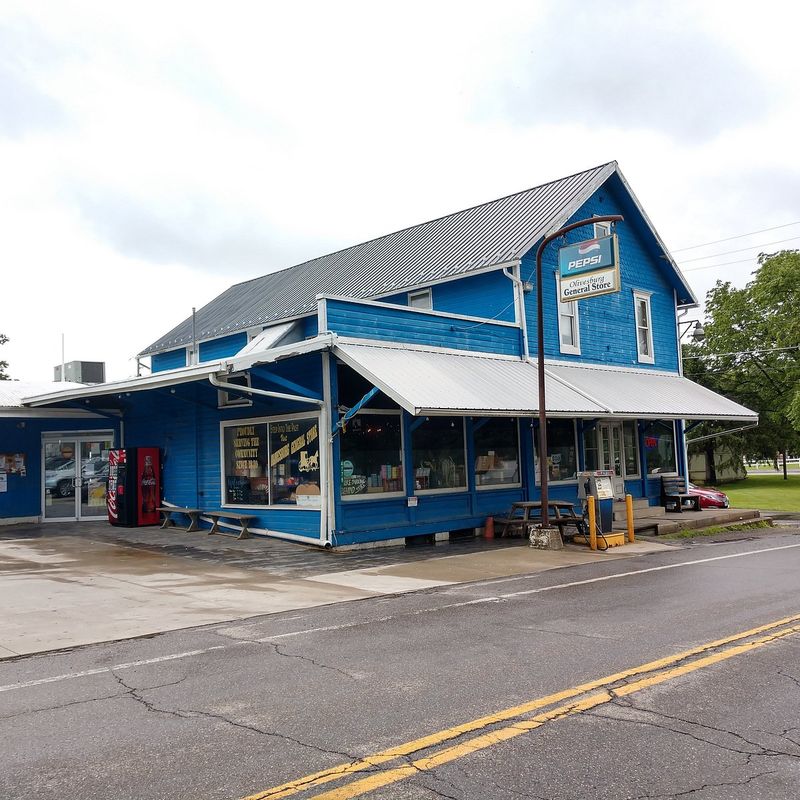
There is something almost magical about a place that looks like time forgot to touch it. The Olivesburg General Store, tucked away in the small community of Olivesburg in Richland County, is exactly that kind of place.
This vintage rural store has the kind of weathered, authentic character that production designers spend enormous budgets trying to recreate on Hollywood back lots. When filmmakers need a location that speaks to the deep roots of rural American life, places like this are genuinely irreplaceable.
The store has attracted attention from productions looking for an honest, unpolished backdrop that connects viewers to an older, slower version of American life. Its wooden facade, creaky floorboards, and old-fashioned shelving create an atmosphere that modern retail spaces simply cannot imitate.
Richland County, which is also home to the Ohio State Reformatory in nearby Mansfield, has developed a quiet reputation as a go-to destination for filmmakers seeking authentic Ohio character.
Visiting Olivesburg itself is a low-key, unhurried experience that offers a pleasant contrast to the busier filming locations on this list. The surrounding countryside is quintessential Ohio farmland, flat and open with wide skies that feel enormous on a clear day.
Driving the rural roads around Olivesburg gives you a real sense of the landscape that has shaped this part of the state for generations.
For film fans who want to make the most of a trip to Richland County, combining a visit to the Olivesburg General Store with a tour of the Ohio State Reformatory creates a genuinely compelling day of film tourism. The two locations sit within a short drive of each other and together tell a fascinating story about the incredible range of settings that a single Ohio county can offer to curious filmmakers and even more curious visitors.
Share this story