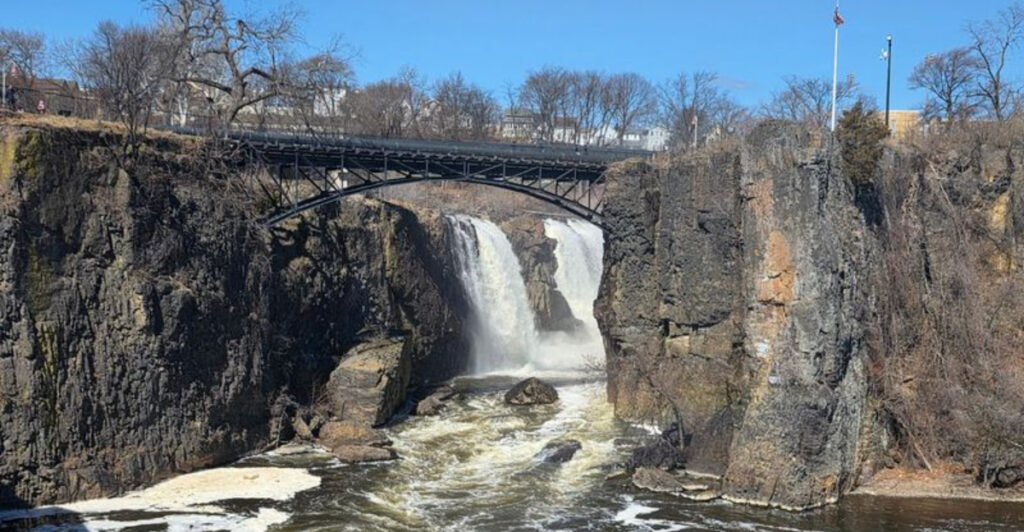
Paterson Great Falls doesn’t ease into the room. It crashes in, loud and unapologetic, right in the middle of a dense North Jersey city where traffic, brick mill buildings, and deep American history all crowd the same few blocks.
One minute you’re in Paterson. The next, you’re staring at a 77-foot wall of water that helped power one of the boldest ideas in early America.
This isn’t just a pretty stop with a viewing platform and a few nice photos if the light cooperates. It’s a place where ancient geologic force, Alexander Hamilton’s industrial ambition, and the grit of generations of workers all meet in one roaring scene.
The result feels distinctly New Jersey: dramatic, complicated, overlooked, and far more important than outsiders realize. If you want one destination that captures the state’s natural power and industrial nerve in a single shot, this is the one.
Where New Jersey’s Ancient Landscape Still Roars
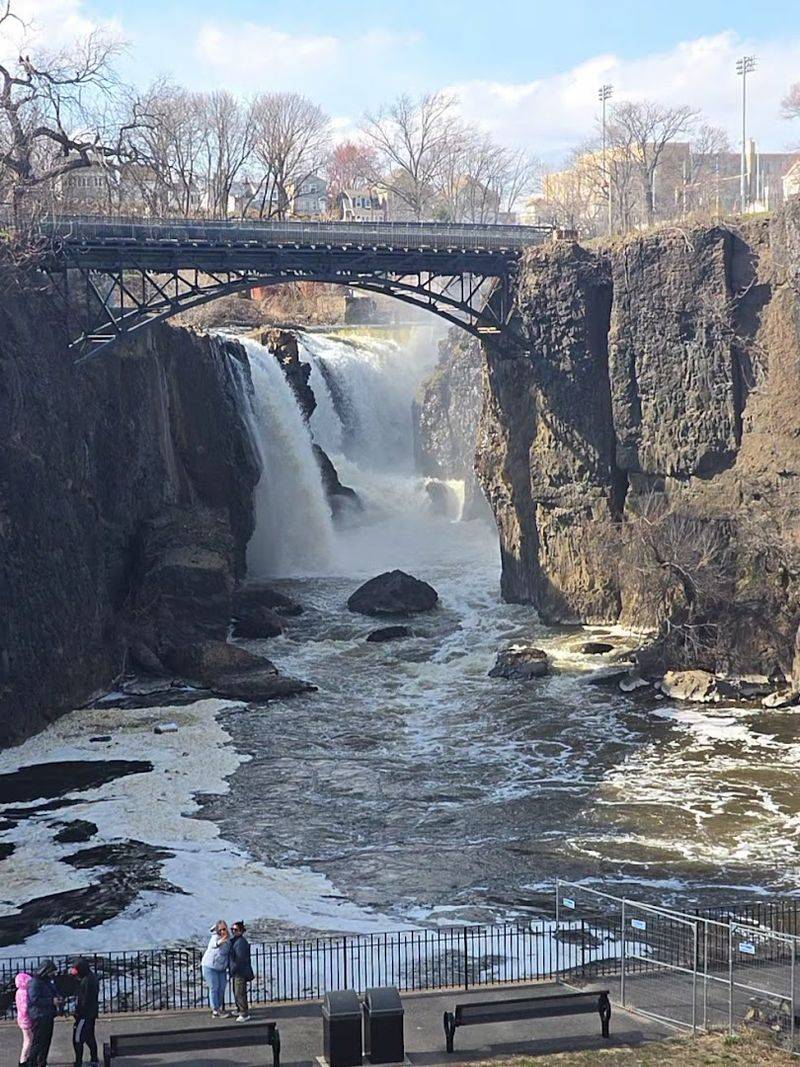
Long before Paterson became Paterson, this patch of North Jersey was being shaped by lava flows, tectonic upheaval, and the slow force of ice and water.
The rock around the falls tells a story that reaches back to the breakup of Pangaea, when the region’s geology was being built in layers that still show up in the cliffs and riverbed today.
Then came glaciers, which helped carve and redirect the landscape in ways that set the stage for the Passaic River’s dramatic plunge. That’s what gives Great Falls its punch.
You’re not just looking at a nice waterfall. You’re looking at the visible result of ancient planetary chaos, preserved in a city block.
It’s one of those rare places where geology doesn’t feel abstract or tucked inside a museum label. It’s right there in front of you, thundering over dark basalt, throwing mist into the air, and reminding everyone nearby that New Jersey’s landscape has always had a wild side.
The Waterfall That Helped Build America’s Industrial Future
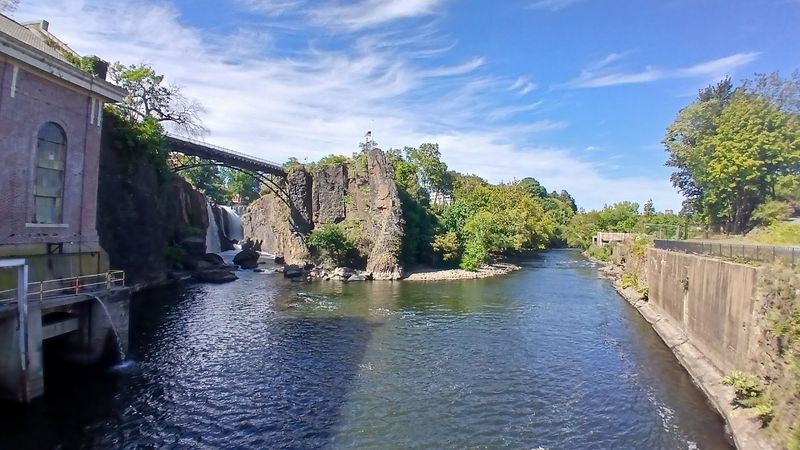
Few waterfalls can claim they helped push a young nation toward industrial power, but this one absolutely can. In the late 18th century, the force of the Passaic River at Great Falls was seen as more than scenery.
It was energy, opportunity, and infrastructure before those words became modern buzzwords. The falls became the centerpiece of Paterson, the nation’s first planned industrial city, where waterpower drove machinery and gave early American manufacturing a serious boost.
Textile production, locomotives, firearms, and silk all became part of the city’s story over time, but the central idea was simple from the start: use the river’s drop to run industry at scale. That’s what makes this place feel bigger than a standard historic site.
You can stand at the overlook and realize the roar below once translated directly into production lines, factory belts, and economic ambition. America didn’t industrialize in the abstract.
In Paterson, it got moving with a river, a drop, and a plan.
Why Alexander Hamilton Saw Something Bigger in Paterson
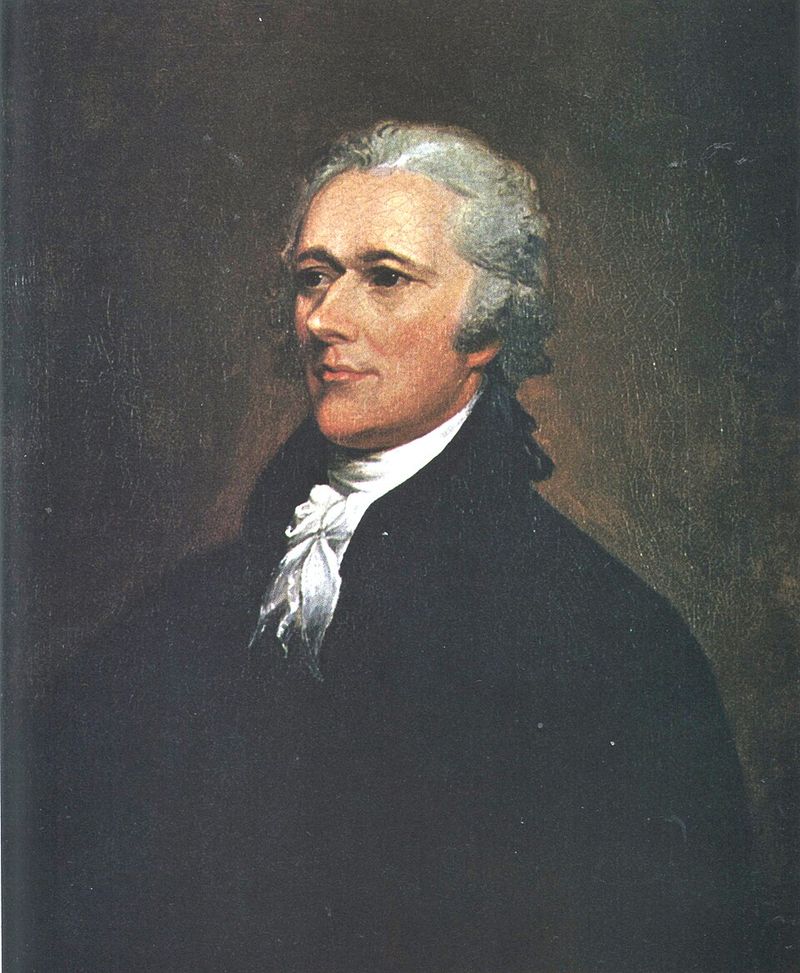
Hamilton didn’t look at Great Falls and just admire the view. He saw horsepower, national independence, and a way to help the United States stop leaning so hard on foreign manufacturing.
In 1792, the Society for Establishing Useful Manufactures backed the creation of Paterson as a planned industrial city, with the falls serving as its power source and its reason for being. That choice was not random.
The water here dropped hard enough to support a serious manufacturing system, and Hamilton understood that physical advantage could become economic muscle. It was a very New Jersey kind of insight, honestly: practical, ambitious, and built around making things happen.
The result was a city designed around production rather than ornament, with mills, raceways, and workshops forming a working landscape that mattered nationally. Plenty of places have historic plaques and famous names attached to them.
Paterson has something better. It has a site where one of the country’s most influential founders tied natural force directly to the future of American industry.
How Glacial Force and Human Ingenuity Shaped the Great Falls
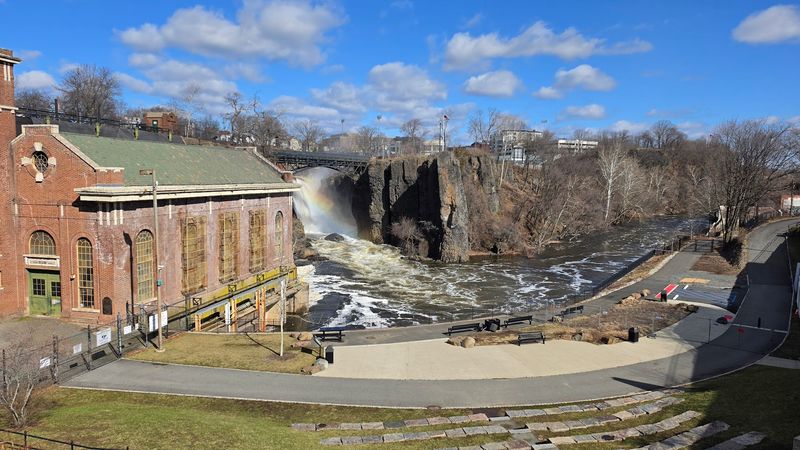
What makes Great Falls so compelling is that nature did the dramatic setup and people took it from there. Glacial movement and older geologic events helped create the terrain and river conditions that made the waterfall possible.
Centuries later, engineers and industrial planners stepped in and figured out how to borrow that force without erasing it. Instead of treating the falls as a backdrop, they built around it, channeling water into an elaborate power system that made the landscape work double duty.
That mix still defines the place today. You hear the raw rush of the river, but you also see stonework, industrial remnants, and the outlines of a city built to harness that energy.
It doesn’t feel overly polished, which is part of the charm. Great Falls still has edge.
It still feels muscular. And that tension between natural drama and human design is exactly why the site sticks in your mind longer than prettier, more packaged attractions.
This is not untouched wilderness. It’s something more interesting than that.
The Raceways, Mills, and Power Systems That Changed Everything
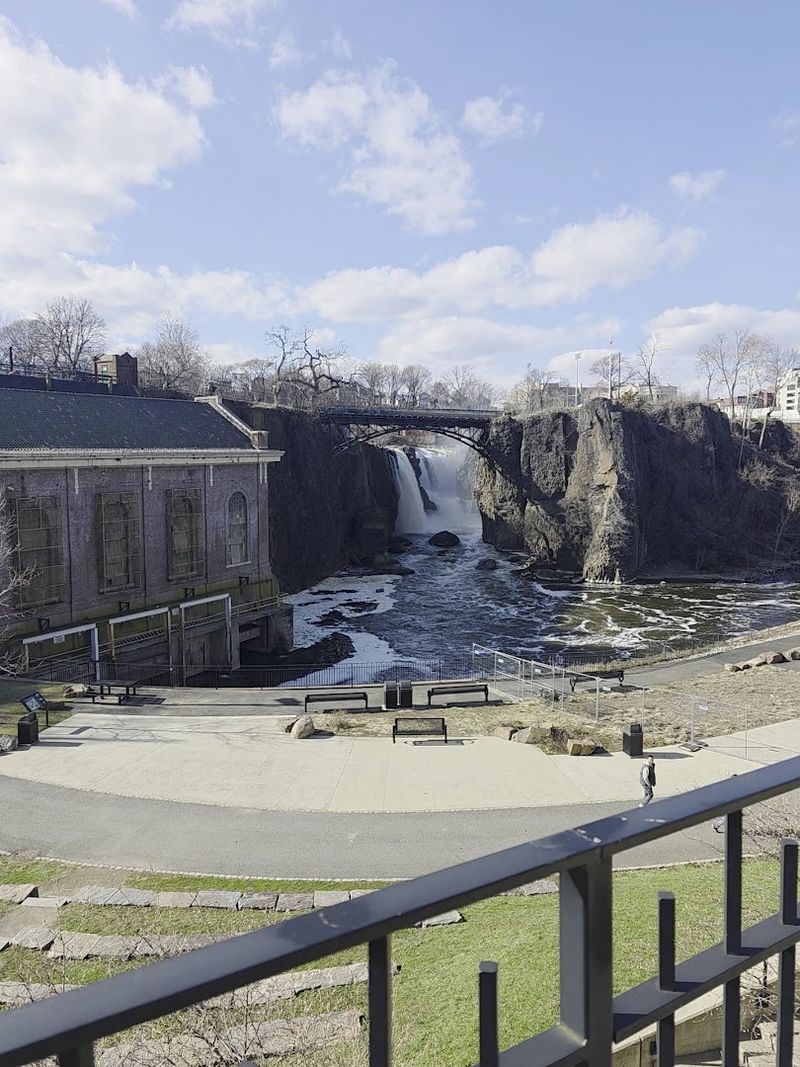
The real genius at Paterson wasn’t just the waterfall itself. It was the raceway system built to make that power usable.
Engineers created a three-tiered network of artificial channels that diverted water from above the falls and sent it through the industrial district. That water turned wheels, then turbines, and from there powered machinery through shafts, belts, gears, and pulleys inside the factories.
It was an elegant solution and a gritty one at the same time. You can still walk through Upper Raceway Park and get a feel for how the system connected natural energy to industrial output.
This is where Paterson’s reputation as a manufacturing powerhouse took shape, one mill at a time. The surviving buildings and infrastructure don’t just hint at the past.
They show how sophisticated the system really was. For visitors, that changes the whole experience.
You stop seeing the surrounding brick and stone as old scenery and start reading the neighborhood as a machine, built around moving water and the industries it fed.
What Makes This Urban Oasis Feel Wild and Historic at the Same Time
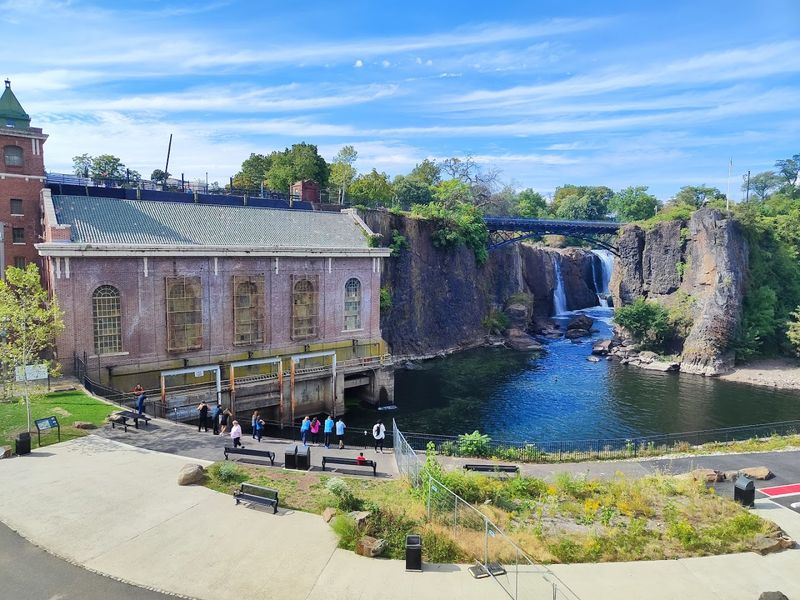
A lot of scenic places feel remote by design. Great Falls does something trickier.
It delivers a blast of real natural force in the middle of a hard-working city landscape layered with factories, bridges, streets, and old industrial bones. That contrast is the whole point.
The water looks untamed, but the setting reminds you that Paterson grew up around it, depended on it, and was defined by it. The result is a place that feels both cinematic and grounded.
You get mist, thunder, dark rock, and fast water, but also mill architecture, old power infrastructure, and the unmistakable energy of North Jersey all around you. It’s not trying to be quaint.
It’s better than quaint. It feels earned.
That’s why the park lands so well with locals and out-of-towners who know how to appreciate places with texture. Great Falls gives you beauty, yes, but it also gives you context, grit, and one of the most distinct senses of place anywhere in the state.
The Best Way to Experience the Falls Up Close Today
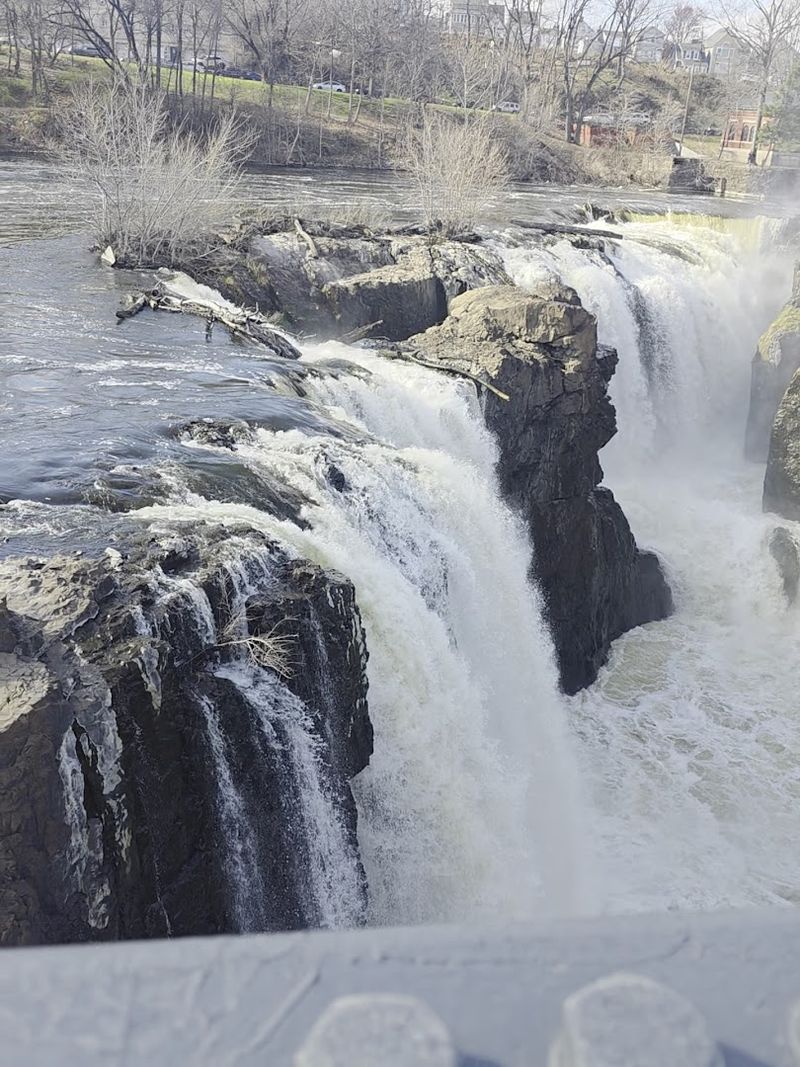
The smartest move is to treat this as more than a quick photo stop, even though the overlook absolutely earns your camera roll. Start with the main viewing areas and let yourself actually stay there for a minute.
The sound does half the work. Then walk the surrounding district, because the mills, raceway traces, and industrial landmarks make the falls feel larger and more legible.
Upper Raceway Park adds another layer, especially if you want to understand how the water was redirected and used.
If you’re aiming for a smooth visit, the National Park Service notes free two-hour parking at Overlook Park, with additional limited parking near Mary Ellen Kramer Park and more options within walking distance downtown.
Grounds are generally open sunrise to sunset, while ranger availability and guided tours vary by day and staffing. One practical note locals should know: the walking bridge over the falls is closed indefinitely, so plan your route accordingly instead of figuring that out on the spot.
Why Paterson Great Falls Still Feels Like One of New Jersey’s Greatest Surprises
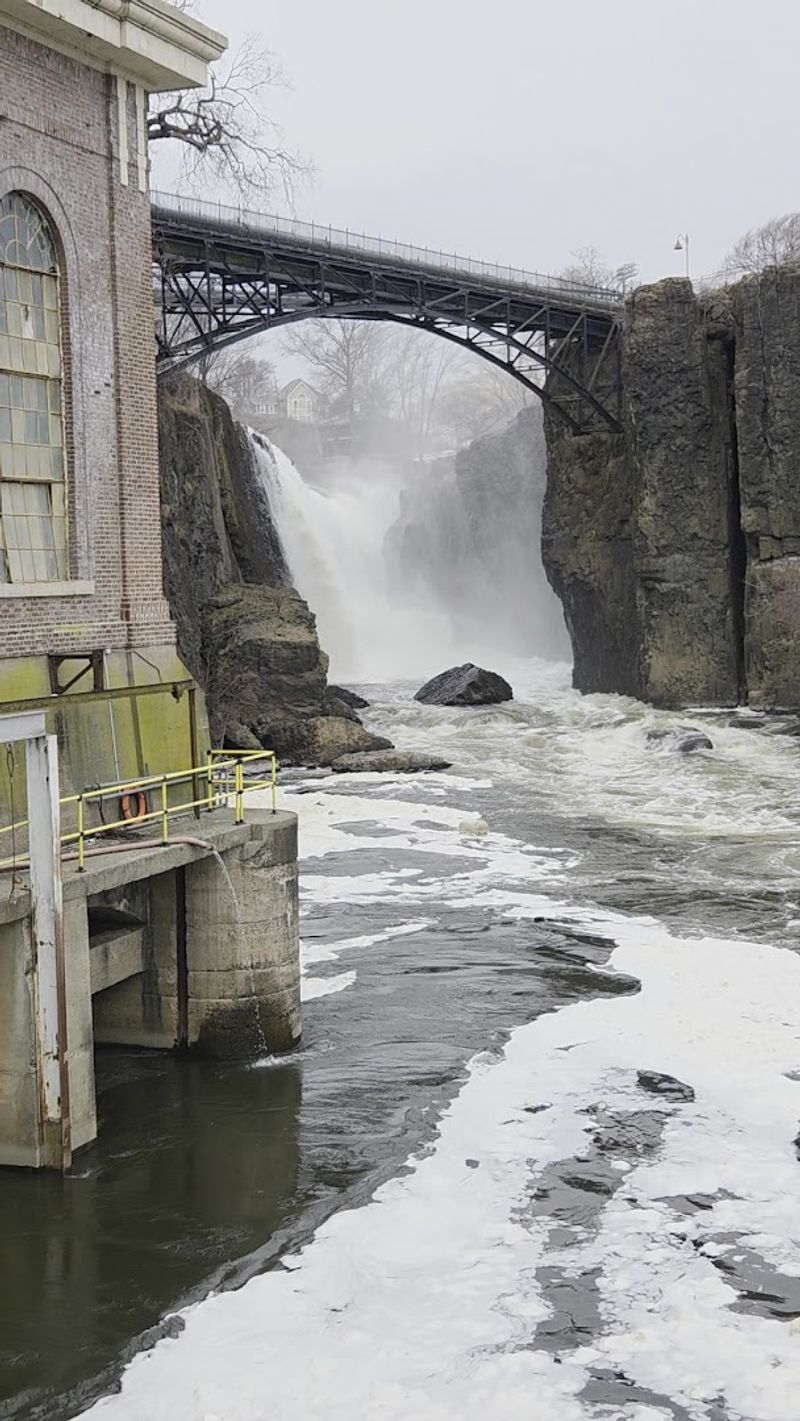
Part of the magic here is that it still catches people off guard. New Jersey has no shortage of underrated places, but Paterson Great Falls hits differently because it delivers on multiple levels at once.
It’s geologically significant. It’s nationally important.
It’s visually dramatic. And it sits in a city that many people think they already understand, right up until the moment they hear that water and realize they absolutely did not.
There’s also something satisfying about how unvarnished the experience feels. The site has official recognition as both a national historical park and, for the falls themselves, a National Natural Landmark, yet it still carries a slightly under-the-radar energy that makes discovery feel personal.
That combination is rare. You leave with the sense that you found a place that should be far more famous than it is.
In a state full of strong opinions and overlooked history, Great Falls may be the most New Jersey landmark of them all: powerful, essential, and criminally underestimated.
Share this story