Texas has a way of getting under your skin and staying there. From desert canyons that stretch for miles to historic streets where you can almost hear the echoes of the past, this state offers landscapes and experiences you simply can’t find anywhere else. Once you’ve explored these incredible places, you’ll understand why so many Texans wouldn’t dream of calling anywhere else home.
1. San Antonio River Walk
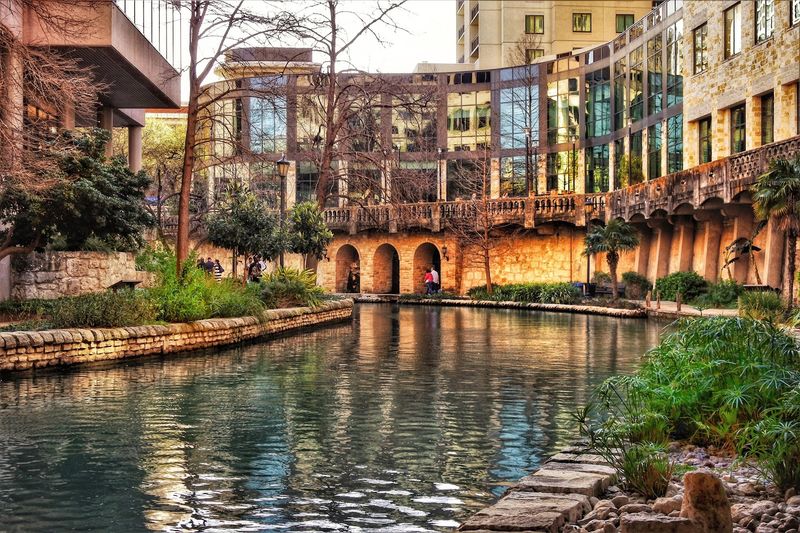
Walking along the winding pathways of the River Walk feels like stepping into another world, even though you’re right in the heart of downtown San Antonio. Cypress trees drape over the water while colorful boats glide past restaurants, shops, and historic buildings that line both sides of the San Antonio River. The atmosphere shifts from lively and bustling during the day to romantic and glowing when the sun sets and thousands of lights reflect off the water.
You can spend hours just wandering the different sections, each with its own personality. The Museum Reach features public art installations and connects to the Pearl Brewery district, while the Mission Reach offers a quieter, more natural experience with native plants and wildlife. Downtown, the energy picks up with live music spilling out from cafes and the aroma of Tex-Mex filling the air.
What makes this spot truly special is how it brings together history, culture, and modern city life in one seamless experience. Families gather for picnics on the grass, couples stroll hand-in-hand across stone bridges, and friends meet up for margaritas on riverside patios. The River Walk isn’t just a tourist attraction—it’s a living, breathing part of San Antonio that locals love just as much as visitors.
Whether you’re grabbing breakfast tacos, taking a river cruise, or simply people-watching from a shaded bench, the River Walk offers something new every time you visit. It’s the kind of place that makes you want to cancel your flight home and stick around a little longer.
2. Hamilton Pool Preserve
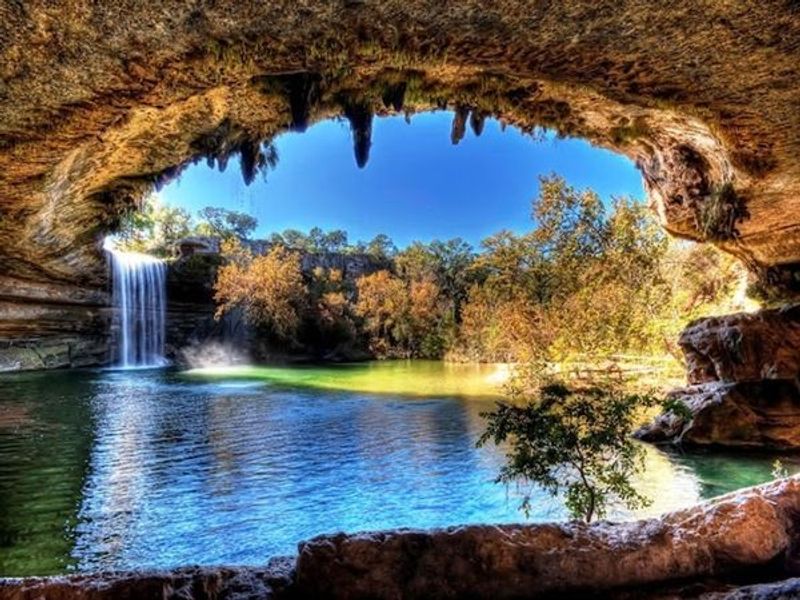
Mother Nature really showed off when she created Hamilton Pool. A collapsed underground river dome formed this stunning grotto thousands of years ago, and the result is a 50-foot waterfall spilling over a limestone overhang into a jade-green swimming hole below. Stalactites cling to the ceiling like ancient chandeliers, and emerald moss drapes the rocks in a way that feels almost prehistoric.
Getting to swim beneath that waterfall is an experience that stays with you. The water is cool and refreshing, especially during those brutal Texas summers when temperatures climb past 100 degrees. Sunlight filters through the opening above, creating shifting patterns of light on the limestone walls.
Dragonflies dart across the surface while cliff swallows nest in the rocky overhang.
Reservations are required now because this hidden gem became a little too popular for its own good. The preserve limits daily visitors to protect the delicate ecosystem, which honestly makes the experience even better. You won’t be fighting crowds or struggling to find a spot to lay your towel.
The short hike down to the pool takes you through a canyon filled with Texas wildflowers and native plants. Keep your eyes open for the occasional armadillo rustling through the brush. Even if the water level is too low for swimming on your visit, the view alone is worth the trip.
Hamilton Pool reminds you that Texas isn’t all wide-open plains and desert landscapes—sometimes it surprises you with lush, hidden oases that feel like secret worlds.
3. South Padre Island
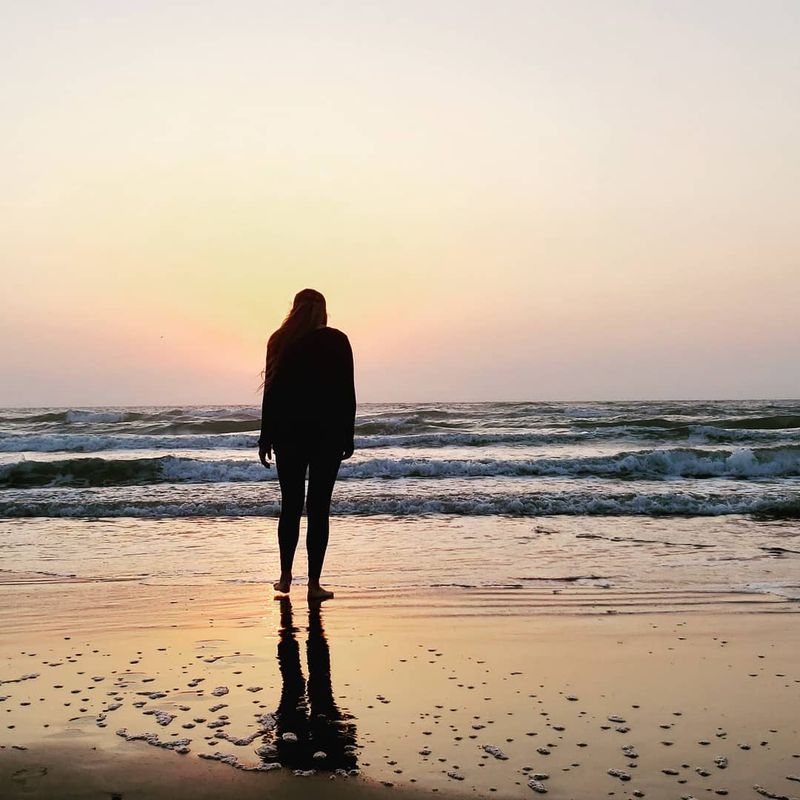
At the very southern tip of Texas, where the Gulf of Mexico meets endless stretches of white sand, South Padre Island offers 34 miles of coastline that rivals any beach destination in the country. The water shimmers in shades of turquoise and emerald that look almost tropical, and the gentle waves make it perfect for swimming, paddleboarding, or just floating around without a care in the world.
Spring break gets all the attention, but locals know the real magic happens during the quieter months. Fall brings perfect weather, smaller crowds, and some of the best fishing you’ll find anywhere on the Texas coast. Redfish, speckled trout, and flounder practically jump into your boat, and the sunsets paint the sky in colors that no camera can quite capture.
Beyond the beach, the island serves up activities for every type of traveler. You can kiteboard across the Laguna Madre, take a dolphin-watching cruise, or explore the sand dunes at the Laguna Atascosa National Wildlife Refuge. Sea turtle rescue centers let you meet these gentle creatures up close and learn about conservation efforts along the Gulf Coast.
The food scene has grown up nicely too, with fresh seafood restaurants serving blackened snapper, shrimp tacos, and ceviche that tastes like it came straight from the ocean. Beach bars offer cold drinks and live music with sand between your toes.
Whether you’re building sandcastles with kids, searching for shells at sunrise, or dancing under the stars at a beachfront party, South Padre Island delivers that carefree coastal vibe that makes everyday worries seem a million miles away.
4. Palo Duro Canyon State Park
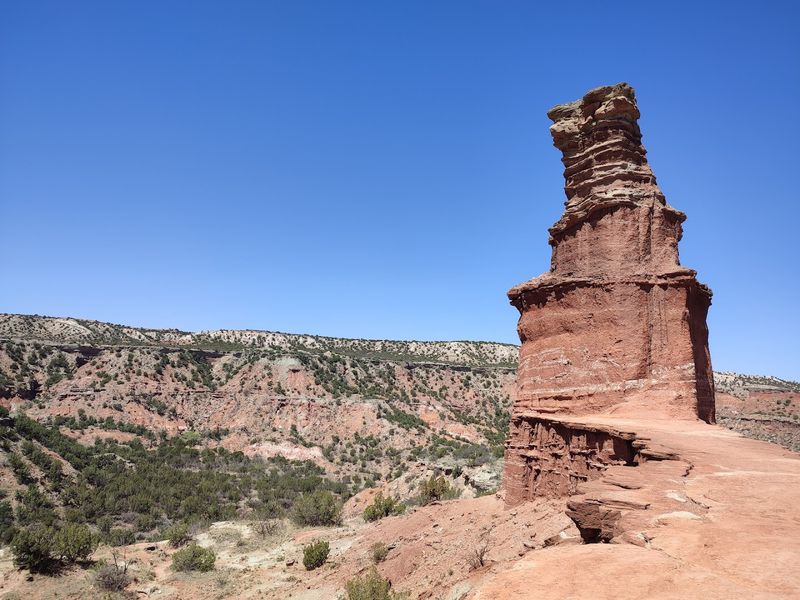
Most people picture Texas as flat as a pancake, but Palo Duro Canyon drops 800 feet into the earth and stretches 120 miles long, earning its nickname as the “Grand Canyon of Texas.” The layered rock walls glow in shades of red, orange, and pink, especially during golden hour when the setting sun turns the entire canyon into a painting. Spanish explorers named it “Palo Duro,” meaning “hard wood,” after the juniper trees growing from the canyon floor.
Hiking here feels different than anywhere else in the state. The Lighthouse Trail takes you past towering rock formations that look like they belong on Mars, and the payoff at the end—a 300-foot rock pillar—makes every step worth it. Mountain bikers love the challenging terrain, while horseback riders can explore the canyon the way cowboys did over a century ago.
Wildlife thrives in this rugged landscape. Roadrunners zip across the trails, mule deer graze in the early morning, and if you’re lucky, you might spot a wild Texas longhorn descended from the herds that once roamed freely. The canyon provides a cooler microclimate than the surrounding plains, creating a habitat where plants and animals find refuge from the harsh Panhandle weather.
Camping under the stars here is unforgettable. With minimal light pollution, the Milky Way stretches across the sky like a river of diamonds. Summer brings the outdoor musical drama “Texas,” performed in a natural amphitheater carved into the canyon walls.
Palo Duro proves that Texas holds geological wonders just as impressive as anything out West, you just have to know where to look.
5. Fort Worth Stockyards
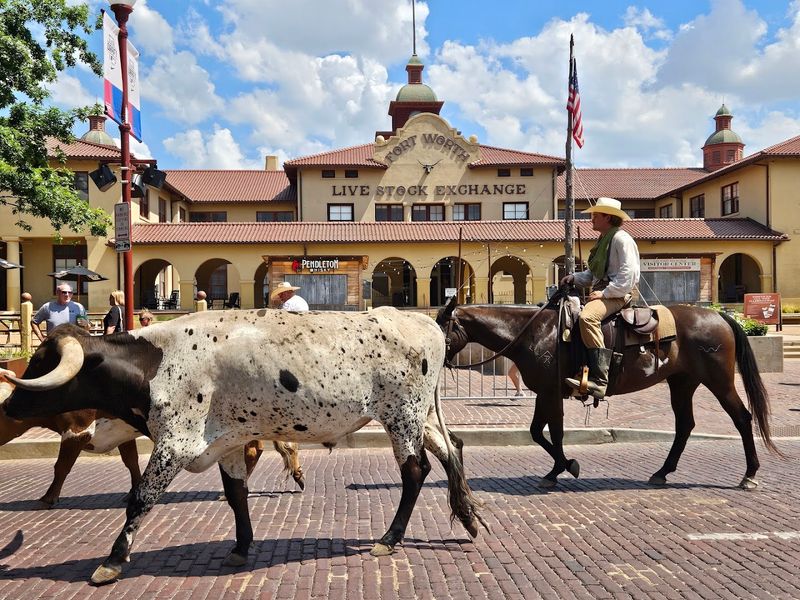
Twice daily, a herd of Texas longhorns rumbles down Exchange Avenue, their massive horns swaying as cowboys guide them through the heart of the Fort Worth Stockyards. It’s a living reminder of the city’s cattle-trading past, when millions of head of livestock passed through these pens on their way to markets across the country. The sound of hooves on brick pavement takes you back to the days when Fort Worth earned its nickname “Cowtown.”
The Stockyards district pulses with Old West energy that somehow never feels cheesy or manufactured. Wooden boardwalks front authentic Western shops selling handcrafted saddles, custom hats, and turquoise jewelry. Billy Bob’s Texas, the world’s largest honky-tonk, sprawls across three acres with live bull riding on weekends and country music legends performing on stage.
You can two-step across the dance floor, play pool, or just soak up the atmosphere with a cold Lone Star in hand.
Rodeo action happens year-round at the Cowtown Coliseum, where professional riders compete in bull riding, barrel racing, and bronc busting events that showcase real cowboy skills. The announcers crack jokes between events, and the crowd erupts when a rider manages to stay on for the full eight seconds.
Restaurants serve up Texas-sized steaks, barbecue, and Tex-Mex that’ll leave you loosening your belt. The smell of mesquite smoke hangs in the air, mixing with the earthy scent of leather and livestock.
What makes the Stockyards special is its authenticity—this isn’t a theme park recreation of Western heritage, it’s the real deal preserved and celebrated by people who genuinely love cowboy culture and want to share it with the world.
6. Big Bend National Park
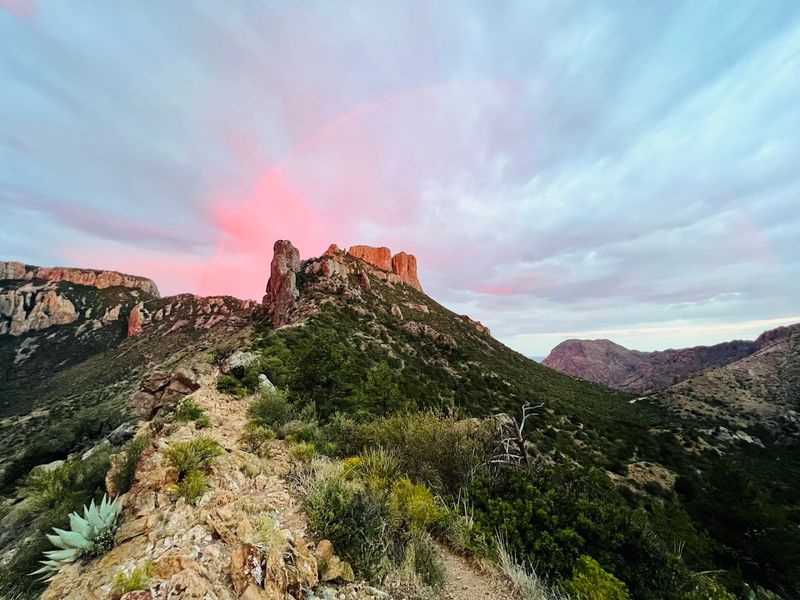
Big Bend sits so far from everything that the nearest major city is a five-hour drive away, and that remoteness is exactly what makes it magical. The park encompasses over 800,000 acres of Chihuahuan Desert wilderness where the Rio Grande carves dramatic canyons through ancient limestone and the Chisos Mountains rise like islands from the desert floor. Stars shine so bright here that Big Bend earned designation as an International Dark Sky Park—on a moonless night, you can see the Andromeda Galaxy with your naked eye.
Hiking options range from easy nature walks to challenging mountain treks. The Window Trail descends through a V-shaped pour-off with views that stretch for miles across the desert. Lost Mine Trail climbs through pine and juniper forests to a ridge overlooking both Mexico and the vast expanse of West Texas.
Santa Elena Canyon features 1,500-foot limestone walls rising vertically from the Rio Grande, creating a natural cathedral that echoes with bird calls.
Wildlife encounters happen regularly if you keep your eyes open. Roadrunners dart across highways, javelinas root around campsites looking for food, and black bears occasionally wander down from the mountains. The endangered Mexican long-nosed bat migrates through the park, and over 450 bird species have been recorded here, making it a paradise for birdwatchers.
Hot springs bubble up along the river, providing natural soaking spots with views into Mexico just across the water. Desert blooms transform the landscape after winter rains, with ocotillo sending up brilliant red flowers and cacti bursting into unexpected colors.
Big Bend rewards those willing to venture far off the beaten path with solitude, beauty, and a sense of wild Texas that’s becoming increasingly rare.
7. Caddo Lake State Park
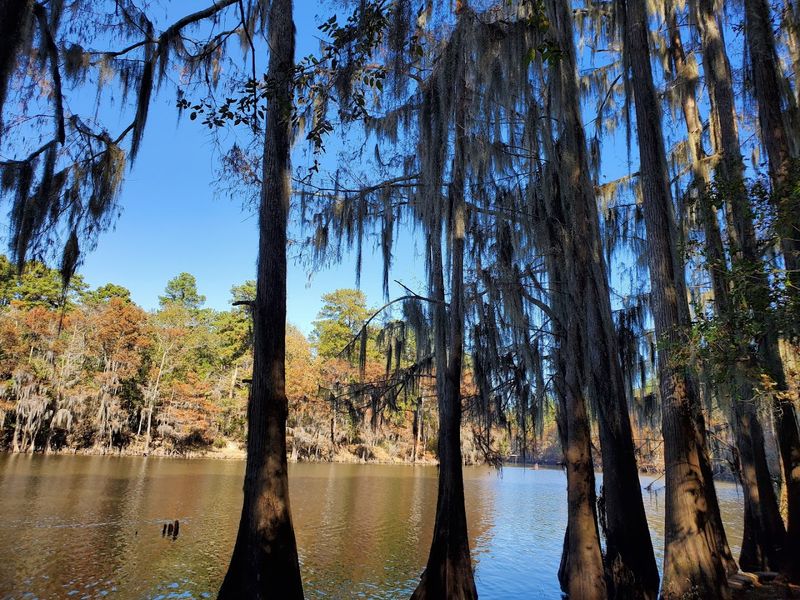
Cypress trees rise from the dark water like ancient sentinels, their trunks flaring at the base and their branches draped with Spanish moss that sways in the breeze. Caddo Lake feels more like Louisiana bayou country than Texas, and that’s because this mysterious wetland ecosystem is the only naturally occurring large lake in the state. The maze of sloughs, ponds, and channels creates over 26,000 acres of waterways where you can paddle for hours and feel completely lost in nature.
Kayaking or canoeing through the flooded cypress forest is like entering another world. Sunlight filters through the canopy in golden shafts, illuminating the tea-colored water stained by tannic acid from decomposing vegetation. Lily pads carpet the surface, and alligators sun themselves on logs—yes, real alligators, because East Texas is wild like that.
The stillness is profound, broken only by the call of herons and the splash of turtles sliding into the water.
Fishing enthusiasts target largemouth bass, crappie, and catfish in the lake’s many hidden coves. Local guides know the secret spots where fish congregate around submerged timber and aquatic vegetation. Some of the cypress trees are over 400 years old, their massive root systems creating perfect habitat for fish and other aquatic life.
Legend has it that the lake formed when a massive logjam on the Red River backed up water into the cypress swamps. Whether natural or human-caused, the result is a hauntingly beautiful landscape that supports an incredible diversity of plants and animals.
Caddo Lake proves that Texas contains multitudes—even swampy, moss-draped wetlands that feel transported from the Deep South.
8. Gruene Historic District
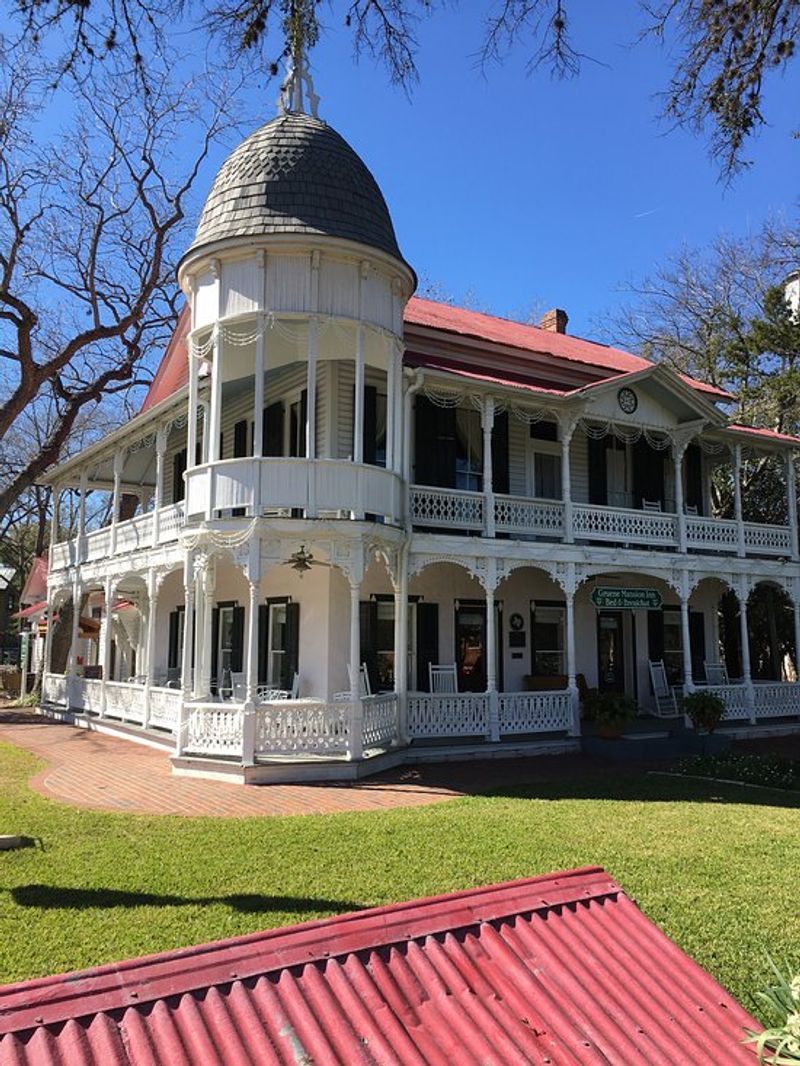
Gruene hasn’t changed much since the 1800s, and that’s exactly how locals like it. This tiny historic district along the Guadalupe River maintains its weathered charm with original buildings, dirt roads, and a slower pace that feels like stepping back in time. The entire town is on the National Register of Historic Places, preserving a snapshot of Texas as it existed over a century ago when German and American settlers built cotton gins and general stores along the river.
Gruene Hall claims the title of Texas’s oldest continually operating dance hall, and walking through its doors is like entering a honky-tonk time capsule. The wooden floor is worn smooth from decades of dancing boots, and the walls are covered with signatures, photos, and memorabilia. Big-name country artists still perform here, but the venue keeps its intimate, unpretentious vibe.
You can grab a beer, claim a spot on the outdoor patio, and listen to live music under the stars just like Texans have done since 1878.
The Guadalupe River flows right past town, offering tubing, kayaking, and swimming opportunities during hot summer months. Outfitters rent tubes and provide shuttle service so you can float downstream, relax in the cool water, and forget about everything except the sunshine and the gentle current.
Antique shops, craft stores, and art galleries occupy the historic buildings, selling handmade goods, vintage treasures, and local artwork. The Gristmill Restaurant serves burgers and barbecue in a converted 100-year-old cotton gin with riverside views.
Gruene manages to attract visitors without losing its authentic small-town soul, a balancing act that many historic places struggle to achieve but this little gem pulls off perfectly.
9. The Alamo
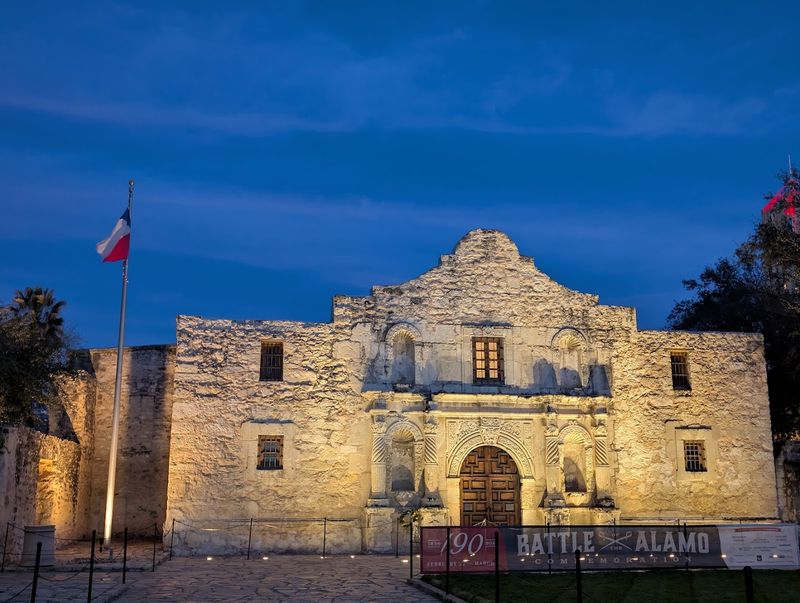
Remember the Alamo—those three words carry weight in Texas, representing courage, sacrifice, and the fight for independence that shaped the state’s identity. The limestone mission stands in downtown San Antonio, its distinctive facade instantly recognizable from countless photos and films. Walking through the heavy wooden doors into the chapel where 189 defenders made their final stand against thousands of Mexican troops creates a solemn, reflective moment that connects you to a pivotal chapter in Texas history.
Built in 1718 as Mission San Antonio de Valero, the structure served as a Spanish mission for nearly 70 years before becoming the site of the legendary 1836 battle. Today, the complex includes the iconic chapel, the Long Barrack Museum, and beautifully maintained gardens where you can escape the city bustle and contemplate the events that unfolded here. Exhibits display weapons, personal belongings of the defenders, and detailed accounts of the 13-day siege.
What surprises many visitors is how small the Alamo actually is compared to its outsized reputation. The compound occupies just 4.2 acres, yet the battle fought here inspired Texans to rally under Sam Houston and ultimately defeat Santa Anna’s army at San Jacinto, securing independence for the Republic of Texas.
The site is free to visit, making it accessible to everyone who wants to understand this crucial piece of Texas heritage. Rangers and volunteers share stories about Davy Crockett, Jim Bowie, William Travis, and the other men who chose to stay and fight despite impossible odds.
The Alamo isn’t just a tourist attraction—it’s a shrine to the Texas spirit of independence, defiance, and determination that still defines the state’s character today.
10. Guadalupe Mountains National Park
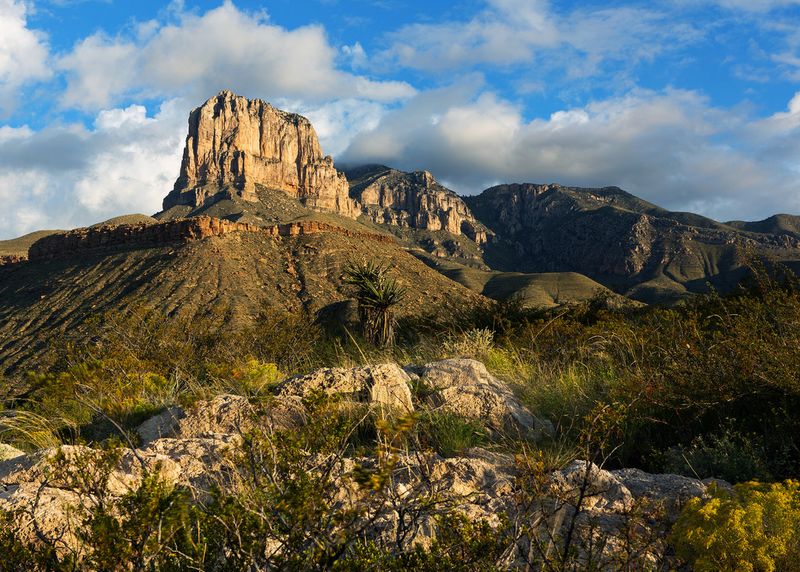
Guadalupe Peak rises 8,749 feet above sea level, making it the highest point in Texas and a bucket-list summit for hikers seeking bragging rights. The climb is challenging—8.4 miles round trip with over 3,000 feet of elevation gain—but reaching the top and signing the register in the metal box at the summit delivers a sense of accomplishment that’s hard to beat. On clear days, the views stretch for over 100 miles across the Chihuahuan Desert and into New Mexico.
The park protects an ancient fossilized reef from the Permian period, when this entire region sat beneath a tropical sea. Limestone cliffs reveal marine fossils embedded in the rock, telling a story of Earth’s history from 265 million years ago. Geologists consider it one of the finest examples of a fossilized reef anywhere in the world.
McKittrick Canyon offers a completely different experience from the desert peaks. A spring-fed creek creates a riparian oasis where bigtooth maples, Texas madrones, and ponderosa pines thrive. Fall transforms the canyon into a blaze of red, orange, and yellow foliage—a rare treat in West Texas where autumn colors are uncommon.
The easy trail follows the creek past pools and small waterfalls, providing a shaded respite from the harsh desert environment.
Wildlife adapted to extreme conditions thrives here. Mountain lions prowl the high country, elk herds graze in meadows, and over 300 bird species have been recorded in the park. Mule deer with enormous ears bound across rocky slopes, and rattlesnakes coil in the shade during summer heat.
Guadalupe Mountains National Park receives far fewer visitors than Big Bend, meaning you can often hike for hours without seeing another soul—just you, the mountains, and the endless Texas sky.
Share this story