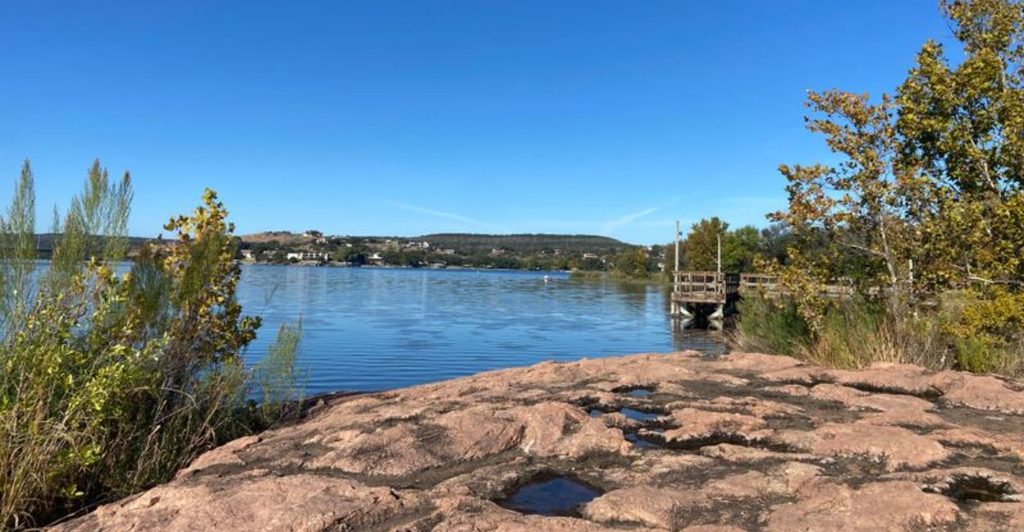
Inks Lake sits in the Texas Hill Country, known for its clear waters and outdoor fun. But this 800-acre reservoir has also gained attention for something less inviting: snakes. Visitors often spot these reptiles sunning on rocks or swimming near the shore, which has made the lake famous for more than just fishing and kayaking.
1. Water Snakes Are Common Residents Here
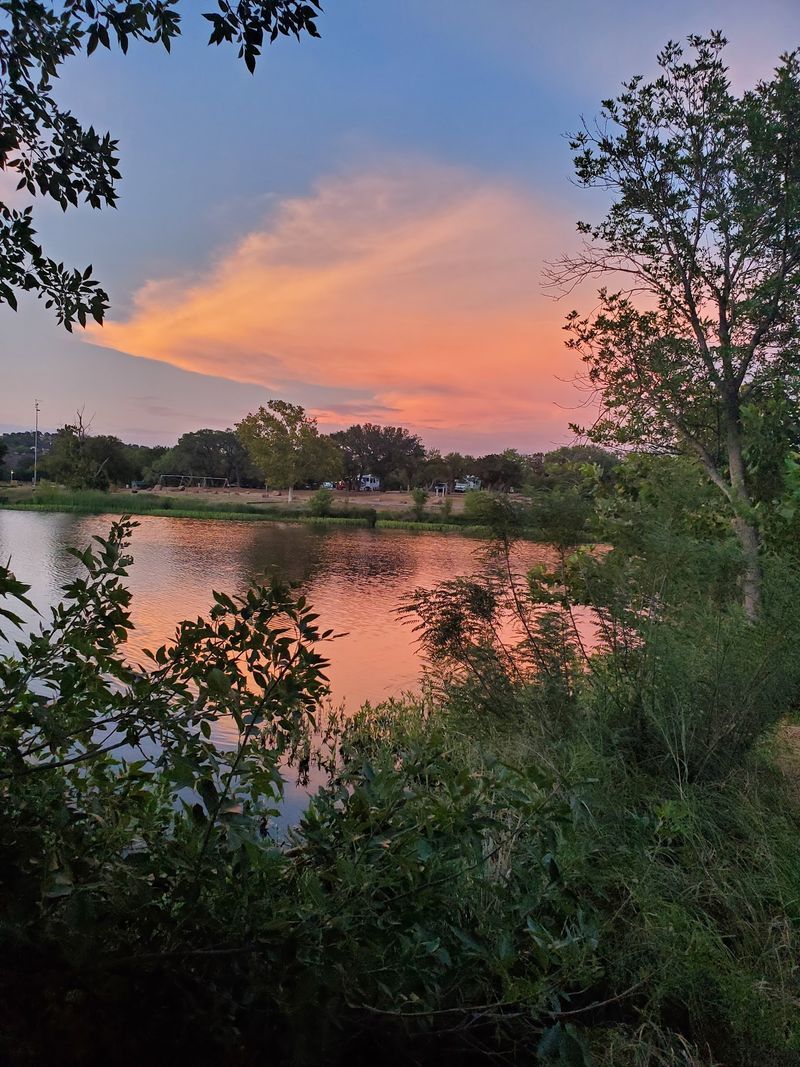
Water snakes make Inks Lake their home year-round, and you’ll find them basking on rocks or gliding through shallow areas. These reptiles love the lake’s warm climate and abundant fish population, which provides them with plenty of meals. While they might look intimidating, most water snakes at Inks Lake are non-venomous and prefer to avoid humans whenever possible.
The most frequently spotted species include diamondback water snakes and blotched water snakes. Both have patterns that help them blend into the rocky terrain surrounding the lake. They’re excellent swimmers and can stay underwater for several minutes while hunting for small fish and amphibians.
If you’re visiting Inks Lake, watch where you step along the shoreline, especially during warmer months when snakes are most active. They typically sun themselves on flat rocks near the water’s edge in the morning and late afternoon. Most encounters happen because people accidentally get too close without noticing them first.
Park rangers recommend keeping a respectful distance if you spot a snake. They play an important role in the ecosystem by controlling fish and frog populations. Simply give them space, and they’ll usually move along on their own without any drama or confrontation with visitors.
2. Rattlesnakes Occasionally Visit the Shoreline
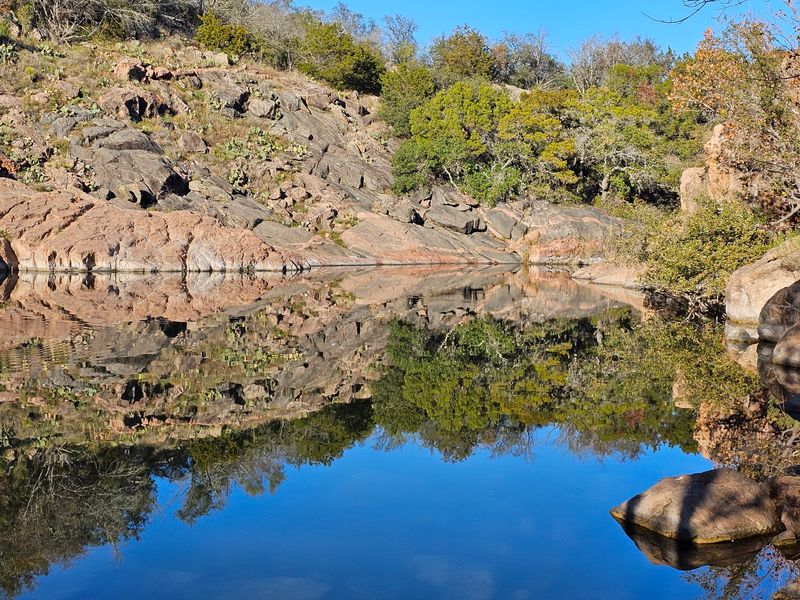
Western diamondback rattlesnakes sometimes wander down to Inks Lake’s shoreline, particularly during hot summer days when they’re searching for water. Unlike water snakes, these are venomous and deserve serious respect. They’re typically tan or gray with distinctive diamond-shaped patterns running down their backs, and of course, that famous rattle at the tail’s end.
These rattlers prefer the rocky hillsides and trails around the lake rather than the water itself. Hikers on Pecan Flats Trail or Lake Trail should stay alert, especially when scrambling over rocks or walking through tall grass. Rattlesnakes often rest in shaded spots under rocks or bushes during the hottest part of the day.
The good news is that rattlesnakes give fair warning before striking. They’ll shake their rattles loudly if they feel threatened, which gives you plenty of time to back away slowly. Most bites happen when people accidentally step on them or try to handle them, so keeping your eyes on the path prevents problems.
If you’re camping at Inks Lake State Park, shake out your shoes before putting them on in the morning. Keep your tent zipped and avoid leaving gear on the ground overnight. Rattlesnakes are nocturnal hunters, so they might investigate campsites after dark while searching for rodents.
3. Devil’s Waterhole Attracts Snakes and Swimmers Alike
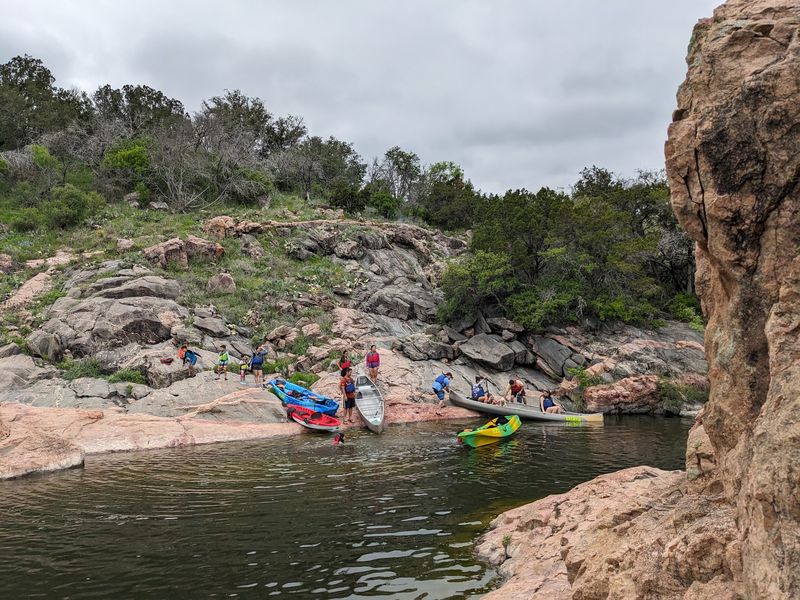
Devil’s Waterhole is the most famous swimming spot at Inks Lake, where brave visitors jump from cliffs up to 40 feet high. The deep, clear water makes it perfect for diving, but it also attracts snakes looking for fish and cool places to rest. The combination of rocks, water, and shade creates an ideal habitat for several snake species.
Water snakes frequently swim through this area, especially in the early morning before crowds arrive. They’re hunting for the small fish and minnows that gather near the rocky walls. Swimmers sometimes spot them gliding across the surface or disappearing into crevices between the boulders that line the waterhole.
The surrounding cliffs and vegetation provide excellent hiding spots for snakes during the day. Before you climb up for a jump, check the rocks and ledges carefully. Snakes often sun themselves on these warm surfaces, and you definitely don’t want to grab one by accident while pulling yourself up.
Despite the snake presence, thousands of people enjoy Devil’s Waterhole safely every year. The key is staying aware of your surroundings and respecting the wildlife. If you see a snake in the water, simply swim in a different direction.
They’re not interested in bothering swimmers and will usually head away from noisy groups of people.
4. Camping Areas Require Snake Awareness
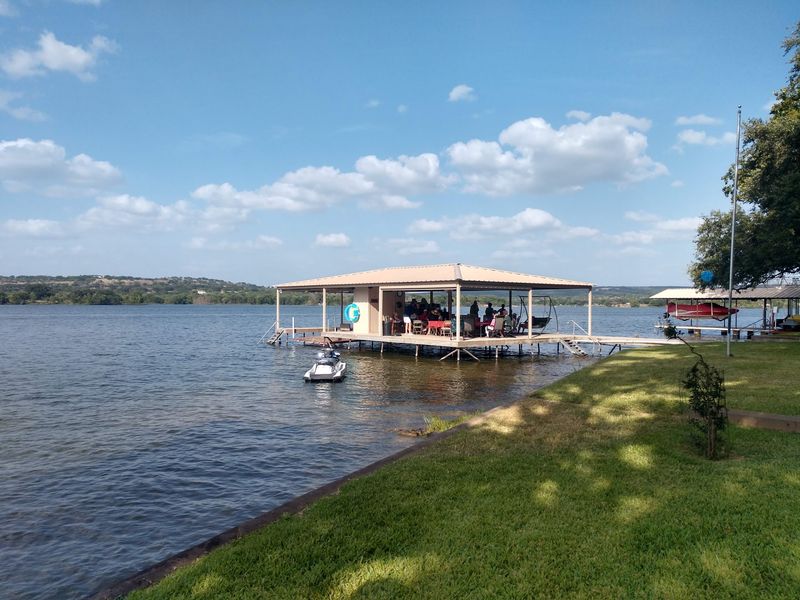
Camping at Inks Lake State Park puts you right in snake territory, but don’t let that scare you away from this gorgeous destination. The park’s 200 campsites sit among rocky hills and oak trees where snakes naturally live and hunt. Both venomous and non-venomous species roam through these areas, especially during spring and fall when temperatures are moderate.
Reviewers consistently mention clean facilities and beautiful lakeside spots, though a few have encountered spiders and other critters in the cabins. Snakes occasionally show up near campsites too, particularly at dusk when they’re hunting for rodents. Keep your campsite tidy and food sealed tightly to avoid attracting mice, which in turn attract snakes.
The climate-controlled cabins offer some protection from wildlife encounters, though you should still check around the porch and steps before entering after dark. If you’re tent camping, choose a site away from rock piles and thick brush where snakes like to hide. Set up camp in open areas where you can easily see the ground around you.
Many campers have enjoyed Inks Lake for decades without any snake problems by following simple precautions. Use a flashlight when walking to the bathroom at night, and teach kids to watch where they put their hands and feet. The park rangers are experienced with local wildlife and happy to answer questions about staying safe while enjoying your camping adventure.
5. Hiking Trails Wind Through Prime Snake Habitat
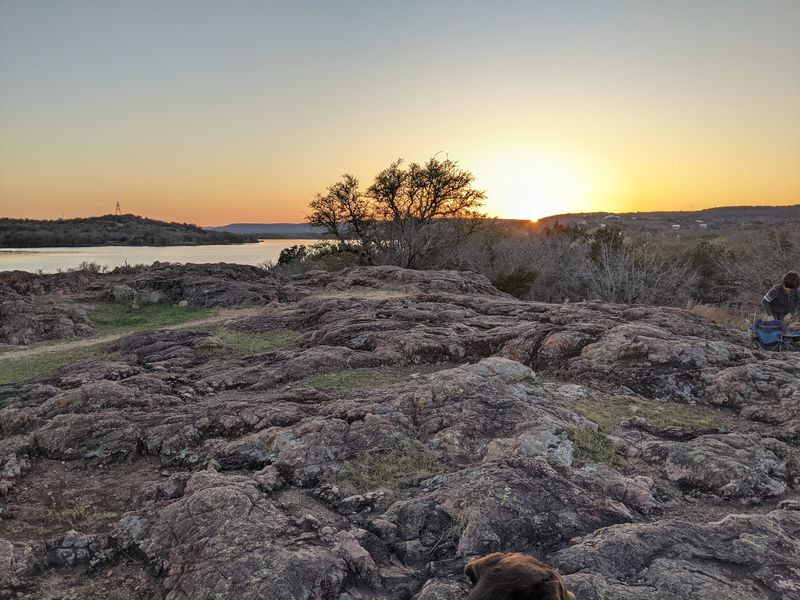
Pecan Flats Trail and Lake Trail take you through some of the most beautiful terrain at Inks Lake, but they also cross through perfect snake habitat. The rocky hillsides, covered with ancient pink granite that’s billions of years old, provide countless hiding spots for reptiles. Oak trees and prickly pear cacti dot the landscape, creating shaded areas where snakes rest during hot afternoons.
Hikers regularly spot snakes on these trails, particularly in spring when they’re most active after winter dormancy. The trails climb up hillsides that offer stunning lake views, but the rocky terrain means watching your step constantly. Snakes often sun themselves on the trail itself, especially on cooler mornings when they need to warm up.
Wearing sturdy boots instead of sandals gives you better protection if you accidentally step near a snake. Most will slither away when they feel vibrations from your footsteps, but some might be slow to move if they’re cold or digesting a meal. Making noise while you hike helps alert them to your presence before you get too close.
The trails also provide excellent birding opportunities, which means looking up as well as down. Try to balance watching for wildlife in trees with keeping an eye on the path ahead. Hiking with a friend makes this easier since you can take turns watching the trail and enjoying the scenery around you.
6. Fishing Docks See Their Share of Snake Visitors
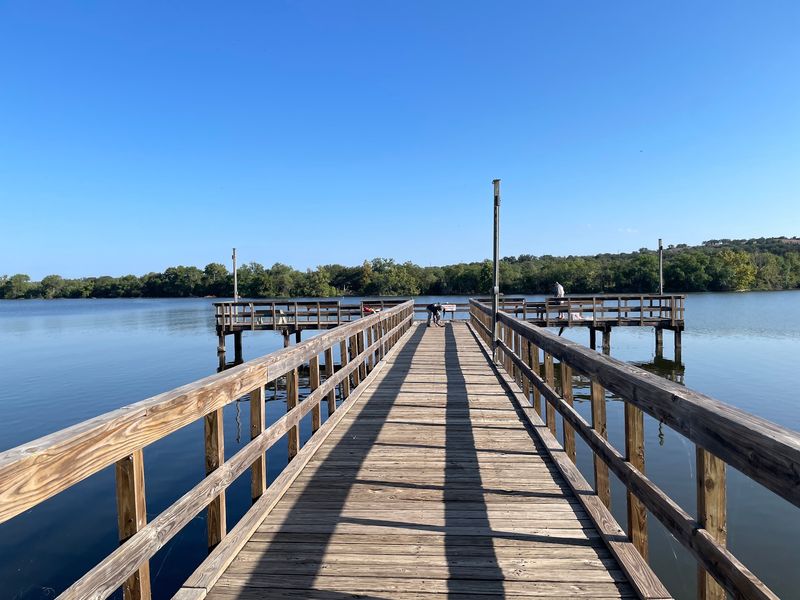
Inks Lake’s two lighted fishing docks attract anglers hoping to catch white bass, catfish, and the occasional mirror carp. These same docks also attract water snakes that hunt for fish in the shallow water below. Fishermen have reported snakes swimming around dock pilings or climbing onto the platforms to sun themselves between the boards.
One reviewer mentioned catching “a lot of salad” instead of fish, but others have had great success landing white bass near the docks. The structure provides cover for fish, which naturally draws predators including snakes. Water snakes are skilled hunters that can catch fish almost as effectively as anglers with their rods and reels.
If you’re fishing from the dock, keep your tackle box closed and your gear organized. Snakes sometimes investigate items left on the deck, and you don’t want any surprises when reaching for your bait. Store your catch in a sealed cooler rather than leaving fish on a stringer in the water where they might attract unwanted attention.
Night fishing under the lights is popular at Inks Lake, but that’s also when snakes are actively hunting. Bring a good flashlight and check around your fishing spot before settling in for the evening. Most water snakes will avoid the dock if they sense people there, but it’s smart to stay aware of your surroundings, especially when it’s dark and harder to see.
7. Kayaking Puts You at Water Level with Snakes
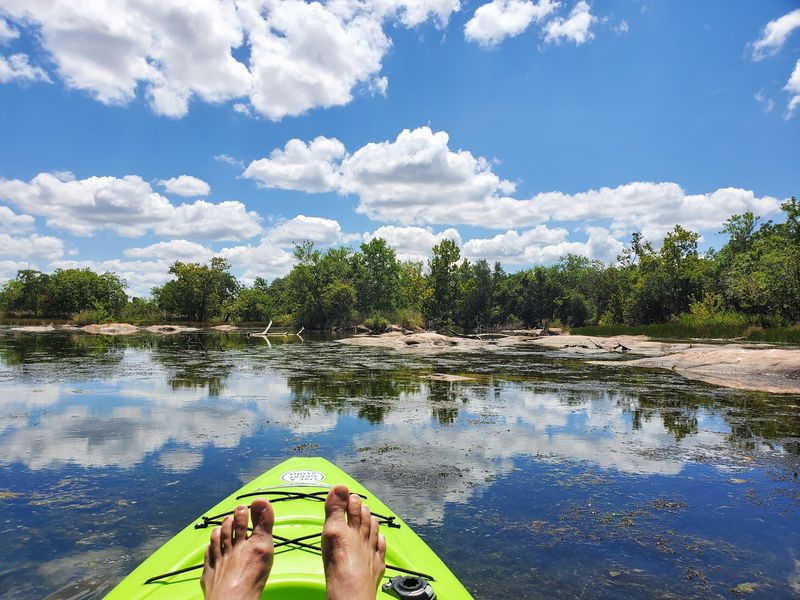
Renting a kayak at Inks Lake offers a peaceful way to explore the 800-acre reservoir, but paddling puts you right at eye level with swimming snakes. Water snakes regularly cross from shore to shore or swim along the edges hunting for food. Kayakers frequently encounter them, especially in quieter coves away from the main swimming areas where boat traffic is minimal.
One reviewer praised the smooth kayak rental experience and mentioned the clean facilities near the general store. While out on the water, you might spot a snake’s head moving across the surface, creating a small wake behind it. These encounters are usually brief since snakes typically swim away from kayaks rather than toward them.
If a snake approaches your kayak, simply stop paddling and let it pass. They’re not aggressive and have no interest in climbing aboard your boat. Splashing your paddle in the water or making noise will usually encourage them to change direction.
Never try to touch or catch a snake from your kayak, as this could cause you to tip over or get bitten.
Canoe rentals are also available, and the wider, more stable design might feel more comfortable if you’re worried about snake encounters. The Colorado River feeds into Inks Lake, bringing cooler water from Lake Buchanan upstream. This creates diverse habitats that support healthy populations of fish, birds, and yes, snakes throughout the reservoir system.
8. Seasonal Patterns Affect Snake Activity Levels
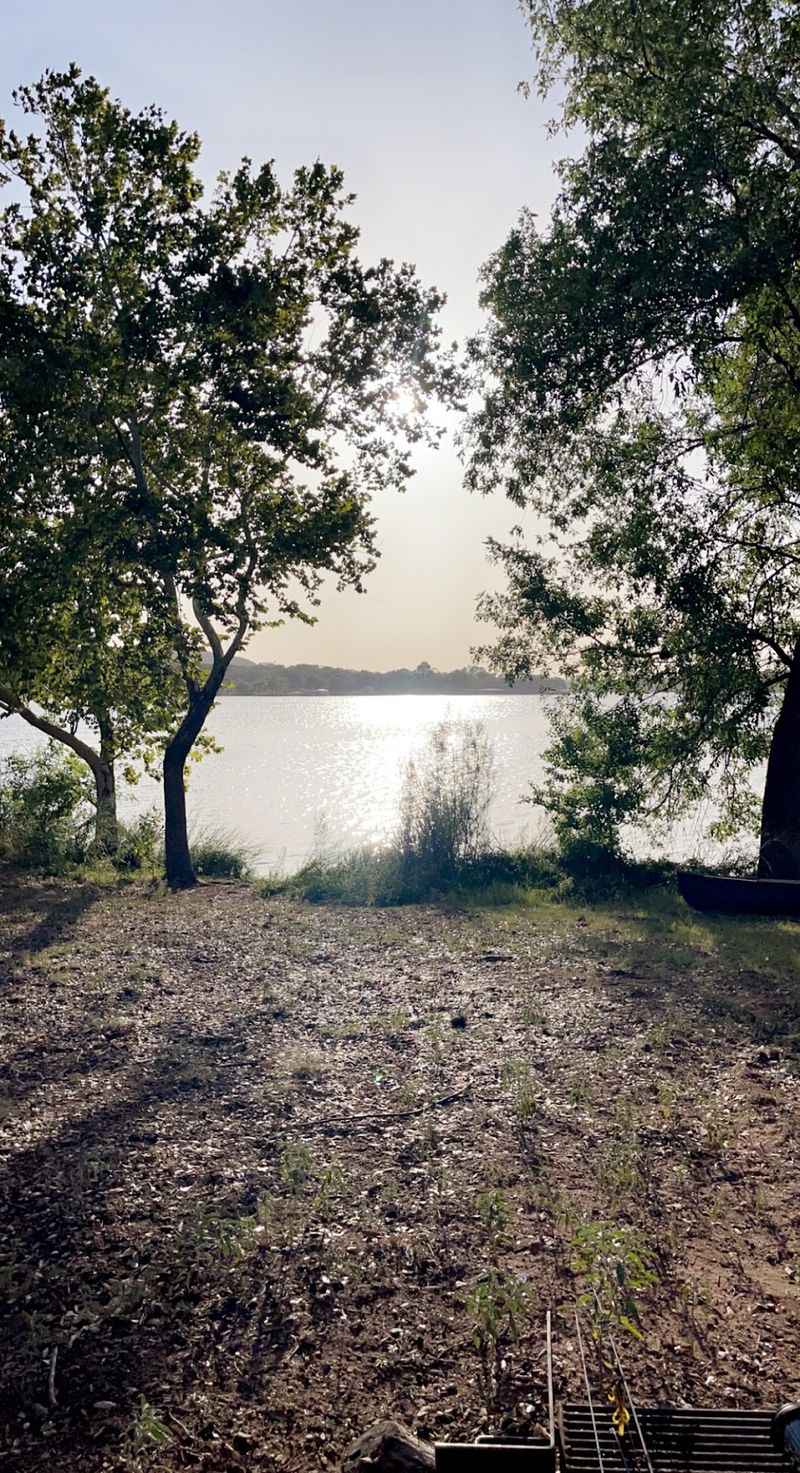
Snake sightings at Inks Lake peak during spring and fall when temperatures range between 70 and 85 degrees. Snakes are cold-blooded creatures that depend on external heat sources to regulate their body temperature. During these moderate months, they’re most active and visible as they hunt, mate, and prepare for seasonal changes ahead.
Summer brings extreme heat to the Texas Hill Country, which actually reduces snake encounters during midday hours. They retreat to shaded areas under rocks or in burrows to avoid overheating. One reviewer wisely noted they wouldn’t return in summer, possibly due to the intense heat that makes both snakes and humans seek shelter during peak afternoon hours.
Early morning and evening become prime snake-spotting times in summer when temperatures cool down enough for them to emerge safely. If you’re visiting during July or August, plan your hiking and outdoor activities for these cooler periods. You’ll not only avoid the worst heat but also reduce your chances of surprising a snake that’s out hunting.
Winter at Inks Lake sees the fewest snake sightings since most species become inactive when temperatures drop below 50 degrees. They brumate in underground dens or rock crevices, emerging only on unusually warm winter days. This makes winter an excellent time to visit if you want to enjoy the park’s beauty with minimal wildlife concerns, though you’ll miss out on some of the area’s natural charm.