Certain lakes have a way of turning one visit into a tradition. Across Michigan, clear water, sandy shorelines, wooded hills, dunes, lighthouses, and dramatic overlooks give travelers plenty of reasons to return to the same favorite spots year after year.
Some lakes win people over with peaceful swimming and easy beach days, while others make the scenery itself the main event. The appeal comes from how different each destination can feel, even within the same state.
For anyone planning a Michigan getaway around the water, these lakes show why choosing where to go once is easy, but resisting the urge to come back can be much harder.
1. Houghton Lake: Michigan’s Giant Inland Playground
Picture a frozen lake turning into a small town every winter, with shanties, food stands, and a parade of snowmobiles. That scene has played out on Houghton Lake for decades during Tip-Up Town USA, a festival that locals treat like a family reunion on ice.
Summer brings a totally different crowd, but the same loyalty.
Size is the big story here. Houghton Lake is the largest inland lake in Michigan, covering roughly 20,000 acres, yet most of it stays fairly shallow.
That shallow water warms up fast in summer, so swimming season starts earlier than you might expect for northern Michigan.
Fishing is a year-round habit around here. Walleye, pike, bluegill, and bass all draw anglers, and bait shops along the shoreline are happy to tell you where things are biting.
If you’re new to ice fishing, winter is a great time to try it, since you’ll have plenty of neighbors to watch and learn from.
Families love the easygoing pace. Cottages and small resorts line much of the shore, and many have been owned by the same families for generations.
You’ll spot kids paddling kayaks, grandparents on pontoon boats, and dogs claiming the end of every dock.
Want a practical tip? Book summer rentals early, especially around the Fourth of July, because the best spots fill up months ahead.
Bring your own water toys too, since renting can add up fast over a long weekend.
Roscommon County sits within an easy drive of much of lower Michigan, which makes weekend trips realistic.
Local diners, ice cream stands, and bait shops give the area a classic up-north flavor without any fuss. Grab breakfast early, get on the water before the wind picks up, and save your swim for mid-afternoon when the shallows are warmest.
2. Glen Lake: Turquoise Water Beside the Dunes
Stand on the Glen Lake Narrows bridge on a sunny day and the water below looks like someone poured in blue sports drink. The color is so bright that first-timers often pull over just to take pictures.
Longtime visitors simply smile, because they’ve seen that reaction a hundred times.
Glen Lake is actually two connected bodies of water, Big Glen and Little Glen, joined by that narrow channel. Big Glen is deeper and cooler, while Little Glen tends to be shallower and warmer.
You can pick your side depending on whether you want a brisk swim or a lazy float.
Location is a huge bonus. The lake sits right next to Sleeping Bear Dunes National Lakeshore, so you can climb sand dunes in the morning and paddle calm water in the afternoon.
Glen Arbor, the little village nearby, has bike rentals, cafes, and shops packed into just a few blocks.
Biking is one of the best ways to explore. The Sleeping Bear Heritage Trail runs through the area, and it’s mostly smooth and family friendly.
Paddlers get a special treat here. Early mornings are often glassy, which makes kayaking and paddleboarding easy even for beginners.
Clear water means you can see the sandy bottom in the shallow spots, and kids love spotting small fish darting around.
A few tips will help you enjoy it more. Parking near popular beaches fills quickly on summer weekends, so arriving before 10 a.m. is smart.
Sunscreen is a must too, since the reflection off both water and sand can burn faster than you expect.
Fall is a sneaky-good season to visit. The crowds thin out, the hardwood hills around the lake turn gold and red, and cottage rates often drop.
Cool, crisp air makes hiking the nearby dune trails far more comfortable than in July.
3. Reeds Lake: A City Escape Minutes From Downtown
Not every great lake needs a four-hour drive. Reeds Lake sits right inside East Grand Rapids, just minutes from downtown Grand Rapids, and it gives city folks a quick escape without packing a suitcase.
History runs deep here. Back in the early 1900s, the shoreline was home to Ramona Park, an amusement park with rides and a dance pavilion that drew huge crowds by streetcar.
The park is long gone, but that spirit of summer fun never left.
Today, the big draw is the walking loop around the lake. It stretches a few miles, stays mostly flat, and fills with joggers, strollers, and dog walkers from sunrise to sunset.
Big lawns and pretty homes along the route make the miles slip by quickly.
Rowing is a serious deal on Reeds Lake. Early in the morning, you might see crew teams slicing across the water in long, skinny boats while coaches call out from small motorboats.
It’s fun to watch, and it gives the lake a lively, sporty energy.
Gaslight Village, the small shopping district near the water, makes it easy to turn a walk into an outing. You can grab coffee, pick up a treat, or sit down for dinner, then stroll back to the lake for sunset.
Parks like John Collins Park give you a grassy spot to relax near the shore.
If you’re bringing kids, look for the playgrounds and summer events that pop up around the parks. Kayaks and paddleboards are popular, though rules on motorboats and launches can vary, so check local guidelines before you haul anything in.
A quick look at the city website saves a lot of guesswork.
Reeds Lake proves a lake doesn’t have to be remote to earn loyal fans. Convenience, green space, and good food nearby turn a single visit into a weekly habit for plenty of Grand Rapids locals.
4. Lake Michigamme: Wild Upper Peninsula Water
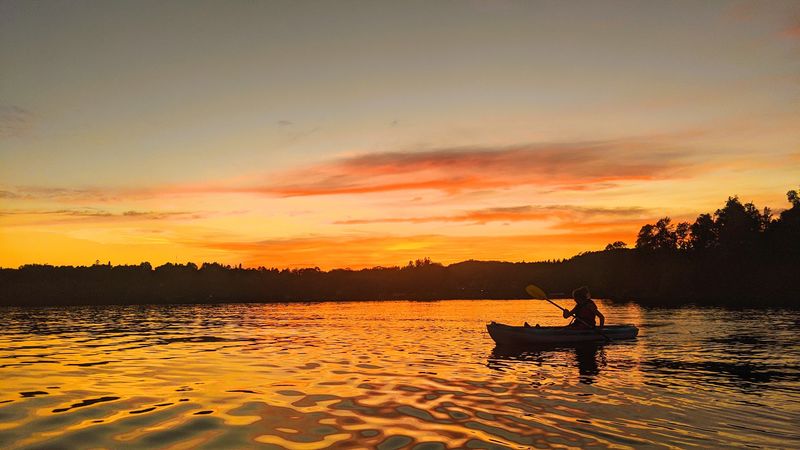
Drive west on US-41 past Marquette and, at some point, the trees open up and a huge stretch of dark blue water appears beside the highway. That’s Lake Michigamme, and it tends to catch travelers off guard.
This Upper Peninsula lake is big, rugged, and dotted with rocky islands. The shoreline is mostly forest, with cabins tucked here and there instead of rows of big houses.
Loons call across the water at night, and on calm evenings their echo carries for miles.
Van Riper State Park sits on the east end of the lake, and it’s a great home base. Campers get a sandy swimming beach, a boat launch, and trails that wind into the woods.
Fun fact: the park area played a role in moose being brought back to the Upper Peninsula in the 1980s, so keep your eyes open.
Anglers have plenty to be excited about. Walleye, northern pike, and smallmouth bass are common targets, and the rocky structure around the islands gives fish lots of places to hide.
Bring a good map or GPS, because some areas have shallow reefs that can surprise boaters.
Weather up here changes quickly. A sunny morning can turn windy by afternoon, and the lake can get choppy fast since it’s so wide open.
If you’re kayaking, stay near shore and check the forecast before heading out.
Nearby, the tiny town of Michigamme has a few spots for supplies, but don’t expect big stores. Stock up in Marquette or Ishpeming before you arrive.
Bug spray is not optional in early summer, trust us on that one.
Quiet is the real reward. Nights here are dark enough for bright stars, and mornings are often so still you can hear a fish jump.
Anyone tired of crowded beaches finds a lot to love on this wild, roomy lake.
5. Silver Lake: Dune Buggies Meet Calm Water
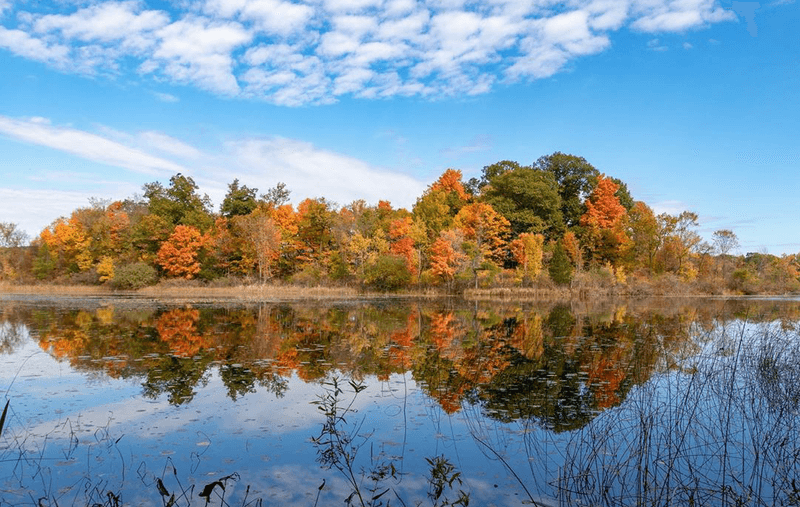
Where else in Michigan can you drive a dune buggy over mountains of sand, then cool off in a calm, warm lake a few minutes later? Silver Lake near Mears pulls off that combo, and it’s a big reason families return every summer.
Silver Lake State Park is the star here. It includes a large dune area open to off-road vehicles, which is rare for Michigan state parks.
You can bring your own ORV with the right permits, or book a guided dune ride if you’d rather let a pro handle the steering.
Not into engines? Parts of the dunes are set aside for hiking only, and climbing a giant sand hill is a workout that’ll have your legs burning.
From the top, you can see Silver Lake on one side and Lake Michigan stretching out on the other.
Silver Lake itself is shallow and sandy, which makes it warm and friendly for young swimmers. Pontoon rentals, paddleboats, and kayaks are easy to find around the shore.
The water stays calm compared to the big lake next door, so it’s great for beginners.
Little Sable Point Lighthouse is another must-see. The tall brick tower stands along the Lake Michigan beach just south of the dunes, and sunsets there are hard to beat.
Check ahead for climbing hours, because they can vary by season.
A few practical notes will help. Sand gets into everything, so pack old towels, sandals, and a bag for dirty clothes.
Summer weekends get busy, and campsites and cottages often book up early, so plan ahead if you want a July visit.
Small shops sell fudge, ice cream, and beach gear around the lake, giving the area a classic vacation vibe. Between the dunes, the lake, and the lighthouse, it’s easy to fill a week without repeating a single activity.
6. Lake Charlevoix: A Grand Entrance by Boat
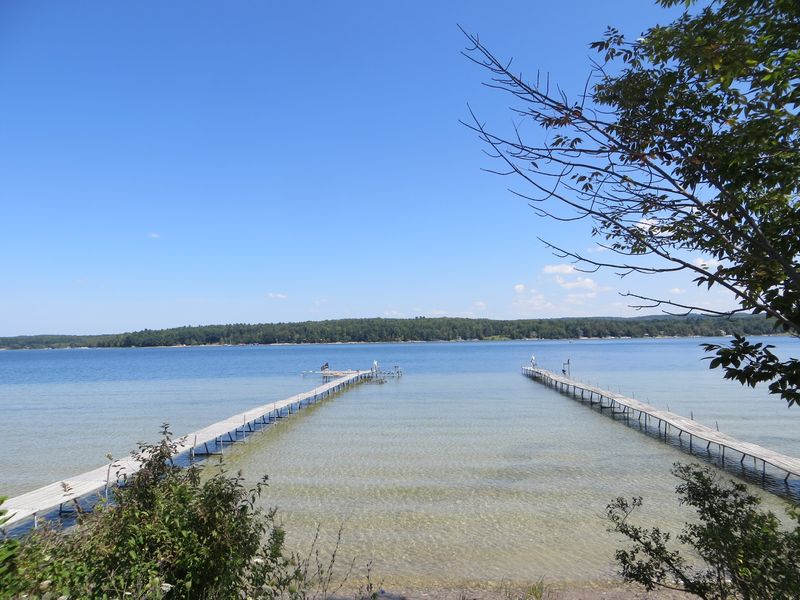
Boaters heading into Lake Charlevoix from Lake Michigan get a grand entrance. First they pass through a channel, then wait for the downtown drawbridge to lift, then glide into little Round Lake before reaching the main lake.
Folks on shore love to wave.
Lake Charlevoix is long and branching, with a main arm and a south arm that reach toward Boyne City and East Jordan. That shape gives you tons of shoreline to explore and plenty of coves to drop anchor.
On a busy summer day, you’ll see sailboats, fishing boats, and paddleboards sharing the water.
Charlevoix, the town at the lake’s west end, is a treat on its own. Stroll past shops and restaurants downtown, then check out the famous mushroom houses designed by Earl Young.
These quirky stone cottages with curvy roofs look like they came straight out of a storybook.
Fishing fans get plenty of variety. Smallmouth bass, perch, and trout are popular catches, and local guides know the deep drop-offs well.
If you’re new to the lake, hiring a guide for half a day can teach you more than a whole week of guessing.
Boyne City, on the eastern end, has a relaxed small-town vibe with a waterfront park and a busy summer schedule. Driving around the lake is a pretty trip too, with orchards and rolling hills along the way.
Timing matters. July and August bring the biggest crowds, especially during local festivals, so book lodging early.
Late spring and early fall offer quieter docks and cheaper rooms, though the water will be chillier.
For a simple, memorable afternoon, rent a pontoon for a few hours and cruise from Round Lake out into the main basin. Pack snacks, a cooler, and a light jacket, since the breeze on open water runs cooler than on land.
7. Gull Lake: Southwest Michigan’s Clear-Water Surprise
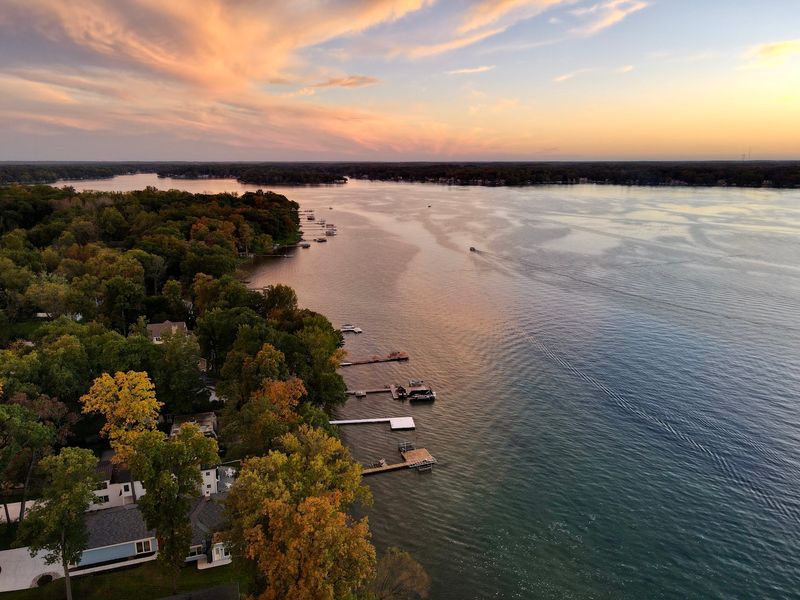
Clear water isn’t something most people expect in southwest Michigan, but Gull Lake delivers. On calm days, you can peer over the side of a boat and spot the bottom in surprisingly deep spots.
It’s one of the region’s favorite summer playgrounds for a reason.
The lake sits between Kalamazoo and Battle Creek, straddling Kalamazoo and Barry Counties near Richland. That location makes it an easy drive for a huge chunk of the state.
Weekend boaters from all over West Michigan find their way here.
History buffs should know about the W.K. Kellogg connection.
The cereal pioneer built a summer estate on the shore, and the Kellogg Manor House is now part of Michigan State University’s Kellogg Biological Station. Tours and events are sometimes offered, so check ahead if you want to peek inside.
Sailing is big on Gull Lake. The lake is large enough for steady breezes, and you’ll often see colorful sails crisscrossing the water on summer weekends.
Waterskiing, tubing, and wakeboarding are popular too, especially in the afternoons.
Fishing here is a smart choice if you’re patient. Bass, pike, and panfish are common, and the clear water means fish can see you coming, so light line and quiet moves help.
Early mornings and evenings are usually the best times to cast.
Public access is more limited than at some lakes, since much of the shoreline is private. Look for the public boat launch and plan to arrive early on busy days.
If you don’t have a boat, local marinas and rental companies can help, but reservations are wise.
Nearby, the Kellogg Bird Sanctuary is a fun side trip, especially with kids. It’s home to swans, geese, and other birds, and walking paths make it easy to explore.
Pair it with a lunch stop in Richland or Kalamazoo, and your lake day turns into a full outing.
8. Lake of the Clouds: The View That Stops You Cold
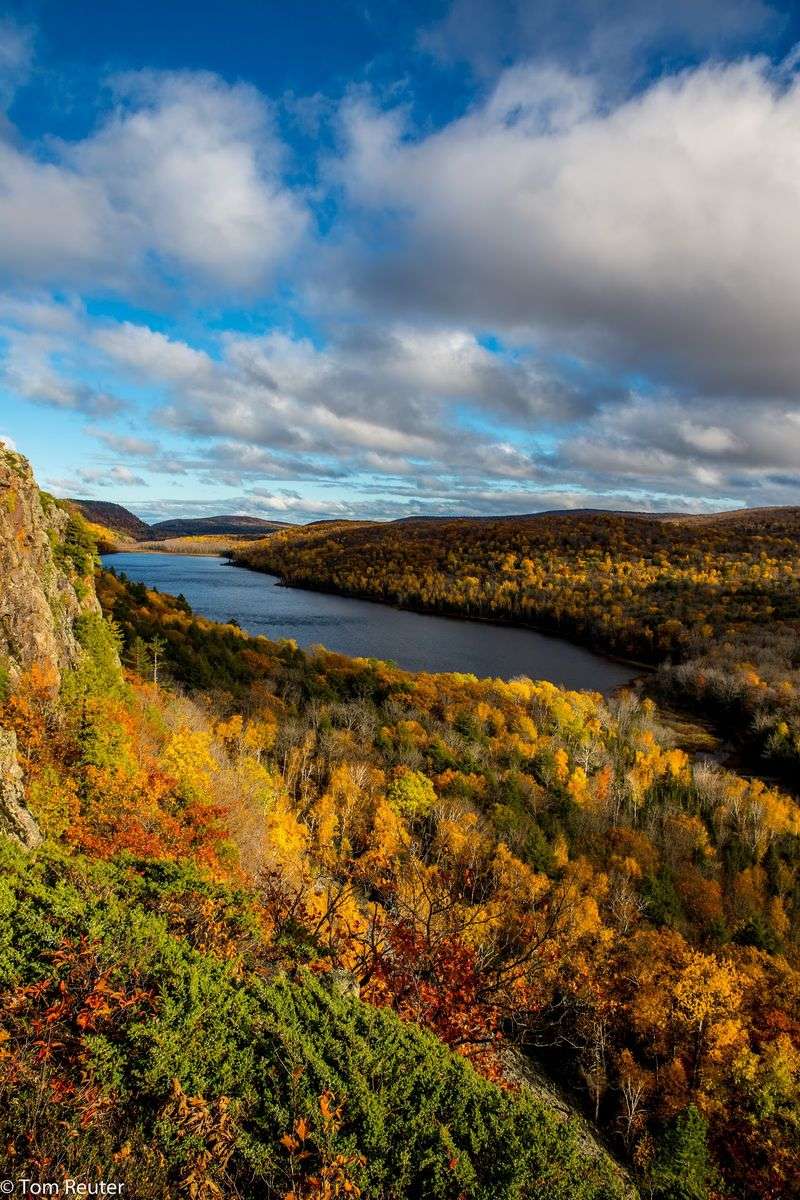
Some lakes are best enjoyed from a beach chair. Lake of the Clouds is best enjoyed from a rocky cliff hundreds of feet above it, where you’ll spot the long, skinny lake stretched between forested ridges like a blue ribbon.
Tucked inside Porcupine Mountains Wilderness State Park in the western Upper Peninsula, this view is one of the most photographed spots in Michigan. The best part?
A short, paved walkway leads from the parking area to the main overlook, so almost anyone can enjoy it.
Autumn turns the scene into a riot of color. Maples and birches light up orange, red, and yellow, usually around late September or early October.
If you’re planning a fall trip, go on a weekday if possible, since the overlook gets crowded on peak weekends.
Hikers can go way beyond the overlook. The Escarpment Trail runs along the ridge with more big views, while other trails drop down toward the lake and the Carp River.
Wear sturdy shoes, because the paths can be rocky, steep, and slippery after rain.
Camping here is a true wilderness experience. The park offers rustic cabins and backcountry sites, and some sit near the lake itself.
Reserve early, especially for summer and fall, and be ready to carry in supplies.
Wildlife sightings are part of the adventure. Black bears live in the park, so learn how to store food properly and follow posted rules.
You might also hear owls at night or spot eagles gliding over the valley.
A few quick tips make the trip smoother. Cell service is spotty, so download maps before arriving.
Bring layers too, since weather near Lake Superior can shift from sunny to cold and windy in an hour.
Fun fact: the Porcupine Mountains got their name because early Ojibwe people thought the ridges looked like a crouching porcupine.
9. Burt Lake: Gateway to the Inland Waterway
Here’s a road trip you can take entirely by boat: Burt Lake is part of Michigan’s Inland Waterway, a chain of rivers and lakes that stretches across the northern Lower Peninsula. Boaters can travel from Burt Lake through rivers and other lakes toward Lake Huron.
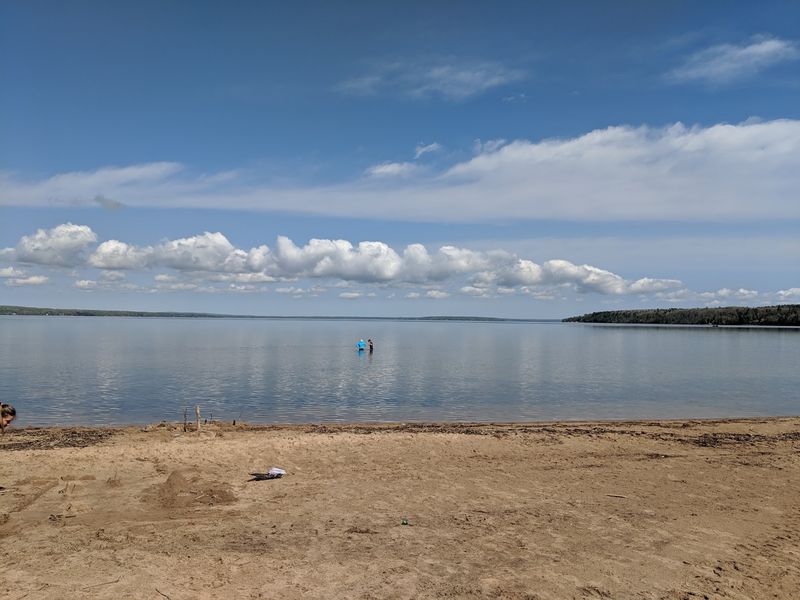
Burt Lake itself is big and wide, with sandy shallows near many shorelines. That makes it great for wading and for little kids who want to splash without going too deep.
On windy days, though, waves can build quickly, so keep an eye on the weather.
Burt Lake State Park, near Indian River, is a family favorite. It has a long sandy beach, a campground, and a boat launch, which means you can set up camp and be swimming in minutes.
Campsites fill fast in summer, so book as early as you can.
Fishing is a big reason folks return here. Walleye, perch, bass, and pike are common targets.
The Sturgeon River flows into the lake, and the area is known for efforts to protect the ancient lake sturgeon, a fish that has been around since dinosaur times.
Indian River, the nearby town, has shops, restaurants, and the famous Cross in the Woods shrine, home to a giant wooden crucifix. Even if you’re just passing through, it’s an interesting stop.
You’ll also find bait shops and marinas ready to help with rentals.
Easy highway access is another plus. The lake sits close to I-75, so it’s simple to reach from southern Michigan without long back roads.
That makes it a solid pick for a quick weekend.
Paddling fans should try exploring the rivers connected to the lake. The Crooked River and Indian River offer calmer water and plenty of wildlife, from turtles to herons.
Pack a picnic and make a slow afternoon of it.
10. Torch Lake: Caribbean Colors, Michigan Address
Show someone a photo of Torch Lake and they might guess it was taken in the Caribbean. The water glows in shades of turquoise and deep blue, thanks to its clear depths and sandy bottom in the shallows.
Seeing it in person is even better.
At around 19 miles long, Torch Lake is often called Michigan’s longest inland lake. It’s also very deep in the middle, which keeps the water cool and clear all summer.
Swimmers near shore get warmer, shallower water, while the center stays chilly.
Summer weekends bring one of the lake’s most famous traditions: the sandbar gathering near the south end. Boats anchor in shallow water, and people wade around, float on tubes, and hang out with friends.
It can get lively, especially on holidays, so families may prefer quieter weekday visits.
Torch Lake is part of the Chain of Lakes, a series of connected lakes and rivers in Antrim County. Kayakers and boaters can travel between lakes, exploring small channels and quiet bays.
It’s a fun way to spend a full day on the water.
Alden, a small village on the southeastern shore, is a charming stop with shops, a cafe or two, and a laid-back pace. It’s the kind of town where you can grab an ice cream and stroll the main street in ten minutes.
Some practical advice goes a long way. Public access is limited, so research launches and public beaches ahead of time.
Sunscreen and water shoes are smart, since the sand can get hot and some spots have rocks.
Photographers, set your alarms. Early morning light makes the water shine bright blue, and fog sometimes hangs over the lake at dawn.
Late afternoon is great too, when the sun hits the shallows and turns them nearly neon.
11. Muskegon Lake: From Lumber Boom to Lakeside Fun
Long before beach towels and kayaks, Muskegon Lake was the heart of a lumber boom. In the late 1800s, sawmills lined the shore, and the city earned the nickname Lumber Queen of the World.
Today, the lake has traded logs for sailboats, bike trails, and a submarine you can actually climb inside.
That submarine is the USS Silversides, a World War II vessel docked near the channel to Lake Michigan. Walking through its tight hallways gives you a new respect for the sailors who lived aboard.
Muskegon Lake connects directly to Lake Michigan through a channel, which means you’ll see everything from small fishing boats to large ships passing through. Watching them from the pier is free entertainment.
Pere Marquette Park, nearby on Lake Michigan, has a huge sandy beach for swimming and sunsets.
On the north shore, Muskegon State Park offers trails, dunes, and campgrounds. You get the best of both worlds there, with easy access to the lake on one side and Lake Michigan’s beaches on the other.
Winter brings the Muskegon Luge Adventure Sports Park, a rare chance to try a real luge run.
Fishing is strong on Muskegon Lake. Walleye, bass, and salmon runs draw anglers, especially in spring and fall.
Local tackle shops can point you in the right direction and tell you what’s biting.
If you’re a biker or walker, the Lakeshore Trail follows much of the south shore. It passes parks, restaurants, and marinas, making it easy to stop for snacks.
Renting bikes for a morning ride is a laid-back way to explore.
Downtown Muskegon has been growing in recent years, with breweries, restaurants, and events near the water. Pair a trail ride with dinner downtown and you’ve got a relaxed day.
Summer festivals add music and crowds, so check local calendars before booking.
12. Higgins Lake: Crystal Clear and Seriously Cold
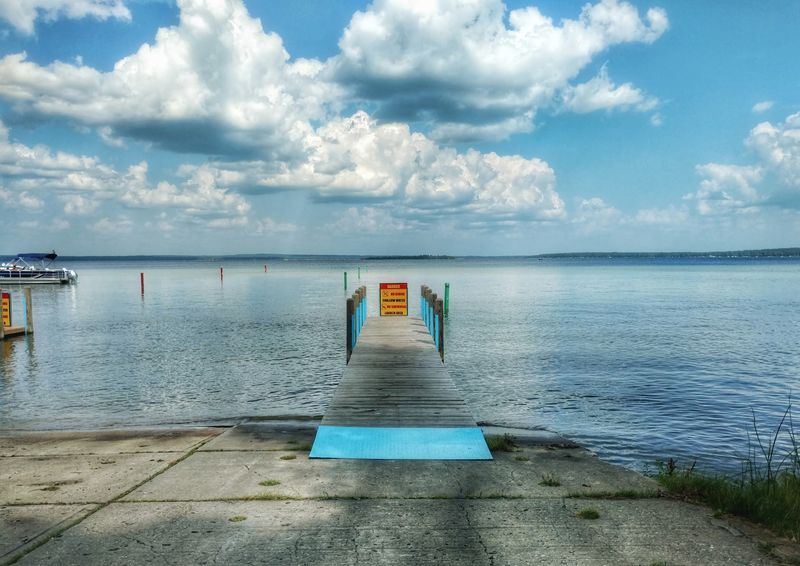
Ask Michiganders to name their clearest lake, and Higgins Lake comes up a lot. On sunny days, the water can look almost like glass, with shades of blue and green shifting over the sandy bottom.
First-timers often snap photos before even unpacking the car.
Higgins Lake sits just a short drive from Houghton Lake in Roscommon County, but the two couldn’t be more different. Houghton is shallow and warm, while Higgins is deep, cold, and crystal clear.
Two state parks make it easy to enjoy. North Higgins Lake State Park and South Higgins Lake State Park both have beaches, campgrounds, and boat launches.
South Higgins is especially popular in summer, so book campsites early.
History fans should stop at the Civilian Conservation Corps Museum at North Higgins Lake State Park. It tells the story of young men who planted trees and built parks across Michigan during the Great Depression.
It’s a quick, interesting stop, especially on a rainy day.
Swimming here is refreshing, to put it nicely. The water stays cool even in July, especially away from shore.
Many spots have sandbars, though, where the water is shallow and warmer, perfect for standing around with a float.
Boaters and paddlers love the clarity. You can watch fish swim under your kayak and spot rocks and logs on the bottom.
Snorkeling is a fun surprise option here, since visibility is often excellent.
Fishing for lake trout, perch, and smelt is popular, including ice fishing in winter. Bring warm layers if you visit in colder months, since wind across the open lake can be brutal.
Summer visitors should pack water shoes, because some beaches have small stones.
For a relaxed day, grab snacks in Roscommon, head to the beach early, and set up near a sandbar. Rent a kayak in the afternoon to explore farther out.
13. Lake St. Clair: Metro Detroit’s Big Backyard
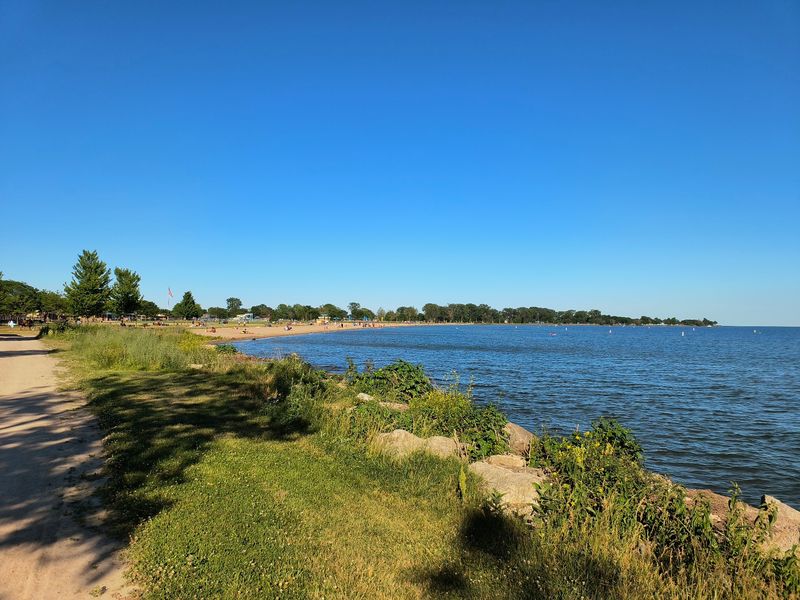
Metro Detroit has a secret weapon for summer weekends, and it’s big enough that some folks call it Michigan’s sixth Great Lake. Lake St. Clair sits between Lake Huron and Lake Erie, connected by the St. Clair and Detroit Rivers.
Officially it isn’t one, but try telling that to the boaters on a busy July afternoon.
Lake St. Clair Metropark, often still called Metro Beach by locals, is the go-to spot in Harrison Township. It has a sandy beach, a boardwalk, picnic areas, and a paved trail great for biking or rollerblading.
Kids can splash around, and you can relax in the sun without driving far.
Fishing here is legendary. Lake St. Clair is famous for muskie, and smallmouth bass fishing is so good that big tournaments often come to town.
Walleye and perch are also popular, especially in spring and fall.
The lake is fairly shallow for its size, which means it warms up quickly in summer. That’s great for swimming, but it also means waves can build fast when the wind picks up.
Keep an eye on the forecast if you’re heading out in a small boat.
Boating culture is huge. On summer weekends, you’ll see everything from jet skis to large cruisers, and some areas become popular gathering spots where boats raft up together.
If you’re new to the lake, hiring a charter or joining a friend with experience is a smart first step.
Winter doesn’t slow things down much. When the ice is safe, anglers head out for perch and walleye, and ice shanties dot the shoreline.
Always check ice conditions with local sources before stepping out.
Birdwatchers will enjoy the marsh areas in the metropark, where herons, egrets, and ducks are common. Bring binoculars and walk the nature trails early in the morning.
14. Portage Lake: Lift Bridges and Copper Country Charm
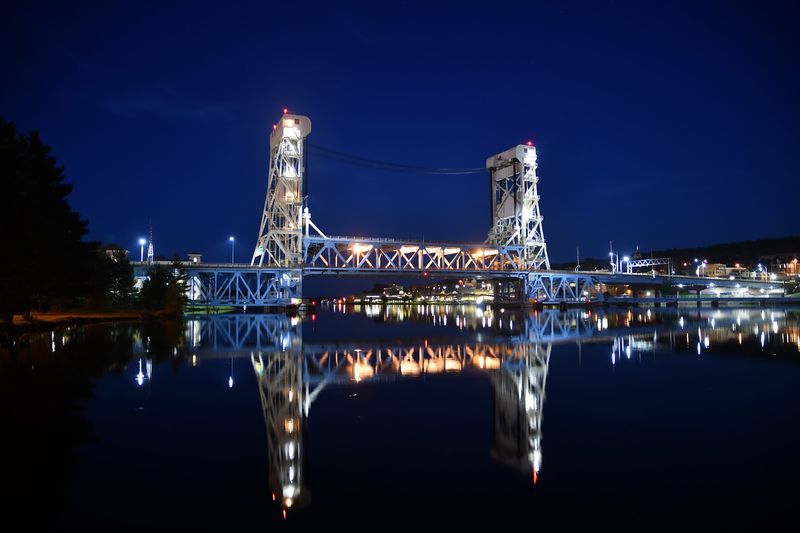
Watch the Portage Lake Lift Bridge rise and you’ll realize this isn’t your average lake. The whole middle section of the bridge lifts straight up so ships can pass underneath, while cars wait patiently on both sides in Houghton and Hancock.
Locals barely blink, but visitors pull out their phones every time.
Portage Lake is part of the Keweenaw Waterway, a route that cuts across the Keweenaw Peninsula and connects to Lake Superior. That waterway made the area important during Michigan’s copper mining era.
You can still see reminders of that history on the hills around town.
The Quincy Mine, perched above Hancock, offers tours that take you into the old mine and show off massive equipment. It’s a great way to understand how copper shaped this region.
Bring a jacket, since underground temperatures stay cold even in summer.
Houghton itself is a lively college town, home to Michigan Technological University. The waterfront has a walking and biking trail along the lake, plus restaurants and shops downtown.
On summer evenings, the trail is busy with joggers, dog walkers, and students.
Heading to Isle Royale National Park? The Ranger III, a National Park Service ferry, leaves from Houghton.
Many adventurers spend a night in town before the trip, making Portage Lake a starting point for bigger journeys.
Water activities are easy to find. Kayaking along the shoreline gives you close-up views of the bridge and the historic buildings.
Fishing for walleye and pike is popular, and the lake connects to other waterways for longer paddles.
Winter is a whole different story. Houghton gets tons of snow, and Michigan Tech’s Winter Carnival brings giant snow sculptures to campus. If you’re up for cold weather, it’s one of the most fun times to visit.