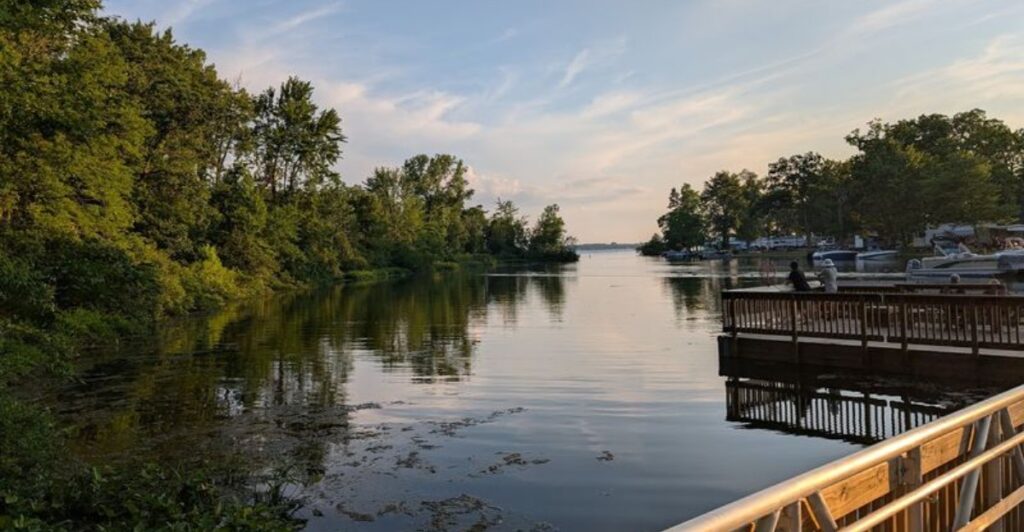
Quiet afternoons feel a lot more valuable when the scenery does most of the work. Across Michigan, peaceful parks offer pine forests, sandy shorelines, waterfalls, lighthouses, rocky beaches, and wide-open views that make it easy to slow down for a while.
The appeal comes from how different each stop feels, even when the goal is the same: finding a place where there is no pressure to rush. Some are perfect for a long walk, while others are better for sitting near the water and letting the day unfold on its own.
For anyone craving a Michigan escape that feels calm, scenic, and refreshingly simple, these parks are a good place to start.
1. Hartwick Pines State Park: Where the Old Giants Still Stand
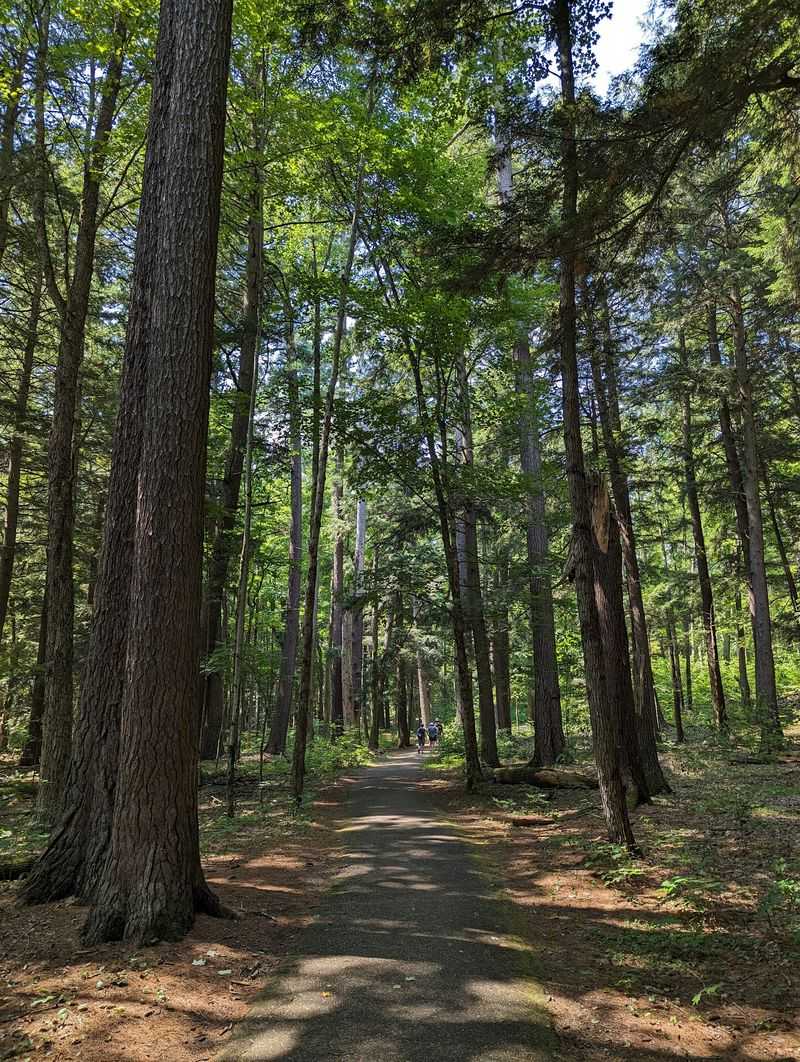
Look straight up on the Old Growth Forest Trail and your neck will complain before your eyes are done. Some of the white pines here were already tall when Michigan was still a territory, and they survived the logging boom that flattened most of the state’s forests.
That survival story is the whole point of a visit. A paved loop winds through the old-growth stand, so you can stroll at your own pace without watching your feet for roots.
Strollers, wheelchairs, and grandparents with bad knees all handle it just fine.
Halfway around, you’ll find the Chapel in the Pines, a small log chapel built from local timber. Step inside for a minute.
The quiet in there is the thick, padded kind, as if the whole forest is holding its breath.
Next door sits the logging museum, which tells the rougher side of the story. Old tools, camp buildings, and exhibits show how lumberjacks lived, ate, and worked through brutal winters.
Kids tend to love the giant saws, and adults usually walk away with a new respect for those trees outside.
For a slow afternoon, pack a lunch and grab a picnic table near the visitor center. The park also has longer trails through mixed forest and past small lakes if you want to stretch your legs after eating.
Fall color here is outstanding, and early October often brings a mix of gold maples and dark green pines.
A few smart moves help. Bring bug spray in early summer, since the mosquitoes take the forest seriously.
Weekdays are calmer than weekends, especially in peak color season.
Grayling sits a few minutes away, so dinner or ice cream in town is easy to add. The Au Sable River runs nearby too, and watching canoes drift past makes a fine finish.
2. Wilderness State Park: Empty Beaches and Star-Filled Skies
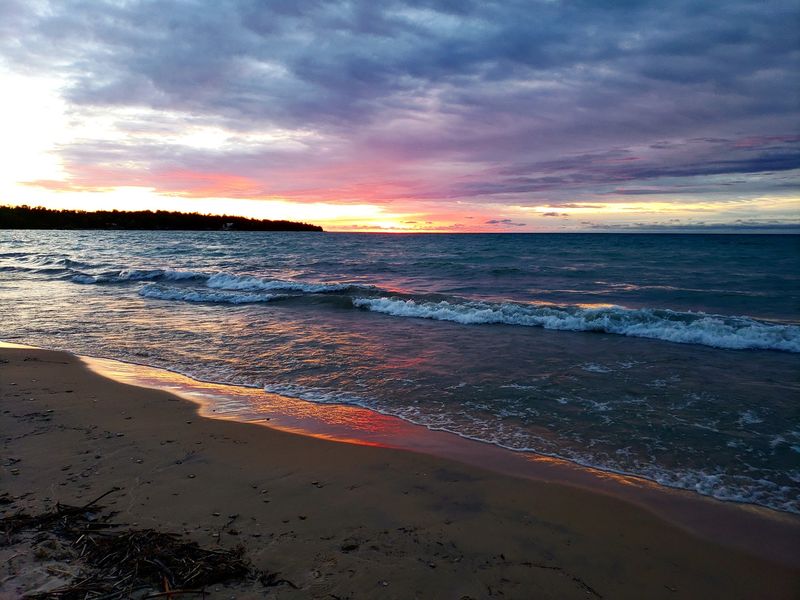
Cell service gets spotty out here, and honestly, that’s a feature. Wilderness State Park stretches along miles of Lake Michigan shoreline west of Mackinaw City, and much of it stays wild, rocky, and wonderfully empty.
The best slow move is a walk toward Waugoshance Point. The trail follows a narrow finger of land with water on both sides, and the farther you go, the fewer people you’ll see.
Bring water shoes, because the shallow, rocky shoreline begs for wading.
Birders, pay attention. The park protects nesting areas for piping plovers, tiny shorebirds that are endangered in the Great Lakes.
You may see roped-off sections of beach in late spring and summer, and staying out of them gives these little guys a real shot.
Evenings are where this place shines. With very little light pollution, the night sky fills with stars, and on lucky nights the northern lights make a showing.
Stay past sunset, lay a blanket on the beach, and let your eyes adjust for about 20 minutes.
If one afternoon turns into two days, the park rents rustic cabins scattered through the woods and along the water. They’re simple, with rustic comforts instead of hotel perks, but waking up to waves outside the door is hard to beat.
Book early, since these fill up fast.
A few tips for a smooth day. Pack more snacks than you think you’ll need, because stores are a drive away.
Deer flies can get pushy in July, so a hat and long sleeves help.
Mackinaw City is close enough for fudge, and the Mackinac Bridge views along the way are a bonus. Still, the real reward is out on those empty stretches of beach, where the loudest sound might be a gull arguing with the wind.
Plan for no agenda at all and you’ll have it exactly right.
3. Holland State Park: Sunset Seats Facing Big Red
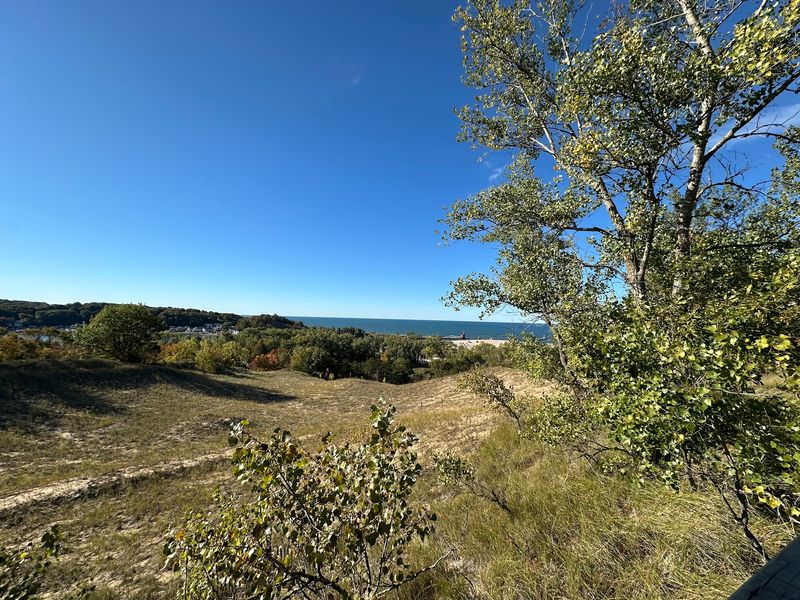
Big Red doesn’t need an introduction around here. The bright red lighthouse guarding the channel between Lake Macatawa and Lake Michigan might be the most photographed spot on the whole west coast of the state, and it looks best from the sand at Holland State Park.
Now, peaceful isn’t always the first word for this beach on a hot July Saturday. The trick is timing.
Show up on a weekday afternoon in June or September, and you’ll find wide open sand, soft waves, and plenty of room to spread out.
The park has two sides. The Lake Michigan beach is the classic choice, with fine sand and that endless blue horizon.
The Lake Macatawa side is calmer, with a campground and quieter water where boats drift in and out of the channel.
Take a walk along the pier toward the channel for a closer look at Big Red across the water. Watching sailboats glide out to the big lake is weirdly relaxing.
Keep an eye on the waves, though, and skip the pier on stormy or windy days.
Sunset is the main event. People start gathering on the sand an hour early, chairs lined up like they’re waiting for a concert.
When the sun drops behind the water and lights up the lighthouse, you’ll understand why.
Practical stuff matters here. Parking fills up on summer weekends, so plan your arrival.
A Michigan Recreation Passport gets you in, and it’s easy to add when you renew your license plate.
Downtown Holland is only a short drive away, packed with shops, restaurants, and those famous heated sidewalks that melt snow in winter. Grab dinner there, then circle back to the beach for the sunset show.
Pack a light jacket, since the lake breeze cools things off fast once the sun goes down.
4. Pictured Rocks National Lakeshore: Cliffs Painted by Nature
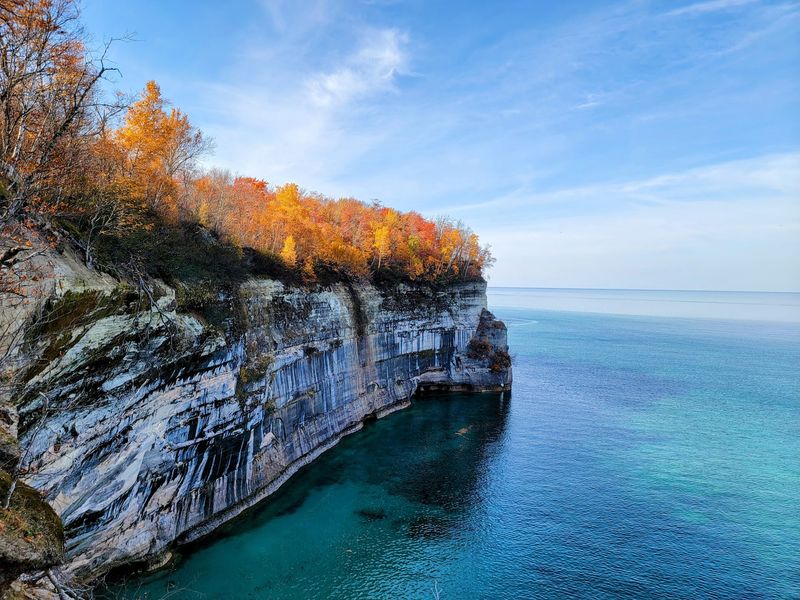
Picture a cliff painted with streaks of orange, green, blue, and white, then stack it nearly 200 feet above water so clear you can see the rocks on the bottom. Minerals seeping through the sandstone create those colors, and no two stretches of the cliff look quite the same.
Pictured Rocks was the first national lakeshore in the country, established in 1966, and it hugs Lake Superior east of Munising. For a slow afternoon, you have a few great options depending on how much energy you’ve got.
Miners Castle is the easy one. A short, paved path leads to overlooks of a rock formation shaped a bit like a castle turret, with turquoise water below.
It’s a good spot for a snack and a long stare.
Munising Falls is another gentle pick. A short walk through a shady gorge brings you to a waterfall dropping over a sandstone ledge.
Kids can manage it easily, and the cool air is a treat on a hot day.
Want the full show? Book a boat cruise out of Munising.
From the water, you’ll see arches, caves, and the most colorful cliffs up close, and the captains usually share stories about shipwrecks and old legends along the way.
Kayaking is popular too, but Lake Superior is cold and moody, even in summer. Go with a guided tour unless you’re very experienced, because the cliffs leave few places to land if the wind picks up.
Chapel Rock deserves a mention for hikers. The trail is a longer round trip, but it ends at a sandstone pillar with a single pine tree growing on top, its roots stretched across a gap to the mainland.
It’s one of the strangest and coolest sights in Michigan.
Pack layers, bring bug spray, and plan for Munising pasties afterward.
5. Kensington Metropark: Chickadees That Eat From Your Hand
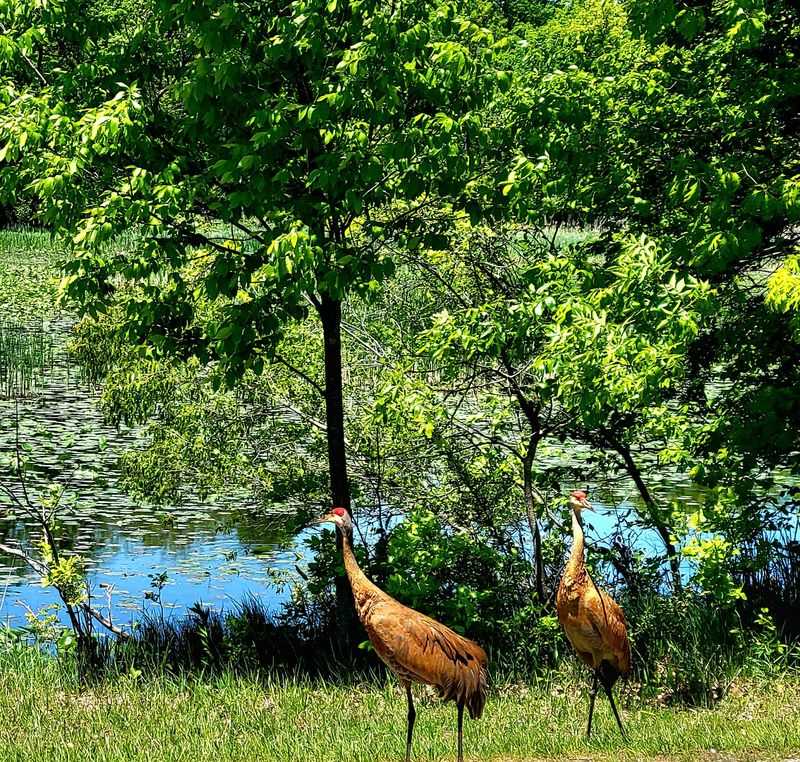
Hold out a handful of birdseed near the nature center, and don’t be surprised if a chickadee lands right on your fingers. Wild birds at Kensington Metropark have grown famously bold, and feeding them is one of the simplest joys in metro Detroit.
Sprawling across parts of Oakland and Livingston counties near Milford, the park wraps around Kent Lake. That puts it close enough to the city for a spur-of-the-moment trip, yet leafy enough to forget about traffic within minutes.
The paved hike and bike trail loops around the lake for about eight miles. It’s flat, smooth, and good for bikes, rollerblades, or a lazy walk with frequent breaks.
You’ll pass beaches, picnic areas, and quiet coves where herons fish in the shallows.
Sandhill cranes are the other local celebrities. These tall gray birds with red caps wander through picnic areas and fields like they own the place, which they basically do.
Give them space, since they’re bigger up close than you’d expect.
Out on the water, rental boats and summer pontoon tours give you a different view of the shoreline. Anglers drop lines for bass and panfish, and the pace out there stays pleasantly slow.
Families should check out the farm center, where kids can see cows, pigs, goats, and other barnyard animals. There’s also a splash pad for hot days and plenty of playgrounds sprinkled around the park.
Some helpful tips. A Huron-Clinton Metroparks pass is required for vehicles, and annual passes are available.
Weekday afternoons are the calmest, especially outside of summer break.
Winter visits have their own charm, with cross-country skiing and sledding when snow cooperates. The chickadees stay hungry all year, too, so keep a bag of seed in your coat pocket.
Just leave the bread at home, because it’s bad for the birds.
6. Petoskey State Park: A Treasure Hunt Along Little Traverse Bay
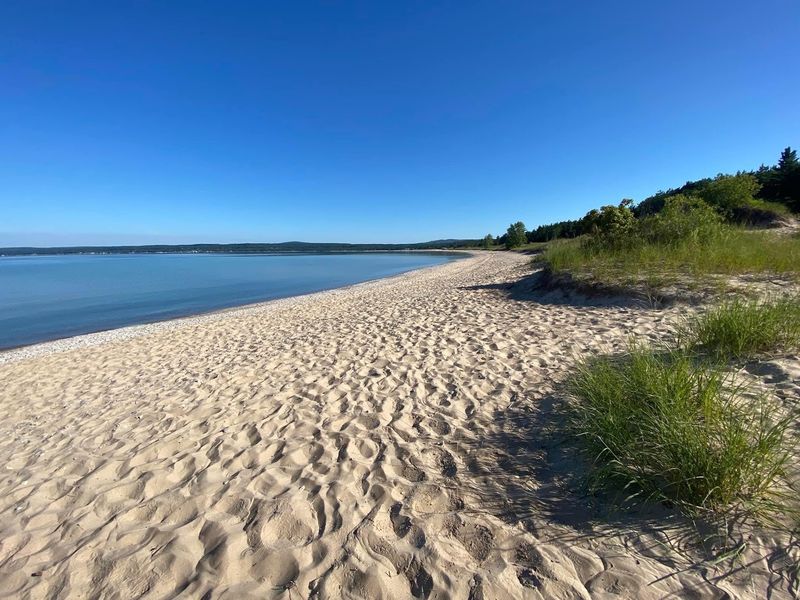
Here’s a fun weekend challenge: walk the beach at Petoskey State Park and try to find a Petoskey stone before your ice cream melts back in town. These gray rocks are fossilized coral from an ancient sea that covered Michigan hundreds of millions of years ago, and they’re the official state stone.
Dry stones look plain and gray. Get them wet, though, and a honeycomb pattern of tiny six-sided shapes pops out.
Many hunters carry a spray bottle, while others just dip suspects in the lake.
One rule to know: state rules limit how much rock you can take from public land each year. Keep your collection small, and snap photos of big finds instead of hauling them home.
The park sits on Little Traverse Bay, and the water here has a clear, blue-green glow on sunny days. The sand is soft near the swimming area and gets pebbly as you walk along the shore, which is exactly where the stone hunting is best.
For a short workout, climb the Old Baldy Trail. It’s a steep, sandy path up a wooded dune, with a view of the bay at the top.
The climb is short but it will get your heart pumping.
Sunsets over the bay are a local favorite. The sun sinks toward the water on the far side, painting the whole bay orange and pink, and the beach usually quiets down as people just sit and watch.
Timing tips help. Early spring, right after the ice melts, often washes up fresh stones before the summer crowds pick the beach over.
Weekday afternoons in September are calm, warm, and much less busy.
Downtown Petoskey and Harbor Springs are both nearby for dinner, shopping, or a scoop of something cold. Bring a small bag for your rock treasures.
7. Tahquamenon Falls State Park: Root Beer Water and a Mighty Roar
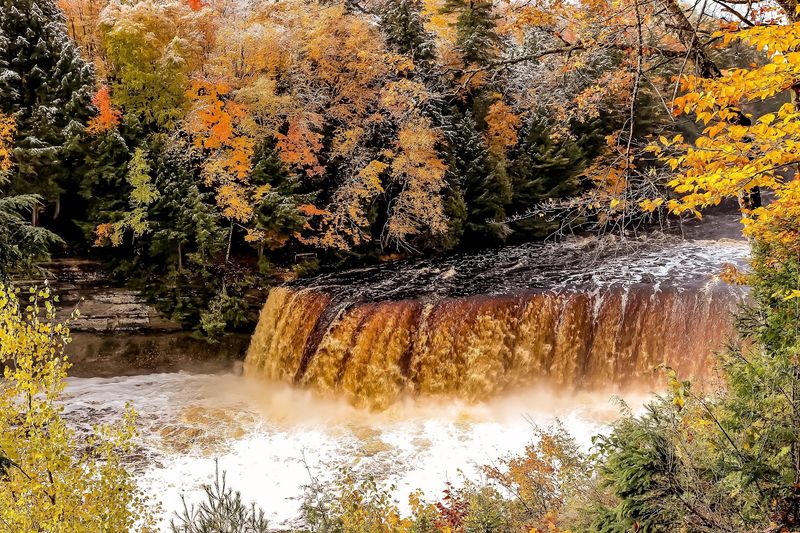
No, that water isn’t dirty. The Tahquamenon River flows the color of root beer because of tannins leached from cedar, spruce, and hemlock swamps upstream, and when it tumbles over the Upper Falls, the foam on top looks like a frothy mug.
The Upper Falls is one of the largest waterfalls east of the Mississippi, stretching more than 200 feet across with a drop of nearly 50 feet. Paved paths lead from the parking lot to several viewing platforms.
If you’re up for stairs, a long staircase takes you down to the brink, where the roar gets loud and the mist cools your face.
About four miles downstream, the Lower Falls tells a different story. Here the river splits around an island into a series of smaller cascades.
You can rent a rowboat and paddle across to the island, then walk the loop trail around it.
Wading is popular in some shallow spots at the Lower Falls, and on a warm day, standing in the swirling brown water is weirdly fun. Watch your footing, since the rocks can be slippery.
Fun fact: the river shows up in Longfellow’s poem The Song of Hiawatha, where Hiawatha builds his canoe by the rushing Tahquamenon. It’s a neat bit of trivia to share while you watch the water.
Hungry after all that walking? A brewery and restaurant sits near the Upper Falls, making it easy to grab a burger and a cold drink without leaving the park.
Families appreciate that nobody has to drive around searching for food.
Plan for bugs in early summer and bring layers even in July, since the U.P. cools off fast. Fall color here is stunning, usually peaking in late September or early October.
Winter visits are possible too, when the falls partly freeze into giant icy sculptures.
8. Ludington State Park: A Lighthouse Walk and Two Lakes to Choose From
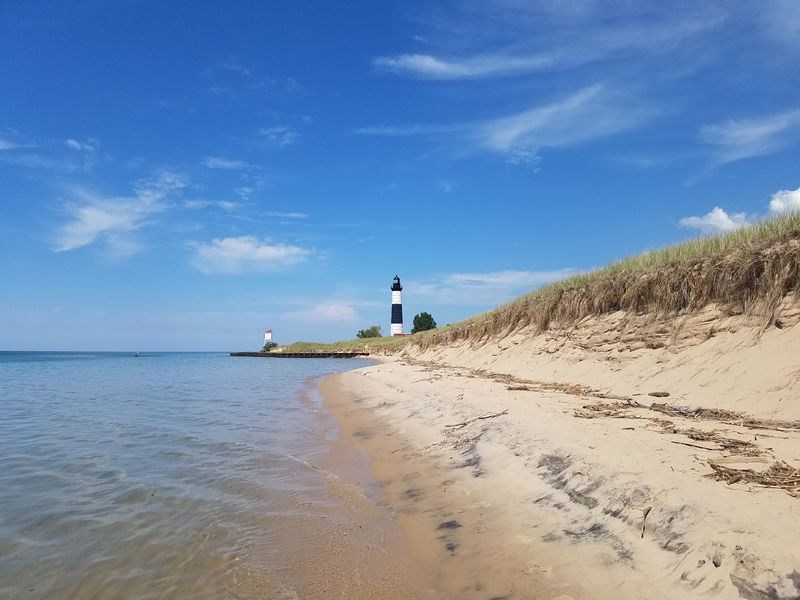
Walking to a lighthouse sounds simple until you realize the path is nearly two miles of sand, woods, and shoreline. That walk to Big Sable Point Lighthouse is part of the fun, and it’s the perfect pace for a lazy afternoon at Ludington State Park.
The black and white striped tower stands tall against the dunes and Lake Michigan. You can follow the service road or wander along the beach, and either way you’ll arrive windblown and happy.
In season, volunteer keepers often open the tower for climbs, and the view from the top is a stunner.
Ludington stands apart because of its variety. The park sits between Lake Michigan and Hamlin Lake, with the Big Sable River running between them.
You can swim in big waves in the morning and paddle calm water after lunch.
The canoe trail on Hamlin Lake is a sweet choice for beginners. It winds through quiet marshes and small islands, marked with signs so you won’t get lost.
Keep your eyes out for turtles sunning on logs and herons standing statue-still in the reeds.
Floating the Big Sable River on a tube is another local classic. The ride is short and easygoing, and kids love drifting down toward the big lake over and over again.
Hikers get plenty of choices too, with trails climbing into wooded dunes and along the shore. Skyline Trail offers a raised boardwalk with sweeping views, though it involves some stairs.
Practical tip: the park is popular, and campsites book up months ahead in summer. Day visitors should arrive early on weekends to snag parking near the beach house.
Sunscreen is a must, since sand reflects sunlight and boosts your exposure.
Afterward, downtown Ludington offers dinner spots and a walk out to the breakwater light near the car ferry dock.
9. Sleeping Bear Dunes National Lakeshore: Big Sand, Bigger Views
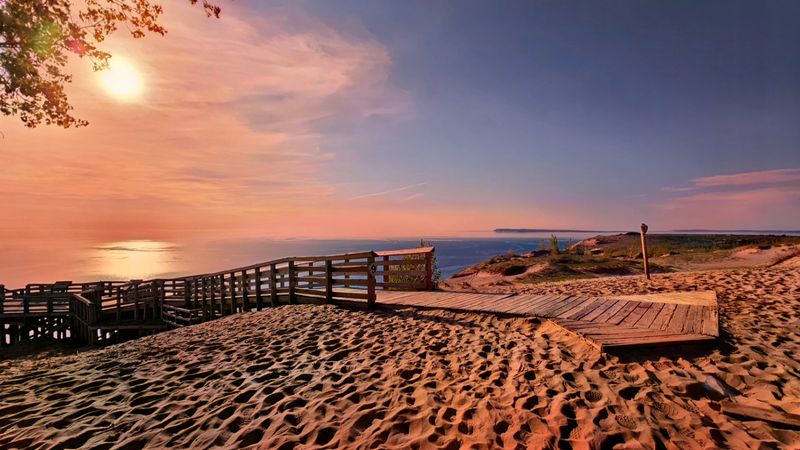
According to an Anishinaabe legend, a mother bear and her two cubs swam across Lake Michigan to escape a forest fire. The cubs didn’t make it, and the Great Spirit created the Manitou Islands where they fell behind.
The mother bear still waits on the shore as a dune, watching for them.
That story gives Sleeping Bear Dunes National Lakeshore a sense of wonder before you even park. The lakeshore stretches along Leelanau and Benzie counties, with towering dunes, clear water, and sleepy little villages tucked in between.
The Dune Climb is the famous one. From the bottom, the sand looks like a friendly hill.
About halfway up, your calves will file a complaint, but the run back down is pure childhood joy.
For a slower pace, cruise the Pierce Stocking Scenic Drive. The loop winds through forest and stops at overlooks high above Lake Michigan and Glen Lake.
The Lake Michigan Overlook sits on a bluff hundreds of feet above the water, and the view is almost dizzying.
A warning for that overlook: signs tell you not to run down the steep dune to the water. People who try often find the climb back up takes forever and drains every ounce of energy, and some end up needing help.
Glen Haven is a restored village with a blacksmith shop, general store, and maritime museum at the old life-saving station. It’s easy to spend a relaxed hour there.
Nearby, Glen Arbor has cafes and shops for a snack break.
Short on time? Empire Bluff Trail is a manageable hike through woods that ends at a bluff with sweeping lake views.
It’s one of the best payoffs for little effort in the park.
A park pass is required, and you can buy one at the visitor center in Empire. Bring water, sturdy shoes, and patience for summer parking.
10. Warren Dunes State Park: Climb High, Then Chill Out
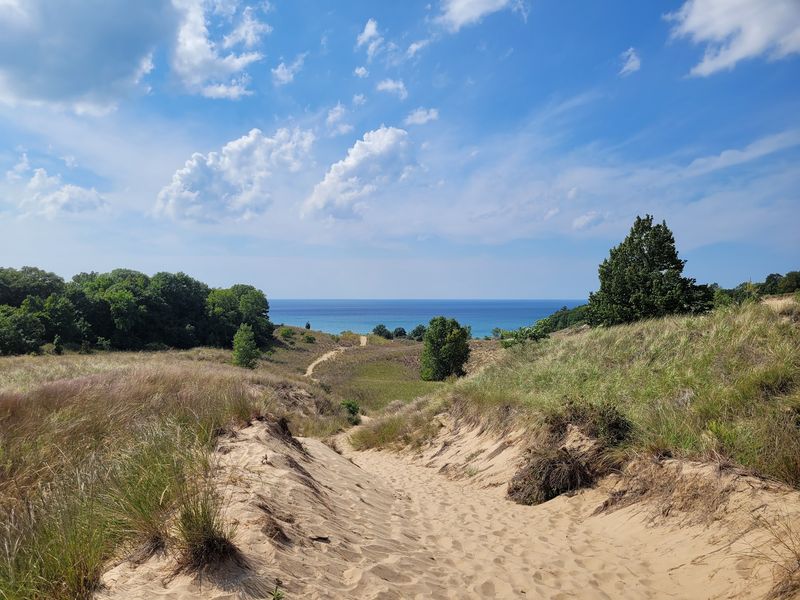
Chicago folks figured out this spot long ago, and it’s easy to see why. Warren Dunes State Park sits in the far southwest corner of Michigan, just a short drive from the Indiana border, with massive dunes rising high above Lake Michigan.
Tower Hill is the big one, climbing roughly 240 feet above the lake. Hiking up in soft sand is a serious workout, so take breaks and don’t feel bad about it.
At the top, you’ll see miles of shoreline, and on clear days, some claim they can spot the Chicago skyline far across the water.
Running down is the reward. Kids and grown-ups alike go barreling down the slopes, laughing and tumbling.
Hang gliders sometimes launch from the dunes too, which makes for a fun show.
Now for the peaceful part. Walk north or south along the beach, away from the main parking area, and the crowds thin out quickly.
Find a patch of sand, set up an umbrella, and let the waves handle the soundtrack.
Sand gets extremely hot in summer, sometimes too hot to walk on barefoot. Water shoes or sandals will save your feet, and a cooler full of drinks is smart since you’ll be climbing a lot.
Beyond the beach, quieter hiking trails wind through the wooded back dunes. These paths stay shady and cool, a welcome change after a few hours in full sun.
Birds and wildflowers make the trails pleasant from spring through fall.
Timing is everything. Summer weekends bring big crowds and long lines at the gate, especially when it’s hot in the city.
Weekday visits, or trips in late spring and early fall, are much calmer.
The surrounding Harbor Country area has wineries, farm stands, and small towns like Sawyer and Three Oaks. Stop for fresh fruit on the drive home.
11. Tawas Point State Park: The Cape Cod of the Midwest
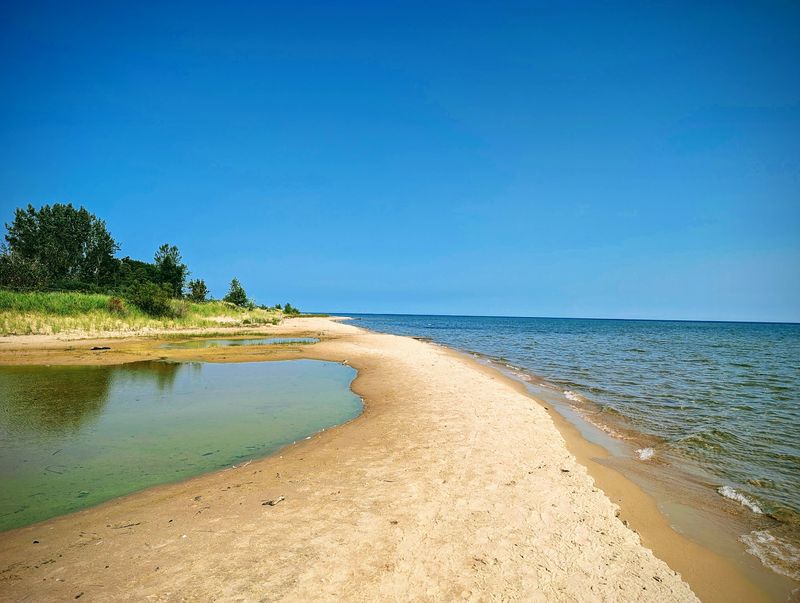
Locals like to call it the Cape Cod of the Midwest, and after one afternoon on this skinny sandy point, the nickname makes sense. Tawas Point State Park curls into Lake Huron near East Tawas, with Tawas Bay on one side and open lake on the other.
The bay side is the secret for families. The water tends to be shallow and warmer than the open lake, so little ones can splash without big waves knocking them over.
The sand is soft and pale, perfect for building castles.
At the tip of the point stands the Tawas Point Lighthouse, a white tower with a red roof that has watched over the area since the 1870s. Tours are often available in the warmer months.
Climb to the top for a sweeping view of the bay and the lake.
Bird lovers flock here, pun fully intended. The point is a well-known stop during spring migration, when warblers and other songbirds rest after crossing the lake.
May is the prime time, and you’ll spot people with binoculars around every corner.
A nature trail loops around the point, offering easy walking through dunes, marsh, and beach. It’s flat, short, and full of spots to stop and stare.
Keep an eye out for shorebirds poking around the water’s edge.
Lake Huron sunrises are a big deal here. Since you’re on the east side of the state, the sun rises over the water, and early risers get a show worth the alarm clock.
Evening light over the bay is lovely too, so you can easily catch both ends of the day.
After the beach, head into East Tawas for dinner, ice cream, or a stroll along the waterfront. The town has a laid-back small-town vibe that matches the park well.
Bring a kite, because the steady breeze on the point is ideal for flying one.
12. Porcupine Mountains Wilderness State Park: Big, Wild, and Wonderfully Remote
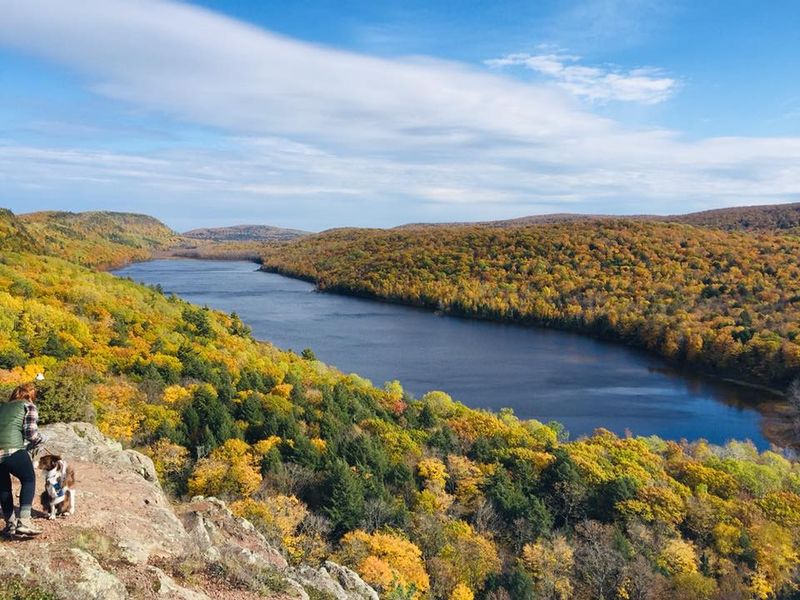
Stand at the Lake of the Clouds overlook, and you’ll see a long blue lake tucked between forested ridges, with Lake Superior shining in the distance. It’s the kind of view that makes people stop mid-sentence.
Porcupine Mountains Wilderness State Park is the largest state park in Michigan, covering around 60,000 acres in the western Upper Peninsula. Much of it is old-growth hardwood forest, one of the biggest stretches of its kind in the Midwest.
The name supposedly comes from the Ojibwe, who thought the ridges looked like a crouching porcupine.
You don’t need to be a hardcore backpacker to enjoy it. The Lake of the Clouds overlook is only a short walk from the parking lot.
That alone makes the drive worthwhile, especially in early October when the hills blaze red and orange.
On the park’s western end, the Presque Isle River tumbles through a series of waterfalls on its way to Lake Superior. A loop trail with boardwalks and stairs follows the river past several cascades.
The dark rock and rushing water make great photos.
Summit Peak is another easy win. A short trail leads to an observation tower, and climbing it puts you above the treetops with views across the whole range.
On clear days, you can see for miles.
For a longer stay, the park rents rustic backcountry cabins, many reached only by hiking in. They come with bunks and a wood stove, but you’ll need to haul your own gear.
It’s a memorable way to spend a night deep in the woods.
Know before you go: this area is remote. Gas stations and grocery stores are few, so fill up in Ontonagon or Silver City.
Black bears live here, so store food properly and follow posted rules.
Pack a rain jacket, since Lake Superior weather changes quickly.
13. Yankee Springs Recreation Area: Glacier Leftovers and Lazy Lakes
Once upon a time, a glacier dropped a giant chunk of ice here, and when it melted, it left a deep, bowl-shaped hole in the ground. Locals call it the Devil’s Soup Bowl, and walking down into it is one of the quirkiest short hikes in West Michigan.
Yankee Springs Recreation Area sits in Barry County, roughly between Grand Rapids and Kalamazoo, making it an easy escape for a weekday afternoon. The landscape is full of glacial features, including hills, kettles, and a scattering of lakes.
Gun Lake is the big water here, popular for swimming, boating, and fishing. The beach area has soft sand and a gently sloping shoreline.
On weekends it buzzes with activity, so arrive early if you want a good patch of shade.
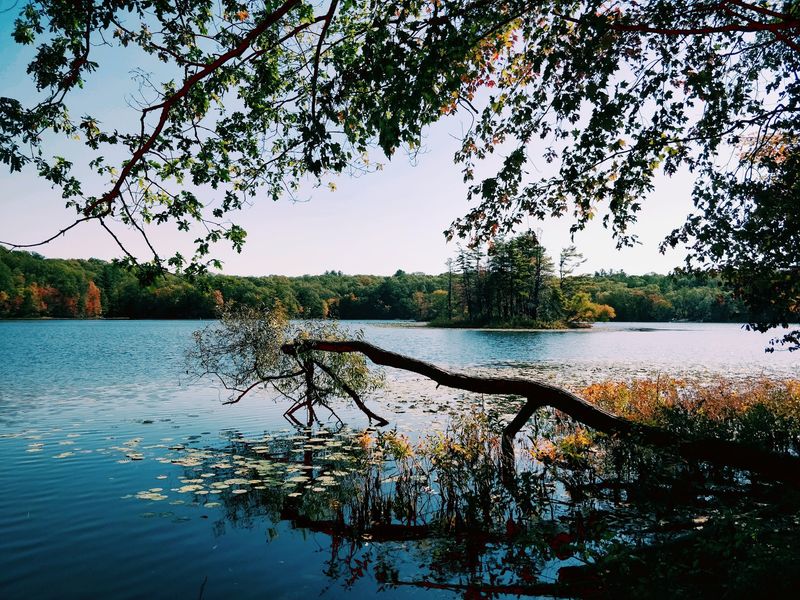
For something quieter, head to Deep Lake or one of the smaller lakes tucked into the woods. Paddling a kayak across still water with only frogs and birds for company is about as peaceful as it gets.
Mountain bikers love this place. The trail system is well known in the state, with rolling singletrack through hardwood forest.
Hikers have plenty of room too, with miles of paths winding past ponds and wetlands.
Horseback riders even have their own trails and a special campground. It’s common to pass riders on the paths, so give horses plenty of space and speak calmly as you approach.
History fans might enjoy a quick fact. The name traces back to an old stagecoach inn from the 1800s, run by a colorful host nicknamed Yankee Bill.
Fall is a great time to visit, when the hardwoods turn bright and the air cools off. Weekday afternoons in September and October are nearly empty. Bring a picnic, grab a table near the water, and let the afternoon stretch out as long as it wants.