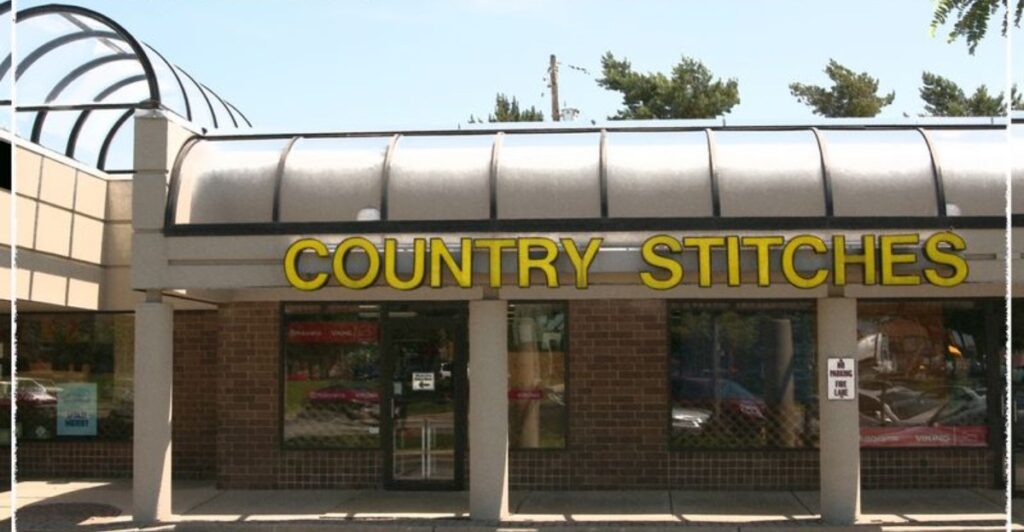
Fabric shopping gets a lot more tempting when every aisle seems to spark another project idea. In East Lansing, Michigan, Country Stitches fills its Coolidge Road shop with bolts of fabric, quilting supplies, patterns, sewing machines, and plenty of inspiration for both experienced makers and curious beginners.
The appeal comes from how easy it is to arrive with one project in mind and leave thinking about three more. Even if you are only browsing, the range of colors, prints, and supplies makes slowing down almost unavoidable.
For anyone who loves sewing, quilting, or simply hunting for the right material, this Michigan fabric shop is the kind of place where choosing just one thing may be the hardest part.
A Wall of Color Behind a Quiet Address
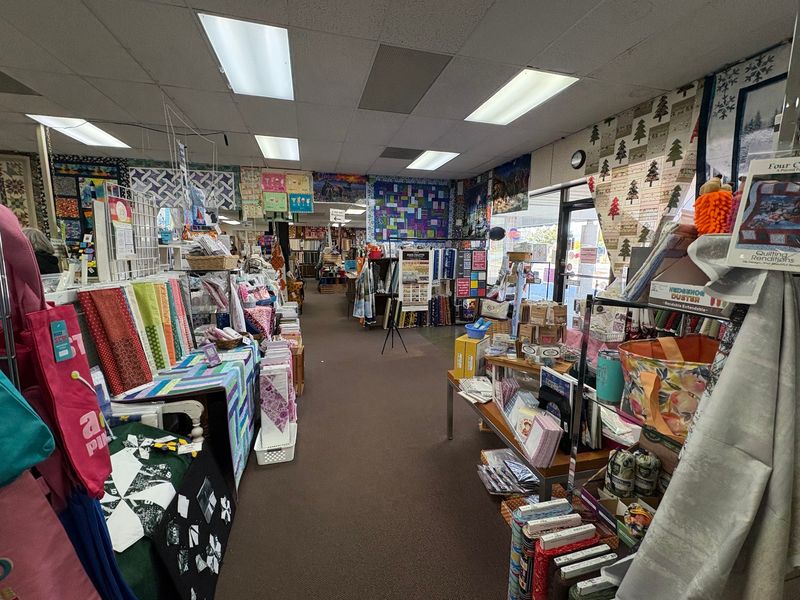
The address sounds modest: a numbered unit on Coolidge Road. Inside Country Stitches, fabric takes over the view.
Bolts line walls and partitions, turning an ordinary errand into a slow walk past prints, textures, and colors you may not have expected to find in one shop.
Give yourself a minute before pulling anything from a shelf. A crowded fabric store is easier to enjoy when you first look at the larger color groups, then narrow your search to the prints that fit your project.
That pause can save you from carrying six almost identical blues to the cutting counter.
The size of the selection matters most when your project has a tricky color to match. Bring a scrap from home, a photo taken in good light, or a small sample of the item you plan to pair with the fabric.
Phone screens can shift colors, so a physical sample is the safer choice when the shade must be exact.
If you came only to browse, try spotting one print that could become the center of a quilt or bag. Build outward with a calmer fabric and a small accent instead of buying several bold patterns at once.
The shop gives you room to compare those choices side by side.
Country Stitches also has the kind of range that rewards a second look. Fabric that seems too bright on a bolt can work well in a small patch, while a quiet print may shine across a larger piece.
Step back from your picks before deciding; distance changes how colors read together.
There is no need to master every aisle on a first visit. Start with the project in your hands, follow the colors that catch your eye, and leave enough time to check the shelves once more before your fabric is cut.
Bolts, Squares, and the Quilt in Your Head
A quilt rarely begins as a finished plan. Sometimes it starts with one square you cannot stop looking at.
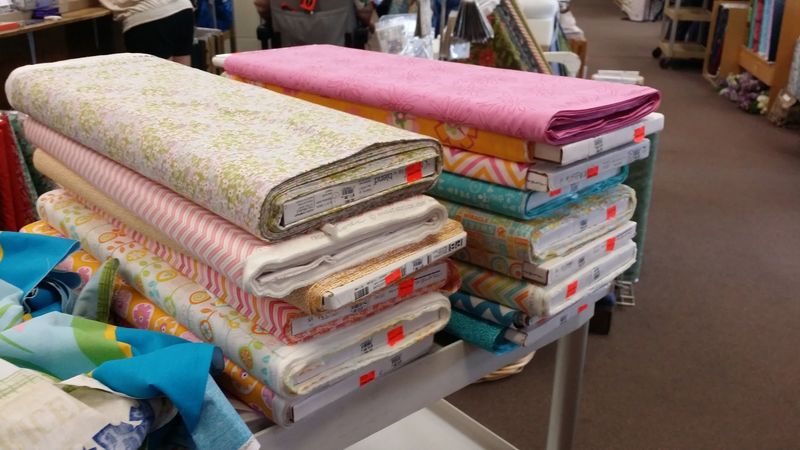
Country Stitches has bolts of fabric as well as smaller pieces, giving you more than one way to turn that first spark into a workable project.
Bolts are useful when you need enough yardage for a quilt back, wide borders, or repeated blocks. Smaller cuts can help you test a color or add variety without committing to yards of each print.
Before shopping, write down the size of your project and the fabric amounts your pattern calls for.
For a quilt top, think about contrast as much as color. Two fabrics can look different up close but blend together when you stand across the room.
Set possible choices next to each other, then take a few steps back. If every piece still stands apart, your design will be easier to see.
Texture matters, too. A smooth print and a soft, plush fabric can both look inviting, but they may sew and wash differently.
Ask about care needs before mixing materials in a project meant for daily use. That is especially useful for baby blankets, bags, and gifts that will see plenty of handling.
Keep one simple rule in mind if the shelves start to blur: choose the fabric you want people to notice first, then let the others support it. A lively print may need a plain partner.
A gentle pattern can handle a brighter border. You do not need to buy every fabric you like for the same quilt.
Once you have a likely group, photograph it together and note how much you need of each piece. That small record helps you stay on track at the cutting counter and gives you a clear starting point when you finally sit down to sew.
The Supplies Beyond the Fabric
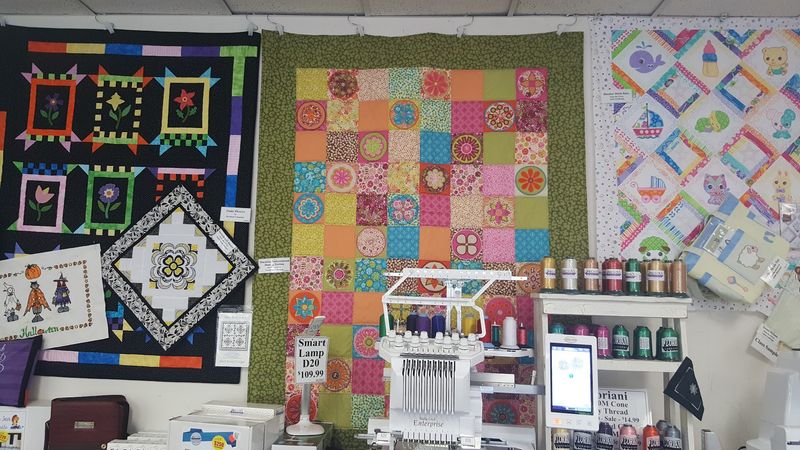
The prettiest fabric in the shop cannot rescue a project if you get home without the right thread. Country Stitches carries more than bolts, including patterns, books, kits, and sewing supplies.
That makes the visit useful for checking the whole project, not just choosing its most colorful part.
Start with your pattern, if you have one. Read the materials list before browsing, and mark anything already waiting in your sewing room.
Thread, needles, batting, interfacing, and closures serve different jobs; buying an extra spool is not helpful if the missing item is a zipper.
Patterns are worth a careful look, even when the cover photo is charming. Check the finished size, the cutting steps, and the tools required.
A beginner may enjoy a small project with straight seams more than a large quilt with many tiny pieces. A kit can reduce the search for matching fabrics, but you should still check what it includes.
At Country Stitches, the mix of fabric and supplies lets you hold a possible print near the materials it needs. Match thread against the fabric itself rather than relying on a color name.
If the thread disappears into the cloth, it may be a good choice for seams you do not want to show.
Books can help when you are ready for a new method but do not know its name. Browse the pictures first, then check whether the instructions show each step clearly.
The best guide is one you can follow at home, not simply one with the most exciting cover.
Make a short list before heading to the counter. Separate must-have items from nice extras, and double-check measurements while everything is nearby.
You can leave with a practical plan instead of a lovely stack of fabric and a missing piece that stops the project before its first stitch.
Michigan Sewing Projects Have a Machine Side
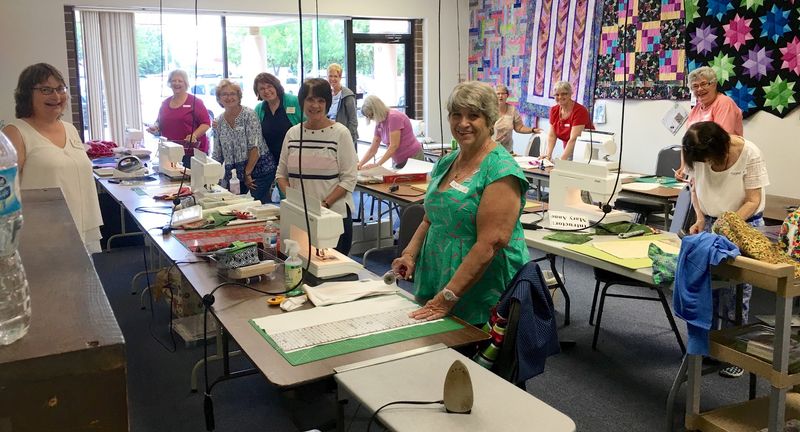
Past the fabric, Country Stitches has another reason to slow down: sewing machines. The shop is also a sewing machine store, so a visit can cover both the cloth you want and the tool that will stitch it.
For anyone planning a bigger project, that connection is handy.
If you are considering a machine, begin with what you actually sew. A straight seam for simple repairs is different from the needs of someone making thick bags or quilting large pieces.
Tell a staff member about your projects and ask which features solve those specific problems.
Bring questions, not just a price limit. How easy is it to change a needle?
Can you see the controls clearly? Where does the fabric rest when you work on a large piece?
A machine should fit your space and hands as well as your budget. Ask whether you can see the model operate before choosing.
The repair side is useful even if you already own a machine. When stitches start skipping or fabric stops feeding smoothly, write down what happened, which needle and thread you used, and whether the problem began after a change.
Those details can make a service conversation more useful than simply saying the machine is broken.
Before bringing a machine for service, check what the shop currently accepts and what accessories should come with it. Keep the power cord, foot control, and any parts together until you know what is needed.
Do not force a stuck mechanism or keep sewing through a sound that seems wrong.
Fabric shopping is more fun when the equipment at home is ready for the job. Country Stitches brings those two sides of sewing under one roof, making it possible to think about the finished project and the steps required to make it.
A Local Classroom for the Next Step
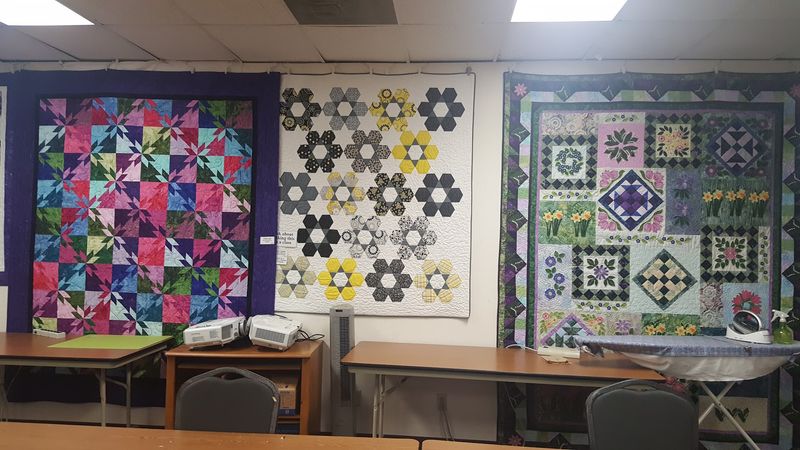
A half-finished quilt can sit in a closet for months because one step looks harder than the rest. Country Stitches has offered sewing and quilting classes, giving learners another way to approach a project besides puzzling through it alone.
Check the current schedule before making plans, since subjects and openings can change.
Pick a class for the skill you want to practice, not only the finished item in the picture. If cutting fabric evenly is the trouble, a project with many careful cuts may teach you more than a class centered on decoration.
New sewers can look for clear beginner guidance before taking on advanced quilting methods.
Ask what to bring when you sign up. Some lessons may call for a machine, a particular pattern, or fabric cut in advance.
Packing the right supplies the night before leaves more class time for learning and less time for hunting through a bag.
A lesson can also help you understand your own machine. Practice changing settings and handling fabric slowly enough to see what each adjustment does.
If a seam turns out uneven, keep a small sample rather than pulling every stitch out at once. It gives you a useful example when you ask for help.
Country Stitches has served local sewing shoppers for years, and the classroom side connects that experience to the next person learning the craft. You do not have to be making an heirloom to benefit.
Fixing a hem, finishing a small gift, or finally understanding a pattern are solid reasons to learn.
After class, write down the trick you found most useful before it slips away. A few plain notes about needle choice, seam width, or cutting order can be more helpful at home than a perfect photo of the finished work.
How to Shop Without Losing the Afternoon
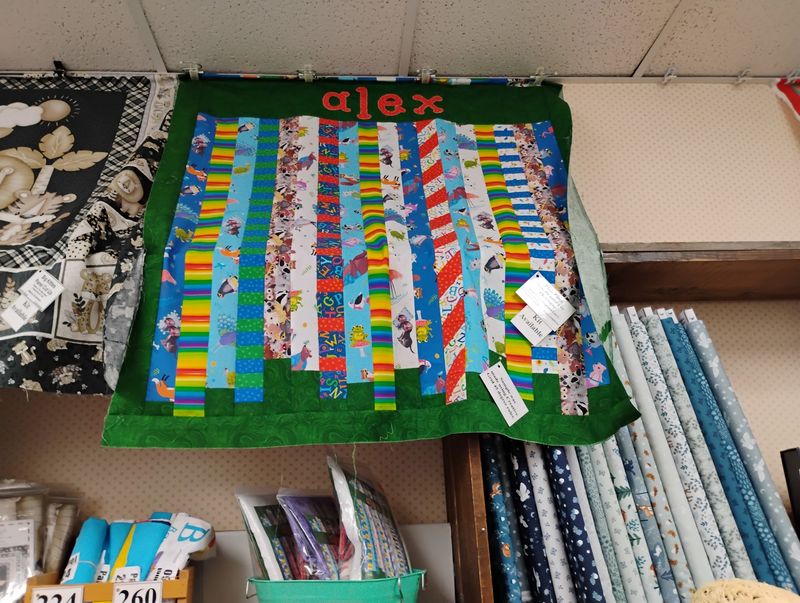
One quick stop can turn into a long search when every shelf offers a new idea. A little planning keeps a visit to Country Stitches enjoyable, especially if you need a specific fabric cut or a machine question answered before heading home.
The shop is at 2200 Coolidge Rd #7 in East Lansing. Listed hours are 10 a.m. to 7 p.m. on Monday, Wednesday, and Thursday; 10 a.m. to 6 p.m. on Tuesday and Friday; and 10 a.m. to 4 p.m. on Saturday.
It is listed as closed Sunday. Hours can change, so confirm them before a special trip.
Bring the measurements for your project, including any extra fabric the pattern recommends. If you need several cuts, make a short note with each fabric’s job: background, border, backing, or accent.
That is easier to follow in front of a busy shelf than trying to recall a plan made at home.
Give the cutting counter enough time. Choosing a bolt is only one step; the fabric still needs to be measured and cut.
If you have a question about a price or a minimum cut, ask before the scissors come out. Check the amount on your receipt and look over the cut while details are fresh.
If you are comparing prints for a room or an existing quilt, carry a physical sample when possible. Take a photo of any promising combination before putting bolts back.
You can then compare choices without depending on memory after several aisles of color.
Set a simple goal for the visit, but allow a few spare minutes to look around. Country Stitches has enough fabric, machines, and supplies to reward curiosity.
A clear shopping list keeps that curiosity from sending you home without the one item you came to find.
Why One Fabric Stop Can Carry the Whole Project
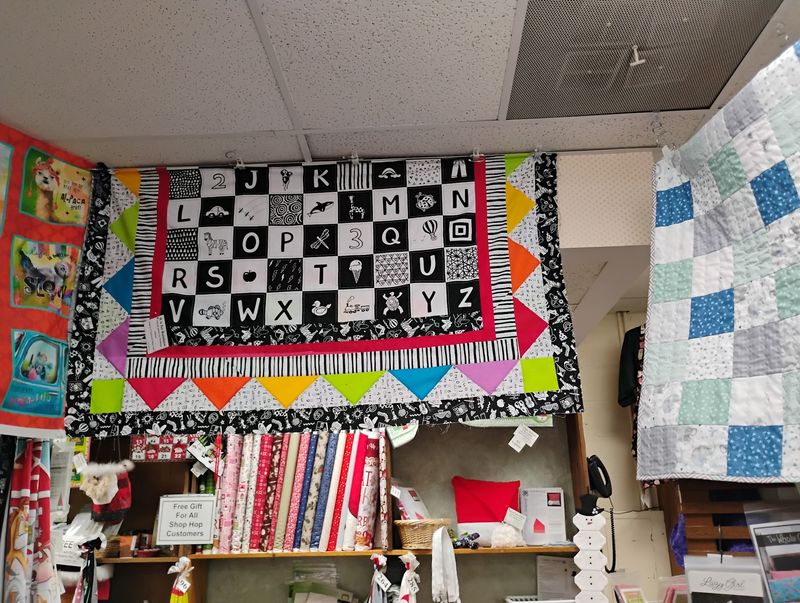
The final test of a fabric store comes after you leave: can you actually make what you planned? Country Stitches stands out because its fabric selection sits alongside patterns, quilting supplies, machines, and learning opportunities.
Those parts connect in a practical way, even if you arrive with only a rough idea.
Imagine choosing a print for a simple tote bag. You can look for a lining that works with it, check the pattern’s size, and think about whether your machine can handle the material.
That sequence is less risky than picking a pretty bolt first and solving every other problem later.
The same approach helps with quilts. Start with the design and finished size, then select fabric amounts with a little room for mistakes.
Consider batting and backing before buying only the pieces for the front. If one step remains unclear, a class or a conversation about supplies may help you move forward.
None of that means you need to finish your plan in a single visit. Browsing is useful research.
Notice which colors work together, compare small prints with large ones, and take measurements home if you need time to decide. A thoughtful pause can save fabric and money.
Local shops also give you a chance to inspect material in person. You can see a print’s true scale, feel how the cloth handles, and place choices together under the same light.
For a project that will take hours to sew, those small checks are worth doing before the first cut.
Country Stitches may sit quietly in its East Lansing unit, but the work it supports is anything but small. Bring a clear starting point, leave space for one surprise, and choose fabric you will be happy to handle long after it comes off the bolt.