Ohio might not always be the first place people think of when they imagine stunning natural scenery, but that would be a big mistake. From rocky gorges and towering waterfalls to peaceful forests and sparkling lakeshores, this Midwestern state is packed with incredible places to explore on foot.
Whether you are a seasoned hiker looking for a challenge or a casual walker who just wants to enjoy some fresh air, Ohio has a trail for you. The parks spread across the state offer some of the most breathtaking landscapes in the entire Midwest, and many visitors are genuinely surprised by how wild and beautiful the scenery can be.
Ohio sits at the crossroads of several natural regions, which means its parks include everything from ancient sandstone cliffs carved by glaciers to lush river valleys teeming with wildlife. Each season brings a new look to these trails, making them worth visiting again and again.
Spring brings wildflowers and rushing waterfalls, summer fills the forests with thick green canopies, autumn paints everything in gold and crimson, and winter turns the landscape into a quiet, frosty wonderland. The 12 parks listed here represent some of the very best walking experiences the state has to offer.
Whether you live in Ohio or are planning a visit from out of state, these destinations deserve a spot on your outdoor bucket list. Lace up your walking shoes and get ready to discover a side of the Midwest you never expected.
1. Mill Creek MetroParks (Youngstown)
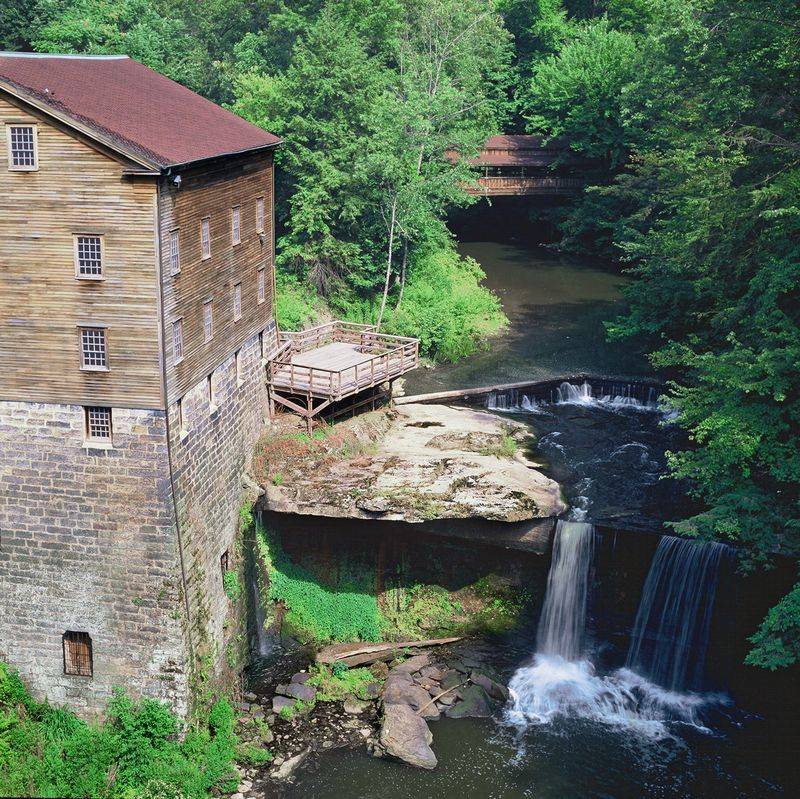
Tucked inside one of Ohio’s most urban corners, Mill Creek MetroParks in Youngstown is a stunning reminder that nature and city life can coexist beautifully. Stretching across more than 4,400 acres, this park system is one of the oldest and largest urban park systems in the entire country.
Visitors are often amazed to find such a rich natural escape just minutes from downtown Youngstown.
The park features over 20 miles of walking trails that wind through dense forests, past sparkling streams, and alongside two picturesque lakes. Fellows Riverside Gardens, located within the park, adds a burst of color with its formal rose gardens and manicured landscapes.
The contrast between the manicured gardens and the wild woodland trails gives Mill Creek a unique character you won’t easily find elsewhere.
Ford Nature Center is a fantastic starting point for first-time visitors, offering educational exhibits about local wildlife and ecology. The trails here range from easy, paved paths to more rugged natural surface routes that require a bit more effort.
Birdwatchers will especially love this park, as it hosts a remarkable variety of songbirds, raptors, and waterfowl throughout the year.
One of the most beloved spots is the covered bridge near Lake Newport, which makes for a perfect photo opportunity during autumn leaf season. Families with young children appreciate the well-maintained paths and the abundance of picnic areas scattered throughout the grounds.
Dogs on leashes are welcome on many of the trails, making it a popular weekend destination for pet owners too.
No matter what time of year you visit, Mill Creek MetroParks delivers a genuinely refreshing outdoor experience that feels far removed from the urban landscape surrounding it.
2. Hocking Hills State Park (Logan)
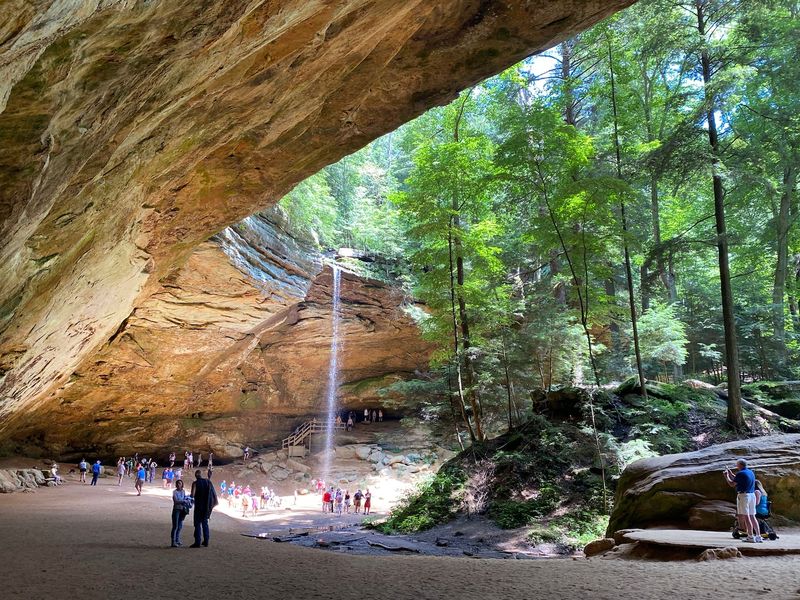
Few places in the Midwest generate as much awe as the ancient sandstone cliffs and deep, shadowy gorges of Hocking Hills State Park near Logan. This is arguably Ohio’s most famous natural attraction, and once you set foot on its trails, it’s easy to understand why.
The landscape looks almost prehistoric, with towering recess caves, cascading waterfalls, and hemlock-lined hollows that stay cool even in the heat of summer.
Old Man’s Cave is the most popular trail in the park, a roughly 6-mile loop that passes through dramatic gorges, past multiple waterfalls, and beneath overhanging cliffs draped in ferns. Ash Cave, the largest recess cave in Ohio, is another must-see stop, featuring a stunning 90-foot waterfall that drops into a horseshoe-shaped amphitheater of rock.
Cedar Falls, often called the most beautiful waterfall in Ohio, rounds out the park’s top three highlights.
The trails at Hocking Hills are well-maintained and clearly marked, making them accessible to walkers of various fitness levels. Some sections involve steep staircases and uneven terrain, so wearing sturdy shoes is a smart move.
The park draws over four million visitors a year, so arriving early on weekends is the best way to enjoy a quieter experience.
Spring is particularly magical here, when wildflowers carpet the forest floor and the waterfalls run full and powerful from snowmelt and rain. Autumn brings a fiery display of color that reflects off the sandstone walls in the most spectacular way.
Camping, zip-lining, and guided night hikes are also available for those who want to extend their adventure beyond a single day visit.
3. Scioto Trail State Park (Chillicothe)
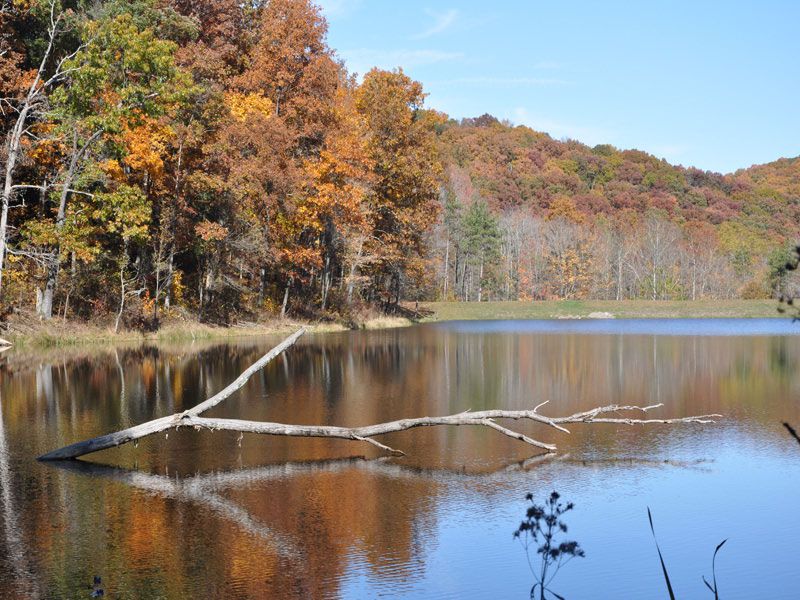
Hidden in the rolling hills of Ross County south of Chillicothe, Scioto Trail State Park is one of those quiet gems that outdoor enthusiasts love to keep to themselves. The park covers around 9,000 acres of rugged, forested terrain that feels genuinely wild and remote, even though it’s just a short drive from town.
Hikers who prefer solitude over crowds tend to find this park especially rewarding.
The trail system here is extensive and challenging, with routes that climb steep ridges and descend into shaded hollows. The 10-mile Scioto Trail offers sweeping views from the hilltops that stretch for miles across the surrounding countryside.
These panoramic vistas are especially stunning during October when the hardwood forest erupts in brilliant shades of orange, red, and yellow.
The park shares its land with Scioto Trail State Forest, which means the total acreage available for exploration is enormous. Horseback riders, mountain bikers, and hunters also use portions of the trail network, so hikers should be aware of their surroundings during certain seasons.
The two small lakes within the park provide peaceful spots to rest and enjoy the reflections of the surrounding forest on the water’s surface.
Wildlife sightings are common here, with white-tailed deer, wild turkey, and various woodland birds appearing regularly along the trails. The park is less commercialized than some of Ohio’s more famous destinations, which gives it an authentic, back-to-nature atmosphere that many walkers find deeply appealing.
Bring plenty of water and a trail map, because cell service can be spotty in the deeper parts of the forest, and some trail junctions are easy to miss without proper navigation tools.
4. Nelson-Kennedy Ledges State Park (Garrettsville)
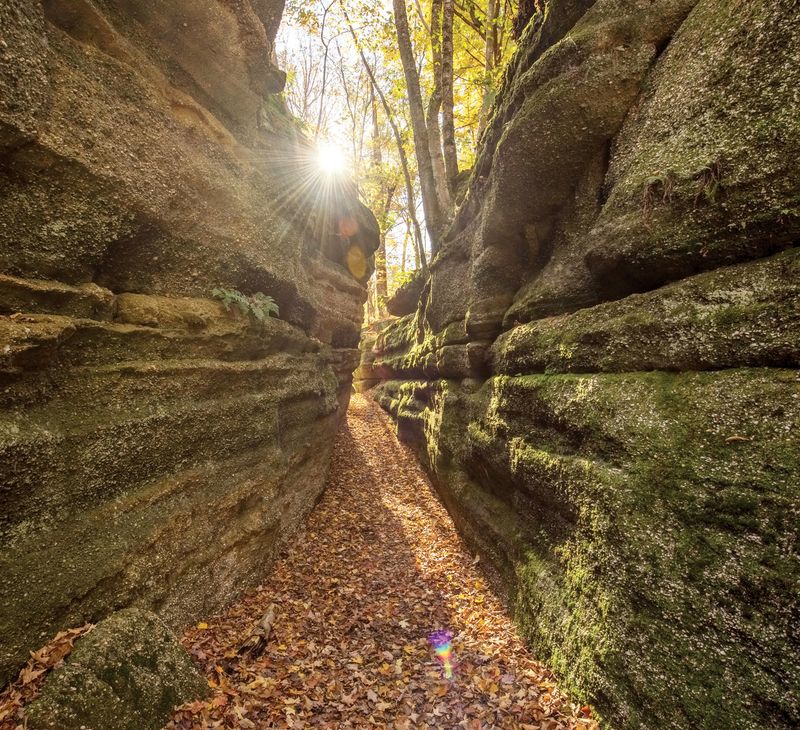
There is something almost otherworldly about Nelson-Kennedy Ledges State Park, a compact but absolutely captivating park located near Garrettsville in Portage County. The park is small by Ohio standards, covering only about 167 acres, but what it lacks in size it more than makes up for in geological drama.
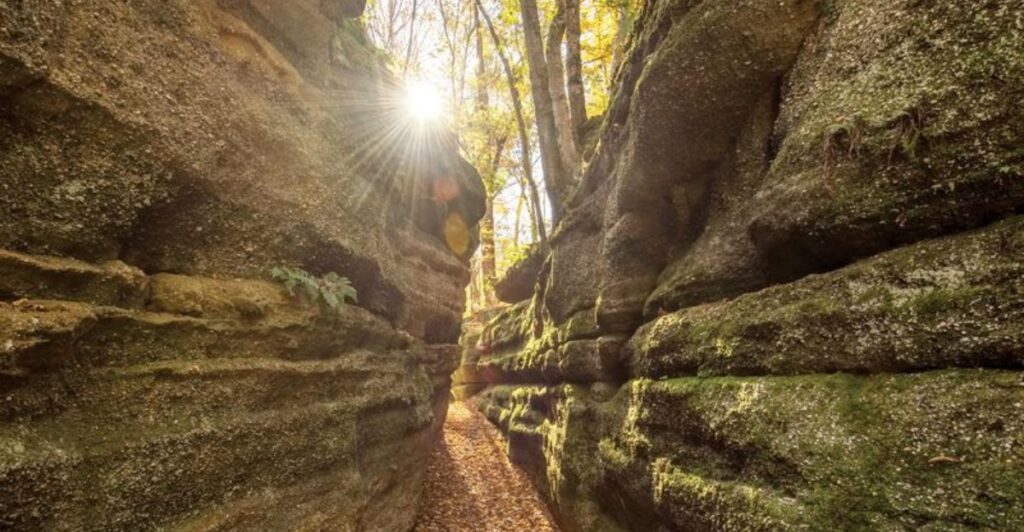
Massive Sharon conglomerate rock formations, some rising 30 to 60 feet above the forest floor, create a labyrinthine landscape unlike anything else in the state.
The trail system here is only about 2.5 miles long, but every step of it is interesting. Hikers squeeze through narrow crevices with evocative names like Fat Man’s Peril and the Squeeze, scramble over boulders, and explore dark, cool passages between towering rock walls.
The unique microclimate created by these rock formations supports rare plant species, including ferns and mosses that thrive in the perpetual shade.
Gold Hunter’s Cave, Sylvan Cave, and the Cascade are among the park’s most photographed features, each offering a different perspective on the park’s ancient geology. The rocks were formed over 300 million years ago and shaped by glacial forces during the last ice age, giving them their distinctive rounded surfaces and dramatic overhangs.
Geology enthusiasts will find the park endlessly fascinating.
Because the trails involve climbing and squeezing through tight spaces, this park is best suited for older children and adults who are comfortable with some physical challenge. The park does not have extensive facilities, so bringing your own food and water is essential.
Weekend visits can get crowded during summer and fall, so a weekday morning trip is the smartest way to enjoy the ledges at their most peaceful and photogenic.
5. Mohican State Park (Loudonville)
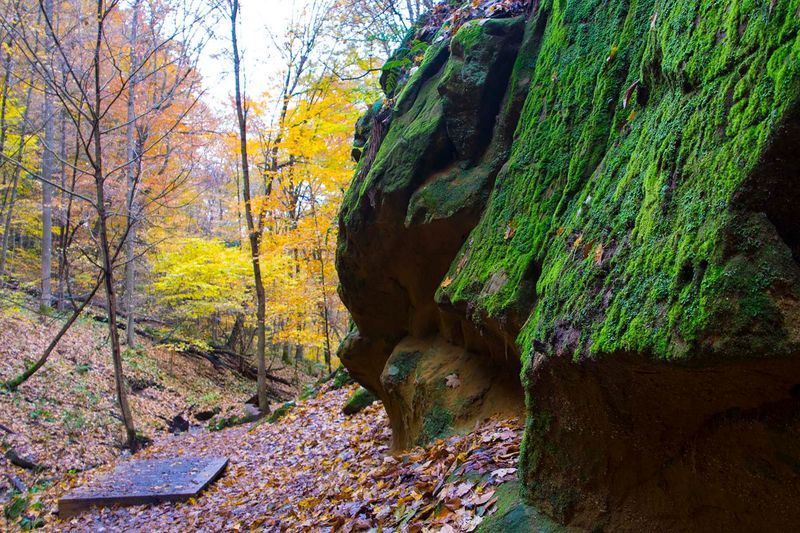
Nestled in the heart of the Mohican country of north-central Ohio, Mohican State Park near Loudonville is a beloved destination that has been drawing outdoor lovers for generations. The park sits alongside the Clear Fork Gorge, a deep, hemlock-lined canyon that feels more like the Appalachians than the typical Midwestern landscape.
The combination of dramatic cliffs, a rushing river, and dense old-growth forest creates a setting that is genuinely breathtaking.
The park’s trail network spans about 25 miles, ranging from leisurely riverside strolls to more demanding ridge-top climbs with panoramic views. The Lyons Falls Trail is a particular favorite, leading hikers through the gorge past two picturesque waterfalls that cascade over mossy ledges.
The Gorge Trail follows the Clear Fork River closely, offering constant views of the sparkling water and towering hemlock trees reflected on its surface.
Mohican is also a popular destination for canoeing and kayaking, and many visitors combine a morning on the water with an afternoon hike for a full day of outdoor adventure. The park’s campground is well-equipped and stays busy throughout the warmer months, so booking ahead is strongly recommended.
A comfortable lodge and cabins are available for those who prefer a roof over their heads after a long day on the trails.
Fall color season at Mohican is simply spectacular, with the rich greens of the hemlocks contrasting dramatically against the blazing oranges and reds of the surrounding hardwoods. Bald eagles have been spotted soaring over the gorge in recent years, adding an unexpected wildlife thrill to any visit.
Whether you come for a day trip or a long weekend, Mohican consistently delivers one of Ohio’s finest outdoor experiences.
6. Lake Hope State Park (Garfield Heights)
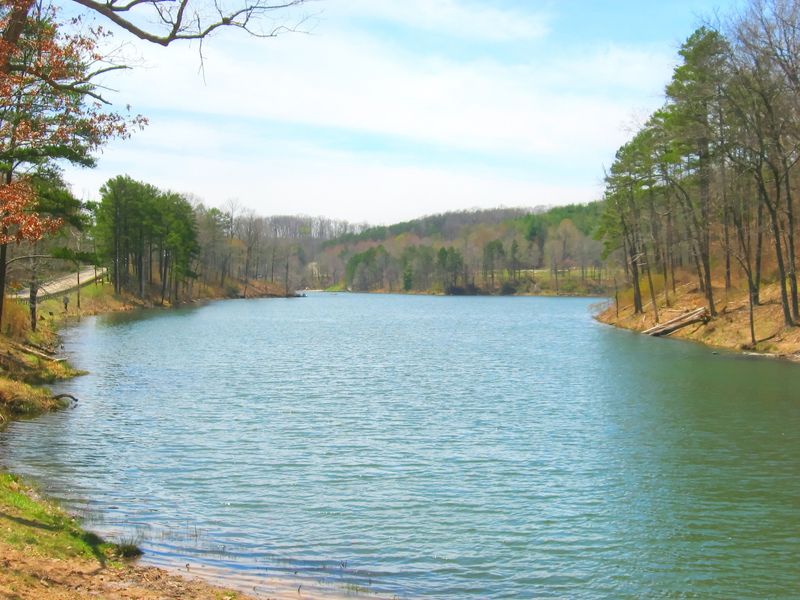
Lake Hope State Park sits within the Zaleski State Forest in Vinton County, making it one of the most remote and ecologically rich parks in all of Ohio. The park centers around the 120-acre Lake Hope, a beautiful reservoir created by damming Sandy Run Creek back in the 1930s.
The surrounding hills are some of the most rugged and least developed in the state, giving the area a genuinely wild character.
The trail system at Lake Hope covers over 20 miles and winds through a landscape that was once heavily mined for iron ore during the 19th century. Remnants of the old Hope Furnace, a charcoal iron furnace built in 1854, can still be found near the park entrance and serve as a fascinating historical landmark.
The forest has since reclaimed much of the scarred land, creating a thick, diverse woodland that supports an impressive variety of wildlife.
Hikers can expect to encounter white-tailed deer, wild turkey, and a wide range of songbirds along the trails. The Zaleski Backpack Trail, which passes through the park, is one of Ohio’s premier overnight hiking routes, stretching 23 miles through the surrounding state forest with primitive campsites along the way.
Day hikers can sample portions of this trail without committing to the full overnight experience.
The lake itself is perfect for swimming, fishing, and non-motorized boating, making it easy to pair a morning hike with an afternoon on the water. Cabins and a full-service campground make Lake Hope an excellent base camp for a multi-day exploration of the Zaleski State Forest region.
The combination of history, wildlife, and natural beauty makes this park one of Ohio’s most underrated outdoor destinations.
7. Cuyahoga Valley National Park (Brecksville/Peninsula)
Ohio’s only national park, Cuyahoga Valley National Park, stretches for 33,000 acres between the cities of Cleveland and Akron, offering one of the most accessible and diverse outdoor experiences in the entire Midwest. The park follows the winding Cuyahoga River through a lush valley filled with waterfalls, wetlands, meadows, and dense hardwood forests.
It’s a place where city dwellers can escape into nature without driving more than 30 minutes from their front door.
The Towpath Trail is the park’s most famous route, following the historic Ohio and Erie Canal for 20 miles through the heart of the valley. This mostly flat, well-surfaced trail is perfect for walkers, joggers, and cyclists of all ages and fitness levels.
Along the way, historic canal locks, charming towns like Peninsula, and wildlife-rich wetlands make every mile of the journey interesting.
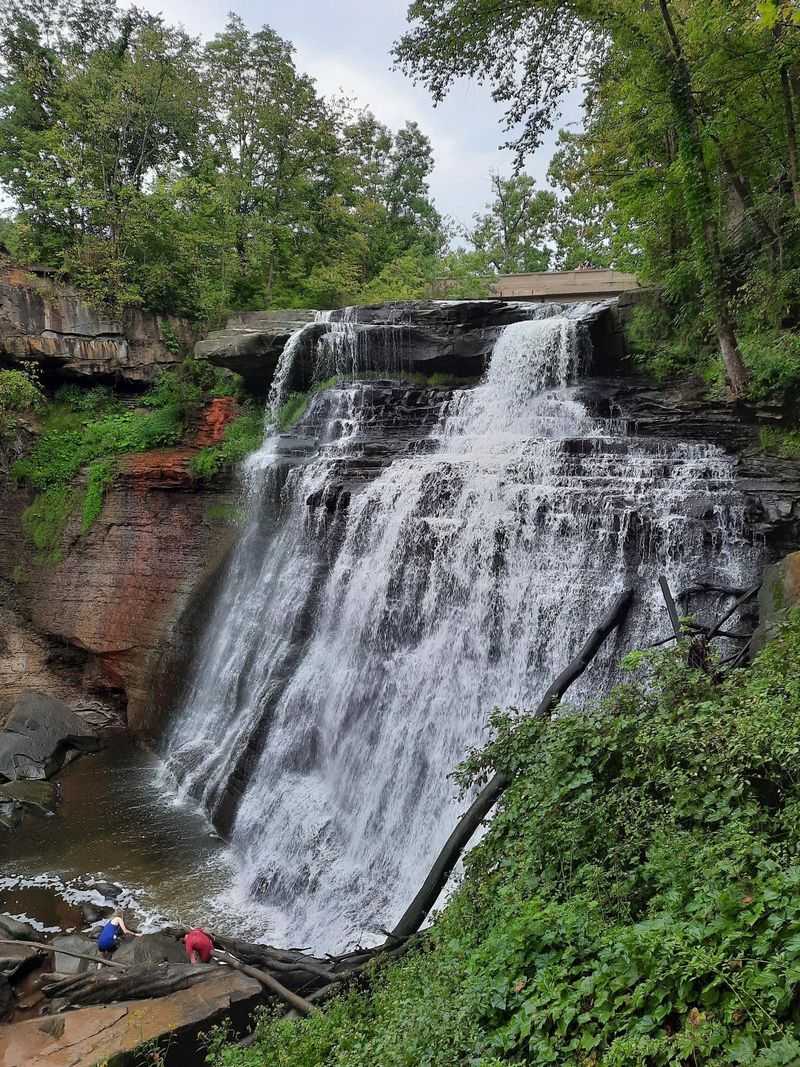
Brandywine Falls is perhaps the park’s most iconic single attraction, a gorgeous 65-foot waterfall accessible via a short boardwalk trail that even young children can manage easily. The Blue Hen Falls trail and the Ledges Trail are also highly recommended for walkers looking for a bit more terrain variety and solitude.
Over 125 miles of trails in total give visitors endless options for exploration.
The Cuyahoga Valley Scenic Railroad adds a charming dimension to any visit, allowing hikers to ride the train to a trailhead and walk back, or simply enjoy a scenic journey through the valley without breaking a sweat. The park hosts a lively calendar of events throughout the year, from guided nature walks to outdoor concerts and photography workshops.
For sheer variety and accessibility, Cuyahoga Valley National Park stands in a class of its own among Ohio’s outdoor destinations.
8. Salt Fork State Park (Cambridge)
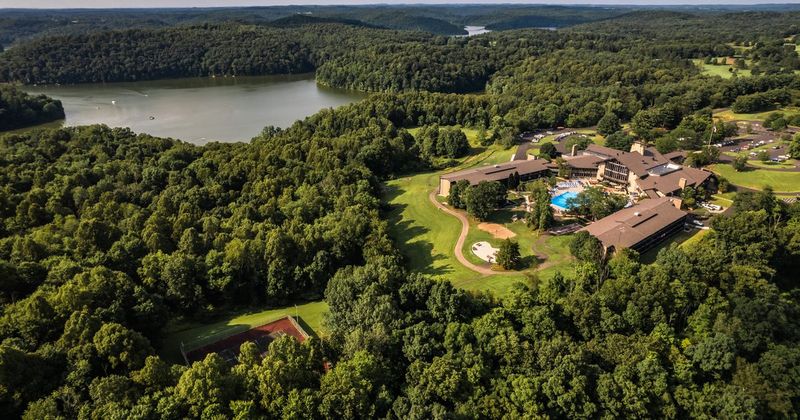
As Ohio’s largest state park, Salt Fork State Park near Cambridge covers an impressive 20,000 acres of rolling hills, dense forests, and a sprawling 2,952-acre reservoir. The sheer size of the park means visitors can spend an entire weekend here and still not explore every corner of the trail system.
That sense of space and discovery is a big part of what makes Salt Fork so appealing to outdoor enthusiasts.
The park offers around 14 miles of designated hiking trails, with routes that wind through varied terrain including lakeside paths, wooded ridges, and open meadows. The trails are well-marked and maintained, making them suitable for families with children as well as more experienced hikers seeking a longer workout.
Deer, foxes, and great blue herons are commonly spotted along the trails, adding a wildlife-watching dimension to any walk.
Salt Fork is also famous in Ohio for a very different reason: it is considered one of the top Bigfoot hotspots in the state, with numerous reported sightings over the decades in the dense surrounding forest. Whether or not you believe in the legend, it certainly adds a layer of fun and intrigue to any hike through the park’s more remote sections.
The park even hosts an annual Bigfoot-themed event that draws enthusiastic crowds from across the region.
The full-service lodge, golf course, marina, and extensive campground make Salt Fork one of the most comfortable and complete state park destinations in Ohio. Fishing and boating on the reservoir are major draws during the summer months, and the fall foliage display along the lake’s shoreline is genuinely stunning.
For a park that effortlessly blends outdoor adventure with comfortable amenities, Salt Fork is hard to beat.
9. John Bryan State Park (Yellow Springs)
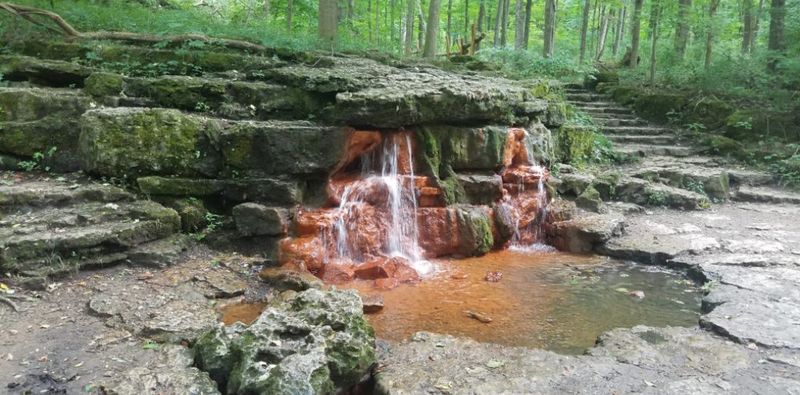
Yellow Springs is one of Ohio’s quirkiest and most beloved small towns, and the park that sits on its doorstep matches that character perfectly. John Bryan State Park hugs the banks of the Little Miami River as it cuts through a dramatic limestone and dolomite gorge, creating one of the most geologically fascinating landscapes in the entire state.
The cliffs here rise up to 100 feet above the river, and walking along the gorge trails feels like stepping into a completely different world.
The park’s trail system connects seamlessly with the adjacent Clifton Gorge State Nature Preserve, giving walkers access to a combined trail network that showcases the gorge from multiple perspectives. The North Rim Trail offers dramatic views down into the gorge from above, while the South Rim Trail brings hikers right down to the river’s edge for a more intimate experience with the rushing water.
Wildflower enthusiasts will find spring particularly rewarding, as the gorge supports a remarkable diversity of rare and native plant species.
Rock climbers from across Ohio are drawn to the park’s limestone cliffs, which offer a variety of routes for both beginners and experienced climbers. The sight of climbers scaling the canyon walls adds an exciting visual element to any hike along the gorge trails below.
Swimming in the river is not permitted due to strong currents, but the views of the water churning through the narrow gorge are spectacular on their own.
After a hike, the charming shops, cafes, and art galleries of downtown Yellow Springs are just a short walk away, making it easy to combine outdoor adventure with a relaxed afternoon of browsing and snacking. John Bryan State Park is compact but extraordinarily rewarding, delivering a top-tier natural experience in a very small geographic footprint.
10. East Harbor State Park (Marblehead)
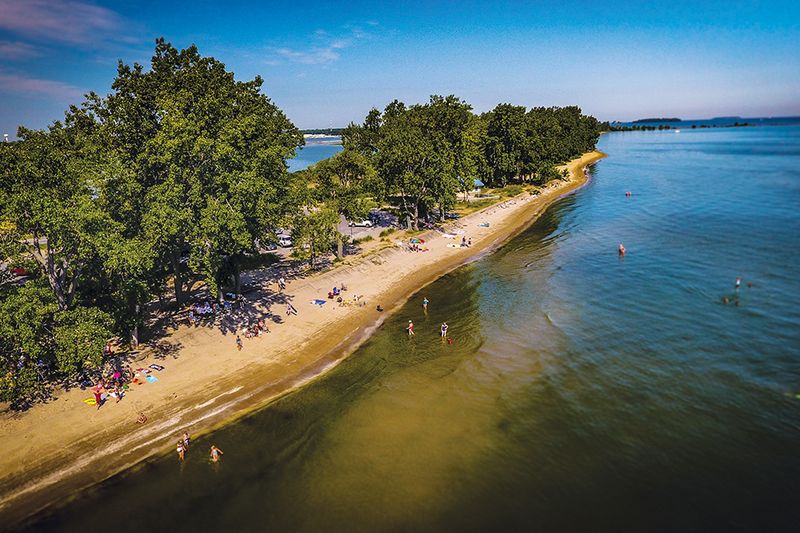
Most people picture forests and gorges when they think of Ohio hiking, but East Harbor State Park near Marblehead offers something completely different: a stunning Lake Erie shoreline experience that feels more like a coastal vacation than a typical Midwest outing. Located on the Marblehead Peninsula in Ottawa County, the park sits along one of the most scenic stretches of Lake Erie’s southern shore.
The combination of sandy beaches, marshlands, and open water views creates a landscape that is genuinely unique among Ohio’s state parks.
The park’s trails wind through a variety of habitats, including sandy dunes, open meadows, dense thickets, and freshwater marshes teeming with wildlife. Birdwatchers consider East Harbor one of the premier birding destinations in Ohio, particularly during spring and fall migration when thousands of shorebirds, warblers, and waterfowl pass through the area.
The park’s location along a major migratory flyway means that rare and exciting species can turn up at any time of year.
The beach at East Harbor is one of the finest on Lake Erie, stretching for over a mile of clean, sandy shoreline that is perfect for swimming during the summer months. Boating and fishing are also hugely popular activities here, with a full-service marina accommodating everything from kayaks to larger motorized vessels.
The campground is one of the largest in the Ohio state park system, with over 1,800 campsites spread across the park’s grounds.
Nearby attractions include the Marblehead Lighthouse, the oldest operating lighthouse on the American side of Lake Erie, which adds a rich historical dimension to any visit to the area. The combination of natural beauty, wildlife diversity, and lakeside recreation makes East Harbor State Park a standout destination in northwestern Ohio’s outdoor scene.
11. Malabar Farm State Park (Lucas)

Malabar Farm State Park near Lucas is unlike any other park on this list, because its story is as compelling as its scenery. The farm was once the home of Pulitzer Prize-winning author Louis Bromfield, who transformed it into a model of sustainable agriculture in the 1940s and hosted Hollywood celebrities like Humphrey Bogart and Lauren Bacall.
Walking the trails here means stepping into a living piece of American literary and agricultural history.
The park’s trail network covers about 15 miles, winding through a picturesque landscape of working farmland, wooded hillsides, and quiet stream valleys. The Pleasant Valley area is especially beautiful, with rolling green fields framed by forested ridges that turn spectacular shades of gold and red in autumn.
The trails are generally moderate in difficulty, making them accessible to a wide range of walkers.
A guided tour of the Big House, Bromfield’s elegant 32-room mansion, gives visitors a fascinating look at the life and philosophy of one of Ohio’s most interesting historical figures. The farm still operates as a working sustainable agriculture site, and visitors can watch farm activities, visit the animals, and learn about the principles of soil conservation that Bromfield pioneered.
This educational dimension sets Malabar Farm apart from a typical nature park experience.
Horseback riding is available through a local outfitter, and the trails are shared between hikers and equestrians in a harmonious arrangement. The campground at Malabar Farm is charming and peaceful, nestled among the hills with a genuinely rural atmosphere that feels worlds away from modern suburban life.
For anyone who loves history, farming heritage, and beautiful countryside walking, Malabar Farm State Park offers a one-of-a-kind Ohio adventure that is well worth the trip.
12. Caesar Creek State Park (Waynesville)
Southwest Ohio has a quiet outdoor gem in Caesar Creek State Park, a sprawling 10,000-acre park centered around the beautiful Caesar Creek Lake near Waynesville. The park is named after a Delaware Indian who reportedly lived along the creek in the 18th century, giving it a historical depth that adds to its appeal.
Today, it is one of the most popular outdoor recreation destinations in the greater Cincinnati and Dayton region.
The trail system at Caesar Creek covers approximately 43 miles, making it one of the most extensive hiking networks in the Ohio state park system. Trails range from easy lakeside paths with gorgeous water views to more challenging backcountry routes through dense forest and rugged terrain.
The Perimeter Trail, which circles the entire lake, is a multi-day challenge that rewards those who complete it with constantly changing scenery and abundant wildlife encounters.
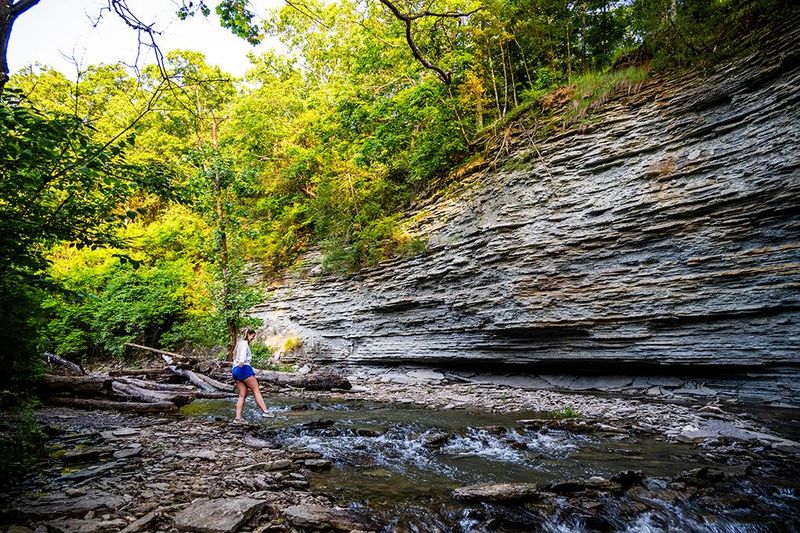
One of the most distinctive features of Caesar Creek is its world-class fossil hunting opportunities. The park’s spillway area exposes ancient limestone beds that are packed with 450-million-year-old marine fossils, including trilobites, brachiopods, and crinoids.
Fossil collecting is permitted in designated areas, making this a hugely popular activity for families with curious, science-minded kids.
The lake itself supports excellent fishing for saugeye, largemouth bass, and crappie, and the boat ramps are busy throughout the warmer months. A large campground, beach swimming area, and visitor center round out the park’s extensive facilities.
Caesar Creek also serves as the gateway to the nearby Caesar Creek Gorge State Nature Preserve, where dramatic limestone cliffs and a rushing creek create a scenery that rivals anything found in Ohio’s more famous natural areas.
Share this story