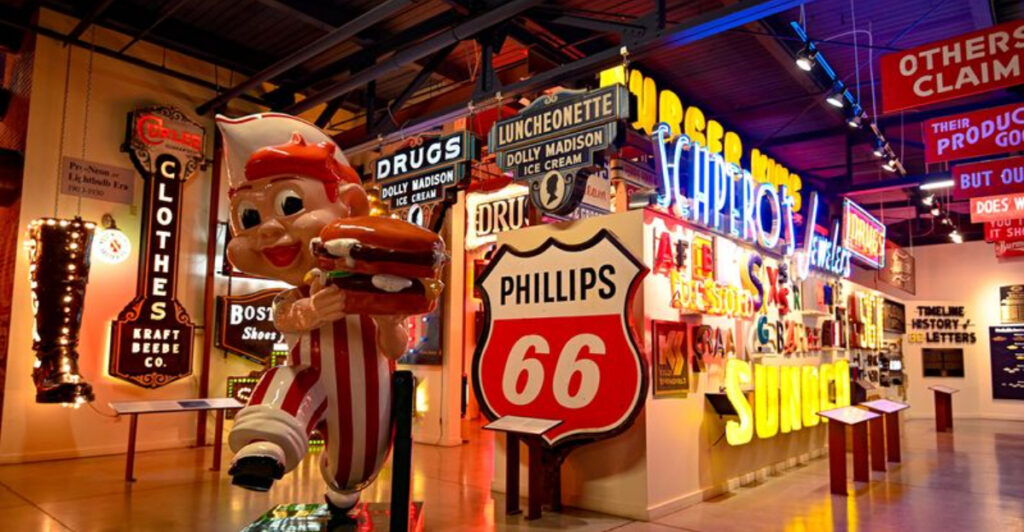
Tucked into a former factory in Cincinnati, the American Sign Museum shines like a time capsule that decided to stay alive and keep dancing. You will step inside and feel the warm buzz of neon, the glint of gold leaf, and the hum of stories that built Main Streets and roadside dreams across the country.
It is the rare place where design lovers, road trippers, families, and photographers all find the same thing worth chasing, which is wonder made practical and beautiful. If you have ever followed a glowing arrow to a snack, a show, or a promise, this museum will feel like home and a new adventure at the same time.
1. Walking The Glowing Main Street
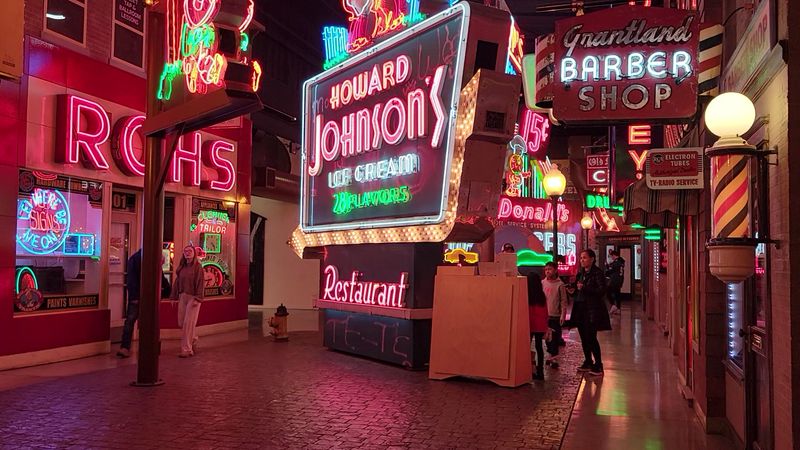
Step into the American Sign Museum and Main Street pulls you in with a soft, buzzing glow. Storefronts line a faux avenue, each window dressed with hand painted lettering, porcelain enamel, and shimmering neon.
You feel like you wandered onto a timeless film set, except the history is real and close enough to touch.
Listen for the click of transformers and the faint hum overhead, then peek at gilded glass that catches the light just right. You can compare eras by eye, from early wood and gold leaf signs to midcentury plastics that announced modern convenience.
Take your time, tilt your camera upward, and let the colors wrap around you like a friendly marquee welcome.
2. Neon Workshop In Action
The on site neon workshop might be the brightest classroom you will ever enter. Behind the safety glass, a skilled bender heats glass tubing in a ribbon burner and coaxes it into tight curves with patient breath and steady wrists.
You watch letters form as if they are being written with liquid fire, each segment measured and marked.
Ask questions and you will hear about bombarding, transformers, and noble gases like neon and argon. When the tubes are filled and powered, the room blooms in coral reds and ocean blues that feel almost alive.
You leave with a new respect for maintenance too, because the team keeps historic pieces glowing safely for future visits. Always.
3. Speedee And The Golden Arches
One of the most photographed artifacts is the towering McDonald’s Speedee sign, a relic of fast food’s rocket era. Its flashing bulbs and cheerful mascot capture the moment when highways promised quick meals and endless possibilities.
Standing close, you can almost hear the sizzle of grills and the rustle of paper hats.
Use this piece as a time machine for your own memories. Maybe a childhood road trip comes rushing back, or a late night snack after a concert.
The museum labels explain how sign design sold convenience, but what you feel is nostalgia grounded in real craftsmanship, from hand drawn type to meticulous wiring that still flickers to life. Give yourself a slow minute here.
4. The Mighty Satellite Shopland
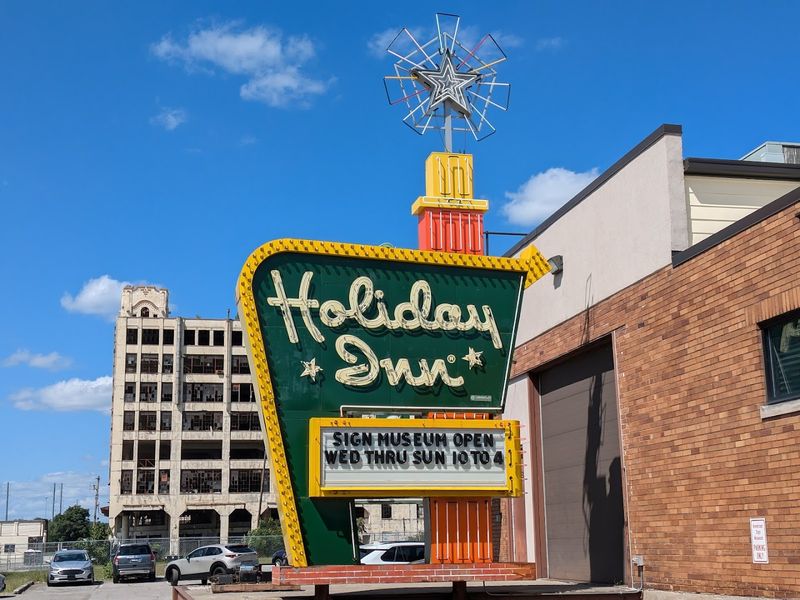
The colossal Satellite Shopland sign looms like a carnival constellation, all swagger and optimistic midcentury bravado. Letters cascade across a metal field pierced with bulbs, the kind of display that once stopped traffic on warm summer nights.
You stand beneath it and feel small in the best way, like a traveler welcomed by light.
Do a slow 360 and notice the engineering, the supports, the layers of paint, the scars of weather. This is roadside theater, built to be seen at 45 miles per hour and still stunning at arm’s length.
Capture wide shots for scale, then move closer for rivets, textures, and letterforms that prove advertising could also be architecture. Bring a curious lens.
5. Cincinnati Icons Under Glass
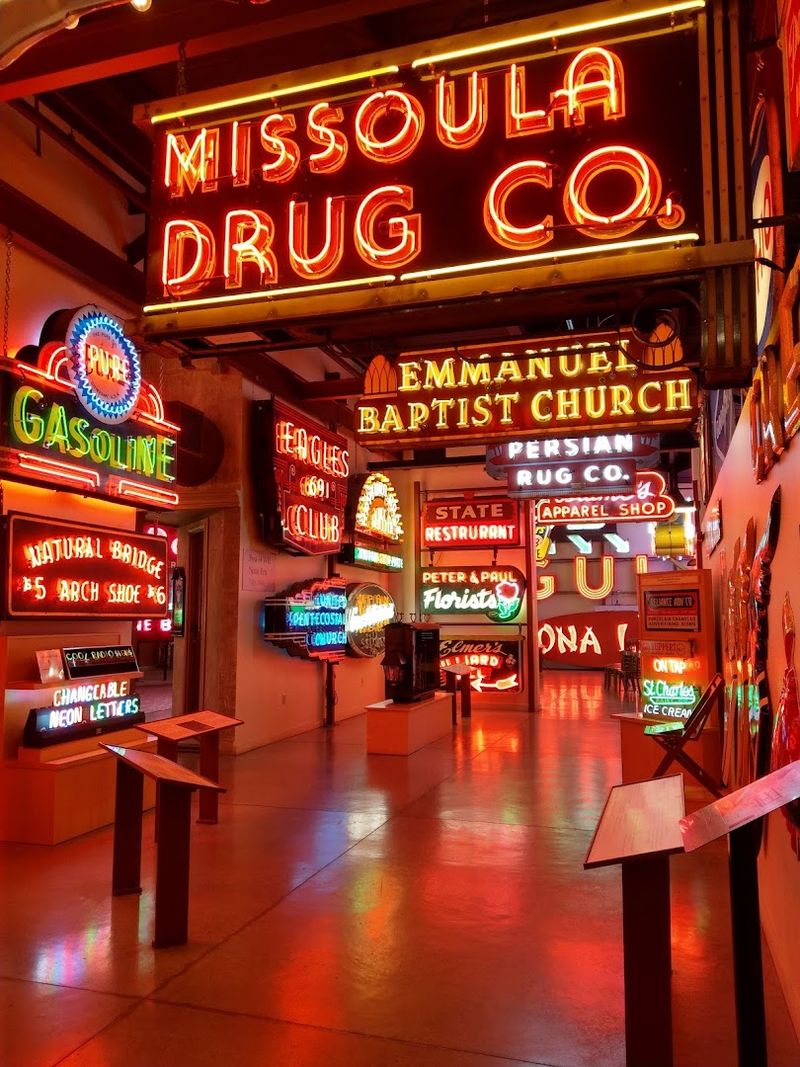
Local pride glows here too, from LaRosa’s to the Cincinnati Pops and long gone storefronts that still spark conversation. You can trace neighborhood identities through typefaces, mascots, and color palettes that once anchored family routines.
There is joy in recognizing names your grandparents mentioned and discovering others that deserve a comeback.
If you are visiting from out of town, this is a shortcut to Cincinnati’s heart without a long itinerary. Spend a few minutes reading label copy and you will start hearing accents, recipes, and weekend traditions inside the lettering.
It feels like gathering around a bright kitchen table, except the tabletop is a hundred authentic signs. You leave already planning your next neighborhood bite.
6. Photography Tips For Neon Nirvana
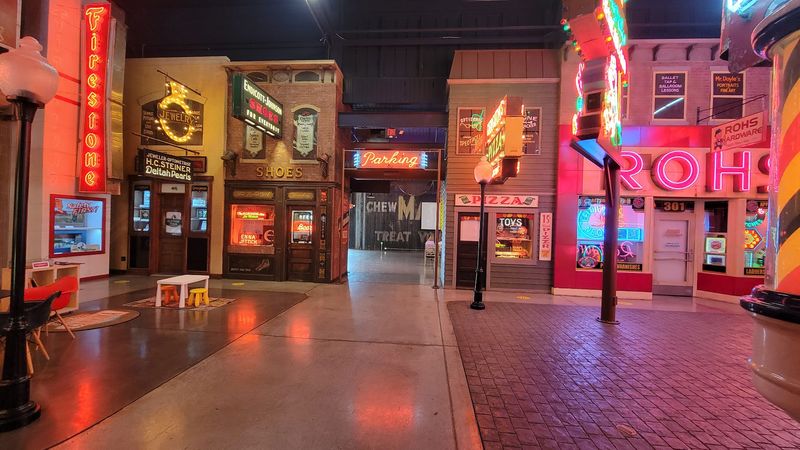
Photographing neon can be tricky, but this museum gives you friendly conditions and endless compositions. Arrive right when it opens so you can frame clean shots, then return to scenes after crowds shift.
Expose for highlights, steady your hands, and let deep shadows stay dramatic instead of forcing grainy brightness.
For phones, use night mode and tap to lock focus on a bright tube. For mirrorless or DSLRs, keep ISO low, open the aperture, and watch for flicker banding by adjusting shutter speed.
Tilt for reflections in polished chrome, step back for color fields, and remember to look up where ceiling signs float like glowing kites. Bring headphones so your audio tour does not bleed into frames.
7. Plan Your Visit Like A Pro
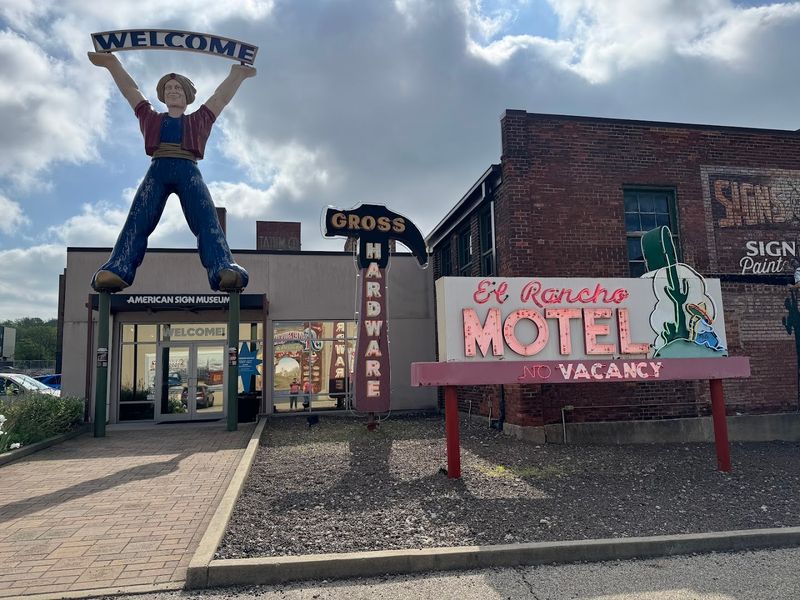
The American Sign Museum sits at 1330 Monmouth Ave in Cincinnati, with free parking beside the building. Hours are friendly for weekend explorers, open Friday through Sunday 10 AM to 4 PM, plus Wednesday and Thursday the same, closed Monday and Tuesday.
Call 513 541 6366 or check americansignmuseum.org for updates, events, and ticket details.
Most visits run about 60 to 90 minutes, though tours and neon demos can stretch your stay. Pricing feels fair, with discounts for students, seniors, and military, and online tickets are convenient when it is busy.
If you love quieter galleries, arrive early, then circle back for anything you missed when groups move along. The gift shop is fun for postcards, patches, and design nerd treats.
8. A Century Of Craft And Change
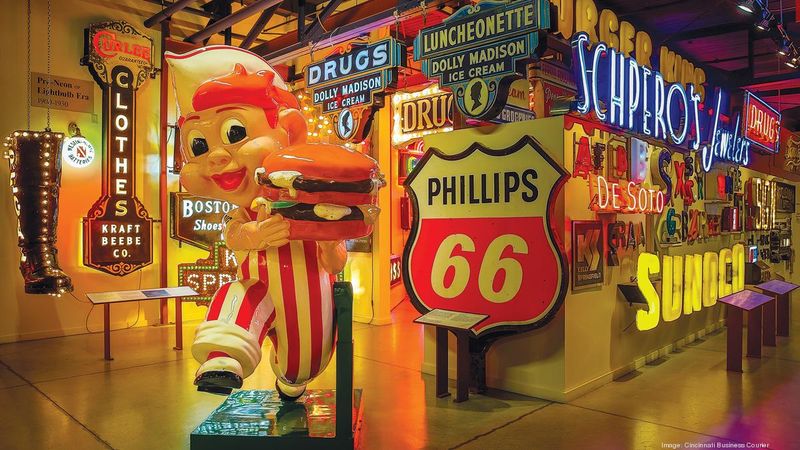
Exhibits chart a century of American sign making, from hand carved wood and gold leaf to neon, bulb, and plastic. You can trace technology shifts to larger cultural changes, like car culture, consumer trust, and nighttime safety.
Labels are short and readable, so you keep moving while still building a real foundation.
What hits hardest is the mashup of artistry and industry. Craftspeople turned sheet metal, glass, paint, and electricity into public sculptures that doubled as directions and dreams.
As you wander, you start reading your own city differently, spotting old ghost signs on brick and appreciating the living neon that still anchors late night diners. The museum makes scholarship feel hands on, friendly, and delightfully bright.
9. Self Guided Audio, Zero Rush
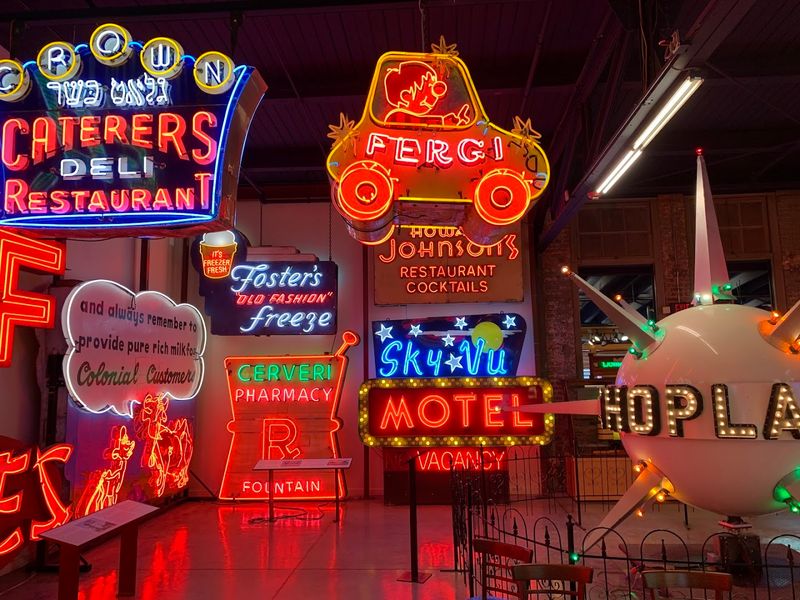
Hit play on the museum’s free self guided audio tour and your visit instantly gains depth. Bring headphones so you can pause for photos without broadcasting narration to strangers.
Each stop folds in maker names, shop lore, and restoration notes that turn pretty lights into living artifacts with families and provenance.
You control the pace, skipping around or lingering, which suits kids, design nerds, and casual wanderers equally well. Pair the guide with posted labels for a tidy balance of story and surface detail.
When you leave, you will remember voices and techniques, not just colors, which makes the glow feel surprisingly personal. It is like having a kind, patient curator walk beside you without pressure.
10. Relaxed Vibes, Easy Access
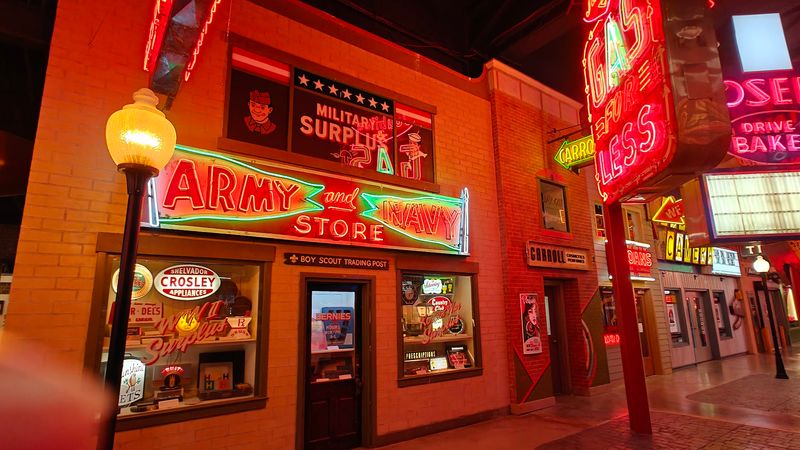
The museum’s vibe is relaxed and welcoming, with friendly staff who seem genuinely happy you are there. Benches appear when you need them, restrooms sit at both ends, and aisles are generous for strollers and wheelchairs.
If crowds build, the layout still allows little pockets where you can reset and breathe.
Families can make a scavenger hunt of finding mascots and numbers, while photographers chase colors without blocking pathways. Staff answer questions with patience, and a demo or tour can break up the walk for younger legs.
Even on a quick stop, you will leave calmer than you arrived, carrying a pocketful of electric joy. It feels inclusive, low stress, and perfect for mixed age groups exploring together.