Hidden in a restored 1908 firehouse downtown, the Central Ohio Fire Museum is the kind of place that grabs your curiosity and will not let go. You step in for the firetrucks and walk out with real safety know-how, heartfelt stories, and a new appreciation for Columbus history.
Guides bring the past to life with humor, heart, and hands-on learning that kids and adults both love. If you think you have seen every museum in Ohio, this surprise will prove you wrong in the best way.
1. The 1908 Engine House
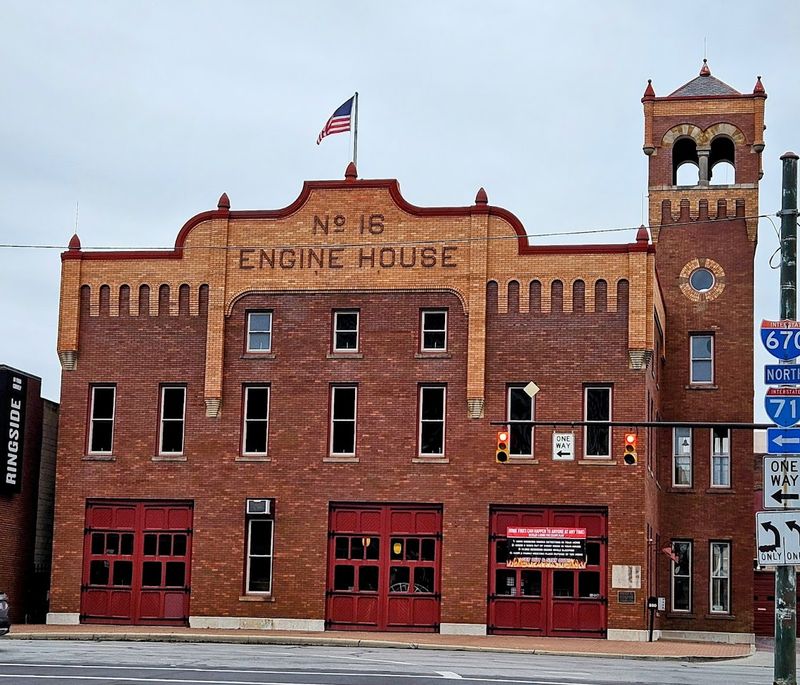
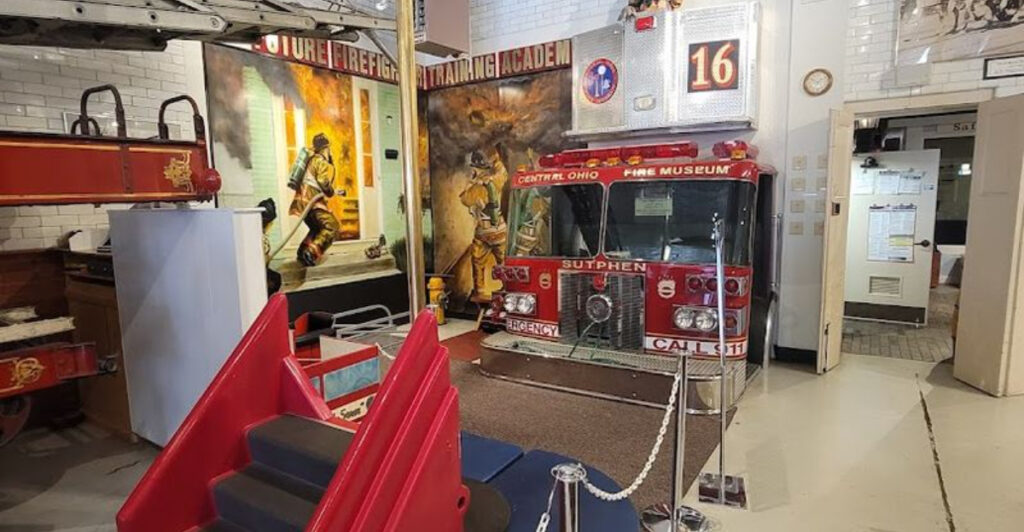
Step inside the Central Ohio Fire Museum and you immediately feel the bones of 1908. The former Engine House No. 16 still shows its brick arches, brass poles, and sturdy timber framing.
You can sense horses once stamping, doors thrown open, and crews racing toward smoke on Fourth Street.
Today the space holds artifacts and teaches safety, yet the building itself is the star. Original tile floors, restored windows, and the hose tower reveal how every inch once served a purpose.
Visiting here connects you to the craft, the courage, and the everyday routines that protected Columbus.
Interpretive panels explain the station layout, from sleeping quarters to apparatus bays, making the architecture easy to read. Even the ceiling soot and wear patterns hint at steam heat, coal dust, and years of constant readiness.
It feels authentic, intimate, and quietly heroic, a perfect setting to learn why firefighting history still matters.
2. Guided Tours That Bring Stories Alive
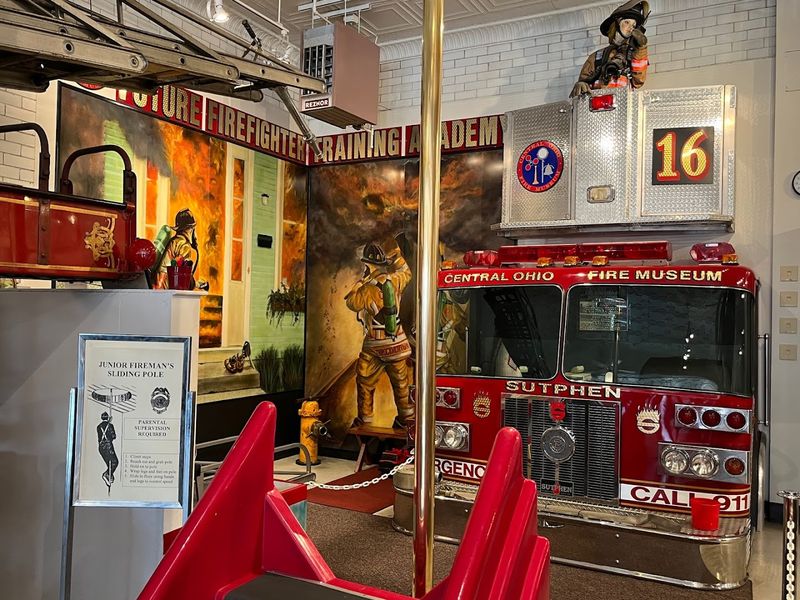
Take the guided tour and you will hear vivid stories, names, and calls that turn static objects into living moments. Former firefighters like Clem share how runs unfolded, what signals meant, and which split second choices saved lives.
You will touch textures, hear sirens, and step through time without ever feeling lectured or lost in jargon.
The best part is how questions spark memories, so every tour feels personal, flexible, and tuned to your curiosity. Whether you love engineering, local history, or family stories, the guide finds the angle that keeps you engaged.
Trust me, the guided route adds layers you would never catch alone, and it is absolutely worth the modest admission.
You will leave with practical safety tips and a deeper appreciation for the people behind the helmets. That combination of heart and know how is the signature of this tour experience.
Bring questions, and they always shine.
3. From Horse-Drawn Rigs to Motorized Engines
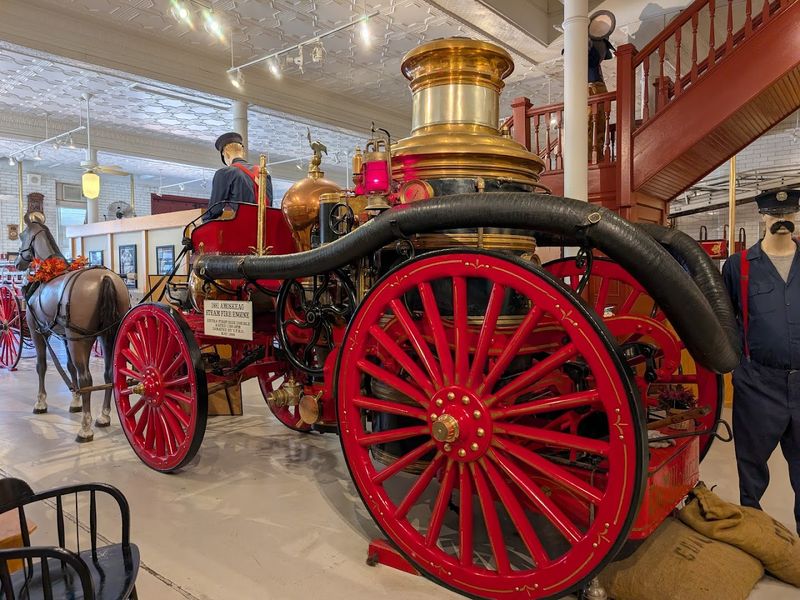
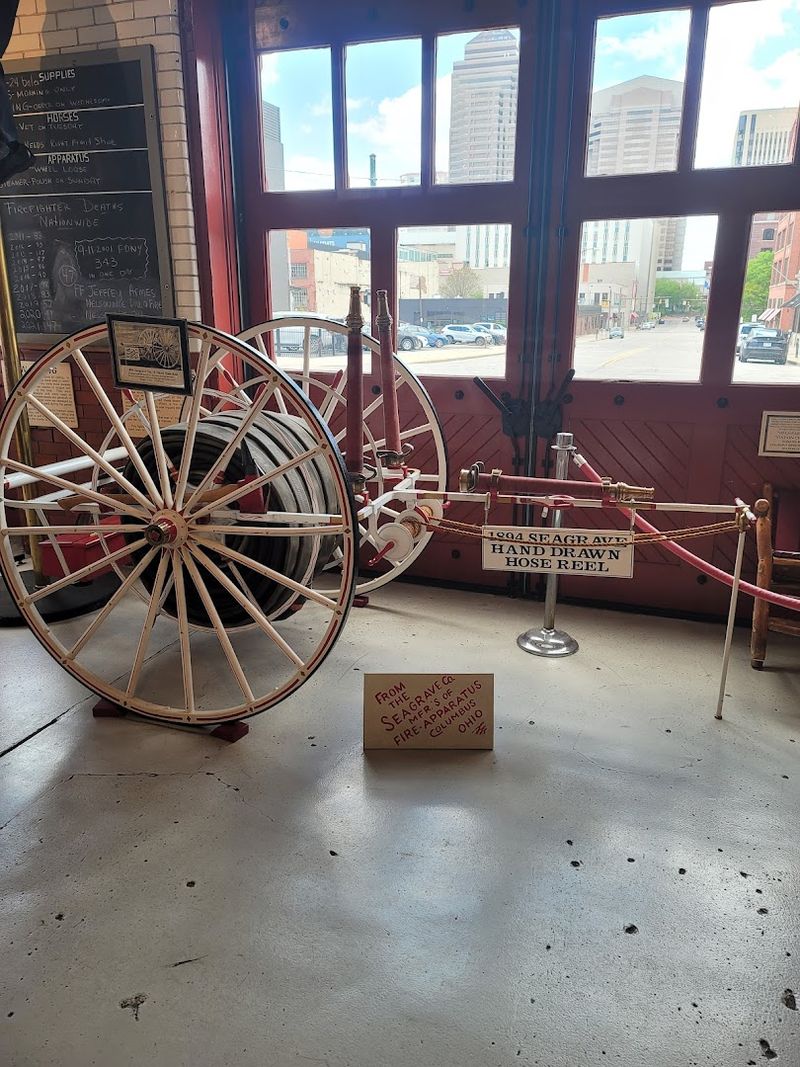
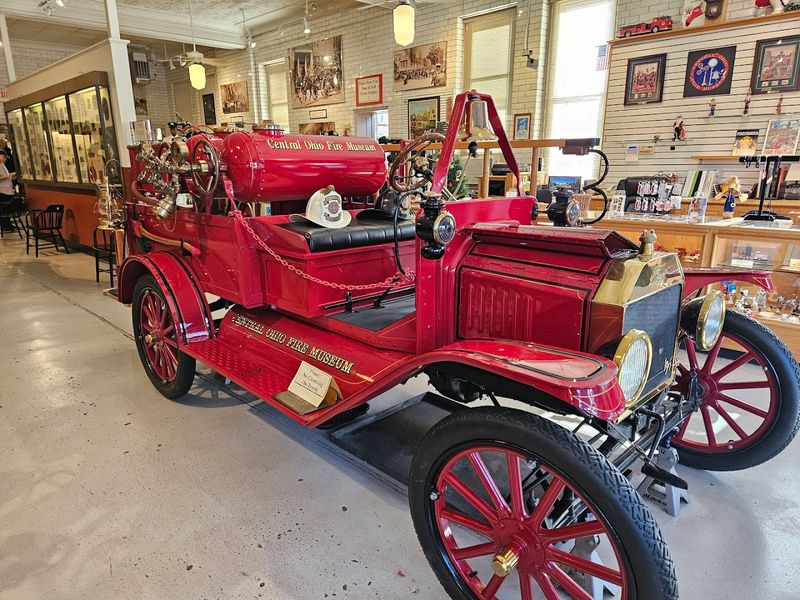
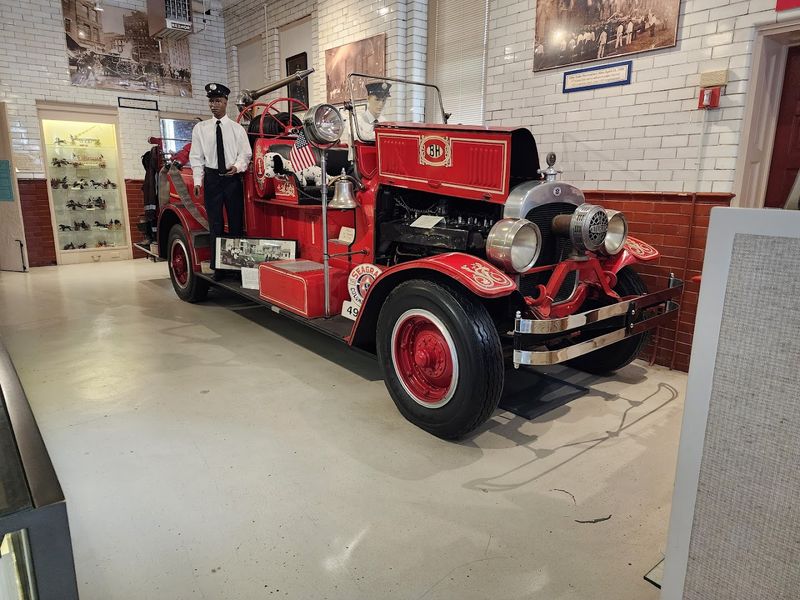
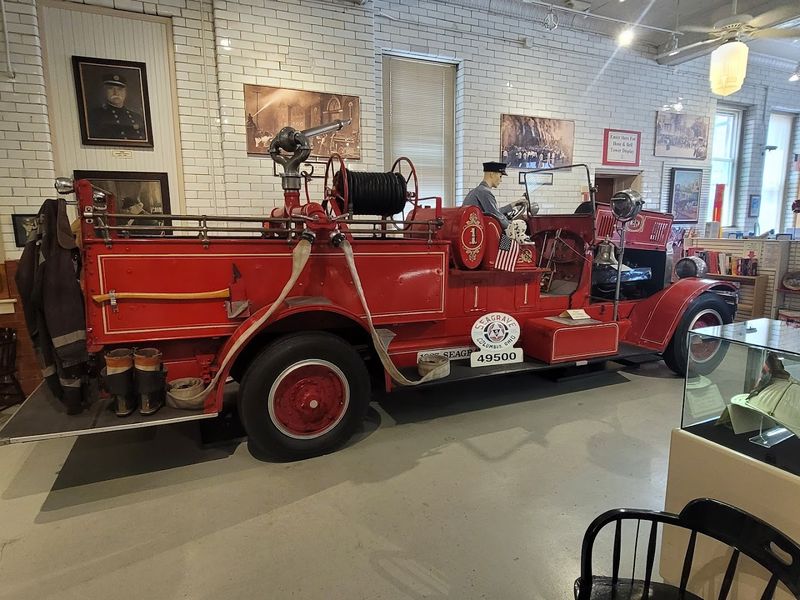
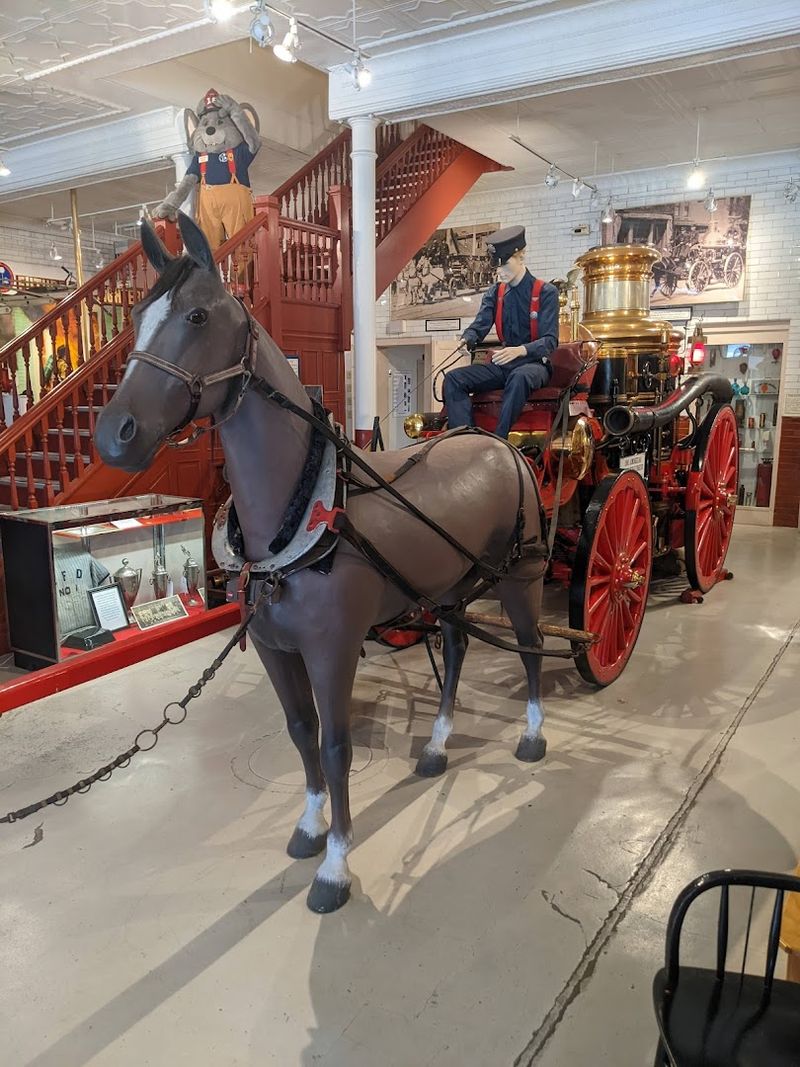
The collection traces technology from hand pumpers and horse drawn steamers to gleaming motorized engines that transformed response times. You can stand beside iron shod wheels, smell old leather harnesses, and imagine hoofbeats echoing through brick corridors.
Then the lines shift to chrome, enclosed cabs, radios, and the evolving safety features that protected crews and neighborhoods.
Guides unpack how steam pressure worked, why hose materials changed, and what maintenance kept rigs reliable during brutal winters. You will learn how sirens replaced bells, how carburetors yielded to fuel injection, and how equipment footprints reshaped station design.
It is a timeline you can feel, turning mechanical progress into something human, immediate, and surprisingly moving.
Bring kids who love machines, because the sheer scale of ladders, pumps, and tires makes classroom diagrams finally click. You might not expect beauty here, yet the craftsmanship and purposeful design feel elegant in their own way.
Honestly.
4. The Hose Drying Tower Explained
The hose tower rises above the roofline, a vertical reminder that firefighting once hinged on canvas, drying time, and gravity. After a fire, crews hauled heavy, waterlogged lengths skyward to prevent rot, mildew, and catastrophic failures during the next call.
You can peer upward and picture the daily choreography that kept equipment trustworthy despite Columbus winters.
Exhibits explain how modern synthetic hose changed maintenance routines, yet the tower stays as a teaching tool and architectural landmark. Kids love discovering that the building itself was equipment, a perfectly engineered accessory to the job.
Once you see that, every pulley, door, and window becomes part of a clever system serving speed and safety.
Ask a guide to share stories of frozen lines, frantic repairs, and teamwork, and you will gain real respect fast. Suddenly routine maintenance feels heroic, the quiet discipline that makes dramatic rescues possible.
You will never overlook it again.
5. Future Firefighter Play Area
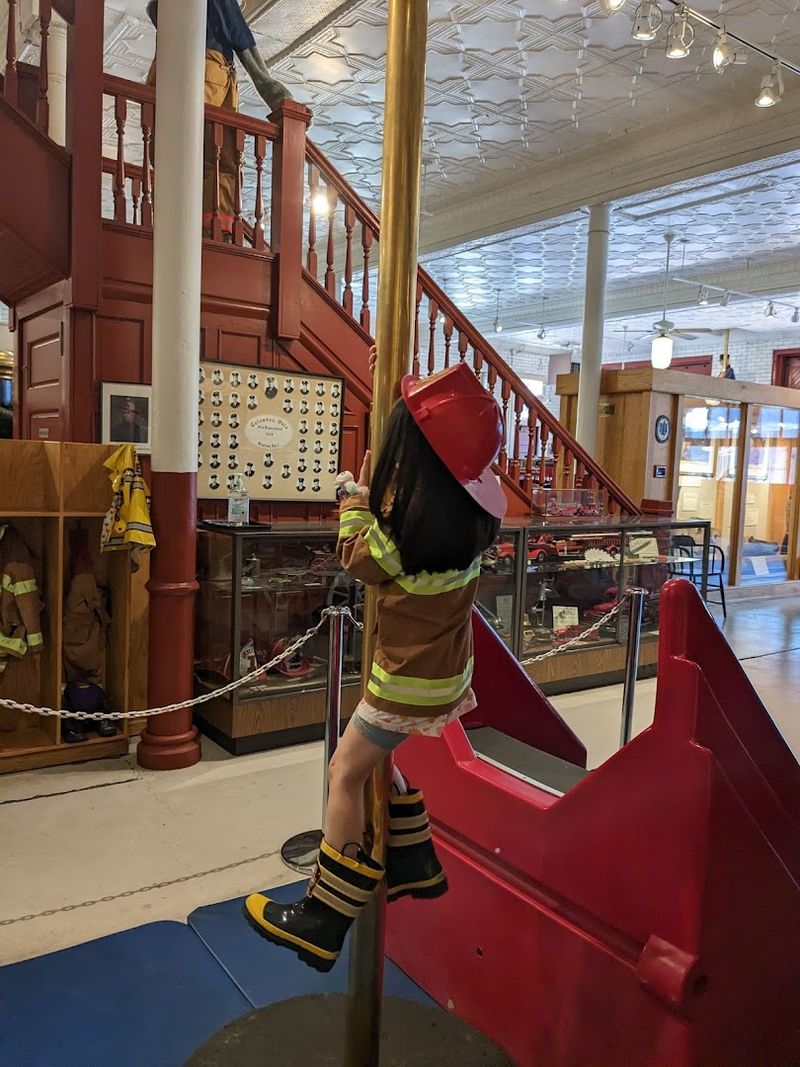
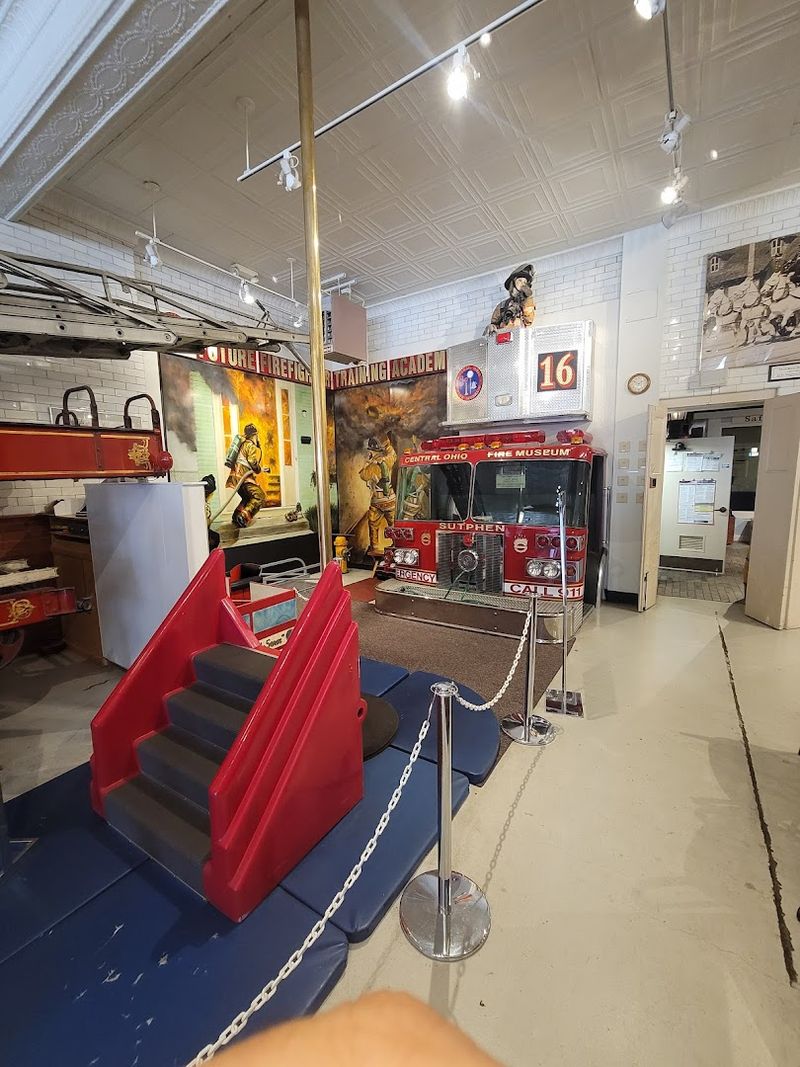
After the tour, kids beeline to the Future Firefighter training zone, where imagination meets hands on learning. There are pint sized coats, helmets, a kid safe pole, and mini rigs to drive while pretending to respond.
You can coach them through teamwork, communication, and observation skills while they play.
Parents appreciate the clean space, gentle supervision, and the way play quietly reinforces safety messages shared earlier in the tour. If your little one adores firetrucks, this corner can hold attention far longer than you planned, which is wonderful.
Snap photos, celebrate their bravery, and let them practice calling 911, memorizing an address, and crawling low under pretend smoke.
The pretend tasks make serious topics feel approachable, creating confidence that can translate into calm action at home. You leave smiling, and they leave empowered, which is a perfect family win.
Plan extra time, because prying them away can be surprisingly tough.
6. Hands-On Fire Safety: Safe Bedroom and Kitchen
The life size Safe Bedroom and Safe Kitchen models turn abstract warnings into memorable, repeatable behaviors you can practice. Guides teach smoke alarm sounds, door back checks, and low crawling while kids navigate a smoky, simulated scenario.
In the kitchen, you learn pan lid smothering, safe reach zones, and why water plus grease is dangerous.
What stands out is how non scary, hands on practice cements habits, so adults absorb lessons right alongside children. You walk away confident about meeting points, extinguisher types, and how to coordinate a simple plan for your household.
Honestly, every city should offer this exact lab, because it turns knowledge into muscle memory quickly.
If you have grandparents or babysitters, invite them along, so everyone hears the same clear guidance. Shared language makes a real difference when seconds count and nerves spike.
This room alone justifies the visit, and it sticks with you for years.
7. The Heart Mobile Exhibit
A Columbus original, the Heart Mobile represents a leap in prehospital cardiac care, bringing lifesaving tech closer to patients. At the museum, you can examine equipment, hear how protocols evolved, and appreciate partnerships that linked firefighters with physicians.
It is a story about innovation, teamwork, and courage that continues to ripple through modern EMS.
The display feels especially timely as communities rethink emergency response, telemedicine, and the blend of clinical and field care. You will leave with a new respect for how fire departments became crucial partners in everyday health outcomes.
Ask a guide to share local stories, and the exhibit becomes even more personal.
Whether you love medical history or civic problem solving, this is a highlight you should not miss. It captures Columbus creativity and the practical courage to test new ideas under real pressure.
Stand close, and imagine the first patient who benefited because people dared greatly.
8. Stables, Tack, and the Speed of a Turnout
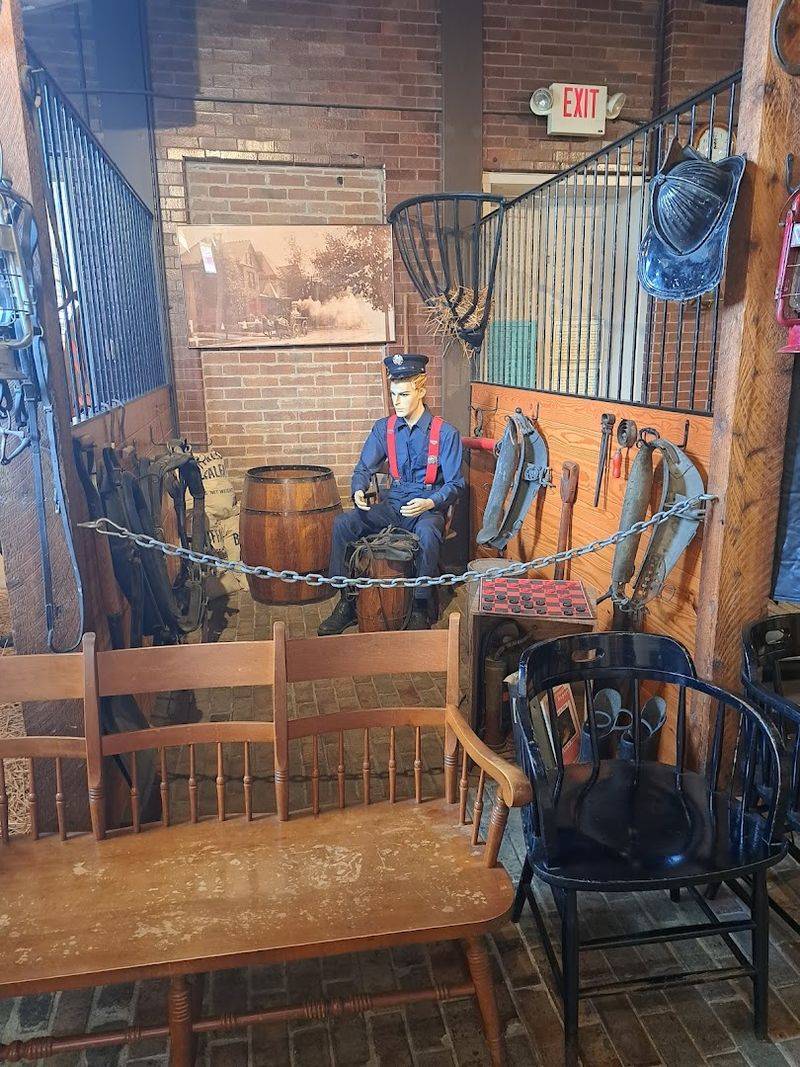
Before engines roared, horses were the muscle, and their stables remain part of the museum experience. You will see where harnesses hung ready, how stalled teams were positioned, and how doors enabled lightning fast exits.
A quick demonstration explains how crews hitched gear in seconds, so speed started before the first hoof struck street.
The tactile evidence is unforgettable, especially for younger visitors who only know diesel engines and electronic sirens. Suddenly history is not abstract, it is hoof oil, leather, sweat, hay, and careful training turned into public safety.
You will never see a horseshoe the same way again.
Ask about winter routines, and you will hear how blankets, warm mash, and constant care protected four legged partners. That respect for animals under pressure shaped the culture of teamwork still visible in modern crews.
It is humble, practical, and deeply moving to consider their service to the city daily.
9. Memorials and Tributes on the Grounds
Outside and inside, tributes honor firefighters by name, including engraved pavers that families personalize with stories and nicknames. Reading them feels intimate, a reminder that service is local, generational, and built on relationships.
One stone might spark a memory of a neighbor, another might inspire a conversation about sacrifice with your kids.
Inside, exhibits handle loss with grace, balancing honesty with gratitude, and guiding visitors toward practical ways to support departments. You can add a name, sponsor a program, or simply carry the lessons carefully back into daily life.
It is grounding, and it reminds you that history is made by neighbors who choose to help.
If you come to remember someone specific, call ahead, because staff can share records or photographs. That personal touch is a hallmark here, and it keeps stories alive for years.
The museum makes space for grief, gratitude, hope, and action together in this place.
10. Perfect for Groups, Schools, and Birthdays
The museum shines for field trips and group outings, blending clear education with hands on moments that stick. Teachers love the curriculum links, age sensible pacing, and flexible routes for different attention spans.
Birthday parties layer fun onto substance, pairing playtime with a safety lesson that parents quietly appreciate.
Groups can request emphasis on science, local history, or careers, and guides adjust tone to match your crowd. Practical details matter too, like bus parking, nearby lunch spots, and time estimates to fit tight schedules.
Call ahead, share goals, and they will build a visit that feels tailor made.
If your group includes sensory learners, note the siren sounds and ask for accommodations, which staff handle kindly. Everyone leaves with conversation starters, shared memories, and a few practical skills they can use immediately.
That mix turns a simple outing into something meaningful your crowd will reference long after the bus ride.
11. Planning Your Visit: Hours, Parking, Tips
Plan around the schedule, because the museum is open Tuesday through Friday from ten to four, and closed weekends. It is a compact experience, often an hour or two, so downtown errands can easily fit around it.
Parking is limited on site, with street options nearby, so bring a few quarters or a payment app.
Call ahead for tour times, accessibility questions, and group needs, including quieter visits for sensory sensitive guests. The website posts updates, but a quick phone call ensures you catch any special exhibits or closures.
Bring curiosity, comfortable shoes, and a willingness to listen, because the guides make everything richer.
If you want lunch, ask staff for nearby recommendations, since plenty of tasty options sit within a short walk. Admission is reasonable, and donations help preserve the building and programs for future visitors.
Bring a camera, because there are delightful photo moments everywhere for your album.
12. Volunteers, Retirees, and the Human Heart
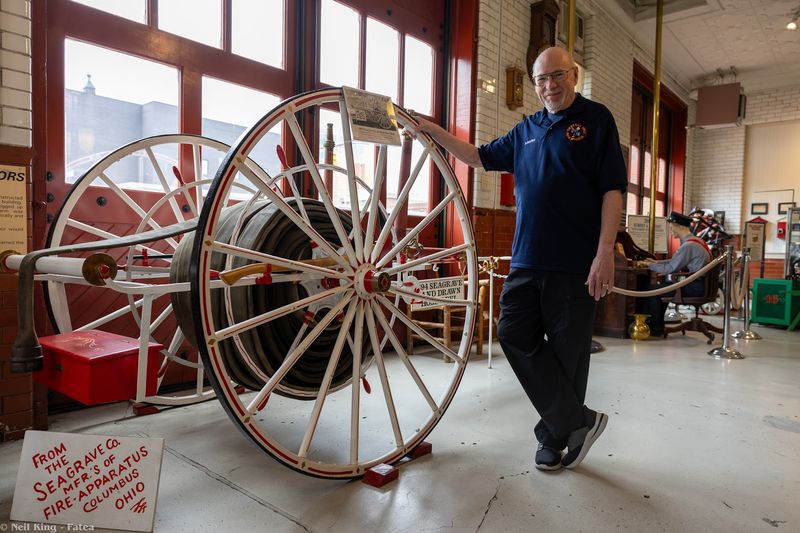
The soul of this museum is its people, many of them retired firefighters who still love to serve. Their voices carry humor, humility, and hard won wisdom that textbooks can never hold.
You will feel welcomed, seen, and encouraged to ask anything, no matter how basic.
Those conversations animate the artifacts, turning bright paint and polished brass into tools used by neighbors with families. You hear about triumphs, near misses, practical pranks, and the deep pride of protecting a city together.
Leave a note, shake a hand, and know your visit helps keep that living history alive.
If you have service in your background, you will feel at home, and your insights belong here. If not, you will still walk away with a renewed sense of community and gratitude.
Either way, the human connection is the real treasure you will remember long after sirens fade on a quiet evening walk.
Share this story