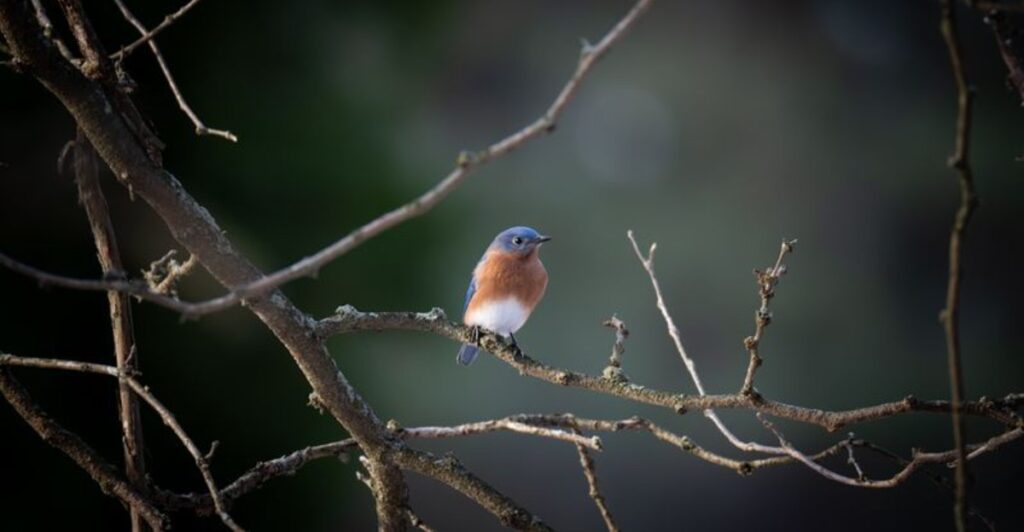
Michigan feels completely different when you trade traffic noise for rustling trees, distant calls, and the sound of wings overhead. Across the state, bird sanctuaries protect important places where cranes, loons, warblers, waterfowl, and other species can rest, feed, nest, and move through during migration.
The appeal comes from how peaceful these landscapes feel, whether you are standing near Lake Erie wetlands or watching the sky at Whitefish Point. Even a short visit can turn into an exercise in slowing down and paying closer attention.
For anyone craving a quieter side of the Great Lakes State, these Michigan bird sanctuaries offer plenty of reasons to bring binoculars and linger awhile.
1. Whitefish Point Bird Observatory, Paradise: Where Hawks Hesitate Before Superior
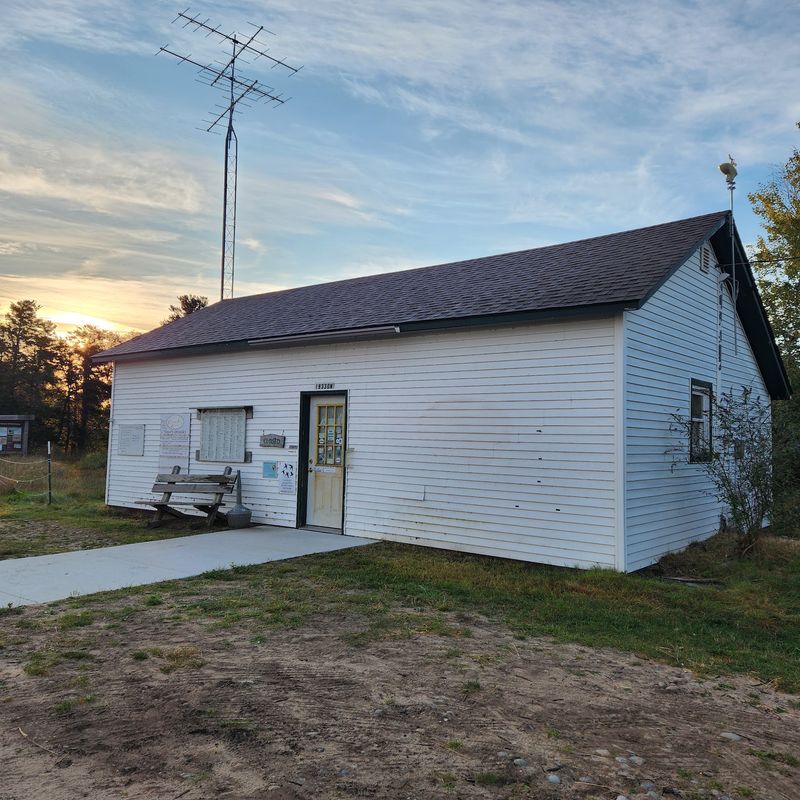
Wind runs the show at the tip of Whitefish Point. On a clear spring morning, hawks and eagles pile up over the jack pines, circling as they size up the big crossing over Lake Superior toward Canada.
That hesitation is exactly why birders drive this far north.
The point works like a funnel. Birds heading north follow the shoreline, and when land runs out, they bunch together before pushing on.
In April and May, that can mean a steady stream of raptors, while late spring brings waves of songbirds dropping into the scrubby woods to rest.
Owls are the local celebrities. Researchers have studied night migration here for years, and the site is well known for its owl work, so ask about evening programs or banding demonstrations before you go.
Michigan Audubon runs the observatory and posts current schedules.
Fall shifts the focus to the water. Loons, grebes, ducks, and other waterbirds stream past the beach, and counters keep careful tallies from a lakeside spot.
Bring a spotting scope if you have one, since many birds stay far offshore.
Down on the beach, piping plovers have nested in protected areas, so pay attention to posted signs and roped zones. These tiny, sand-colored shorebirds are easy to miss and easy to disturb.
Giving them room matters more than getting a close photo.
The quiet here has a different texture. Waves hiss against smooth stones, wind rattles the dune grass, and the Great Lakes Shipwreck Museum sits nearby as a reminder of how rough this lake can turn.
The Edmund Fitzgerald went down in these waters in 1975.
Pack layers even in June. The point often runs much colder than towns just inland, and the boardwalk gets breezy fast.
A thermos and good gloves help you settle in and let the birds set the timing.
2. Capital City Bird Sanctuary, Delta Township: River Woods on Lansing’s Doorstep
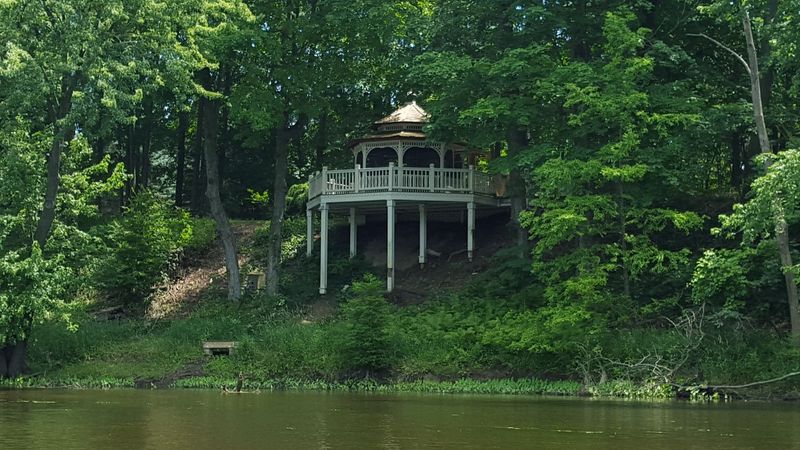
Lunch breaks have been known to stretch a little long here. Tucked into Delta Township on the west side of Lansing, Capital City Bird Sanctuary gives you a pocket of floodplain woods and river views without a long drive.
It’s the kind of spot you can reach after work and still catch the evening chorus.
Size is part of the charm. The sanctuary is small, managed by Michigan Audubon, and the trails are short enough to walk slowly without worrying about the clock.
That slower pace actually helps, because the birds in thick river woods reward patience over mileage.
The Grand River shapes everything. Floodplain forests like this one attract woodpeckers, warblers during migration, and herons working the shallows.
In spring, listen for the loud, bubbly songs of wrens and the sharp calls of cardinals staking out territory.
Mud is a real factor. River sanctuaries flood, and low trails can stay soggy well after a rain, so waterproof boots beat sneakers most of the year.
Here’s a practical trick for city-edge birding: stop every hundred steps and stand still for a full minute. Traffic noise fades into the background once your ears adjust, and small movements in the brush start to pop out.
You’ll likely see twice as many birds as you would on a brisk walk.
Beginners do well here too. Because the sanctuary is close to Lansing, it makes a low-pressure place to practice with new binoculars or test a bird ID app.
Parking and access details can change, so look at the Michigan Audubon website before heading out. Leave pets at home unless rules say otherwise, and stay on marked paths to protect the fragile riverbank.
Morning light along the water is soft and low, and that early window is when the woods sound busiest.
3. Otis Farm Bird Sanctuary, Hastings: Chasing Sky-Blue Warblers
Look up. Way up.
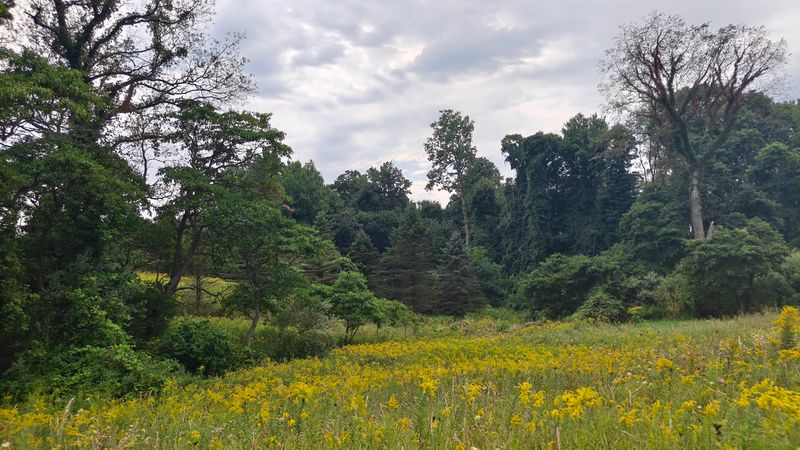
At Otis Farm Bird Sanctuary near Hastings, the star bird spends most of its time in the highest branches of tall hardwoods, and that bird is the cerulean warbler, a sky-blue songbird that has become harder to find in many places.
Michigan Audubon manages this property, and birders know it for warblers. A mix of mature forest, wet bottomland, and open edges gives many species room to nest.
Late May through June is prime time for hearing them sing.
Neck strain is a real hazard, so here’s a tip from seasoned warbler watchers. Learn the song first, then track the bird by ear before raising your binoculars.
The cerulean’s buzzy, rising song is easier to follow than trying to spot a tiny blue dot against bright leaves.
Other forest regulars keep things lively. Scarlet tanagers flash red in the canopy, wood thrushes sing their flute-like phrases near dusk, and woodpeckers drum on dead snags.
Each trail loop offers slightly different habitat, so switching routes on a second visit can change your list completely.
Farm history lingers in the name and the landscape. Old field edges and hedgerows remind you that this land was once worked, and those transitions between open ground and woods are often the busiest spots for birds.
Bugs deserve a warning. Mosquitoes and deer flies can be fierce in early summer, so long sleeves, a hat, and repellent will make your walk far more pleasant.
Check yourself for ticks afterward too.
Barry County has celebrated these warblers with a special birding weekend in past years, bringing guided walks to the area. If you’re new to forest birding, joining a group like that helps you learn songs faster.
Otherwise, arrive early, walk slowly, and give your ears the lead.
4. Tawas Point State Park, East Tawas: A Sandy Landing Strip for Migrants
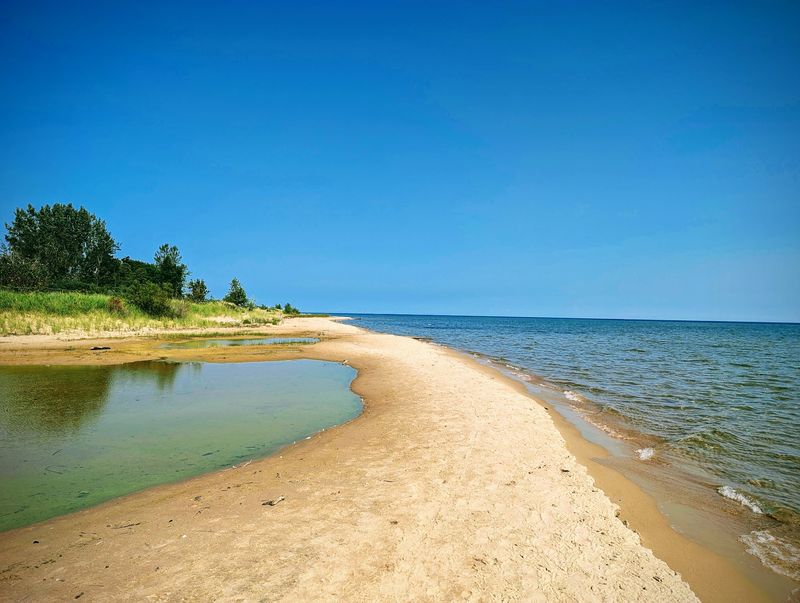
Some people call it the Cape Cod of the Midwest, and one look at the curling sand spit explains why. Tawas Point pokes into Lake Huron like a crooked finger, separating Tawas Bay from the open lake.
For migrating birds, that finger is a landing strip.
May is the month to circle on your calendar. Warblers, orioles, tanagers, and flycatchers often drop onto the point after crossing Saginaw Bay, and on a good morning the low shrubs can seem to wiggle with color.
Birders time trips around weather fronts, since certain winds can push big numbers onto the tip.
The best part? Many birds feed close to the ground here because the trees are short and scrubby.
You don’t always need to crane your neck, and photographers love the eye-level views.
A white lighthouse stands near the point, adding a classic Great Lakes backdrop to your birding. The Tawas Point Lighthouse dates back to the 1870s, and tours are sometimes offered in warmer months.
Shorebirds work the sandy beaches too. Watch for sandpipers skittering at the waterline and terns plunging into the shallows.
Piping plovers have been spotted on Great Lakes beaches like this, so respect any fenced areas.
Crowds can build during spring migration weekends, especially around the annual birding festival held in the area. Weekday mornings bring a calmer vibe, and walking the Sandy Hook Nature Trail loop early lets you enjoy the point before the beach crowd arrives.
A Michigan Recreation Passport is required for vehicle entry to state parks, so add it when renewing your license plate or buy one at the gate. Bring sunscreen even on cool days, since sun bouncing off sand and water adds up fast.
Pack a snack, find a bench, and let the migrants come to you.
5. Bernard W. Baker Sanctuary, Bellevue: Where Michigan’s Crane Comeback Began
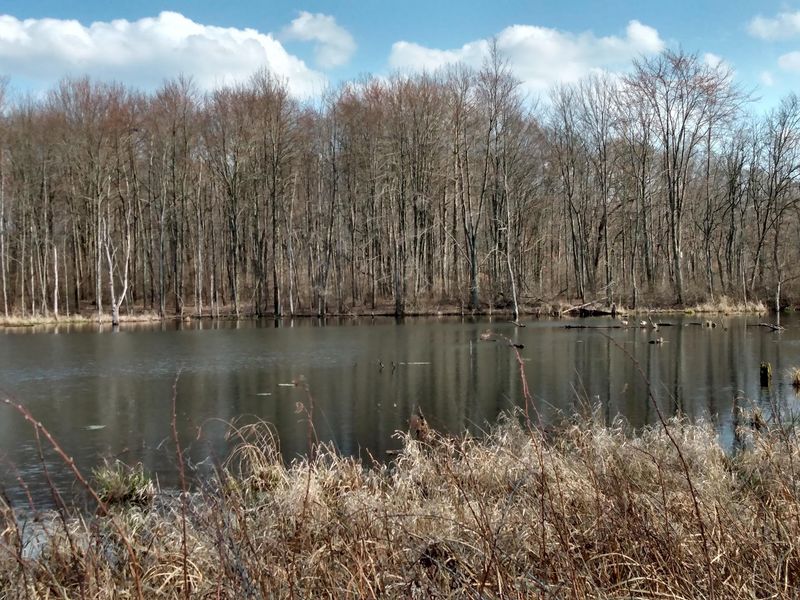
Back in 1941, Michigan Audubon set aside its very first sanctuary, and it chose a marshy stretch of Calhoun County near Bellevue. The goal was simple: protect sandhill cranes when their numbers in the state were worryingly low.
Decades later, those tall gray birds are the reason you’ll want to visit.
Autumn turns the evenings into a show. In October and November, cranes gather in large numbers, flying in at dusk to roost in the marsh.
Their rolling, trumpet-like calls carry across the fields long before you see them.
Timing is everything. Arrive about an hour before sunset, pick a viewing spot, and stay put.
The first cranes usually appear as small lines on the horizon, and the flights can keep coming until the light fades.
Pack warm clothes, even if the afternoon seems mild. Once the sun drops, marsh air chills fast, and you’ll be standing still for a while.
A camp chair and a pair of binoculars make the wait comfortable.
Spring offers a quieter kind of visit. Pairs of cranes perform bouncing, wing-flapping dances as nesting season begins, and the trails through meadow and woods are busy with songbirds.
Watch for bluebirds, swallows, and red-winged blackbirds claiming fence posts and cattails.
A crane festival has been held near the sanctuary in past years, drawing crowds with talks and guided viewing. If big events aren’t your style, pick a weekday during peak season instead.
The birds show up either way.
One quick history note makes the scene even better. Sandhill cranes are among the oldest bird species still living, with fossil relatives dating back millions of years.
Standing in a marsh as they drop from the sky, you’re watching a routine that started long before anyone built a road to get here.
6. Peninsula Point, Rapid River: Butterflies, Hawks, and a Lonely Lighthouse
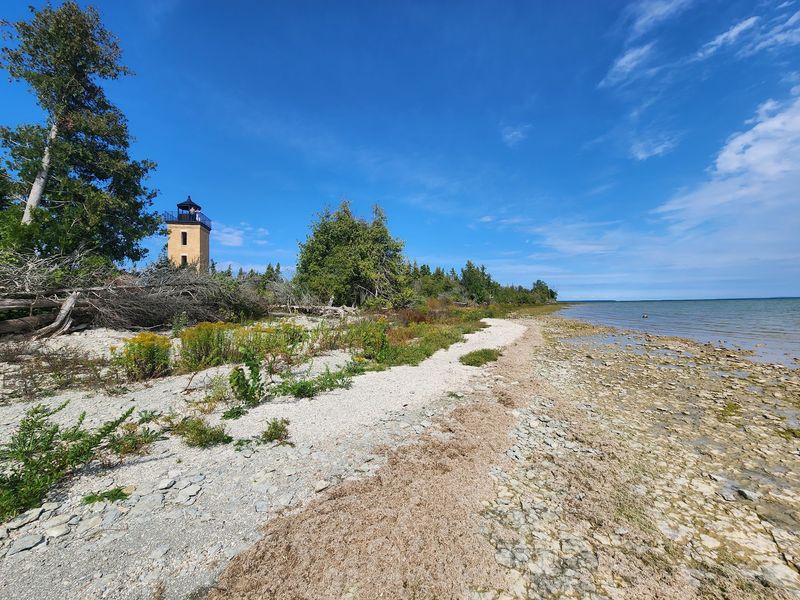
Orange wings, by the hundreds. In late summer, monarch butterflies gather at Peninsula Point before crossing Lake Michigan on their long trip south, and the cedars can look like they’ve sprouted living leaves.
Birds use the same shortcut, which makes this narrow tip of the Stonington Peninsula a spring and fall hotspot.
The drive in is part of the adventure. A slender gravel road winds through the Hiawatha National Forest toward the point, and it can be tight for larger vehicles.
RVs and trailers are a bad idea, so plan accordingly or walk the last stretch if needed.
At the end waits a lighthouse tower, the surviving piece of an old light station. You can climb the spiral stairs for views over Little Bay de Noc and Lake Michigan.
From the top, scan for eagles, gulls, and ducks rafting on the water.
Spring migration brings warblers, vireos, and thrushes that follow the peninsula as a guide. Hawks cruise along the shoreline too, and on the right day you might count dozens.
The rocky shore below the tower is a good place to scan for shorebirds resting between flights.
Monarch watching peaks from mid-August into September, depending on weather. Calm, sunny afternoons are best, when butterflies cluster on trees before heading out.
Please look without touching, since handling can damage their delicate wings.
Facilities are basic, so bring water, snacks, and bug spray. Cell service can be spotty, which honestly adds to the appeal.
Pair a visit with a stop in nearby Rapid River or Escanaba for food, since options on the peninsula itself are limited. Plan at least two hours, more if the hawks are flying.
The quiet at the point comes with lapping water and wind in the cedars, and it rewards anyone willing to sit on the rocks and wait.
7. Sarett Nature Center, Benton Harbor: Boardwalk Birding at Eye Level
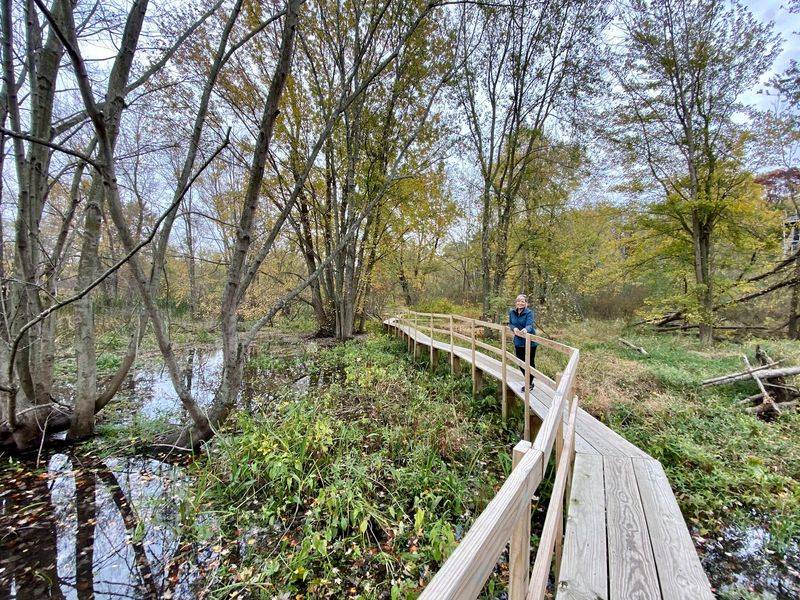
Boardwalks change how you move through a wetland. At Sarett Nature Center, raised wooden paths carry you over marsh and swamp along the Paw Paw River, putting you right at eye level with cattails, frogs, and birds that would normally be hidden behind soggy ground.
Southwest Michigan’s mild climate helps here. Spring can arrive a little earlier than in the northern parts of the state, so early migrants and wildflowers sometimes show up sooner.
Late April and May bring a steady flow of warblers through the woods.
Trails wind through forest, fields, and wetlands. Each habitat attracts different birds, so a single loop can turn up woodpeckers in the trees, sparrows in the meadows, and herons stalking the water.
Viewing spots along the way give you open looks over the marsh.
Families get plenty to do. The nature center building often has displays and hosts programs, from guided bird walks to kid-friendly classes.
Checking the events calendar before your visit can turn a regular walk into a lesson with an expert.
Here’s a small habit that pays off: carry a pocket notebook. Jot down the time, the weather, and what you see at each boardwalk section.
After a few visits, you’ll start to notice patterns, like which spots stay busy at dawn and which come alive in late afternoon.
Winter shouldn’t scare you off. Snow on the boardwalks is peaceful, and winter flocks of chickadees, nuthatches, titmice, and woodpeckers roam the woods.
Tracks in fresh snow tell stories about foxes, deer, and rabbits too.
Be aware that boardwalks can get slippery after rain or frost. Wear shoes with good grip, and watch your step near edges.
Benton Harbor and St. Joseph are close by for a post-walk meal, making Sarett an easy half-day trip.
8. Shiawassee National Wildlife Refuge, Saginaw: Michigan’s Everglades by Car
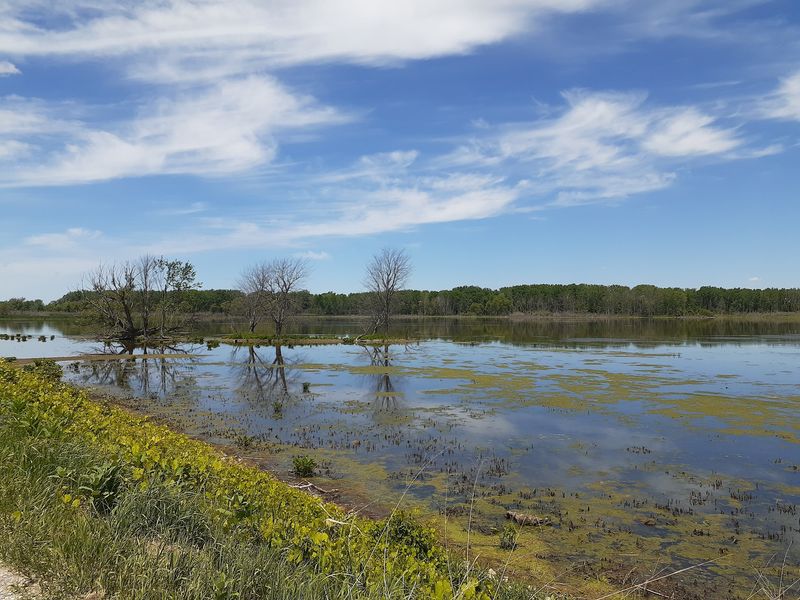
Nicknames can be a stretch, but calling this area Michigan’s Everglades isn’t far off. Four rivers come together near the Shiawassee National Wildlife Refuge, creating a sprawling maze of marshes, bottomland forest, and flooded pools south of Saginaw.
Car birding works surprisingly well here. The Wildlife Drive lets you roll slowly through wetland pools, and your vehicle acts like a moving blind.
Birds often ignore cars, while a person stepping out can send them flying. It’s one of the easiest ways to get close.
Seasons matter, since the drive isn’t open every day of the year. Check the refuge website for current hours and dates before you go.
Weekend openings can bring more traffic, so a weekday visit tends to be calmer.
Fall is huge for waterfowl. Thousands of ducks and geese can settle into the pools, along with tundra swans passing through.
Bald eagles are regular sights, perched in dead trees or cruising low over the water looking for an easy meal.
Spring brings a different crowd. Shorebirds poke through mudflats, egrets stand like white statues in the shallows, and songbirds sing from the forest edges.
Early mornings are the busiest and the coolest, which matters once summer heat settles over the flats.
Walking trails offer another way to explore. Some routes follow dikes along the water, giving you wide-open views and plenty of room to set up a scope.
Bring bug spray from late spring through summer, because the mosquitoes here take their job seriously.
A quick tip for photographers: keep your windows down and your engine off when you stop, if rules allow. Vibration ruins long-lens shots, and quiet engines let you hear rails and bitterns calling from the reeds.
Pack snacks and water too, since services inside the refuge are limited.
9. Lake Bluff Bird Sanctuary, Manistee: Garden Paths Above Lake Michigan
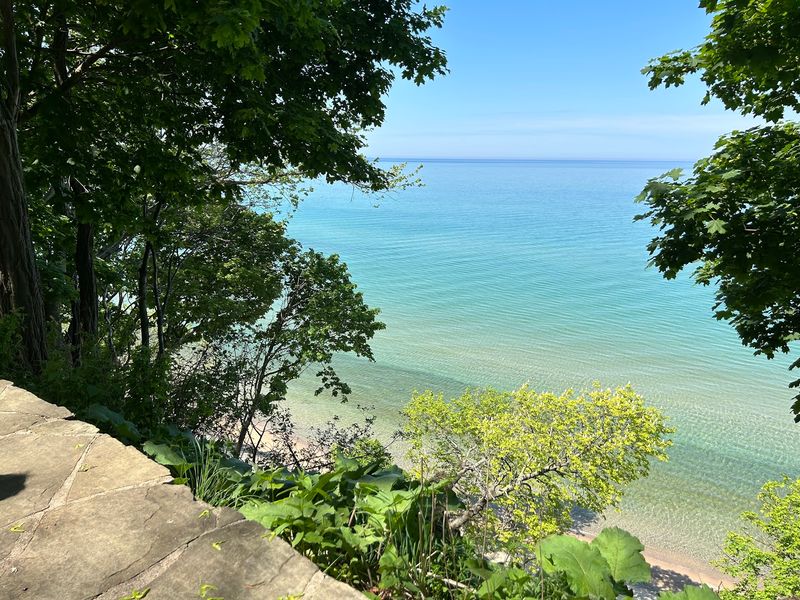
Imagine a birding spot with a lawn. Lake Bluff Bird Sanctuary sits on a high bluff above Lake Michigan just north of Manistee, and much of it once belonged to a private estate.
The result is part garden, part woodland, and part lookout over one of the biggest views in the state.
Former owners planted a wide variety of trees and shrubs here over the years, some of them unusual for northern Michigan. Walking the grounds can seem like wandering through an outdoor tree museum.
Birds appreciate the variety, since different plants mean different seeds, fruits, and insects.
Michigan Audubon now cares for the property. Paths loop through the plantings and out toward the edge of the bluff, where you can scan the water for gulls, ducks, and loons.
Spring and fall bring migrants moving along the shoreline.
Stay back from the bluff’s edge. Sandy cliffs along Lake Michigan can erode and collapse without much warning, and the view is just as good from a safe distance.
Keep children close in these areas.
Evening walks are a treat. Sunsets over Lake Michigan paint the water orange and pink, and robins and thrushes often sing late into the dusk.
Bring a light jacket, since breezes off the lake cool things quickly.
Easy wandering suits this place better than serious hiking. Trails are short and relaxed, which works well for older walkers, young kids, or anyone who prefers to stop often.
A small field guide to trees pairs nicely with your bird guide here.
Manistee’s downtown and riverwalk sit just a few minutes away, so you can easily combine a morning at the sanctuary with lunch in town. Check Michigan Audubon’s website for visiting hours and any seasonal events.
Arriving early gives you the grounds nearly to yourself, with only waves and birdsong for company.
10. W.K. Kellogg Bird Sanctuary, Augusta: A Cereal Pioneer’s Gift to Waterfowl
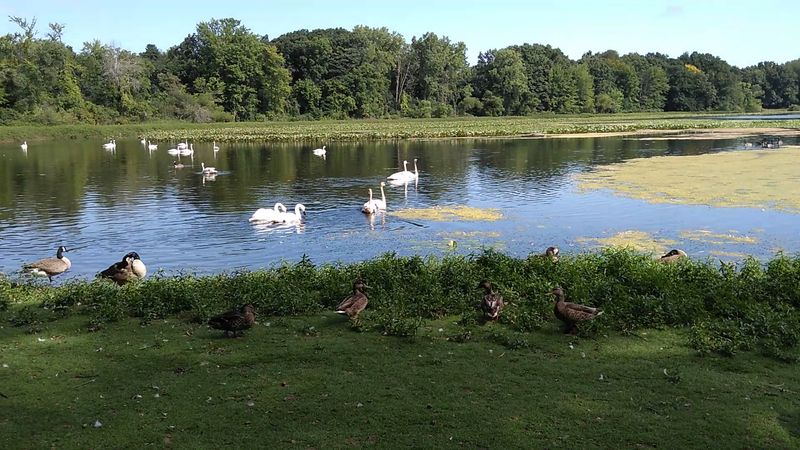
Cereal money built this place. In 1927, W.K.
Kellogg, the breakfast food pioneer, founded a sanctuary on Wintergreen Lake near Augusta to give waterfowl a safe home. Today it’s part of Michigan State University’s Kellogg Biological Station, blending research, education, and easygoing strolls.
Wintergreen Lake sits at the heart of it all. Paths circle the shoreline, where you can watch ducks, geese, and swans paddling close enough to study their feathers.
Benches along the way invite you to sit and let the birds drift past.
Trumpeter swans have a special story here. The sanctuary played a role in efforts to bring these huge white birds back to Michigan after they disappeared from the state.
Seeing one glide by, with a wingspan wider than most adults are tall, is a real treat.
Birds of prey live in outdoor enclosures, giving you a close look at hawks, owls, and eagles that can’t survive in the wild. Signs explain each bird’s background, which makes the visit great for curious kids.
Photographers get detailed shots they’d struggle to capture anywhere else.
Expect an admission fee, which helps fund care and programs. Check current hours before driving out, because they can change with the seasons.
Memberships are available if you live nearby and plan repeat visits.
Wild birds show up too. Beyond the lake, trails wander through woods and prairie, where you might spot bluebirds, woodpeckers, and migrating warblers.
Fall brings extra waterfowl stopping by on their way south.
Pace yourself. A quick loop can take about an hour, but slowing down lets you catch small moments, like a muskrat towing grass across the water or a heron frozen mid-hunt.
Plan a picnic nearby, or visit the other Kellogg properties in the area, including the farm and forest, to round out the day.
11. Nayanquing Point State Wildlife Area, Pinconning: Dikes, Mudflats, and Big Sky
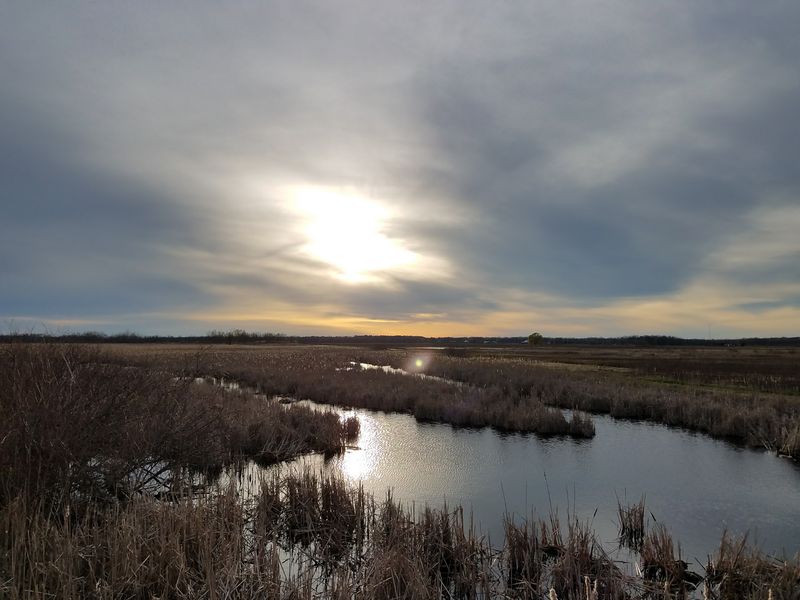
Mud, water, and sky make up most of the view at Nayanquing Point, and that’s exactly the point. This state wildlife area hugs the western shore of Saginaw Bay near Pinconning, with diked wetlands that attract waterbirds by the thousands during migration.
Dike trails let you walk right between the pools. The flat, open paths give you long views in every direction, which is great for scanning with a scope.
On breezy days, though, there’s nowhere to hide from the wind, so a windproof jacket is a must.
An observation tower gives you a boost above the cattails. Climb up and you’ll see how the marsh fits together, with channels, open pools, and the bay stretching beyond.
Afternoon light, coming from the west, sits behind you as you face the bay, which makes colors easier to see.
Spring and fall bring ducks, geese, swans, and a wide mix of shorebirds when water levels expose mudflats. Herons and egrets stalk the shallows, and northern harriers glide low over the grass hunting for mice.
Eagles often perch in tall trees along the edges.
Hunting is part of life at state wildlife areas in Michigan. During waterfowl season, some areas close or become busy with hunters, so check the Michigan DNR website for rules and dates before visiting in fall.
Wearing bright orange is a smart idea during hunting periods.
Summer is quieter but still rewarding. Marsh wrens chatter from reeds, black terns may hover over open water, and dragonflies zip everywhere.
Bring bug spray and a wide-brimmed hat, since shade is almost nonexistent.
There’s not much in the way of amenities, so pack everything you need. Pinconning, famous for its cheese, is just a short drive away for snacks afterward.
A slow walk out on the dikes, stopping every few minutes to scan, will show you far more than a fast lap.
12. Phyllis Haehnle Memorial Sanctuary, near Jackson: The Hilltop Crane Watch
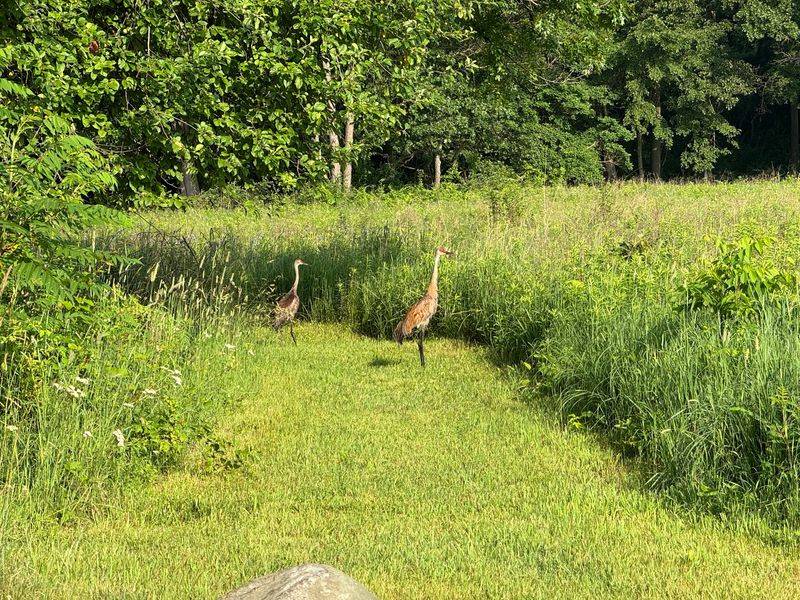
Just before sunset in October, a hilltop overlook near Jackson fills with quiet people holding binoculars. Then the calling starts, loud rattling cries rolling in from every direction, and sandhill cranes pour down into the marsh below.
The Phyllis Haehnle Memorial Sanctuary is one of the best places in southern Michigan to see it happen.
Michigan Audubon protects this land, which surrounds a large marsh that cranes use as a fall staging area. Staging means the birds gather in big groups to feed and rest before migrating south.
Numbers build through autumn, often peaking in late October or November.
The overlook is the spot to be. Arrive at least an hour before sunset so you can settle in and watch the first arrivals.
Keep voices low, since loud noise can spook birds and bother other watchers.
Photography tip: skip the flash, and use a tripod if you have one. The light fades quickly at dusk, and cranes silhouetted against an orange sky can make stunning images with the right settings.
Daytime visits have their own charm. Trails pass through fields and woods, and you might find bluebirds, hawks, and sparrows along the way.
In spring and summer, cranes nest here in smaller numbers, and you may hear pairs calling to each other across the water.
Dress for cold, even when the day starts warm. Standing still on a breezy hill as the sun sets can chill you to the bone.
Gloves, a hat, and a thermos of hot cocoa are small comforts that help you stay longer.
Stick to marked trails and respect closed areas, which protect sensitive habitat. Parking is limited, so carpooling during peak crane weeks is a kind gesture to fellow birders.
Once the final flocks settle and the calls soften into murmurs, walk back slowly with a flashlight in hand.
13. Seney National Wildlife Refuge, Seney: Loon Calls Across Endless Pools
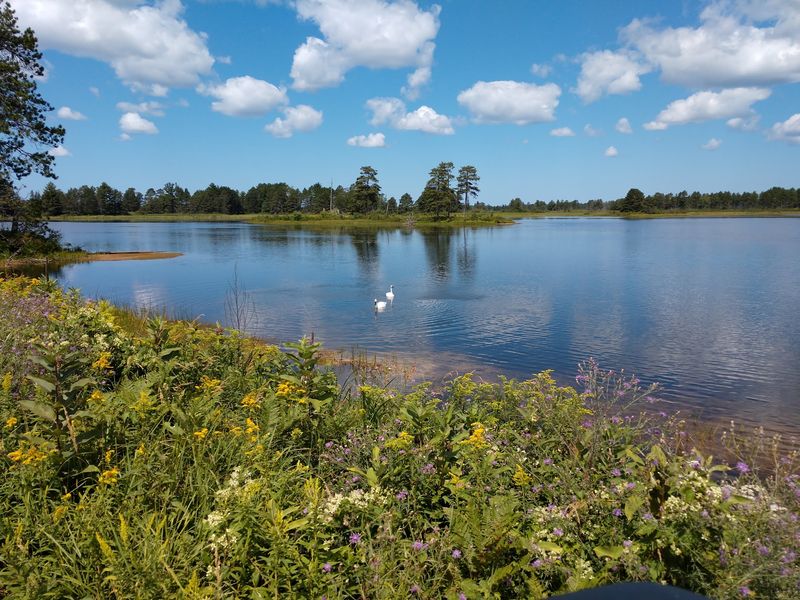
Loons yodel across the pools at Seney before most people have finished breakfast. That eerie, wavering call is the soundtrack of this huge Upper Peninsula refuge, where wetlands, forests, and open water stretch farther than you can see from any single spot.
History built the landscape you see today. Back in the 1930s, the Civilian Conservation Corps constructed dikes and pools across land that had been logged and burned, creating a patchwork of wetlands for wildlife.
Nature took the hint, and the birds moved in.
The Marshland Wildlife Drive is the easiest way to explore. The one-way gravel route passes pool after pool, with pullouts where you can stop and scan.
Drive slowly, keep your binoculars on the passenger seat, and watch for trumpeter swans, sandhill cranes, and bald eagles.
Bikes open up even more. Miles of gravel roads crisscross the refuge beyond the main drive, and pedaling quietly lets you hear birds a car would drown out.
A mountain bike or hybrid handles the terrain best.
Summer is peak season, and the visitor center is usually open during warmer months with exhibits and helpful staff. Check hours before you go, since the drive and some facilities close for part of the year.
Spring and fall trips bring fewer people and plenty of migrants.
Bugs are legendary here. Mosquitoes and black flies can swarm in early summer, so a head net might sound silly until you need one.
Long sleeves and repellent are basic gear, not optional extras.
Otters, beavers, and even black bears share the refuge, so keep an eye out beyond the birds. Seney town is small, so fill your gas tank and pack food before arriving.
Give yourself a full day if you can, because the best moments often come during slow, unplanned stops.
14. Pointe Mouillee State Game Area, Rockwood: Shorebird Country on Lake Erie
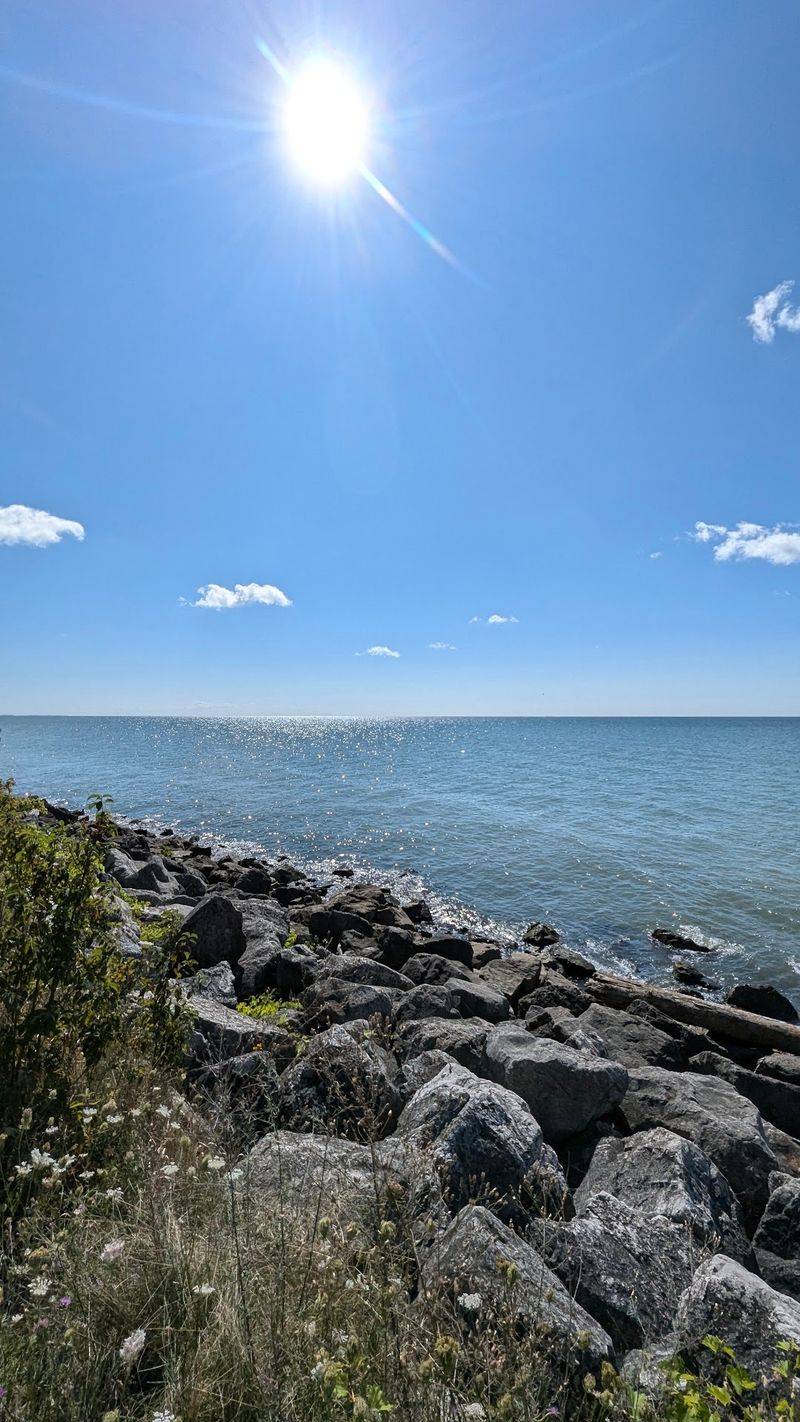
French explorers called it Pointe Mouillee, meaning wet point, and they weren’t exaggerating. The sprawling state game area sits where the Huron River meets Lake Erie, south of Detroit, with miles of dikes, marshes, and open water that pull in birds from all directions.
Distance is the first thing to plan for. The dike system stretches far out into the lake, and walking to the best viewing areas can take hours round trip.
Many birders bring bikes, which turn a long slog into a pleasant ride.
Shorebird fans treat this place like a pilgrimage site. When water levels drop and mudflats appear, sandpipers, plovers, dowitchers, and yellowlegs gather to feed during late summer and fall migration.
Rare visitors have turned up over the years, so local birders check in often.
Waterfowl steal the show in cooler months. Ducks and swans raft up on open water, and bald eagles patrol overhead.
On the right day, you might see white pelicans or egrets working the shallows.
Hunting is a big part of the area’s purpose, so fall visits need extra planning. Some zones close during waterfowl season, and hunters are active in the early morning hours.
Check Michigan DNR maps and rules, and wear bright colors if you visit when seasons are open.
Sun protection matters too. There’s almost no shade out on the dikes, and the reflection off the water can burn you on a cloudy day.
A hat, sunscreen, and plenty of water are essentials.
Bring a scope if you have one, since many birds feed far out on the flats. Local birding groups sometimes lead trips here, and joining one can help you learn where the action is.
On a calm morning, with herons lifting off and gulls calling over Lake Erie, even the long ride back won’t seem so long.