The White Horse Inn stands at a crossroads where the pavement seems to have borrowed a little space from the forest. Drive a few minutes beyond it, and the view changes to pitch pines, sandy roads, and water darkened by cedar.
This is Chatsworth, a small Burlington County village with a wonderfully oversized nickname: the Capital of the Pines. There is no grand downtown to justify the title, and that is part of its charm.
Chatsworth is a place where an old inn tells the story of stagecoaches and railroad passengers, former cranberry bogs have become walking trails, and one October weekend brings a festival crowd into the quiet. Come at another time of year and you can hear your footsteps in the sand.
The best way to understand the town is to spend a little time at its crossroads, then see where the paths beyond it lead.
Chatsworth Is the Little Crossroads Known as the Capital of the Pines
“Capital” is an ambitious word for a village you could pass through while looking for somewhere to stop. Chatsworth sits within Woodland Township in Burlington County, where Routes 532 and 563 meet amid miles of Pinelands forest.
The township describes Chatsworth as a village within its borders; its 95 square miles give the community plenty of room to breathe. There are homes, local institutions, and a handful of businesses here, but no long shopping street designed to occupy an afternoon.
That difference becomes clear as soon as the buildings thin and the trees take over again. Chatsworth makes more sense as the center of a landscape than as a conventional town center.
Cranberry and blueberry growing have shaped local life, while the woods, wetlands, and sandy tracks set the pace around it.
The nickname starts to feel fitting once you realize how many Pine Barrens stories meet here: agriculture, railroad history, conservation, and the everyday lives of people who call the pines home.
Even the approach is part of the experience. A road trip through this corner of New Jersey asks you to pay attention to smaller changes: a stretch of open bog, a stand of cedar, the sudden appearance of the White Horse Inn.
Plan to stop and look around instead of treating Chatsworth as a shortcut between better-known destinations. The village is modest, but the country surrounding it is anything but.
The White Horse Inn Holds Onto the Town’s History Woodland Township, NJ
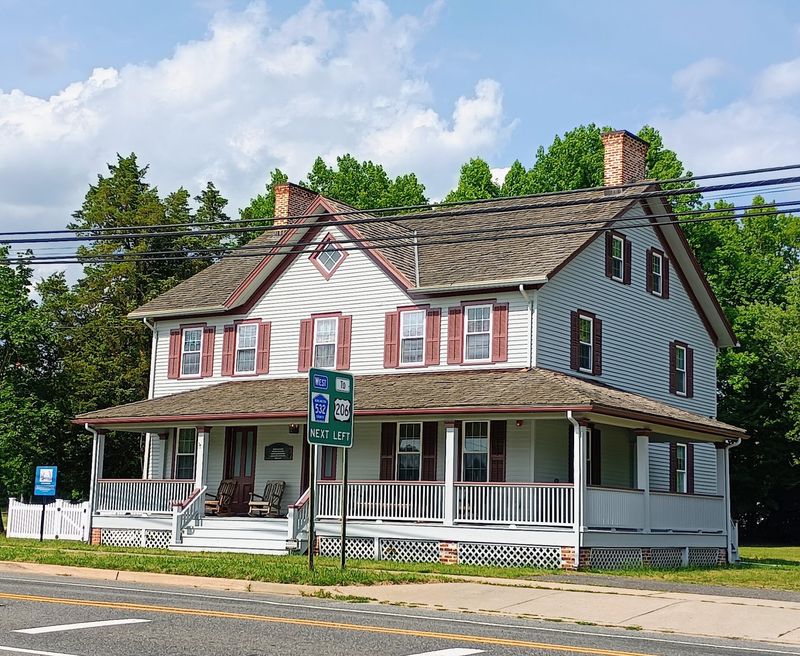
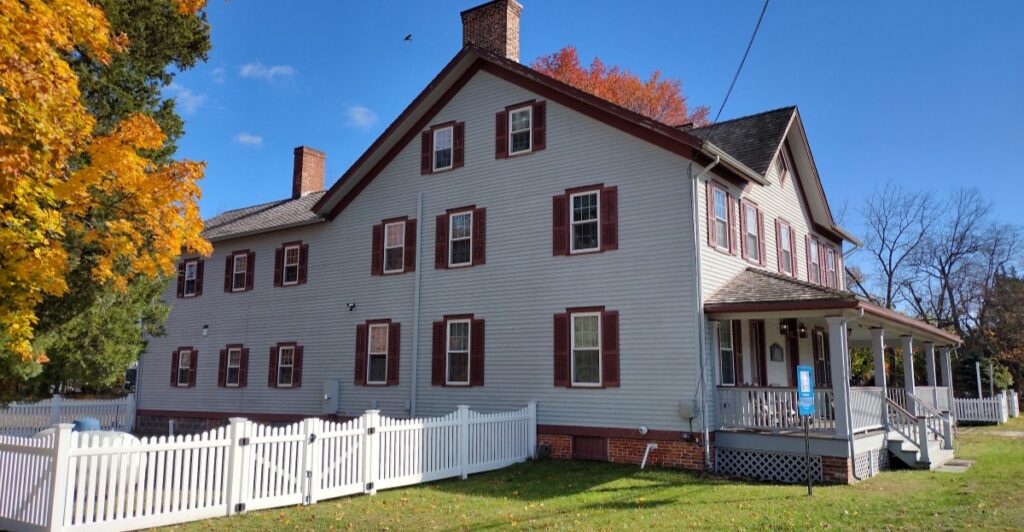
Start with the building at 3980 Route 563. The White Horse Inn gives Chatsworth an unmistakable landmark, and its past reaches well beyond the village.
Built around 1860 and also known as the Shamong Hotel, it served stagecoach passengers and, later, railroad travelers heading toward South Jersey’s iron furnaces. For a time, it also housed overflow guests from the Chatsworth Club, a resort whose members included some remarkably prominent families.
It is the sole surviving building associated with that club. That is quite a history for a place beside a quiet road.
The inn has survived because people saw a reason to keep it, and today it serves as a community gathering place. The Woodland Township Historical Society maintains a museum room inside, with exhibits about Chatsworth’s people, culture, and industries.
The displays help connect the building to the wider story outside its doors. Cranberries were a livelihood here, not simply an autumn decoration.
Trains once made this forest crossroads part of a much larger route. People built homes and communities in a landscape that visitors sometimes mistake for empty wilderness.
It is worth pausing at the inn even if a tour does not fit your day. Look at the old building, consider the travelers who arrived by coach or rail, and notice how little separates it from the pines.
If seeing the museum room matters to you, check the historical society’s event or tour information before setting out; the inn is a historic community space, not a drop-in museum with regular daily hours.
Cranberry Season Brings Chatsworth Out of Its Shell woodlandtownship.org
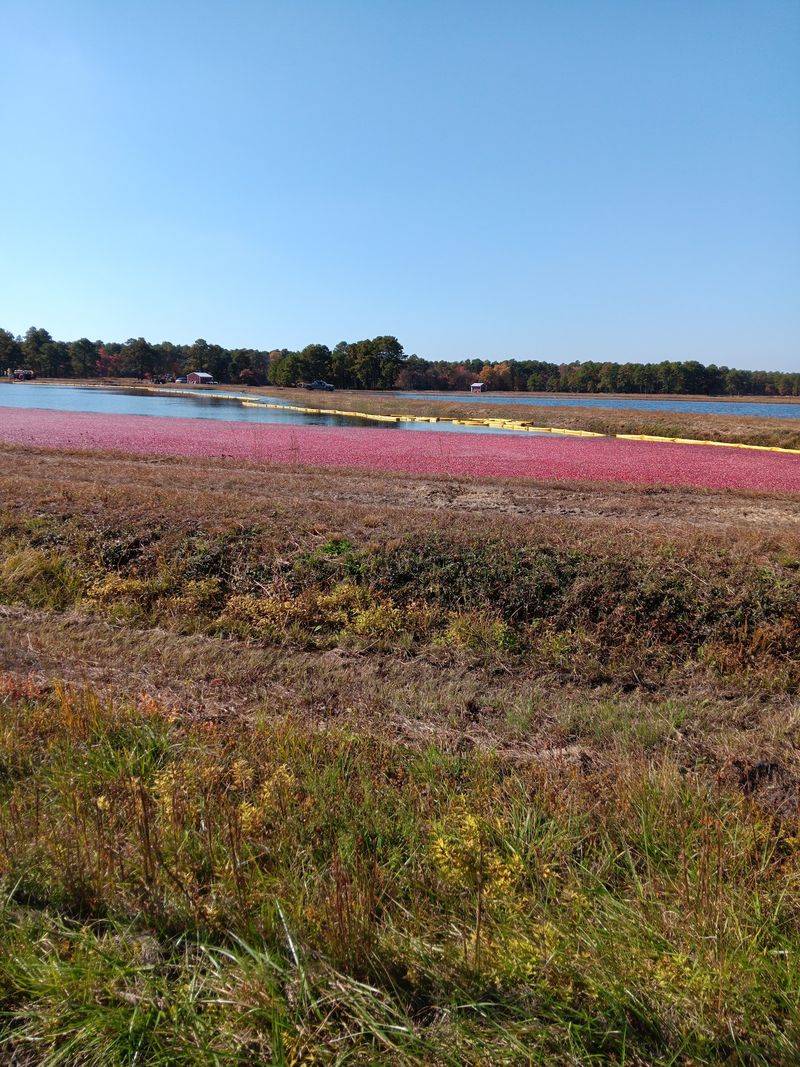
One October weekend changes the sound of Chatsworth. Instead of the usual quiet at the crossroads, visitors arrive for crafts, food, music, and the annual Cranberry Festival.
Woodland Township holds the event on the third full weekend of October, giving the village a lively moment that grows naturally out of its agricultural history. The festival is more than a convenient reason to use a fall color palette.
Cranberries and blueberries are part of what this township is known for, and the celebration brings that local identity into the center of town. For 2026, the Festival Committee has scheduled the event for October 17 and 18, from 9 a.m. to 4 p.m. both days.
Its plans include a juried craft show with up to 150 vendors, food vendors, live music, and a separate car show organized by the Chatsworth PTO. The event goes ahead rain or shine.
You can spend time browsing handmade goods, break for something to eat, and still have a chance to appreciate the place hosting it all. The festival also gives the White Horse Inn and the streets around it a different kind of energy.
If you prefer your Pine Barrens with company, this is the time to come. Bring cash: organizers warn that unreliable cell reception can make card payments difficult for vendors, and lines can form at the on-site ATMs.
On an ordinary autumn day, the village feels small again. That contrast is part of the fun.
Chatsworth can welcome a crowd for the harvest and then settle back into the rhythm of the woods.
Franklin Parker Preserve Turns an Old Cranberry Farm Into a Place to Explore New Jersey Conservation Foundation
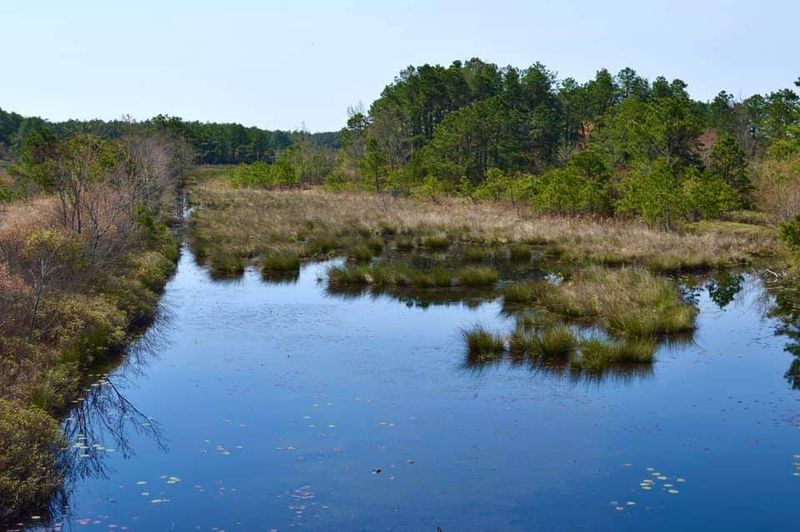
A former cranberry farm now offers one of the best ways to get out into the landscape around Chatsworth. Franklin Parker Preserve covers a vast patchwork of forest, wetlands, shallow lakes, and old agricultural ground.
The New Jersey Conservation Foundation purchased the former farm in 2003 to protect it, and its sandy roads and marked trails now give visitors a way to see the land up close.
The organization describes four cleared trails totaling nearly 21 miles, along with a section of the Batona Trail that passes through the preserve.
There is plenty to notice on even a short walk. One stretch may take you beside open water; another slips into pitch pine forest or follows the edge of a cedar swamp.
The changes make a flat route feel varied without asking you to race toward a summit. The old bogs are part of the story, too.
Some have been restored as wetlands, creating habitat where a working farm once controlled the water for crops. Keep your eyes on the water and tree line for birds, but give yourself permission to enjoy the simpler details: wind moving through pines, a sandy path underfoot, the view opening suddenly across a former bog.
The preserve has multiple access points, so choose your route before leaving town. Its Chatsworth Lake entrance is at 1450 County Road 532, and the conservation foundation provides a trail map for planning a walk.
An hour here can be enough to feel the shift from village to wilderness. Stay longer, and the preserve keeps revealing how much life fits into what first looks like a quiet stretch of trees.
Sandy Trails Lead You Deeper Into the Pine Barrens
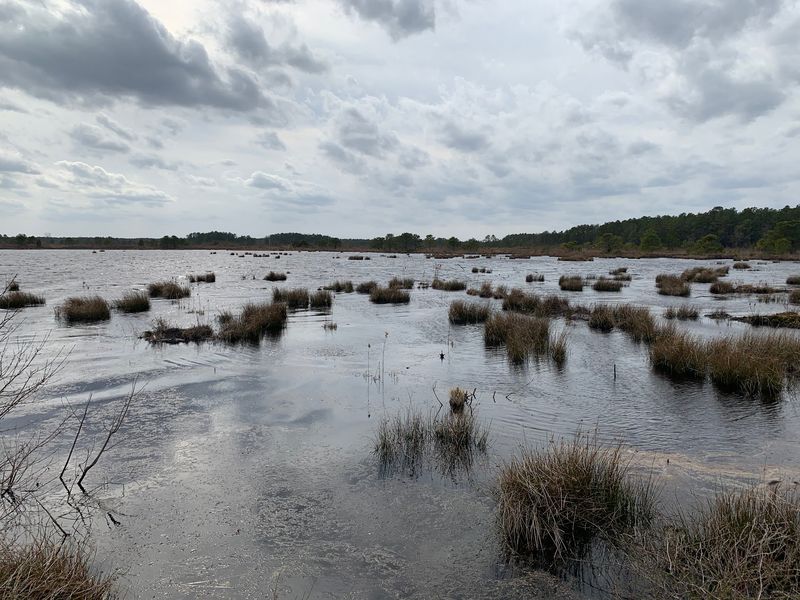
The Batona Trail lets you keep walking long after a short preserve visit would have ended. This long-distance route runs through the Pine Barrens and passes through Franklin Parker Preserve, connecting Chatsworth’s surroundings to a much larger network of protected land.
You do not need to tackle the entire trail to get something out of it. Pick a manageable section, follow the marked route, and turn back with enough daylight to enjoy the return.
Pine Barrens hiking has its own rules of pace. The ground is generally gentle, but soft sand can make a few miles feel longer than the number suggests.
Trails and sandy roads also tend to resemble one another at junctions, so save a map and keep track of your turns. Good walking shoes, water, and insect protection are more useful here than any elaborate hiking gear.
For another nearby outing, the Batona Trail also passes Apple Pie Hill in Wharton State Forest. Its fire tower is an eye-catching landmark, though climbing it should never be assumed to be part of a casual visit; New Jersey has offered access on designated open-tower days.
The pleasure of walking out here does not depend on a tower view anyway. It is in the scale of the forest, the sudden pockets of open sky, and the way a familiar New Jersey road can lead so quickly into a place where the next bend belongs to the pines.
Choose a trail that suits your time and footing, and the landscape will do the rest.
What to Know Before Spending a Day in Chatsworth
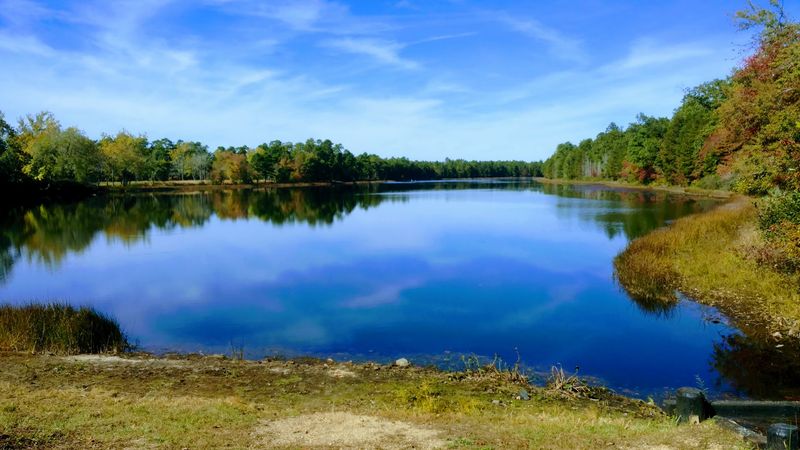
Give Chatsworth a day shaped around a few good stops rather than a packed itinerary. Begin at the White Horse Inn and the village crossroads, then head to Franklin Parker Preserve for a walk.
If you are visiting during the Cranberry Festival, allow much more time in town and expect a livelier experience than the quiet described on any ordinary weekend. The 2026 festival is set for October 17 and 18, but it is sensible to check the event details again before making the drive.
For a preserve visit, decide where you will start before you leave home. The Chatsworth Lake entrance is at 1450 County Road 532, while other access points lead into different parts of the property.
Download or save the trail map ahead of time, bring water, and wear shoes you will not mind getting sandy. Some paths are reserved for hikers; others also allow bicycles and horses, so the map is useful for more than finding your way back.
It also pays to treat the White Horse Inn as a historic stop whose interior access depends on tours or events. The historical society’s museum room is worth seeing when available, but a little advance planning will save an uncertain arrival.
Meals and services are limited compared with a larger town, so bring what you need for the time you expect to spend on the trails. Then leave some space in the schedule.
Chatsworth is at its best when you can stand at the crossroads, follow a path into the trees, and let the distance between those two places surprise you.
Share this story