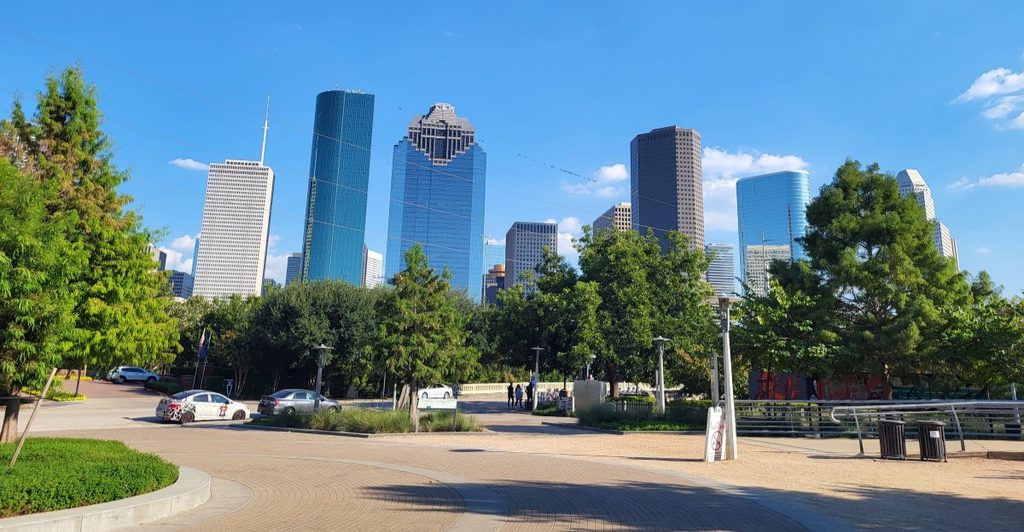
Houston spreads out across the Gulf Coast prairie like a sprawling experiment in how many different cultures, flavors, and ideas you can fit into one city. From underground reservoirs to rooftop parks, from NASA’s backyard to some of the best Vietnamese food outside Vietnam, this city refuses to fit into neat categories. Whether you’re visiting for the first time or you’ve lived here your whole life, these eleven experiences capture what makes Houston feel like nowhere else in Texas or beyond.
1. Explore Space Center Houston
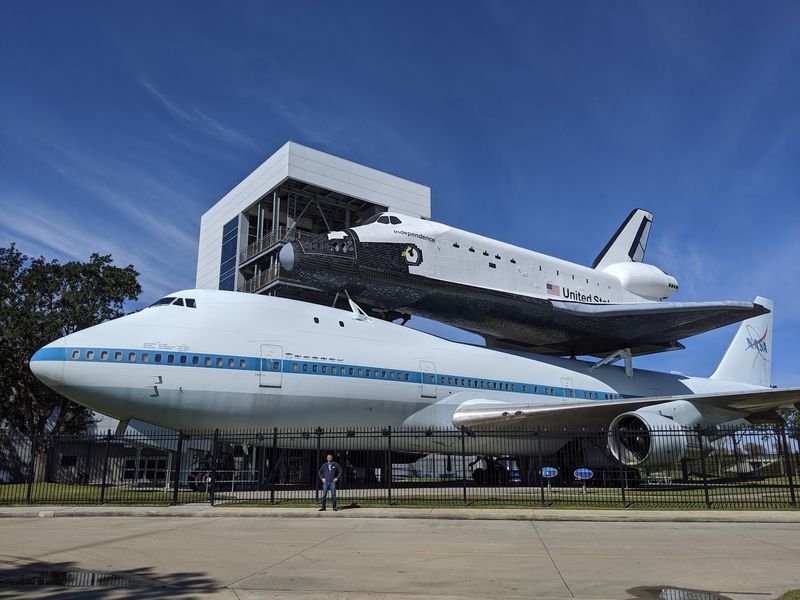
Walking into Space Center Houston feels like stepping onto the set of every space movie you’ve ever loved, except everything here actually flew or trained the people who did. The massive Saturn V rocket lying horizontal in its own building stretches longer than a football field, and standing beneath it makes you wonder how humans ever convinced that thing to leave the ground. You can touch a moon rock, climb inside shuttle replicas, and watch astronauts train through windows that look into the actual Johnson Space Center next door.
The tram tours roll right onto NASA property, passing buildings where mission control still operates and astronauts still prepare for launches. Your guide points out the historic Mission Control room where Apollo 11 landed on the moon, preserved exactly as it looked in 1969 with vintage computers and ashtrays on the consoles. The newer Mission Control across the campus runs International Space Station operations, and if you time it right, you might catch engineers coordinating with astronauts orbiting overhead.
Inside the main building, interactive exhibits let you dock a shuttle simulator, feel the vibration of a rocket launch, and learn why eating in zero gravity requires pouches and velcro. The astronaut gallery displays spacesuits worn on actual missions, each one marked with mission patches and the scuffs of space travel. Kids run between exhibits while adults stand mesmerized by video footage of spacewalks and launches.
Plan at least four hours if you want to see everything without rushing. The gift shop sells astronaut ice cream and flight suits in toddler sizes. On weekends, real astronauts sometimes show up for talks and photo opportunities, turning your space center visit into an actual encounter with someone who’s left the planet.
2. Spend A Day In The Houston Museum District
Nineteen museums clustered within walking distance of each other sounds like an urban planner’s fever dream, but Houston actually pulled it off. The Museum District packs enough art, science, history, and culture into a few walkable blocks that you could spend a week here and still not see everything. Some days multiple museums offer free admission, which means you can museum-hop without spending a dollar beyond parking.
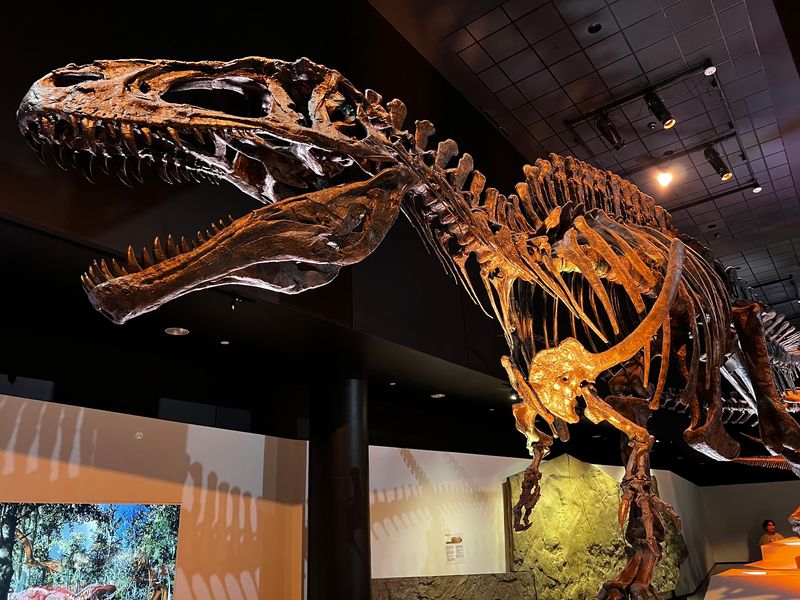
The Museum of Fine Arts anchors one end with collections spanning ancient gold artifacts to contemporary installations. Across the street, the Contemporary Arts Museum Houston offers rotating exhibitions in a striking stainless steel building that looks like a geometric sculpture itself. The Houston Museum of Natural Science draws crowds to its dinosaur hall, butterfly center, and planetarium, while the Holocaust Museum Houston provides sobering education just blocks away.
You’ll find the Children’s Museum packed with families on weekends, kids climbing through multi-story play structures and conducting science experiments. The Health Museum displays a transparent human body model you can walk through, learning about organs and systems from the inside. Smaller institutions like the Czech Center Museum Houston and the Buffalo Soldiers National Museum tell specific cultural stories often overlooked in larger collections.
Hermann Park borders the district, offering green space for picnics between museum visits. The light rail runs straight through the area, making car-free exploration easy. Grab lunch at one of the museum cafes or walk to nearby Montrose for restaurant options.
Check museum websites before visiting since each institution sets its own hours and free days. Thursday evenings often bring extended hours and special programming. Wear comfortable shoes because even hitting just three or four museums means serious walking.
3. Walk Buffalo Bayou Park And Tour The Buffalo Bayou Park Cistern
Buffalo Bayou winds through Houston like the city’s original highway, and the park that follows it transforms what could have been ignored industrial waterfront into one of the best urban green spaces in Texas. Miles of trails run along both banks, passing under bridges, through native gardens, and past public art installations that range from enormous to subtle. The skyline rises in the background while herons fish in the shallow water, creating this weird beautiful collision of nature and concrete.
Rent a bike or kayak near the Sabine Street bridge and you’ll understand why locals treat this park like their backyard. The paddling trail flows gently enough for beginners but stays interesting with changing views around every bend. On the trails, runners and walkers share space with cyclists, everyone moving at their own pace under the shade of oak trees and across footbridges that offer perfect skyline photo angles.
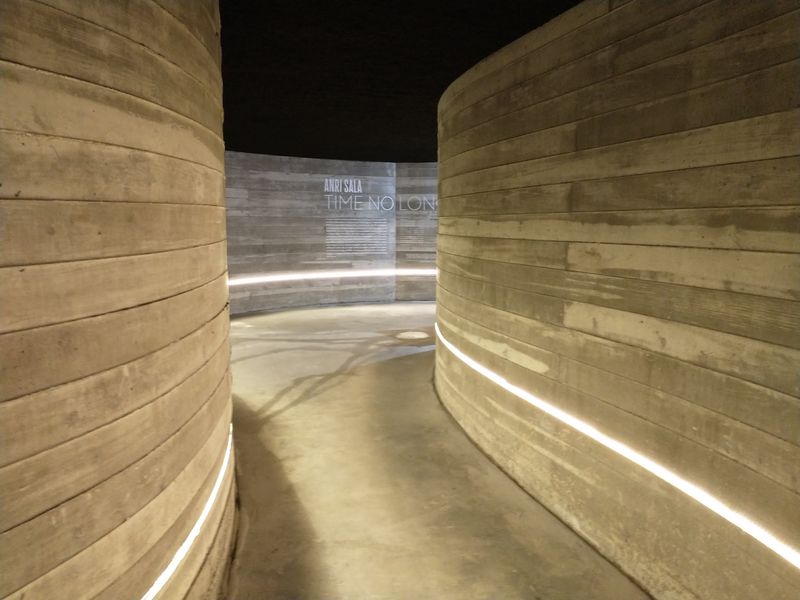
The Buffalo Bayou Park Cistern sits underground like Houston’s secret cathedral, a former drinking water reservoir built in 1926 and forgotten for decades. Walking down the stairs into this space feels like discovering an ancient temple, except instead of carved stone you find 221 concrete columns holding up a ceiling two stories underground. The shallow water on the floor reflects the columns endlessly, and the acoustics turn every footstep and whisper into something haunting.
Guided tours run on scheduled days, limited to small groups to preserve the cistern’s eerie quiet. Art installations sometimes transform the space with light and sound. Above ground, the park hosts free fitness classes, concerts, and festivals throughout the year.
Start at the visitor center near the cistern for maps and tour times. Bring water and sunscreen because shade disappears in some sections. The park connects to downtown, making it easy to walk from office buildings to nature in under ten minutes.
4. Eat Your Way Through Houston’s Asiatown
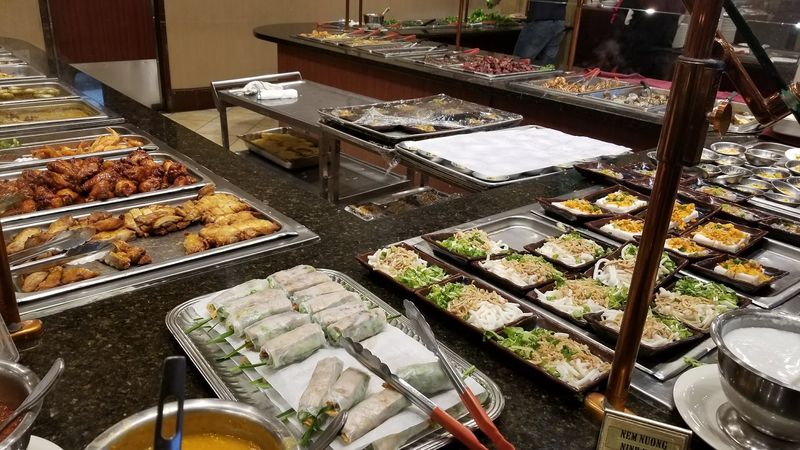
Asiatown sprawls across west Houston in a delicious maze of strip malls and standalone restaurants where English often takes second place to Vietnamese, Chinese, Korean, and a dozen other languages on the signs. This isn’t some theme park version of Asian cuisine created for tourists. Real families run these restaurants, cooking the food they grew up eating, and the dining rooms fill with people who know exactly what they’re ordering and why it matters.
Start with Vietnamese food because Houston’s Vietnamese community built something special here. Pho shops serve steaming bowls of beef noodle soup at breakfast time, the broth simmered overnight and topped with fresh herbs you add yourself. Banh mi counters stuff French bread with grilled pork, pate, pickled vegetables, and cilantro for about five dollars.
Coffee shops serve Vietnamese iced coffee so strong and sweet it could power you through the humid afternoon.
Chinese restaurants range from Cantonese dim sum parlors rolling carts of dumplings between tables to Sichuan spots serving numbingly spicy hot pot. Korean barbecue restaurants let you grill your own meat at the table while side dishes keep appearing. Japanese ramen shops, Taiwanese boba tea cafes, and Filipino bakeries fill in the gaps, each one specializing in something specific and doing it exceptionally well.
The Hong Kong City Mall functions as Asiatown’s unofficial center, packed with small vendors selling everything from fresh durian to imported snacks. Across the street, 99 Ranch Market stocks ingredients you won’t find in regular grocery stores. On weekends, families crowd the restaurants for dim sum brunches that stretch into early afternoon.
Come hungry and be willing to point at menu items or ask questions. Many restaurants have pictures or English descriptions, but some don’t, and that’s okay. The best discoveries happen when you order something unfamiliar and it arrives perfect.
5. Take In The Downtown Views From POST Houston
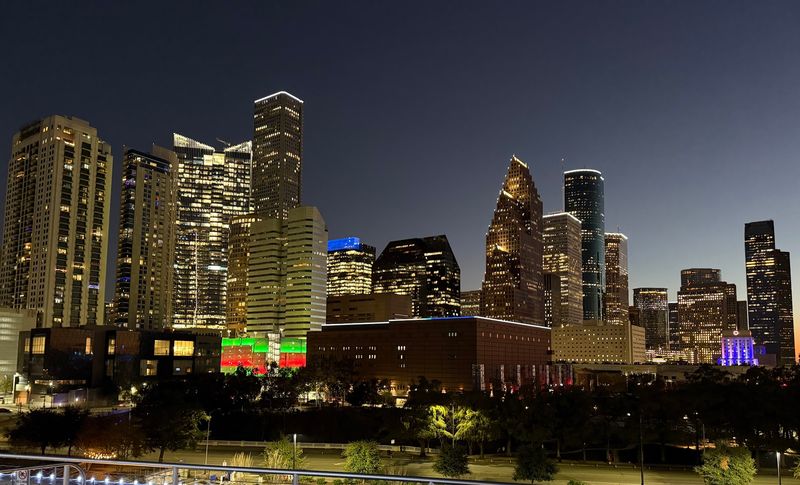
The old Barbara Jordan Post Office sat downtown for decades, a massive brutalist building that processed mail and occupied prime real estate without offering much to the city around it. Then developers transformed it into POST Houston, keeping the industrial bones but filling the interior with restaurants, event spaces, and a rooftop park that turns the whole thing into a vertical neighborhood. The result feels less like a mall and more like someone built a small city inside a giant concrete box.
Take the elevator to the rooftop and you’ll find an acre and a half of green space floating eight stories above downtown streets. Grass, trees, and walking paths create an urban park in the sky, with views stretching across the skyline in every direction. Food and drink vendors set up around the edges, so you can grab tacos or craft beer and find a spot on the lawn to watch the sunset paint the office towers gold and pink.
Inside, the building opens up into multi-level atriums where food vendors occupy spaces that once sorted letters and packages. The preserved industrial elements, exposed concrete, and steel beams mix with modern design touches. You’ll find everything from ramen to Texas barbecue, cocktail bars to coffee roasters, each vendor chosen to bring something different to the mix.
POST Houston hosts regular events: live music on the rooftop, fitness classes in the morning, movie screenings after dark. The ground level connects directly to downtown’s tunnel system, meaning you can reach it underground from nearby office buildings. Parking fills up on weekend evenings when the rooftop gets crowded with people watching the city lights come on.
Visit during the day for a quieter experience or come at sunset when the rooftop transforms into one of Houston’s best gathering spots. The space stays open late, and the views work just as well after dark when the skyline glows.
6. Spend An Afternoon At Hermann Park And McGovern Centennial Gardens
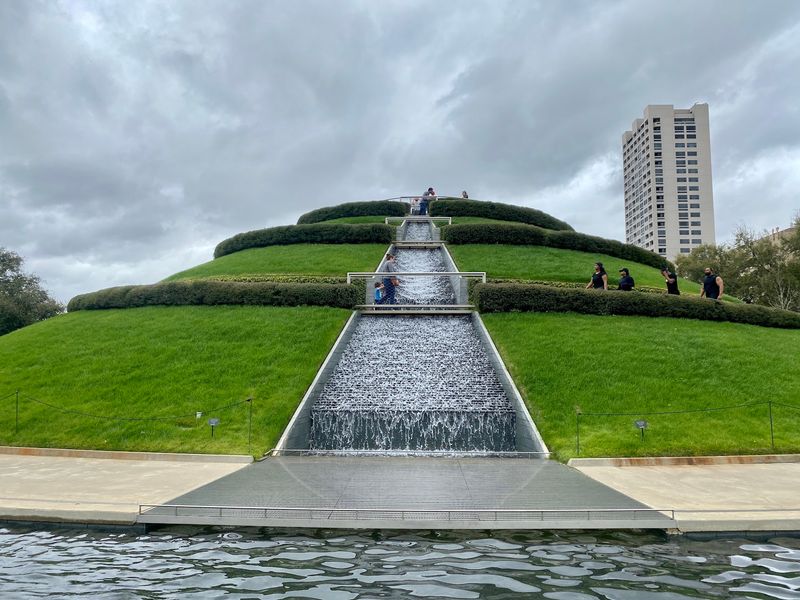
Hermann Park unfolds across 445 acres like Houston remembered it needed room to breathe, offering everything from formal gardens to wild-ish woods without ever making you get in a car. The park opened in 1914, and over the decades it accumulated a zoo, a golf course, a lake with pedal boats, and enough trails to get properly lost if you’re not paying attention. McGovern Centennial Gardens anchors one corner with the kind of landscaping that makes you wonder why your own yard looks so sad.
The gardens opened in 2014 and immediately became the park’s showpiece, eight themed areas flowing from one to the next through gates and pathways designed to reveal new views around every turn. The Rose Garden explodes with color and fragrance during bloom season. The Woodland Waterway winds through shade and over bridges, water trickling between ferns and native plants.
The Arid Garden displays desert plants that somehow thrive in Houston’s humidity, proof that good design beats climate limitations.
Beyond the formal gardens, Hermann Park offers the kind of casual recreation that makes you forget you’re in America’s fourth-largest city. Rent a pedal boat and cruise McGovern Lake, watching turtles sun themselves on logs. Ride the miniature train that loops through the park, popular with toddlers and adults who appreciate tiny transportation.
The Houston Zoo sits inside the park boundaries, and the Miller Outdoor Theatre hosts free performances under the stars.
Trails connect to the Museum District and Rice University, making Hermann Park a natural stopping point during longer walks or bike rides. The Japanese Garden provides a quiet corner for contemplation, complete with koi pond and traditional landscaping. On weekends, families spread picnic blankets under oak trees while joggers circle the lake.
Free parking fills up quickly on nice days, so arrive early or use the light rail that stops right at the park entrance. Bring sunscreen because shade disappears in the open lawn areas.
7. Visit The Menil Collection And Rothko Chapel
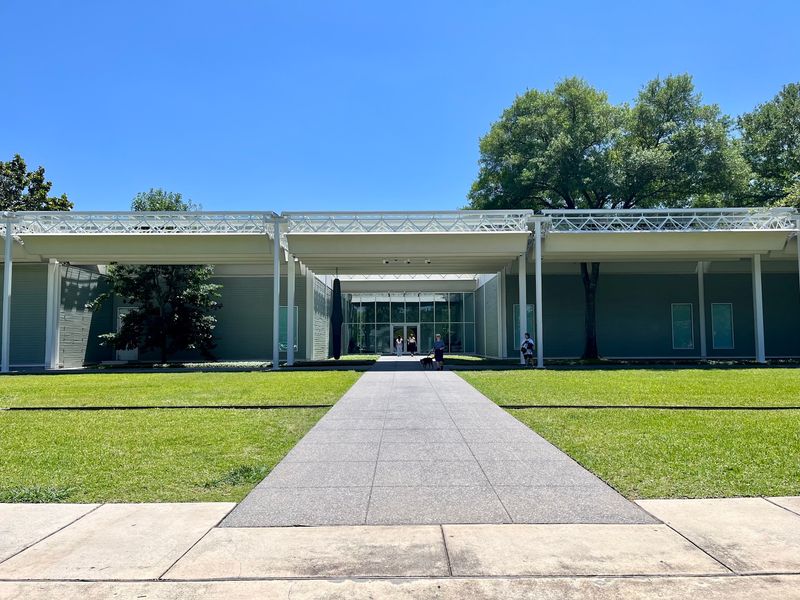
Most art museums announce themselves with grand columns and marble staircases, but the Menil Collection sits quietly in a residential neighborhood like it doesn’t need to impress anyone. The low-slung building painted battleship gray blends into the surrounding bungalows, and the oak trees shading the lawn could belong to any Houston neighborhood. Then you walk inside and discover one of the world’s most important private art collections, displayed with so much natural light and breathing room that looking at art here feels more like meditation than museum-going.
John and Dominique de Menil spent decades collecting art with impeccable taste and deep pockets, accumulating antiquities, tribal art, Byzantine icons, surrealist paintings, and contemporary works. Their collection eventually needed its own building, designed by Renzo Piano to filter Texas sunlight through custom louvers that protect the art while filling the galleries with soft natural glow. Walking through these rooms, you’ll find a Picasso hung near an African mask, ancient Greek pottery sharing space with modern photography, connections drawn across cultures and centuries.
The Menil campus includes several satellite buildings within walking distance. The Rothko Chapel stands a few blocks away, a small octagonal building housing fourteen massive Mark Rothko paintings in dark purples and blacks. The chapel functions as both art installation and meditation space, non-denominational but deeply spiritual in the way it uses color and silence to create something beyond words.
People sit on benches in the dim light, some praying, some just sitting, all absorbing the weight of Rothko’s final works.
Admission to both the Menil Collection and Rothko Chapel stays free, a gift from the de Menil family to the city. The surrounding neighborhood has been carefully preserved, bungalows painted in muted colors that complement the museum’s aesthetic. The Menil Bookstore sells art books and unique gifts.
Visit on weekday mornings for the quietest experience. The galleries never feel crowded because the museum limits attendance to preserve the contemplative atmosphere.
8. Catch An Astros Game At Daikin Park
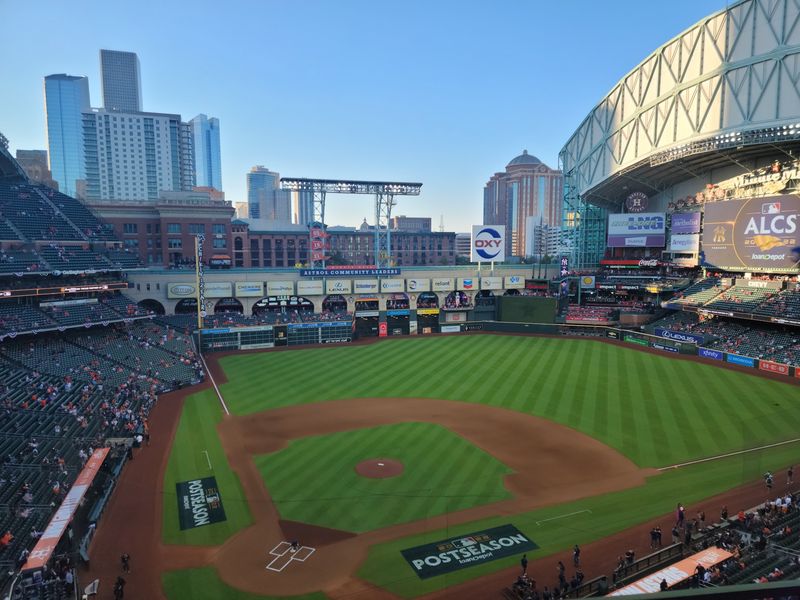
Daikin Park rises downtown like a spaceship that decided to stay and watch baseball, its retractable roof either open to the sky or closed against Houston’s weather depending on what the thermometer says. The stadium opened in 2000 as the first with a retractable roof and natural grass, solving the problem of how to play baseball in a city where summer heat and sudden thunderstorms make outdoor sports a gamble. When the Astros are winning, which has been fairly often lately, the place fills with orange jerseys and the kind of energy that comes from a city finally getting the championship teams it always believed it deserved.
Game day at Daikin Park offers more than just baseball, though the baseball itself has gotten pretty entertaining with World Series wins stacking up. The ballpark food goes beyond hot dogs into local barbecue, Mexican food, and craft beer from Houston breweries. The train on the left field wall moves every time the Astros hit a home run, a quirky touch that’s become as much a part of Houston baseball as anything happening on the field.
Arrive early and you can watch batting practice from the lower deck or explore the various concourses and their food options. The Crawford Boxes in left field offer the closest home run target in baseball, leading to arguments about whether Astros hitters have an unfair advantage. The air conditioning inside the closed stadium feels like a miracle during July day games when stepping outside means immediate regret.
Downtown location means you can walk to the game from nearby restaurants and bars, and the light rail drops you practically at the gate. After the game, the streets fill with fans heading to bars or back to parking garages, the whole area buzzing with either celebration or disappointment depending on the score.
Check the schedule because weekend games and rivalry matchups sell out. The upper deck offers the cheapest tickets and perfectly good views of the whole field.
9. Eat Fajitas At The Original Ninfa’s on Navigation
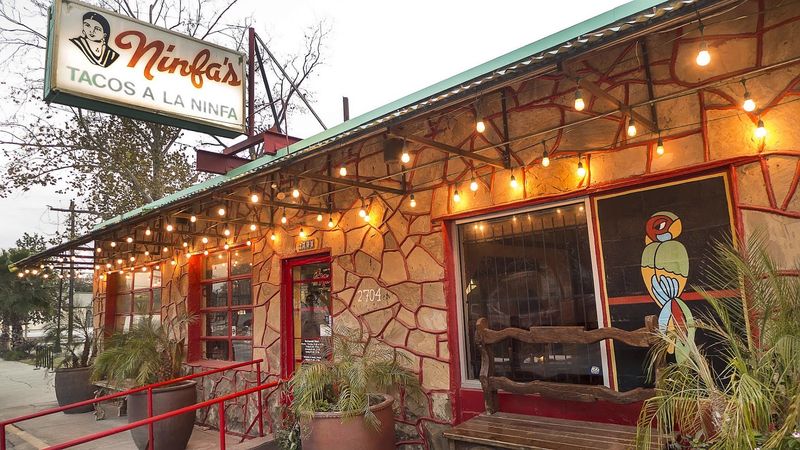
Before fajitas became standard Tex-Mex menu items across America, before every chain restaurant started serving sizzling platters of grilled meat and peppers, a woman named Ninfa Laurenzo started grilling skirt steak at her tiny restaurant on Navigation Boulevard in 1973. She served it with tortillas, grilled onions, and peppers, charging $1.89 for what became one of Houston’s most important culinary exports. The Original Ninfa’s still operates in that same East End location, now expanded but keeping the recipes and the spirit that made fajitas famous.
Walking into Ninfa’s on a weekend evening means noise, crowds, and the smell of grilling meat that makes waiting for a table almost unbearable. The dining room buzzes with families celebrating birthdays, couples on date night, and groups of friends who’ve been coming here for decades. Servers navigate the packed room carrying sizzling platters that announce their arrival with sound and smoke, setting down fajitas that still taste like the original version because the restaurant refuses to mess with success.
Order the beef fajitas and you get the skirt steak that started it all, grilled with a slight char and sliced thin. The tortillas arrive hot, the pico de gallo comes fresh, and the guacamole gets made throughout the day as tables order it. The margaritas pour strong and cold, served in glasses big enough to require two hands.
Other menu items fill out the offerings, but everyone knows what they’re really here for.
The restaurant has expanded to multiple locations, but this Navigation Boulevard original carries the history and the connection to Mama Ninfa herself. Photos on the walls show the restaurant’s evolution from taco stand to Houston institution. The East End neighborhood around it has changed over the decades, but Ninfa’s remains, still packing the dining room and still grilling fajitas the same way.
Expect a wait on weekends unless you arrive right when they open. The parking lot fills up fast, and nearby street parking requires some hunting.
10. Stand Beneath Gerald D. Hines Waterwall Park
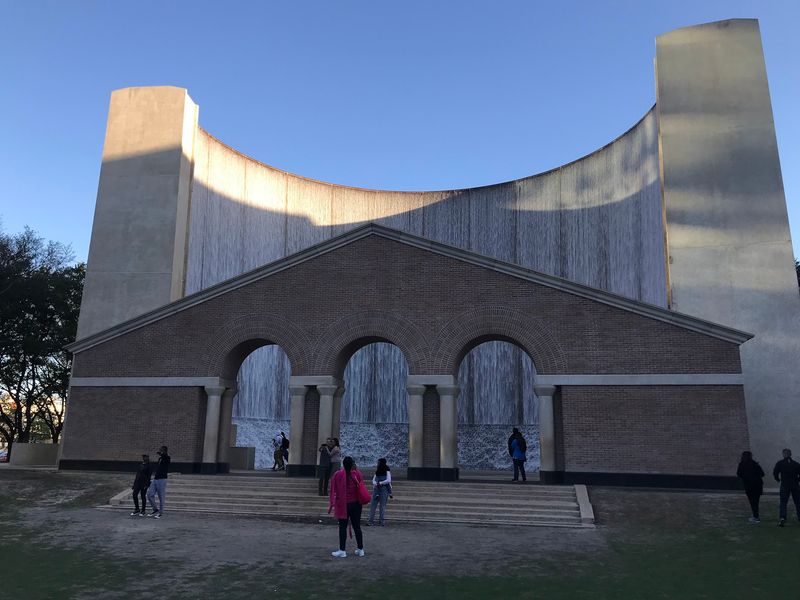
A semicircular wall of water 64 feet tall and 180 feet wide curves around a small park in Uptown Houston, pumping 11,000 gallons per minute over the edge in a constant roar that drowns out traffic noise and makes conversation nearly impossible when you’re standing close. The Gerald D. Hines Waterwall Park serves no practical purpose beyond being spectacular, which makes it perfectly Houston: big, slightly excessive, and unapologetically impressive.
People come here to take photos, cool off in the mist, and experience the strange pleasure of standing next to that much falling water.
The waterwall sits in a residential area behind the Williams Tower, accessible by a short walk through oak trees from the parking area. As you approach, the sound builds, a white noise rush that signals something unusual ahead. Then you round the corner and there it is, this enormous fountain that looks like it belongs at a resort or theme park but instead just exists in a Houston neighborhood for anyone to visit free.
Walk down the steps to the basin at the bottom and the mist drifts over you, a relief on hot days when the temperature climbs and the humidity makes everything sticky. The water crashes down with enough force to create its own breeze, and the sound becomes all-encompassing, blocking out everything else. People pose for photos, kids run around the basin, and couples sit on the steps just watching the water fall.
The surrounding park includes walking paths through Live Oak trees, benches for sitting, and a large lawn area. The waterfall runs continuously during daylight hours, shut off at night to save water and energy. Weddings and photo shoots book the location regularly because the waterfall creates such a dramatic backdrop.
Visit early morning or weekday afternoons for smaller crowds. The parking lot fills up on weekends, especially when the weather’s nice. The mist provides natural cooling but can leave you damp, so plan accordingly if you’re dressed up.
11. Relax At Saint Arnold Brewing Company
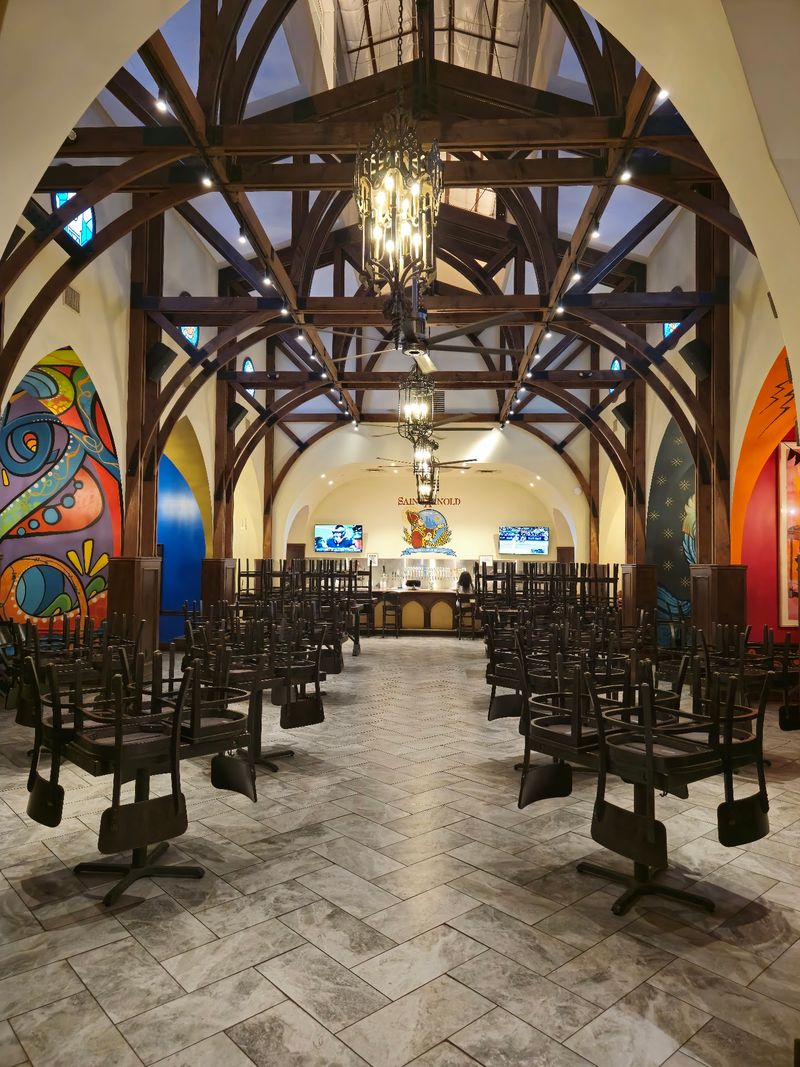
Saint Arnold opened in 1994 as Houston’s first craft brewery since Prohibition, back when most Texans thought beer meant light lagers in aluminum cans. Founder Brock Wagner started brewing German-style beers in a warehouse near downtown, selling kegs to local bars and restaurants while the craft beer movement was still finding its feet. Three decades later, Saint Arnold has grown into a Houston institution, the brewery expanded but still occupying that same industrial neighborhood, now with a beer garden that faces the downtown skyline and draws crowds who treat it like their neighborhood bar.
The beer garden spreads out behind the brewery building, picnic tables under string lights and shade structures, food trucks parked along the fence, and a stage for live music on weekends. Order at the bar inside and carry your beer outside, choosing from the regular lineup or whatever seasonal and experimental brews the brewers are testing. The Fancy Lawnmower, a German-style Kolsch, stays light and drinkable even in Houston heat.
The Santo, a Mexican-style lager, comes with a lime. Bigger beers like the Divine Reserve series rotate through limited releases that sell out fast.
Tours run on weekday afternoons and Saturday mornings, taking visitors through the brewing process from grain to glass. The guides explain the equipment, the recipes, and the history while pouring samples of various beers. After the tour, most people head to the beer garden to continue drinking and eating whatever the food trucks are serving: tacos, barbecue, pizza, or whatever else has parked that day.
The crowd skews local, people who live in the surrounding neighborhoods and consider Saint Arnold their regular spot. Dogs are welcome in the beer garden, and families show up on weekend afternoons when the atmosphere stays relaxed and kid-friendly. As evening arrives and the skyline lights up, the beer garden takes on a different energy, more date night than casual hangout but still maintaining that neighborhood feel.
Check the website for tour times and special beer releases. The beer garden gets packed during Astros games and weekend evenings.