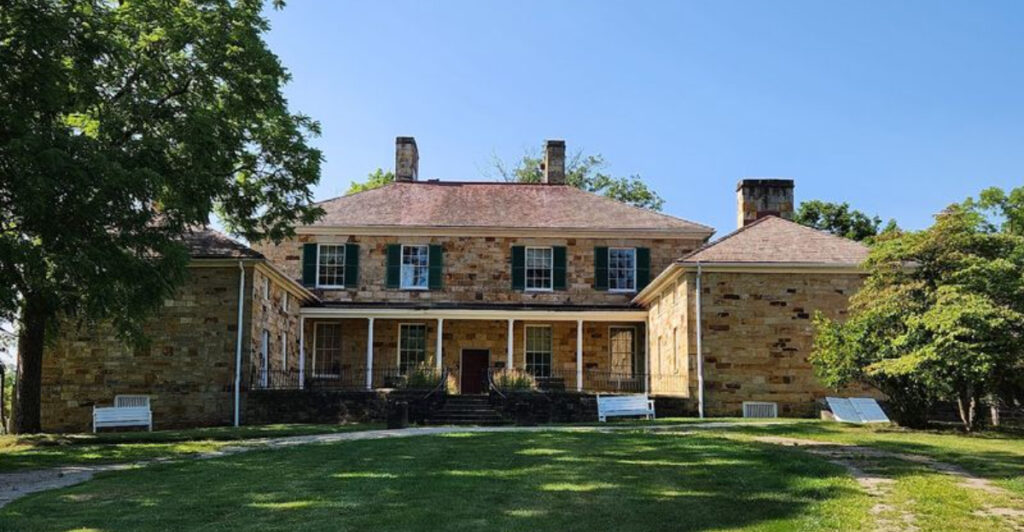
If you have ever wondered where the rolling fields and radiant sunrise on Ohio’s Great Seal first came to life, you will feel it the moment you crest the hill at Adena Mansion & Gardens Historic Site in Chillicothe. This 1806 estate, once home to Thomas Worthington, opens a remarkably well preserved window into the state’s earliest years, with original furnishings, sweeping grounds, and a view that helped define Ohio’s identity.
Plan your visit around docent led tours and unhurried time at the visitor center, where artifacts and stories bring Worthington’s world into sharp focus, from statehood debates to everyday family life. Come ready to walk, ask questions, and stand at the overlook where you can see exactly what inspired the Great Seal, then leave with a deeper, more personal connection to Ohio’s past that feels both intimate and proudly expansive.
1. Adena’s Historic Mansion: Architecture That Frames a New State
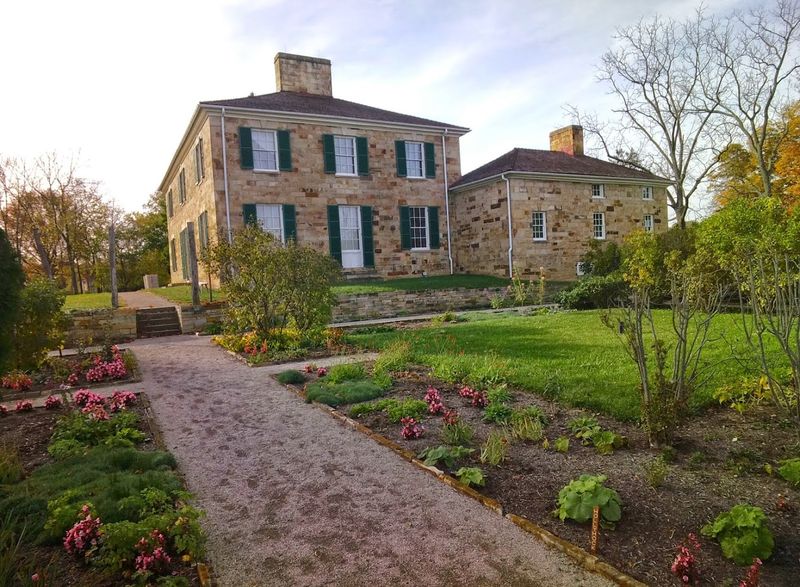
Step onto the stone path and the mansion rises with crisp Federal symmetry, a quiet confidence that mirrors early Ohio’s ambitions. You notice light bouncing off white clapboard, tall windows, and measured lines that feel both refined and sturdy.
Inside, rooms unfold with an authentic rhythm, preserving original details that make you slow down and listen.
The scale feels human, inviting you to imagine daily life rather than distant, unreachable grandeur. Mantels, stair rails, and door hardware tell stories you can almost hear, even though you cannot take photos inside.
Without a camera, your eyes sharpen, colors warm, and wood grain deepens.
Docents tie the architecture to Thomas Worthington’s leadership and the new state taking shape. You learn how homes like this projected stability, education, and civility.
Standing in the hall, you feel Ohio’s beginnings rooting into place, one measured doorway and sunny window at a time.
2. Thomas Worthington’s World: From Frontier to Statehood
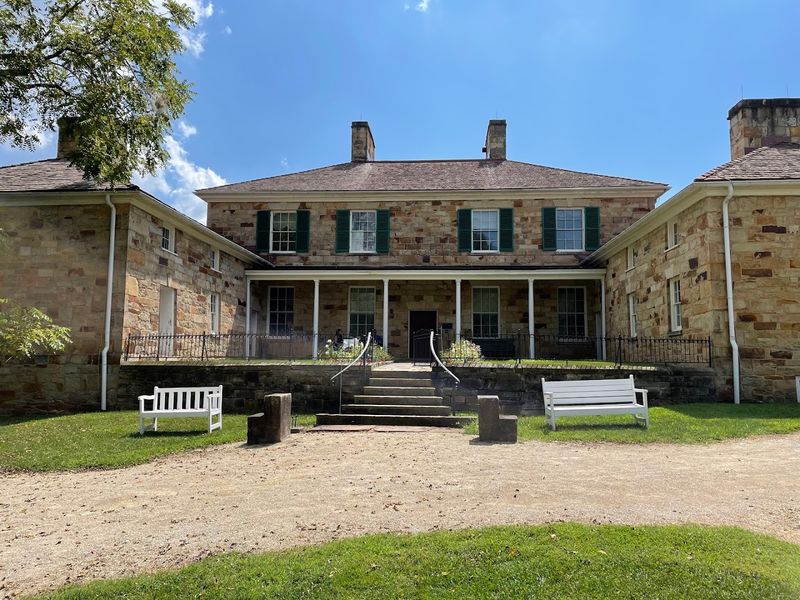
You will hear Thomas Worthington’s name everywhere at Adena, and for good reason. His leadership helped carry Ohio from frontier territory to full statehood, and this house became a stage for that transformation.
In each room, politics, family, and enterprise intersect in small but telling ways.
Docents bring his debates and alliances to life, tying personal letters to legislative milestones. You start to see how a statesman’s choices ripple into architecture, agriculture, and diplomacy.
The walls hold the weight of late night conversations, cautious optimism, and practical compromise.
What resonates most is how grounded Worthington’s vision feels when you are standing where he stood. You are not just hearing history, you are placed inside it.
The estate anchors his ideals in timber, paint, and daylight, making statehood a lived experience rather than a distant headline.
3. Visitor Center Museum: Artifacts That Speak Clearly
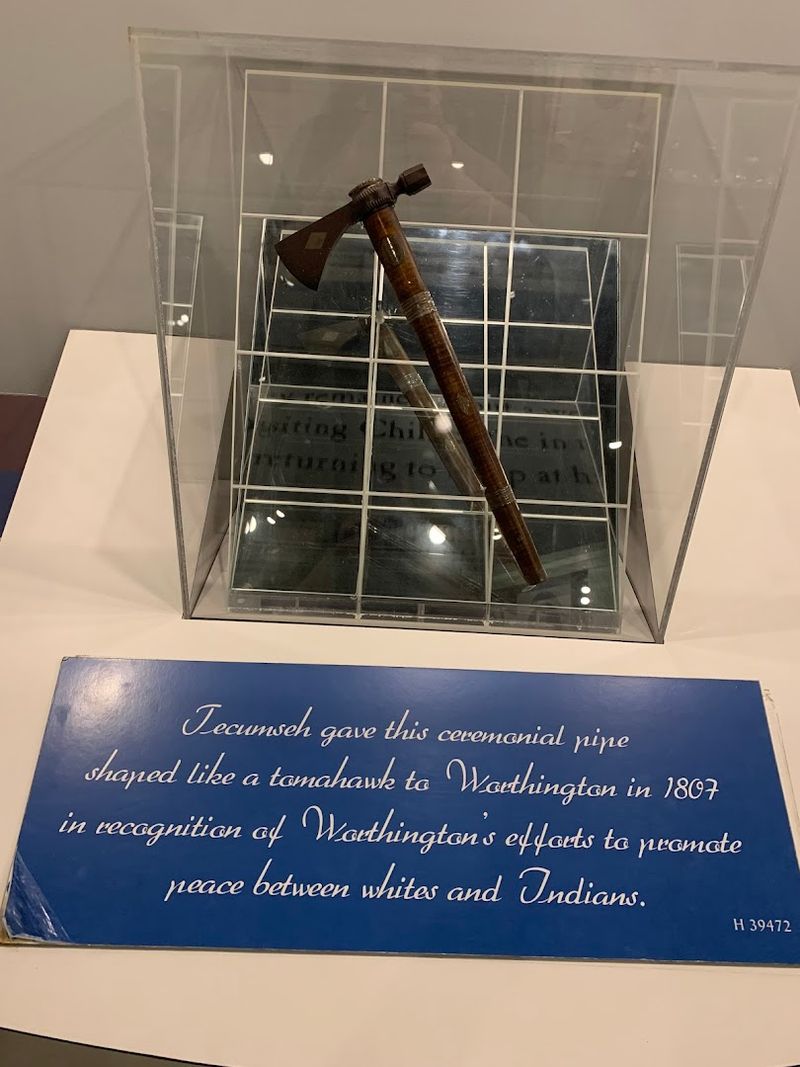
Begin at the visitor center, because it sets the scene with clarity and heart. Displays chart the Worthington family, the land itself, and the complicated friendships and tensions of the era.
You will likely linger over Tecumseh’s peace pipe tomahawk, an object that compresses courage, diplomacy, and risk into one unforgettable artifact.
Interactive panels help kids and adults follow timelines without feeling rushed. Maps, portraits, and domestic items give texture to names you may only know from textbooks.
The museum feels personal, not sterile, and it primes you to notice details on the house tour.
Take your time and ask questions. Staff here are generous with context, and the galleries help you choose what to focus on later.
When you finally walk up toward the mansion, you carry stories in your pocket, ready to be unlocked by stair treads, gardens, and distant hills.
4. Great Seal Overlook: Standing Inside a Symbol
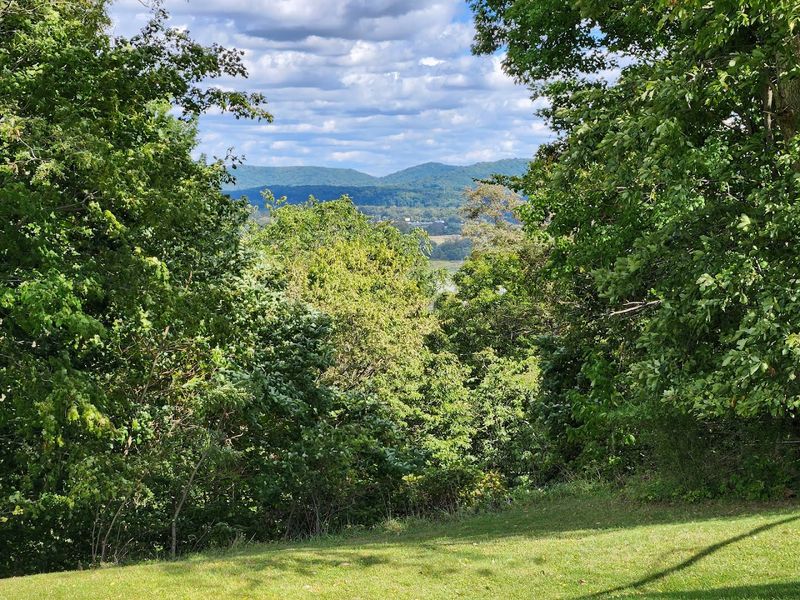
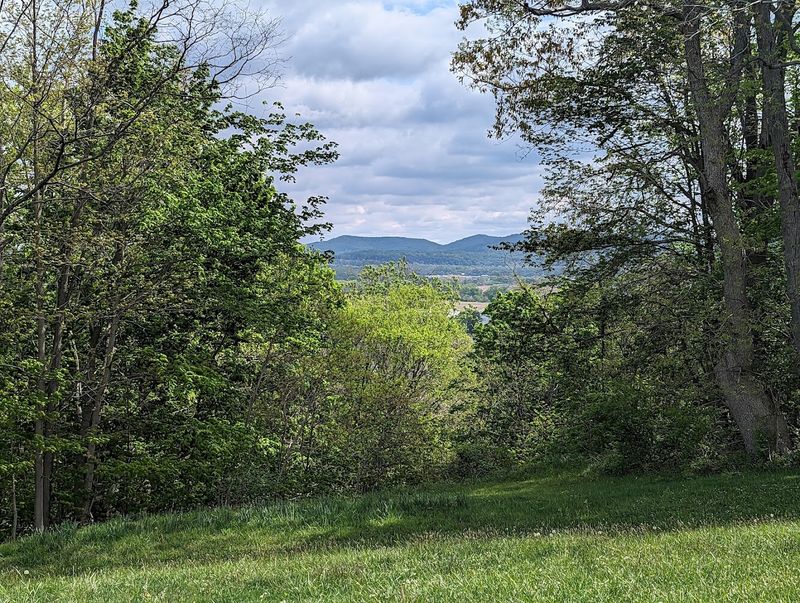
Walk the short trail to the overlook and you will understand the seal in your bones. The fields, the valley, and the rising sun resolve into a familiar emblem that suddenly feels alive.
It is humbling and a little electric, like finding the source of a river you have seen on every map.
Early morning light is magic here, but any clear day delivers the composition that inspired designers. You can trace horizon lines with your eyes and imagine Worthington drawing pride from this exact vantage.
It is a faithful, honest landscape, not a painted dream.
Standing quietly, you realize symbols gain power from places and people. This view is not abstract.
It is soil, labor, and hope gathered into one unforgettable scene that you will carry home every time you notice the Great Seal.
5. Gardens and Grounds: Seasons of Work and Wonder
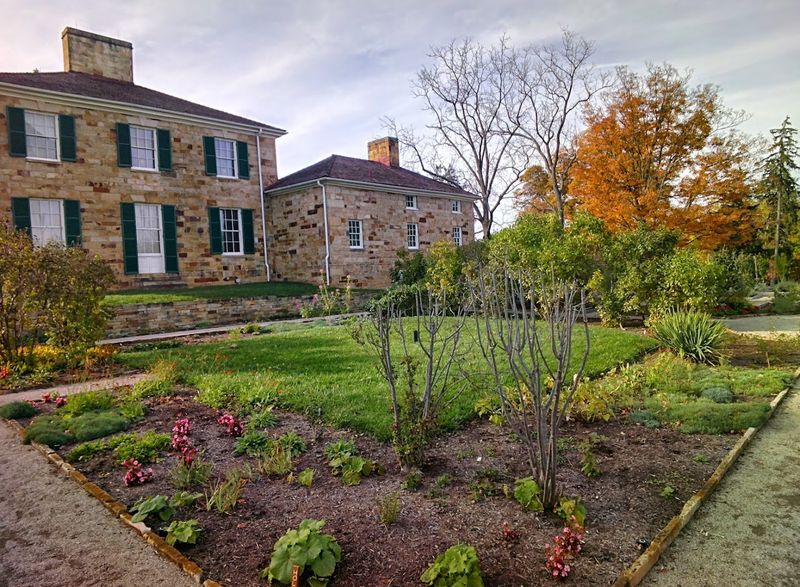
The grounds feel honest about time. Some beds are pristine, others show the patience and labor that historic gardening demands.
You can picture harvest baskets, muddy boots, and the careful rhythm of seasons that shaped life at Adena.
Paths lead past outbuildings and the big sky opens, encouraging you to slow down and breathe. Even when sections are under restoration, there is meaning in the process.
You are seeing stewardship in motion, not a staged snapshot that never changes.
Bring comfortable shoes and let curiosity set your pace. The estate rewards lingering, listening to birds, and noticing how wind moves through tall grass.
Garden lovers will spot heirloom sensibilities tucked beside practical plots, all anchored by the mansion’s steady presence at the top of the hill.
6. Guided Tours: Tips for a Smooth, Rewarding Visit
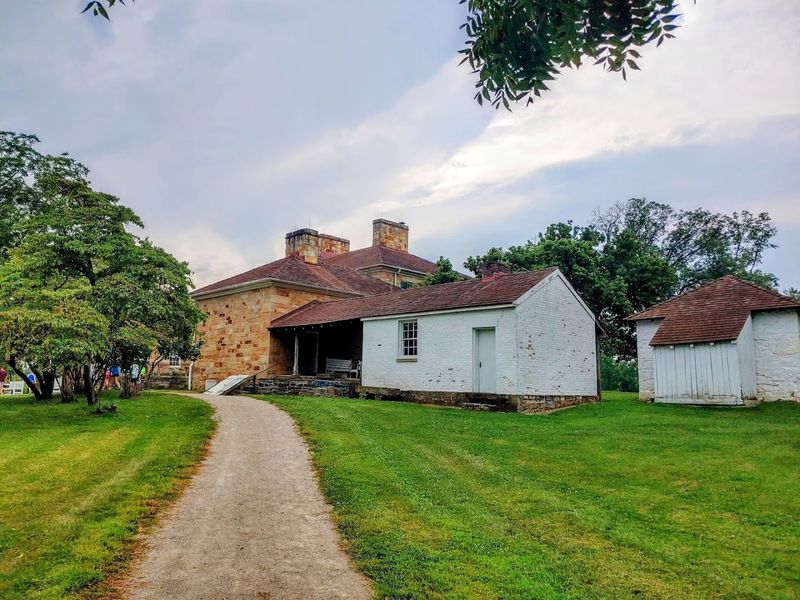
Tours are guided, timed, and worth every minute, so check the schedule before you go. The mansion itself is not photo friendly inside, which actually sharpens your attention.
You notice textiles, finishes, and tiny clues that a lens might have stolen from you.
Ask questions and lean into the expertise. Docents are knowledgeable and wonderfully patient, especially with kids who are curious.
If stairs are a challenge, let staff know, since they can offer an upstairs video experience that keeps you included and informed.
Pack light since food, water, candy, and gum are not allowed in the house. Dress in layers, because temperatures can feel cool indoors.
With a little planning, the tour opens like a conversation, connecting rooms, artifacts, and decisions that helped shape Ohio’s path.
7. Families and Kids: Hands On Learning Without the Hype
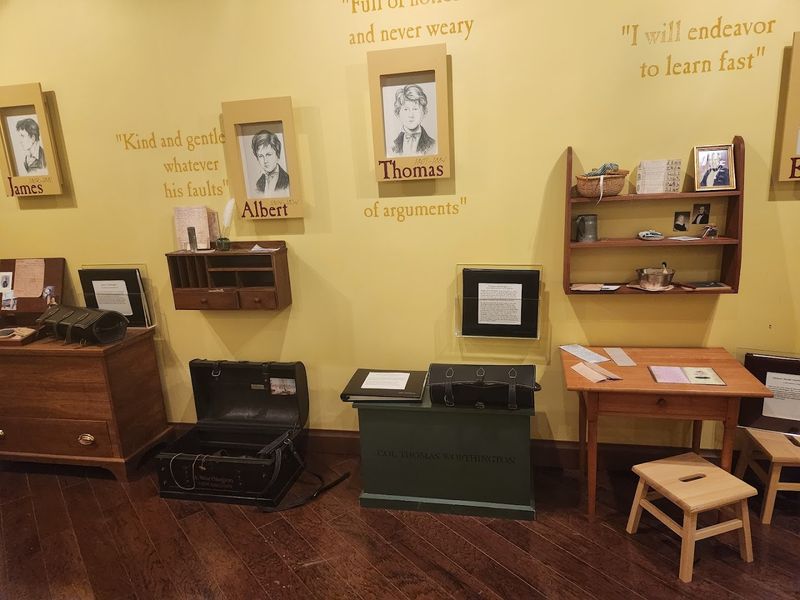
If you are visiting with kids, the experience feels inviting rather than hush only. The visitor center’s child friendly displays make timelines and big ideas tangible.
On the grounds, space to roam helps young minds reset between deeper moments inside the mansion.
Guides skillfully adjust to squirmy attention spans, mixing stories with questions that pull everyone in. You may hear about presidents, governors, and Tecumseh in ways that feel like a living web, not a lecture.
Curiosity wins the day here.
Consider a picnic at the shelter near the museum so everyone can refuel without rushing. Encourage note taking or sketching at the overlook to anchor memories.
By day’s end, your family will have shared a manageable adventure that makes Ohio history feel personal, relevant, and surprisingly fun.
8. Practical Planning: Hours, Tickets, and Accessibility
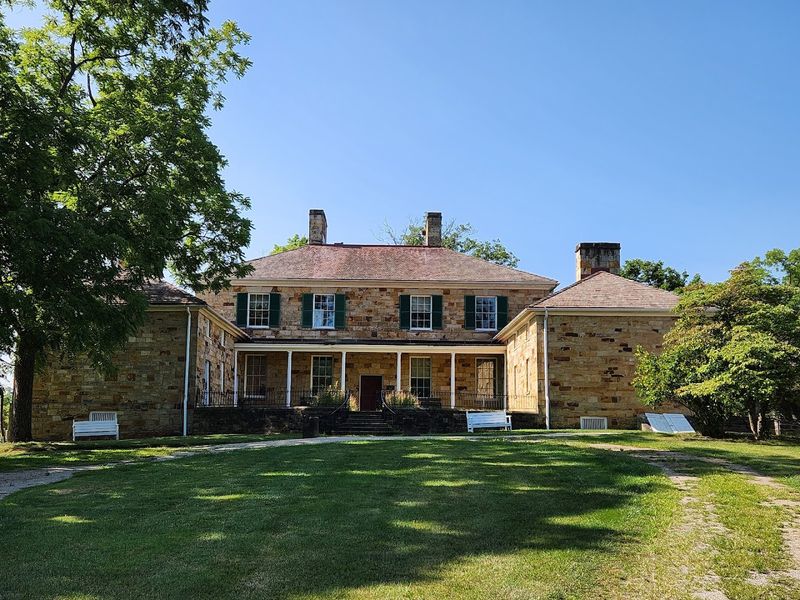
Before you drive out, check hours and tour times to avoid waiting. As of recent seasons, the site opens Wednesday through Sunday, with Wednesdays through Saturdays typically 9 AM to 5 PM and Sundays 12 to 5 PM.
Mondays and Tuesdays are closed, so plan accordingly and consider calling ahead.
Begin at the visitor center to purchase tickets and explore the museum. Ohio History members are welcomed, and staff can update you on special events or restoration work.
Restrooms and a gift shop are available, but full food service is not, so bring water and snacks for outside.
The museum and grounds are stroller and wheelchair friendly, though the mansion itself has stairs and limited access. Parking is by the visitor center, and photography is encouraged outdoors.
With the address 847 Adena Rd, a phone at (800) 319-7248, and the website, you are set.
9. Moments That Linger: Why Adena Stays With You
Some places leave you with a single postcard image. Adena sends you home with a handful of living moments.
The hush of a stairwell, the heartbeat view of the valley, and the gravity of artifacts that were held by complicated hands all settle in.
You find yourself retelling docent stories in the car, connecting them to news, school projects, and family lore. The estate’s honesty is its secret.
It does not overpolish or overwhelm, it simply offers the real textures of early Ohio.
When you notice the Great Seal later, the sun looks warmer and the fields feel earned. That is the power of standing where history happened.
You leave with gratitude for what has been preserved and a renewed sense that the state’s identity still grows, season by season, on this hill.
Share this story