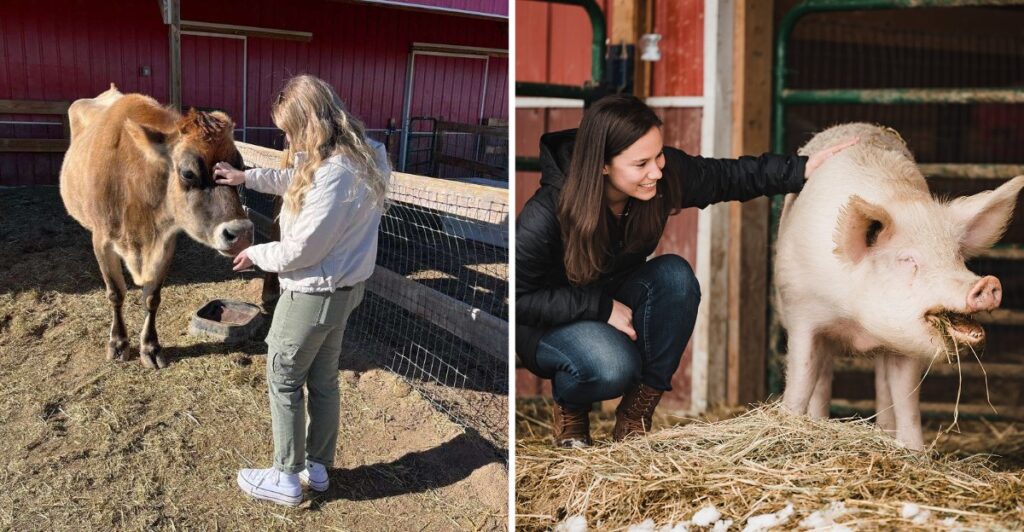
Cool autumn air and quiet farmland create an especially inviting backdrop for meeting the residents of Luvin Arms Animal Sanctuary near Erie. Rescued cows, pigs, goats, donkeys, and other farm animals have found a permanent home here, where visitors can learn about their individual stories while seeing them up close.
The experience moves at a gentler pace than a typical animal attraction, making the sanctuary an appealing choice for a relaxed Colorado fall outing. Golden fields and crisp weather only add to the atmosphere. For animal lovers, an afternoon here offers plenty of memorable encounters without needing a packed itinerary.
Golden Fields and Big Sky on County Road 7
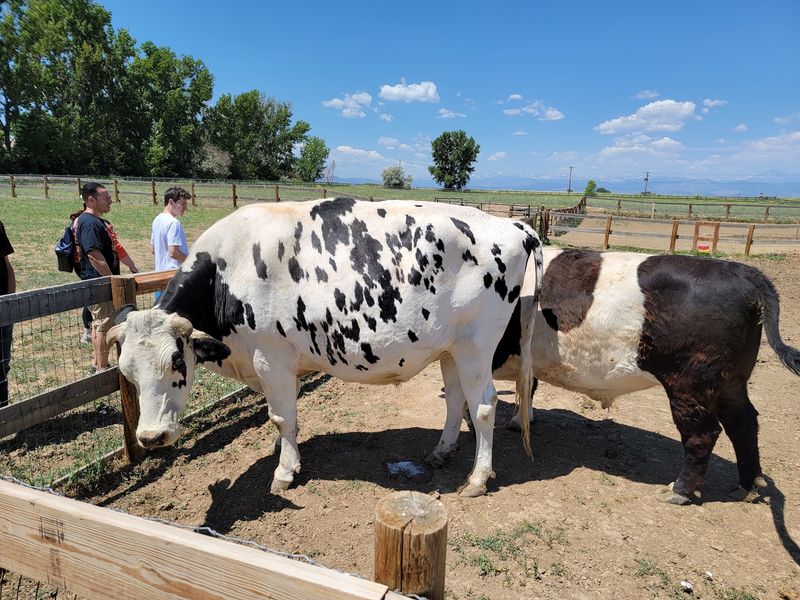
Turn off County Road 7 and the suburbs seem to melt away. Open pasture stretches out in every direction, fences trace neat lines across the grass, and the Front Range sits low and blue on the western edge of the sky.
In autumn, the whole scene shifts color. Summer green fades into shades of straw and honey, and the grass crunches a little underfoot on cold mornings. Cottonwoods along the plains turn yellow, so the drive in comes with a free show before anyone even parks.
The setting matters for more than photos. Farm animals rescued from tough starts need space to roam, graze, and rest, and this land gives them exactly that. Cows can wander in slow groups, pigs can root around in the dirt, and goats can find the highest spot to perch on, which they always do.
Sound plays a big role here too. Instead of traffic, there is the low huff of a cow breathing, the scratch of hooves on gravel, and now and then a donkey announcing itself at full volume. Wind moving across the open plains carries the smell of hay and earth.
Fall light is also a gift for anyone with a camera. The sun sits lower in the sky, so shadows stretch long and warm across the pens by early afternoon. Fur and bristles glow in that light, and a pig napping in the straw suddenly looks like a painting.
Erie sits only a short drive from Boulder and Denver, which makes the change of scenery feel even bigger. One minute there are shopping centers and busy roads. The next, a curious steer is watching the car pull in, chewing slowly, completely unimpressed by the arrival of visitors.
Cow Cuddles Are a Real Thing, and They Are Wonderful
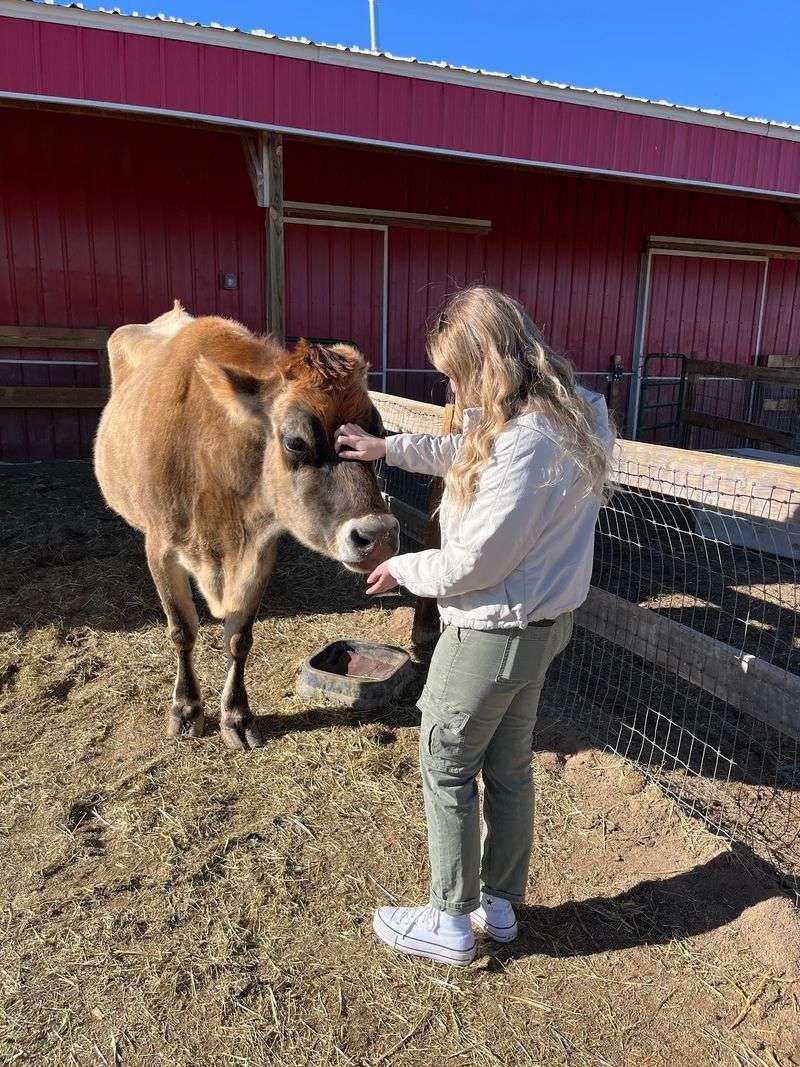
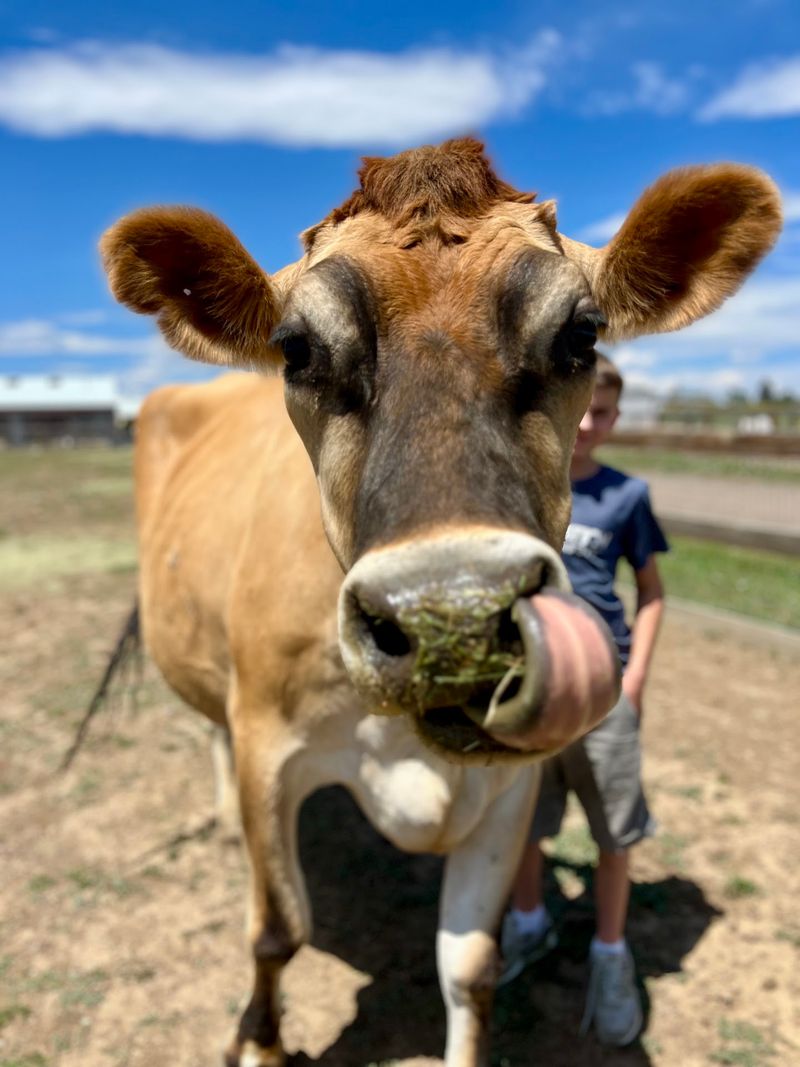
Picture leaning against a cow that weighs more than a small car, feeling her chest rise and fall with each slow breath. That is the heart of the Cow Cuddle experience at Luvin Arms, and it is one of the most requested visits on the farm.
Cows are much more social than most people expect. They form close friendships, recognize familiar faces, and can be surprisingly relaxed around calm humans. When a cow lies down in the straw and lets someone scratch behind her ears, it shows real trust.
A guide leads each session and explains how to approach the animals safely. Guests learn where cows like to be touched, how to read their body language, and when to give them space. A swishing tail or a turned head says a lot, and the guides teach visitors to notice these small signals.
Every cow has a name and a backstory. Some came from dairy farms, others from situations where they had nowhere else to go. Hearing where each one started makes the quiet moment of brushing her side feel much bigger than a simple pet. Here are a few tips to make the most of it:
Wear clothes that can get dirty, because straw and hair will find their way onto everything. Closed-toe shoes are a smart choice on uneven ground. Move slowly, speak softly, and let the cow decide how close things get.
Fun fact: cows have nearly panoramic vision, seeing almost all the way around their bodies. That is why guides suggest approaching from the side instead of sneaking up from behind.
Once a cow settles in, though, many visitors find it hard to leave. A warm, sleepy cow on a chilly fall day is about as cozy as life gets.
Belly Rub Club: Meet the Pigs Behind the Bristles
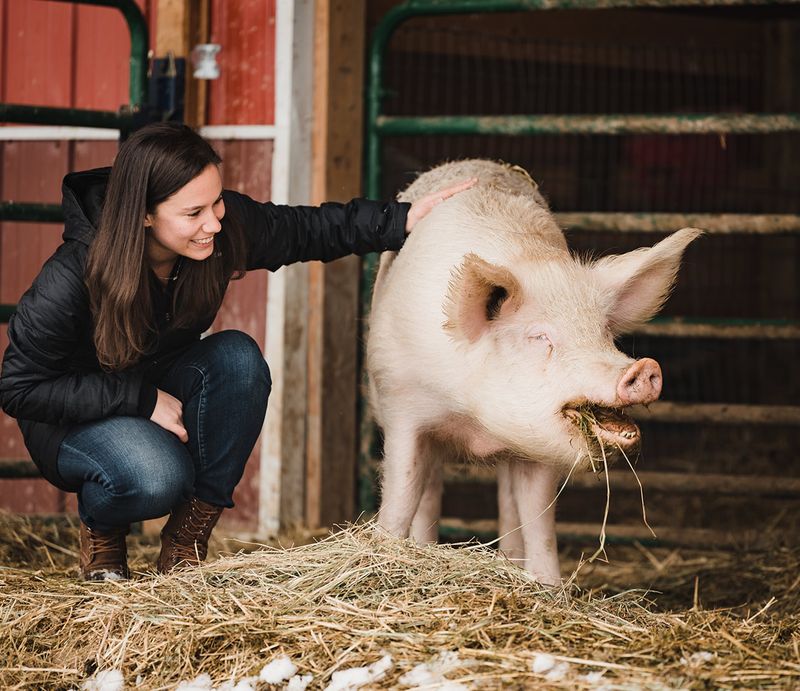
Pigs have a secret weakness, and it is belly rubs. Scratch the right spot and many of them will slowly tip over onto their sides, eyes half closed, grunting happily like a contented engine.
At Luvin Arms, this pig-focused visit is called the Belly Rub Club, and the name fits perfectly. The pigs live in several areas across the property, so the tour moves from pen to pen. That means visitors see a big chunk of the farm while meeting pigs of every size, from younger ones to massive, heavy seniors.
A heads-up for first-timers: pig skin is not soft like a puppy. Their coats are bristly and a little scratchy, almost like a stiff brush. That surprise is part of the fun, and it makes the moment feel real instead of storybook.
Pigs are also known as some of the smartest animals on any farm. They can learn routines, solve simple puzzles, and remember people. Watching one nose through fresh straw or wander over to check out a new visitor shows just how curious they are.
One resident named Maui has become something of a fan favorite, mostly thanks to his wonderfully expressive face. Each pig has its own quirks, though, and guides are happy to share which ones love attention and which prefer a quiet nap.
Kids especially love this experience because pigs are low to the ground and easy to reach. Guides show young visitors how to use gentle, flat hands and slow movements. Parents may notice their children becoming calmer and more careful as the tour goes on.
On a cool fall afternoon, pigs often burrow deep into their bedding. Spotting a snout poking out from a pile of straw is its own small reward.
Goats, Donkeys, and a Goat Named Bruce Wayne
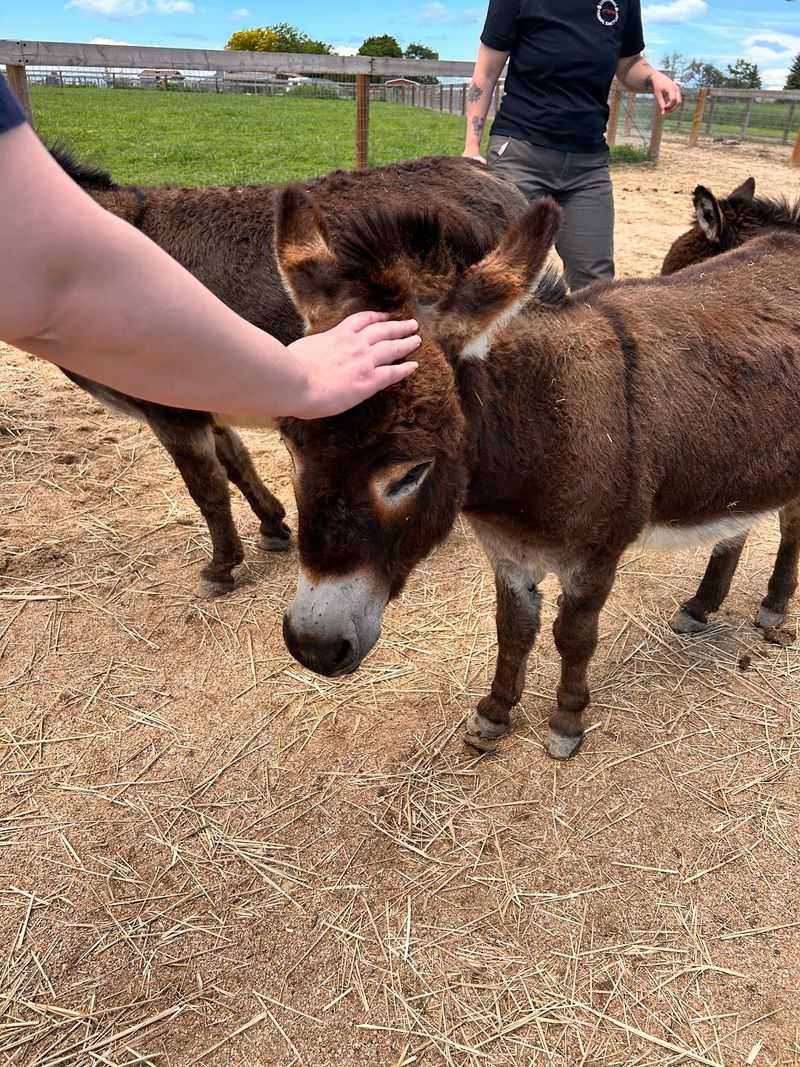
Cows and pigs may headline the show, but the supporting cast steals plenty of scenes. Goats, sheep, and donkeys share the farm, and each brings a very different energy to the visit.
Goats are the comedians. They climb on anything, nibble at sleeves, and push their heads forward for scratches with total confidence.
A goat named Bruce Wayne has earned a loyal following, and another called Gelato is known as a true character. Names like these make it easy to remember who is who.
Donkeys move at their own relaxed pace. They tend to watch newcomers carefully before deciding to come closer, then lean in for a neck rub once they feel comfortable. Their long, fuzzy ears are even softer than they look.
Sheep round things out with their quiet, gentle presence. In fall, their wool starts thickening up for winter, making them look extra fluffy and round.
Many tours end with a treat moment. The sanctuary provides snacks that visitors can offer to the sheep and goats, and it quickly turns into a happy scramble of lips and noses. Holding a flat palm keeps fingers safe and makes the handoff easier for the animals.
Some pens allow guests to step inside and brush or pet the residents. Brushing is a nice option for people who feel shy about direct contact, since it gives hands something to do while the animal gets used to them.
Did you know? Goats have rectangular pupils, which help them spot movement across wide areas. It explains why they always seem to notice a treat bag the second it appears. Keep an eye on your pockets, because a determined goat will absolutely check them.
A Colorado Farm Built on Second Chances
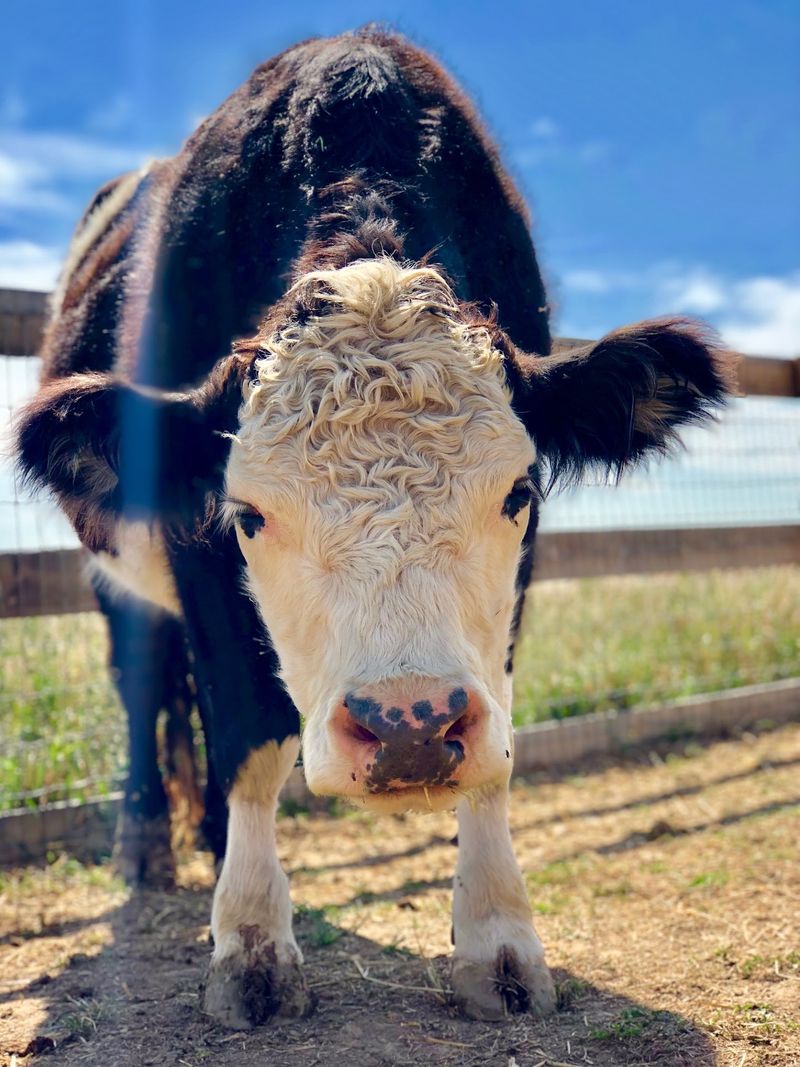
Every animal living at Luvin Arms arrived with a story. Some were saved from farms, some were surrendered, and others simply needed a place to grow old in peace. Tours often begin with the history of the sanctuary before anyone meets a single resident.
That order makes sense. Knowing where the animals came from changes how visitors see them. A cow stops being just a cow and becomes an individual with a past, a personality, and friends in the herd.
The sanctuary is a non-profit organization, which means the care comes from donations, volunteers, and visits. Feeding, vet care, and shelter for large animals cost a lot, especially since many residents live for years longer than they would have otherwise. Booking a tour directly helps pay for that care.
Guides here know every animal by name and speak to them softly, like old friends. They even share memories of residents who have passed away, keeping their stories alive for new visitors. It is a small detail that shows how personal this work is.
The mission is built around a idea called Ahimsa, a word meaning nonviolence toward all living beings. Tours focus on respect and dignity for the animals rather than lectures. People of every background and diet are welcome, and the goal is simply to connect.
Families with young kids will notice how guides teach gentleness in a patient, playful way. Children learn to wait, watch, and use soft hands, lessons that carry over to pets and people at home.
Volunteering is another way to get involved. Local helpers pitch in with chores and care, and many return week after week. For Erie residents, it offers a steady connection to animals who depend on the community.
Picking the Right Tour for Your Crew
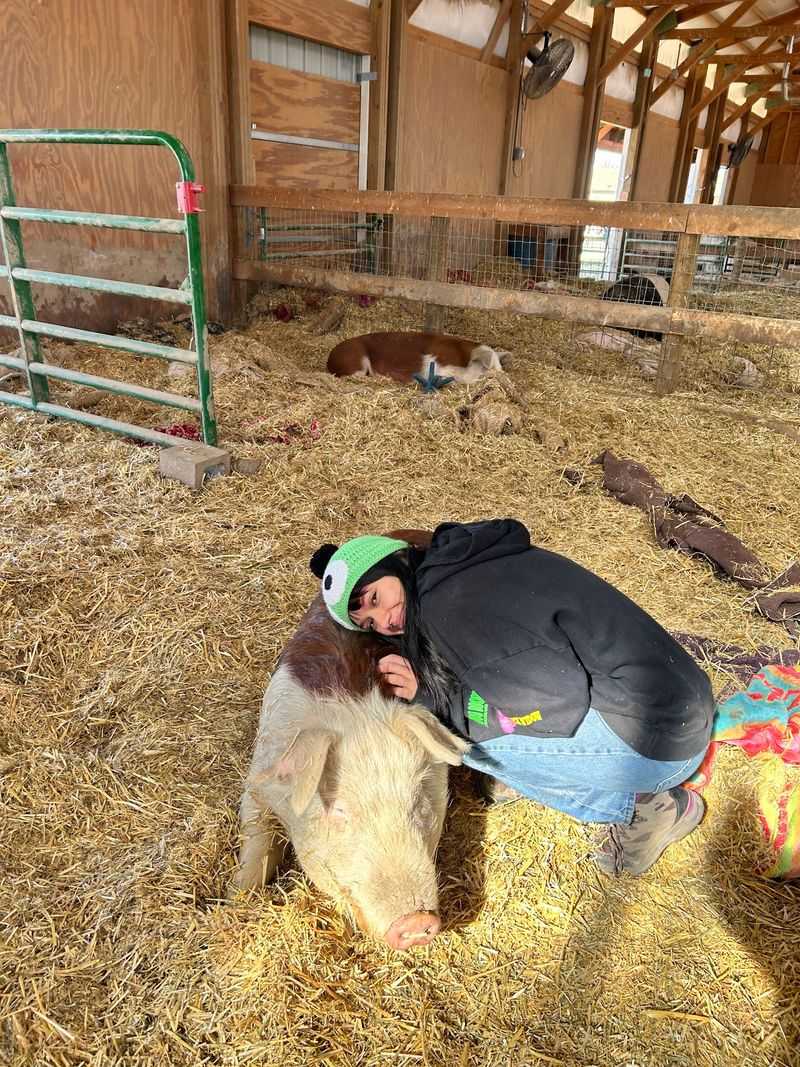
Choosing a tour is a little like choosing a movie. It depends on who is coming, what they love, and how much time everyone has.
For animal lovers with a favorite species, the focused experiences shine. Cow Cuddle sessions center on the gentle giants of the farm, while the Belly Rub Club spends most of its time with the pigs. Both still include stops with other residents along the way, so nobody misses out entirely.
Larger groups, school classes, or families with lots of kids can look into community-style tours such as Connecting Community. Guides are skilled at managing bigger crowds and showing everyone how to interact safely. Kids get plenty of chances to pet, brush, and ask questions.
Private tours are a great pick for special occasions. Birthdays, anniversaries, and first visits for dedicated animal fans all feel more personal with a smaller group. There is more time to linger with a favorite animal and more room for questions.
A few practical pointers help every visit go smoothly: Book ahead, since tours are guided and spots can fill up, especially on fall weekends. Dress in layers, because Colorado mornings can be chilly even when afternoons warm up. Sturdy shoes with good grip are a must on dirt paths and in pens.
Leave fancy clothes at home. Straw, mud, and animal hair are part of the deal, and goats have zero respect for nice jackets. Bring a water bottle and sunscreen, since the high plains sun stays strong in autumn.
Finally, follow the guide closely. Rules about where to stand and how to touch are there to protect both animals and visitors. Once everyone knows the routine, the animals relax too.
Timing Your Fall Visit to Erie
Nine in the morning is when the gates open, and four in the afternoon is when they close. The sanctuary keeps those hours every day of the week, which makes planning surprisingly easy.
Fall is a sweet spot. Summer heat can make animals sluggish and send them seeking shade, while winter brings snow and icy paths. September and October usually deliver mild temperatures, so cows and pigs are often out and moving around.
Morning tours offer a fresher start. The air is crisp, the animals are often active, and the light is soft and clear. Early slots also leave the rest of the day free for exploring nearby Erie, Lafayette, or Boulder.
Afternoon visits have their own perks. Low autumn sun paints the pastures gold, which is great for photos. Animals may be settled in for naps by then, making it a calm time for cuddles.
Weekdays tend to be quieter than weekends, a nice bonus for anyone hoping for a more relaxed pace. Weekend spots can go fast in fall when families look for outdoor plans.
Colorado weather can flip quickly, even on a sunny day. A warm afternoon may follow a frosty morning, and early snow is always possible by late October. Checking the forecast and packing a hat and gloves saves a lot of shivering.
Getting there is simple. The sanctuary sits on County Road 7, a short drive from Interstate 25 and only about half an hour from Denver in light traffic.
Arriving a few minutes early helps, since tours start on schedule and nobody wants to miss the introduction. Afterward, grab a warm drink in town and swap favorite animal names on the ride home.
Share this story