If you have ever wanted to wander a real stone castle filled with rare treasures from around the world, Glencairn Museum in Bryn Athyn is your next unforgettable afternoon. Inside this medieval-style mansion, you will trace human stories through ancient Egyptian charms, Roman mosaics, radiant medieval stained glass, and handcrafted details that make even a stair rail feel meaningful.
The best part is how approachable it all feels, with passionate guides turning grand history into personal discovery and a tower view that lets you spot the Philadelphia skyline on a clear day. Come curious, because this place rewards questions, quiet moments, and the kind of wonder that lingers long after you step back outside.
1. The Great Hall
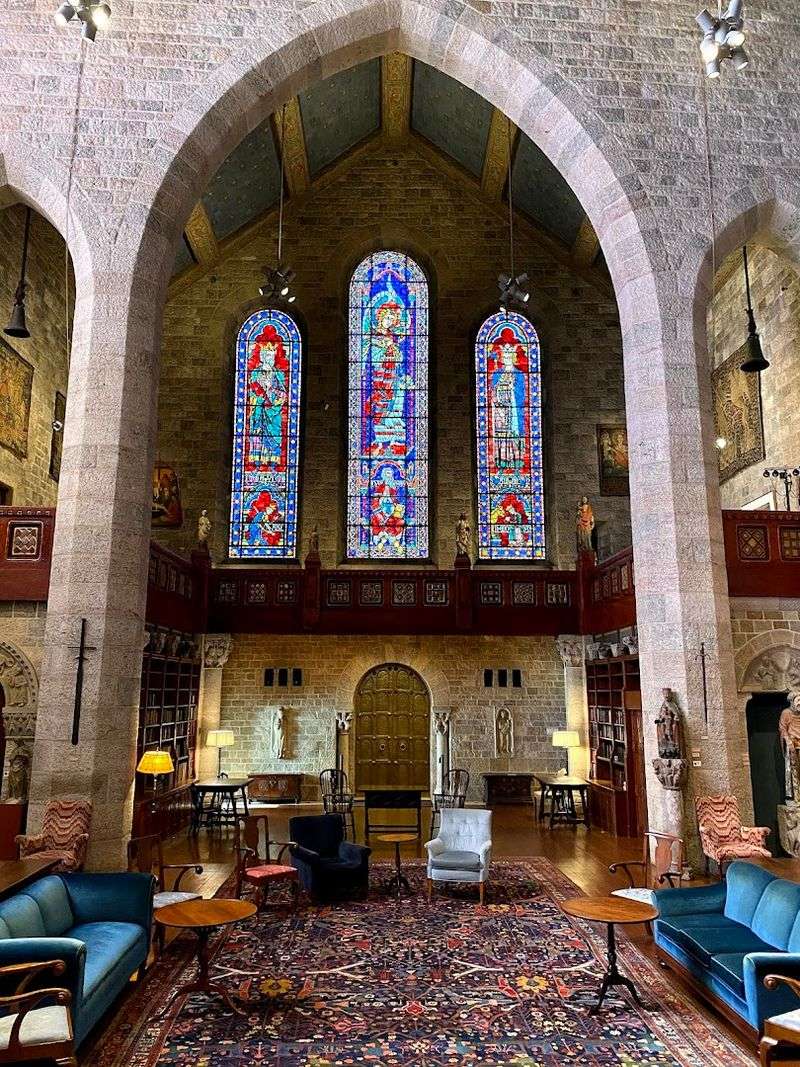
Step into the Great Hall, and you feel the castle’s heartbeat immediately.
Soaring stone arches lift your gaze, while warm wood panels glow with quiet craftsmanship.
Light pours through richly colored glass, scattering ruby and sapphire patterns across the floor as you move.
It is the kind of room that hushes conversation without ever feeling cold.
You can linger here, letting the stories in the walls introduce the rest of the museum.
Look closer and details reward patience.
Carved capitals depict Biblical scenes alongside natural motifs, a visual conversation between faith and creation.
The acoustics wrap music gently, so even footsteps seem rhythmic.
When guides share how Raymond Pitcairn shaped this space for gathering, you sense intention in every joint and seam.
It is a room to start your visit, return between galleries, and savor before climbing the tower for sweeping views.
Do not rush.
Sit a moment, breathe, and let the light teach you.
2. The Tower and Skyline View
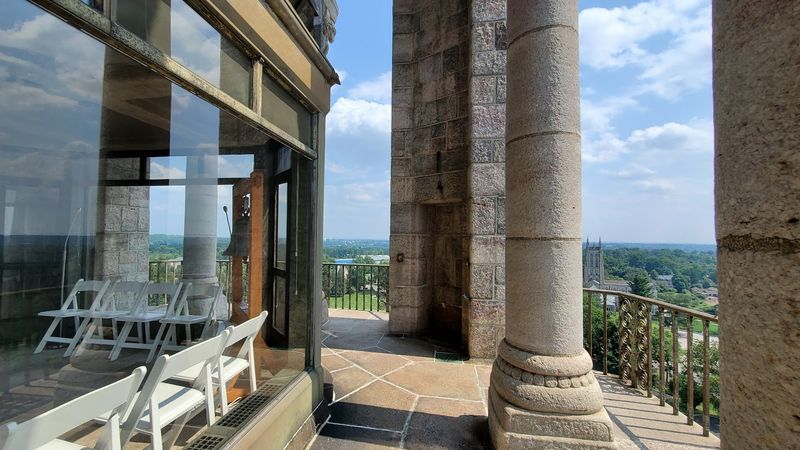
Climb to the ninth-floor tower and the world unfolds like a living map.
On a clear day, you can spot Center City far on the horizon, while the Huntingdon Valley stretches in soft greens and golds.
The wind nudges your shoulders, and suddenly the museum’s castle profile makes perfect sense.
You are above it all, yet more connected to everything below.
Guides share how the tower once framed seasonal constellations for family stargazing, a quiet tradition that still feels present.
The stonework tightens as you rise, then opens into luminous sky, a crafted journey from enclosure to vista.
Cameras love this spot, but take time without the lens too.
Let your eyes study the cathedral district, the gardens, and the patterns of slate rooftops leading toward Cairnwood.
If heights make you nervous, breathe slow and lean into the stone.
The sense of security grows with each glance, and the view rewards patience richly today.
3. The Egyptian Gallery
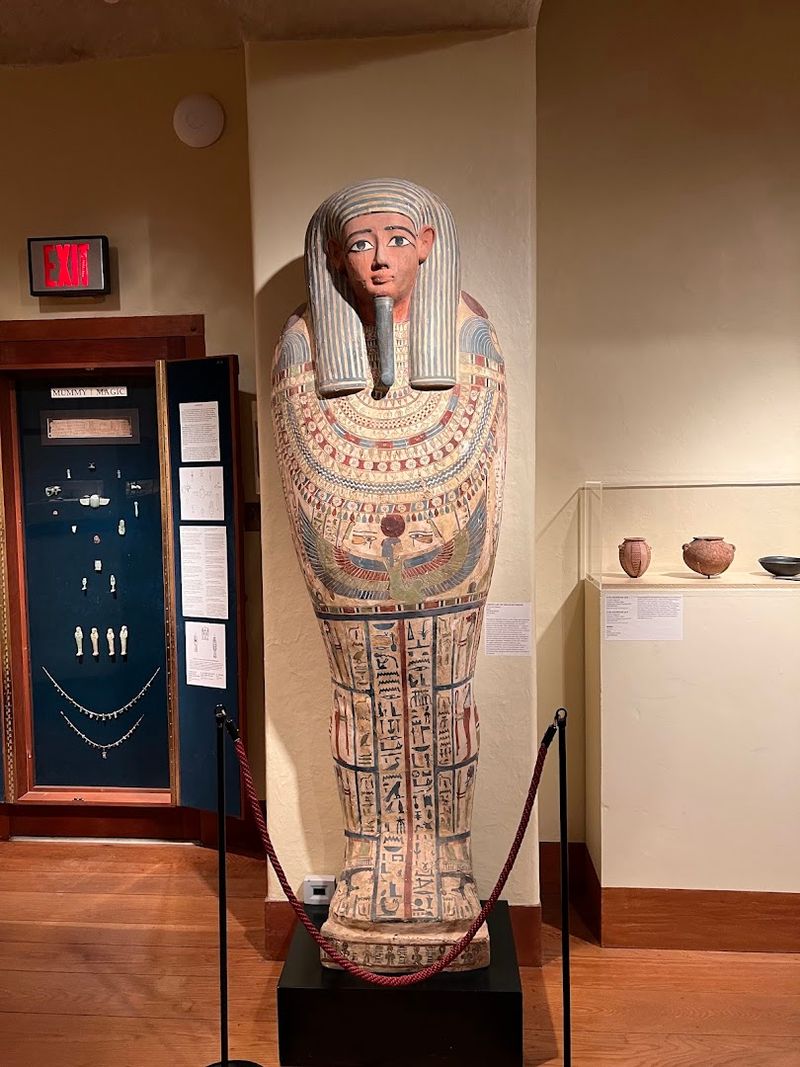
The Egyptian Gallery pulls you into deep time with a calm, steady hand.
Intricately carved ushabti, fragments of painted coffins, and delicate amulets whisper of daily hopes and eternal journeys.
You recognize familiar symbols – ankhs, scarab beetles, the watchful eye – yet each object carries a specific human story.
Lighting is gentle, labels are clear, and the room invites quiet questions rather than rush.
Docents connect artifacts to the beliefs that shaped them, from household worship to royal ceremonies.
They trace craftsmanship techniques, then point to parallels elsewhere in the museum that help you compare cultures.
You start to see relationships rather than isolated relics.
In a castle built to celebrate faith and art, this gallery models curiosity with respect, reminding you to look for meaning in materials and making.
Take your time with the small things.
A tiny bead, a linen weave, or a falcon feather carved in stone can transform your visit.
4. Medieval Stained Glass
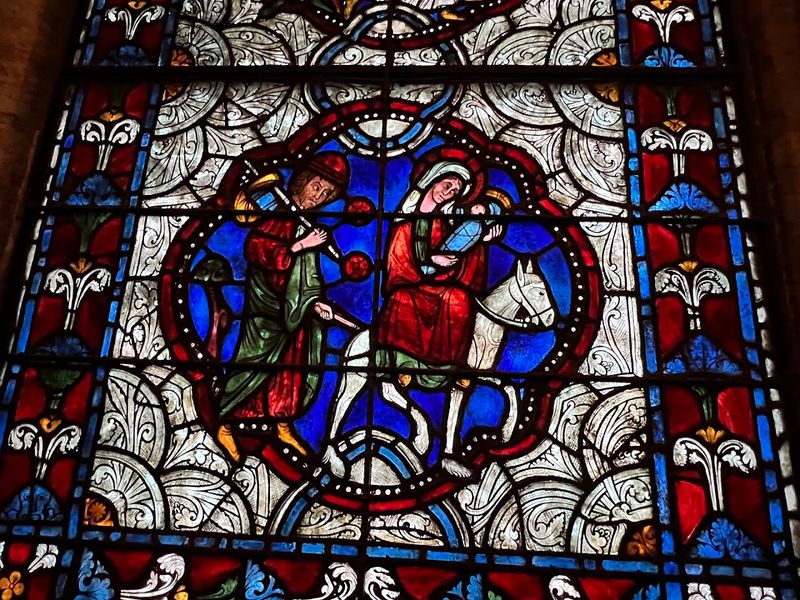
Glencairn’s stained glass collection glows like a choir of windows singing in color.
Medieval panels show saints, craftsmen, and ordinary people, each figure outlined by lead that reads like handwriting.
As sunlight shifts, expressions change, blues deepen, and gold halos breathe.
You can stand inches away and still feel you are looking across centuries at artists who understood story, light, and devotion.
Here, the museum’s mission feels especially clear.
Pieces are not trophies – they are teachers, placed so you can trace iconography, brushstrokes, and repairs.
Guides point out where panels traveled, how they were saved, and what lost chapels might have looked like.
The conversation widens to architecture next door, and suddenly you notice how glass threads the whole district together.
If color therapy is real, this room proves it.
Let the luminous reds and patient blues slow your breathing and set the pace for the rest of your tour.
5. Roman and Near Eastern Treasures
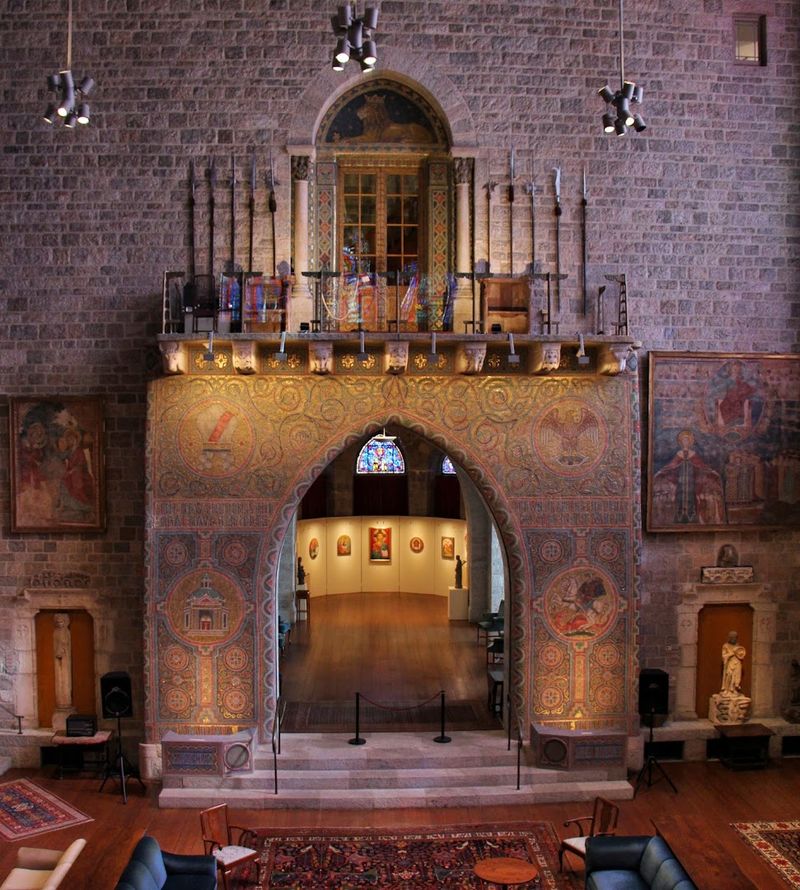
Across the galleries, Roman mosaics and Near Eastern ceramics sit in calm dialogue.
Patterns ripple like music, telling stories of trade routes, households, and shared techniques that crossed deserts and seas.
You notice how a simple clay lamp mirrors a glass form nearby, and suddenly, time collapses into everyday needs.
These objects are humble and grand at once, satisfying to study because they feel made for real hands.
Docents help you trace motifs, from vines and doves to geometric borders that travel from temple walls to tableware.
Conservation notes explain repairs and ethics, acknowledging the responsibility that comes with caring for ancient art.
The result is a rare balance of scholarship and welcome.
You leave with sharper eyes for pattern, and a deeper respect for the makers who found beauty in utility.
Give yourself permission to linger.
Small textures reveal themselves slowly, like good conversation after a long, unhurried meal.
6. Craftsmanship and Architecture
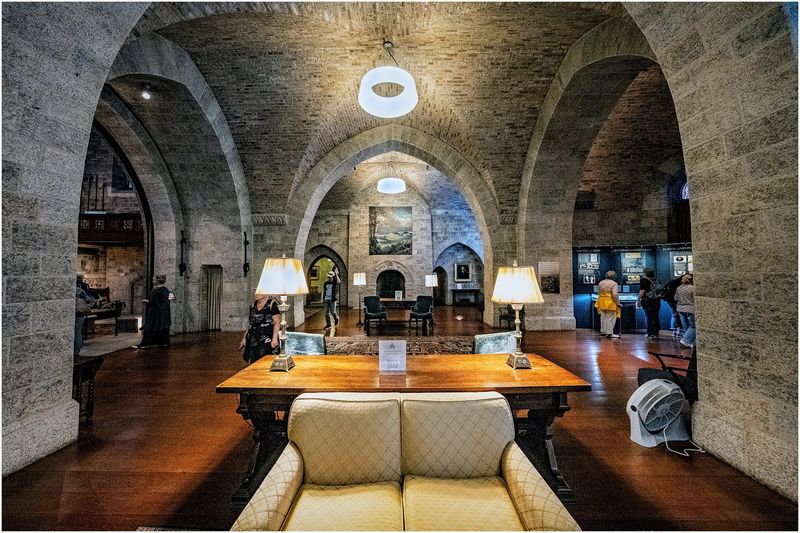
Even between galleries, craftsmanship keeps talking.
Stair rails curve like calligraphy, floors pattern stone with mathematical grace, and doors close with a satisfying, careful hush.
You start spotting hand-chiseled tool marks, then the fitted joints that seem impossibly clean.
This is a building designed to teach by touch and sight, where materials speak first and explanations arrive second.
The Craftsmanship Tour dives deeper, revealing mockups, sketches, and problem-solving that guided construction.
Guides explain how artisans collaborated across disciplines, aligning structure, symbolism, and use.
You begin noticing themes repeating all over the estate, turning the whole visit into a scavenger hunt of meaning.
Bring questions, because staff love turning curiosity into hands-on understanding.
By the time you exit, the simplest handle or hinge in daily life looks different.
That lasting shift might be the museum’s most beautiful souvenir.
You carry textures in memory, a felt vocabulary that helps you read buildings everywhere, long after you leave.
7. Christmas Nativities and Seasonal Tours
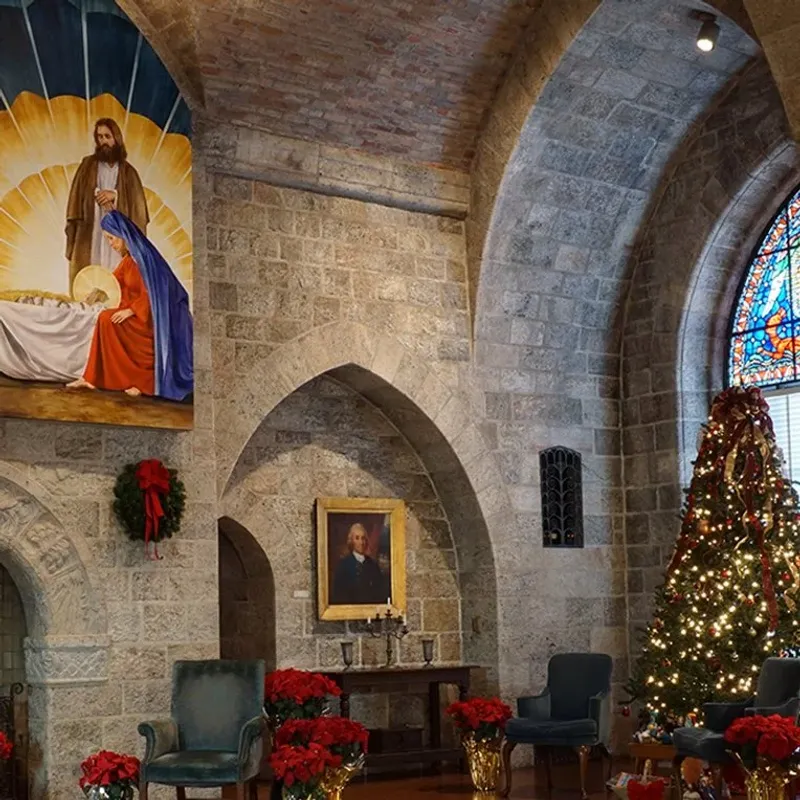
Visit during the holidays and the castle feels freshly storybook.
Hundreds of nativity scenes from around the world appear, carved, cast, woven, and painted in an astonishing range of materials.
You recognize familiar characters yet see new cultural lenses shaping clothing, architecture, and gesture.
It becomes a quiet geography lesson, a tender survey of how communities express hope through craft.
Docents guide with warmth, sharing origin stories and the makers behind each set.
Some scenes use corn husks, others gleam in glass, and several arrive from places you may not expect.
The variety invites reflection more than debate.
If you bring kids, the scavenger elements and storytelling prompts help them look closely and ask their own questions with confidence.
Plan ahead because tours sell out quickly.
The atmosphere is bright, welcoming, and perfect for sharing a gentle tradition together.
You will leave inspired, carrying small scenes of compassion into the colder weeks of the year.
8. Planning Your Visit

Glencairn Museum is a history museum with a 4.8-star reputation, and visiting is refreshingly simple.
Hours are afternoons: Tuesday, Wednesday, Friday, Saturday, and Sunday from one to four thirty, plus Thursday evenings from four to seven.
Monday is closed.
Check the website for seasonal changes, special exhibitions, and tickets, because tours often sell out.
Book a Highlights Tour if it is your first time, then add the Craftsmanship or Sacred Adornments experiences on a future visit.
Buy in advance online or by phone, and arrive a few minutes early for parking and check-in.
Families can grab scavenger hunts or backpacks that turn the galleries into playful quests.
If accessibility is a concern, call ahead so staff can guide you comfortably.
Finally, give yourself time to walk the grounds and the nearby cathedral district.
You will leave with stories, not just photos, and a deeper sense of care for how art, place, and people meet.
Share this story