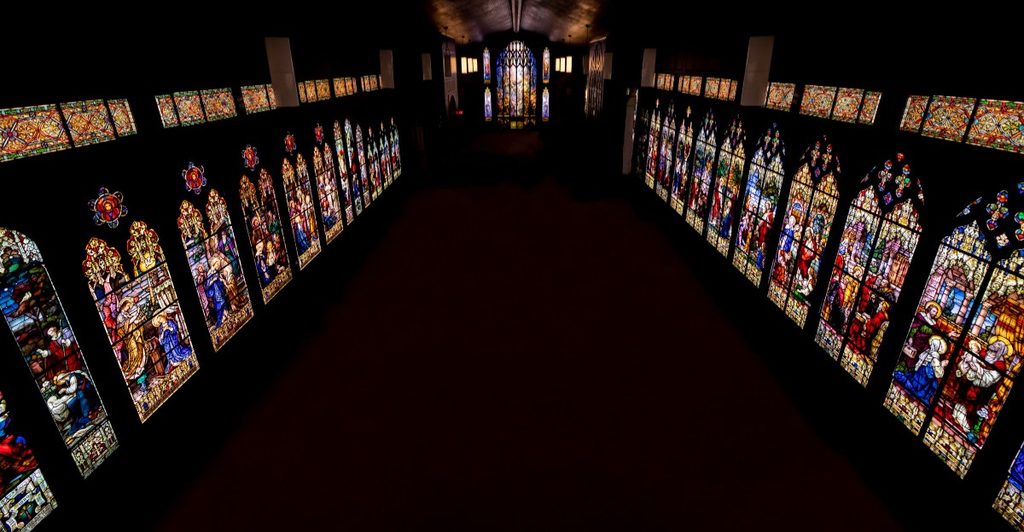
In San Juan, Texas, the Gelman Stained Glass Museum houses the largest collection of antique stained glass in the United States. With nearly 200 breathtaking pieces dating back to the 19th and 20th centuries, this hidden gem showcases works from legendary studios like Tiffany and preserves art that was saved from demolished churches across America. Whether you’re a history buff, an art lover, or just looking for something truly unique to experience in the Rio Grande Valley, this place will leave you absolutely speechless.
1. A Building Designed Like a Church Cross
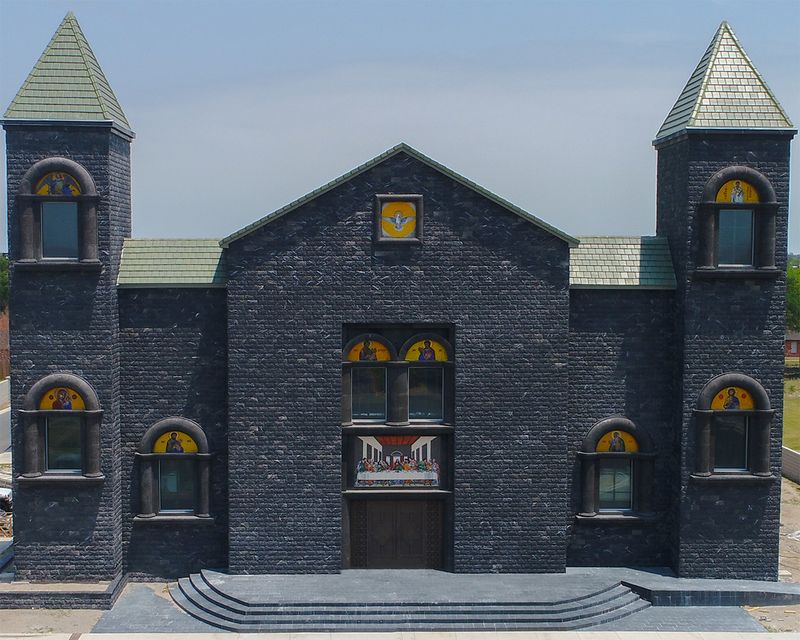
Walking up to the Gelman Stained Glass Museum, you might think you’ve stumbled upon an old church. The building itself is shaped like a traditional cross, which makes perfect sense once you step inside. But here’s the twist: this isn’t a repurposed historic structure at all.
The museum was built from the ground up specifically to showcase Dr. Gelman’s incredible collection of rescued stained glass. The cross-shaped design creates four distinct wings that allow natural and artificial light to illuminate the windows from every angle. Heavy, ornate doors at the entrances add to the chapel-like atmosphere, making your visit feel almost sacred.
The architecture works hand-in-hand with the art. Each section of the cross houses different pieces, and the layout encourages you to move through the space in a contemplative way. Visitors often mention how the building’s design enhances their experience, creating intimate viewing areas where you can really appreciate the intricate details.
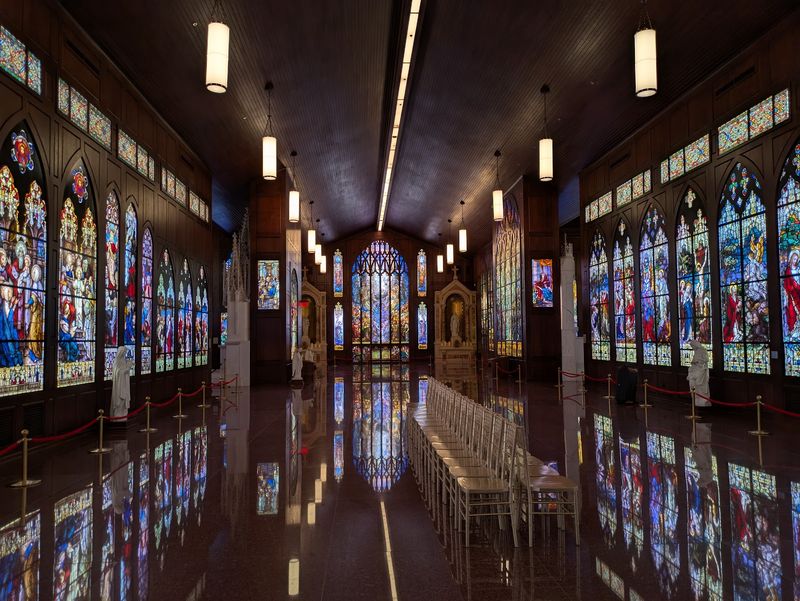
The structure also includes comfortable seating throughout, which is a thoughtful touch for those who can’t stand for long periods. You can settle into a chair and just soak in the glowing colors and patterns surrounding you. The building even boasts a pipe organ, adding another layer of grandeur to the space.
This isn’t just a museum building. It’s a carefully crafted environment that treats stained glass art with the reverence it deserves, proving that sometimes the container matters just as much as what’s inside.
2. Works from Tiffany and Other Legendary Studios
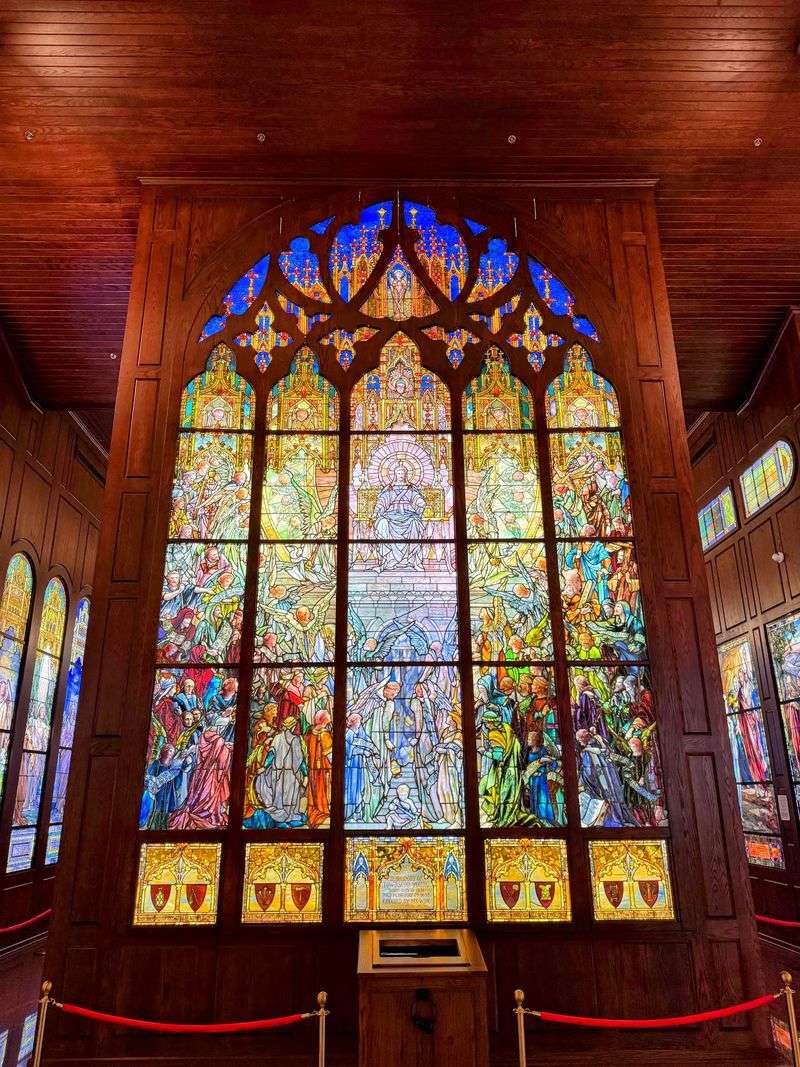
When you hear the name Tiffany, you probably think of fancy jewelry stores. But the Tiffany Studios also created some of the most exquisite stained glass windows in American history. The Gelman Museum houses pieces from this famous studio alongside works from four or five other major manufacturers from the golden age of stained glass.
Most of these masterpieces were created between 1870 and 1920, during a period when American churches commissioned elaborate stained glass to inspire their congregations. Each studio had its own signature techniques and styles. Some specialized in rich, jewel-like colors, while others focused on intricate patterns or biblical storytelling.
The collection represents art that would have been lost forever. When churches across America faced demolition or renovation, Dr. Gelman rescued these windows and gave them a permanent home. Now you can see works that once graced congregations from coast to coast, all gathered in one spectacular space.
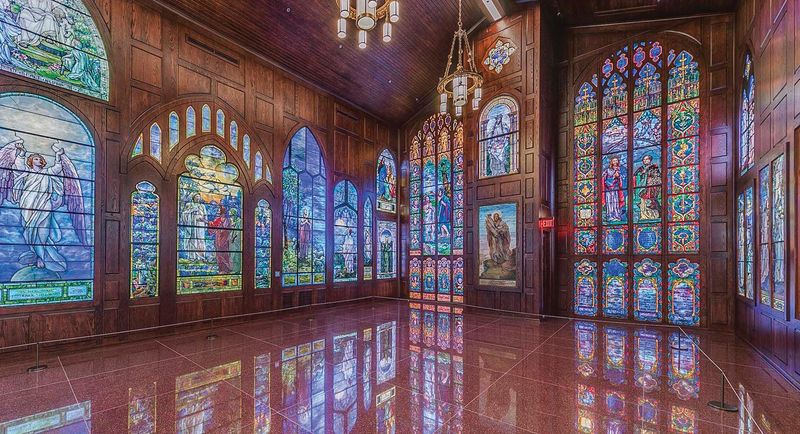
What makes these pieces so special is their condition. Despite being over a century old, they’re displayed in excellent shape, with every detail preserved. The museum uses expert lighting to make the colors pop just like they would have when sunlight streamed through them in their original church settings.
You don’t need to be a stained glass expert to appreciate the craftsmanship. The pamphlet provided at entry lists the different manufacturers and techniques, though some visitors wish this information was more prominently displayed throughout the museum itself.
3. Biblical Stories Told Through Glass
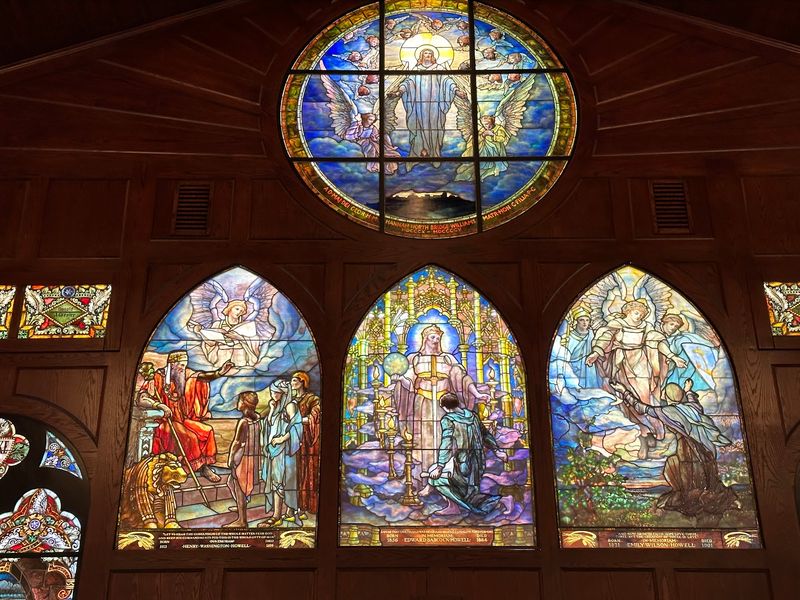
Ever tried reading the Bible to a kid? Now imagine telling those same stories through glowing, colorful pictures made entirely of glass. That’s exactly what many of these windows were designed to do.
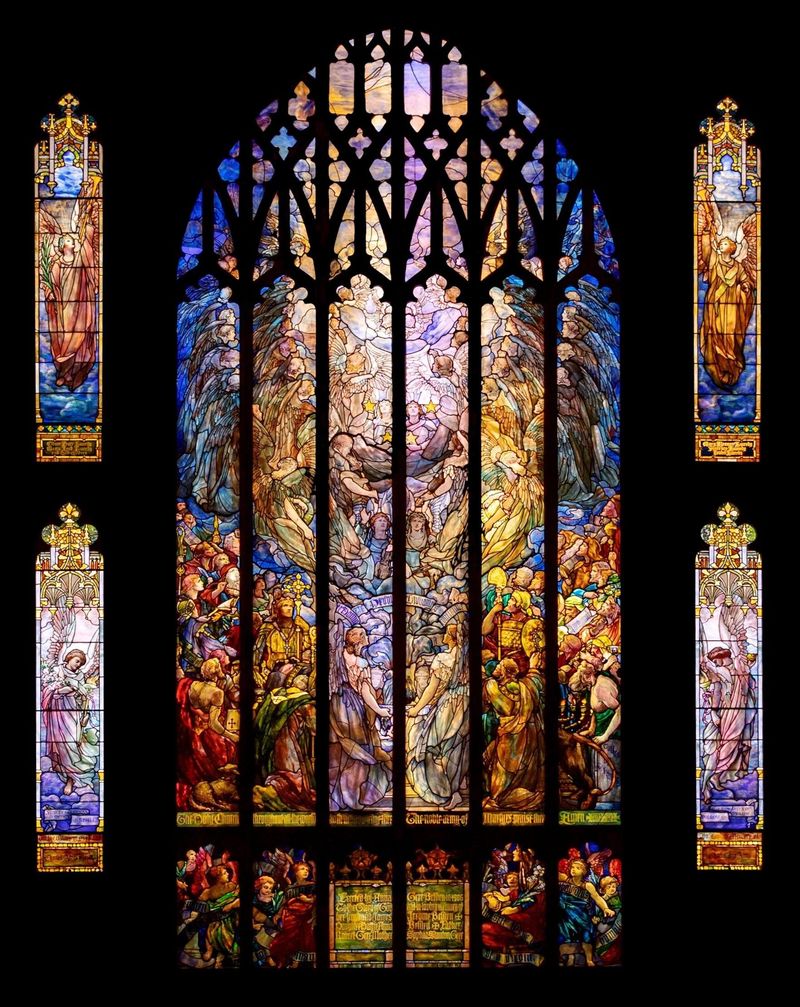
The stained glass panels at the Gelman Museum depict scenes from scripture in vivid detail. You’ll see familiar stories like the Nativity, the Crucifixion, and the Resurrection, each rendered by master craftsmen who understood how to use light and color to create emotional impact. Some panels show individual saints or angels, while others present complex narratives across multiple sections.
What’s fascinating is how these windows functioned as visual teaching tools. In an era when many congregants couldn’t read, stained glass windows served as illustrated Bibles. They helped people understand religious teachings through imagery rather than text.
Walking through the museum feels a bit like experiencing the Catholic stations of the cross, with each window inviting reflection and contemplation.
The attention to detail in these biblical scenes is remarkable. Facial expressions, flowing robes, symbolic objects like lambs or crosses, everything was carefully planned and executed. The artists used different types of glass to create texture and depth, making flat windows appear almost three-dimensional.
You don’t have to be religious to appreciate the artistry and historical significance. These windows represent centuries of tradition and thousands of hours of skilled labor, all dedicated to telling stories that shaped Western culture.
4. Rescued Altars and Sacred Artifacts
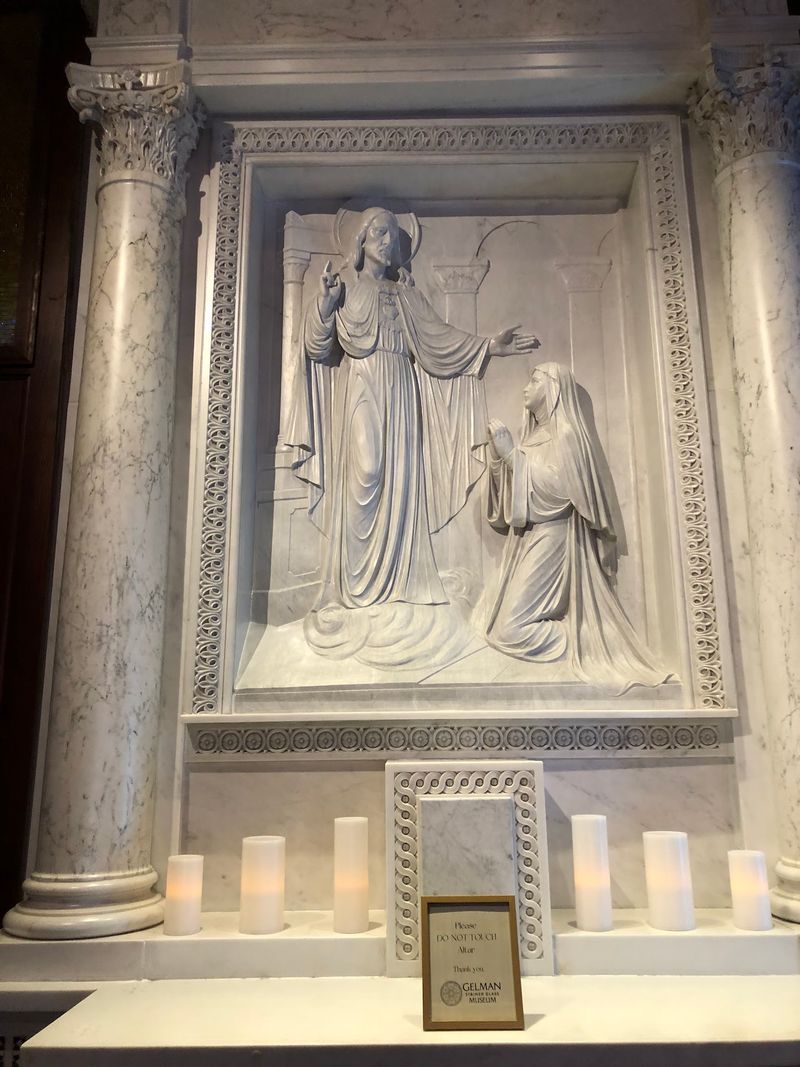
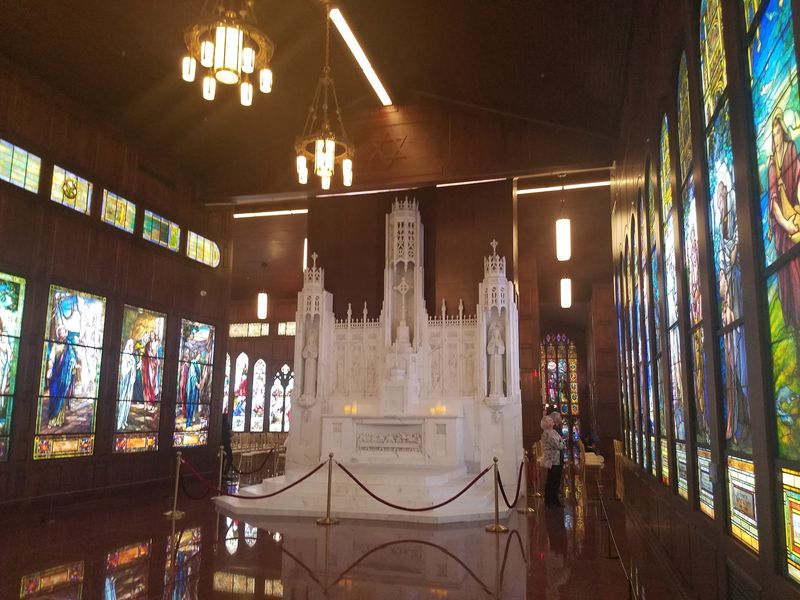
Stained glass isn’t the only treasure Dr. Gelman saved from demolition. Scattered throughout the museum, you’ll find stunning altars that once served as focal points in churches across America.
These altars are works of art in their own right. Many feature intricate wood carvings, gold leaf details, and marble surfaces that took skilled craftsmen months or even years to complete. Some include statues of saints or religious figures, while others display elaborate candle holders and decorative metalwork.
Seeing these altars in person gives you a sense of the grandeur that once filled American churches. They represent a level of craftsmanship that’s increasingly rare in our mass-produced world. Each altar tells a story about the congregation that commissioned it and the artisans who brought the vision to life.
The museum has done an excellent job preserving and displaying these pieces. They’re positioned throughout the space in ways that complement the stained glass, creating little vignettes that transport you to another era. You can walk right up to them and examine the details up close, something you’d never be able to do if they were still in active churches.
Reviewers frequently mention being impressed by these altars alongside the glass art. They add depth to your visit and help you understand the complete aesthetic environment these windows originally inhabited. Together, they create a powerful reminder of American religious and artistic heritage.
5. Guided Tours with Knowledgeable Staff
Sure, you can wander through the Gelman Museum on your own with the provided map. But if you really want to understand what you’re seeing, book a guided tour.
The museum staff are impressively knowledgeable about the collection. They can explain the history behind each piece, describe the techniques used to create them, and share stories about how the windows were rescued and restored. Reviewers consistently praise the guides for being welcoming, detailed, and genuinely passionate about the art.
One visitor mentioned a young man with amazing hair who made their experience particularly memorable. Another group of 40 people came away impressed by how much history and technical information their guide shared. These aren’t just employees reading from scripts; they’re enthusiasts who care deeply about preserving and sharing this art form.
Tours help you appreciate details you might otherwise miss. For example, the museum includes videos showing how some of the glass was installed in the building, but you might walk right past them without a guide pointing them out. Staff can also direct you to use the QR codes on the printed map, which provide additional information about each window.
The museum is small enough that you could rush through in ten minutes, but with a knowledgeable guide, you might easily spend an hour or two. The difference is night and day. You’ll leave with a genuine understanding of why these windows matter and what makes them so special.
6. Limited Hours Make Planning Essential
Here’s something you absolutely need to know before making the trip: the Gelman Museum has unusual operating hours that can catch visitors off guard.
The museum is only open Wednesday through Friday from 4:00 to 7:00 PM (closing at 6:00 PM on Fridays), and Sundays from 10:00 AM to 4:00 PM. That’s it. If you show up on Monday, Tuesday, or Saturday, you’re out of luck.
Multiple reviewers emphasize checking the schedule beforehand to avoid disappointment.
Tickets are sold for one-hour time slots, and you’ll need to book them in advance, especially if you’re visiting on a weekend. The $20 adult admission (with discounts for teachers, first responders, and students) gets you into your designated time window. Kids under 12 pay $10.
The limited hours actually work in your favor if you plan ahead. Because the museum isn’t open all day every day, it rarely gets overcrowded. Visitors report having plenty of space to move around and appreciate the art without feeling rushed or jostled by crowds.
On a hot Texas day, spending an hour in this cool, peaceful space is absolutely delightful.
The museum staff are strict about adhering to the schedule, which some might find rigid but actually ensures everyone gets their full experience. They’ll make sure everything runs smoothly and on time, particularly important if you’re attending a private event or wedding.
7. A Peaceful Atmosphere Worth the Admission
Let’s address the elephant in the room: at $20 per adult, some visitors feel the admission price is steep for a relatively small museum. But here’s what that ticket actually buys you.
You’re not just paying to see old windows. You’re experiencing the largest collection of antique stained glass in the United States, displayed in a purpose-built space with expert lighting and preservation. The peaceful, chapel-like atmosphere provides a rare opportunity to slow down and actually look at something beautiful without distractions.
The museum isn’t huge, which means you can thoroughly explore everything in your one-hour time slot without feeling overwhelmed. There are chairs positioned throughout where you can sit and simply absorb the colors and patterns surrounding you. On a busy day filled with Texas heat and noise, this quiet refuge offers something genuinely valuable.
Visitors who appreciate stained glass as an art form consistently say the admission is worth every penny. Those who aren’t particularly interested in the medium might finish quickly and feel differently. It really depends on what you’re looking for and how much you value this specific type of art and history.
The museum also functions as a wedding venue and private event space, which helps support its preservation mission. Your admission fee contributes to maintaining these irreplaceable artworks for future generations. Think of it less as entertainment and more as supporting living history.
Pro tip: there’s a small gift shop with souvenirs, though items are pricey. Budget accordingly if you want to take something home.
8. Practical Visitor Information You Need to Know
Before you head to the Gelman Museum, there are a few practical details that’ll make your visit smoother and more enjoyable.
First and most important: no purses or large bags are allowed inside. This policy surprises many first-time visitors, so plan accordingly. You can bring your phone and wallet, but leave the tote bag in the car.
The museum has very nice restrooms, so you won’t need to carry much anyway.
When you arrive, the front desk staff will give you a map with information about each piece. Make sure to use the QR codes printed on it. These codes link to detailed descriptions and historical context that really enhance your understanding.
Some visitors wish this information was more prominently displayed on the walls, but the QR system works well if you remember to use it.
The museum is located at 411 Virgen de San Juan Boulevard in San Juan, right across from the Basilica of Our Lady of San Juan. If you’re visiting the basilica, the museum makes a perfect addition to your day. You can call ahead at 956-601-0838 or visit their website at gelmanmuseum.org to purchase tickets and confirm hours.
Parking is convenient, and the building is accessible for those with mobility concerns. The cross-shaped layout means you’ll do some walking, but the chairs scattered throughout provide plenty of rest opportunities. The staff are genuinely helpful and welcoming, ready to answer questions and ensure you have a positive experience.