Tennessee is packed with quirky roadside stops and attractions that feel like they belong in a dream. From museums dedicated to the strangest collections to underground wonders and architectural oddities, the Volunteer State knows how to surprise visitors. Whether you love weird history, unusual art, or just want to see something totally unexpected, these spots will leave you scratching your head and snapping photos.
Get ready to explore some of the most wonderfully weird places Tennessee has to offer.
1. Salt & Pepper Shaker Museum – Gatlinburg

Tucked away in Gatlinburg sits a museum entirely devoted to salt and pepper shakers, and yes, it’s exactly as delightful as it sounds. Andrea Ludden started collecting these tiny dining companions decades ago, and her hobby grew into one of the most unusual museums you’ll ever visit. Walking through the doors feels like stepping into someone’s wildly organized obsession.
More than 20,000 shakers line the walls, representing every theme imaginable. You’ll spot cartoon characters, animals, famous landmarks, holiday icons, and designs so obscure you wonder who thought them up. Some date back over a century, while others are brand new and just as charming.
The sheer variety keeps your eyes darting from shelf to shelf.
What makes this place special isn’t just the collection but the stories behind it. Each shaker set has its own quirky history, whether it’s a souvenir from a long-ago trip or a limited-edition piece from a famous maker. Kids love pointing out their favorite characters, and adults often get nostalgic spotting sets their grandparents owned.
Admission is free, though donations are welcome to help maintain the collection. The museum is small, so you can tour it in about 30 minutes, but many visitors linger longer, enchanted by the details. It’s the kind of stop that makes you smile and wonder why more people don’t celebrate everyday objects this way.
If you’re driving through the Smokies, this little gem is worth the detour.
2. The Lost Sea Adventure – Sweetwater
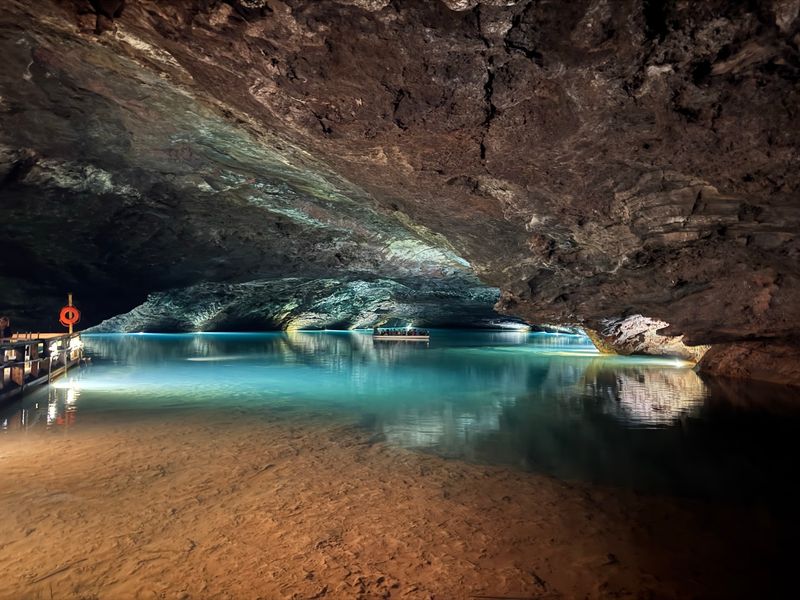
Deep beneath the Tennessee countryside lies America’s largest underground lake, a hidden wonder that has fascinated explorers for generations. The Lost Sea stretches across 4.5 acres of cavern space, though the full extent remains unmapped. Visitors descend into the cave system on guided tours that combine geology, history, and a little mystery.
Your journey starts with a walk through cavern rooms filled with stalactites, stalagmites, and formations that took millions of years to create. The guide shares tales of Cherokee legends, Civil War soldiers who left signatures on the walls, and moonshiners who once hid stills in the darkness. The temperature stays a cool 58 degrees year-round, so bring a jacket even on hot summer days.
The highlight comes when you reach the water’s edge and board a glass-bottom boat. Gliding across the glassy surface feels surreal, especially when you peer down and see rainbow trout swimming below. The lake is stocked with these fish as part of a long-running experiment, and they’ve thrived in this unusual habitat.
The boat ride lasts about 20 minutes, giving you time to absorb the scale of the cavern.
Above ground, the property includes nature trails, gemstone panning, and a village of shops. The whole experience takes about an hour and a half, making it a perfect half-day adventure. It’s one of those rare places where nature’s weirdness outshines anything humans could invent, and it leaves you wondering what other secrets hide beneath our feet.
3. TITANIC Museum Attraction – Pigeon Forge

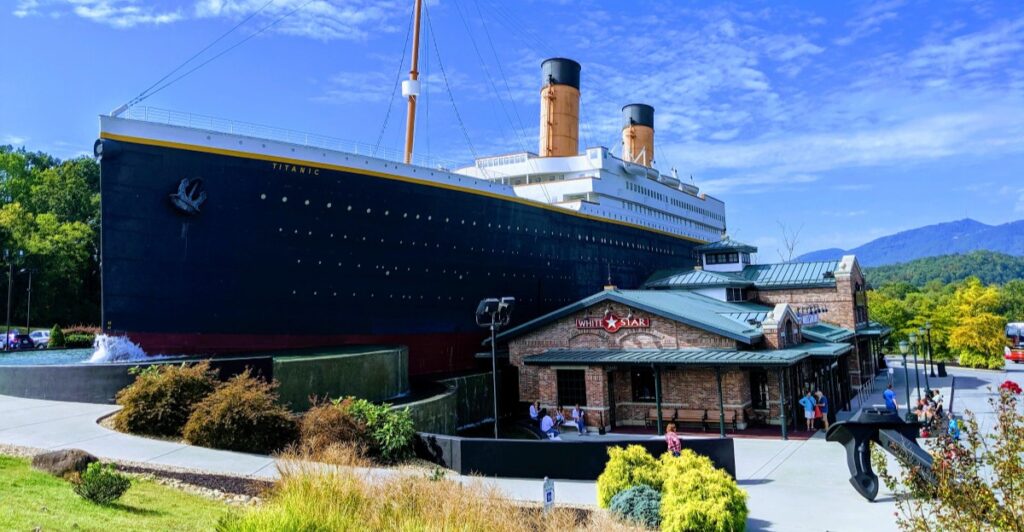
Shaped like the famous ocean liner itself, this half-scale replica rises from the Pigeon Forge landscape like a ship frozen in time. The TITANIC Museum Attraction isn’t your typical history exhibit. From the moment you receive a boarding pass with a real passenger’s name, the experience becomes personal and immersive in ways that textbooks never manage.
Inside, over 400 artifacts recovered from the wreck and its passengers tell stories of luxury, tragedy, and human courage. You can touch an iceberg, feel how cold the water was that night, and stand on sloped decks that recreate the ship’s final tilt. Interactive galleries let you send a distress signal, shovel coal in the boiler room simulation, and explore recreated first-class and third-class cabins that show the stark differences between passengers.
One of the most moving exhibits is the Memorial Gallery, where you discover whether the passenger on your boarding pass survived or perished. It’s a sobering moment that connects you to real people who lived through that April night in 1912. Children especially engage with the hands-on elements, while adults appreciate the historical depth and attention to detail.
The museum takes about two hours to fully explore if you read everything and try all the interactive stations. Guides dressed in period clothing share stories and answer questions throughout your visit. Evening visits offer a quieter, more reflective atmosphere as the building lights up against the Smoky Mountain sky.
It’s educational without being dry, emotional without being manipulative, and bizarre in the best way because you’re touring a landlocked ship in the mountains.
4. Alcatraz East Crime Museum – Pigeon Forge
Crime, punishment, and the justice system get the museum treatment at this fascinating attraction that’s part education, part thriller. Alcatraz East brings together one of the nation’s largest collections of crime artifacts, from notorious criminals’ personal items to historic law enforcement equipment. It’s not glorifying crime but rather examining it through multiple lenses, making visitors think about right, wrong, and everything in between.
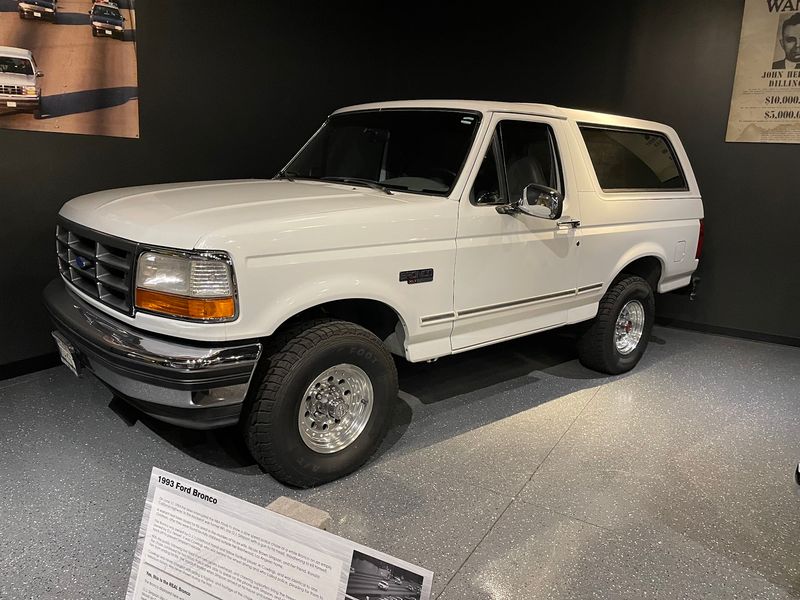
Five galleries cover different aspects of crime history. You’ll see the actual white Ford Bronco from the O.J. Simpson chase, Ted Bundy’s Volkswagen Beetle, and weapons used in famous crimes.
Another section focuses on medieval torture devices and punishment methods that make you grateful for modern justice systems. The forensics area lets you try solving crimes using fingerprint analysis, blood spatter examination, and other CSI-style techniques.
One gallery explores the history of American law enforcement, displaying vintage police uniforms, weapons, and vehicles. Another examines notorious pirates, outlaws, and gangsters who became legends despite their crimes. The museum doesn’t shy away from difficult topics but presents them in ways appropriate for older kids and teens, with parental guidance recommended for younger children.
Interactive crime scene investigations challenge visitors to piece together evidence and identify suspects. You can also test your skills at a shooting range simulator and learn about cybercrime in the digital age section. The whole experience takes about two hours and leaves you with a deeper understanding of how society deals with lawbreakers.
It’s thought-provoking, occasionally unsettling, and definitely one of the most unusual museums you’ll encounter in Tennessee’s tourist corridor.
5. WonderWorks Pigeon Forge – Pigeon Forge
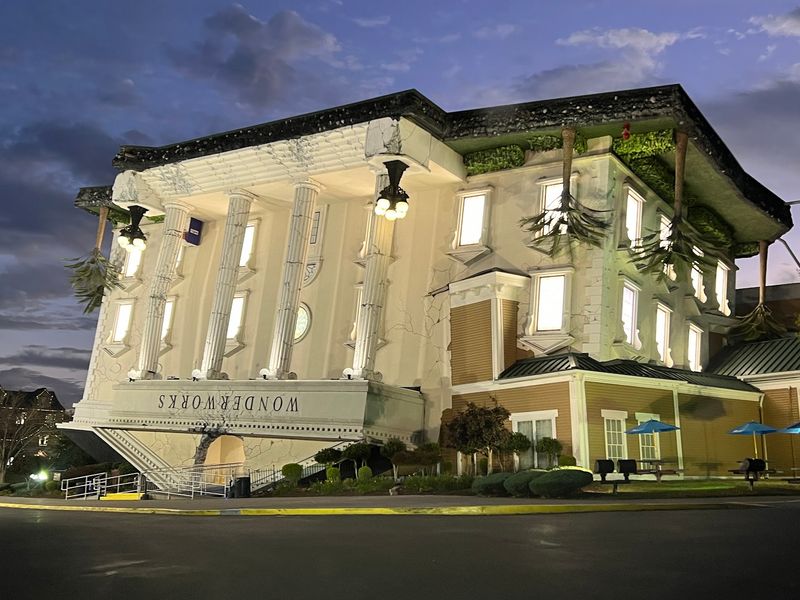
An entire mansion flipped upside down greets you before you even step inside, setting the tone for the topsy-turvy experience ahead. WonderWorks bills itself as an amusement park for the mind, combining education with entertainment in over 100 hands-on exhibits. The building’s bizarre architecture makes it impossible to miss as you drive through Pigeon Forge’s main strip.
Inside, six Wonder Zones explore different aspects of science and imagination. The Natural Disasters zone lets you experience hurricane-force winds and earthquake simulators that shake platforms beneath your feet. The Physical Challenges area includes a bed of nails you can actually lie on, a bubble that you step inside, and a light-and-sound chair that tests your reflexes.
Space Discovery features astronaut training simulators and exhibits about our solar system.
The Imagination Lab encourages creativity through art stations and building challenges. Kids especially love the indoor ropes course suspended two stories high, though it requires an additional fee and signed waiver. There’s also a 4D motion theater showing short films that add wind, water, and seat movements to the visual experience.
What sets WonderWorks apart from typical science museums is its commitment to making learning feel like play. You won’t realize you’re absorbing physics, biology, and engineering concepts because you’re too busy having fun. The exhibits work for all ages, from toddlers to grandparents, though teens and elementary-age kids get the most out of the interactive elements.
Plan at least two hours to explore everything without rushing. The upside-down theme continues inside with some rooms and furniture mounted on ceilings, keeping the whimsy alive throughout your visit.
6. Goats on the Roof of the Smoky Mountains – Pigeon Forge
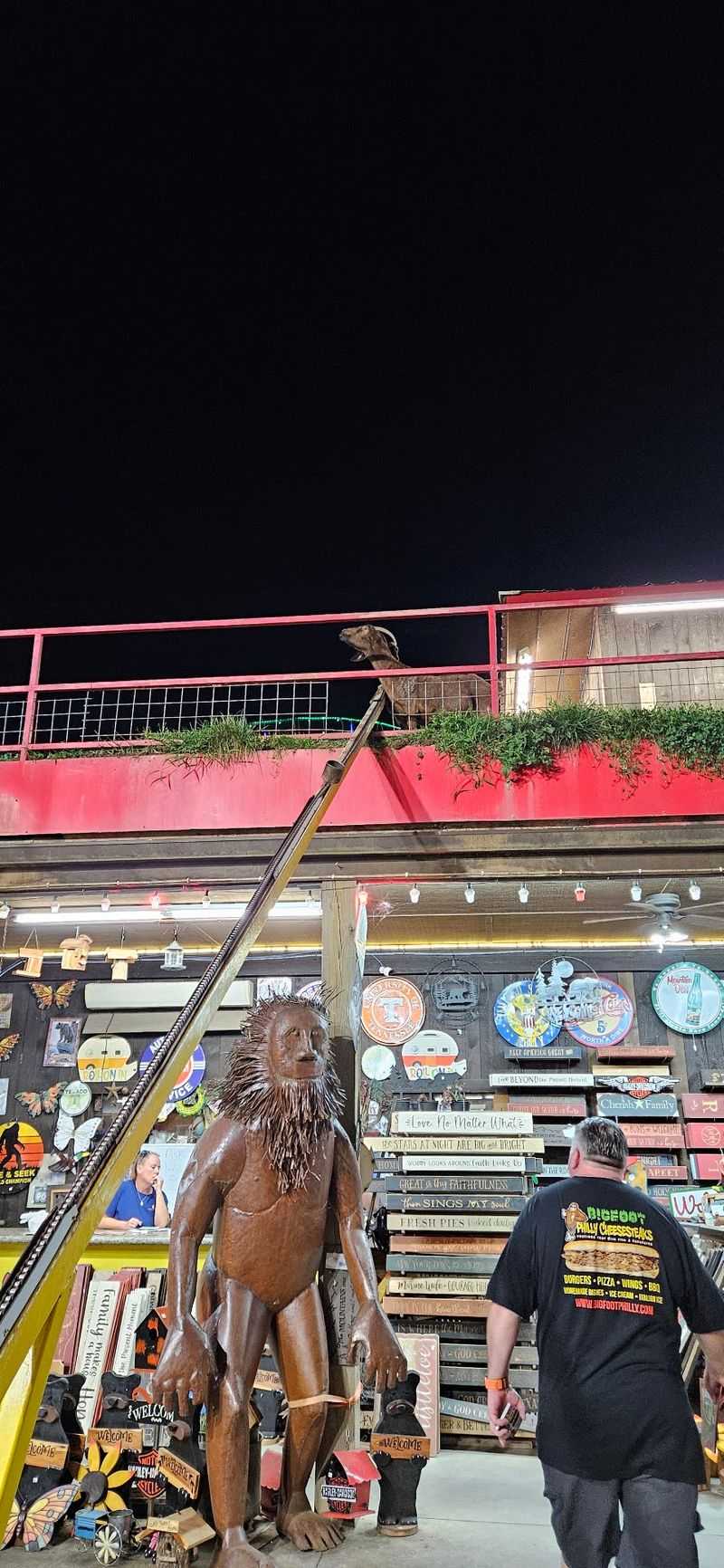
Exactly what the name promises awaits you at this delightfully absurd roadside stop. Real goats wander across a grass-covered roof, munching vegetation and posing for photos while shoppers browse the general store below. It started as a marketing gimmick but evolved into a genuine attraction that perfectly captures the playful spirit of Smoky Mountain tourism.
The building itself resembles an old-timey Appalachian structure, complete with wooden siding and a porch. But look up and you’ll spot goats casually strolling along elevated walkways and platforms built into the roofline. Kids go crazy for it, pointing and laughing as the goats leap between levels or pause to chew their cud.
You can even send treats up to the goats using a pulley system, which never gets old no matter how many times you do it.
Inside, the store sells local crafts, mountain-made foods, and souvenirs ranging from tasteful to tacky. Jams, jellies, honey, and specialty sauces make good gifts, while the fudge counter tempts everyone who walks past. There’s also a selection of Appalachian crafts including pottery, woodwork, and textiles made by regional artisans.
The whole experience is free unless you buy goat food or shop inside, making it a budget-friendly photo opportunity. It’s especially popular with families who need a quick break from driving. The goats seem perfectly content with their unusual living situation, and animal care is taken seriously despite the quirky setup.
There’s no deep history or profound message here, just pure, simple fun that makes you smile. Sometimes that’s exactly what a road trip needs.
7. International Towing & Recovery Museum – Chattanooga
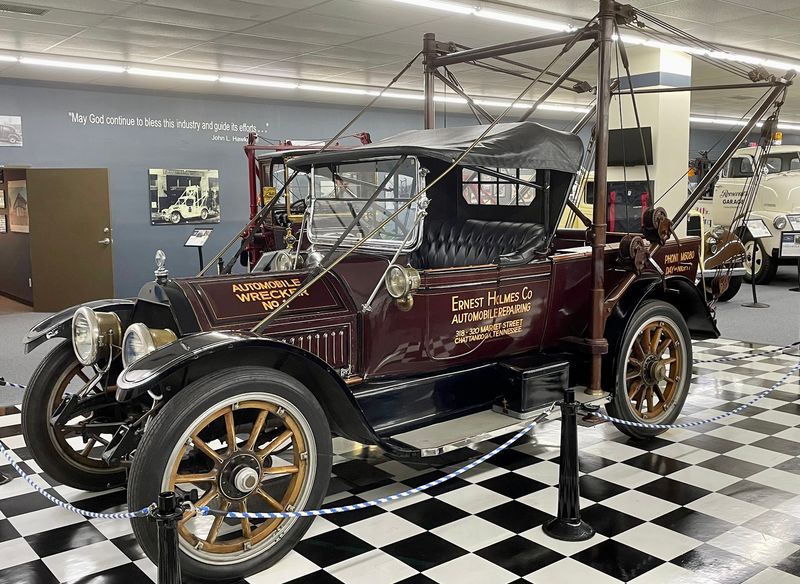
Who knew tow trucks had such rich history worth preserving? Chattanooga’s International Towing & Recovery Museum proves that even the most overlooked industries have fascinating stories to tell. The city claims to be the birthplace of the tow truck, invented here in 1916 by Ernest Holmes Sr., which makes it the perfect location for this one-of-a-kind museum.
Vintage tow trucks from different eras fill the main hall, showing how the technology evolved from simple winches to sophisticated hydraulic systems. Some trucks are beautifully restored, gleaming like they just rolled off the showroom floor. Others are preserved in their working condition, complete with dents and rust that tell stories of decades on the road.
Each vehicle has placards explaining its history and mechanical innovations.
Beyond the trucks themselves, exhibits explore the culture of towing and recovery work. Photographs and memorabilia honor tow truck operators who died in the line of duty, a sobering reminder that this profession can be dangerous. There’s also a Wall of the Fallen, a memorial to those killed while helping stranded motorists.
It adds unexpected emotional depth to what might otherwise be just a collection of old vehicles.
Interactive displays let you try operating a winch and learn about the physics of vehicle recovery. Kids enjoy sitting in some of the truck cabs and pretending to drive. The gift shop sells tow truck models, books about automotive history, and quirky souvenirs.
Admission is affordable, and the staff consists largely of retired tow truck operators who love sharing their knowledge. It’s proof that passion and good storytelling can make any subject compelling, no matter how niche it seems.
8. Ancient Lore Village – Knoxville
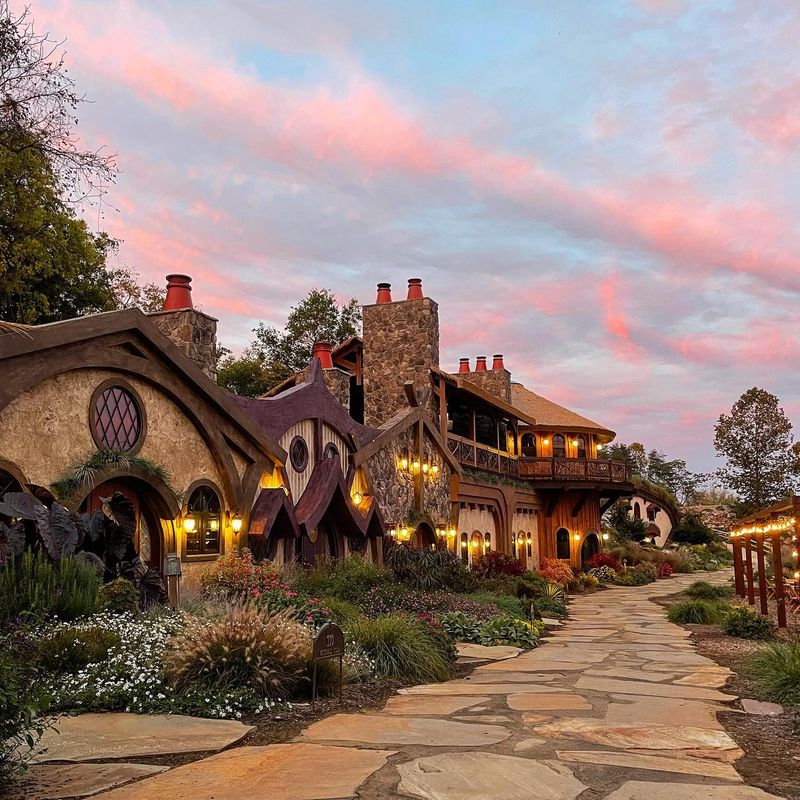
Step into a handmade fantasy realm where imagination took physical form over decades of dedicated building. Ancient Lore Village is the creation of artist Mark Cline, who spent years constructing whimsical structures, bridges, cottages, and sculptures that look like they belong in a storybook. Every corner reveals new details, from carved dragons to hidden doorways to towers that seem to defy gravity.
The village sits on wooded property that enhances the magical atmosphere. Winding paths lead between structures, each with its own character and charm. Some buildings are designed to look ancient and weathered, while others burst with vibrant colors and playful designs.
There are hobbit-style homes, wizard towers, a pirate ship, and creatures both whimsical and slightly creepy lurking throughout the grounds.
What makes Ancient Lore Village special is that it’s not a corporate theme park but one person’s artistic vision made real. Cline built most structures himself using salvaged materials, giving everything a unique, handcrafted quality. You won’t find polished perfection here but rather the charming imperfections that come with folk art and outsider architecture.
It feels personal, like you’re exploring someone’s dream made tangible.
The village hosts seasonal events, including elaborate Halloween displays and holiday celebrations. Photography enthusiasts love the endless creative backdrops, and cosplayers often visit in character to match the fantasy setting. Families with young children find plenty to explore, though the slightly darker aesthetic might be too intense for very little ones.
Plan about an hour to wander the grounds and discover all the hidden details. It’s wonderfully weird in a way that celebrates creativity and proves one person’s vision can create magic.
9. The Parthenon – Nashville
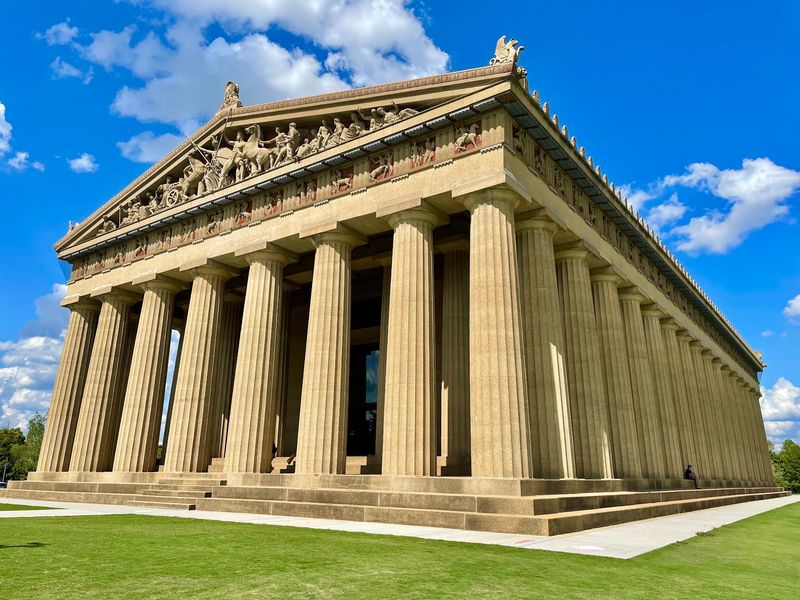
Nashville earned its nickname as the Athens of the South, so naturally it built a full-scale replica of Greece’s most famous temple right in the middle of Centennial Park. Constructed in 1897 for Tennessee’s Centennial Exposition, the Parthenon was meant to be temporary but proved so popular that the city made it permanent. Today it stands as one of the most architecturally bizarre attractions in the state.
The exterior matches the original Parthenon’s dimensions exactly, complete with 46 Doric columns and pediment sculptures. Walking around it feels surreal, like ancient Greece got dropped into the American South. The building serves as both monument and art museum, housing a permanent collection of 63 paintings by 19th and 20th-century American artists.
The galleries rotate exhibits throughout the year, focusing on different artistic movements and regional creators.
Inside the main hall stands the reason most people visit: a 42-foot statue of Athena Parthenos, the Greek goddess of wisdom and war. Sculptor Alan LeQuire created this modern interpretation based on ancient descriptions, covering it in gold leaf and vibrant colors. She’s the tallest indoor sculpture in the Western world, and seeing her in person is genuinely awe-inspiring.
The statue holds a smaller Nike figure in one hand and a shield in the other, with a serpent coiled at her feet.
The Parthenon offers guided tours that explain both the building’s history and the original Greek temple’s significance. The basement level includes exhibits about the 1897 Exposition and Nashville’s cultural development. It’s free to walk the grounds and admire the exterior, though there’s a small admission fee to enter.
Visiting at sunset provides beautiful photo opportunities as golden light hits the columns.
10. World’s Largest Cedar Bucket – Murfreesboro
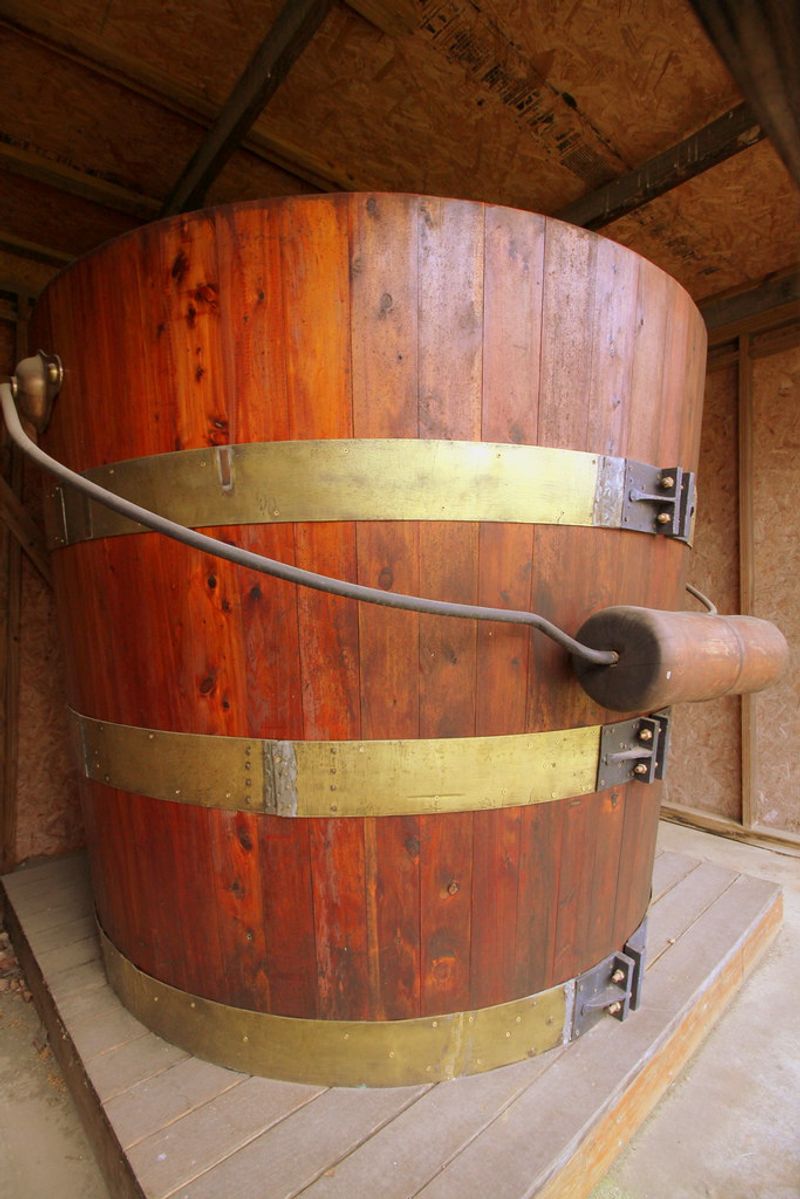
Rising 12 feet tall and measuring 8 feet across, this oversized bucket proves that sometimes the strangest roadside attractions are the most memorable. Built in the 1980s by craftsmen at the Cedar Bucket company, it served as both advertisement and testament to the region’s woodworking heritage. Middle Tennessee once had a thriving cedar industry, and this quirky monument keeps that history visible in the most literal way possible.
The bucket sits outside what was originally the Cedar Bucket factory and showroom. Constructed from genuine cedar using traditional cooperage techniques, it’s a functional bucket scaled up to ridiculous proportions. The metal bands holding the wooden staves together are proportionally massive, and the whole structure weighs several tons.
It’s held up remarkably well over the decades, though it’s been restored a few times to keep the wood from weathering too badly.
Why build a giant bucket? The reasoning is pure roadside attraction logic: go big, get noticed, and give people something to talk about. It worked.
Travelers have been stopping to photograph it for decades, and it’s become an unofficial Murfreesboro landmark. The bucket doesn’t do anything except exist, which somehow makes it more charming. There’s no museum, no gift shop, just a really, really big bucket.
The location is easy to find along Old Fort Parkway, visible from the road as you drive past. There’s no admission fee because it’s just sitting there in front of a business. You can park, take your photos, marvel at the craftsmanship, and be on your way in five minutes.
It represents a particular era of American roadside culture when businesses competed for attention with increasingly absurd structures. The bucket has outlasted many flashier attractions, proving that simple weirdness has staying power.
11. Bell Witch Cave – Adams
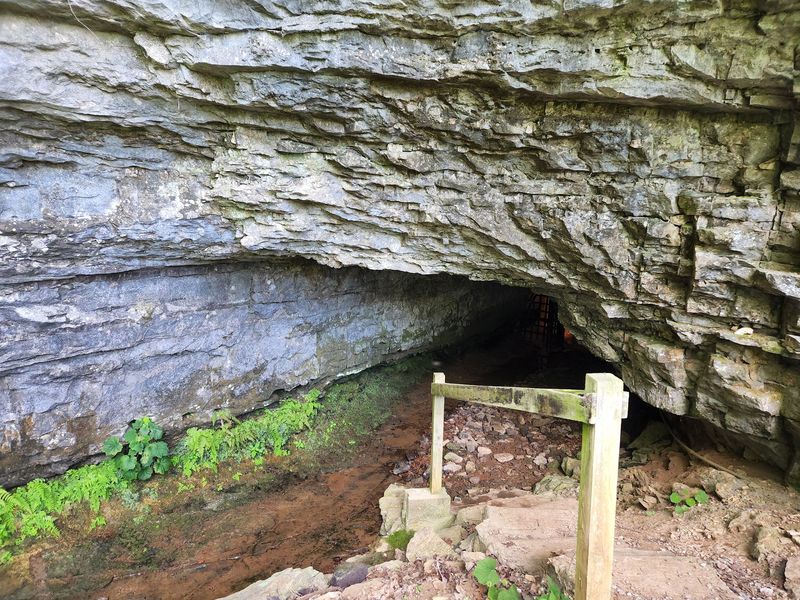
Tennessee’s most famous ghost story centers on this unassuming cave where the Bell Witch allegedly took refuge during her reign of terror. The legend dates back to the early 1800s when the Bell family reported being tormented by an invisible entity that spoke, moved objects, and eventually claimed credit for killing family patriarch John Bell. Whether you believe in spirits or not, the cave’s history and atmosphere make it a compelling stop.
The cave itself is a natural limestone formation stretching several hundred feet into the hillside. Tours take you through narrow passages and larger chambers where guides share stories of paranormal encounters reported over the years. Some visitors claim to feel cold spots, hear unexplained sounds, or experience equipment malfunctions.
Skeptics find it interesting from a folklore perspective, while believers come hoping for their own supernatural experience.
Above ground, the property includes a replica of the Bell family cabin and a small museum with artifacts and historical information about the witch legend. The story has been told and retold so many times that separating fact from fiction becomes impossible, but that’s part of the appeal. The tale has inspired books, movies, and countless paranormal investigations, making it a cornerstone of Tennessee folklore.
The cave stays naturally cool year-round, so bring a jacket even in summer. Tours last about 30 minutes and involve some uneven terrain and low ceilings, so it’s not ideal for anyone with mobility issues. The guides are knowledgeable about both the legend and the cave’s geological features.
Night tours are available during certain seasons for those seeking a spookier experience. It’s the kind of place that works whether you’re a paranormal enthusiast or just someone who appreciates a good ghost story and interesting cave formations.
12. Crystal Shrine Grotto – Memphis
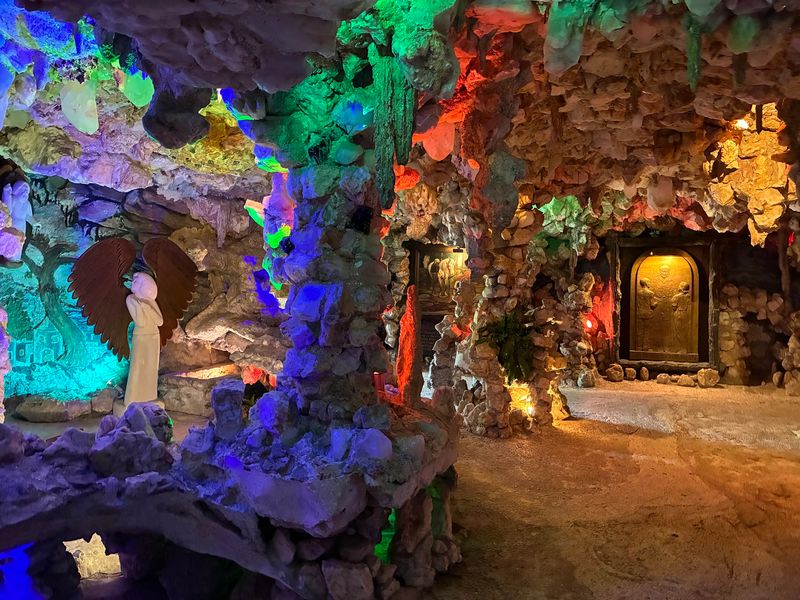
Behind a cemetery chapel in Memphis sits one of the South’s most unusual religious folk art installations. Artist Dionicio Rodriguez spent the 1930s creating this elaborate grotto, hand-sculpting artificial rock formations and covering surfaces with quartz crystals, shells, and colorful stones. The result is a glittering underground-style shrine that feels like stepping into a jewel box dedicated to faith and artistry.
Rodriguez was a master of faux bois, the art of making concrete look like wood, stone, or other natural materials. Throughout the grotto, his concrete work mimics cave formations so convincingly that you have to touch it to believe it’s not real rock. Biblical scenes are depicted in alcoves and niches, with statues of Jesus, Mary, and various saints positioned throughout the space.
The crystal embellishments catch light and create an otherworldly shimmer.
The grotto sits within Memorial Park Cemetery, which is open to the public during daylight hours. There’s no admission fee, making it an accessible piece of outsider art that anyone can visit. The installation covers several interconnected areas, including a main cavern, smaller prayer grottos, and outdoor stations of the cross.
Everything is meticulously maintained, with the crystals still sparkling decades after Rodriguez placed them.
What makes this place bizarre isn’t just the artistic vision but the dedication it represents. Rodriguez worked for years to complete the project, driven by his Catholic faith and artistic passion. The grotto has become a pilgrimage site for some visitors and a curiosity for others.
Photographers love the unique textures and lighting opportunities. It’s quiet, contemplative, and utterly unlike anything else in Memphis, proving that sacred spaces can be both deeply spiritual and delightfully strange.