
Tennessee is home to some of the most unexpected museums you’ll ever visit. Forget the usual art galleries and history centers.
The Volunteer State hides quirky collections that range from thousands of salt and pepper shakers to vintage whiskey decanters and even artifacts from American crime history. If you love discovering the weird, wonderful, and downright bizarre, these ten museums will give you stories to share for years.
1. Salt & Pepper Shaker Museum, Gatlinburg
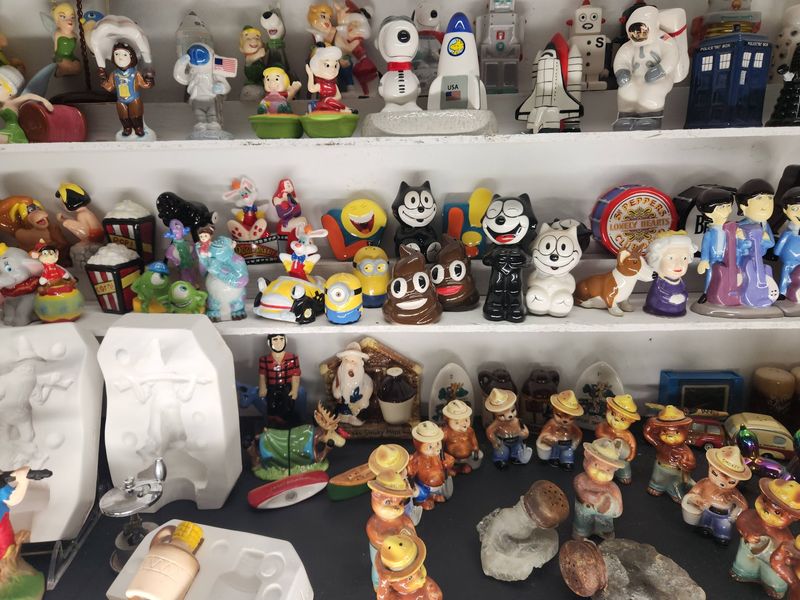
Walking into this Gatlinburg treasure feels like stepping into your grandmother’s kitchen cabinet, except multiplied by about 10,000. Andrea Ludden opened this museum to share her personal collection, which has grown to more than 20,000 sets of salt and pepper shakers.
You’ll see everything from elegant antiques to goofy cartoon characters, each pair telling its own little story about American dining culture.
The shakers come in every imaginable shape. Some look like tiny animals, others resemble famous landmarks, and a few are so oddly specific you’ll wonder who thought they were a good idea in the first place.
The museum organizes them by theme, so you can browse through sections dedicated to holidays, occupations, food items, and pop culture icons. It’s like a time capsule of American kitsch.
What makes this place special is how it celebrates something most people overlook. Salt and pepper shakers sit on millions of tables every day, but few folks think about their history or design.
Here, these humble objects get the spotlight they deserve. You’ll learn about porcelain craftsmanship, changing tastes in home decor, and the surprising creativity that goes into making functional items fun.
Kids love pointing out the silliest designs, while adults often get nostalgic spotting shakers from their childhood. The museum isn’t huge, so you can explore it in about an hour, but many visitors find themselves lingering over the displays.
Photography is welcome, and the staff encourages you to share your favorites on social media.
Admission is affordable, and the museum sits right in downtown Gatlinburg, making it an easy add-on to your Smoky Mountain trip. After visiting big-name attractions, this quirky stop offers a refreshing change of pace.
You’ll leave with a new appreciation for the ordinary objects that fill our homes and maybe even start noticing interesting shakers wherever you eat. It’s proof that collections don’t have to be serious to be seriously entertaining.
2. Trenton Teapot Museum, Trenton
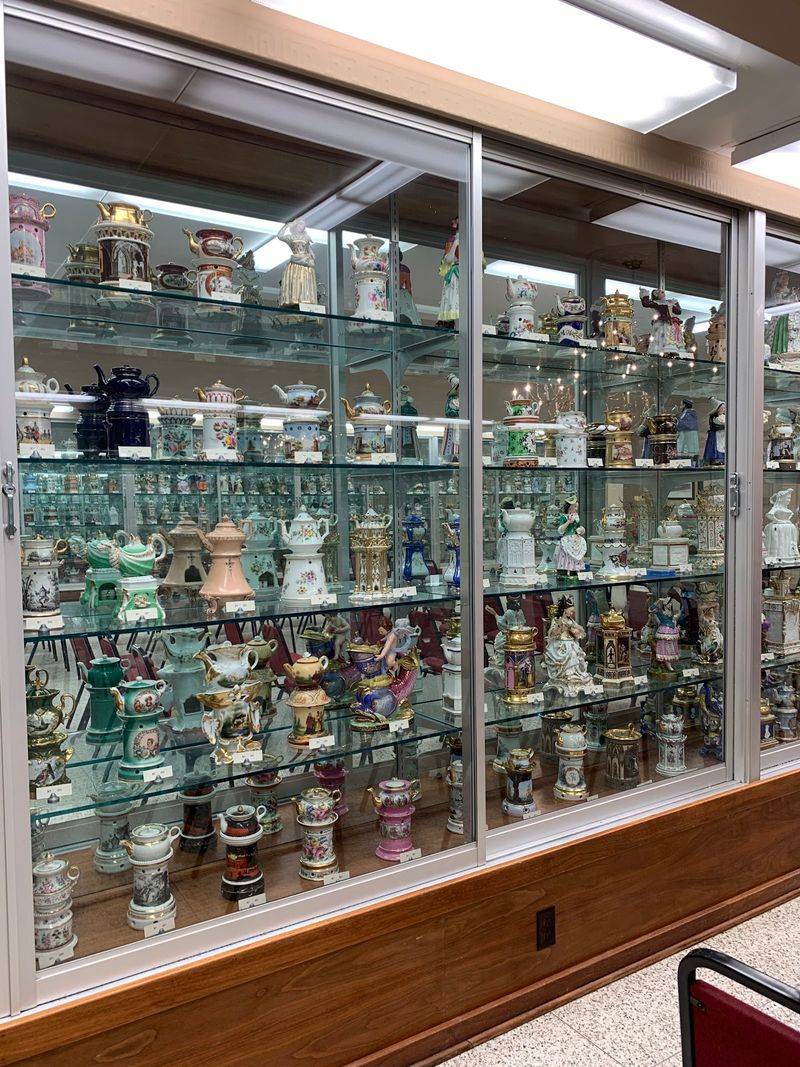
Tucked away in the tiny town of Trenton sits a museum devoted entirely to teapots, and not just any teapots. This collection focuses on unusual porcelain pieces, including rare veilleuses-théières, which are special teapots with built-in warmers that kept tea hot through the night.
Some pieces in the collection have connections to Napoleon, adding a dash of European history to this West Tennessee gem.
The museum grew from a private collection into a public attraction, preserving teapots that might otherwise have been lost to time. Many of the pieces date back centuries and showcase craftsmanship you simply don’t see in modern mass-produced items.
The porcelain work is incredibly detailed, with hand-painted scenes, gold accents, and shapes that range from traditional to downright whimsical.
Veilleuses-théières deserve special attention because they’re so rare today. These nightlight teapots were popular in 18th and 19th century France, designed to keep medicinal teas warm for sick family members during the night.
The warming chamber below held a candle, while the teapot sat on top, creating both light and heat. Seeing one in person helps you understand how people lived before electricity changed everything.
The Napoleon-connected pieces add intrigue to the collection. Whether they were actually used by the French emperor or simply made during his era, they represent a fascinating period in European decorative arts.
The museum staff can share stories about these special items and explain their historical context.
Visiting requires a bit of planning since Trenton isn’t on most tourist routes, but that’s part of the charm. You won’t fight crowds here. Instead, you’ll get a peaceful, focused experience where you can really examine the craftsmanship. The museum proves that even small towns can preserve incredible artifacts.
Tea lovers will obviously enjoy this stop, but so will anyone interested in antiques, European history, or just seeing something completely different. The collection reminds us that everyday objects can be works of art worth preserving and celebrating for generations to come.
3. Lane Motor Museum, Nashville
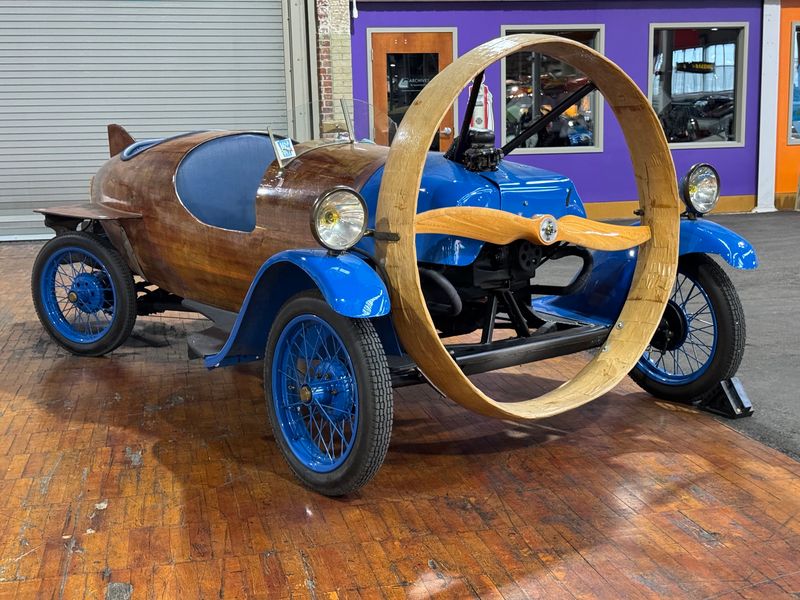
Most car museums showcase sleek sports cars or classic American muscle. Lane Motor Museum takes a completely different approach by collecting the weird, the experimental, and the wonderfully impractical vehicles that most people have never heard of.
With over 500 vehicles in the collection, this Nashville museum celebrates automotive creativity in all its strange glory.
The microcar section alone is worth the visit. These tiny vehicles were designed for post-war Europe when fuel was expensive and parking was scarce.
Some look like motorized eggs on wheels, barely big enough for two people and a grocery bag. Others resemble space-age pods that seem more at home in a science fiction movie than on actual roads.
Three-wheelers occupy their own special category of odd. Without the stability of four wheels, these vehicles required different driving techniques and attracted adventurous souls willing to risk tipping over for the sake of affordability or fuel efficiency.
The museum has examples from multiple countries, showing how different cultures approached the same engineering challenge.
Then there are the amphibious vehicles, which blur the line between car and boat. These machines can drive on roads and then motor across water, though usually not very well at either task.
Watching videos of them in action makes you appreciate the engineering optimism required to even attempt such a design. The propeller-driven cars take things even further into experimental territory.
European obscurities fill much of the collection, representing brands that never made it to America or died out decades ago. You’ll see vehicles from France, Germany, Italy, and Eastern European countries, each reflecting different design philosophies and economic conditions.
The museum rotates displays regularly, so repeat visitors always find something new.
Interactive elements let you sit in certain vehicles and understand their quirky controls. The museum also offers tours and special events where experts explain the stories behind these unusual machines.
Admission is reasonable, and the facility includes a gift shop with automotive books and memorabilia. For anyone who thinks they’ve seen every kind of car, Lane Motor Museum will prove them wonderfully wrong.
4. Whiskey Decanter Museum, Granville
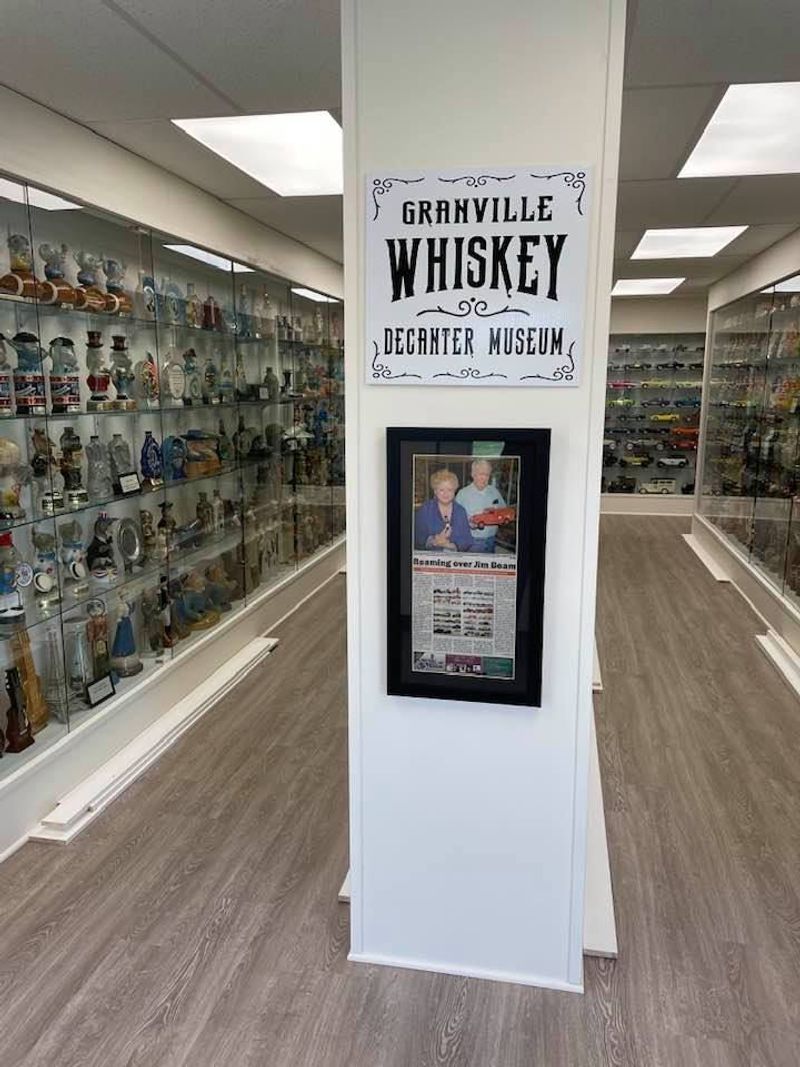
Few people realize that whiskey decanters became serious collectibles in the mid-20th century, with distilleries creating limited-edition ceramic containers in wild shapes and designs. The Whiskey Decanter Museum in Granville preserves this quirky chapter of American drinking culture, showcasing bottles shaped like cars, animals, historical figures, and just about anything else you can imagine.
The collection started as one person’s hobby and grew into something worth sharing with the public. These aren’t your typical glass decanters.
We’re talking about ceramic and porcelain containers that distilleries commissioned as marketing tools and collectibles. Some commemorated special events, others celebrated holidays, and many were just plain fun.
Walking through the displays, you’ll spot decanters shaped like Elvis, classic cars, trains, sports equipment, and wildlife. Each one was filled with actual whiskey when new, making them functional containers rather than just decorative objects.
Collectors would buy them, pour the whiskey, and keep the empty decanter as a memento. Over time, certain designs became highly sought after.
The museum helps visitors understand the history behind these unusual objects. During the 1960s and 1970s, distilleries competed to create the most eye-catching decanters, hoping to stand out on liquor store shelves.
Limited editions and regional designs made some bottles especially valuable. Today, serious collectors hunt for rare examples at auctions and estate sales.
What makes this museum charming is its specificity. It doesn’t try to cover all of drinking history or whiskey production.
Instead, it focuses on this one narrow slice of collectible culture and does it thoroughly. You’ll see examples from major distilleries and obscure brands, learning about the artists and companies that created them.
Granville itself is a small community, so finding this museum feels like discovering a secret. The intimate setting means you can take your time examining the decanters up close, reading their backstories, and appreciating the craftsmanship.
It’s a reminder that people will collect absolutely anything if it captures their imagination, and that seemingly ordinary objects can become treasured artifacts worth preserving for future generations to puzzle over and enjoy.
5. National Bird Dog Museum, Grand Junction
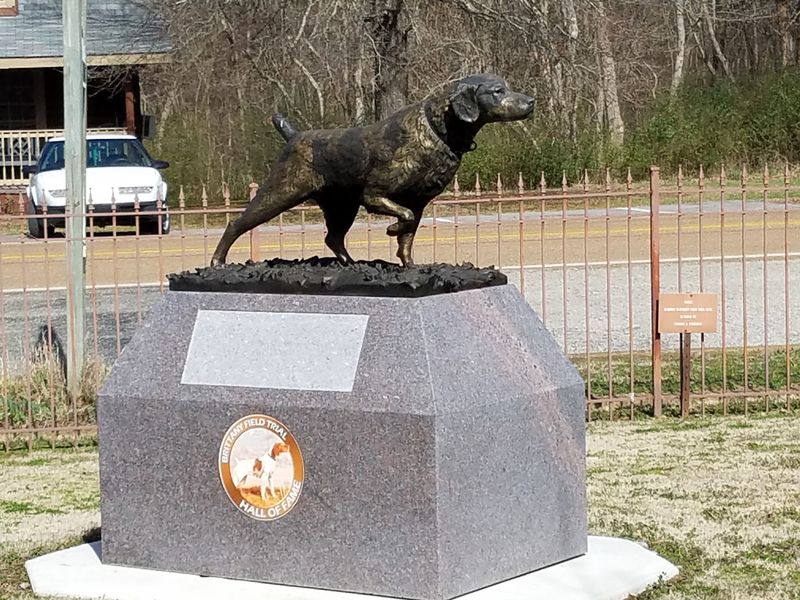
Hunting dogs have worked alongside humans for centuries, and the National Bird Dog Museum celebrates this partnership with an impressive collection of artwork, memorabilia, and historical artifacts. Located in Grand Junction, near the famous Ames Plantation where the National Field Trial Championship runs annually, this museum honors pointers, setters, retrievers, and spaniels that helped hunters put food on the table.
The artwork alone makes this museum special. You’ll find paintings and sculptures depicting bird dogs in action, frozen mid-point or retrieving downed game.
These aren’t amateur sketches but serious works by respected wildlife artists who understood canine anatomy and behavior. Bronze sculptures capture the intensity of a pointer locked on scent, while oil paintings show the beauty of setters working open fields.
Beyond art, the museum preserves the culture surrounding sporting dogs. Glass cases hold vintage hunting equipment, training tools, championship trophies, and photographs of legendary dogs and their handlers.
You’ll learn about famous bloodlines, record-breaking field trial performances, and the people who dedicated their lives to breeding and training exceptional bird dogs.
Interactive displays explain how different breeds approach bird hunting. Pointers freeze when they detect game, holding perfectly still until the hunter arrives. Setters crouch low to indicate birds. Retrievers wait for the shot, then fetch downed game from water or thick cover.
Each breed developed specific traits over generations of selective breeding, creating specialists for different terrain and game birds.
The museum also addresses the deep bond between handlers and their dogs. Stories throughout the exhibits highlight dogs that became family members, partners who understood their human counterparts almost telepathically.
Championship wins meant less than the daily connection built through training, hunting, and shared experiences outdoors.
Field trial enthusiasts will especially appreciate the historical records and championship documentation. But even visitors who’ve never hunted can enjoy learning about these remarkable working dogs.
The museum sits in a quiet area, offering a peaceful visit where you can take your time with each display. It’s a specialized collection that honors a specific tradition, preserving knowledge and appreciation for bird dogs before modern life forgets their importance in American sporting history.
6. Alcatraz East Crime Museum, Pigeon Forge
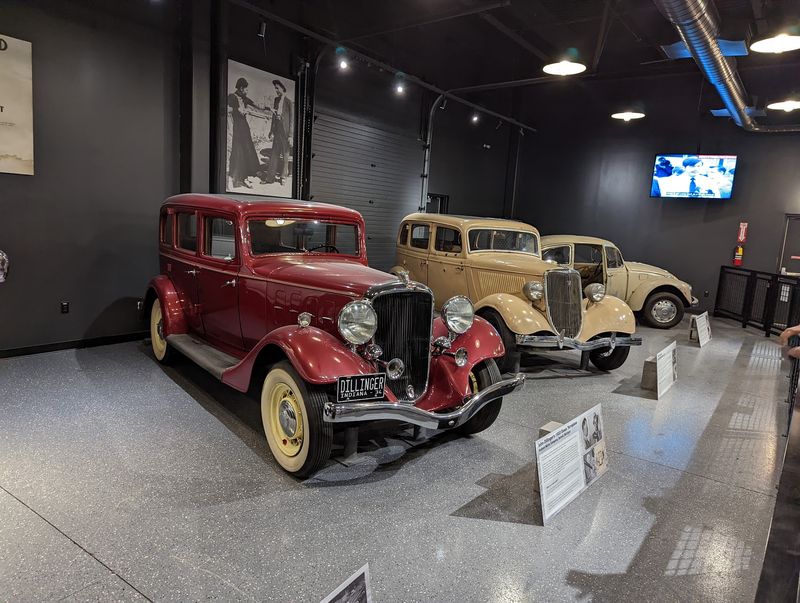
Crime fascinates people in ways that polite society doesn’t always admit. Alcatraz East embraces this morbid curiosity by displaying authentic artifacts from American criminal history, including weapons, getaway vehicles, crime scene evidence, and execution equipment.
The museum’s most famous piece is Old Smokey, Tennessee’s electric chair, which carried out 125 executions between 1916 and 1960.
Old Smokey sits behind glass, a heavy wooden chair with leather straps and metal electrodes that delivered fatal voltage. Looking at it creates an unsettling feeling.
This wasn’t a prop or replica but the actual device that ended human lives. The museum provides context about capital punishment in Tennessee, the crimes that led to executions, and the eventual shift away from electrocution to lethal injection.
Beyond execution equipment, the museum covers famous crimes and criminals from across American history. You’ll see artifacts connected to notorious outlaws, organized crime figures, serial killers, and high-profile cases that dominated headlines.
The displays balance education with entertainment, explaining forensic techniques, law enforcement evolution, and criminal psychology without glorifying violence.
Interactive exhibits let visitors try forensic activities like fingerprint analysis and crime scene investigation. These hands-on elements appeal to younger visitors and anyone interested in criminal justice careers.
The museum also addresses wrongful convictions, showing how flawed investigations and prejudice led to innocent people being punished.
Some might question whether a crime museum belongs in family-friendly Pigeon Forge, but Alcatraz East handles its subject matter thoughtfully. Displays acknowledge victims and focus on justice rather than sensationalism.
The museum doesn’t shy away from dark history but presents it as educational rather than exploitative.
Walking through takes about two hours if you read everything and engage with interactive elements. The building itself is modern and well-designed, with clear labeling and logical flow between exhibits.
A gift shop sells crime-related books, documentaries, and memorabilia for true crime enthusiasts.
Whether you’re fascinated by forensics, interested in criminal psychology, or just curious about infamous cases, Alcatraz East offers a unique museum experience. It’s proof that even uncomfortable subjects deserve preservation and study, helping us understand both human darkness and the systems we’ve built to combat it.
7. Ripley’s Believe It or Not!, Gatlinburg
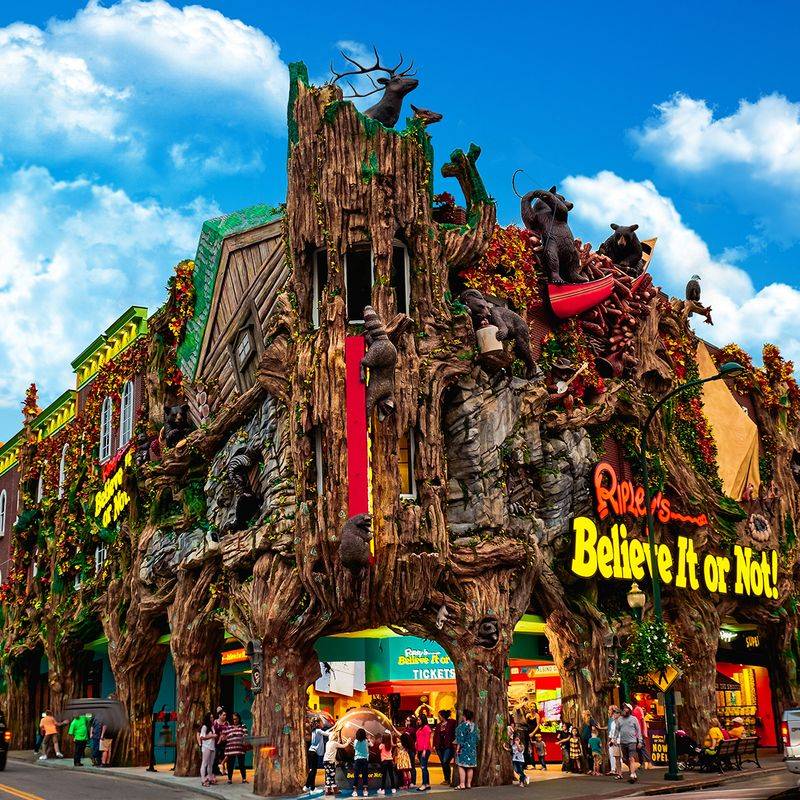
Robert Ripley spent his life collecting the world’s strangest objects and stories, and the Gatlinburg location showcases hundreds of oddities that challenge your sense of what’s possible. This isn’t a traditional museum with carefully curated historical artifacts.
Instead, it’s a cabinet of curiosities on steroids, packed with shrunken heads, unusual animal specimens, bizarre art, and objects so weird you’ll question whether they’re real.
The building itself grabs attention before you even enter. Designed to look like it’s splitting apart from an earthquake, the tilted structure prepares you for the strangeness inside.
Once through the doors, you’re surrounded by glass cases holding two-headed calves, instruments made from human bones, portraits painted with unusual materials, and artifacts from cultures around the world.
Some exhibits make you laugh, like the collection of ridiculous inventions that somehow received patents. Others create discomfort, particularly the human oddity displays that modern sensibilities might find questionable.
Ripley’s doesn’t apologize for its approach, maintaining the sideshow atmosphere that made the brand famous decades ago.
Interactive elements scattered throughout let visitors test their own abilities against record holders. Can you balance like a circus performer? How does your strength compare to documented strongmen? These participatory stations break up the passive viewing and engage younger visitors who might otherwise rush through.
The museum updates regularly, adding new acquisitions to keep repeat visitors interested. Traveling exhibits rotate through, covering themes like movie props, celebrity memorabilia, or specific types of oddities.
This means the experience changes over time, though core displays remain constant.
Gatlinburg’s location stays open year-round, making it a reliable rainy-day activity when mountain weather doesn’t cooperate. The museum sits within walking distance of other downtown attractions, restaurants, and shops.
Admission includes access to all exhibits, though special add-ons like moving theaters or laser mazes cost extra.
Critics might dismiss Ripley’s as touristy kitsch, and they wouldn’t be entirely wrong. But there’s something genuinely fascinating about seeing objects that push boundaries of normal experience.
The museum celebrates human diversity, creativity, and our endless capacity for doing strange things. Whether the displays inspire wonder, confusion, or disbelief, they definitely create memorable experiences you won’t find anywhere else in Tennessee.
8. Belz Museum of Asian & Judaic Art, Memphis
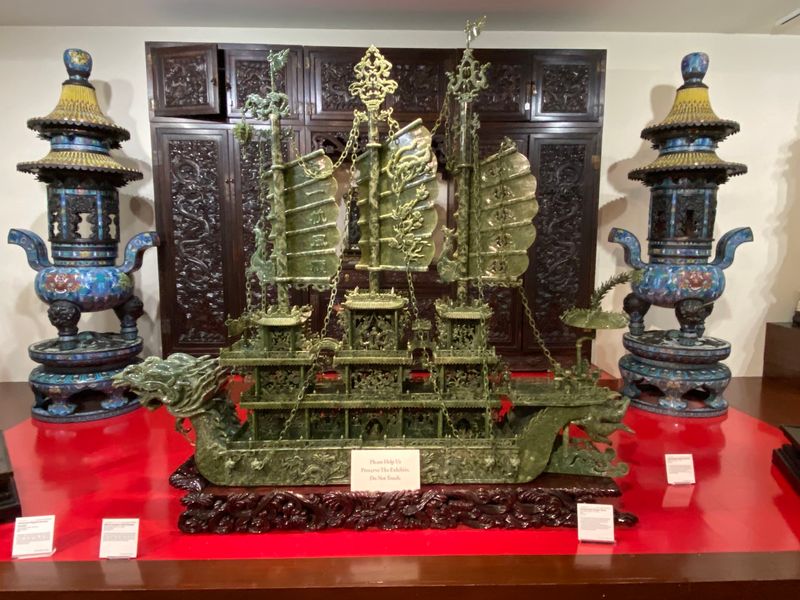
Memphis might not seem like the obvious home for one of America’s largest collections of Asian jade art, but the Belz Museum houses over 1,000 jade objects spanning centuries of Chinese craftsmanship. The collection focuses on intricately carved pieces made from jade and other precious stones, representing skill levels that modern artisans struggle to replicate.
Jade carving reached its peak during China’s Qing Dynasty, when master craftsmen spent months or years creating single pieces. The Belz collection includes examples from this golden age, showing the incredible detail possible when artists work with extreme patience and skill.
Some pieces feature landscapes with tiny figures, buildings, and trees carved from single blocks of stone. Others depict religious scenes, mythological creatures, or everyday life in imperial China.
What makes jade carving so impressive is the stone’s hardness. Jade doesn’t carve like wood or even softer stones.
Artists must use abrasive techniques, slowly grinding away material to reveal the design underneath. Before modern tools, this process required incredible dedication and precision. One mistake could ruin months of work.
The museum also displays objects made from other precious stones like rose quartz, amethyst, and various agates. These colorful pieces show how Chinese artists exploited natural color variations within stones, incorporating them into designs rather than trying to hide them.
A single sculpture might feature multiple colors from the same piece of raw material.
Beyond the Asian collection, the museum houses Judaic art and artifacts, creating an unusual combination under one roof. This reflects the Belz family’s heritage and collecting interests, bringing together two distinct cultural traditions.
The Judaic galleries feature religious objects, historical documents, and artwork related to Jewish life and traditions.
The museum building itself is modern and well-lit, with displays that let you examine the jade pieces up close. Detailed labels explain the carving techniques, symbolism, and historical context.
Guided tours are available for visitors who want deeper insights into the collection.
Located in Memphis, the museum offers a cultural experience different from the city’s famous music attractions. It’s quieter and more contemplative, perfect for visitors seeking art and history rather than entertainment.
The specialized focus means you won’t find comprehensive coverage of Asian or Judaic culture, but what’s here is exceptional quality worth seeing.
9. Gallery of Iconic Guitars, Nashville
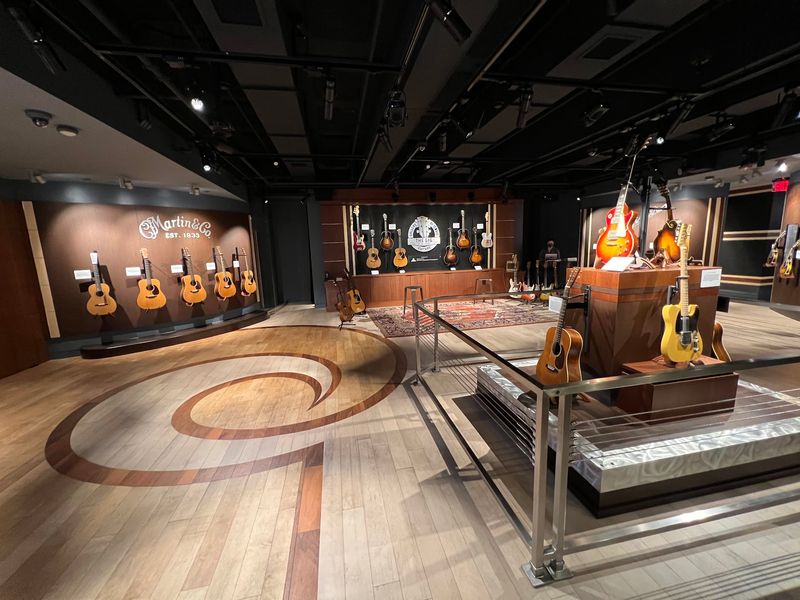
Nashville earns its Music City nickname honestly, so a museum dedicated entirely to guitars fits perfectly. The Gallery of Iconic Guitars goes beyond typical music museums by focusing specifically on rare, unusual, and historically significant guitars.
This isn’t about comprehensive music history but rather celebrating the instruments themselves as works of art and engineering.
The collection includes guitars played by famous musicians, limited-edition models, experimental designs, and vintage instruments that represent important moments in guitar evolution. Some pieces are valuable because of who owned them. Others matter because they introduced new technology or design concepts that changed how guitars were built.
Rare acoustics share space with electric guitars that pushed boundaries. You’ll see instruments from legendary makers like Martin, Gibson, Fender, and smaller custom builders whose work influenced entire genres.
The museum explains what makes each guitar special, whether it’s unique construction, tonal qualities, or historical significance.
Experimental designs get special attention. Guitar makers constantly tinker with body shapes, neck construction, pickup configurations, and materials trying to achieve new sounds or solve old problems.
Some experiments became industry standards. Others remained curiosities that showed what’s possible even if not practical.
The museum preserves both successes and interesting failures.
Visitors don’t just look at guitars behind glass. Interactive displays let you hear how different instruments sound, comparing tonal qualities and understanding why musicians prefer certain models.
Video presentations show famous performances featuring guitars from the collection, connecting the physical objects to actual music.
The gallery appeals to serious guitar enthusiasts who can appreciate subtle differences between models and years. But casual music fans also enjoy seeing instruments played by their favorite artists.
The museum staff includes knowledgeable guides who can answer technical questions or share stories about specific pieces.
Located in Nashville, the gallery fits naturally into a music-focused visit to the city. It’s smaller than major museums, making it manageable in an hour or two.
The specialized focus means you get depth rather than breadth, learning more about guitars than you ever expected.
For anyone who’s ever picked up a guitar or wondered what makes certain instruments legendary, this collection offers insights into craftsmanship, innovation, and the tools that created American music. It proves that instruments themselves deserve recognition alongside the musicians who play them.
10. Beale Street Hoodoo History and Folklife Museum, Memphis
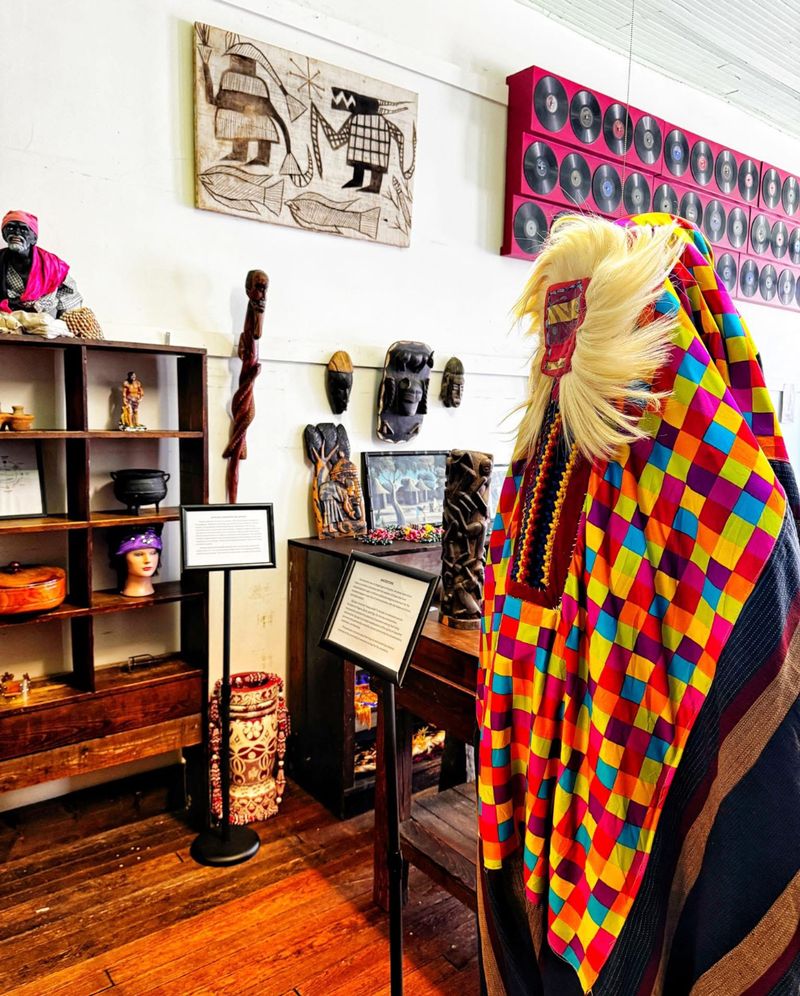
Memphis hoodoo represents a distinct African American spiritual tradition that blended African practices with elements encountered in the American South. The Beale Street Hoodoo History and Folklife Museum preserves this often-misunderstood tradition, displaying artifacts, explaining practices, and documenting the folk magic that was part of everyday life for many Black Southerners.
Hoodoo shouldn’t be confused with voodoo, though they share some roots. Hoodoo is a folk magic practice focused on practical results like protection, love, prosperity, and justice.
Practitioners used roots, herbs, minerals, and ritual objects to achieve specific goals. The museum’s collection includes actual items used in hoodoo work, from mojo bags to ritual candles to protective amulets.
Beale Street itself has deep connections to this tradition. As Memphis’s historic Black commercial and entertainment district, Beale Street was where hoodoo practitioners set up shop alongside musicians, restaurants, and other businesses.
The museum sits in this culturally significant location, maintaining the connection between place and tradition.
Displays explain common hoodoo practices without sensationalizing or mocking them. You’ll learn about root doctors who diagnosed spiritual problems and prescribed remedies, the significance of crossroads in hoodoo belief, and how specific herbs and minerals were thought to carry particular powers.
The museum treats these practices as legitimate cultural expressions rather than superstition.
Artifacts include conjure bags containing specific combinations of items, spiritual washing supplies, protective charms, and items associated with famous Memphis hoodoo practitioners. Photographs and documents preserve stories that might otherwise be lost as older generations pass away.
Oral history recordings let practitioners explain their beliefs in their own words.
The folklife component extends beyond strictly hoodoo topics to cover broader African American traditions in Memphis. You’ll find information about music, food ways, social customs, and community life that shaped the city’s Black neighborhoods.
This context helps visitors understand hoodoo as part of a complete cultural system rather than isolated curiosity.
Visiting this museum requires open-mindedness and respect. The practices displayed were and are meaningful to real people, not just exotic entertainment.
The museum staff emphasizes education and cultural preservation, helping visitors understand a tradition that mainstream society often dismissed or feared.
For anyone interested in African American history, Southern folk traditions, or religious practices outside mainstream Christianity, this museum offers rare insights. It’s a small operation compared to major institutions, but its specialized focus and authentic connection to Memphis history make it valuable for preserving knowledge that deserves recognition and study.