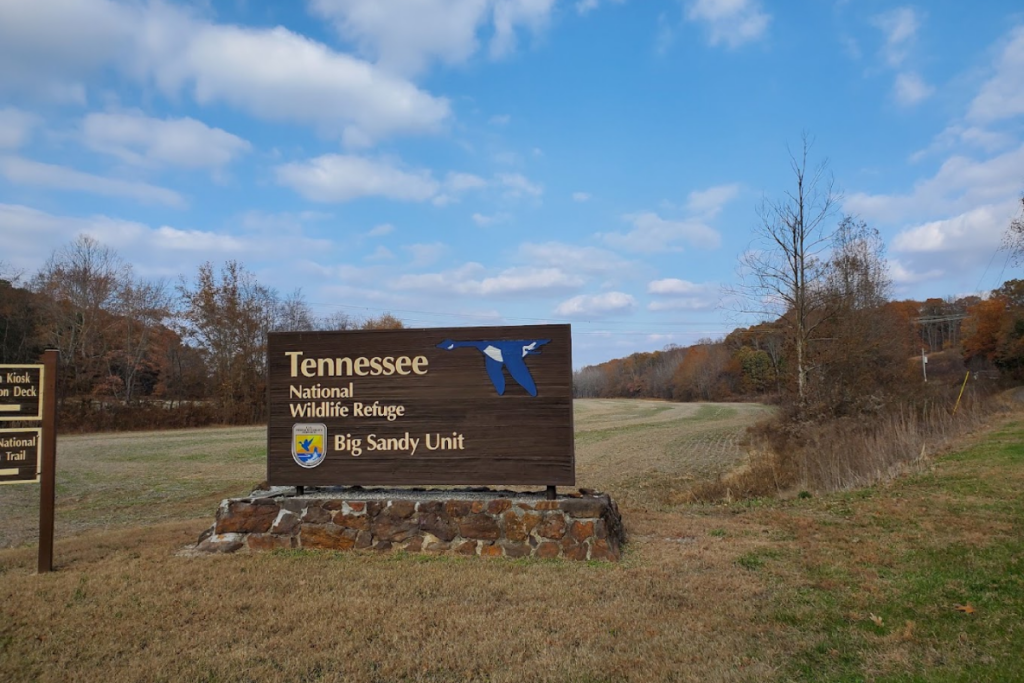
Tucked away near Springville, the Big Sandy Unit of Tennessee National Wildlife Refuge offers a peaceful escape into nature without the crowds you’d find at more popular state parks. This hidden gem combines wetlands, forests, and open water along Kentucky Lake, creating a haven for wildlife watchers and anyone who loves a quiet drive through changing landscapes.
Whether you’re hoping to spot a bald eagle, catch sight of deer near the water’s edge, or simply enjoy the view from behind the wheel, this refuge delivers a low-key outdoor experience that feels worlds away from everyday life.
A Quiet Tennessee Refuge That Feels Far From the Crowds
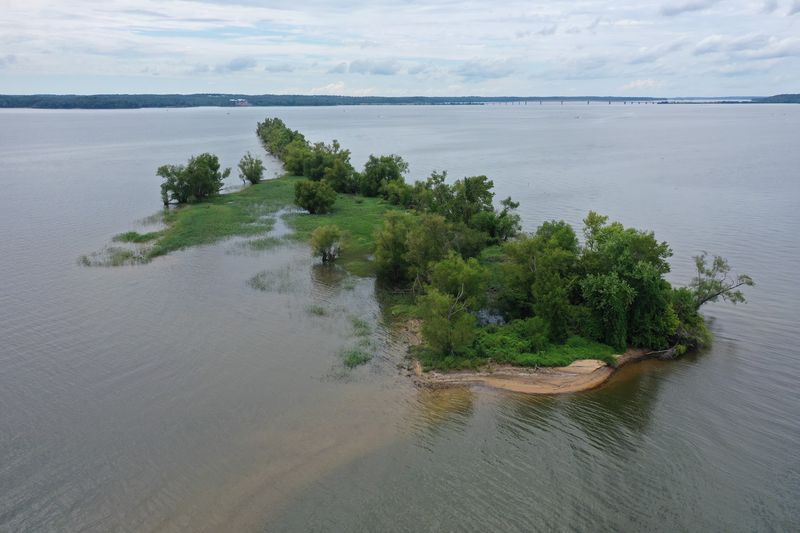
Most people racing along Tennessee’s highways have no idea this refuge exists, and that’s exactly what makes it special. The Big Sandy Unit sits just off the beaten path near Springville, where the landscape opens up into a mix of wetlands, wooded areas, and water views that stretch toward Kentucky Lake.
There’s no ticket booth, no crowded parking lot, and no gift shop selling souvenirs.
What you will find is a network of quiet roads winding through habitats that shift from dense forest to open marsh in a matter of minutes. The refuge was established to protect migratory birds and their nesting grounds, but it also serves as a peaceful retreat for anyone who wants to slow down and watch the natural world do its thing.
Visitors often mention the sense of solitude here, even on weekends when other outdoor spots feel overrun.
The Big Sandy Unit covers thousands of acres, giving wildlife plenty of room to roam and giving you plenty of space to explore without bumping into tour groups or selfie-seekers. You might pass a few fishing trucks near the boat ramps or spot another car pulled over to watch a heron, but for the most part, you’ll have the roads and views to yourself.
It’s the kind of place where you can roll down the windows, turn off the radio, and just listen to the sounds of wind through the trees and birds calling across the water.
If you’ve been searching for a nature escape that doesn’t require a long hike or an Instagram-worthy waterfall, the Big Sandy Unit delivers something better: genuine quiet and a chance to see Tennessee’s wild side without the crowds.
The Scenic Drive Is Part of the Experience
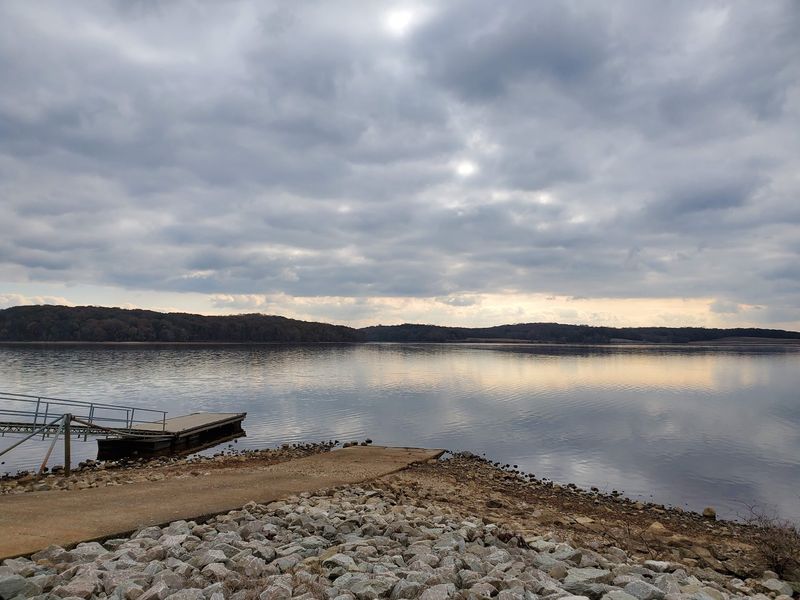
Driving through the Big Sandy Unit isn’t just a way to get from point A to point B. The roads themselves are part of the attraction, curving through habitats that change around every bend.
You’ll start in shaded forest where the canopy closes overhead, then suddenly break out into open wetlands where the sky feels twice as big and water glimmers between patches of marsh grass.
Wildlife Drive is the main route, a paved road that takes you deep into the refuge with plenty of spots to pull over and take in the view. The pavement is well-maintained, making it easy to cruise slowly while scanning the tree lines and water edges for movement.
Some visitors treat it like a mobile blind, stopping every few hundred feet to watch birds or wait for deer to step out of the woods.
As you follow the road toward the lake, the landscape opens up even more. You’ll catch glimpses of Kentucky Lake through the trees, and at certain points, the water comes right up to the roadside, creating perfect photo ops or quiet moments to just sit and stare.
The changing light throughout the day makes the same stretch of road look completely different depending on when you drive it.
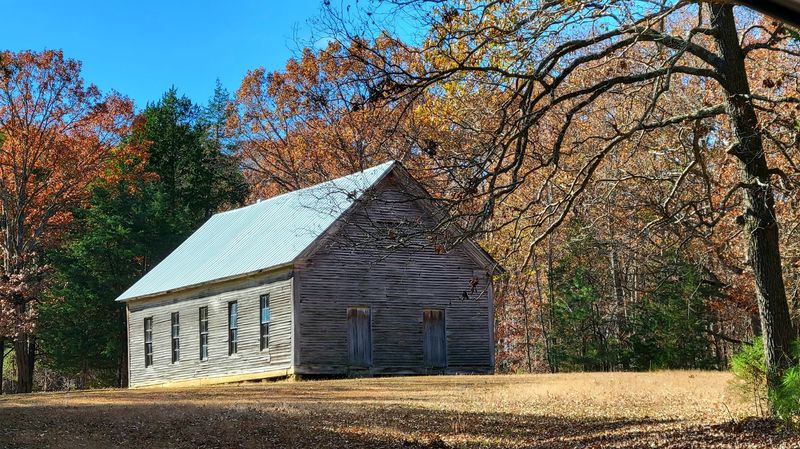
There are also smaller side roads and turnoffs that lead to boat ramps, observation points, and old homestead sites. Each one offers a different perspective on the refuge, whether it’s a closer look at the wetlands or a better angle on the open water.
The drive isn’t long, maybe 30 to 45 minutes if you don’t stop, but most people take at least twice that because there’s always something worth slowing down for.
Wetlands, Forests, and Open Water Create a Wildlife Haven
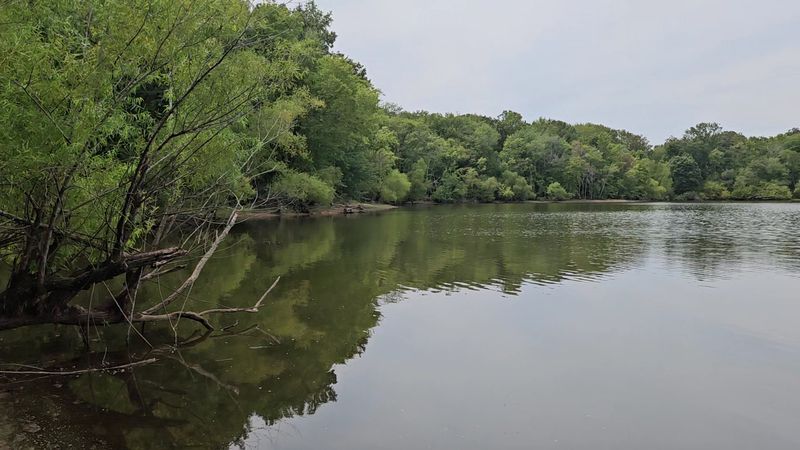
Walk or drive through the Big Sandy Unit and you’ll notice the landscape refuses to sit still. One minute you’re surrounded by hardwood forest where oak and hickory trees create a leafy ceiling, and the next you’re looking out over marshland dotted with cypress stumps and cattails.
This mix of habitats isn’t an accident; it’s what makes the refuge such a magnet for wildlife.
Wetlands act like nature’s nursery, providing food and shelter for everything from tiny frogs to massive wading birds. The shallow water and thick vegetation offer perfect hiding spots for young fish, which in turn attract herons, egrets, and kingfishers looking for an easy meal.
When the water levels rise and fall with the seasons, new feeding areas open up, drawing in even more species.
The forested sections provide nesting sites and cover for mammals and songbirds, while the open water of Kentucky Lake brings in waterfowl, especially during migration seasons. Ducks, geese, and other water birds use the refuge as a rest stop or winter home, creating impressive flocks that spread across the lake and wetlands.
The variety of habitats means different animals use different parts of the refuge at different times, so there’s always something happening somewhere.
Even the transition zones between habitats matter. The edges where forest meets wetland or where marsh meets open water are especially rich in wildlife activity because animals from both environments overlap there.
It’s not unusual to see a deer stepping carefully through shallow water or a turtle sunning itself on a log that’s half-submerged in the marsh.
Bring Your Binoculars: Birdlife Is a Major Draw
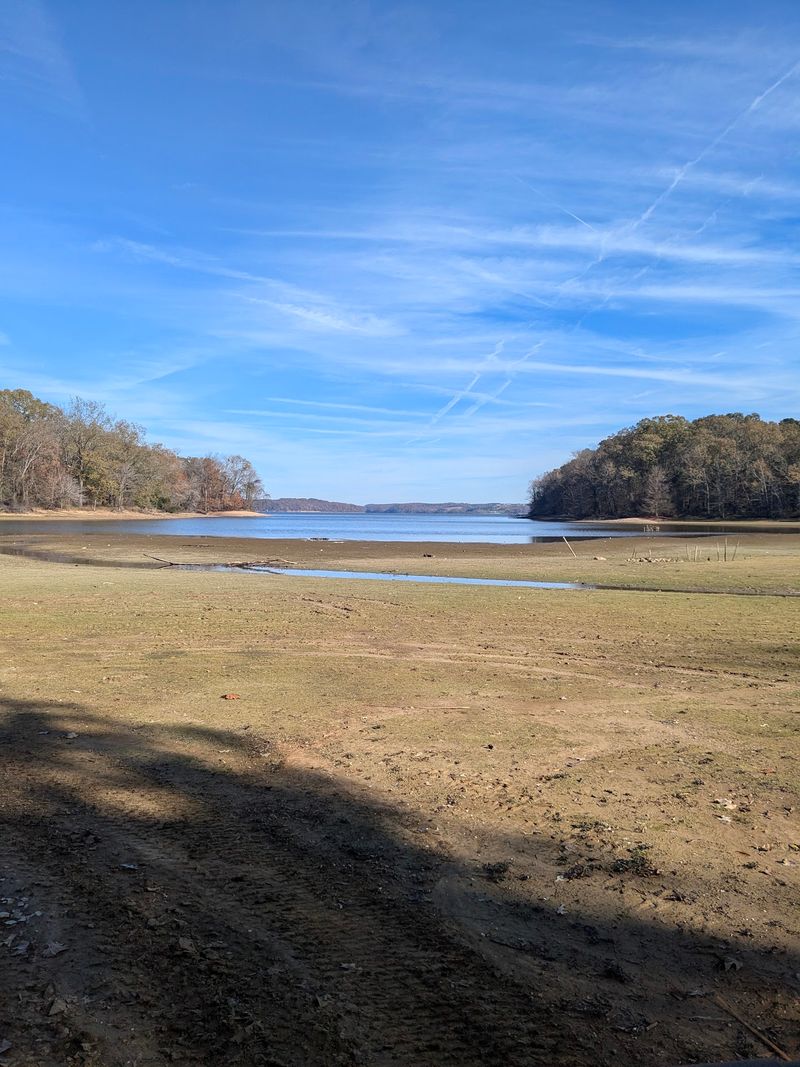
Ask anyone who visits the Big Sandy Unit regularly what they come for, and chances are they’ll mention the birds first. This refuge sits along the Mississippi Flyway, one of the major migratory routes in North America, which means thousands of birds pass through or stop here during spring and fall migrations.
Waterfowl are the headliners, with ducks and geese arriving in huge numbers when the weather turns cold.
During winter months, you might spot mallards, gadwalls, and northern pintails paddling through the shallow waters, along with Canada geese honking their way across the sky in perfect V-formations. The open water and protected marshes give them safe places to rest and feed before continuing their journey.
Early morning and late afternoon are prime times to see them, when the birds are most active and the light makes for great viewing.
Wading birds like great blue herons and great egrets stalk the shallows year-round, their slow, deliberate movements making them easy to spot against the water. You’ll also see smaller waders like green herons tucked into the vegetation along the banks.
Raptors patrol the skies and perch in tall trees overlooking the wetlands, with bald eagles being a particular favorite among visitors. Seeing one of these massive birds soaring overhead or perched near the water never gets old.
Songbirds fill the forests during warmer months, and if you’re patient, you might catch sight of woodpeckers, warblers, and thrushes moving through the trees. The variety changes with the seasons, so repeat visitors often find new species depending on when they show up.
Serious birders keep lists and return multiple times a year to catch different migrations and nesting periods.
Wildlife Sightings Go Well Beyond the Birds
While birds get most of the attention, the Big Sandy Unit is home to plenty of other animals that make appearances if you’re paying attention. White-tailed deer are probably the most commonly spotted mammals, often grazing near the road edges during early morning or late evening hours.
They’re used to the occasional passing car and will sometimes pause to watch you watching them before bounding back into the trees.
Turtles are everywhere, especially on sunny days when they haul themselves out of the water onto logs, rocks, or muddy banks to soak up warmth. You’ll see painted turtles, sliders, and sometimes snapping turtles if you look carefully along the water’s edge.
They’re surprisingly tolerant of quiet observers and will stay put as long as you don’t make sudden movements or get too close.
Small mammals like raccoons, opossums, and rabbits live throughout the refuge, though they’re more secretive than the deer. You might spot their tracks in the mud or catch a glimpse of one darting across the road at dusk.
Beavers have also been known to work in some of the quieter wetland areas, leaving behind chewed stumps and dams that alter the water flow.
Amphibians and reptiles thrive in the wet environments here. Frogs call from the marshes, especially in spring when breeding season kicks in, and you’ll hear their chorus even from inside your car.
Snakes, including harmless water snakes and the occasional cottonmouth, sun themselves near the water or move through the grass hunting for prey. Most are shy and will disappear before you get close, but they’re an important part of the refuge’s ecosystem.
The Best Ways to Explore the Big Sandy Unit
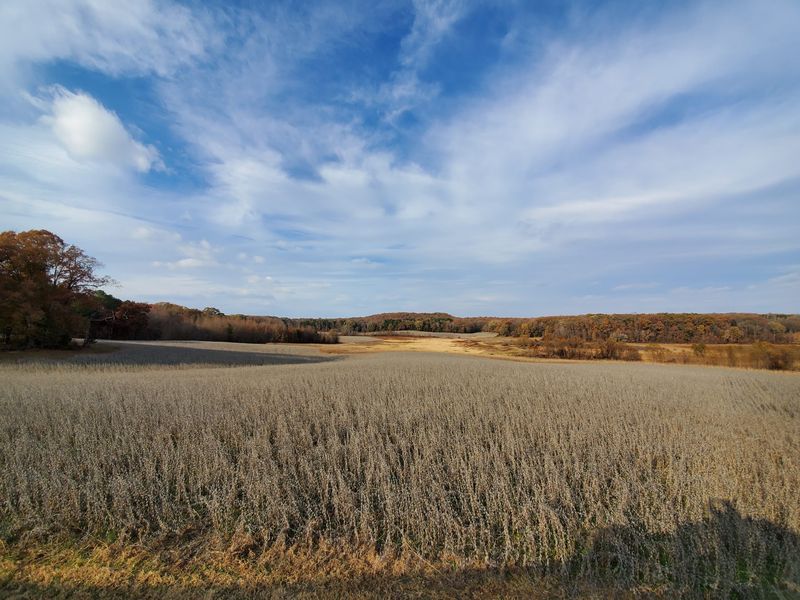
The most popular way to experience the Big Sandy Unit is by car, taking the scenic drive at a leisurely pace with frequent stops to look around. The paved roads make it accessible for anyone, and you don’t need special equipment or hiking boots to enjoy the views.
Many visitors treat their vehicle like a mobile observation post, rolling slowly along Wildlife Drive and pulling over whenever something catches their eye.
Wildlife watching and photography go hand in hand here. The combination of open sightlines and relatively tame animals makes it easier to get good looks and decent photos without needing a super-zoom lens.
Bring binoculars for birds and distant animals, and consider a camera with at least some zoom capability if you want to capture what you see. Early morning and late afternoon offer the best light and the most active wildlife.
There are also short walking opportunities near some of the old homestead sites and along certain trails that branch off from the main roads. These aren’t long hikes, but they give you a chance to stretch your legs and get a closer look at the forest and wetland edges.
Walking quietly increases your chances of spotting animals that might stay hidden from passing cars.
Fishing and boating are allowed in designated areas, with boat ramps providing access to Kentucky Lake. Anglers target striped bass, catfish, and other species, and the peaceful setting makes for a relaxing day on the water.
If you’re boating, be mindful of shallow areas and submerged stumps, especially during lower water levels. Swimming happens at certain spots, though facilities are limited and you’ll want to be cautious about water conditions.
Respect for the refuge rules matters. Stay on designated roads, don’t disturb nesting areas, and pack out any trash you bring in.
What to Know Before You Make the Drive to Springville
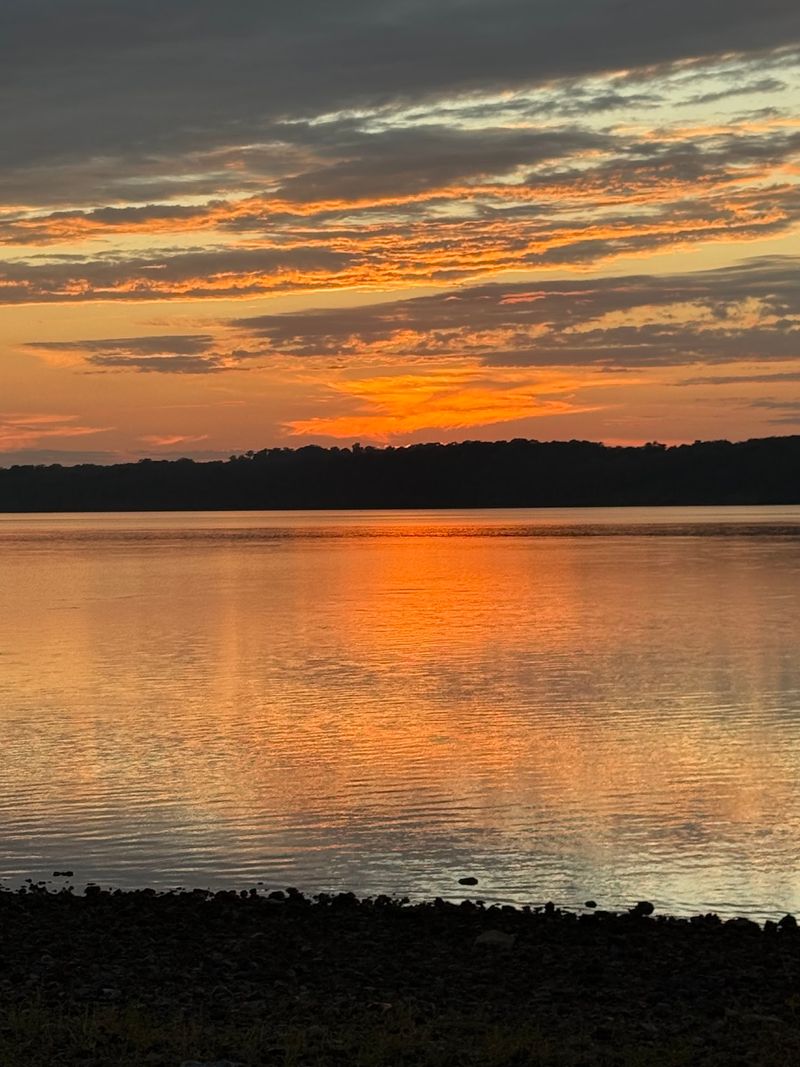
Timing your visit to the Big Sandy Unit can make a big difference in what you see and how comfortable you’ll be. Spring and fall are ideal for birdwatching because of the migrations, and the weather is usually pleasant for driving and walking around.
Winter brings in large flocks of waterfowl, but dress warmly if you plan to step out of the car. Summer can be hot and buggy, though early morning visits are still enjoyable and you’ll see different wildlife activity.
The refuge is open during daylight hours, and there’s no entrance fee, which makes it an easy addition to any trip through western Tennessee. The roads are generally well-maintained, but after heavy rain, some unpaved areas near boat ramps can get muddy.
Check conditions ahead of time if you’re visiting during wet weather or if you’re driving a low-clearance vehicle.
Bring water, snacks, and any supplies you might need because there are no stores or facilities inside the refuge. Restrooms are limited to basic facilities at certain access points, and cell service can be spotty in some areas.
A paper map or downloaded directions are helpful since GPS doesn’t always provide the best routes through rural areas.
Nearby amenities in Springville and the surrounding towns include gas stations, restaurants, and lodging if you’re planning to stay overnight. The refuge is close enough to Paris, Tennessee, and the Kentucky Lake area that you can easily combine a visit with other activities like dining at local spots or exploring nearby recreation areas.
The Big Sandy Unit isn’t flashy or famous, and that’s exactly why it’s worth adding to your Tennessee itinerary. It offers a genuine, low-pressure way to connect with nature, see wildlife, and enjoy a scenic drive without the hassle of crowds or commercialization.