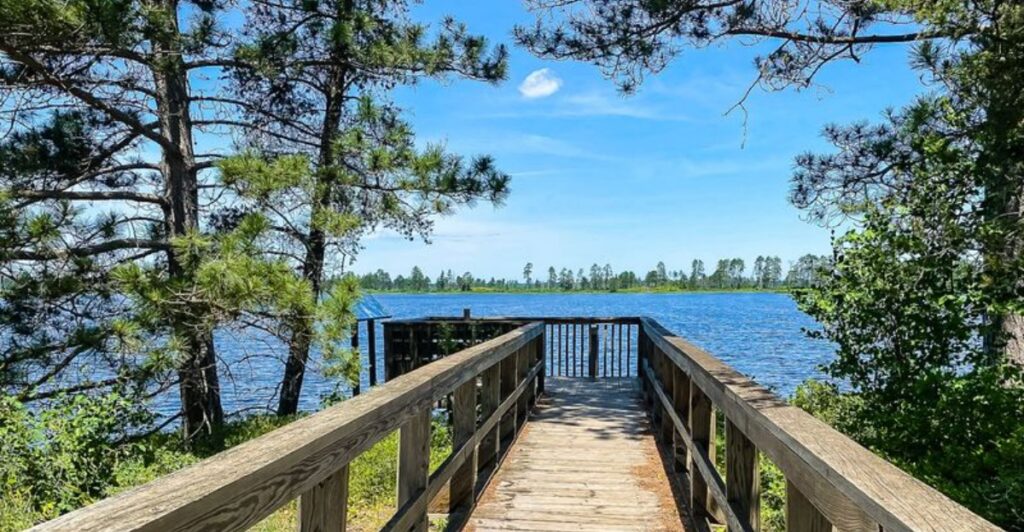
A flash of white across the water can turn a quiet Upper Peninsula drive into a wildlife moment worth remembering. At Seney National Wildlife Refuge, trumpeter swans are part of the landscape, with roughly 200 of the massive birds associated with the refuge even though visitors should not expect to see them all at once.
The appeal comes from searching slowly through ponds, marshes, and pine woods while letting the wildlife set the schedule. Admission is free, and a pair of binoculars can make the experience even better.
For anyone hoping to see a wilder side of Michigan, Seney offers a peaceful place to watch, wait, and see what appears.
White Wings Against a Wide Michigan Marsh
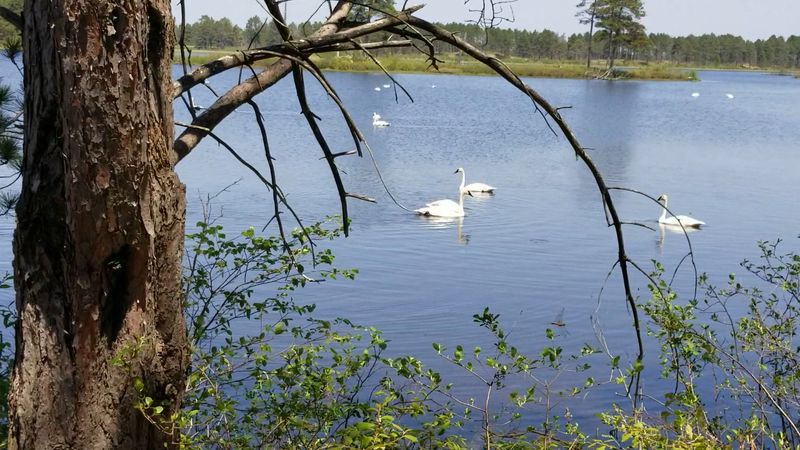
A flash of white can stop a whole carload mid-sentence. At Seney National Wildlife Refuge, open water lies beside marsh grasses and dark pine stands, giving a trumpeter swan plenty of room to appear without warning.
You might first notice its long neck rising above the reeds, then spot the broad white body reflected below.
The setting is part of the fun. Small ponds and wetland pools break up the view, so each bend offers a fresh place to scan.
On a still day, the water can be smooth enough to double a bird’s shape. When wind moves through the grass, watch for white feathers that stand out against the shifting green and brown.
Do not expect a row of swans waiting beside the road. The roughly 200 swans linked with the refuge are spread across a large area, and birds move as seasons and conditions change.
A sighting is possible, not promised. That uncertainty makes a slow look across each pool far more useful than trying to cover every mile quickly.
Start with the water closest to shore, then look toward the far banks. A swan feeding with its head underwater can resemble a white lump until it lifts its neck.
Binoculars help you check distant shapes without stepping off a viewing area or getting too close to wildlife.
Give yourself time for one quiet stop before reaching for a camera. Notice where the reeds end, where open water begins, and whether anything moves between them.
Even if the first white shape turns out to be a patch of sunlit water, the search teaches your eyes how this marsh works.
Seney’s first impression is not a single grand overlook. It is a string of small discoveries, often beginning with one bright bird against a wide, dark wetland.
Keep your window down briefly and listen for movement before driving on.
The Swans Are Big, But Give Them Space
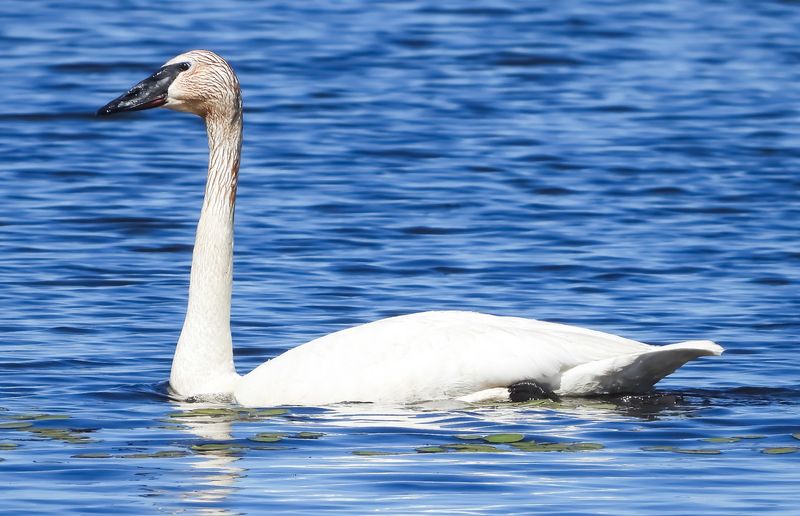
Trumpeter swans do not need to put on a show to get your attention. Their long necks, heavy white bodies, and dark bills make them striking even while they drift across a pond.
At Seney, you have a chance to watch ordinary swan behavior: swimming, feeding, resting, and sometimes keeping close to a mate or young birds.
Try watching one bird for a full minute instead of snapping a photo and moving on. It may tip forward to reach food below the surface, lift its head with water dripping from its bill, or paddle into a sheltered corner.
Those small actions tell you more than a distant white speck in a rushed picture.
Space matters, especially around nests and young. If a swan changes direction as you approach, calls repeatedly, or seems focused on you instead of its usual activity, back away.
Stay on designated roads and viewing areas, keep pets under control where they are allowed, and never offer wildlife food. Bread and snacks are not part of a healthy wetland diet.
The number in the headline is best treated as a broad picture of Seney’s swan population, not a daily count or a promise for your visit. Birds can spread out across the refuge, and visibility changes with plants, light, and season.
You could see several together, one far away, or none on a particular drive.
For better viewing, brace your binoculars against the car window or a steady railing. Look for the clean curve of the neck and the black bill before deciding a pale shape is a swan.
A field guide can help if other water birds are nearby.
Let the birds choose the distance. When you remain quiet and still, you can watch a swan move through its own day, undisturbed by yours.
Let the Auto Tour Set Your Pace
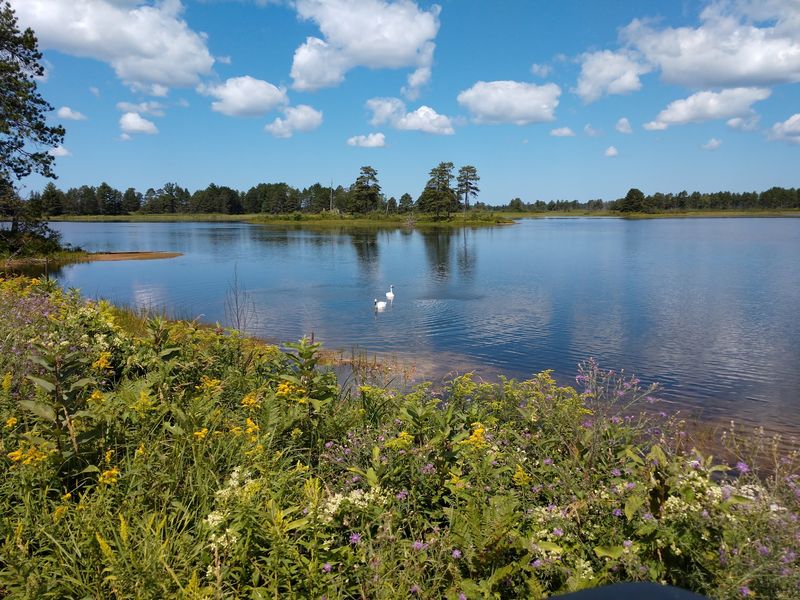
Here is a rare wildlife trip where staying in the car can be a smart move. Seney’s auto tour route brings you past ponds and marsh edges without requiring a long hike.
It gives you shelter when bugs are busy, a steady place to scan the water, and an easy way for travelers with different energy levels to share the outing.
Drive slowly enough to notice changes beside the road. A dark shape near a bank could be a beaver, while a pale curve farther out might be a swan’s neck.
Pull over only where stopping is allowed, and leave the road clear for other cars. Sudden stops can surprise drivers behind you and wildlife nearby.
The route works best when you resist treating it like a shortcut. Scan a pond from one spot, move along, then look back from a different angle at the next safe stop.
Reeds that hid a bird moments ago may no longer block your view. Bring binoculars within reach rather than packed under luggage in the trunk.
If you are traveling with children, turn the drive into a quiet spotting game. Ask them to find ripples, nests from a distance, or different bird shapes, rather than counting only swans.
It gives younger eyes a job and keeps the trip interesting when the biggest birds are out of sight.
Plan for a leisurely drive, not a fixed number of sightings. Route access can vary by season or refuge work, so check current notices before setting out.
Follow posted speed limits and stay on roads open to public vehicles; a narrow track on a map is not necessarily an invitation to drive.
A good stop ends with everyone looking once more across the water before the engine starts. At Seney, that extra pause may reveal the movement you missed on the way in.
More Than Swans Share the Water
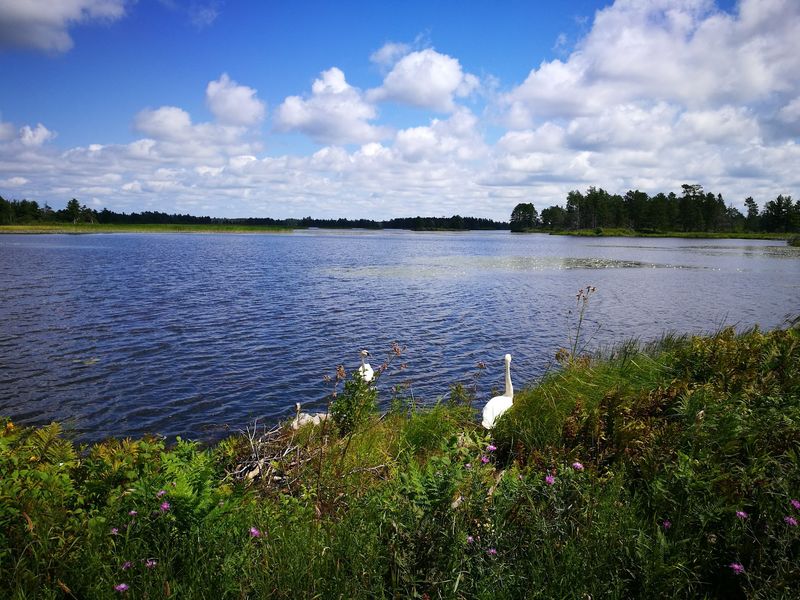
A swan may bring you to Seney, but the next movement in the reeds could belong to a very different neighbor. Loons use the open water, sandhill cranes can appear near wet ground, and geese and ducks add their own shapes and sounds.
The refuge also supports birds of prey, including eagles and ospreys.
Watch the edges where one habitat meets another. A beaver may cross a pool with only its head above water, while a turtle can be easy to miss on a sunny log.
A small wake near the cattails is worth a second look, though it might be a muskrat rather than the larger animal you hoped to find.
Different wildlife calls for different ways of looking. Scan the sky and tall trees for raptors, then bring your eyes down to the marsh for water birds.
Listen as well. A call can draw your attention to a bird hidden by brush long before you see it, and a sudden splash can point you toward activity near shore.
Keep expectations loose. You are visiting a working habitat, not a place where animals appear on schedule.
An eagle sighting is possible, but a day with geese, insects, and distant birds is still a normal day here. The closer you look, the more you notice how much life occupies the spaces between famous species.
For a simple field note, write down where you spotted something rather than guessing every name. Was it diving in open water, walking through grass, or flying above the pines?
Those details make it easier to identify the animal later and sharpen your eye during the rest of the visit.
Seney rewards curiosity in every direction. After watching the swans, check the log, the treetops, and the little patch of water you passed at first glance.
A Wetland With a Larger Story
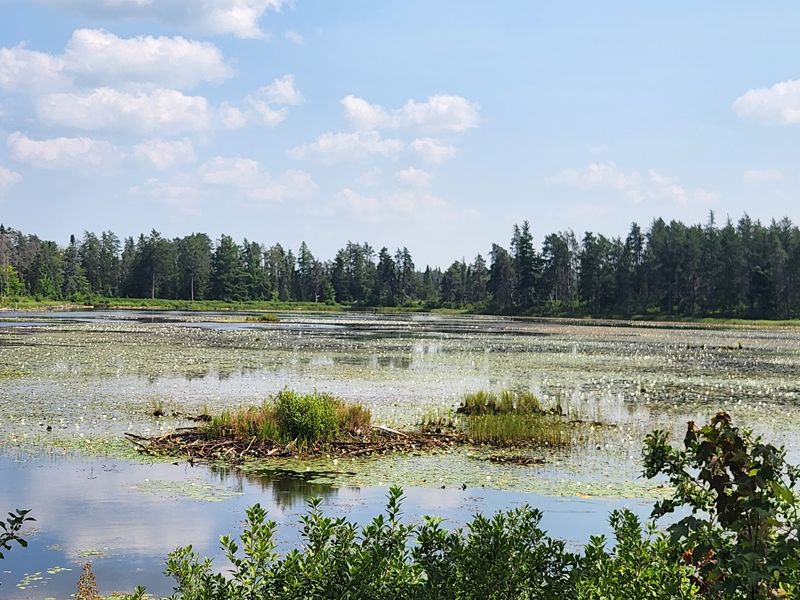
Those pools are more than a pretty backdrop for white birds. Seney National Wildlife Refuge protects a broad mix of wetlands and pine forest in Michigan’s Upper Peninsula.
Its ponds, marsh plants, and quieter corners give migratory birds places to feed and rest. The swans are one visible piece of a much larger living system.
Water shapes what you see from the road. A shallow pool can offer feeding space for birds that reach below the surface, while a grassy edge provides cover.
Nearby trees create perches for watchful birds and shelter for other animals. Put those pieces together, and a view that first looks empty starts to make sense.
Seney is also associated with the Strangmoor Bog, a landmark wetland within the refuge. A bog is not simply a muddy patch.
It is a distinct kind of wet place, with plants and conditions different from the open ponds where you are most likely to look for swans. Not every protected area is meant to be reached by car or foot.
That is why staying within public access areas matters. A shortcut toward a bird can damage plants or disturb wildlife in the very habitat the refuge was created to protect.
Use marked routes, respect closed areas, and leave nests, feathers, and other natural finds where they are. A photograph travels home more safely than a souvenir from the marsh.
If a visitor center is open during your trip, it can add helpful context to what you saw outside. Ask which routes are available and where to learn about the refuge’s habitats.
Hours for a building may differ from access to outdoor areas, so check current information before making plans around it.
Once you understand the landscape, even an empty pool has a purpose. Its water, plants, and sheltered banks are part of the same place that supports those striking white swans.
Pack for Marsh Weather, Not Just the Forecast
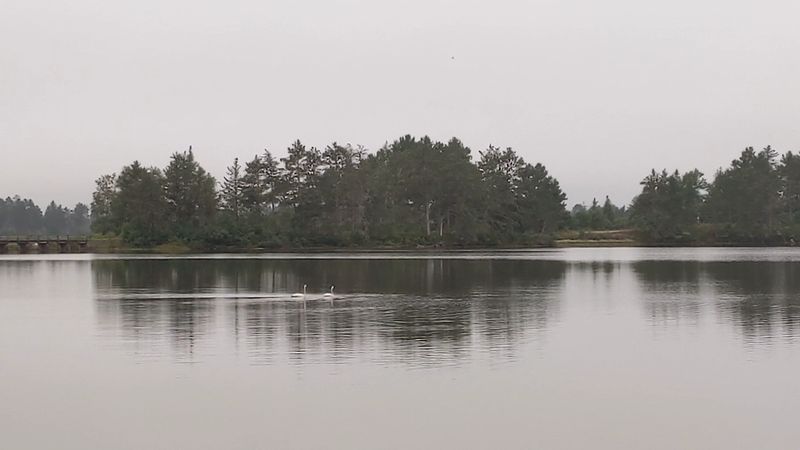
Sunny skies do not guarantee an easy walk beside a marsh. At Seney, flying insects can turn a tempting stop into a quick look from the car, especially during warmer months.
Pack repellent, wear clothes that cover your skin, and keep a light layer handy. You can still enjoy the auto tour if you decide not to step outside.
Binoculars belong near the top of the packing list. They let you check a far bank without approaching wildlife or straining to turn every white dot into a swan.
Add water, a simple snack, and shoes suited to damp ground if you plan to use open walking areas. Keep food and wrappers inside your vehicle until you can dispose of them properly.
Light changes the view as much as weather does. Earlier or later daylight may make details easier to see than harsh midday glare, though wildlife never follows a visitor’s timetable.
If the sun is shining straight across a pond into your eyes, try another safe viewing spot rather than stepping into an unmarked area for a better angle.
Before leaving for 1986 River Rd in Germfask, check current refuge notices. Visitor center hours, open routes, and seasonal access are not always the same thing.
A posted building schedule should not be taken as a guarantee that every outdoor route is open, or that every part of the refuge closes with the building.
Allow extra time if birdwatching is your main goal. A quick drive might show you the layout, but a patient stop gives you more chances to spot feeding birds or movement along the shore.
If children are joining you, a pair of shared binoculars and a short break can keep the outing comfortable.
Finally, bring your patience. At Seney, the most useful piece of gear is the willingness to wait while a distant white shape slowly turns into a swan.
Free Admission, With Wildlife in Charge
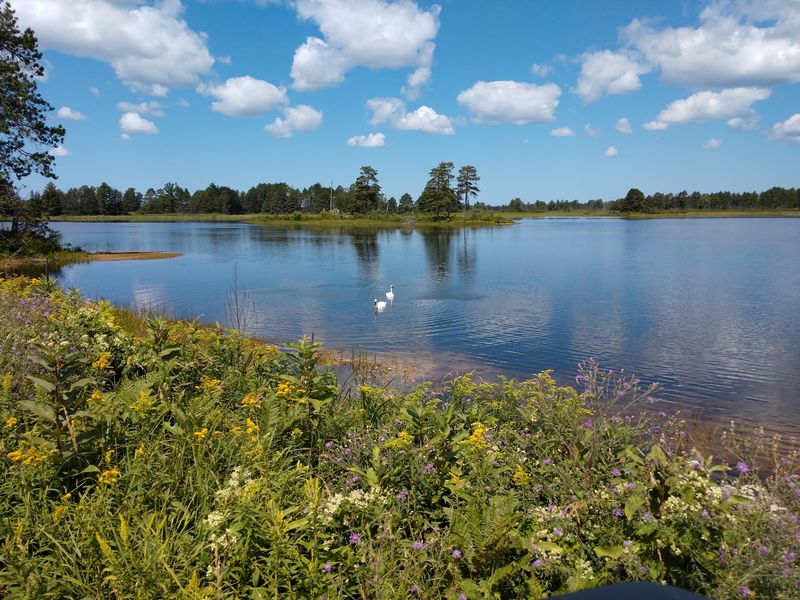
Free admission changes the mood of a day at Seney. You can come to look for trumpeter swans without trying to squeeze a paid attraction into every minute.
If the first pond is quiet, keep moving. If a bird appears, stay at a permitted stop and give it time.
The schedule belongs to the animals.
The refuge’s appeal is also simple to explain to a travel partner. You can take an auto tour, look across open water, and watch for wildlife without needing special equipment or a difficult hike.
Binoculars improve the view, but careful eyes and a little patience are enough to begin. A calm drive can be the whole plan.
Do not measure the trip against the roughly 200 swans in the headline. That figure does not mean 200 birds will gather in one pond, or that you will find a swan on every visit.
Think of it as a clue to the refuge’s importance for the species, then pay attention to what is actually in front of you.
A successful outing might include one swan crossing a pool while geese call from the reeds. It could also be a loon farther out, a beaver slipping below the surface, or the surprise of seeing how much marsh stretches beyond the road.
None of those moments requires an entrance ticket, and none can be ordered ahead of time.
Help keep the experience open and healthy for the next person. Follow signs, carry out trash, drive slowly, and avoid crowding any animal you find.
Donations may be welcomed, but admission to the refuge is free. Check current access details before your visit so the route you hope to take is available.
Then leave room for the unexpected. One white neck beyond the cattails can turn an ordinary stop into the reason you pulled over.