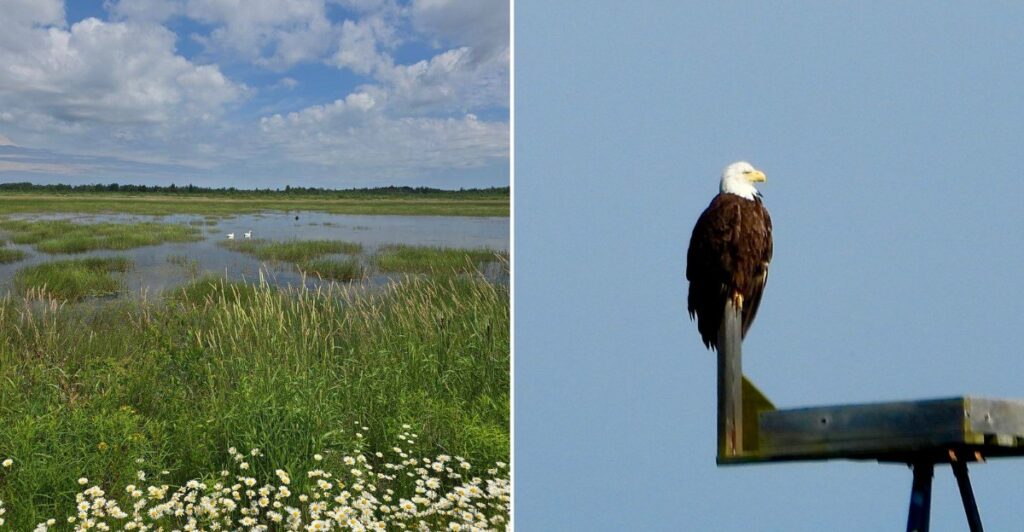
Fall outings do not always need a long trail to feel rewarding. At Tuttle Marsh Wildlife Area in Michigan, a gravel road cuts through the wetland and gives visitors plenty of chances to stop, listen, and scan the marsh for birds.
The appeal comes from the slower pace, where patience can lead to sightings of waterfowl, raptors, and sometimes even a bald eagle, though nothing is guaranteed. Changing fall color adds another layer to the scenery while the open wetland keeps your eyes moving.
For anyone looking for a quieter Michigan wildlife stop, Tuttle Marsh makes slowing down part of the experience.
Where the Road Meets the Marsh
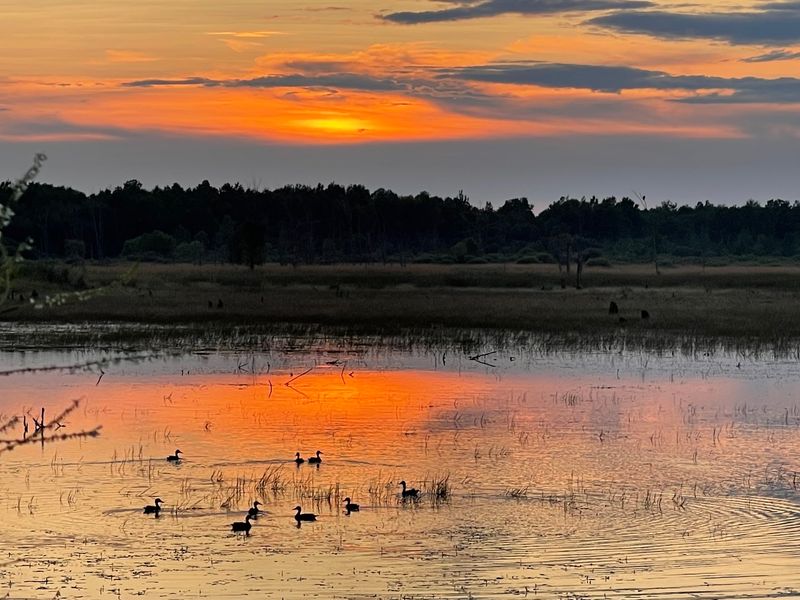
The road does something useful at Tuttle Marsh: it puts you close to a broad wetland without asking for a long hike first. Along Sherman Road in Oscoda Township, the drive gives you a shifting view of reeds, trees, and patches of open water.
In fall, those edges can be especially interesting as summer green fades and birds move through the area.
Slow down as you enter the gravel stretch. A bird perched above the road can be easy to miss if you are watching only the water, while movement among the reeds may disappear in seconds.
Keep your attention on driving, then use a suitable pull-off when you want a longer look.
Do not expect a grand overlook that reveals the whole marsh at once. Berms and brush can block parts of the wetland from the car, and water levels can change what you see from season to season.
That limited view is a good reason to make several careful stops rather than judging the place from one spot.
Listen when you get out. Wind in dry reeds, calls from water birds, and the sound of wings overhead can point you toward activity before your eyes find it.
Scan the tops of bare trees, the edges of open water, and any quiet bank visible from a public access point.
Keep your vehicle clear of the driving lane and avoid crushing plants beside the road. If a pull-off is muddy or too narrow, continue to another one.
The simple route is part of the outing, but it is still a working road, not a place to stop wherever you please.
A few slow passes can reveal more than a hurried walk. Watch how the view changes with every opening in the brush: one gap may frame a stand of reeds, while the next gives you a wider patch of sky.
At Tuttle Marsh, that sky is always worth checking.
Michigan Skies, Eagle Possibilities
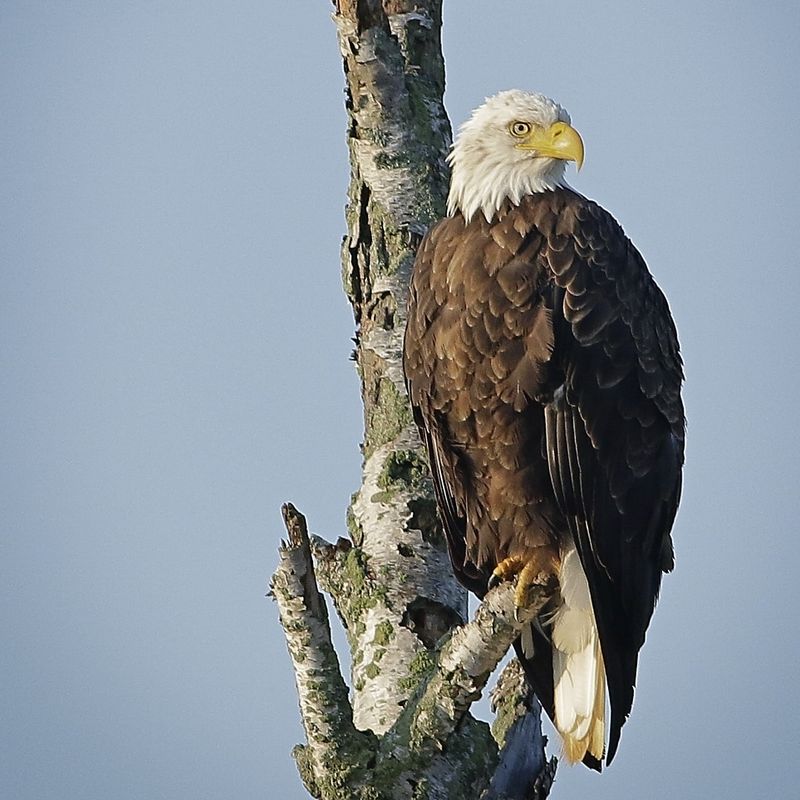
A bald eagle can turn an ordinary pause into a careful search of every treetop. Eagles have been seen at Tuttle Marsh Wildlife Area, but they are wild birds, not a scheduled attraction.
Treat a sighting as a possibility, and the rest of the marsh becomes interesting while you wait.
Start by scanning tall trees and open sky from a safe stopping place. An adult bald eagle shows a white head and tail against a dark body, though a distant bird may look like little more than a heavy shape.
Young eagles are mostly brown, so do not assume every eagle will have the familiar white markings.
Binoculars make the search easier and let you stay farther from wildlife. Sweep slowly across the tree line, pause on large perched birds, then check the sky above open water.
If you spot something promising, watch its shape and movement before reaching for your camera.
Other birds can make the wait rewarding. Ospreys, herons, cranes, swans, and ducks have all been spotted around the marsh, with species and numbers changing by season.
A heron standing still near water may blend into the reeds until it moves its neck.
Give any perched or feeding bird plenty of space. Do not approach for a closer photograph, call to attract it, or leave a public route in pursuit.
A calm bird is easier to watch, and distance helps keep the wetland useful to wildlife.
Choose a spot where you can comfortably stand for several minutes. Birds often appear after you stop moving, especially when your attention shifts from one dramatic target to the whole scene.
If the eagle never arrives, you may still see a line of waterfowl cross the sky or catch a quick flash of wings near the reeds. That is the honest pleasure of birdwatching here: you cannot order the headline sighting, but you can be ready when it happens.
Look Lower Than the Treetops
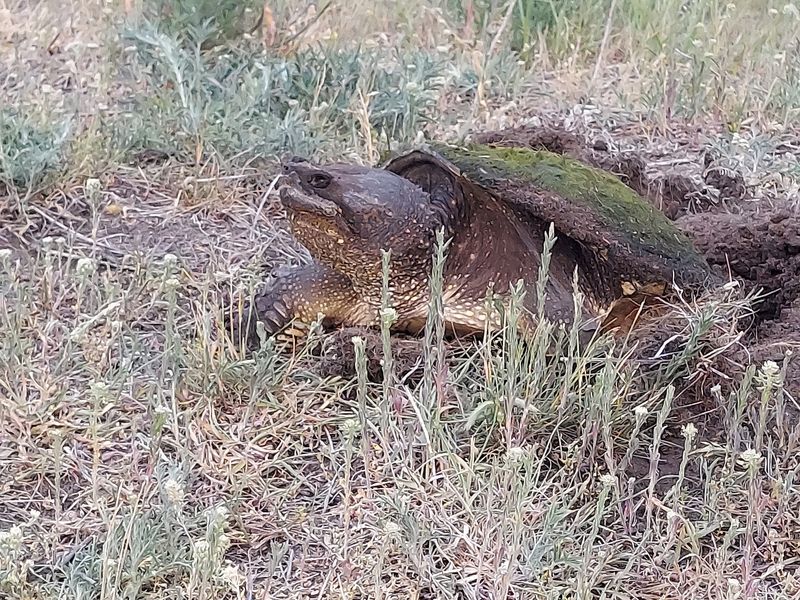
Eagle watching draws your eyes upward, but some of the best clues to life at Tuttle Marsh sit much lower. Check a fallen log near the water, a muddy edge, or a gap between reeds.
A turtle may be resting where you nearly overlooked it, while a wading bird can stand so still that it resembles a branch.
Water levels affect this search. A pool that looks full on one visit may expose more mud on another, especially after a dry stretch.
Rather than expecting the same scene each time, look for the boundaries between water, plants, and open ground. Those edges give animals places to feed, rest, and move.
Fall also changes the color of the marsh. Green growth gives way to tan grasses, dark seed heads, and leaves that stand out against the wetland.
Some wildflowers may remain, but do not count on a summer display. Notice the smaller details instead, such as a bright patch of leaves behind gray reeds.
Moving quietly helps. Pause before stepping closer to an opening, then scan it in sections.
Look first for shapes that seem out of place, then watch for tiny movements. With binoculars, a distant log might reveal turtles, or a pale mark among the plants might resolve into a bird.
Keep feet on established public routes and firm ground. Wetland edges can be soft even when they look dry, and pushing through plants can disturb the habitat you came to see.
If a path is overgrown or unclear, turn back rather than making your own shortcut.
A camera can help you study what you noticed later, but do not let the screen take over the outing. Give yourself a minute to watch without taking a picture.
Sometimes the most useful view is simply a patch of water that seemed empty until it began to move.
The Quiet Has a Purpose
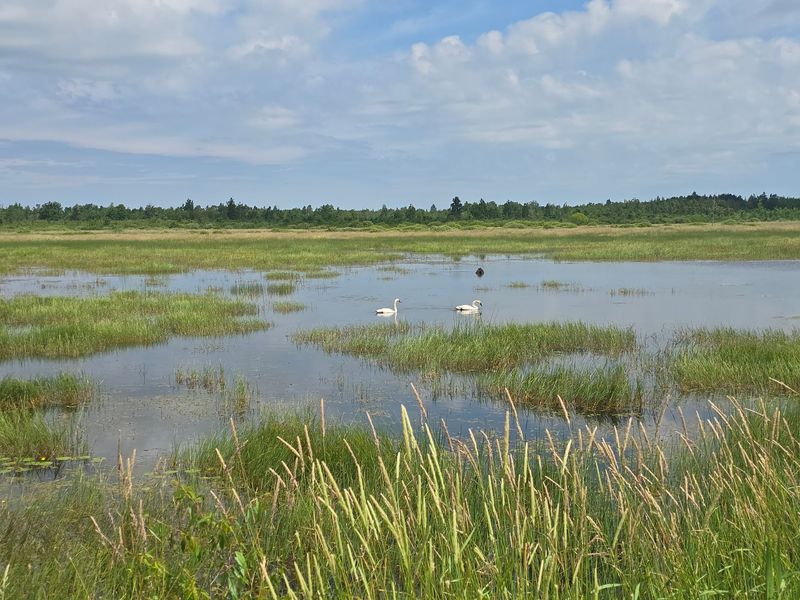
No playground, picnic table, or snack stand waits at Tuttle Marsh. That may sound like a warning, and for some outings it is.
Here, it tells you what the area is for: giving wildlife room and giving you a chance to observe it without a busy park scene around you.
The marsh is a wildlife area, not a place built around entertainment. You may find yourself standing beside the road, watching one patch of reeds longer than expected.
A faint call, a ripple, or a bird crossing between trees becomes enough reason to stay put for another minute.
That simple setup also calls for care. Pack out every wrapper and tissue, since you should not count on a trash can.
Keep noise low, leave plants in place, and give animals a clear path to move away. If you bring children, explain that spotting wildlife takes more patience than running from one attraction to the next.
You do not need to turn the visit into a test of how many species you can name. Try noticing behavior instead.
Are birds flying low over the water or settling into trees? Does a turtle remain on its log when you stop, or slip away?
Small observations help you understand the place without needing expert knowledge.
The quiet can also change quickly. A passing vehicle, a gust across dry grasses, or a sudden bird call may interrupt a still moment.
Make room for those shifts rather than expecting silence. This is an outdoor habitat with its own activity, not a silent room set aside for you.
Plan your visit around that purpose. Bring what you need, spend time at safe pull-offs, and accept that wildlife may keep its distance.
The lack of built comforts is not something you have to celebrate, but it is worth preparing for. Once you do, an ordinary stretch of reeds has a fair chance to hold your attention.
Give the Gravel Road Its Own Pace
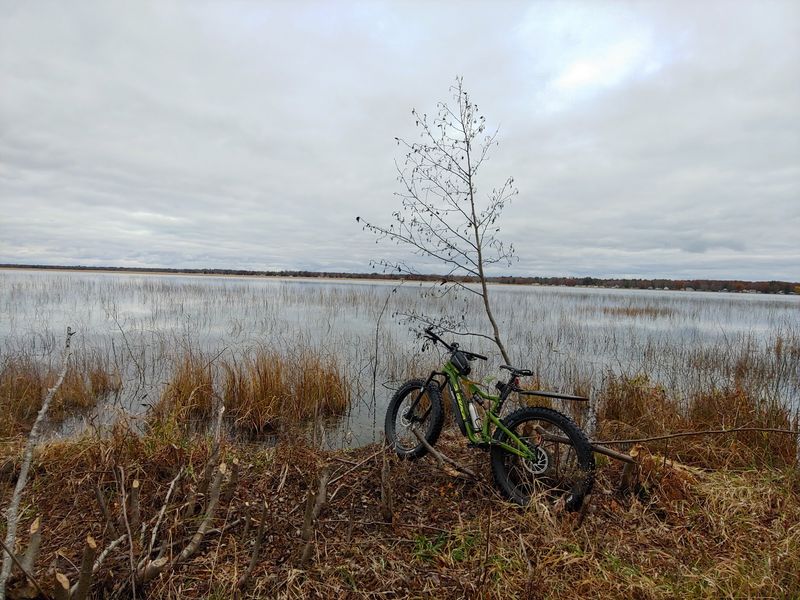
Crunching gravel is a reminder to take Sherman Road slowly through Tuttle Marsh. The surface is not the same as a paved park loop, and brush may narrow the view in places.
A patient drive protects your vehicle, gives you more time to notice animals, and makes stops easier to plan.
Check conditions before committing to the route, especially after heavy rain. Puddles, loose stones, and soft edges can make a simple drive less comfortable.
If the road looks unsuitable for your vehicle, it is fine to turn around. A wildlife outing should not require a risky crossing.
Use established pull-offs when you want to park. Before opening a door, look for traffic, uneven ground, and plants close to the car.
Step out carefully, then listen and scan from where you stand. You do not have to reach every distant opening to make the stop worthwhile.
Some walking routes may be rough or hard to follow. Wear sturdy shoes if you plan to leave the vehicle, and expect roots, grass, or muddy patches rather than a smooth sidewalk.
Do not climb a berm or enter an unclear trail just because it seems to promise a better view. Stay with access that is clearly open and safe.
Cell service and signs can vary in remote-feeling areas, so save your route before arriving and allow enough daylight for the return drive. Let someone know where you are headed if you are going alone.
These small steps leave more room to enjoy the marsh once you are there.
Driving slowly has another benefit: it helps you spot places to stop before you pass them. A wide gap beside the road may offer a view of water, while the next opening may face a line of trees.
Pull over only where there is room, turn off the engine, and see what comes into view.
Pack for a Fall Afternoon, Not a Park Picnic
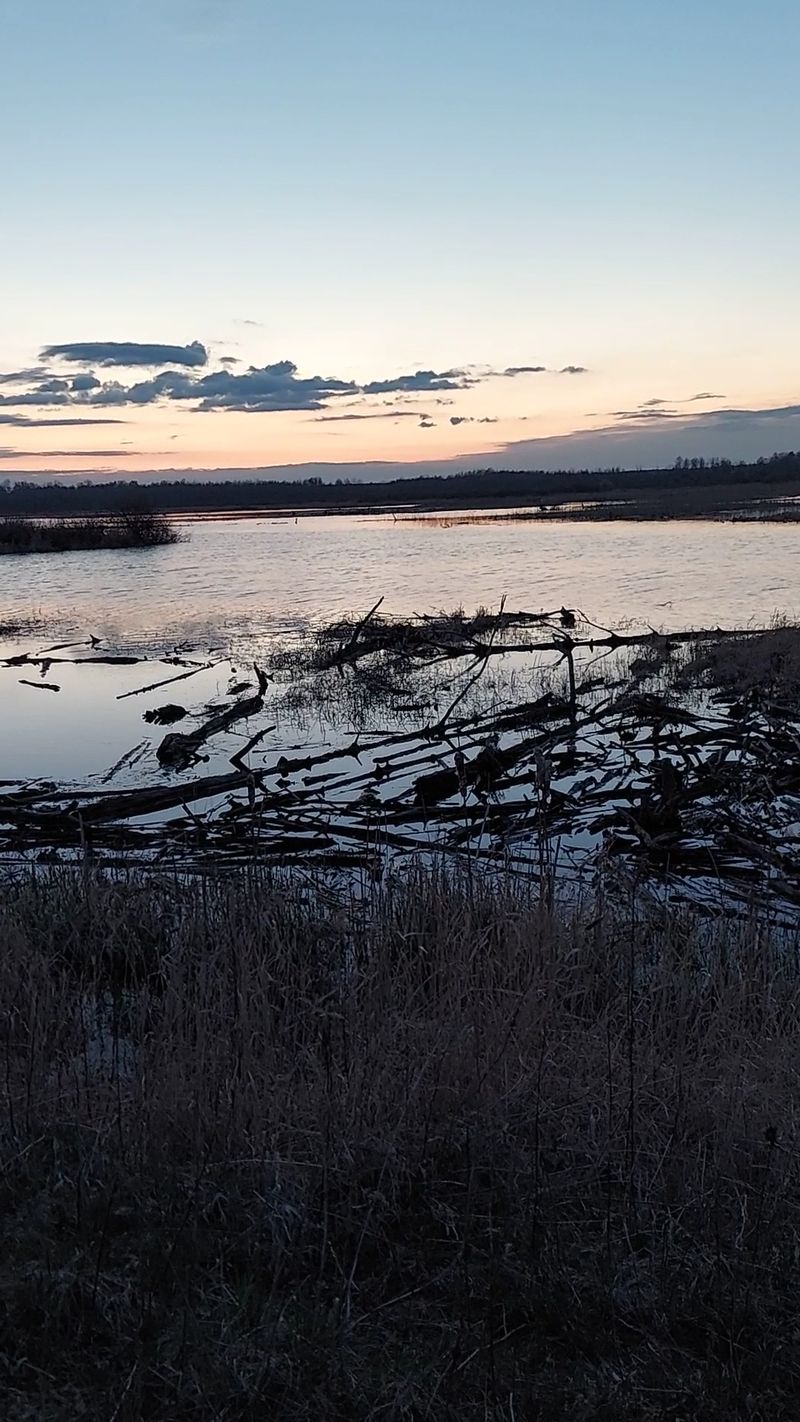
A light jacket can earn its place in your bag at Tuttle Marsh, even if the afternoon begins warm. Fall weather can change while you stand beside open water, and birdwatching involves more waiting than walking.
Dress in layers so a cool breeze does not cut your visit short.
Pack binoculars if you have them, along with water and a fully charged phone. A camera with a zoom lens is handy, but it is optional.
Sturdy shoes matter more if you plan to explore an established walking route, where grass, loose ground, or mud can make ordinary sneakers uncomfortable.
Bring insect repellent, too. Cooler weather may reduce bugs, but it does not promise they will be gone.
A hat can help with sun glare while you scan the water, and a small bag makes it easy to carry out anything you brought in. Do not rely on finding a restroom, trash can, or picnic table at the wildlife area.
For timing, choose a stretch of daylight that leaves you plenty of room to drive slowly and stop more than once. Birds may be active at different hours, but no time guarantees an eagle.
Watch the forecast, and remember that recent rain or a dry spell can change both the road and the amount of visible water.
If you are bringing a child or a first-time birdwatcher, set an easy goal: make two or three stops and look closely at each one. A short visit with warm hands and patient eyes usually works better than a long outing that ends when someone gets cold or tired.
Before you leave home, decide what you can comfortably carry back to the car. Keep food simple and secure, and leave no scraps behind.
The best preparation here is plain and practical: arrive ready to look, stay flexible about what appears, and take everything home except the view.
One Last Scan Before You Leave
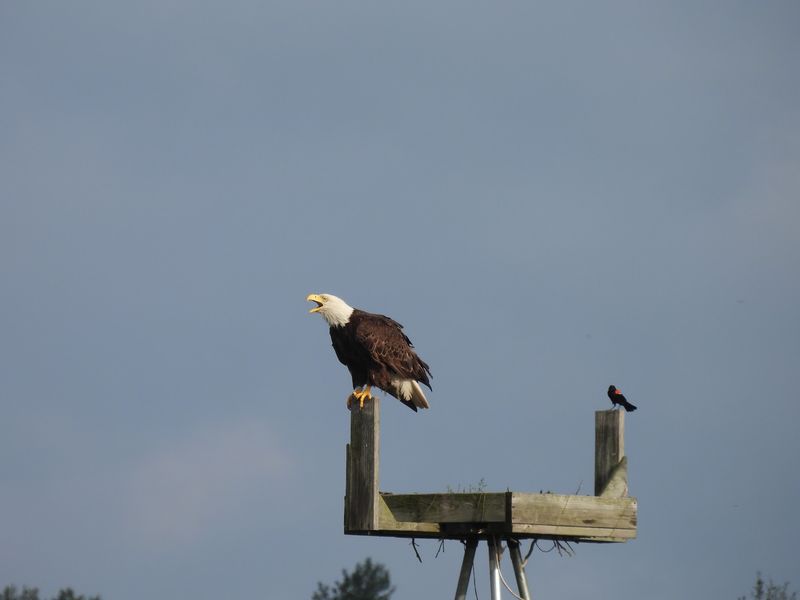
On the way out of Tuttle Marsh, the same stretch of road may show you something new. A bird that was hidden earlier could lift from the reeds.
Light may catch a pool you passed without noticing. A second look is useful here because the marsh does not put all its wildlife on display at once.
Make that final scan from a safe pull-off, not while dividing your attention at the wheel. Check the tree line for large perched birds, then follow the edge of any water you can see.
If you have binoculars, linger on shapes that look unusual. If you do not, give yourself time to watch for movement.
An eagle would be a striking finish, but it should not be the only measure of a good visit. Tuttle Marsh can also offer a swan crossing open water, a heron waiting near reeds, or the quick sight of a deer among trees.
What appears depends on weather, season, and the ordinary luck of arriving at the right moment.
Fall adds its own changes. Leaves thin out, grasses turn pale, and different patches of water come into view as conditions shift.
Those details reward repeat visits without making any particular sighting certain. The marsh can look quite different after rain than it does during a dry spell.
Before pulling away, check that you have collected your belongings and left the pull-off clear. Drive gently over the gravel, keeping an eye out for animals near the road.
If you want a record of the outing, jot down what you saw once you have stopped somewhere safe.
The appeal of Tuttle Marsh is straightforward: you can spend an afternoon paying close attention to a living wetland. Some days the sky holds an eagle.
Other days, a turtle on a log or one sudden splash is enough to make you stop and look again.