Open the right Illinois bakery case, and generations of European baking traditions appear behind the glass. Fruit-filled kolaches, pillowy paczki, flaky strudel, and other old-world sweets continue to tempt customers at bakeries shaped by the state’s Czech, Polish, German, and Hungarian heritage.
Many of these treats require time, careful technique, and recipes that have been passed down rather than reinvented for the latest trend. Arriving early can be especially rewarding when trays are fresh and the selection is fullest. These 9 Illinois bakeries keep beloved traditions deliciously alive—and make choosing just one pastry nearly impossible.
1. Weber’s Bakery (Chicago)
Back in 1930, when a loaf of bread cost about a dime, Weber’s Bakery started feeding its Chicago neighbors. The ovens have stayed busy ever since. That kind of staying power says plenty before you even taste a crumb.
Walk up to the counter and the cases tell the story. Breads, pastries, and cakes are made from scratch, and they show up fresh each morning instead of arriving on a truck. For a list built around old European favorites, Weber’s checks three boxes at once.
First up are the Czech kolacky. These small, tender cookies fold around sweet fillings, and they are the kind of treat grandparents set out on holiday platters. Buy a dozen and try not to eat half in the car. Good luck with that.
Next comes the Hungarian apple strudel. Thin layers of pastry wrap around soft, spiced apples, so every bite gives you a little crunch followed by something warm and fruity. A slice with coffee makes an ordinary Tuesday feel a lot less ordinary.
Then there are the paczki. These rich Polish doughnuts show up seasonally, with the biggest rush landing around Fat Tuesday. Expect a crowd if you show up during that week, because half the city seems to have the same plan.
Weber’s has the easygoing look of a true neighborhood shop. It is not trying to be trendy or flashy. The focus stays on the food, and the recipes carry the weight of family tradition passed along over many decades.
A smart move is to visit on a weekday morning when the shelves are fully stocked and the lines are shorter. You will get the best pick of kolacky flavors that way. Pair a box of cookies with a strudel, and dessert for the weekend is handled.
2. Delightful Pastries (Chicago)
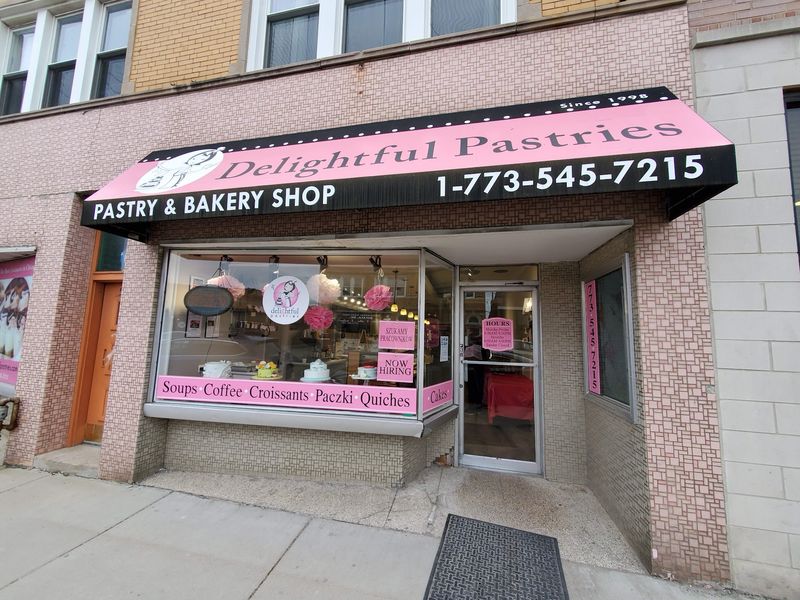
Rose petal jam inside a doughnut? At Delightful Pastries, that is not a strange idea at all. It is one of the classic paczki fillings, and it has been loved in Polish kitchens for generations.
This family-owned Chicago bakery focuses on home-style European baking. The recipes have been handed down from one generation to the next, so the pastries taste like they came from a grandmother’s kitchen rather than a factory. You can see the care in the shapes, which are a little rustic and very inviting.
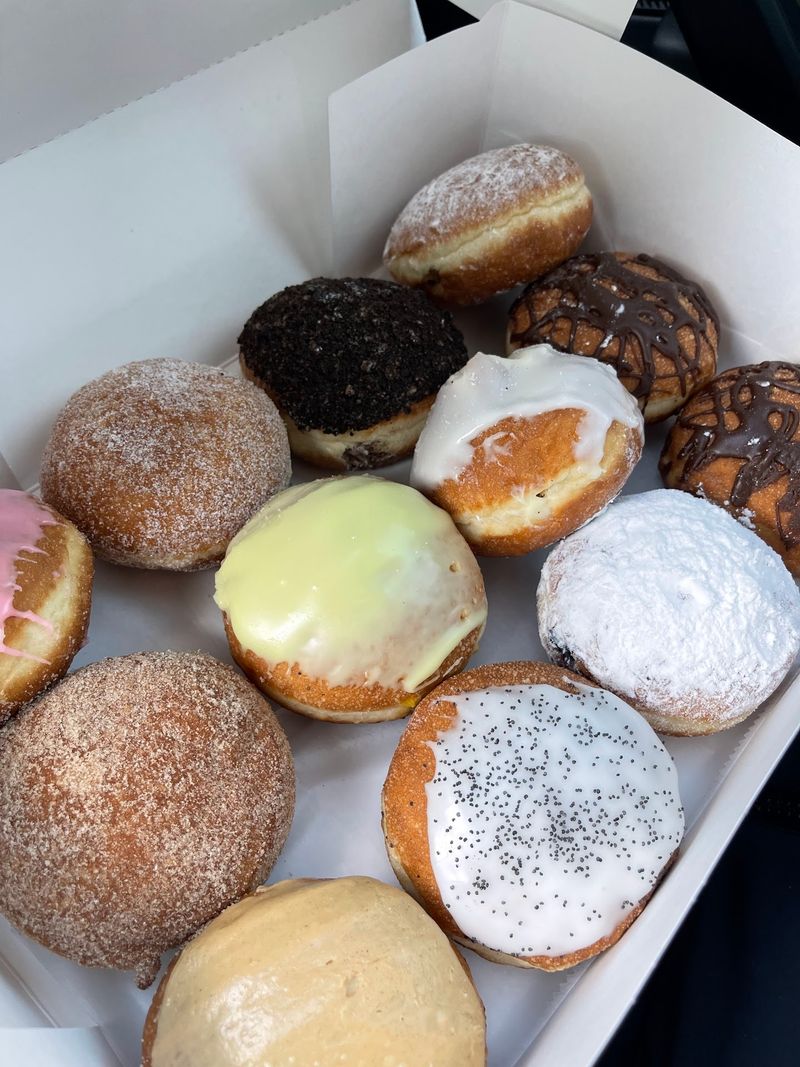
Paczki are the headline act here. For anyone new to them, paczki are round, fried Polish doughnuts made with a richer dough than the usual kind. They are heavier, softer, and packed with filling, so one can easily count as a meal. Maybe even two.
The flavor list is where things get fun. Traditional picks like rose petal, plum butter, apricot, and raspberry anchor the menu. Plum butter is thick and deep, almost like a jam that has been slowly cooked down for hours. Apricot brings a bright, tangy snap.
Around the busy season, more creative versions join the lineup. These seasonal flavors give regulars a reason to try something new while still keeping the classics close by. A mixed box is the easiest way to settle any family debates about which filling wins.
Fat Tuesday is the biggest paczki day of the year. Crowds pour into Polish bakeries across Chicago, and lines can stretch out the door early. Ordering ahead, when possible, can save you a long wait in the cold.
Beyond paczki, the cases hold other European favorites worth a look. Still, most first-timers come for one thing. Take one bite of that pillowy dough, and the reason becomes pretty clear.
3. Wiklanski’s Bakery (Elmwood Park)
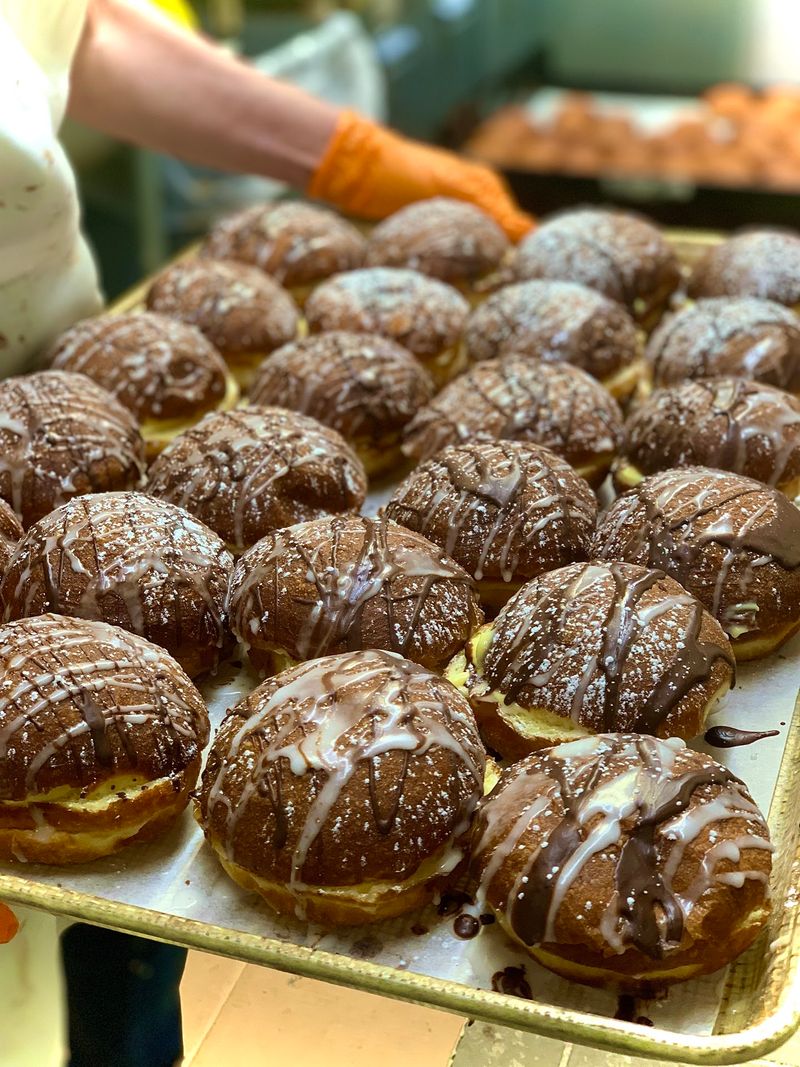
No fancy chandeliers. No trendy wall art. Wiklanski’s Bakery in Elmwood Park skips the decorating budget and puts all of its energy into what comes out of the oven.
That plain approach is part of the charm. Customers walk in for traditional Polish breads, cookies, tortes, and other European treats, and they walk out with bags that feel heavier than expected. Nobody seems to miss the decor.
Paczki are the big draw, especially when Fat Tuesday rolls around. On that day, the bakery turns into one of the busiest spots in the neighborhood. People line up early for dozens at a time, carrying boxes out to the car like prized trophies.
Why so much fuss over a doughnut? In Polish tradition, Fat Tuesday was the last chance to use up rich foods like butter, sugar, and eggs before the fasting season of Lent. Frying up paczki was a tasty way to clear out the pantry.
The custom stuck, and Chicago-area Poles have kept it alive with serious enthusiasm. Outside of paczki season, Wiklanski’s still has plenty to explore. The breads are hearty and filling, great for sandwiches or just tearing apart with butter. Tortes offer layered, rich slices for birthdays or weekend dinners.
The cookies are a smart grab for anyone who wants a little variety. Mix and match a few shapes and flavors to find a new favorite. They also make an easy gift for a neighbor or teacher.
Elmwood Park sits just west of Chicago, so the drive is short for city folks. Bring cash just in case, since smaller old-school shops sometimes prefer it. Then plan to arrive early on Fat Tuesday, because the best picks do not last long once the doors open.
4. Schlegl’s Bakery & Cafe (Lincolnwood)
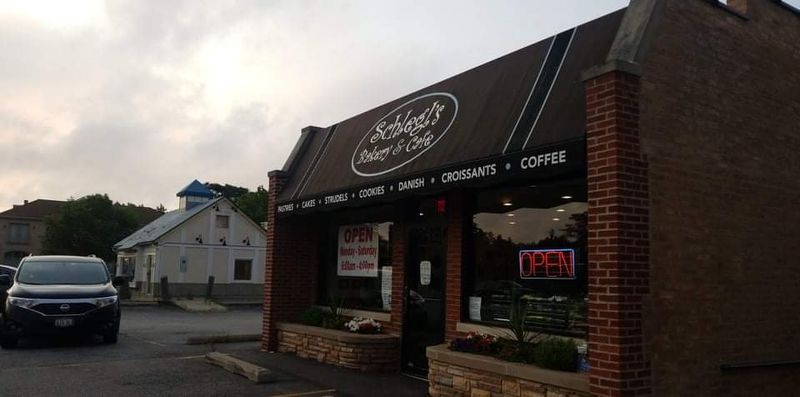
Picture a German grandmother pulling a long, golden apple strudel from the oven. Now picture that same scene happening in Lincolnwood. That is the spirit of Schlegl’s Bakery & Cafe.
This longtime local favorite puts German baking traditions front and center. The pastry case is packed with apple strudel, coffee cakes, danishes, and other familiar treats. Nothing here tries too hard to be modern, and that is exactly why people love it.
The apple strudel is the obvious pick. Paper-thin dough wraps around tender apple slices, often with warm spice tucked inside. Flaky on the outside and soft in the middle, it pairs perfectly with a hot drink on a chilly Illinois afternoon.
Coffee cakes deserve a shout-out too. Topped with crumbly streusel, they are made for sharing at breakfast or for sneaking a second slice later. Danishes bring buttery layers and sweet fillings that make a quick morning stop feel like a treat.
Around Fat Tuesday, paczki join the party. That makes Schlegl’s a rare spot where German strudel and Polish doughnuts share the same counter. It is a nice reminder of how many European cultures blended together in the Chicago area.
The cafe side gives visitors a chance to sit down and enjoy their pastries instead of rushing off. Grab a table, order a slice, and take your time. Weekend mornings tend to get lively, so a weekday visit is calmer.
Lincolnwood sits just north of Chicago, making it an easy detour for anyone exploring the northern suburbs. Families often pick up a whole strudel for holidays and gatherings. A few boxed coffee cakes also make a crowd-pleasing gift for anyone hosting brunch.
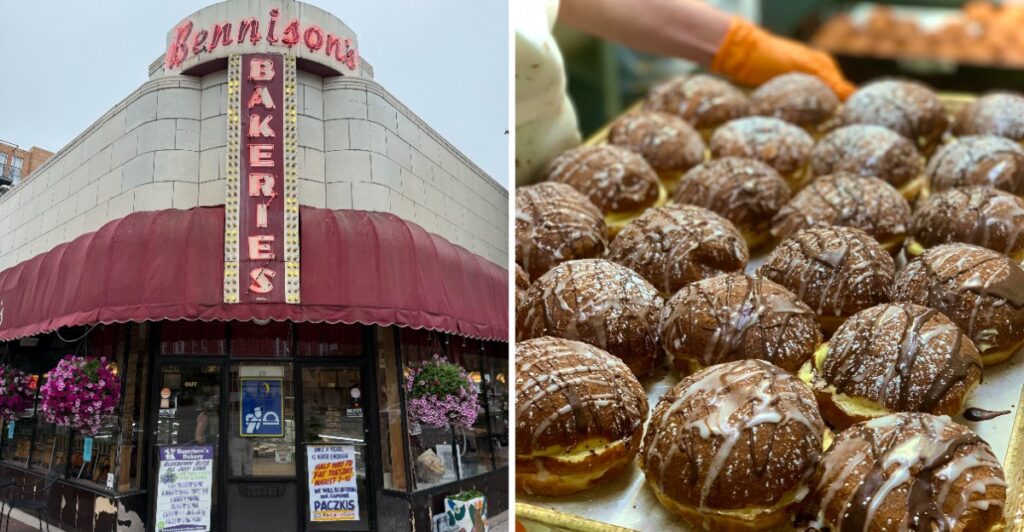
5. Bennison’s Bakery (Evanston)
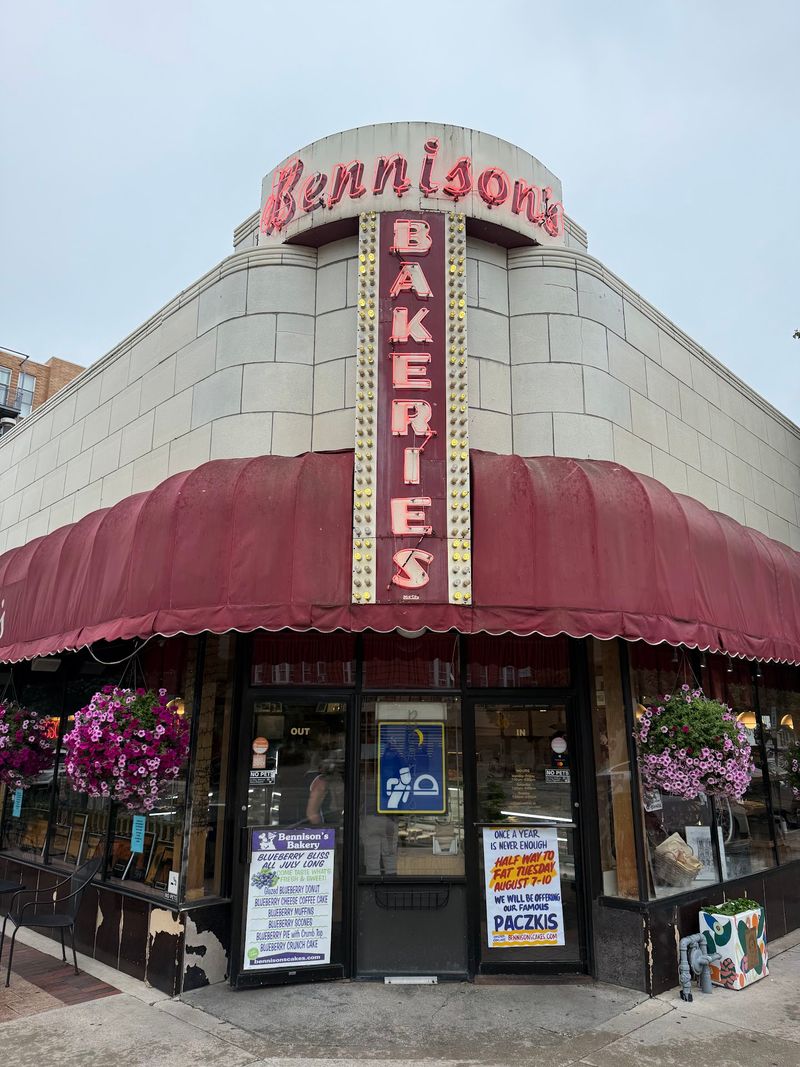
Say it out loud: apfelstrudel. The German word sounds almost as good as the pastry tastes, and Bennison’s Bakery in downtown Evanston serves a version that earns its fancy name.
Bennison’s carries generations of European baking influence. Its busy storefront is stocked with breads, pastries, cakes, and traditional specialties. On a typical morning, you might see students, office workers, and families all crowding in at once.
For this list, the apfelstrudel is the star. It delivers exactly what a classic fruit-filled pastry should. Delicate layers of dough crackle around a filling of sweet, tender apples, and the whole thing tastes like it came from an old family recipe card.
Here is a fun bit of history. Strudel is closely tied to Austria and Germany, and bakers there were famous for stretching the dough so thin you could supposedly read a newspaper through it. That takes patience, skill, and a very steady pair of hands.
Bennison’s also shines with its cakes. They are a popular choice for birthdays and celebrations around Evanston. The breads round out the menu, so it is easy to grab dessert and tomorrow’s toast in one trip.
Location helps too. Downtown Evanston is walkable and lively, with shops and parks nearby. Grab a slice of strudel, stroll toward Lake Michigan, and enjoy a snack with a view.
The bakery does get crowded, especially on weekends and before holidays. Moving through the line quickly is part of the local routine, so knowing what you want helps. Spoiler: the answer is strudel.
Pick up an extra piece for later. It holds up well, and a quick warm-up in the oven brings back that fresh, flaky crunch.
6. Jarosch Bakery (Elk Grove Village)
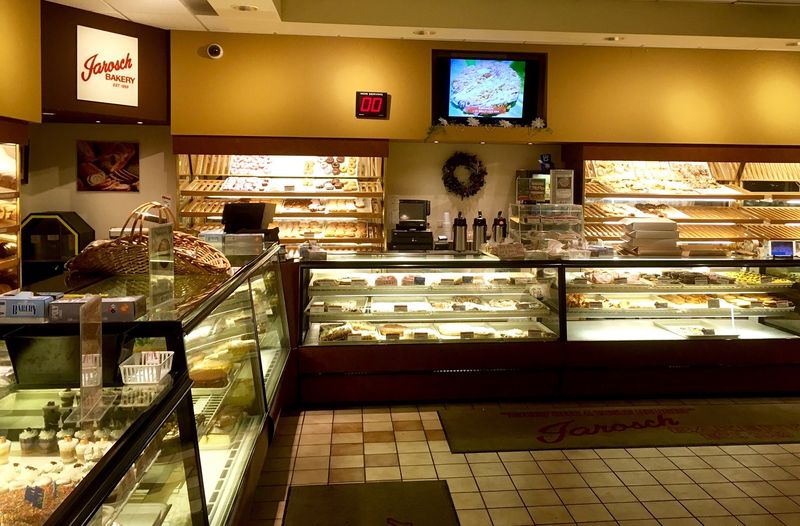
Some bakeries chase trends. Jarosch Bakery has been doing its own thing in Elk Grove Village since 1959, and the formula still works.
Family-owned for more than six decades, Jarosch remains a true scratch bakery. That means the butter cookies, sweet rolls, coffee cakes, breads, and European-inspired pastries start from basic ingredients rather than premade mixes. You can taste the difference in the texture, which is richer and more homemade.
The butter cookies are a local legend in their own quiet way. They are small, crisp, and melt in your mouth, the sort of cookie that disappears from a holiday tray first. Kids tend to grab them by the handful.
Sweet rolls and coffee cakes make great breakfast picks. Soft dough, sugary glazes, and crumbly toppings turn a normal Saturday into something special. Bring home a coffee cake, and the whole family suddenly shows up at the kitchen table.
German roots run through the whole menu. You will see those influences in the traditional pastries and hearty breads. Many recipes lean toward flavors people remember from childhood visits to grandma’s house.
Jarosch fits this list because it keeps European baking alive in the suburbs. It may not shout about kolaches or paczki the loudest, but its old-fashioned approach connects directly to the same traditions. The pastries taste like history in the best way.
Elk Grove Village is close to O’Hare Airport, so travelers can swing by before or after a flight. A box of cookies makes a thoughtful gift for whoever picks you up. Locals, meanwhile, know it as a reliable spot for birthday cakes and holiday orders. Plan ahead near big holidays. Scratch baking takes time, and the most popular items can sell out fast.
7. Home Bistro & Kolatek Baking Company (Palatine)
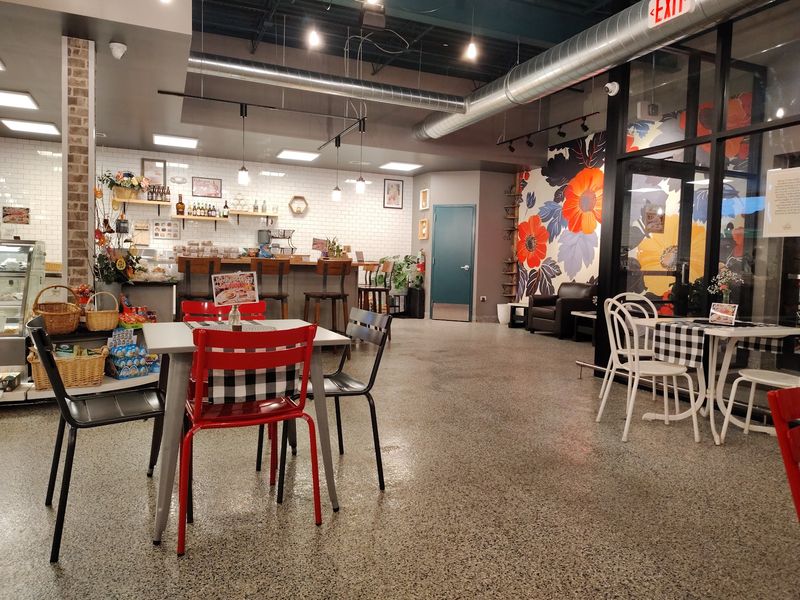
Come for a doughnut, leave with pierogi, potato pancakes, and a loaf of bread. That is a very common story at Home Bistro & Kolatek Baking Company in Palatine.
This place wears three hats. It is part Polish bakery, part deli, and part neighborhood bistro. The mix gives it the lively feel of an old-world market where you can shop for dinner and dessert in one stop.
On the sweet side, paczki lead the way. They sit next to Polish cheesecake, which is often made with farmer’s cheese and tastes lighter and tangier than the New York style. Cakes, cookies, and breads fill in the rest of the display.
Polish cheesecake, called sernik, is a real treat worth trying. Its texture is slightly crumbly and not overly sweet. Fans of classic cheesecake might be surprised at how quickly they switch teams.
Then there is the savory menu. Pierogi, those plump dumplings stuffed with fillings like potato, cheese, or meat, are a hearty favorite. Potato pancakes come out crispy on the edges and soft inside, perfect with a dollop of sour cream or applesauce.
Eating in is a great option here thanks to the bistro setup. Sit down for a comfort-food lunch, then grab paczki for the road. It is a full Polish food experience without needing a plane ticket to Krakow.
Palatine sits in the northwest suburbs, and this spot gives the area a strong taste of Polish culture. Families often stock up on pierogi for easy weeknight dinners. They freeze well, which is a big bonus for busy households. Around Fat Tuesday, expect a rush for paczki. Otherwise, any day works for a hearty meal and a sweet finish.
8. Kruta Bakery (Collinsville)
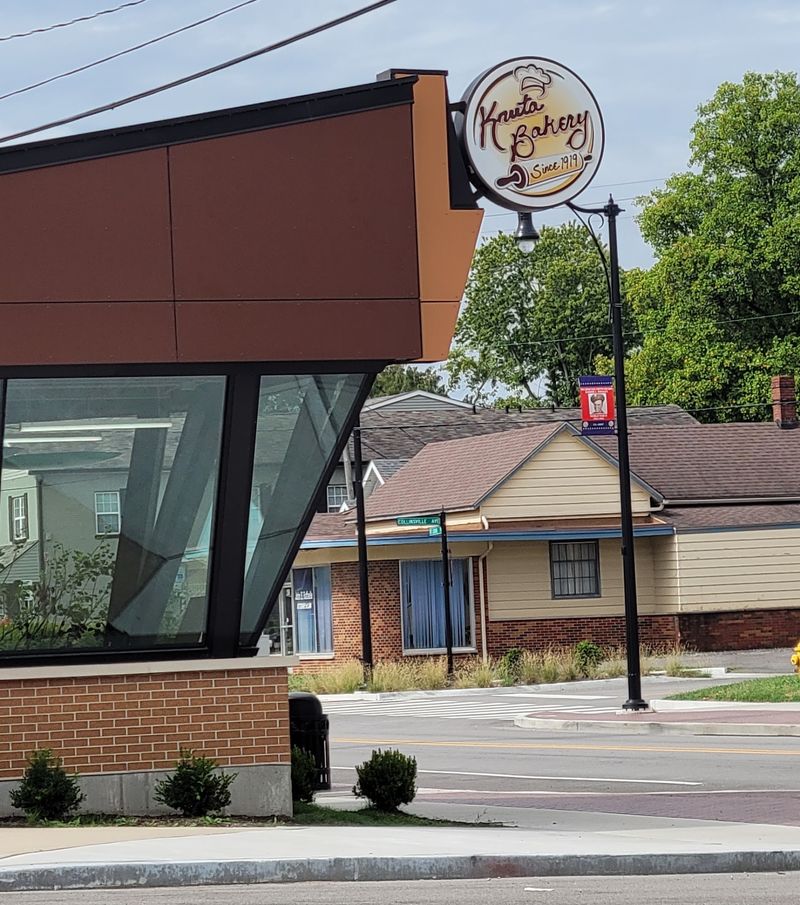
1919. That is the year Kruta Bakery opened its doors in Collinsville, and it has stayed in the family ever since. Over a hundred years later, some of the founder’s original Eastern European recipes are still in use.
Think about that for a second. The same recipes that crossed an ocean more than a century ago are still turning out pastries in southern Illinois today. Few bakeries anywhere can make that claim.
Kolaches are a big part of the Kruta lineup. Apricot kolaches offer a bright, fruity filling, while cheese kolaches bring a creamy, slightly sweet center. Both sit in soft, pillowy dough that is hard to stop eating.
Strudels get just as much love. Cherry strudel packs a tart, juicy punch. Crumb apple strudel adds a sweet, crunchy topping over the fruit, and crumb cheese strudel is rich and smooth with that same sugary crumble on top.
With so many choices, picking just one feels impossible. The easy answer is a mix. Grab a couple of kolaches and a strudel, and you have a sampler that covers both halves of this bakery’s reputation.
Collinsville is far from Chicago, sitting near St. Louis on the Illinois side of the Mississippi River. That makes Kruta a rare downstate entry on this list. It also proves that European baking traditions spread well beyond the big city.
If you are passing through the Metro East area, it is a smart pit stop. The town is also home to the famous World’s Largest Catsup Bottle, so you can pair a quirky roadside photo with a box of pastries. Arrive in the morning for the widest selection. Popular flavors can run out as the day goes on.
9. Olympia Bakery (Hickory Hills)
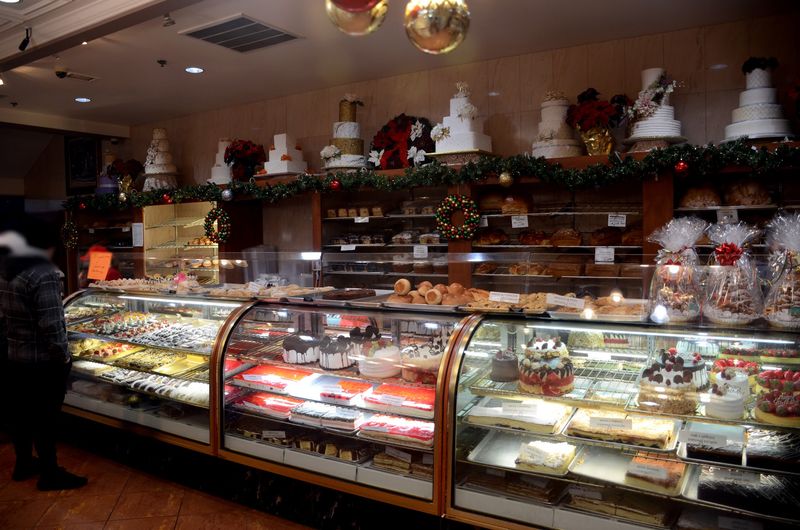
Paczki and kolaczki under one roof? Olympia Bakery in Hickory Hills handles both, which makes it the perfect way to wrap up this list.
Polish heritage sits at the heart of this southwest suburban bakery. Traditional recipes share the cases with everyday American and European sweets, so there is something for picky eaters and adventurous tasters alike. One family member can grab a classic cookie while another tries something totally new.
The paczki are a specialty here, made the traditional way. Expect that rich, dense dough and generous fillings that make each doughnut feel like a small event. Around Fat Tuesday, they become the most wanted item in the building.
Kolaczki are the other big hit. These Polish cookies are close cousins to Czech kolacky, usually made with a tender, flaky dough folded around jam or sweet fillings. A light dusting of powdered sugar finishes them off, and yes, it will end up on your shirt.
Quick language lesson. Kolaczki, kolacky, and kolaches all trace back to similar Central European roots, but each culture shaped its own version. Texas even adopted kolaches in a big way thanks to Czech immigrants, so these little pastries have traveled far.
Olympia’s mix of old and new makes it easy to visit often. Pick up a birthday cake one week and a box of kolaczki the next. Regulars tend to rotate through the menu rather than sticking to one favorite.
Hickory Hills is southwest of Chicago, close to several communities with strong Polish roots. That local connection shows in the bakery’s recipes and its loyal crowd.
Holiday seasons get busy, especially around Christmas cookie time. Ordering kolaczki trays early is a smart way to beat the rush and keep the dessert table stocked.
Share this story