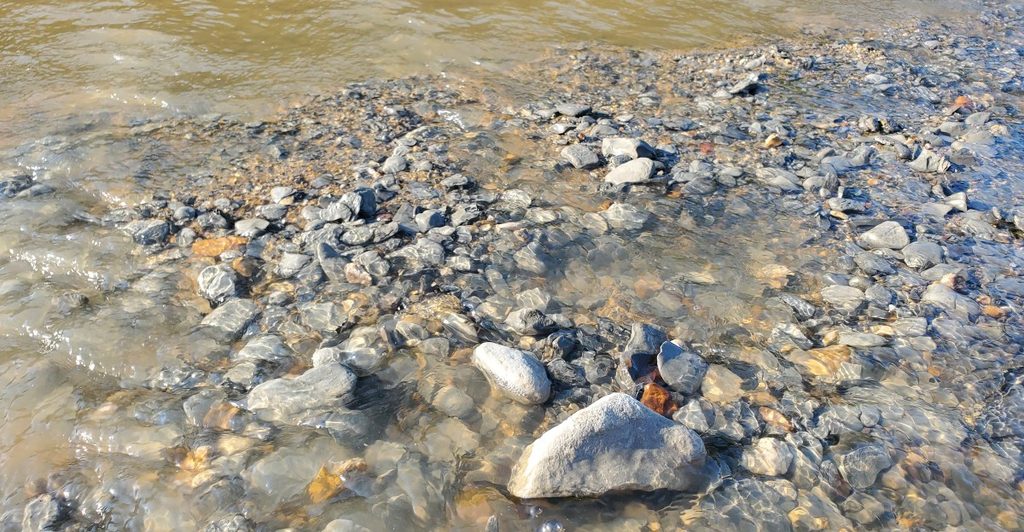
Out in Fannin County, a muddy riverbed holds clues to a time when Texas sat under a warm, shallow sea. Ladonia Fossil Park lets anyone walk in, look down, and pick up pieces of that ancient world without paying a cent. Shark teeth, shells, and petrified wood turn up here after rain.
Here is what you need to know before you go.
1. A Free Ticket to the Cretaceous
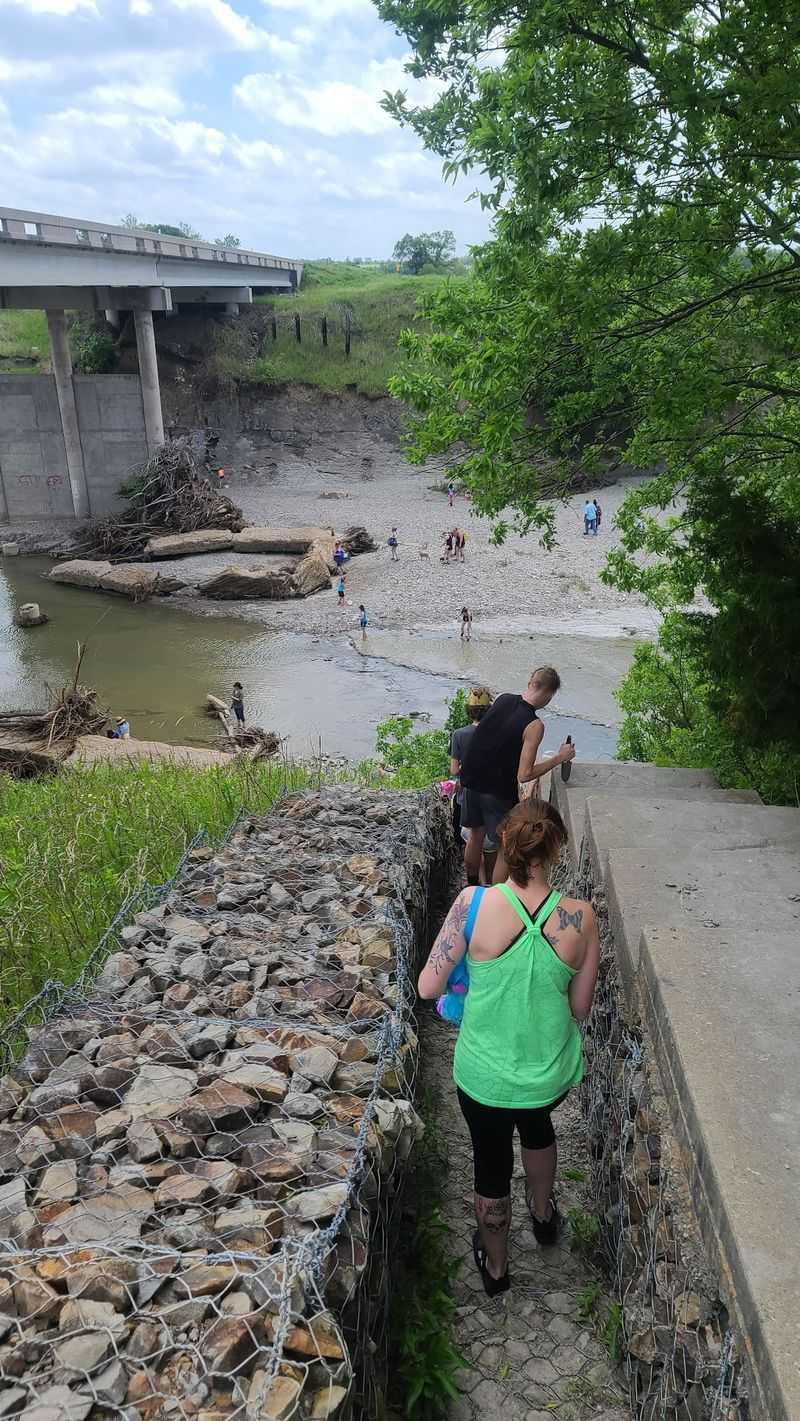
Nobody checks tickets at the gate, because there is no gate. Ladonia Fossil Park sits on FM904, and it is open from dawn to dusk at no charge. You park, walk down, and start looking.
The fun comes from the age of the ground beneath your boots. Millions of years ago, during the Cretaceous period, this part of Texas was covered by a warm, shallow sea. Creatures lived and died there, and their remains settled into the mud that later became the clay along the North Sulfur River.
Now the river cuts through that old seafloor and exposes what is inside. Visitors have reported finding shark teeth, fish teeth, fossilized shells, petrified wood, and even mosasaur vertebrae. Many reviewers say everyone in their group went home with at least one treasure.
Do not expect a museum display. You are the one doing the searching, and that is the whole charm. Some days you will find a pocketful of shells, and other days you might only spot a few imprints in the clay.
Keep your expectations playful and your eyes low. Fossil hunters often say that the trick is to slow down and scan the ground in small sections. Kids tend to be great at this, since they already walk around staring at the dirt.
2. The New Entrance and Easy Path
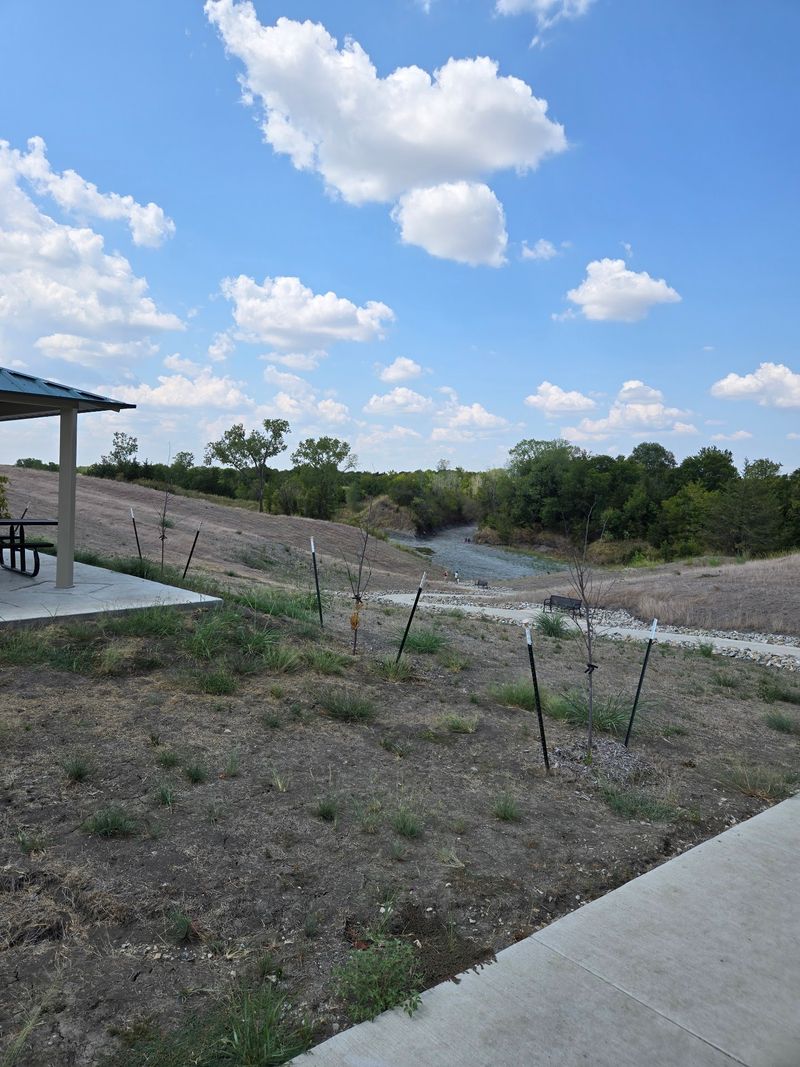
Older visitors remember a grassy lot and a steep climb down big erosion steps. That has changed. The park now sits at a permanent spot on FM904 with a fresh parking area, a fence, and a covered pavilion.
A cement path now leads toward the river, which makes the trip far easier than it used to be. One visitor said the walk was easier than expected, and another praised the bench along the way. Trust that bench on the trip back, because the climb uphill is where your legs will complain.
The pavilion has picnic tables, so you can eat lunch in the shade before or after your dig. Shade is rare down at the river, so this is a smart place to cool off. Park staff have also said an information area is planned near the pavilion, though it was not finished at the time of some reviews.
A few things are still missing. Reviewers mention there are no restrooms, so plan ahead before you arrive. Trash cans are also scarce, so bring a bag and carry out what you bring in.
The path is described as accessible, which opens the park to more families than before. Even so, the last stretch to the water can be soft and muddy, so go slowly.
3. Check the River Before You Drive Out
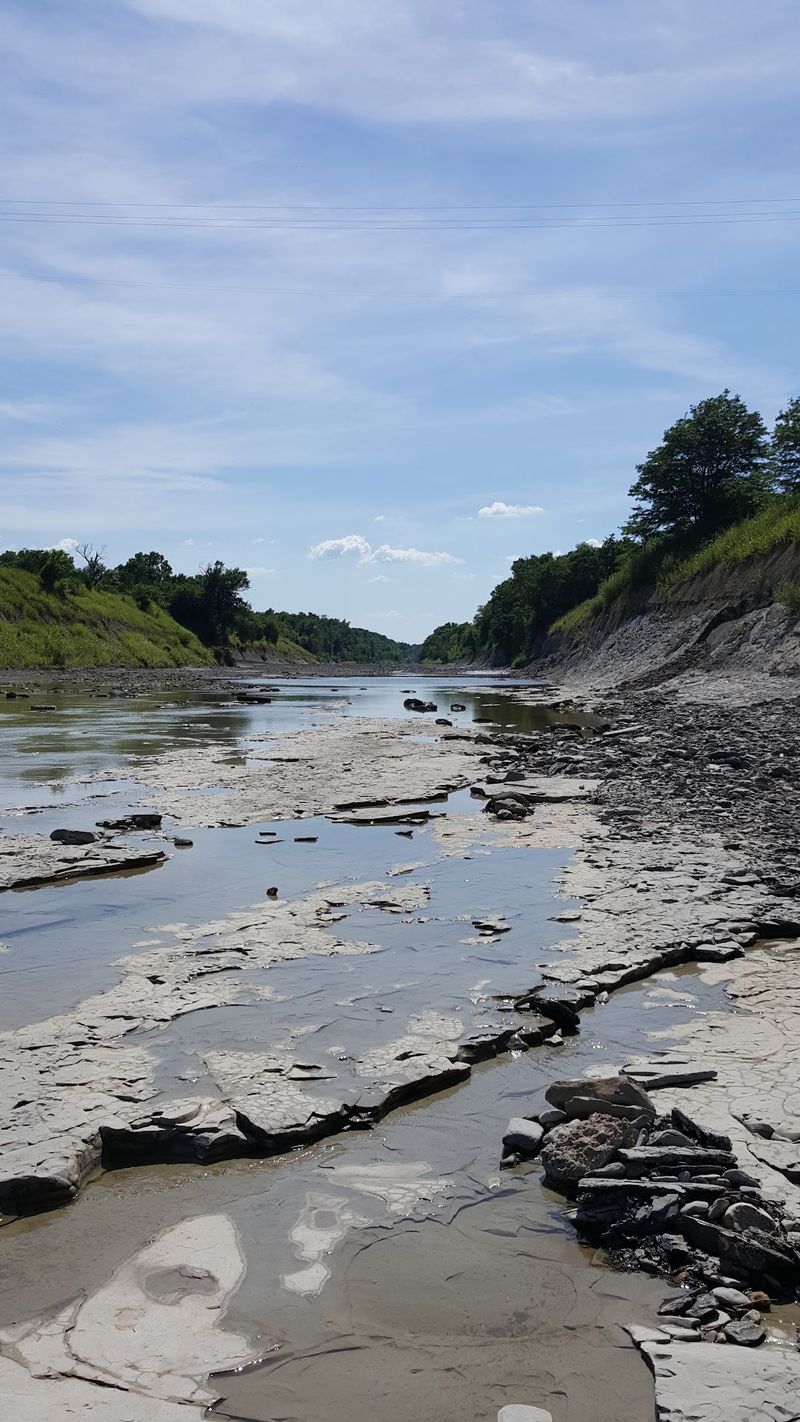
Here is the golden rule from nearly every visitor: watch the water. The park is built around a river, and the river decides how your day goes. After heavy rain, it can rise fast and cover the best hunting areas.
One family arrived to find the water up so high that digging was impossible. Two days later it had dropped enough for them to work a small patch. Another visitor went right after a storm and saw the river rushing over its banks, so they plan to return on a calmer day.
Low, slow water is what you want. It exposes gravel bars and clay where fossils show up. A couple of days of dry weather after a storm often gives you the best mix, since the rain uncovers new pieces and the river has time to settle.
Look at the forecast the day before and the morning of your trip. If you can, check recent rain totals for Fannin County too. A bit of planning saves you a long drive for a view of brown, rushing water.
Winter trips get mixed reviews. One visitor in January found high water blocking most areas. The park itself suggests checking the weather, since rain brings fossils but also brings mud.
4. Mud Is Part of the Deal
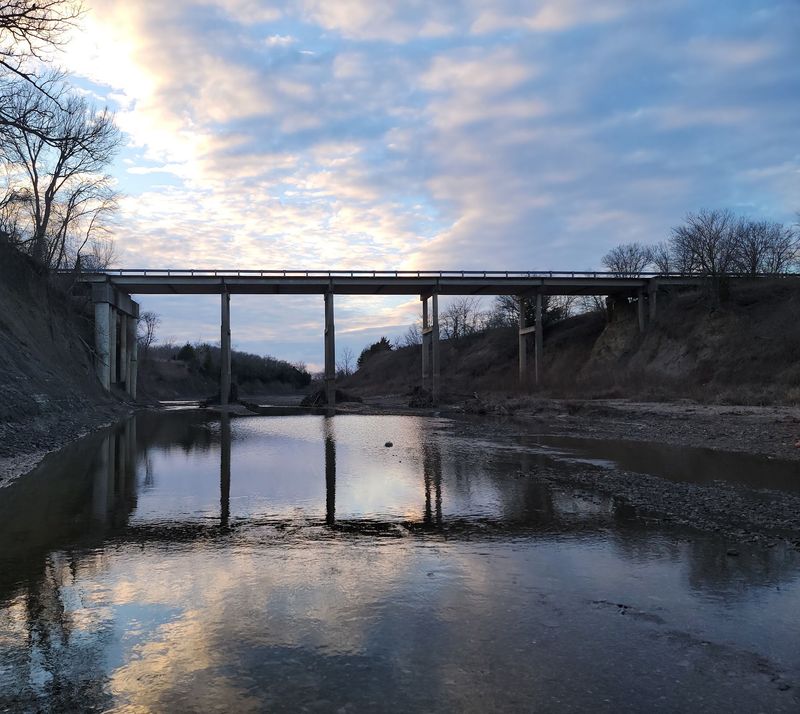
Bring a change of clothes, then bring another one. Mud at Ladonia is thick, sticky clay, and it grabs shoes with real determination. One visitor said trudging through it was nearly as fun as finding fossils.
Shoes matter more than anything else. Pick a pair that fits snugly and will not slip off, since low muck boots tend to fill up. There is also broken glass in a few rocky places, so going barefoot is a bad idea.
Water shoes or sturdy hiking boots work well for most people.
Walking with a partner helps. One reviewer got stuck and suggested never going alone, and that is solid advice. A walking stick can also keep you steady when the clay tries to hold you in place.
Plan your exit like a pit crew. Leave a bag of dry socks, shoes, and towels in the car, and lay down a tarp or old blanket on the seats. If you have a jug of water for rinsing, your drive home will be much cleaner.
The mud is not a flaw so much as a feature. It is the same clay that holds the fossils, so a little mess tells you that you are in the right place.
5. What You Might Actually Find
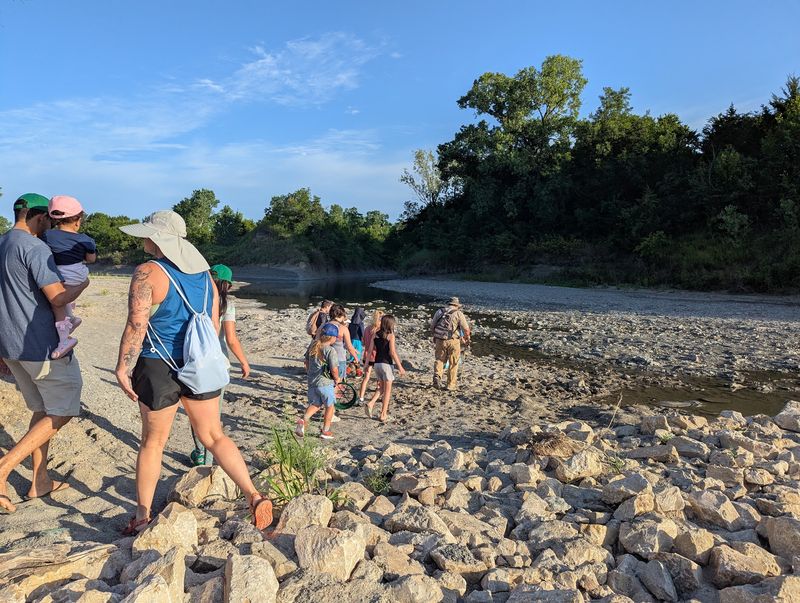
Shark teeth get all the attention, and for good reason. They are small, dark, and shiny against the gray clay, and spotting one feels like winning a prize. A young visitor once found a long, slender fossilized fish tooth before anyone else in the family.
Shells and imprints are the most common finds. Reviewers describe old clam shell impressions pressed into the clay, plus plenty of fossilized shells. Petrified wood turns up often too, and it can look like a regular stick until you pick it up and feel the weight of stone.
Bigger finds do happen. Mosasaur vertebrae have been reported, and many people hope to pull out a whole ammonite after seeing online videos. Most visitors do not leave with a giant trophy, but that dream keeps everyone scanning.
Go for patience over speed. Walk the gravel bars, look near the edges of the water, and pay attention to anything with an odd shape or texture. Recent rain can uncover fresh spots, so revisit areas you have already checked.
Some visitors say popular areas near the entrance get picked over. Walking farther from the bridge, as one family planned to do, can lead to less crowded ground and better luck.
6. Pack Like a Fossil Pro
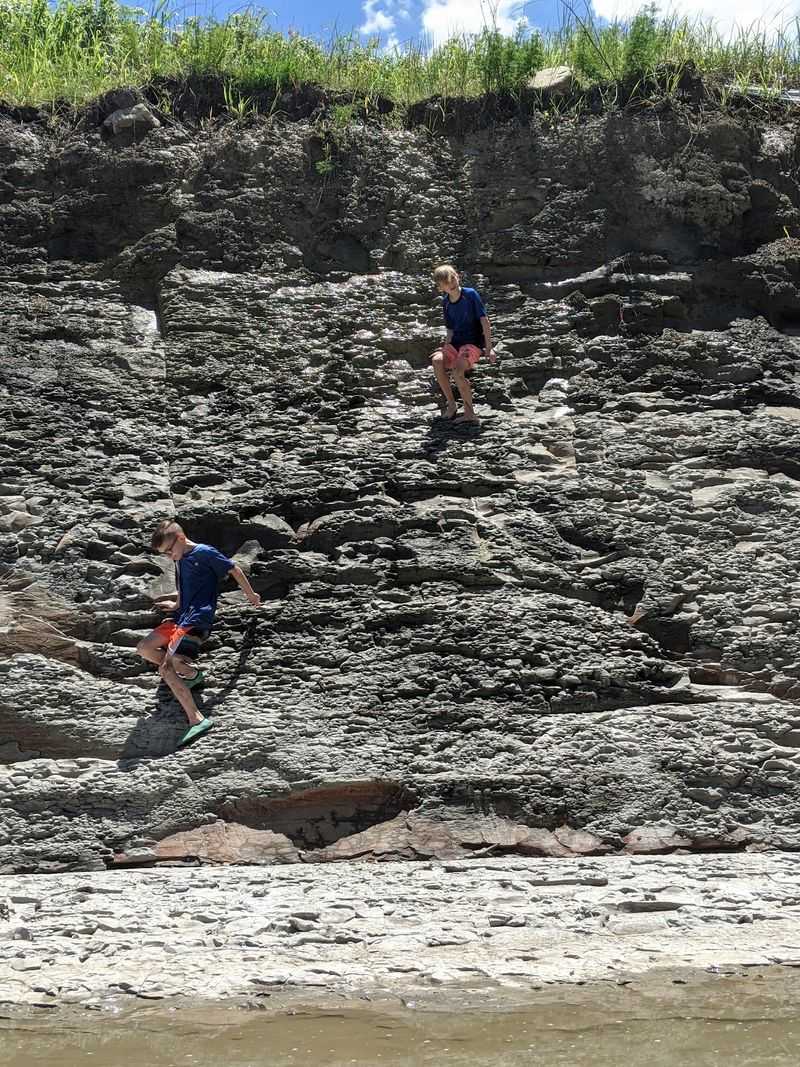
Shade is scarce and the closest gas station is about ten miles away. That means your backpack is your lifeline. Start with plenty of water, because the sun beats down on the open riverbed.
Next comes the digging kit. A small hand shovel or pick is handy, though one family left theirs in the wagon and ended up using their hands just fine. A bucket is a smart addition, since one grandparent joked that the real question is whether you are willing to haul heavy finds uphill.
Snacks help too. Jerky and trail mix work well as field food, and sunscreen and a hat protect you from the glare. A chair or towel gives you a spot to rest, and a wagon can carry gear along the paved path.
Do not forget the basics that the park does not offer. There are no restrooms, so plan a stop beforehand. Cell service is weak or missing, so download directions before you leave home.
Finally, bring a small first aid kit. Scrapes from rocks and glass are more likely than anything dramatic, and a few bandages can save the day for a curious kid.
7. Best Times to Visit
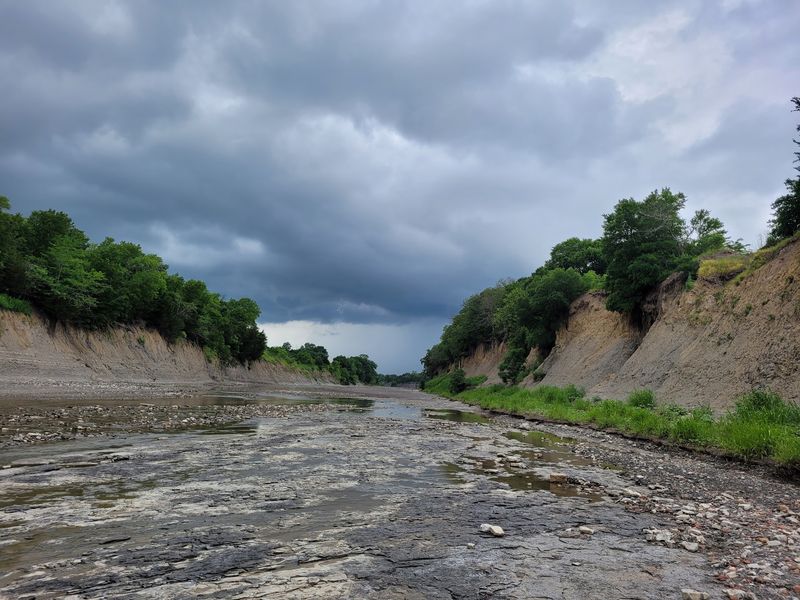
Timing can make or break a trip to Ladonia. Summer heat limits how far you can walk, and one visitor said it cut their stay short. Another found an early June day with clouds and light sprinkles to be perfect.
Aim for cooler parts of the day. Early morning gives you comfortable temperatures and, often, fewer people. Evening works too, but remember that the park closes at dusk and the climb back up is easier in daylight.
Spring and fall tend to balance temperature and water levels. March visitors have found the river very low, with lots of shells and imprints. Winter can be cold, muddy, and sometimes flooded, so check conditions carefully.
Weekdays are quieter if you like room to roam. Weekends bring more families, which adds energy but also more footprints in the best spots. A cloudy day can be a hidden gift, since it keeps the sun off your neck.
Whatever season you pick, let the river guide you. A dry stretch followed by a light rain often leads to the best fossil hunting, while a soaked week can leave the water too high to enjoy.
8. Safety, Manners, and Family Fun
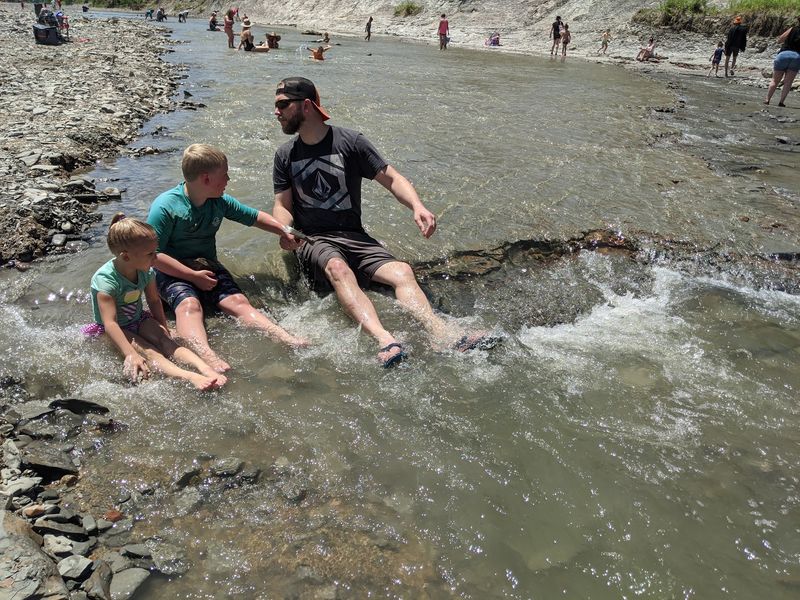
Families are the park’s biggest fans. Kids love the splashing, digging, and the thrill of finding something old. Even when fossils are scarce, many reviewers say their children never wanted to leave.
Supervision matters. The riverbed has slick clay, broken glass in spots, and moving water after storms. Keep younger kids close, and have them wear sturdy water shoes.
Some visitors have also mentioned ATVs in the river, so stay alert and keep children out of any vehicle paths.
Take care of the place, too. Bring a trash bag, since cans are hard to find, and fill in any big holes you dig if you can. Leave the park cleaner than you found it so the next family gets a good shot at a great find.
Remember that this is a public space with limited facilities. Use the restroom before you arrive, and pack everything you need. If you want help or information, the park’s phone number is 903-367-7011.
Finish your visit with a snack at the pavilion and a look at what everyone found. Comparing shark teeth and shells is half the fun, and it turns a muddy afternoon into a memory your family will talk about for years.