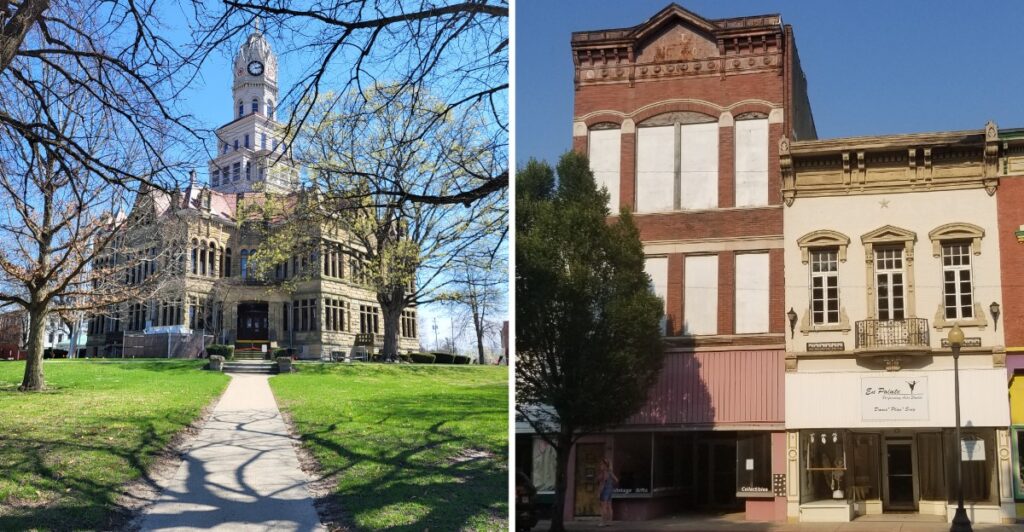
Paris brings a little storybook charm to the farm country of east-central Illinois. At the center of town, the impressive stone Edgar County Courthouse rises above a downtown framed by brick storefronts, leafy streets, and stately historic homes that invite visitors to slow down and look around.
With roughly 8,300 residents, the community remains compact enough to explore without the rush of a bigger destination. Add local shops, small-town architecture, and plenty of Midwest character, and an easy road-trip stop can quickly become an afternoon of wandering. For travelers drawn to historic Illinois towns, Paris offers a picturesque change of pace.
A Stone Castle Guards the Town Square
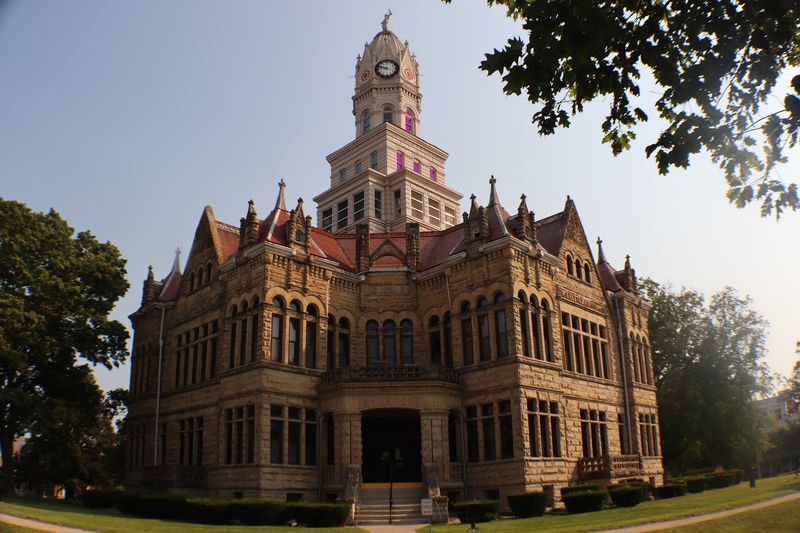
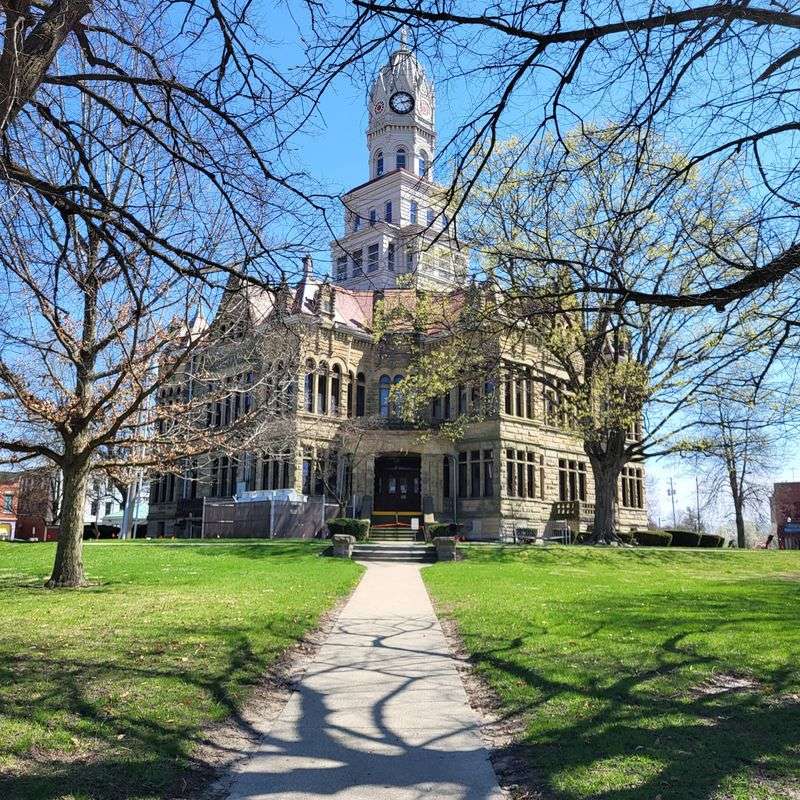
Drive into Paris from any direction, and the skyline gives you one clear target. A massive stone courthouse sits dead center, its clock tower poking above the treetops like the lookout of a small castle. Everything else in town seems to gather around it.
Built in the early 1890s, the Edgar County Courthouse is the kind of building that makes people slow their cars without meaning to. Its rough-cut stone walls, rounded arches, and heavy details follow a style called Romanesque Revival. That style was popular in the late 1800s for buildings that needed to look strong, serious, and permanent.
Size is only part of the surprise. The courthouse still works as the seat of county government, so it is not a museum piece frozen behind ropes. Lawyers, clerks, and residents come and go through its doors on weekdays, which gives the whole square a lived-in rhythm.
Stand on a corner of the square and look up. The stone changes color with the light, looking warm and golden in the late afternoon and cooler gray on cloudy mornings. Small carvings and window shapes show up the longer you stare, so a second lap around the building often reveals things you missed on the first.
Photographers should try more than one angle. A straight-on shot captures the grand symmetry, while a view from a side street frames the tower between old storefronts. Early evening tends to be quiet, with fewer parked cars cluttering the view.
Think of the courthouse as your compass. Once you know where it is, you can never really get lost in downtown Paris. Every street seems to point back toward that tower, and the brick blocks around it are ready to explore next.
Brick Storefronts With Stories Stacked Upstairs
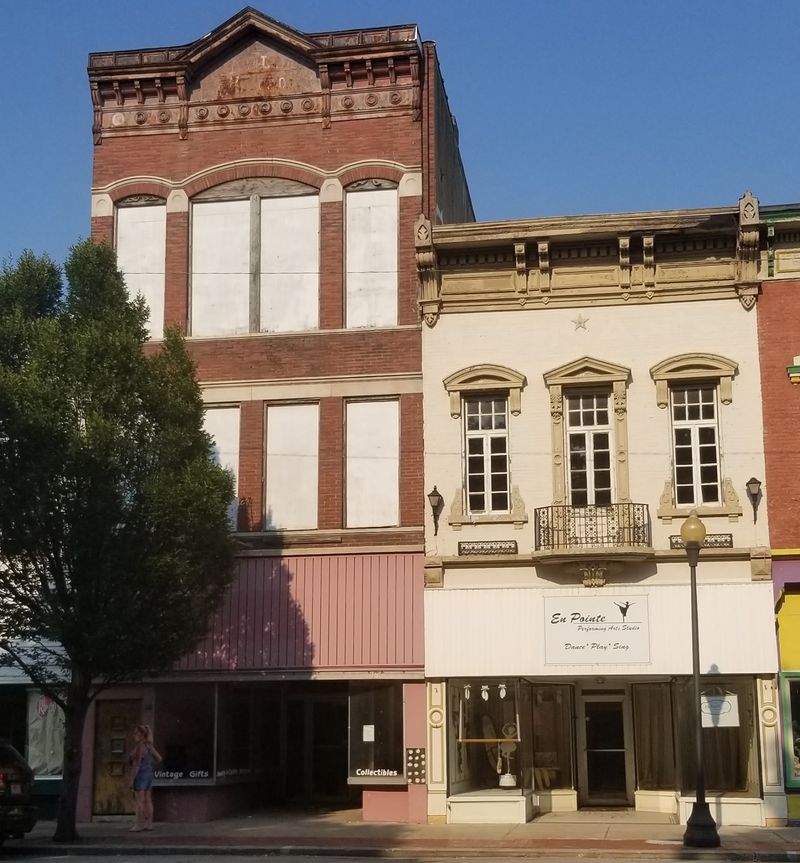
Look above the shop signs. That is the best advice for anyone strolling downtown Paris, because the real show happens on the second and third floors.
The buildings circling the courthouse square were mostly built during the town’s busy years in the late 1800s and early 1900s. Back then, Paris was a thriving market town for the farms around it, and merchants wanted their stores to look impressive. You can still see that pride in tall arched windows, fancy brick patterns, and metal cornices along the rooflines.
Street level tells a newer story. Some storefronts have been updated with big glass windows, while others hold onto older details like recessed doorways and tiled entry floors. Walking one full block is like flipping through different chapters of the same book.
Small, locally run businesses fill many of these spaces. Expect a changing mix of shops, eateries, and service businesses rather than big chain stores. That mix shifts over time, so it pays to wander instead of hunting for one exact address.
Here is a fun game for kids and adults alike. Try spotting old painted signs, dates carved into stone, or the names of original owners set into the tops of buildings. These clues are called ghost signs and datestones, and small Midwest downtowns like this one often hide several.
The square is also compact enough for a relaxed loop. A slow walk around all four sides can take less than half an hour, even with stops for photos. Wear comfortable shoes and give yourself extra time to peek down side streets, where more old brick buildings stretch away from the courthouse toward the neighborhoods beyond.
Victorian Porches and Tree-Lined Streets
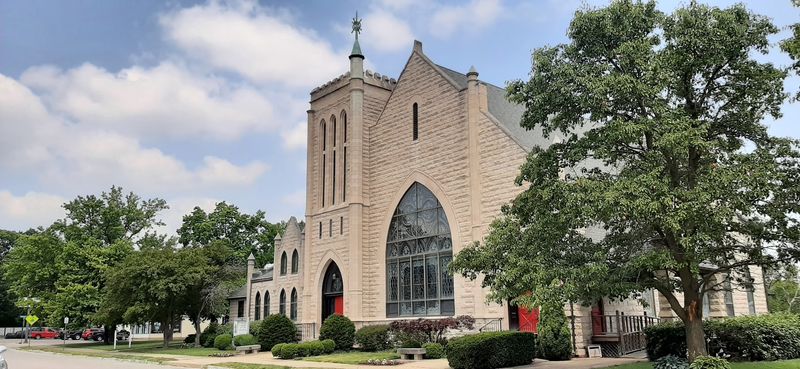
Porch swings. Turrets. Gingerbread trim painted in cheerful colors. Just a few blocks from the square, Paris shifts from business district to neighborhood, and the houses start showing off.
Many residential streets near downtown hold homes built during the same prosperous era as the storefronts. Some are large Victorian houses with pointed roofs and round towers. Others are sturdy foursquares, cozy bungalows, or brick homes with deep front porches meant for summer evenings.
Big trees make a huge difference here. Tall maples and oaks shade the sidewalks, creating long green tunnels in summer and bright orange ones in fall. On a breezy day, leaves drift across the street while wind chimes ring from somebody’s porch.
A driving tour works, but walking is better. At a slower pace, you notice stained glass windows, carved porch posts, and old carriage steps near the curb. Those small stone steps once helped people climb in and out of horse-drawn buggies.
One polite reminder matters a lot. These are private homes where real families live, so enjoy them from the sidewalk and skip the front yards. A friendly wave to someone on the porch usually goes over well in a town this size.
Timing changes the experience. Spring brings blooming flower beds and fresh green lawns, while December can bring holiday lights outlining rooflines and porch railings. Fall might be the most photogenic season, with colorful leaves framing the painted trim.
Bring a camera, but also bring curiosity. Try guessing when each house was built based on its shape and details. By the end of a few blocks, you will start recognizing patterns like an architecture detective.
How a Prairie Town Got a French Name
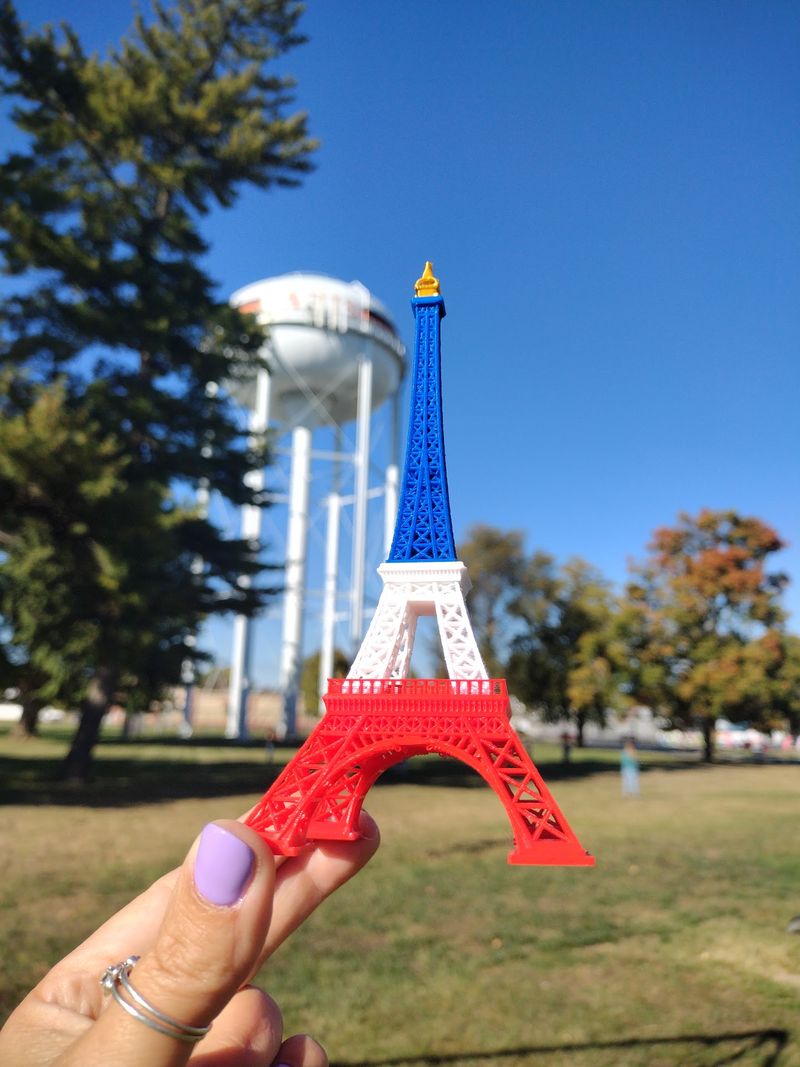
Yes, there is a Paris in Illinois, and no, you will not find the Eiffel Tower. What you will find is a town with deep roots in the early days of the state.
Paris was established in the 1820s, not long after Illinois became a state in 1818. It was chosen as the county seat of Edgar County, which meant courts, records, and county business all happened here. That role helped Paris grow while other small settlements faded away.
So why the French name? Local tradition offers a few stories, and historians do not all agree on a single answer. Many American towns of that era borrowed famous European city names, hoping to sound important and worldly.
Paris, Illinois, fits right into that trend alongside the Parises in Kentucky, Tennessee, and Texas. Farming shaped the town from the start.
The flat, rich soil of east-central Illinois made the area great for crops, and Paris became a trading hub where farmers sold goods and bought supplies. Railroads later connected the town to bigger markets, bringing more business and more people.
Politics shows up in the local story too. Illinois is famous for Abraham Lincoln, and like many towns in this region, Paris has ties to his era. He traveled through parts of eastern Illinois during his years as a lawyer and politician.
Curious readers can learn much more at local historical collections, where old photographs, maps, and objects help explain how the town changed. Seeing a picture of the square from a century ago, then walking outside to the same spot, makes history feel close enough to touch.
Water, Trails, and Open Sky in Edgar County, Illinois
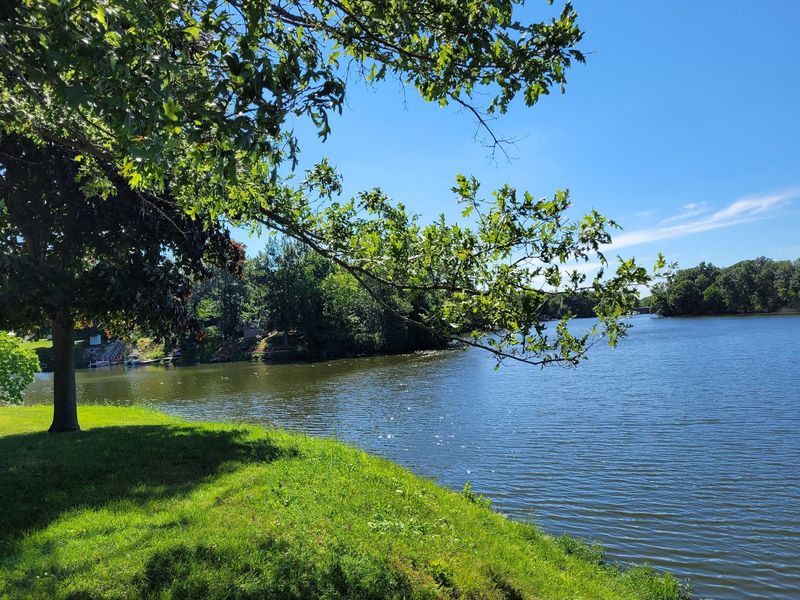
Step outside the town grid, and the view opens wide. Edgar County sits in classic Illinois prairie country, where the sky feels huge and the horizon can stretch for miles.
Paris has lakes on its edges, including Twin Lakes, which served as the town’s water supply and offers a peaceful spot close to town. Calm water here reflects the sky, and early mornings can bring mist floating just above the surface. It is a favorite kind of place for fishing, quiet walks, and spotting birds.
Parks around town give families room to stretch their legs. Look for playgrounds, picnic tables, and open grass perfect for tossing a ball or flying a kite. After a morning exploring old buildings, a park break helps younger travelers recharge.
Wildlife watching can be surprisingly good. Herons stalk the shallow water, red-winged blackbirds call from the cattails, and hawks circle over the fields. Dawn and dusk are prime hours for seeing animals on the move.
Pack a few basics before heading out. Bug spray is useful in summer, and a light jacket helps on breezy spring or fall evenings near the water. If you plan to fish, check Illinois fishing license rules first, since most anglers over a certain age need one.
Sunset deserves its own plan. With few tall buildings or hills blocking the view, the sky can glow pink and orange across the farmland for a long time. Find a spot facing west, settle in with a snack, and watch the colors slowly fade into dark blue while the first stars appear.
Plan a Perfect Day in Small-Town Paris
Getting here is part of the fun. Paris sits about 165 miles south of Chicago and roughly 90 miles west of Indianapolis, making it an easy day trip or weekend stop from either city. Terre Haute, Indiana, is even closer, just a short drive to the southeast.
Most visitors arrive by car, and Illinois Route 1 runs right through town. Parking around the square is usually simple compared to big cities. Once parked, you can explore downtown entirely on foot.
A smart plan starts in the morning. Grab breakfast at a local spot, then walk the courthouse square while the light is soft and the streets are calm. Weekdays offer a peek at the courthouse in action, while weekends tend to feel slower and more relaxed.
Late morning is great for poking around shops and side streets. After lunch, head toward the residential blocks to admire the older homes. Save the late afternoon for a lake or park before the golden hour sunset.
Seasons shape your visit. Summer brings long days and community events, while fall offers crisp air and harvest views along the country roads. Winter can be cold and windy on the prairie, so pack layers if you visit then.
Small-town business hours can surprise city travelers. Some shops close early in the evening or take a day off during the week, so check hours before you go. Keeping a little flexibility in your plan helps.
For overnight stays, Paris has a few lodging options, and nearby Terre Haute offers more choices. Either way, a single full day covers the highlights comfortably.
Why Paris Beats the Interstate Rest Stop
Plenty of travelers zoom past small Illinois towns without a second glance. That is exactly why Paris is such a nice surprise for anyone willing to turn off the main highway.
Many small towns have one interesting building. Paris has an entire setting that fits together, from the stone courthouse to the brick storefronts to the porch-lined streets beyond. Few places pack that much old-fashioned character into such a walkable space.
Crowds are not an issue here. You will not wait in long lines or fight for a photo spot. Instead, you get room to wander, look closely, and actually hear the courthouse clock and the birds in the trees.
Costs tend to be friendlier too. Small-town meals, parking, and activities usually cost less than big-city trips, which helps families stretch a travel budget. Many of the best experiences, like walking the square or watching a prairie sunset, cost nothing at all.
Real community life adds another layer. Locals run errands, chat outside shops, and gather for hometown events throughout the year. Visitors get a glimpse of everyday Midwest living instead of a staged tourist show.
Kids can learn a lot on a trip like this. Architecture, history, farming, and nature all show up within a few miles, making Paris an easy outdoor classroom. Ask them to find the oldest date on a building or count how many turrets they spot.
As evening falls, the courthouse tower glows above the quiet square. Streetlights flicker on along the brick blocks, and the town settles down for the night. For a few hours, the storybook turns out to be real, printed right onto the Illinois prairie.
Share this story