When people think about choosing a place to live in Tennessee, things like housing, schools, jobs, and quality of life usually come to mind first. Healthcare deserves a place near the top of that list too. Having reliable hospitals, experienced specialists, children’s care, emergency services, and neighborhood clinics nearby can make everyday life easier and offer extra peace of mind when a serious medical need comes up.
Across Tennessee, some cities have developed especially strong healthcare networks. Large medical centers in places like Nashville and Memphis serve patients from across the state and beyond, while smaller cities such as Franklin, Johnson City, and Columbia provide important regional care closer to home.
Access to healthcare can also shape daily routines in ways people do not always consider until they need it. A shorter drive to a hospital can make emergencies less stressful. Nearby specialists can reduce the need for repeated road trips, and having several medical systems in one area can give patients more choices when selecting doctors and services.
Of course, no city is perfect for every person or family. Insurance networks, appointment availability, specific medical needs, and travel times can all make a difference. Still, these seven Tennessee cities stand out for the range of healthcare options they offer and the important role their hospitals and clinics play in the surrounding communities.
Here is a closer look at seven Tennessee cities worth knowing if access to quality healthcare is an important part of where you choose to live.
1. Nashville
Ask a Nashville local about the city’s biggest employers, and music might not be the first answer. Healthcare is a giant here.
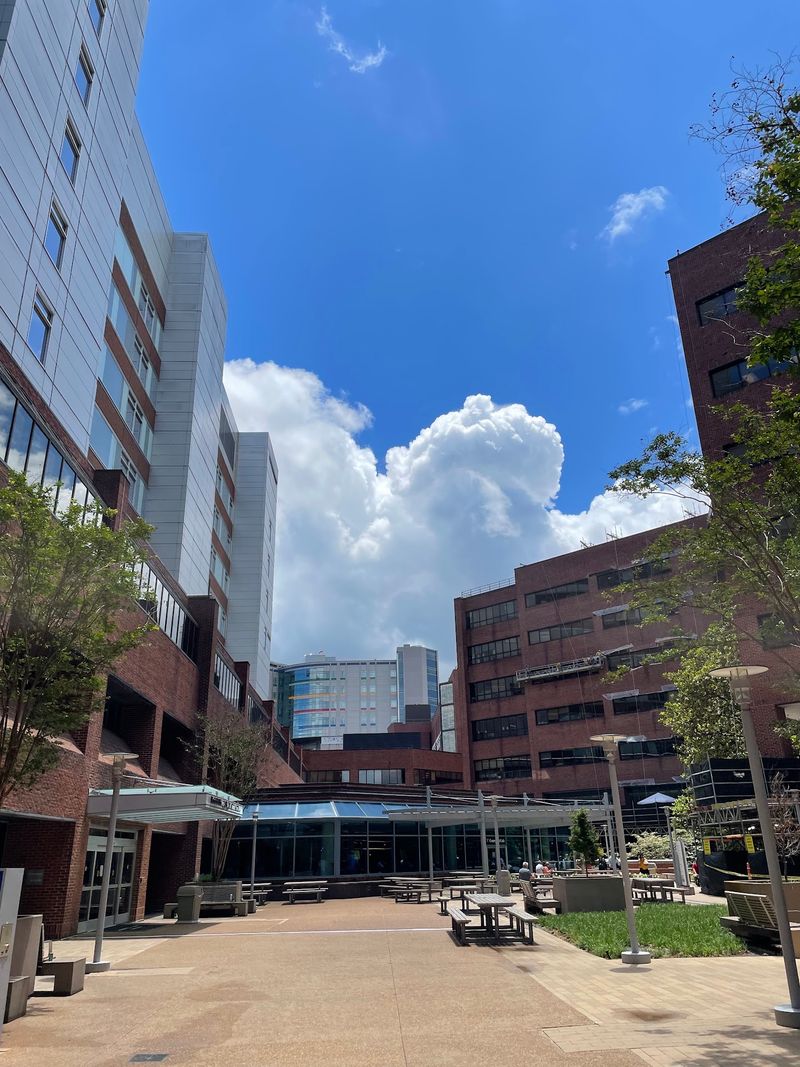
Vanderbilt University Medical Center is listed by U.S. News as Tennessee’s top hospital for 2025-26.
That ranking matters because a top hospital often pulls in skilled doctors, nurses, and researchers. When experts gather in one place, a whole community benefits. Nearby clinics and specialty offices tend to grow around that energy.
Picture a busy morning near the medical campus. Scrubs, coffee cups, and quick conversations fill the sidewalks. It feels like a small city inside the bigger city.
Here is a fun thought. Nashville is called Music City, but it could just as easily be called Care City. Many people travel from other states just to see specialists here.
For families, that can mean fewer long drives. A child with a tricky health need may find a team nearby. An older relative may find care without leaving home turf.
Living in a city like this also means options. You can compare offices, read about providers, and ask friends who have gone before you. Choice is a real form of comfort when health is on the line.
A few practical tips help if you are thinking about a move. Check which doctors accept your insurance before you sign a lease.
Look at how far your home would be from the hospital and the pharmacy you would use. Traffic can be tricky, so test the drive at rush hour.
It also helps to think about daily life. Nashville has parks, greenways, and walking paths that make it easier to stay active.
Staying healthy is part of good healthcare, not just fixing problems.
Do not forget mental wellness either. A big city has counselors, support groups, and community programs. Finding one that fits you can be as important as finding a family doctor.
Nashville may be loud, bright, and full of guitars. Behind the neon, though, a strong medical community keeps working around the clock.
For anyone who values top-ranked hospital care close to home, it earns its spot at the front of this list.
One more tip: keep a simple folder with your medical records, medicine list, and emergency contacts. In a large system, having your own notes makes visits smoother. You will feel more in charge of your care, and that confidence goes a long way.
2. Memphis

Memphis is famous for blues, barbecue, and big river views. Tucked between those headlines is a serious medical scene.
Methodist Le Bonheur Healthcare, Baptist Memorial, and Regional One Health all call the region home.
Having several large systems in one area creates a kind of friendly competition. Each one works to offer strong services, new programs, and convenient locations. Patients end up with more choices than many cities can offer.
Think of it like a neighborhood with three great restaurants on one street. You can pick what suits your taste, your budget, and your schedule. In healthcare, that freedom is valuable.
Memphis also has a long history as a regional center for care. People from Mississippi, Arkansas, and West Tennessee have traveled here for treatment for years.
That steady flow of patients keeps the medical community busy and experienced.
If you are new to the area, start by learning which system your doctor works with. Referrals often stay inside one network, so it helps to know the map.
Ask the office staff how records are shared, because good communication saves time.
Emergency planning is smart too. Learn which hospital is closest to your home and your workplace. Write the address on the fridge, and save it in your phone.
The city’s mix of big hospitals and neighborhood clinics means care can fit different needs. A quick checkup might happen near your street.
A complicated treatment might happen at a larger campus a short drive away.
Memphis has also built a reputation for teaching and training. Many future doctors and nurses learn in its hospitals. Fresh ideas and new technology often follow them.
Outside the clinic, the city offers ways to stay well. Riverfront paths, city parks, and community events give people reasons to move.
So when you hear Memphis, go ahead and think of blues and ribs. Then add a third picture: a busy medical hub that quietly looks after a huge part of the mid-South. That combination makes it a real powerhouse for care.
Finally, remember that the best plan is a simple one. Pick a primary doctor, know your nearest hospital, and keep your insurance card handy. Do those three things, and Memphis becomes easier to navigate.
3. Chattanooga
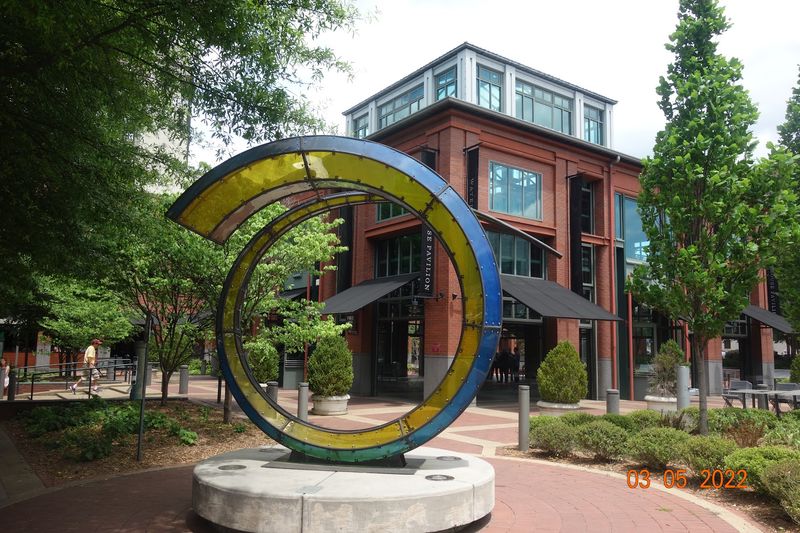
Picture a city wrapped around a river, with mountains standing guard on every side. That is Chattanooga. Tucked inside this scenic setting is a hospital that earned big attention: CHI Memorial.
In the 2025-26 U.S. News rankings, CHI Memorial was named Chattanooga’s top hospital and listed among the best in Tennessee. For a mid-sized city, that is a proud moment. It shows that great care is not just a big-city thing.
Here is what that can mean for everyday life. A family in Chattanooga may not need to drive to another city for many health needs. Shorter trips mean less stress when someone is sick or hurt.
Chattanooga also sits close to the Georgia line. That means the hospital and nearby clinics serve people from more than one state.
A steady stream of patients helps keep services active and growing.
Now for the fun part. This city loves the outdoors, from climbing and biking to paddling the river.
Active people sometimes get hurt, and sports medicine and orthopedic care become extra helpful. Having quality care close by is a comfort when you love adventure.
If you are planning a move, try visiting the area around the hospital. Notice the nearby pharmacies, clinics, and housing.
Little details like these shape how smooth your routine will feel. It helps to ask questions early. Which specialists are nearby? How long is the wait for a regular visit? Friendly neighbors can often share real answers.
Wellness also shows up in daily habits here. Walking bridges, riverside trails, and mountain views give people plenty of reasons to get outside.
A good walk can do wonders for both body and mood.
Chattanooga shows that a city can be charming and well cared for at the same time. The scenery gets the postcards, but the hospital quietly earns the trust.
Together they make the Scenic City a smart pick for anyone thinking about long-term health and happiness.
Before settling in, save the hospital’s address in your phone and learn the fastest route from home. Knowing the way in advance can calm nerves if an emergency ever happens. Small steps like this make a big difference.
4. Knoxville

Knoxville has orange pride, football fever, and a medical scene that deserves its own cheer. The University of Tennessee Medical Center and East Tennessee Children’s Hospital are two well-known names in town. Together they show how many kinds of care are close by.
A children’s hospital is a big deal for any community. Kids are not just small adults, and they need doctors who understand their needs. Parents often feel calmer when specialized care is nearby.
The University of Tennessee Medical Center adds another strong piece. Large medical centers often offer many services in one place, from emergency care to specialty clinics. That can save time and reduce confusing trips across town.
Knoxville sits near the Smoky Mountains, so people here love hiking and camping. That lifestyle makes access to care extra reassuring.
A twisted ankle on a trail is a lot less scary when you know help is not far.
Think about how a typical family might use these services. A toddler gets a checkup at a pediatric office. Grandpa sees a specialist across town. A college student visits urgent care after a pickup game.
If you live here or plan to, make a simple care map. Write down your primary doctor, the closest emergency room, and a children’s care option if you have kids.
Stick it on the fridge where everyone can see it.
Knoxville also has a strong college community, which can bring fresh ideas and new talent into local healthcare. Students, teachers, and researchers add energy to the city. That energy often spills into clinics and hospitals.
Neighborhoods here vary from downtown lofts to quiet suburbs. Each has its own distance to care, so check before choosing a home.
A few minutes of research now can save headaches later.
In short, Knoxville blends mountain adventure with dependable medical options. The football stadium may get the loudest cheers, but the hospitals earn plenty of quiet thanks.
For families wanting both fun and peace of mind, this river city fits nicely.
One last tip: keep your insurance information in an easy spot, and know which hospitals are in your network. It is a tiny habit that pays off on stressful days.
5. Franklin

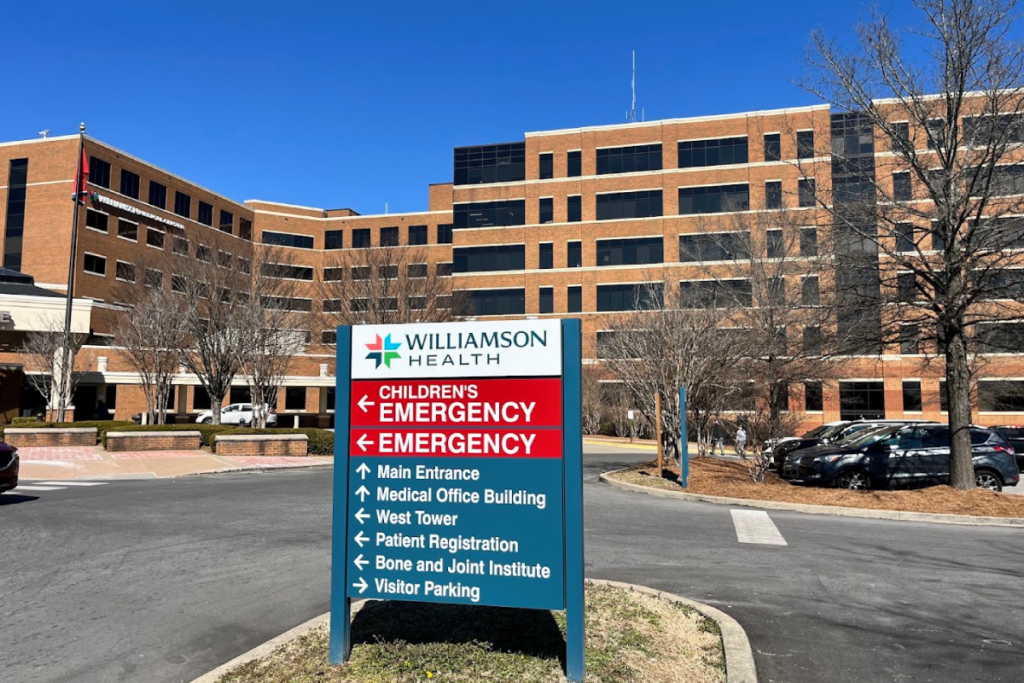
Quick, name a small city with a postcard-worthy downtown and a well-regarded hospital. Franklin belongs in that answer. Williamson Medical Center gives the city strong access to highly rated hospital care.
Franklin feels like a town that took care of the details. Brick sidewalks, local shops, and festivals fill the calendar. Good healthcare fits right into that well-tended picture.
A community hospital has a special charm. The staff often live nearby, and the faces can feel familiar. That can make a hard day a little easier.
Franklin is also close to Nashville, which adds more options. If a special need comes up, larger medical centers are within reach.
It is like having a neighborhood clinic and a big-city backup in the same region.
Families often love this balance. You can enjoy quiet streets and good schools while still feeling covered for health needs.
Many people call it the best of both worlds.
Let’s talk about practical steps. If you move here, schedule a first visit with a primary doctor soon. Do not wait until you feel sick, because new patient appointments can take time.
Also look into nearby urgent care and pharmacy hours. Late-night fevers and weekend scrapes do not follow office schedules. Knowing where to go ahead of time keeps panic away.
Franklin is walkable in many spots, which supports a healthy routine. A stroll past historic buildings is an easy way to squeeze in exercise. Little habits add up over months and years.
Community events, farmers markets, and parks also help with social health. Feeling connected to neighbors can lift your mood and reduce stress.
Franklin proves that size is not everything when it comes to care. A welcoming town, a respected hospital, and Nashville next door make a winning mix. For anyone who wants small-town comfort with serious medical backup, this city is a strong contender.
Before you go, jot down your hospital’s address and keep it handy. It is a simple step that brings real calm.
6. Johnson City
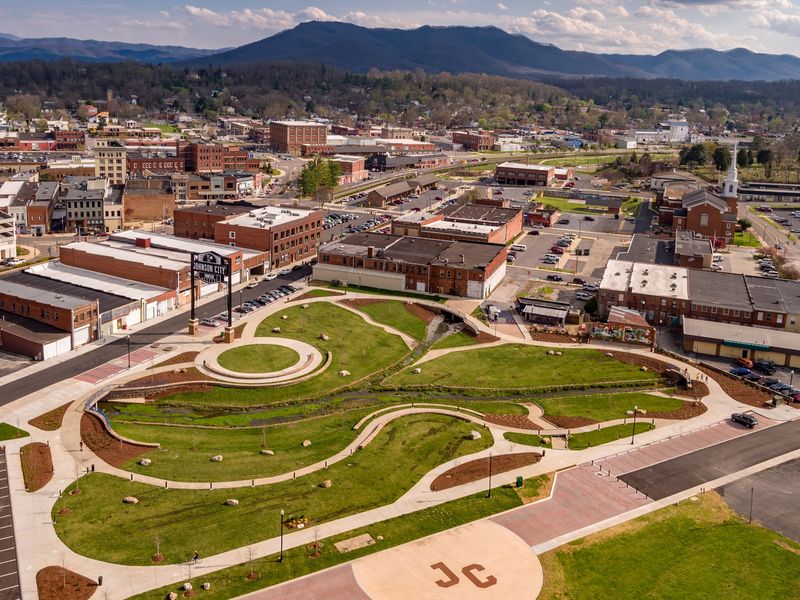
Out in the far northeast corner of the state, Johnson City plays a big role. People from several nearby counties, and even neighboring states, look to this city for medical help.
It serves as an important healthcare center for Northeast Tennessee.
Why does that matter? Mountain regions can have long distances between towns. A central hub keeps specialists and hospitals within a more reasonable drive.
Johnson City offers multiple hospitals and a range of specialty-care options. That variety helps when a health need goes beyond a routine visit.
Patients can often find the right team without traveling across the state.
There is also a college-town feel here. A university presence tends to bring training programs, research, and fresh talent. Those pieces can strengthen care for the whole community.
Imagine a farmer from a rural county with a tough medical question. Instead of a long road trip to a faraway city, he drives to Johnson City. Shorter travel can mean less time off work and less worry.
If you are considering a move, think about how often you might need specialists. Ask local residents how easy it is to get appointments. Real stories often tell you more than brochures.
Winter weather can matter in this region. Snow and ice can slow down roads, so plan ahead for refills and appointments. Keeping a small stock of needed supplies at home is smart.
The surrounding Appalachian scenery also supports a healthy lifestyle. Trails, parks, and cool mountain air invite people outside.
Johnson City may not have the biggest skyline in Tennessee, but it does have a big job. It supports families across a wide stretch of the mountains. For people who want quality care in a friendly, hilly corner of the state, it is well worth a look.
Finally, learn which hospital your doctor uses and keep records organized. When many providers are involved, clear notes help everyone stay on the same page.
7. Columbia
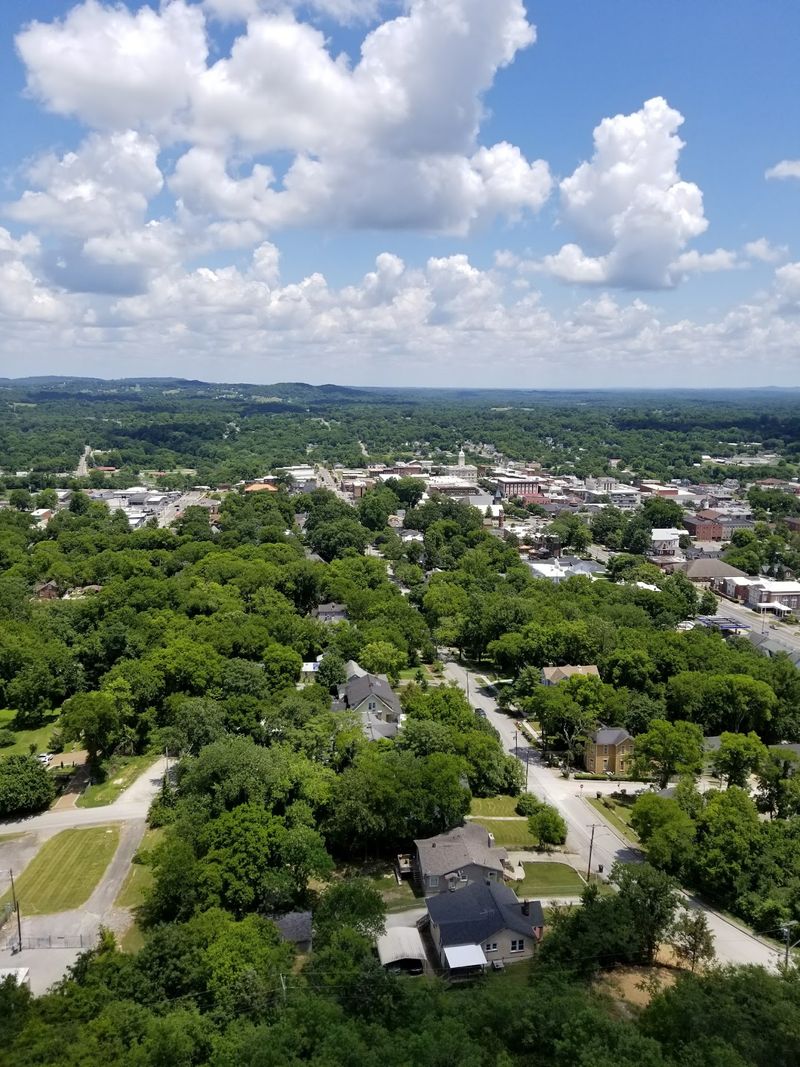
Columbia is known as the Mule Capital of the World, but its medical story deserves a mention too. Maury Regional Medical Center is one of the better-known regional healthcare providers in Middle Tennessee.
For the people who live nearby, it is a trusted anchor.
Regional hospitals have a special job. They serve not just one town, but a whole patchwork of smaller communities. That means many families rely on the same doors.
In a place like Columbia, care can feel personal. You might run into a nurse at the grocery store or a doctor at a ball game.
The town also sits within easy reach of Nashville and Franklin. If you need a specialist not offered locally, bigger centers are a manageable drive away.
Cost of living is another piece of the puzzle. Many people find smaller cities easier on the budget. Extra savings can go toward health needs, from copays to a gym membership.
Here is a simple plan for new residents. Choose a primary doctor early, and find the nearest pharmacy. Then learn the quickest way to the hospital, and keep the address on your phone.
Columbia’s historic square and quiet neighborhoods also set a relaxed pace. Lower stress is good for the body, and a slower rhythm can help.
Healthy living often starts with a calm routine.
Community programs and local events offer chances to meet neighbors. Friends can share tips about doctors, dentists, and clinics.
Word of mouth is powerful in a town this size.
Columbia may not chase big headlines, but it delivers steady, dependable care. Maury Regional Medical Center gives the area a strong foundation. For anyone craving a friendly pace with real medical support nearby, this Middle Tennessee town fits the bill.
As a last tip, keep a list of your medicines and allergies in your wallet. It is small, easy, and helpful in any emergency.