
Tennessee packs more museums into its map than most people expect. You can walk through a famous musician’s home, stand beside a giant ship, or see art perched above a river.
Some of these spots welcome hundreds of thousands of guests each year, and there are good reasons why. Here is a friendly guide to the ones worth your time.
1. Country Music Hall of Fame and Museum – Nashville
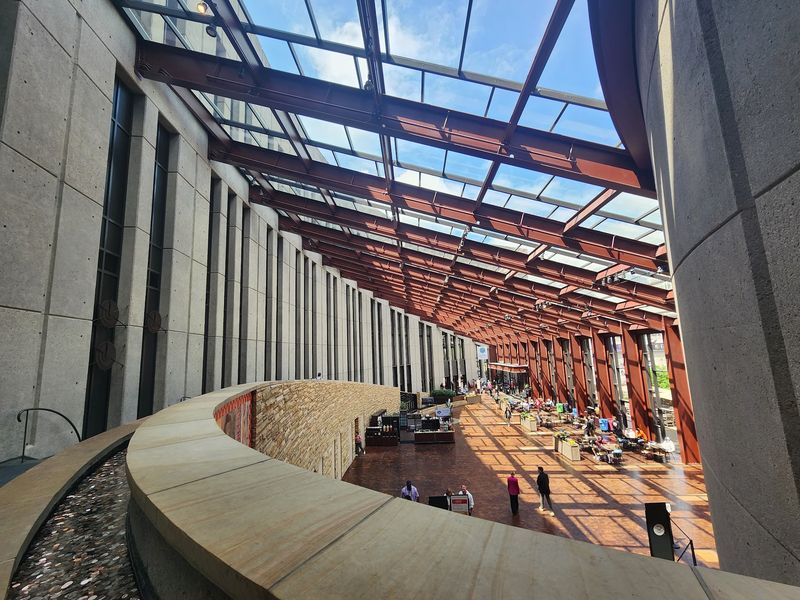
Picture a sequined stage suit sitting just a few feet away from a handwritten song lyric. That is the kind of moment this Nashville giant serves up again and again.
It drew about 1.37 million visitors in 2025, which puts it among the busiest museums in the state.
You do not need to be a country fan to enjoy it. The story runs through folk, blues, gospel, and rock, so there is something familiar around almost every corner.
Instruments, costumes, recordings, and photographs fill the galleries, and the rotating exhibits give locals a reason to come back.
Plan on at least three hours. The main gallery takes you through the history of the genre in order, and it is easy to lose track of time reading the stories behind the songs.
Headphones and listening stations let you hear the music as you move along.
The museum also connects to RCA Studio B, a historic recording studio where many famous songs came to life. Booking that add-on gives you a peek at the room where the magic happened.
Check the schedule ahead of time, since those tours can fill up.
Here is a local tip: go on a weekday morning. Downtown Nashville gets loud and crowded by afternoon, especially on weekends. Arriving early lets you enjoy the exhibits without bumping elbows, and you can grab lunch nearby afterward.
Buy tickets online before you go. It saves time, and some dates sell out during busy seasons like summer and holidays.
Wear comfy shoes, because the floors are wide and the walking adds up.
Bring a curious attitude, and you will leave humming something new. Even visitors who arrive thinking they do not care much for twangy guitars often head for the gift shop with a fresh playlist in mind.
2. Graceland – Memphis
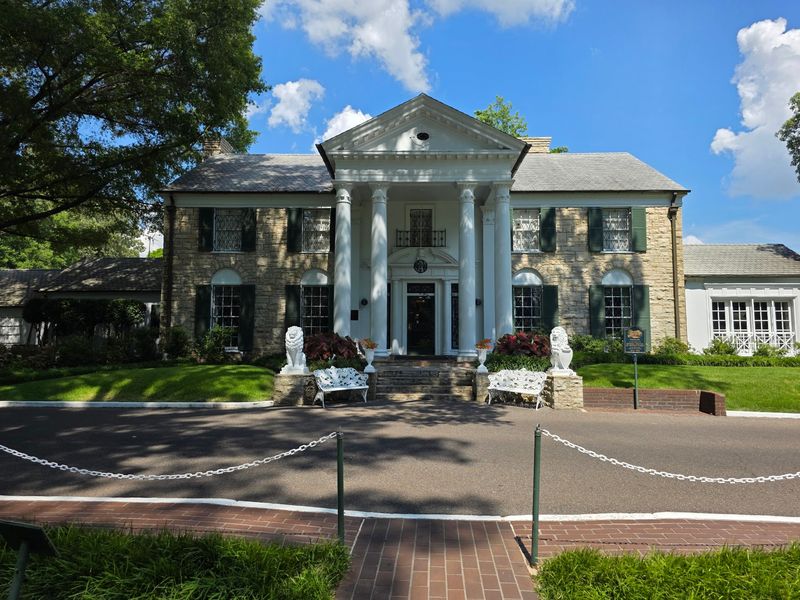
Few front doors in America are as famous as the one at Graceland. Elvis Presley bought this Memphis home when he was just 22, and it still feels like a window into his world.
More than 600,000 people visit each year, so you will be in good company.
The mansion tour is the classic start. You walk through the living room, the dining room, and the bold, colorful spaces that show off his taste.
The Jungle Room is a fan favorite, with its shaggy green carpet and wild decor.
The property has grown well beyond the house. Across the street, the larger complex holds museums packed with costumes, awards, cars, and memorabilia. You can even see his airplanes up close, which is a surprise for first-timers.
Give yourself plenty of time. A rushed visit misses half the fun, and most people end up staying four hours or more.
The audio guide is included with many ticket types, and it adds stories you would not catch otherwise.
Do not skip the Meditation Garden behind the house. It is quiet and peaceful, and it is where Elvis and several family members are laid to rest.
Tickets come in different tiers, so compare options before you buy. The budget ticket covers the basics, while premium versions add extra exhibits.
Visiting in the morning usually means shorter lines.
Even if you only know a couple of his songs, the story of a kid from Tupelo who became a global star is easy to get swept up in. Expect to leave with a new respect for the King.
3. Titanic Museum Attraction – Pigeon Forge

Driving down the Parkway in Pigeon Forge, you might do a double take. A giant ship seems to be sailing right out of the parking lot. Step inside, and the surprises keep coming.
When you enter, you receive a boarding pass with the name of a real passenger. As you explore, you learn about that person’s story and find out, near the end, what happened to them.
It turns a museum visit into something personal, and kids tend to love the mystery.
The galleries feature hundreds of artifacts and full-scale recreations of rooms from the ship. The replica Grand Staircase is a showstopper, and you can stand where guests once posed in their finest clothes.
Interactive stations let you test how cold the North Atlantic water was, which makes your hand ache in seconds.
The mix of history and hands-on fun makes this a signature indoor stop in the Smokies. Rainy days in the mountains are common, and this is a smart plan when hiking is off the table.
It also works well for families with a wide age range.
Allow about two hours to see everything without rushing. Read the placards, since the stories of crew members and passengers are the heart of the place. Buy tickets online when you can, because lines stretch during peak season.
Bring a jacket, since the iceberg exhibit is chilly on purpose. You can also take photos in many spots, so keep your phone ready.
Leave room for a few quiet moments, because the memorial wall at the end is moving.
4. National Civil Rights Museum – Memphis
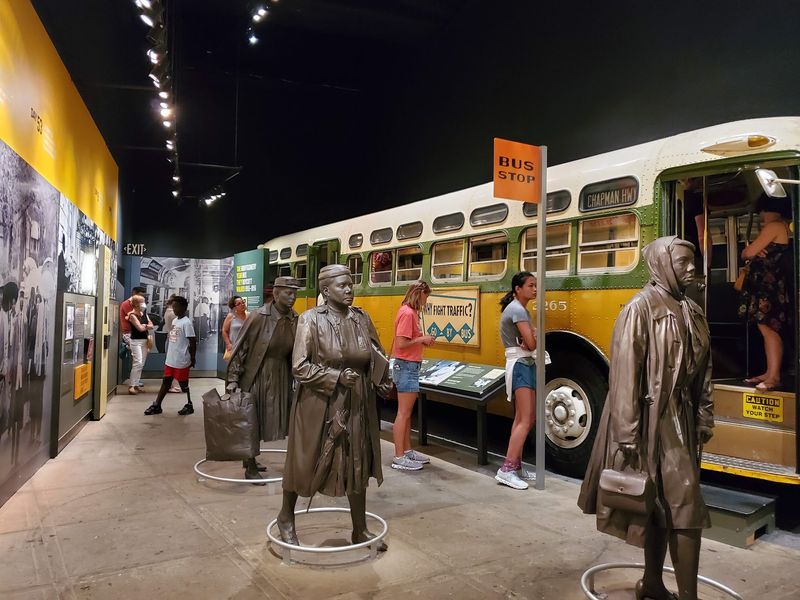
Some museums teach history. This one makes you feel it.
The building wraps around the Lorraine Motel, where Dr. Martin Luther King Jr. was assassinated in 1968, and that setting gives every gallery a weight you can sense right away.
The exhibits begin with slavery and follow the long road through segregation, protests, and landmark victories. You will see recreated scenes, film clips, and powerful artifacts. One moment you are reading about a bus boycott, and the next you are standing inside a recreated bus.
The museum has historically welcomed about 200,000 visitors a year, and many call it life-changing. The story does not end in the past, either.
Later galleries cover the ongoing fight for civil rights and ask you to think about what comes next.
Plan for at least two to three hours. There is a lot of text and video, and rushing through it would be a shame. Take breaks if you need them, because some displays are emotional.
Across the street, the museum includes the building where the shot was fired, with exhibits about the investigation. It adds another layer to an already heavy visit.
Keep extra time in your schedule for it.
Families can bring older kids, and the staff often suggests talking about what you see along the way. Buying tickets online helps on busy days.
Go in with an open heart, and you will leave with much to think about.
5. Tennessee State Museum – Nashville
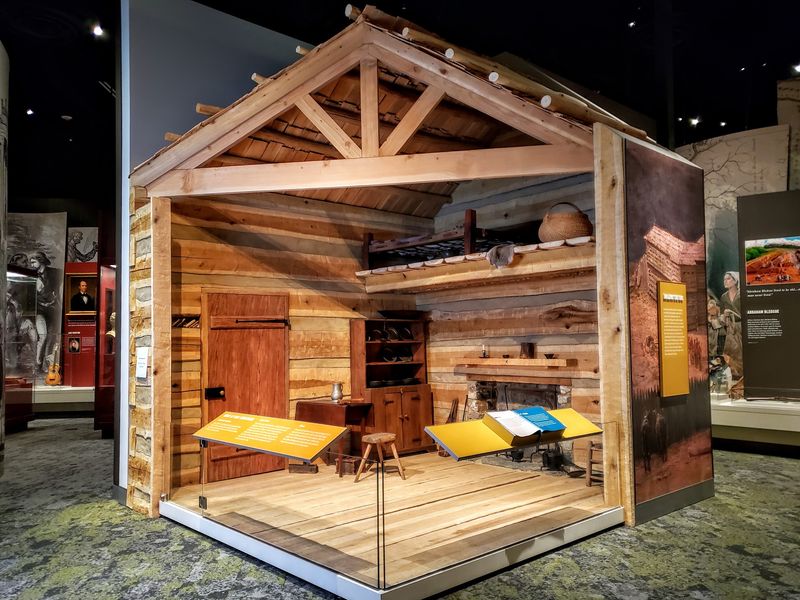
Want the quickest way to understand Tennessee? Start here.
The museum covers thousands of years, from the first Indigenous peoples to modern life, and it does so without charging a dime for admission. Free entry makes this an easy add to any Nashville plan. You can pop in for an hour when you have a gap, or settle in for half a day.
Since opening its current building, it has welcomed more than 350,000 visitors in just a few years.
The exhibits walk you through statehood, the Civil War, Reconstruction, and the big changes that shaped everyday life. Along the way, you will see art, tools, clothing, and personal objects that make the past feel real.
The galleries are laid out in order, so the story flows naturally.
Kids can find plenty to do, including hands-on spaces and models that keep them moving. Adults will appreciate the clear writing, which skips the dry lecture style.
Every gallery seems to have at least one surprise.
The museum sits near Bicentennial Capitol Mall State Park, which makes a pleasant walk before or after. Pair it with a stroll to the farmers market if the timing works.
Parking is nearby, though street spots fill quickly.
Go early if you want quiet galleries. Check the website for special exhibits, since some change throughout the year. You will walk out knowing more about the state than most locals do.
6. Discovery Park of America – Union City

Northwest Tennessee might not be the first place you think of for a big museum trip. Discovery Park of America changes that in a hurry. The complex is so large that one visit barely scratches the surface.
Inside, the exhibits leap from dinosaurs to Native American history, then on to transportation, military history, science, and farming. There is even an earthquake simulator that shakes you in a way you will remember.
Every turn brings something different.
Outside, the heritage park adds historic buildings and a peaceful setting. It is a good spot to stretch your legs between galleries.
The grounds are well kept and easy to walk.
The park welcomed more than 275,000 visitors in 2025, and it has passed 3 million guests since opening. That is a big number for a town of this size. It shows how far people will travel for something special.
Plan for a full day. Families with young kids should pick a few favorite areas and skip the rest if energy runs low. Comfortable shoes are a must, as the building stretches across a lot of space.
Check for special events before you go, since the park often hosts seasonal activities. Bring snacks or plan to eat on site. Plenty of guests end up saying they wish they had allowed two days.
7. Frist Art Museum – Nashville
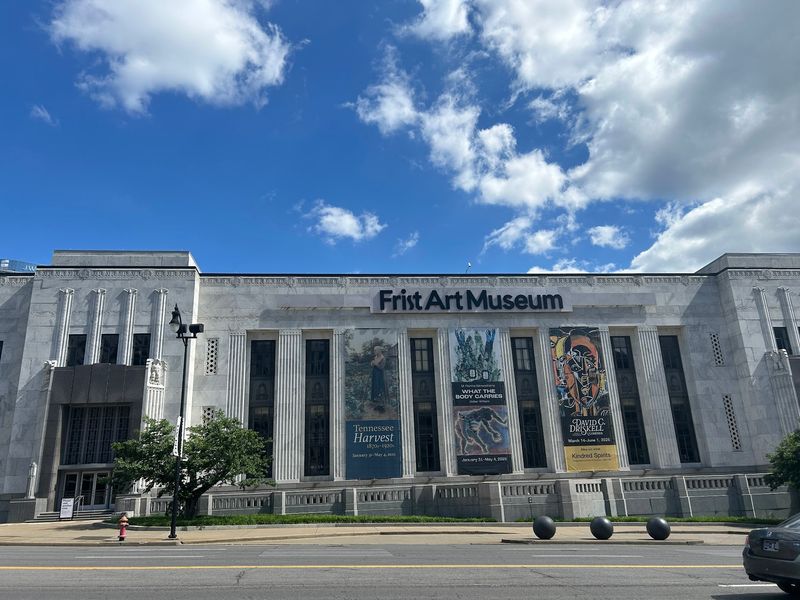
The building itself deserves a few minutes of admiration. Before it became an art museum, it served as Nashville’s main post office, and its sleek Art Deco design still turns heads.
Walk in, and you might feel like you have stepped into an old movie set.
Here is the twist: the Frist has no permanent collection. Instead, big exhibitions rotate through the galleries on a regular schedule. That means your visit this spring could look nothing like your visit next fall.
The shows range widely. One season might bring ancient treasures, while the next features modern painting or photography.
Checking the website before you go helps you decide whether the current lineup fits your taste.
Because the exhibits change, locals often become repeat visitors. Membership can pay off if you live nearby and like variety. There is also a hands-on art space that keeps younger guests busy.
The museum is easy to fit into a busy day. Most visitors spend one to two hours, which leaves time for other downtown stops. The central location helps, too.
Look up as you walk through the lobby, since the details in the architecture are easy to miss. Grab a coffee in the cafe if you need a break.
Pairing art with a slow afternoon is hard to beat.
8. Museum of Appalachia – Clinton
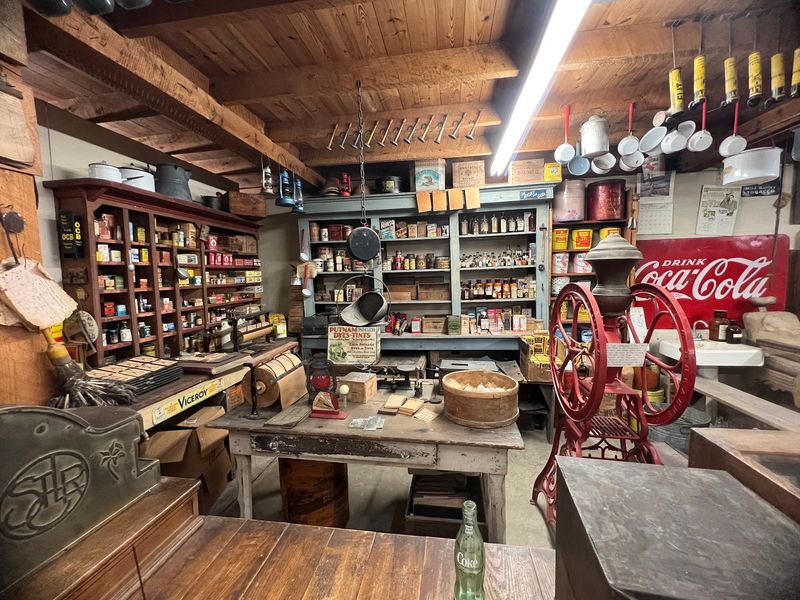
Rooster crowing in the distance, smoke drifting from a cabin chimney, a goat wandering past. That is how a morning can begin at the Museum of Appalachia.
It feels less like a museum and more like a village that time forgot.
The property covers 65 acres and is a Smithsonian Affiliate. You can wander between historic cabins, barns, churches, and workshops, all filled with everyday items.
Every building holds a story about how families once lived, worked, and made music.
The collection includes thousands of artifacts, from tools and quilts to handmade instruments. Many pieces came from local families who trusted the museum to care for them.
That personal touch runs through the whole place.
Roughly 100,000 people visit each year, and it is easy to see why. Kids enjoy meeting the farm animals, while adults like the quiet pace.
There is no need to hurry, and the paths are simple to follow.
Wear sturdy shoes, because you will walk on gravel and grass. Give yourself two to three hours, more if you like to linger. Bring a camera, since the scenery is lovely in every season.
Check the calendar for music events and special days. The fall festival draws big crowds and plenty of fiddle tunes.
Go on a clear day, and you might not want to leave.
9. Creative Discovery Museum – Chattanooga
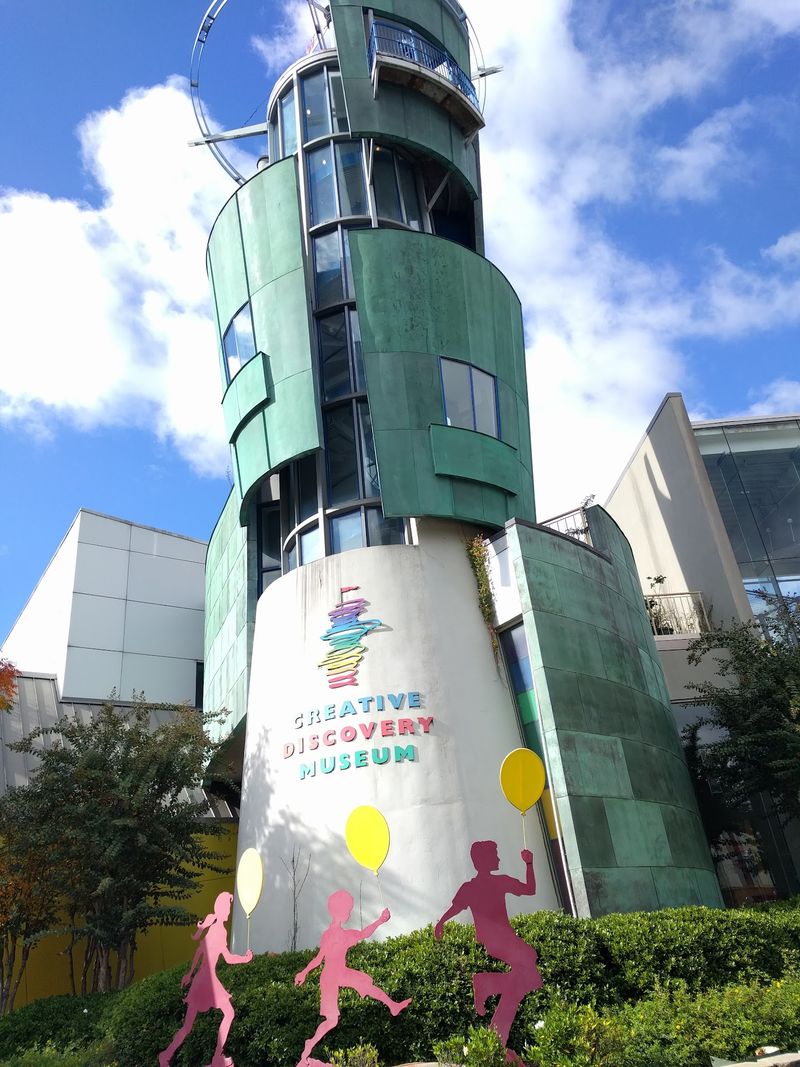
Parents, consider yourselves warned: you may end up having more fun than the kids. Creative Discovery Museum is packed with things to touch, build, climb, and test. Nothing here says “look but do not touch.”
The exhibits cover science, art, music, engineering, and water play. One room might have you making music with oversized instruments, while another lets you build something and see if it stands.
Imagination is the main tool.
Younger children have spaces made just for them, which keeps toddlers from getting overwhelmed. Older kids can tackle puzzles and engineering challenges. The mix means siblings of different ages can each find a favorite.
The downtown location is another bonus. It sits close to the aquarium and other Chattanooga attractions, so you can build a full family day.
Walking between stops is easy and pleasant.
Bring a change of clothes if your child loves the water area, because splashing is part of the deal. Plan on two to three hours. Weekday mornings tend to be calmer than weekends.
Look at the calendar for special programs and workshops. Many are included with admission. A little planning turns an ordinary outing into a day your kids will talk about for weeks.
10. Hunter Museum of American Art – Chattanooga

Before you even see a painting, the view does half the work. The Hunter Museum sits on an 80-foot bluff above the Tennessee River, and the scene from its terraces is hard to forget.
The building blends an older mansion with modern additions, so the architecture becomes part of the show. Inside, nearly 3,000 works span several centuries of American art.
You will find paintings, sculpture, folk art, and contemporary pieces.
The Hunter welcomed more than 65,000 guests in 2023, a solid number for a museum of its kind. Visitors often say the setting makes art feel less stuffy.
Plan on about two hours. Take time with a few pieces instead of trying to see them all.
Looking closely at one painting often beats rushing past twenty.
The museum connects to the Bluff View Art District, where you can wander sculpture gardens and cafes afterward. A walk across the nearby pedestrian bridge makes a great extension. The whole area rewards a slow afternoon.
Check for special exhibits and family programs before you go. Weekdays tend to be quieter. Give yourself a few minutes on the terrace at the end, because the river view makes a fine finale.
11. American Museum of Science and Energy – Oak Ridge

Here is a mind-bender: Oak Ridge did not exist on most maps until the 1940s, yet it helped change the world. The city was built in secret as part of the Manhattan Project.
This museum tells that remarkable story.
Exhibits explain how thousands of workers arrived without knowing what they were building. You can see artifacts, models, and displays about life in the secret city. The tone is thoughtful and lets you form your own questions.
The museum does not stop at wartime. It also covers later developments in nuclear science, energy, national security, and research. Plenty of hands-on stations make complicated ideas easier to grasp.
Students and science fans will feel right at home. Even visitors who skipped physics class can follow along.
The displays use clear language and strong visuals.
Plan on about two hours. Check the hours before you drive out, since schedules can change. Pair the visit with a stop at other Oak Ridge sites if tours are open.
Bring curiosity and a few questions. Staff members are often happy to share stories. You might leave with a new way of seeing this small Tennessee city.
12. Knoxville Museum of Art – Knoxville
Free art, a great location, and a giant glass sculpture that stops people in their tracks. That is the short version of the Knoxville Museum of Art. The long version is even better.
The centerpiece is Cycle of Life by Richard Jolley, an enormous glass installation filled with human figures. It tells a story from birth to death through glowing shapes. Many visitors stand in front of it for a long while.
Beyond that, the museum highlights the artistic identity of East Tennessee. You will find works by regional artists alongside larger traveling exhibits. It gives a real sense of local creativity.
More than 70,000 people visit each year, and admission costs nothing. That makes it easy to drop by for an hour. No need to budget or plan too hard.
The museum sits near World’s Fair Park, so you can stroll the grounds before or after. The Sunsphere is nearby for a fun photo.
Check for Alcoa Foundation Sculpture Terrace and events. Weekday visits tend to be calm. Take your time in the glass gallery, because the details reveal themselves slowly.
13. Stax Museum of American Soul Music – Memphis
Put on your dancing shoes, because this museum has a groove you can feel. It stands on the original site of Stax Records, where soul music poured out of a converted movie theater.
The energy has not faded.
The label produced Otis Redding, Isaac Hayes, Booker T. and the M.G.’s, the Staple Singers, and many other giants. Exhibits trace how a small Memphis studio shaped American music.
The story also touches on race, community, and teamwork.
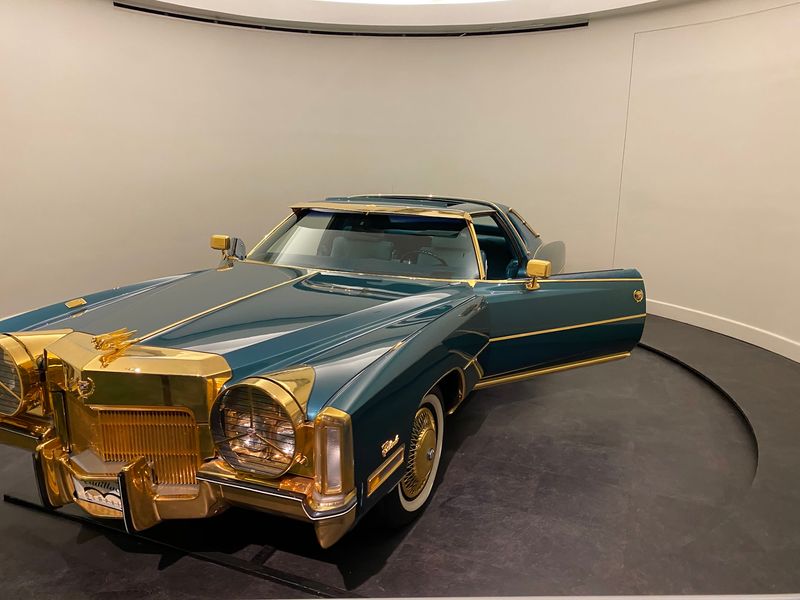
You can see costumes, instruments, and records. One highlight is Isaac Hayes’s shiny Cadillac, which sits in the gallery like a gleaming spaceship. A dance floor with music videos invites you to try the moves yourself.
Memphis has plenty of music museums, but this one earns its own stop. It gives the city’s soul scene the spotlight it deserves. Together with other Memphis sites, it rounds out the story.
Plan on about two hours. Watch the introductory film first, since it sets the scene. Then wander at your own pace.
The museum sits in the Soulsville neighborhood, which has more history to explore nearby. Call ahead for hours, and bring your curiosity. You may leave with a few new favorite songs.
14. Lane Motor Museum – Nashville
Ever seen a car that can swim? How about one shaped like an egg? Lane Motor Museum is happiest when the vehicles are a little bit strange.
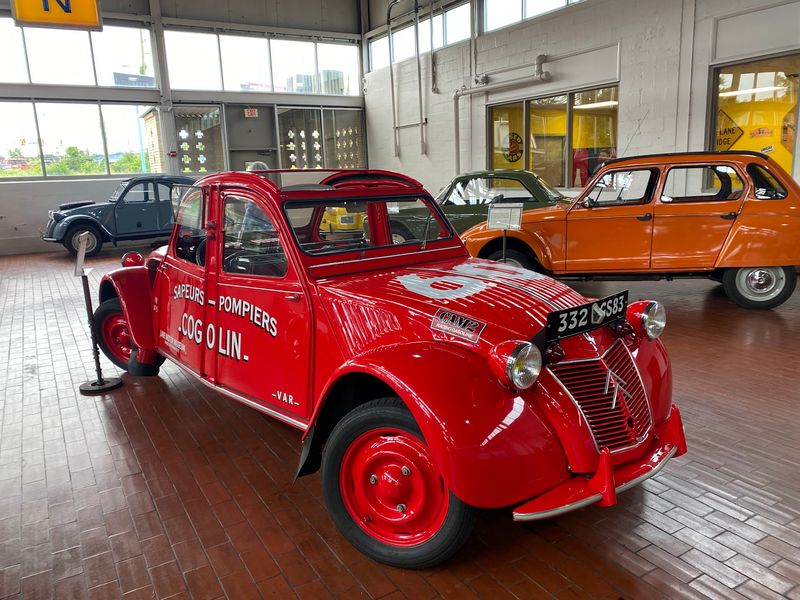
Skip the usual lineup of shiny American classics. Here you will find unusual European cars, tiny microcars, amphibious vehicles, prototypes, and engineering oddities.
Each one has a story about a designer who tried something bold.
The building is a former bakery, and the open floor makes it easy to wander. Cars sit close enough that you can study the details. Some displays show cutaway views so you can see how they work.
Kids usually enjoy the bright colors and odd shapes. Adults who love gadgets will lose track of time. You do not need to know much about engines to enjoy it.
Plan on about two hours. Check the schedule for special driving days, when some cars hit the road. Those events are a treat for anyone who likes engines humming.
The museum sits a little outside downtown, so plan parking ahead. It is free and easy to find. Bring a friend who loves trivia, because you will want someone to trade fun facts with.
15. Memphis Museum of Science & History – Memphis
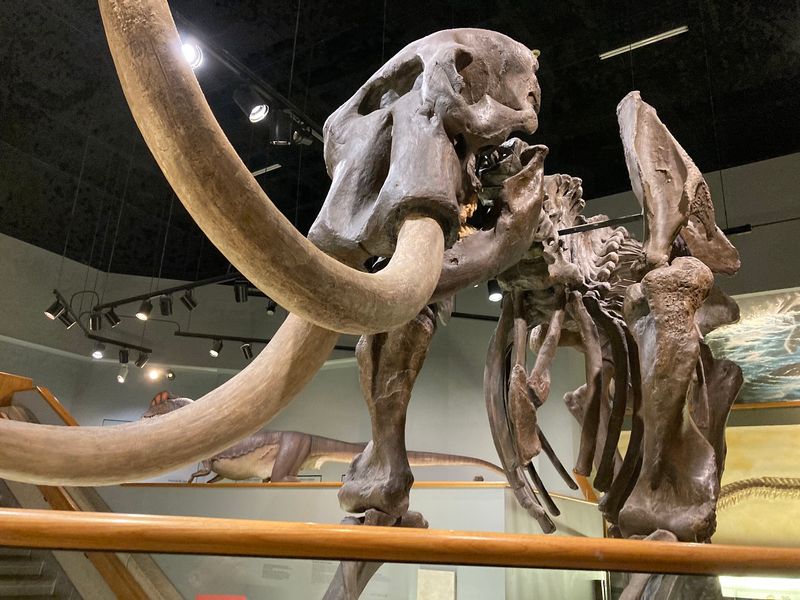
A pink marble mansion, a dinosaur skeleton, and a planetarium walk into a museum. The Memphis Museum of Science and History, often called the Pink Palace, pulls all of it together under one roof.
It is a fun mix that surprises first-time visitors.
The museum covers natural history, cultural history, and science. You can explore fossils, learn about the Mid-South, and see displays on the region’s past.
There is a recreated early grocery store that shows how shopping once worked.
The building itself adds charm. It began as a planned home for the founder of Piggly Wiggly, and that story fits right into the exhibits. Stepping inside feels like visiting a mansion and a science center at once.
Families will find plenty to do, from hands-on areas to planetarium shows. Check the schedule for films and special programs.
Some require separate tickets, so plan your budget.
Allow two to three hours. Wear comfortable shoes, since the galleries are spread out. Weekdays are calmer.
Pair the visit with a walk on the grounds. Bring questions for the staff, who love sharing stories. It is a solid pick for curious minds of every age.