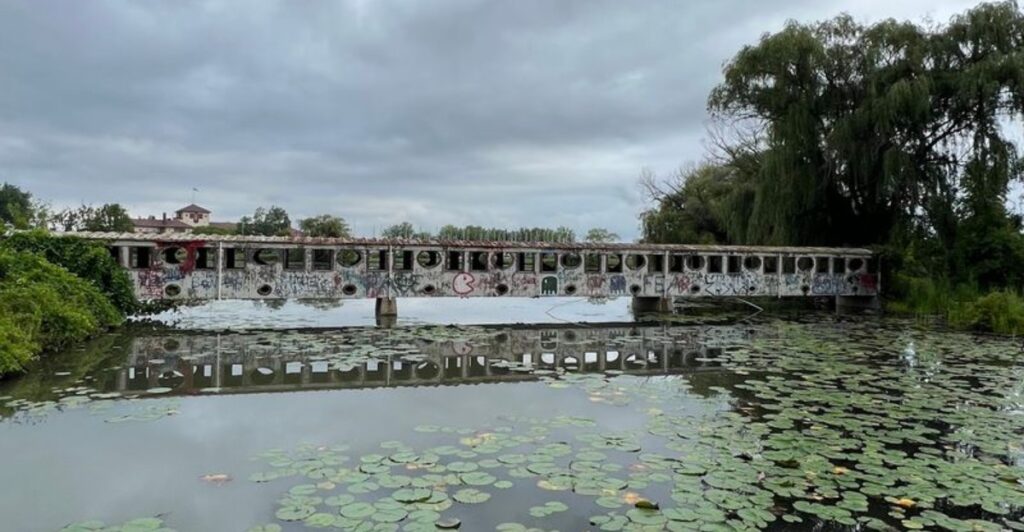
Belle Isle has plenty of polished views, but one old pedestrian bridge shows a much rougher side of the island. In Detroit, Michigan, paint-covered walls, overgrown plants, deep shadows, and signs of age give the structure an atmosphere that feels almost cinematic.
The appeal comes from how different it looks from the island’s busier attractions, making it the kind of place that can stop curious visitors in their tracks. Its worn condition also means this is a spot to approach carefully and observe with respect.
For anyone drawn to unusual Michigan landmarks with a little mystery behind them, this forgotten-looking bridge is hard to ignore.
A Bridge That Hides in Plain Sight
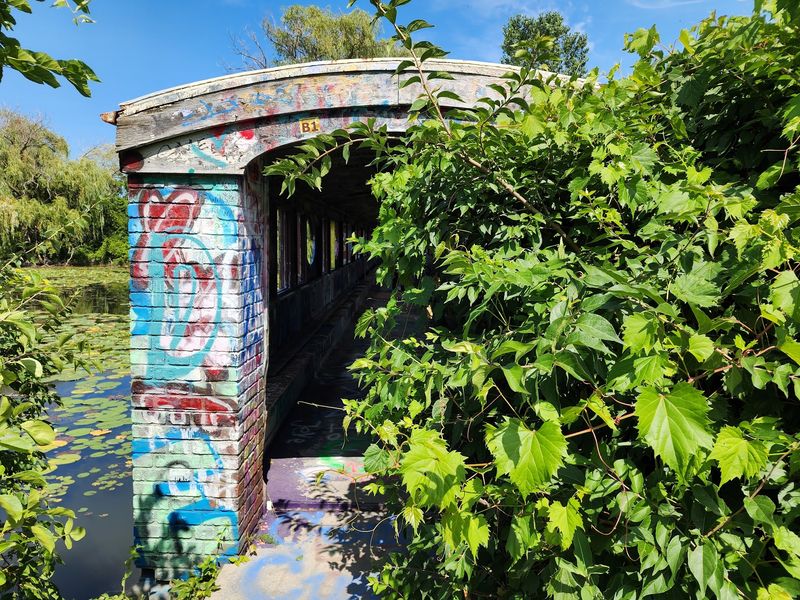
Belle Isle has plenty of open views, but the graffiti bridge offers a different first glimpse. Instead of rising proudly above the landscape, the old pedestrian crossing can appear tucked into the greenery.
Plants soften its outline, while painted surfaces hint that the quiet structure has a much louder story inside. It is an odd contrast on an island known for outdoor time.
The approach helps create that horror story look. A path bordered by growing plants can make the bridge seem farther from the road than it really is.
Once it comes into view, the mix of worn materials and bright paint gives your eyes several places to land. Look at the edges first: leaves, shadows, and the shape of the crossing all frame the entrance.
Nothing supernatural is needed to make the scene interesting. An older structure surrounded by new growth can look unsettling because it no longer reads like a busy walkway.
The painted marks suggest recent human activity, yet the setting may be quiet. That gap between signs of life and a still scene is what gives the bridge its storybook edge.
If you are taking photos, pause before moving closer. A wider shot can show how the structure sits within the plants, which explains its character better than a tight picture of one painted wall.
Try placing the entrance slightly off center, with some of the path in the frame. A friend in the distance can show the bridge’s scale, but keep everyone on permitted ground.
Expect the view to change with the season. Summer growth may hide more of the structure; bare branches can reveal its lines.
Either way, pay attention to your footing instead of watching only the bridge. Roots, uneven ground, and wet patches can turn a short approach into a slow one, especially after rain has passed.
Paint Turns the Passage into a Moving Gallery
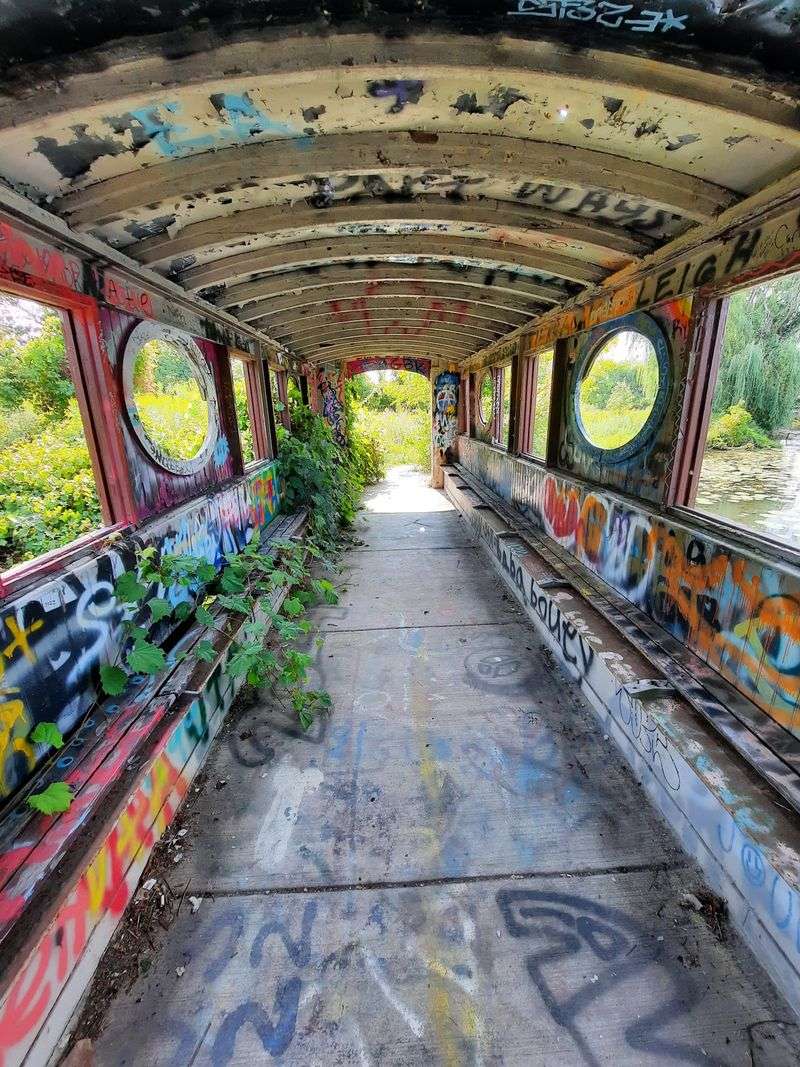
Step up to the bridge and the color takes over. Painted letters and shapes cover parts of the crossing, giving the old walkway a look that changes as you move.
From one spot, you might notice a bold patch of color. A few steps later, smaller marks and layers become easier to see.
The details reward a slower look.
Graffiti is not a fixed exhibit. New paint can cover older work, and weather can fade both.
That changing surface is part of the bridge’s identity, but it also means a photo taken months ago may not match what you find today. Visit with curiosity rather than a checklist of images to copy.
Let the current colors guide what you notice.
There is a useful way to read the scene without guessing who painted it or why. Notice where colors overlap, where bare material shows through, and where the structure makes a natural frame.
A narrow view can turn a busy wall into a clear composition. Pulling back shows how the paint relates to the whole bridge, not just one eye catching patch.
Take care with the art and the structure around it. Do not add marks, peel loose material, or climb for a better angle.
Paint does not tell you whether a surface is sturdy, and an old crossing should never be treated like a climbing wall. If access is restricted, photograph what you can see from a lawful spot rather than pushing past a barrier.
For a simple photo exercise, choose one color and follow it through the frame. Then try a wider picture that includes both painted surfaces and open daylight.
The two images will tell different stories about the same place. One catches the fine detail; the other shows how color transforms a bridge into an unusual visual landmark.
Michigan Light Plays Tricks on the Walls
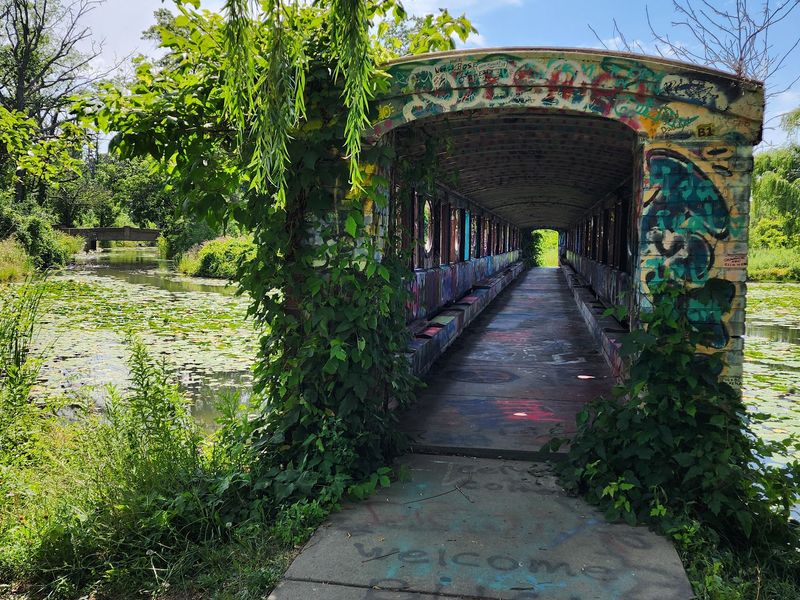
A bright day does not erase the bridge’s eerie side. Light entering the crossing can leave one area clear and colorful while another falls into shade.
From the right angle, a painted wall becomes the backdrop for sharp lines and dark shapes. The effect comes from ordinary daylight meeting an old structure, not from a camera trick.
For photos, the direction of the light matters more than a dramatic filter. Look toward an opening to capture a bright outline, then turn around and watch the painted surfaces gain detail.
Your camera may struggle when a dark area and a bright sky share the frame. Tap the part you want to show clearly before taking the picture.
Clouds change the view, too. Soft, even light can make the paint easier to photograph without harsh bright spots.
Strong sunlight creates bolder contrasts and makes the bridge look more theatrical. Neither condition is better for everyone.
If you want to show the artwork, even light helps. If you want a shadowy image, wait for a clear day and watch where the sun falls.
A person can add scale without turning the scene into a risky stunt. Have them stand only where access is allowed, with space between their feet and any questionable edge.
A silhouette near an opening can show the size of the passage. There is no need to climb a railing or step onto a damaged surface for a striking frame.
Give your eyes time to adjust when moving between sun and shade. A dark corner may hide uneven ground, even if the bright exit looks close.
Put the camera down while walking and lift it again when you are standing still. The bridge already supplies plenty of drama: bands of light, painted surfaces, and a view that shifts with each small change in position.
The Old Crossing Has a Human Side
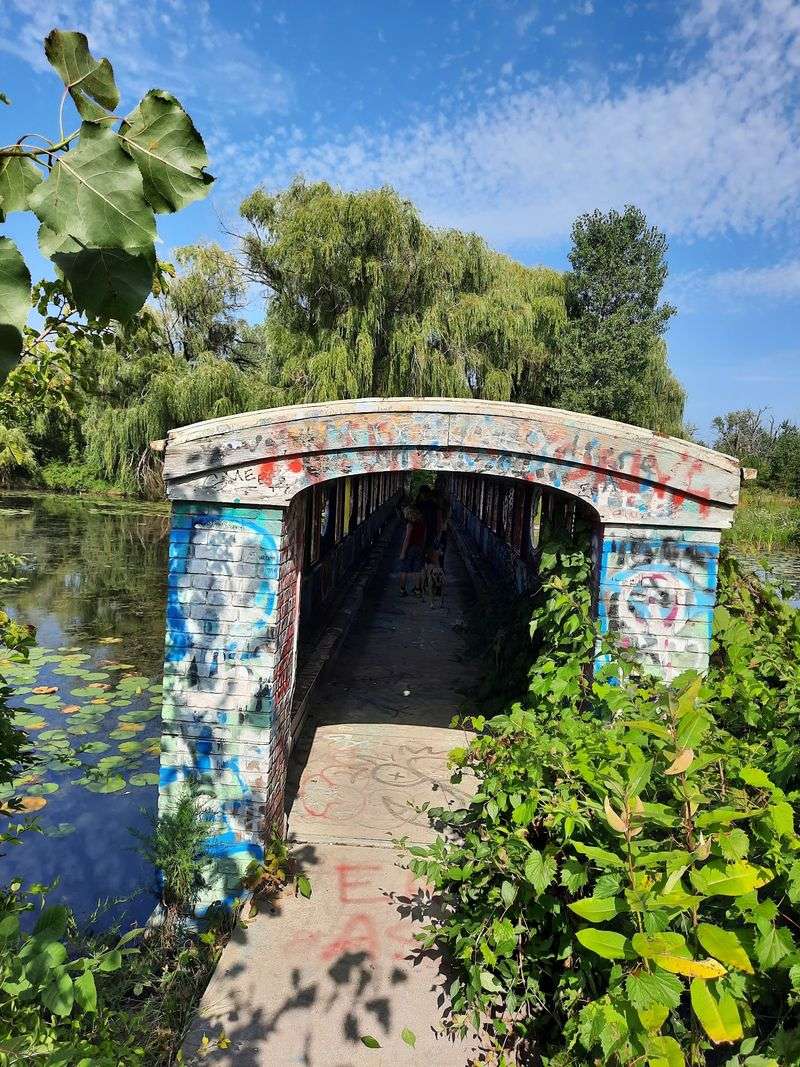
Under the paint is a simple idea: a bridge built for people on foot. Its shape still points to movement from one side to the other, even if its present condition makes access uncertain.
That everyday purpose gives the scene a human scale. You can picture ordinary walks here without needing a dramatic tale about who came first.
The bridge is sometimes called abandoned, but that word can hide more than it explains. It describes the look of a place that no longer appears polished or busy; it does not establish an official history or promise that entry is allowed.
Without reliable records in hand, there is no reason to assign the crossing a construction date, a closure date, or a lost event.
What you can see is enough to start a better conversation. A pedestrian bridge shows that the island has been shaped around walking as well as gathering outdoors.
Paint on its surfaces shows that the structure remains visible to people today. Plants pressing toward its edges suggest a place receiving less routine attention than a freshly kept path.
Each clue adds context without pretending to solve every mystery.
Consider what preservation would mean here. A cleaned surface, a repaired walkway, or a closed crossing would each change the way the bridge is experienced.
Safety and access have to come before a dramatic photograph. At the same time, the colorful layers show how an aging structure can become part of a changing local scene, even when its future is unclear.
Be careful with stories you attach to the place. Calling it haunted may be fun as a visual comparison, but there is no need to turn guesswork into fact.
Share what you actually noticed: the old walkway, the paint, the nearby growth, and the signs that tell you where you may go. Those details make a stronger account than an invented legend ever could.
Finding the Bridge Without Forcing an Adventure
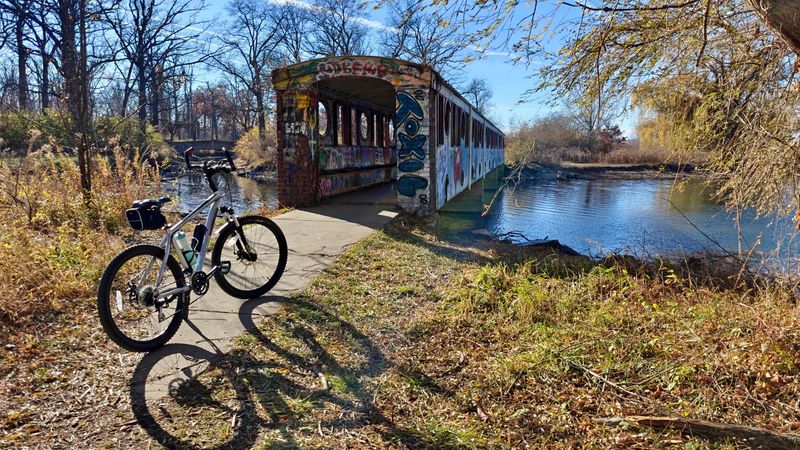
The hardest part of a short outing can be finding the right path. The graffiti bridge is listed on Belle Isle at the map location 82WH+MC, Detroit, MI 48207.
People have described a brief walk from beach area parking, but a description of past access is not a promise about today’s route. Check current park information before leaving.
On the ground, use the map point as a guide, not as an order to walk straight through plants. Paths can become overgrown, and a line on your screen cannot show every muddy patch or blocked entrance.
Follow established routes where they are open. If signs or barriers direct you away from the bridge, stop there.
A good look from a legal spot beats a risky shortcut.
Wear shoes you would trust on an uneven path. Sandals that slide, smooth soles, and clean white sneakers are poor choices when soil may be damp or plants may brush against your ankles.
Bring water for the walk and keep a hand free to steady yourself if the ground changes. Leave the route as you found it, including any paint, plants, and loose objects.
If you plan to photograph the bridge, daylight makes navigation simpler. Share your plan with a companion, especially if you are unfamiliar with the island.
A quiet, partly screened path is easier to enjoy when you are not rushing to find your way back. Save the map point before you set out, then pay attention to the real path around you.
Not reaching the bridge’s interior does not make the trip a failure. Conditions may change, and access may be closed.
From outside, you can still study its shape and painted entrance where public access permits. The best plan leaves room for a different view than the one you expected, without crossing a fence or ignoring a warning.
Choose Your Hour, Then Watch Your Step
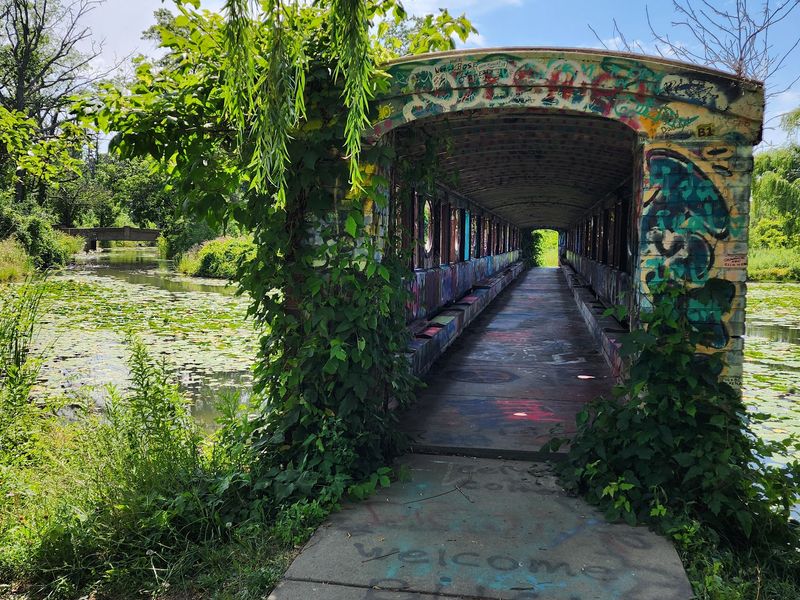
Timing changes two things at the graffiti bridge: what you can see and how safely you can move. Full daylight helps you judge the path, spot uneven patches, and read any posted notices.
It also lets the paint show its colors without asking your camera to brighten every shadow. For a first visit, that is more useful than chasing a spooky nighttime picture.
After rain, expect the ground to need extra care. A short walk can still include slick soil or leaves, and older surfaces may hold moisture.
Stay off edges, railings, and any part of the structure that looks loose. The bridge’s appearance is the attraction; testing its strength is not.
If conditions look poor, turn back and try again another day.
Season brings another shift. Dense leaves may partly hide the crossing during warmer months, while cooler seasons can reveal more of its outline.
Neither view tells you whether the bridge is open. Check for current restrictions when you arrive, even if pictures online show someone inside.
An image records one moment, not a standing invitation to enter.
Keep your visit easy to manage. A charged phone helps with navigation, but do not rely on its screen while stepping over roots or walking near an edge.
Carry only what you can hold securely. If you bring a camera, put it away when moving through the tightest parts of the route.
Looking at the ground for ten seconds can prevent a much longer interruption.
Try to leave enough daylight for the walk back. Colorful paint can tempt you into taking one more picture, then another.
Set a return time before you start shooting, especially when days are short. You will have a calmer visit if the path, the parking area, and any posted directions are still easy to see on the way out.
A Horror Story Look, Without a Made-Up Ghost
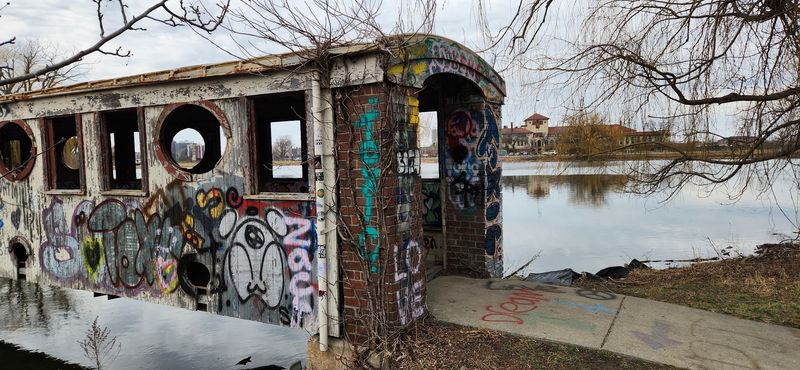
The bridge earns its horror story comparison through things you can actually see. A walkway that appears little used, paint layered across its surfaces, and plants pressing near the route create a scene with sharp contrasts.
There is bright color, but also wear. There are signs of human activity, but no guarantee that anyone will be there when you arrive.
That tension makes the place more interesting than a fake ghost story. You do not need to imagine footsteps in the dark to notice how the opening frames a stretch of daylight.
You can watch a shadow cut across a painted shape or see leaves crowd the edge of a photo. Small, real details do the work of setting the scene.
The crossing also asks you to think about the difference between looking and entering. An eye catching structure is not automatically safe or open.
Reports of closure make it especially important to respect posted restrictions and check current conditions. If the bridge is closed, treat the barrier as part of the information the place gives you.
Photograph from a permitted area and move on without forcing access.
For a strong final image, look for a view that includes more than the paint. A little of the approach, the full outline, and some surrounding plants show why this bridge belongs to Belle Isle rather than to any random wall.
Keep the horizon steady, leave space around the structure, and let the natural setting carry some of the story.
What sets this spot apart is the clash between a familiar object and an unfamiliar finish. A pedestrian bridge should make a route feel simple.
Here, weathering and color make you pause and look carefully instead. Enjoy that visual surprise while staying alert to the ground, the signs, and the limits of access. The scene is striking enough without a risky move or an invented tale.