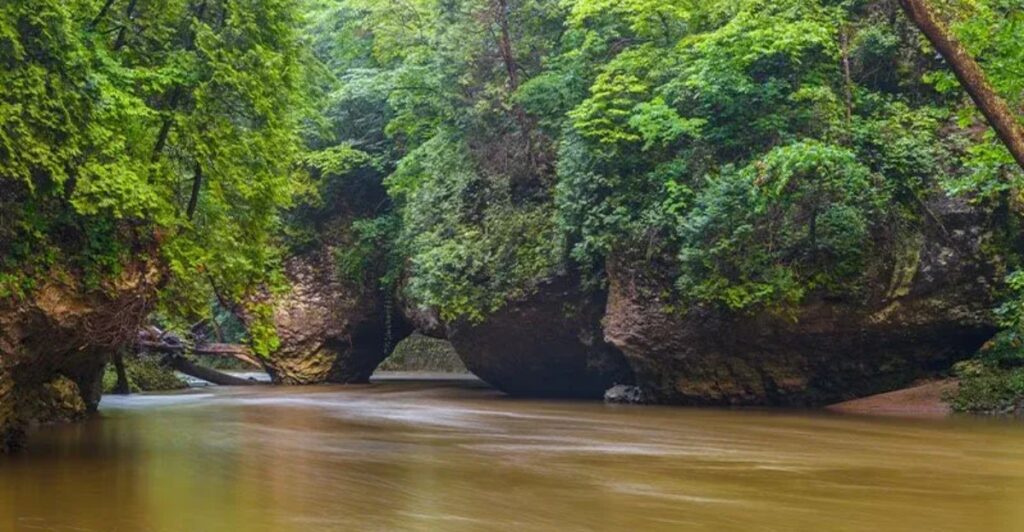
Tucked into the hills near Bainbridge, Highlands Nature Sanctuary hides some of the coolest sights in Southern Ohio. You can walk past waterfalls, look down into a deep gorge, and even squeeze into a real cave.
Best of all, there is no fee to hike here. Grab your boots and get ready to see why visitors keep coming back.
1. Free Entry and Easy Parking
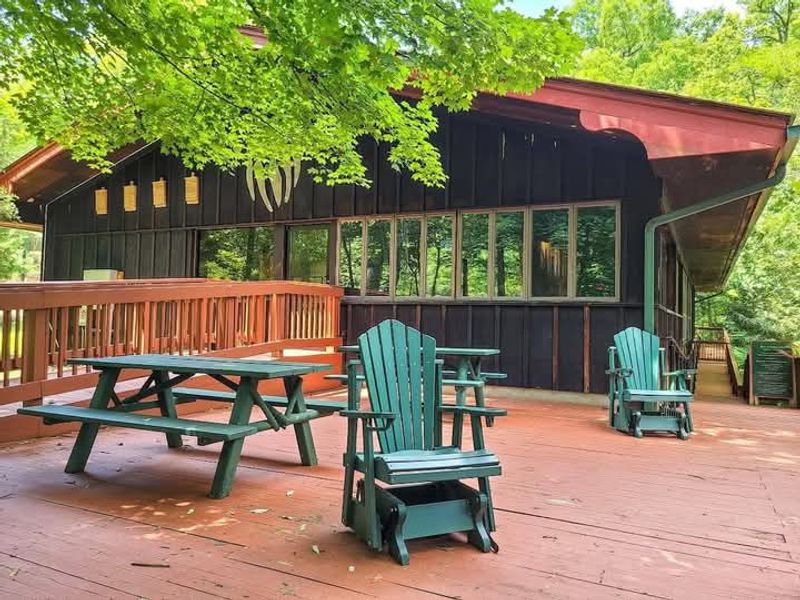
Some of the best things in life cost nothing, and this sanctuary proves it. Parking is free, trails are free, and nobody stops you at a gate to collect money.
Donations are welcome, and they help the Arc of Appalachia keep the paths in good shape.
The main lot sits beside the Appalachian Forest Museum at 7660 Cave Road. Plan your timing carefully, because the parking gates close around 4:30 in the afternoon.
One hiker warned that you do not want to be locked in after a long walk.
Staff members greet you with maps and trail tips. One visitor who moved to Ohio expected to pay and was happily surprised.
Bring a few dollars for the donation box if you can, and maybe a souvenir from the gift shop too.
2. The Appalachian Forest Museum
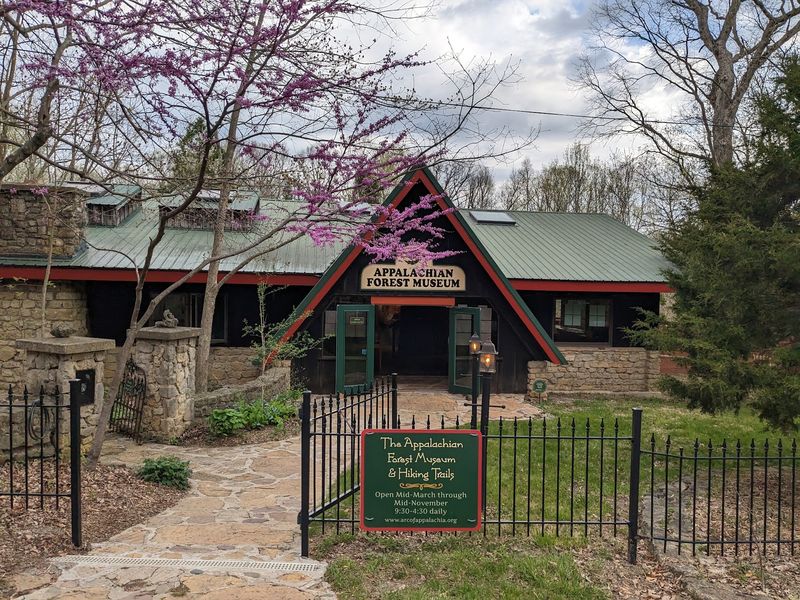
Your adventure begins indoors, and that is a good thing. The little museum doubles as an info desk, gift shop, and gateway to the trails.
You actually walk through it and out the back porch to reach the trailhead.
Inside, friendly volunteers share stories about local history and point out the best routes for your energy level. Clean restrooms are available, which is a relief before a hike with no services.
Hours run roughly from 9:30 in the morning to the late afternoon.
Fun fact: the area was once known as Seven Caves, and older visitors love remembering childhood trips here. Look through the exhibits on forests and wildlife before you go.
You will spot more once you know what to look for.
3. Valley of the Ancients Trail
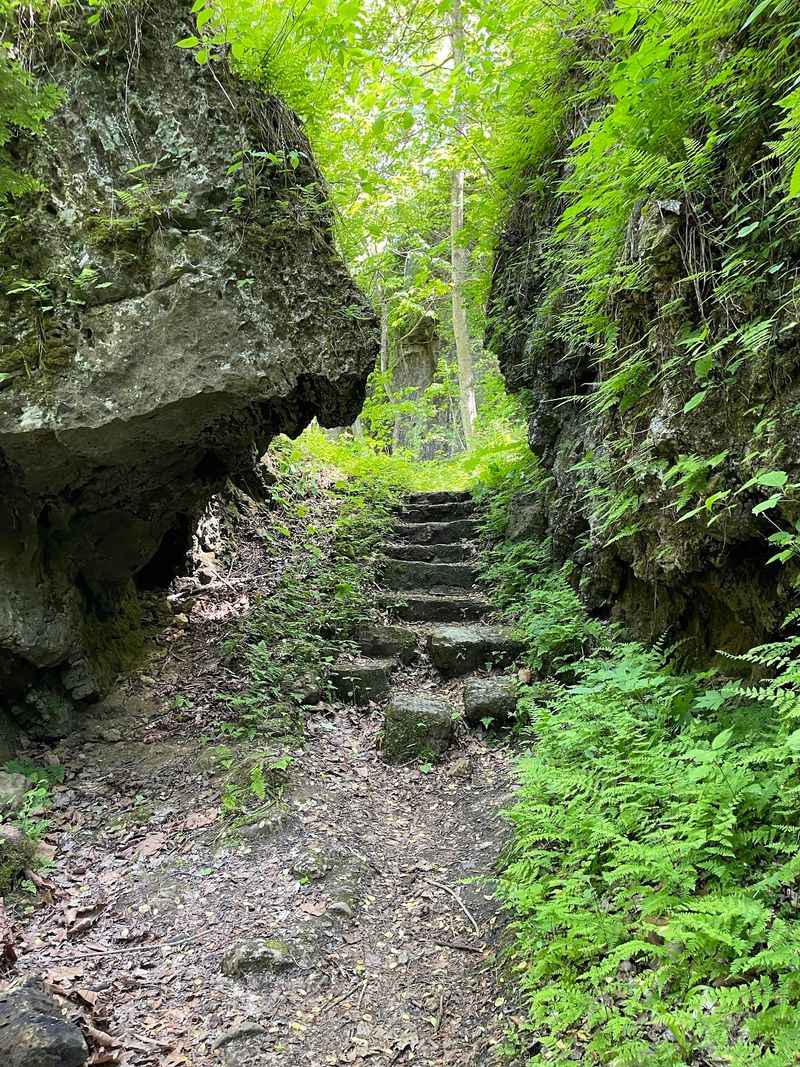
Short trails can pack a huge punch, and this one is proof. Valley of the Ancients is a brief walk that drops down a set of stairs into a hidden world of stone.
Giant boulders, mossy walls, and strange rock shapes surround you.
At the bottom, a waterfall rewards your effort. It is lovely after spring rain, when the creek is full and the air smells fresh.
Wildflowers add color along the way.
The stairs are the tricky part. One visitor noted that a step near the top drops much farther than the others, so keep your eyes down and use the handrails.
Wear shoes with good grip, since the rocks can be slick. Take your time and enjoy every turn.
4. The Gorge Below
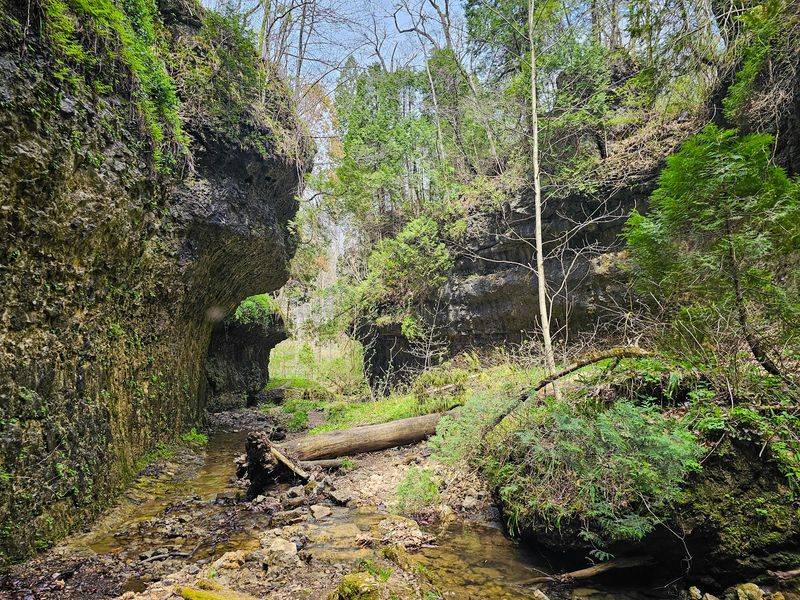
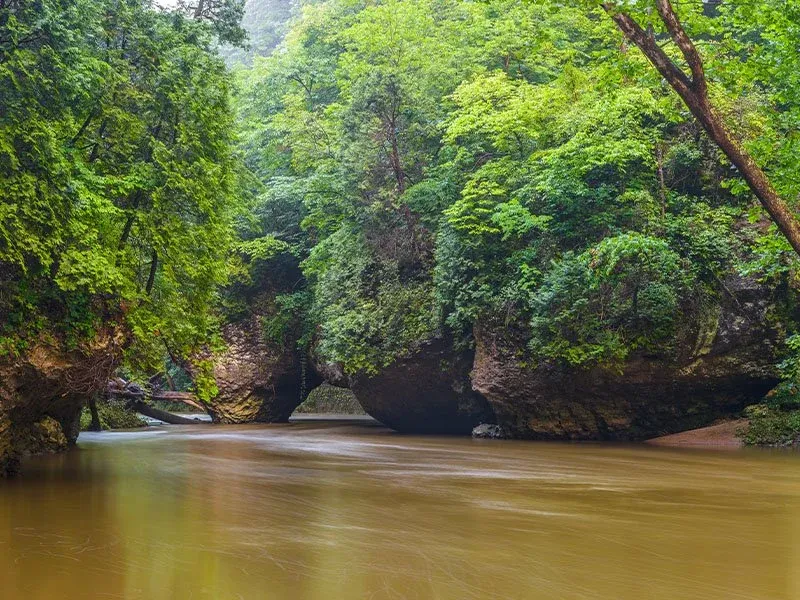
Imagine standing a hundred feet below the forest floor, with cliffs rising all around you. That is the feeling in the gorge.
Huge fallen rocks lie in the stream bed, and some even have trees growing from their tops.
Road noise disappears down here. You hear wind, birds, and the soft babble of water.
Many visitors call the place peaceful, even spiritual, and it is easy to see why.
Once you reach the bottom, the path is mostly level, which makes it relaxing. The climb back out is the workout, so rest on the way up.
Older hikers with sore knees say it is doable if you go slowly and take breaks whenever you need.
5. McKimmie’s Cave and Cave Adventures
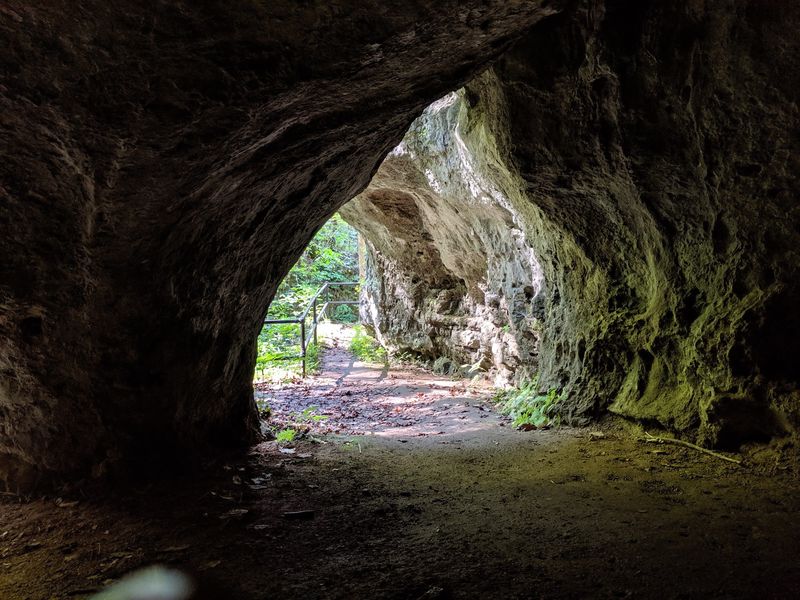
Ready to crawl a little? McKimmie’s Cave is the walk-in cave that gives the sanctuary its fame.
It is a tight fit, and one hiker had to take off a pack just to squeeze through. It goes surprisingly far back.
Here is the catch: you must check out a key from the museum to reach the trail to the cave. Only one person goes in at a time, so be patient if others are waiting.
Visit before the museum closes at four, or you will miss your chance.
Bring a flashlight and wear clothes that can get dirty. Kids love it, though the squeeze is not for the faint of heart.
Back outside, you will feel like a real explorer.
6. Barrett’s Rim and Barrier Ridge Trails
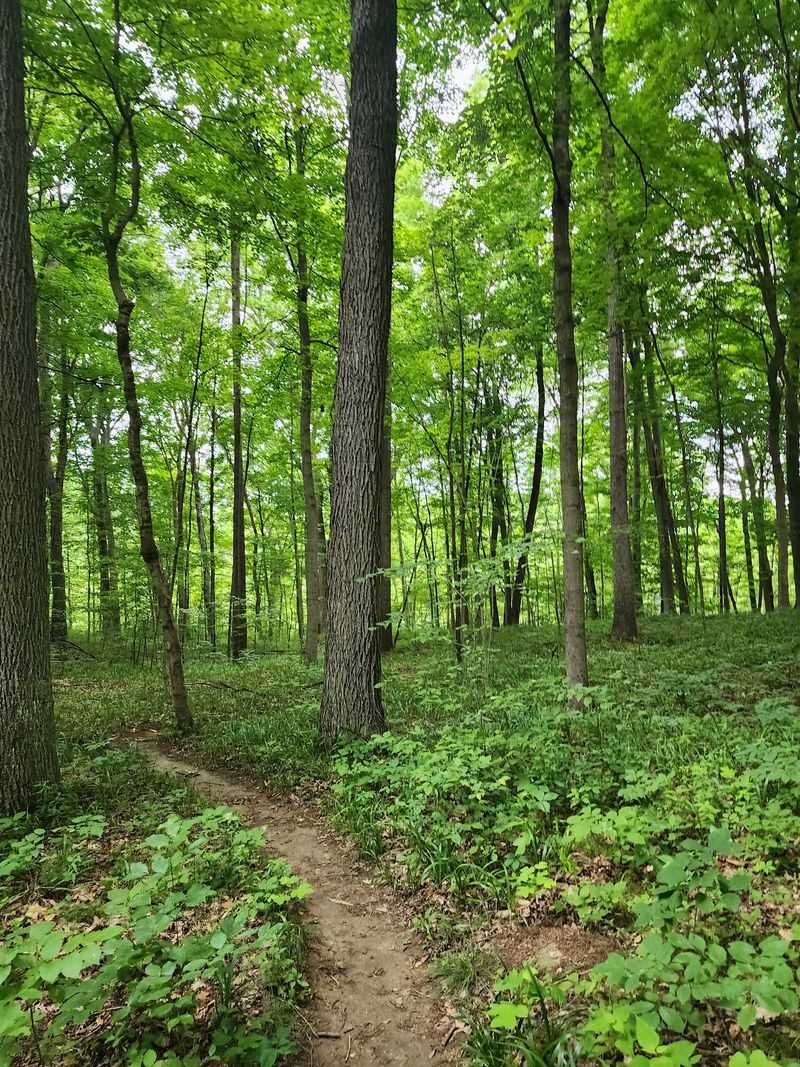
If you want a bigger challenge, head for the longer loops. Barrett’s Rim is about 2.75 miles and starts across an open field that can feel hot in summer.
Once the trail enters the woods, shade makes it much nicer.
Barrier Ridge Trail is a three mile loop across the street, starting from the lower parking area. It is moderate to hard, with steep climbs, narrow sections on hillsides, switchbacks, and steps.
The trails are well kept and clearly marked.
Remember that cell service does not work out here. Download a map first and tell someone your plan.
Leave enough time to finish before the gates close, and carry water, since no food is sold on site.
7. Wildflowers and Wildlife
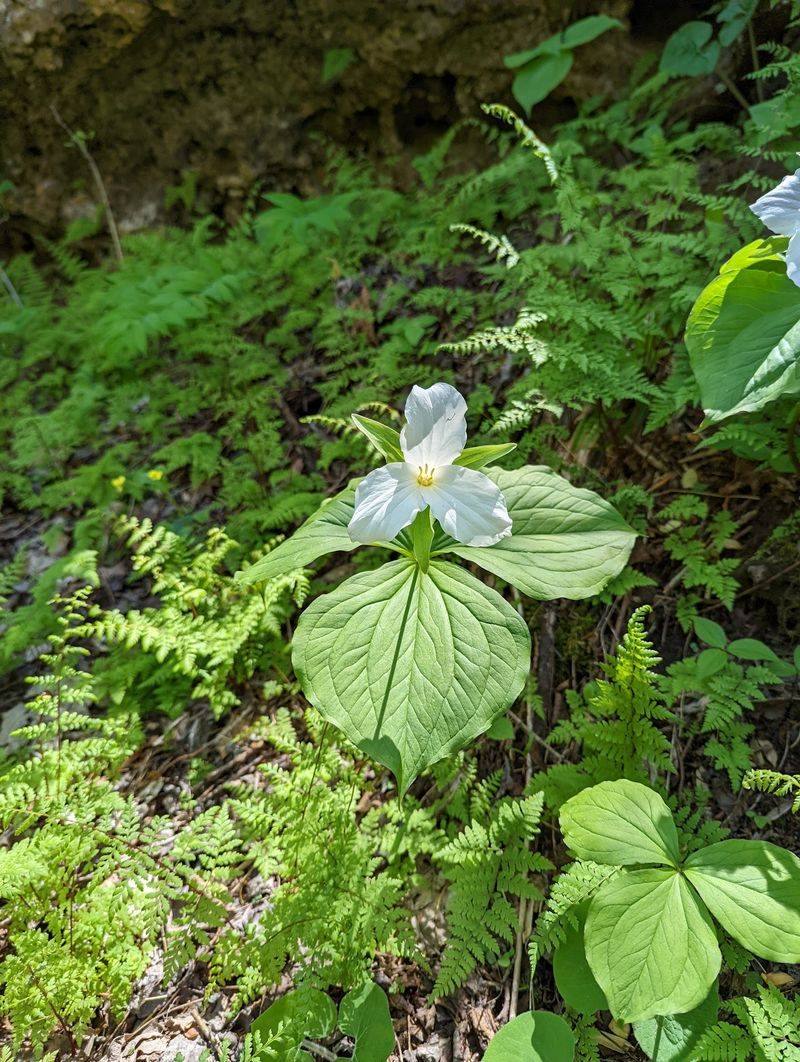
Spring turns the forest floor into a flower show. Shooting stars, an uncommon bloom, appear in the valley, along with many other spring ephemerals.
They fade fast, so timing matters.
Birds join the show. Visitors have spotted Louisiana Waterthrushes, Northern Parulas, Eastern Phoebes, and loud Carolina Wrens.
Butterflies, moths, caterpillars, and native bees fill the air in warmer months.
Walk slowly and stop often. One reviewer said these trails want you to linger.
A free plant ID app like Seek can name the species you find, and a pair of binoculars helps with treetop singers. Stay on the path to protect fragile blooms for the next visitor.
8. Events, Art and Learning

There is often something fun going on here. One visitor arrived on a day with a caterpillar lab and loved every minute.
Another joined a season-ending event called Nature Is Neat.
At that event, guests made spider webs, listened to poetry, wrote their own verses, and watched oil painters work along the trails. Artists set up in the museum too.
It felt like a small festival tucked in the woods.
Check the Arc of Appalachia website before you go to see what is planned. Programs are great for families and curious beginners.
Even if no event is running, the knowledgeable staff will happily answer questions about the caves, rocks, and creatures you meet.
9. Planning Your Visit and Staying Nearby
A little planning makes the day smoother. Wear sturdy shoes, bring water, and pack snacks, since no food is sold.
Dogs are not allowed on many trails, and wheelchairs cannot be used.
The trails are moderately strenuous, but families with young kids and older hikers have enjoyed the shorter routes. The sanctuary gets very quiet, so bring a camera and patience.
Phone service is missing, so print or save directions.
Want more time? Cottages, cabins, and larger homes are available for nightly rental, and they book months ahead.
Many have full kitchens. Paint Creek campgrounds are also close, which makes a weekend trip easy.
Call 937-365-1935 for questions before you head out.
Share this story