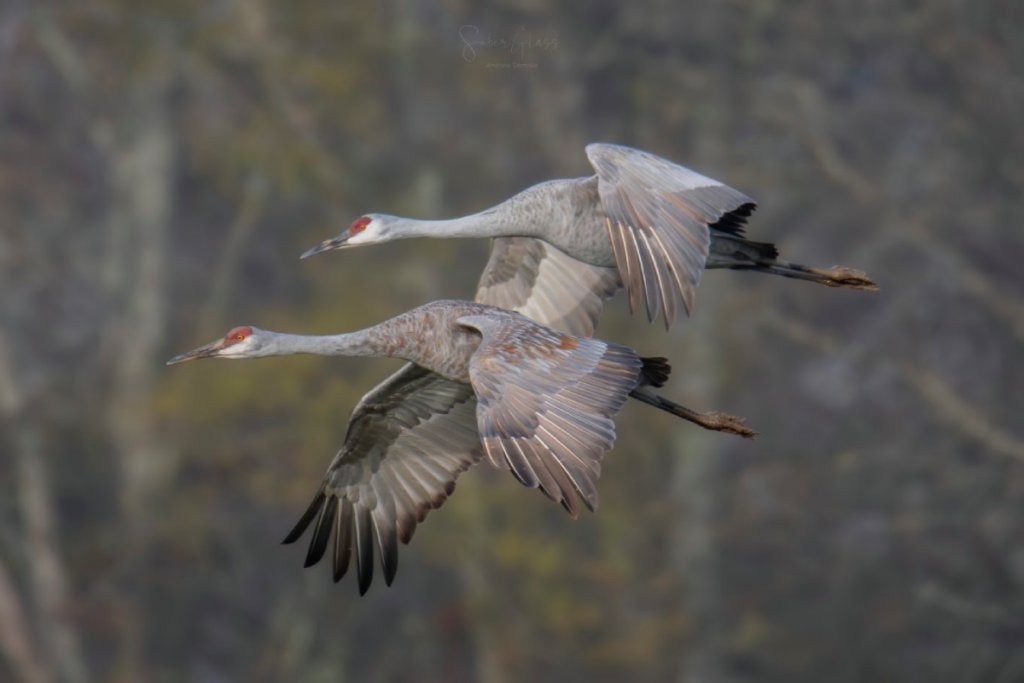
Every winter, one of Tennessee’s most remarkable wildlife spectacles unfolds in the quiet countryside near Birchwood. Thousands of sandhill cranes gather at Hiwassee Wildlife Refuge, filling the fields and skies with their unmistakable rattling calls, long wings, and graceful movements.
For birdwatchers, photographers, families, and curious travelers, the refuge offers a rare chance to see huge numbers of these impressive birds in one place. The experience is especially memorable at sunrise and late afternoon, when cranes lift off to feed or return to their resting areas in dramatic groups.
Best of all, you do not need to be an expert birder to enjoy it. A pair of binoculars, warm clothes, and a little patience can turn a winter day into something unforgettable. Here is what to know about when to visit, where to watch, and how to make the most of a sandhill crane trip to Hiwassee Wildlife Refuge.
Why Thousands of Sandhill Cranes Come to Tennessee Each Winter
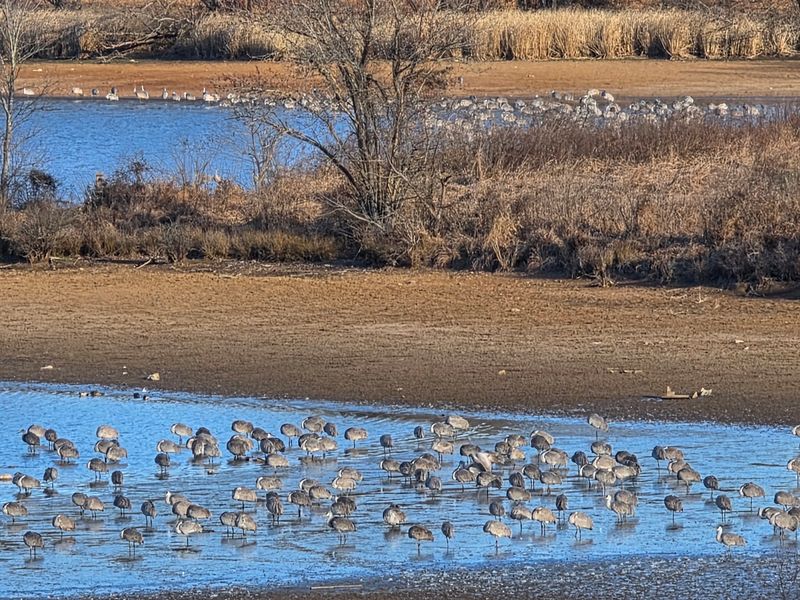
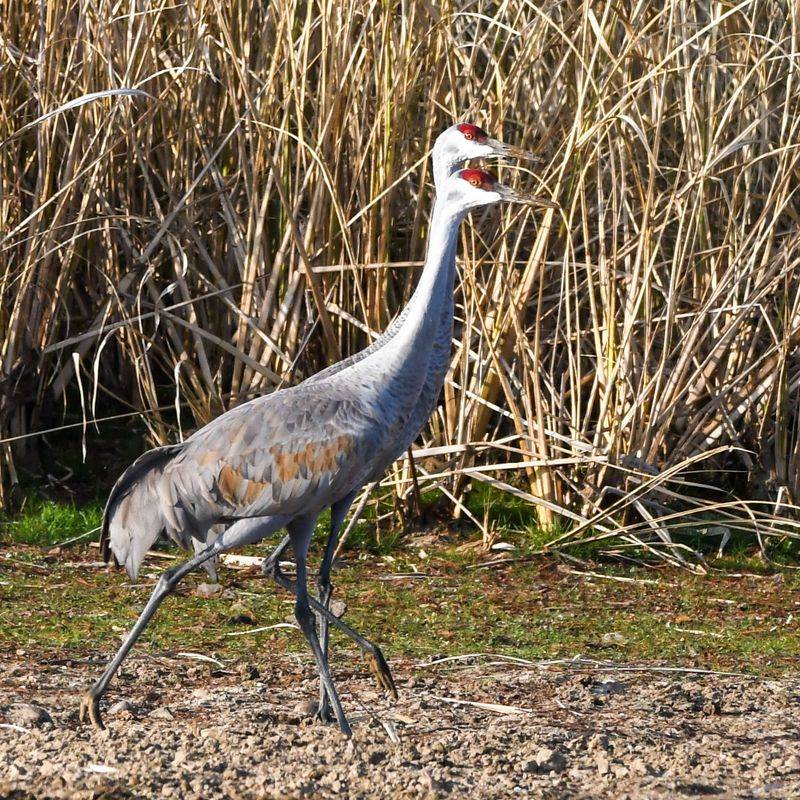
Picture a bird with a six-foot wingspan, a red cap, and a voice like a rusty gate. Now picture thousands of them landing in one valley. That is the winter story in southeast Tennessee.
Sandhill cranes spend summers far to the north, with many traveling from the Great Lakes region. When cold weather arrives, they head south in huge family groups. They fly high, ride warm air, and call to each other the whole way.
The Hiwassee area is a perfect pit stop for a few big reasons. Shallow water, wide fields, and a quiet island give the birds a safe place to sleep. Waste grain in nearby fields gives them plenty to eat.
Cranes need all of that after a long trip.
Here is a fun fact. Cranes are among the oldest bird groups on Earth, and fossils of crane relatives are millions of years old. When you watch them walk across a field, it is easy to believe it.
What makes the gathering so special is the sheer scale. Reviewers talk about three huge fields packed with cranes, plus birds filling the sky overhead. You do not need to be a bird expert to feel it.
You just show up, stand still, and listen.
Many families return every year because the cranes do. The same safe habitat draws them back season after season. That tradition has turned a small corner of Tennessee into a winter wonder.
It is a story worth seeing in person at least once.
Hiwassee Wildlife Refuge Is Tennessee’s Sandhill Crane Hotspot
Ask a Tennessee birder where the cranes are, and the answer is almost always Birchwood. Hiwassee Wildlife Refuge sits near the meeting point of the Hiwassee and Tennessee Rivers. It is managed by the Tennessee Wildlife Resources Agency, and the address is 545 Priddy Rd.
The land is a mix of open fields, wetlands, and river edges. That mix is exactly what cranes want. They feed in the fields by day and rest on the water and island at night.
Visitors rate the place 4.7 stars, and sandhill cranes come up in reviews more than anything else. People also mention beautiful scenery, a view of the island, and a calm, peaceful feel. Some folks say the drive in is lovely all on its own.
The refuge is not only for cranes. Reviewers have spotted bald eagles, red-shouldered hawks, great blue herons, ducks, and deer. A visitor even reported possible great egrets in the distance.
So even a quiet day can turn up surprises.
The refuge is kept as a protected space on purpose. Fenced areas keep people from disturbing the birds, which is why the cranes feel safe enough to gather in such big numbers. A little distance for us means a lot of comfort for them.
When Is the Best Time to See Sandhill Cranes at Hiwassee?
Timing can make or break a crane trip. Show up in July and you will find peaceful woods, but no cranes. They are winter visitors, and they follow a schedule.
The cranes usually start arriving in late fall. One visitor spotted about 250 on a hillside in late November. By December, numbers climb, and many reviewers say the stretch from December to the end of February is the sweet spot.
January tends to be the busiest month. Birchwood holds an annual Sandhill Crane Festival then, with rangers and fellow birdwatchers sharing what they know. The festival is a great way to learn, but it also draws crowds.
Time of day matters too. Early morning is when cranes often lift off from their night spot and head out to feed. Late afternoon is when they return, calling and circling before they settle in.
Both times can be thrilling.
Midday is often calmer. Many birds are out in the fields, and you may see them walking, feeding, and dancing. If you can only go once, try to catch either sunrise or the hour before sunset.
By spring, the cranes head north again. A past visitor noted that the birds had left for their summer nesting grounds, though other wildlife was still easy to find. Check with the refuge or the state wildlife agency before you go, since seasons can shift a bit each year.
Where to Watch the Cranes at Hiwassee Wildlife Refuge
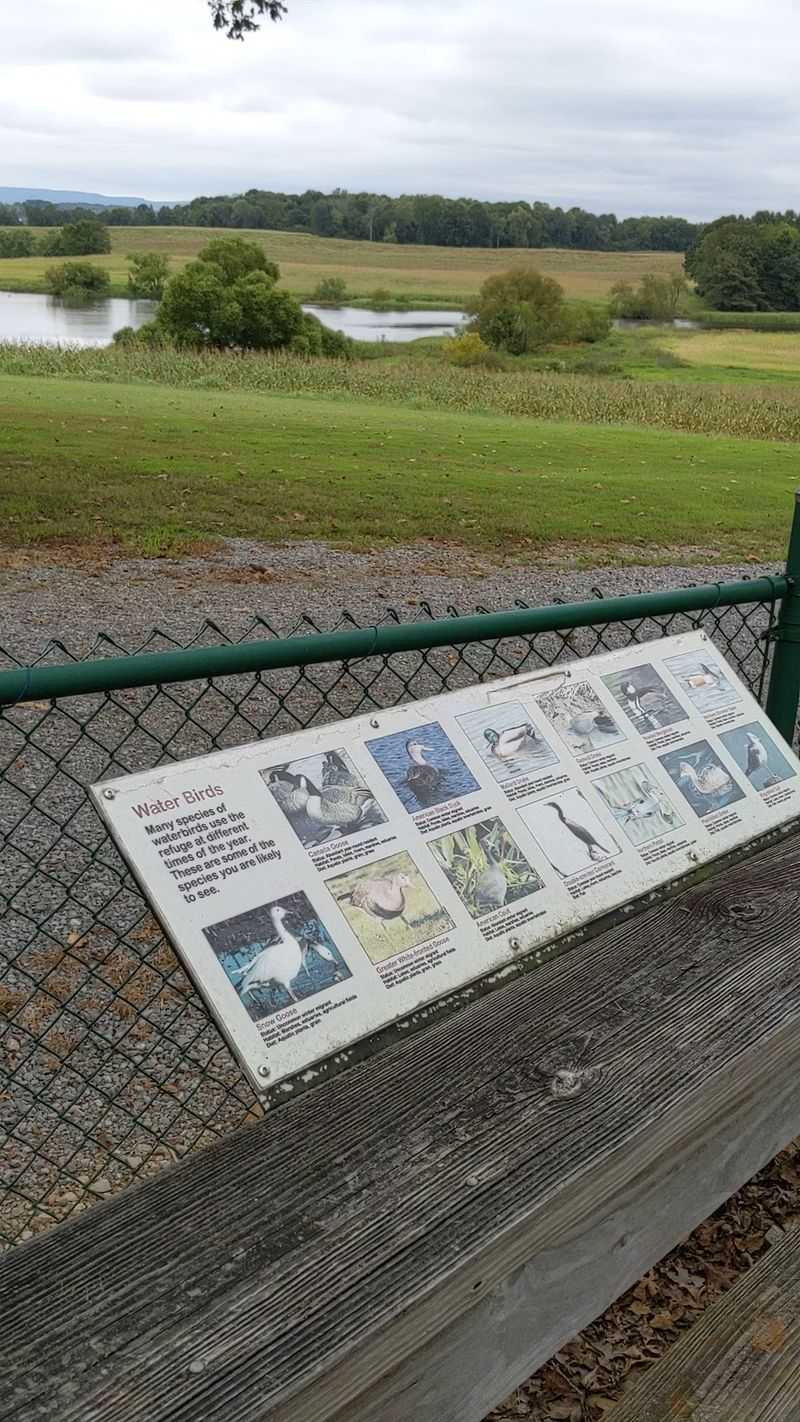
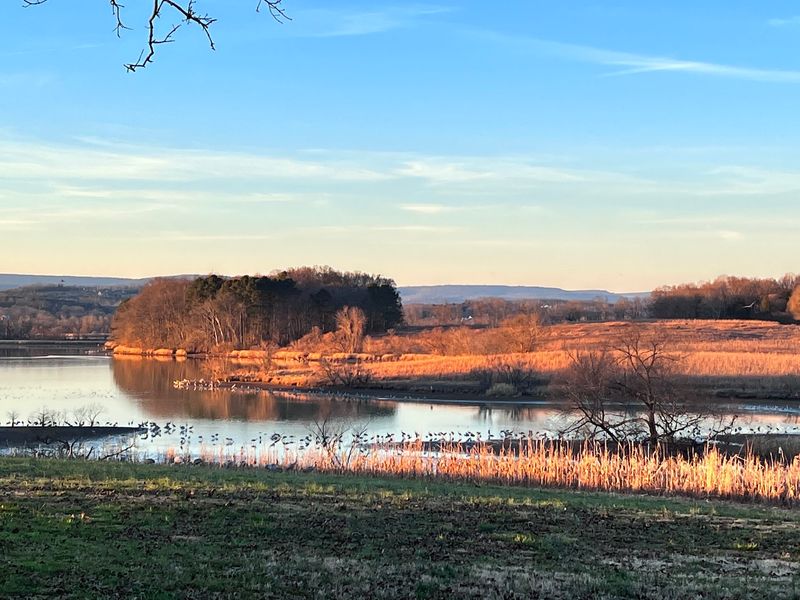
Most visitors head straight for the viewing platform off Priddy Road. It sits near the middle of big fields, and many reviewers say cranes gather right in front of and around it. That is how one chilly-day visitor saw several thousand birds without going far.
The platform gives a nice view across to the island where the cranes spend nights. It can be a bit far for photos, though, so a zoom lens helps. Binoculars matter even more.
There is also a small building with a porch. One longtime visitor said the porch makes a better viewing spot, but a fenced area can block the view with a tree and the building. The restrooms in the building are not open to the public most of the time, except for special events.
Plan for basic facilities. Some visitors have found no restrooms during winter, so use a restroom before you arrive. A short walk leads to an overlook, and reviewers describe it as a lovely stroll.
Directions can be tricky. Phone maps have sent a few people down a road that is cut off by the lake. Double check the address, and consider using the viewing platform location on Priddy Lane as your target.
During the crane festival, parking may be set up at the Birchwood community center, with shuttles running to the refuge. That is a handy way to skip parking stress. Wherever you stand, keep behind the fences.
The distance keeps the birds calm and the show going.
What It’s Like to See Thousands of Cranes in One Place
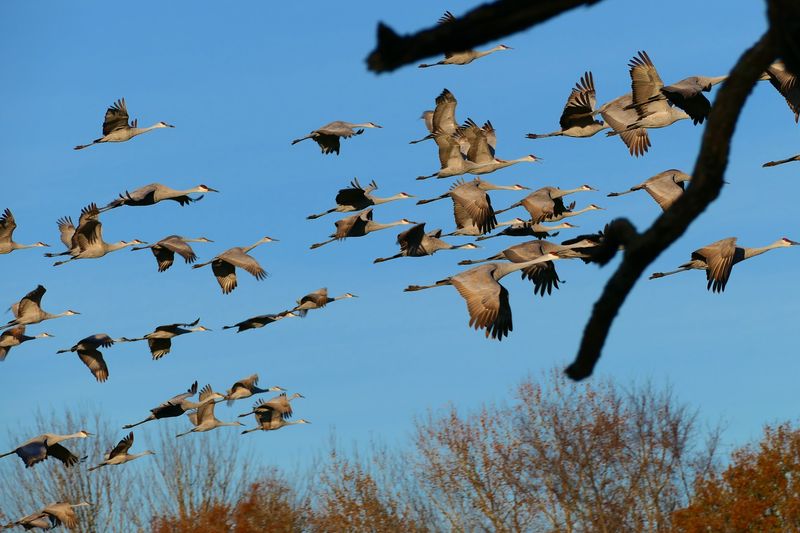
First comes the sound. Before you can even make out the birds, you hear a wobbly, warbling chorus rolling across the fields. It is part rattle, part trumpet, and completely unforgettable.
Then the shapes appear. Gray birds dot the fields in every direction, some strolling, some stretching, some bowing in odd little dances.
The real thrill is when a group takes off. Wings beat in a slow, heavy rhythm, long legs trail behind, and the calls get louder. Reviewers talk about groups in flight patterns, with birds calling the whole time.
It feels bigger than a normal wildlife sighting. You are not watching one bird, you are watching a whole community go about its day. Even people who came along just to be nice often end up grinning.
Winter weather adds to the mood. Several visitors mentioned a cold day, yet called it well worth it. Breath fogs, hands tuck into pockets, and everyone talks in whispers.
Words from past visitors capture it well: magical, peaceful, tranquil, awesome. Some folks say they felt calmer after just an hour. Do not rush it. Give yourself time to listen, watch, and let the valley do its thing. Many people leave already planning next year.
Tips for a Better Sandhill Crane Watching Trip
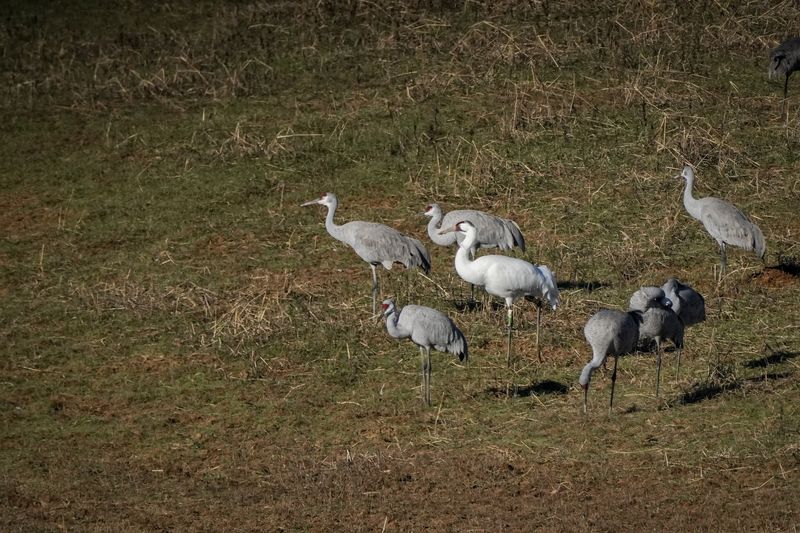
A little prep goes a long way out here. Start with binoculars, because the cranes are often far across the fields or on the island. A lot of reviewers wished they had a pair, and a few said photos were tough without extra zoom.
Dress warmer than you think you need. Open fields and river air can feel icy, even on a sunny day. Gloves, a hat, and layers will keep you out there longer, and longer is better with cranes.
Arrive early if you can. You will beat the crowds, find a good spot at the rail, and maybe catch the morning liftoff. Weekends and festival days get busy, so a weekday visit can be more relaxed.
Keep your voice low and your movements slow. Loud noises or sudden moves can spook birds. Stay behind fences and signs, and never try to get closer for a photo. The goal is to see natural behavior, not to cause a scene.
Know the facilities. Restrooms may not be open, so plan ahead. Also double check directions, since some visitors followed a phone map to a road that ends at the lake.
Bring a camera, but also spend a few minutes just looking. Pack water and a snack, and follow every rule posted by the refuge. Leave no trash behind.
Good habits keep this place open and welcoming for the cranes and for everyone who comes after you.
Make a Day of It in Birchwood and the Hiwassee Area
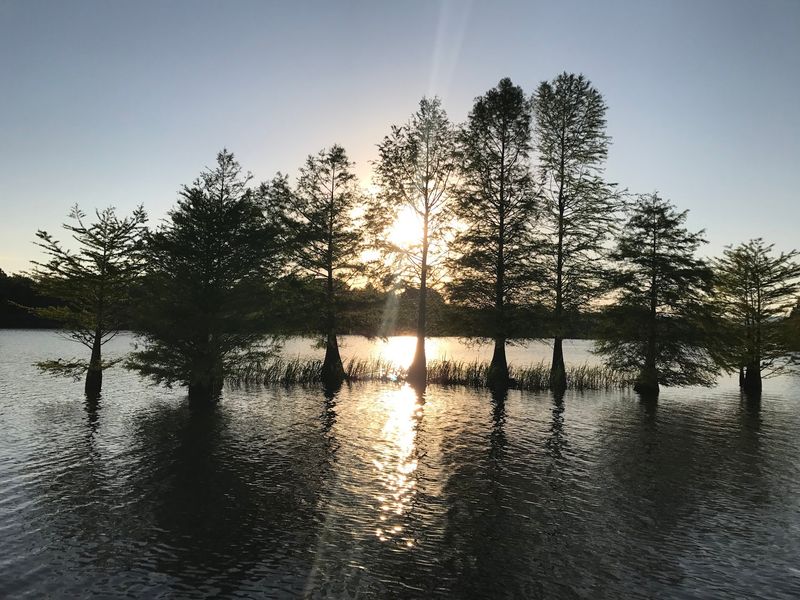
Once the cranes have settled in, you will probably still have plenty of daylight. Why not stretch the trip into a full Tennessee day? The drive alone is part of the fun, since visitors call the road into the refuge gorgeous.
Go slowly and enjoy the countryside. Farm fields, water views, and rolling hills make this a nice drive for photos. Pull off only where it is safe, and keep an eye out for deer.
Birchwood itself is a small community, and its annual crane festival in January is a highlight. The community center plays a role in festival days, with shuttles carrying visitors to the refuge. If your trip lines up, stop in to learn from rangers and other birdwatchers.
Even outside the festival, the refuge has more than cranes. Reviewers mention squirrels, ducks, deer, hawks, and eagles, and one visitor noted wildlife can be seen year round. A short walk to the overlook helps stretch your legs.
If you are coming from Chattanooga, the drive is easy and pleasant. That makes it simple to pair the cranes with a lunch stop on the way, or a coffee on the way home. Plan that part ahead since the area is rural, and services can be spread out.
Finish the day with another look at the sky near sunset. Cranes often return in waves, calling as they come in. It is a perfect way to close out a quiet winter adventure.