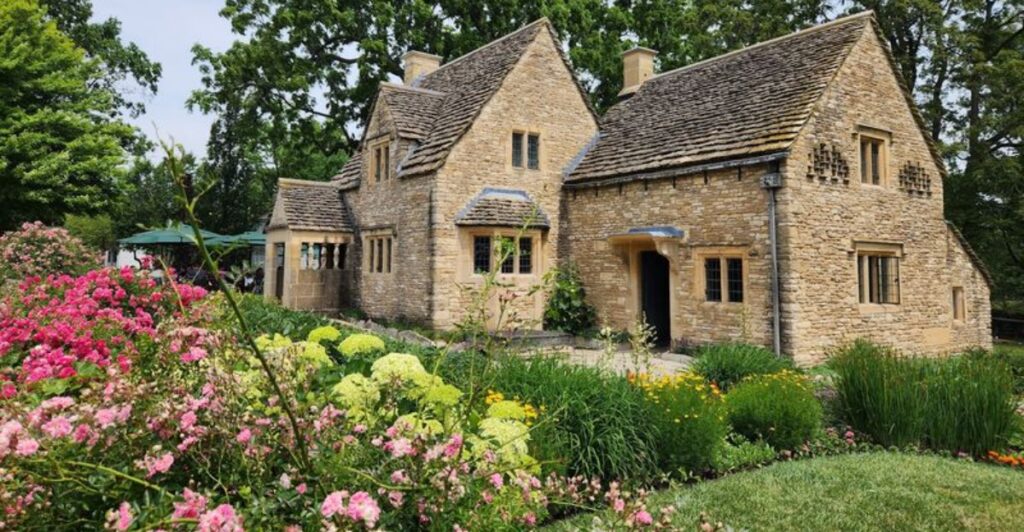
Some Michigan destinations make you earn the view, and that is part of what makes the trip so memorable. With two peninsulas, miles of shoreline, thick forests, and plenty of open road, getting there can feel like half the adventure. The drive might take you past small towns, lake overlooks, roadside stands, and stretches of scenery that make the miles go faster than expected.
Then comes the payoff: a place that feels far enough from home to make the journey worth it. For anyone who does not mind spending a few hours behind the wheel, these Michigan destinations prove that sometimes the best road trips start long before you arrive.
1. Frederik Meijer Gardens & Sculpture Park – Grand Rapids
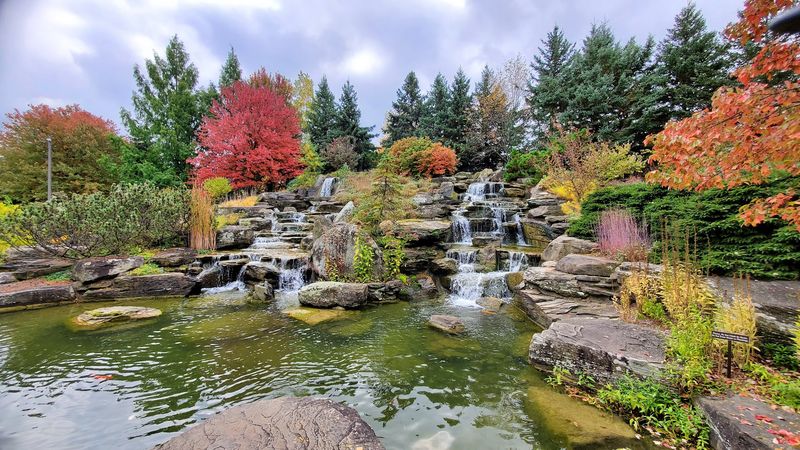
A giant bronze horse stands tall over the lawn, and it stops almost everyone in their tracks. That horse is one of the most famous pieces at Frederik Meijer Gardens, and it sets the tone for a place where art and plants share the spotlight. You can spend a whole day here and still miss things.
The drive into Grand Rapids is easy, whether you come from Detroit, Lansing, or the lakeshore. West Michigan highways roll past farms and orchards, so the trip in has its own quiet charm. Once you park, the real wandering begins.
Outdoors, the sculpture park spreads across rolling grounds with walking paths that loop around ponds and wooded spots. Big modern artworks pop up in surprising places, some bold and colorful, others strange enough to spark a good debate. Kids love guessing what each piece is supposed to be.
Inside, the tropical conservatory is a treat, especially on a chilly Michigan day. Warm, humid air wraps around you, and leafy plants tower overhead. In some seasons the gardens host special plant displays, so check the calendar before you go.
There is also a children’s garden with hands-on areas where little ones can splash, dig, and explore. If you’re traveling with a family, plan extra time here. It tends to be the part nobody wants to leave.
Comfortable shoes are a must, since the grounds are large and the paths keep pulling you farther. Bring water during summer and a light jacket in spring or fall. Summer evenings sometimes bring outdoor concerts, which add music to the mix.
Grand Rapids itself has plenty of places to eat afterward, so you can turn the visit into a full city day. Pair the gardens with a downtown dinner, and the long ride home goes by quickly while you compare favorite sculptures.
2. Palms Book State Park – near Manistique
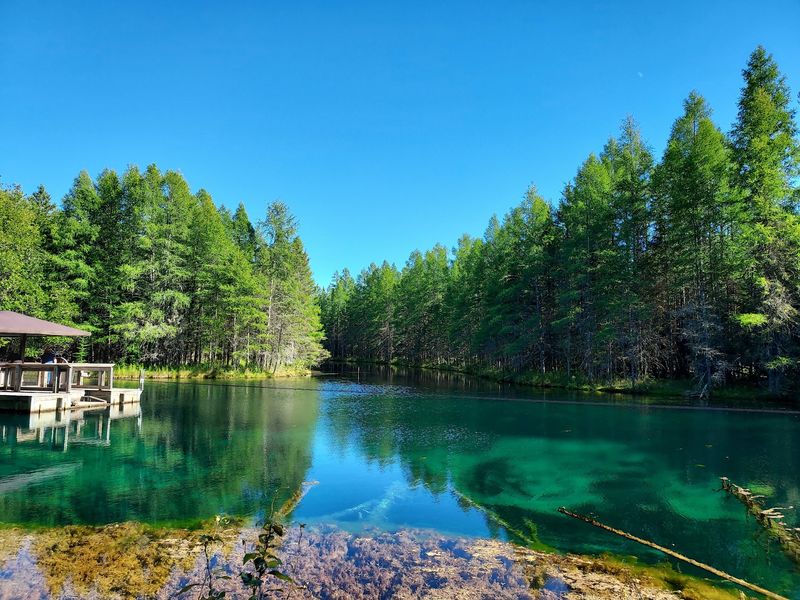
Picture looking straight down through water so clear you can count the pebbles on the bottom, dozens of feet below. That is the big draw at Palms Book State Park, home of a spring called Kitch-iti-kipi. Locals often call it the Big Spring, and it lives up to the name.
Getting there means heading deep into the Upper Peninsula, past quiet two-lane roads and thick woods near Manistique. The drive along the northern shore of Lake Michigan offers wide water views before you turn inland. Fill up on gas when you can, since stations get sparse.
Once you arrive, a short path leads to a wooden observation raft. You turn a hand-powered wheel, and the raft glides slowly across the spring on a cable. Kids usually fight over who gets to crank it, so take turns.
Look down through the viewing area in the center of the raft. Fish drift past ancient tree trunks resting on the bottom, and sand clouds swirl where water bubbles up from underground. The color shifts between emerald and turquoise depending on the light.
The water stays cold all year, and the spring does not freeze over in winter. That makes it a cool stop in any season, though roads can be snowy in colder months. Sunny days give the best views because light shines right down to the bottom.
The visit itself is short, often under an hour. Because of that, many travelers combine it with Manistique, nearby beaches, or a longer UP loop. Pack a picnic and find a spot along the lake afterward.
Keep in mind that a Michigan Recreation Passport is needed for state parks. Grab one when you renew your license plate or at the park, and it will cover several other stops on this list too.
3. Greenfield Village – Dearborn
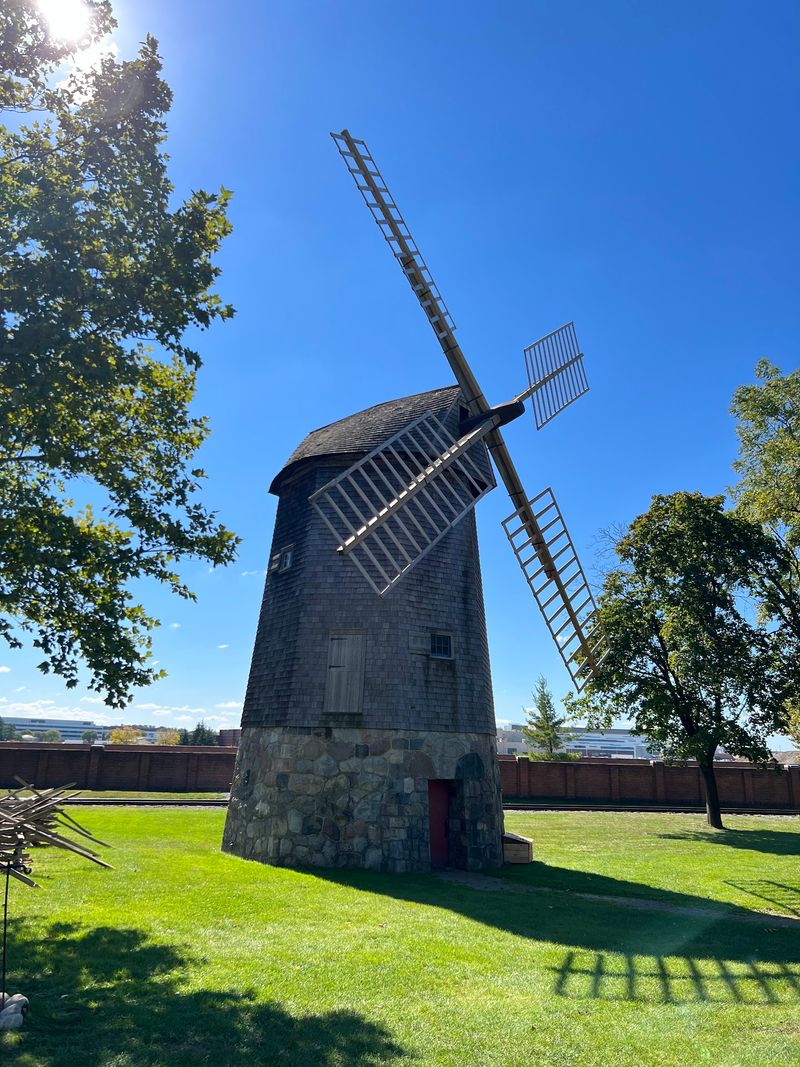
Ever wanted to ride in a Model T? At Greenfield Village, that wish can come true, along with plenty of other blasts from the past. The whole place is an outdoor history museum where old buildings, crafts, and rides bring earlier American life to the surface.
Dearborn sits right next to Detroit, so the drive is simple for folks in the southeast. For anyone coming from the west side or up north, it makes a solid weekend destination. Pair it with the Henry Ford Museum next door for a two-day trip.
Walking the village paths, you will pass historic homes, workshops, and farms. Many buildings were moved here from other places, including spots tied to famous inventors. Staff in old-style clothing often demonstrate skills like glassblowing, pottery, or tinsmithing.
Rides add extra fun. Depending on the day, you can hop on a steam train, a carousel, or a horse-drawn carriage. Those rides give tired legs a break, which matters because the village covers a lot of ground.
Food options lean toward old-fashioned flavors too. Grab a snack and rest under the shade trees. Watching the old cars rattle by makes for great people watching.
The village is seasonal, usually open in warmer months, with special holiday evenings later in the year. Check the schedule before driving out, since hours change through the seasons. Weekdays tend to be less crowded than weekends.
If you’re bringing kids, let them pick a few must-see buildings ahead of time. That keeps the day focused and avoids meltdowns. History buffs, on the other hand, may want to wander slowly and chat with the presenters.
Wear sneakers and bring a refillable water bottle. You will rack up steps fast, and a long drive home feels easier when you have stories about steam engines and farm animals to share.
4. Tahquamenon Falls State Park – near Paradise
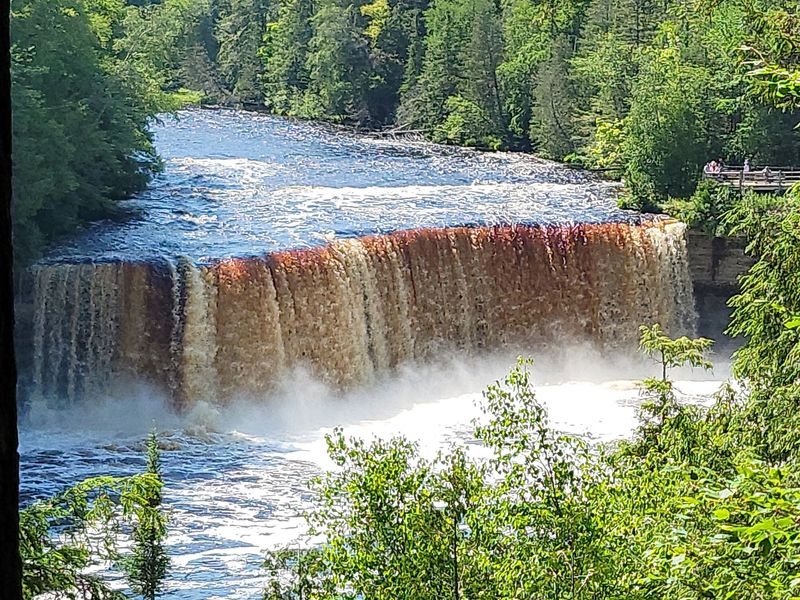
Root beer colored water is not something most people expect from a waterfall. Yet at Tahquamenon Falls, the river flows a rich amber brown, thanks to tannins from cedar swamps upstream. It is clean water, just naturally tinted, and it makes the falls look unlike anything else in the state.
The park sits in the eastern Upper Peninsula, near the tiny town of Paradise. Reaching it involves crossing the Mackinac Bridge for most drivers, which is a thrill on its own. After that, quiet roads through forest lead you north.
There are two main areas. The Upper Falls are the big showstopper, wide and powerful, with viewing platforms reached by stairs. The Lower Falls sit a few miles downstream and spread around a small island.
At the Lower Falls, you can often rent a rowboat and paddle over to the island. Walking its loop trail gets you close to the rushing water from different angles. It is a fun way to turn a scenic stop into a mini adventure.
Hikers can take a trail that connects the two falls, winding through deep woods along the river. It is longer and can be muddy, so pack sturdy shoes. Bug spray is smart in early summer.
Fall color season brings bright red and gold leaves framing the amber water. Winter has its own appeal, with ice formations and snowy trails, though you should check road conditions. Spring snowmelt makes the falls roar loudest.
Near the Upper Falls, a brewpub and restaurant has been a favorite stop for hungry travelers. Grabbing a meal there after a hike is a classic move.
Plan to combine this park with Whitefish Point and Paradise. All three sit close together, so one long drive covers a whole day of exploring.
5. Holland State Park – Holland
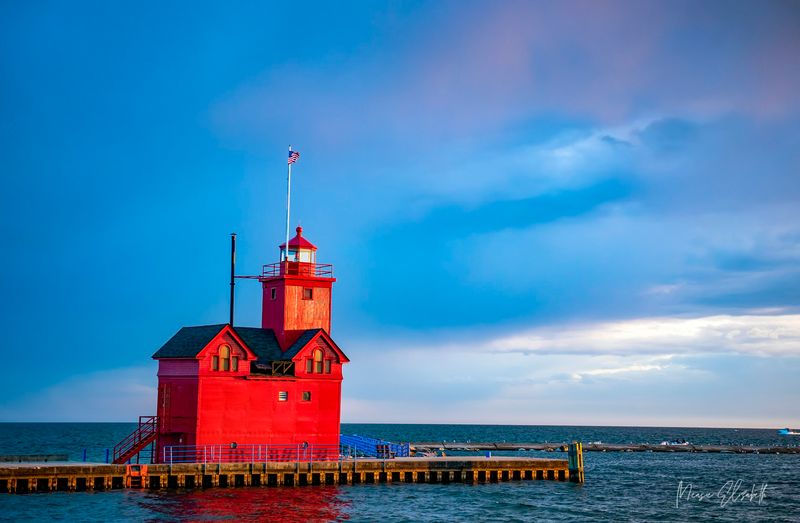
Big Red is the name, and once you see it, you will understand why. The bright red lighthouse at Holland State Park stands near the channel where Lake Macatawa meets Lake Michigan. It is one of the most photographed spots on the west coast of the state.
Holland is a manageable drive from Grand Rapids and much of the Lower Peninsula. The town is known for its Dutch roots and spring tulip festival. Rolling in during tulip season adds a burst of color to the whole trip.
The beach here is wide and sandy, with gentle waves on calm days. Families claim spots early on summer weekends, so arrive in the morning if you want parking. Sunset crowds also grow fast.
Walk out along the channel pier for a better look at boats heading in and out. The lighthouse sits on the opposite side, so you get a clear view of it across the water. Keep an eye on waves, since piers can get slippery and dangerous in rough weather.
Nearby, Mount Pisgah offers a stairway and boardwalk up a tall dune. The climb gets your heart pumping. At the top, sweeping views of the lake, the lighthouse, and the forest reward the effort.
The park also has a campground for anyone who wants to stay close to the shore. Reservations fill up quickly in summer, so plan ahead. Waking up near the beach makes the early morning crowd a non-issue.
Downtown Holland is only a short drive away, with shops, ice cream, and restaurants. In winter, some sidewalks there are heated, which is a fun quirk to notice.
Bring sunscreen, a beach umbrella, and a camera charged up. Sunsets over Lake Michigan here can turn the sky orange and pink.
6. Great Lakes Shipwreck Museum – Whitefish Point, near Paradise
Lake Superior has swallowed many ships, and Whitefish Point sits right along one of its most dangerous stretches. The Great Lakes Shipwreck Museum tells those stories in a setting that matches the mood. Wind, waves, and a lonely lighthouse make the history feel close.
The museum is near Paradise in the eastern Upper Peninsula. The road north from town runs along the shore and through quiet woods. It ends at the point, so you know you have truly reached the edge.
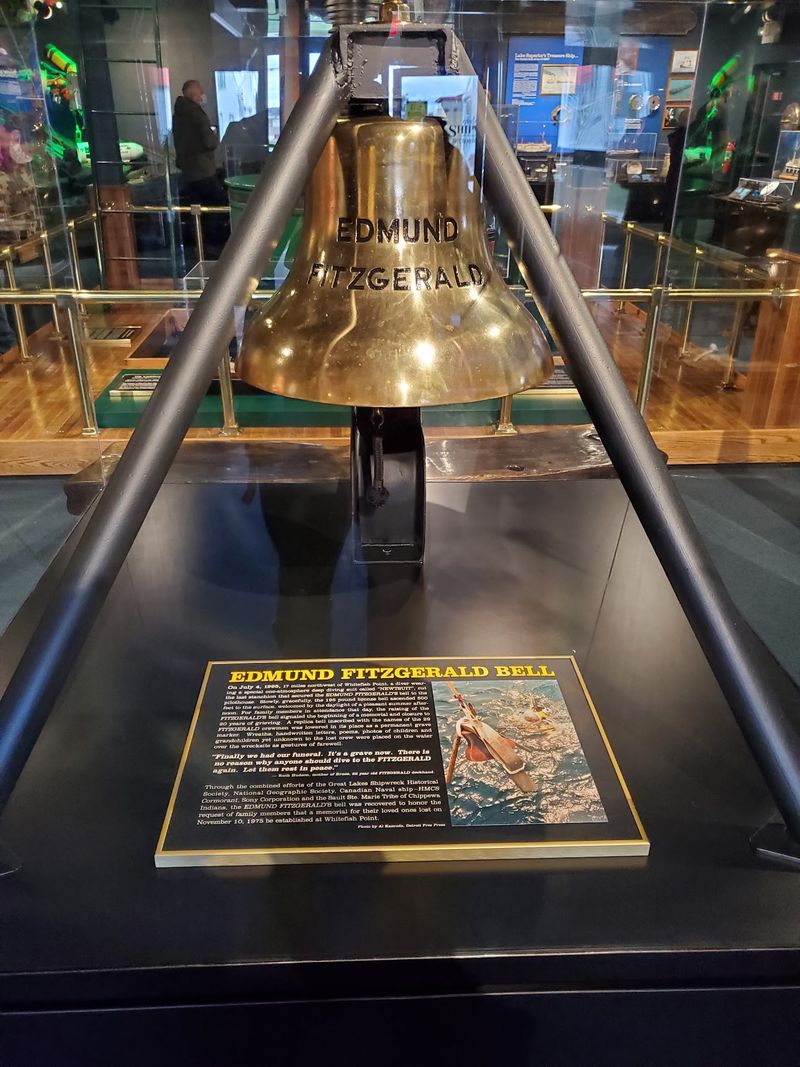
Inside, exhibits feature artifacts recovered from wrecks, along with models and stories of the sailors involved. The best-known display centers on the Edmund Fitzgerald, the freighter that sank in 1975. Its bell is on display as a memorial to the crew.
The historic light station grounds include restored buildings you can explore. Some tours take you through the keepers’ quarters, showing how families lived at this remote post. It gives a real sense of the isolation lighthouse crews faced.
Step outside to the beach and watch the giant freighters still passing by. Lake Superior looks calm one day and wild the next. Rock hounds sometimes search the shoreline for pretty stones.
Whitefish Point is also known among birders. During spring and fall migration, many birds funnel through the area. Bring binoculars if you have them.
Check museum hours before heading out, since it runs on a seasonal schedule. Dress in layers, because even summer days can turn chilly near the big lake.
Pairing this stop with Tahquamenon Falls makes perfect sense. Spend the morning at the falls, then head to the point for an afternoon of shipwreck tales. You will drive home with a new respect for the Great Lakes and the people who sailed them.
7. Porcupine Mountains Wilderness State Park – near Ontonagon
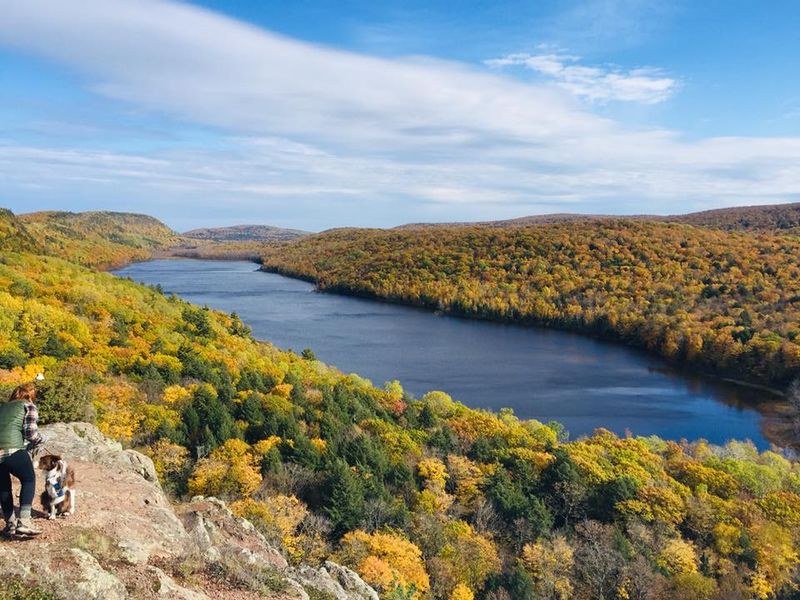
Out in the far western Upper Peninsula, the Porcupine Mountains rise over Lake Superior like a rugged secret most people never reach. Locals just call them the Porkies. If you’re craving real wilderness in Michigan, this is the place.
The drive is long no matter where you start. Expect miles of forest, small towns, and few distractions once you near Ontonagon. Download maps ahead of time, because cell signal can disappear.
The famous first stop is the Lake of the Clouds overlook. A short walk from the parking lot brings you to a cliff edge looking down on a long lake tucked between ridges. In fall, the hills explode in red and orange.
Serious hikers have a huge trail network to explore, with routes leading to waterfalls, rivers, and old forest. Some trails are rough and steep, so plan your route carefully. Backpackers can book rustic cabins deep in the park, which feel like a reward after a day of hiking.
Along the Presque Isle River on the west side, a series of waterfalls tumble through rocky gorges. Boardwalks and trails give you good views. It is a great option if you want scenery without a full-day trek.
Winter brings a ski area and snowshoeing opportunities. Spring and early summer bring bugs, so pack strong repellent. Fall is often the busiest season for good reason.
Wildlife is part of the deal here. Black bears live in the park, so follow food storage rules carefully. Keep your distance from any animals you spot.
Stock up on snacks and gas before heading in. Services are limited, and the nearest grocery store may be farther than you expect. The trade-off is quiet trails and huge views without the crowds of more popular parks.
8. Detroit Historical Museum – Detroit
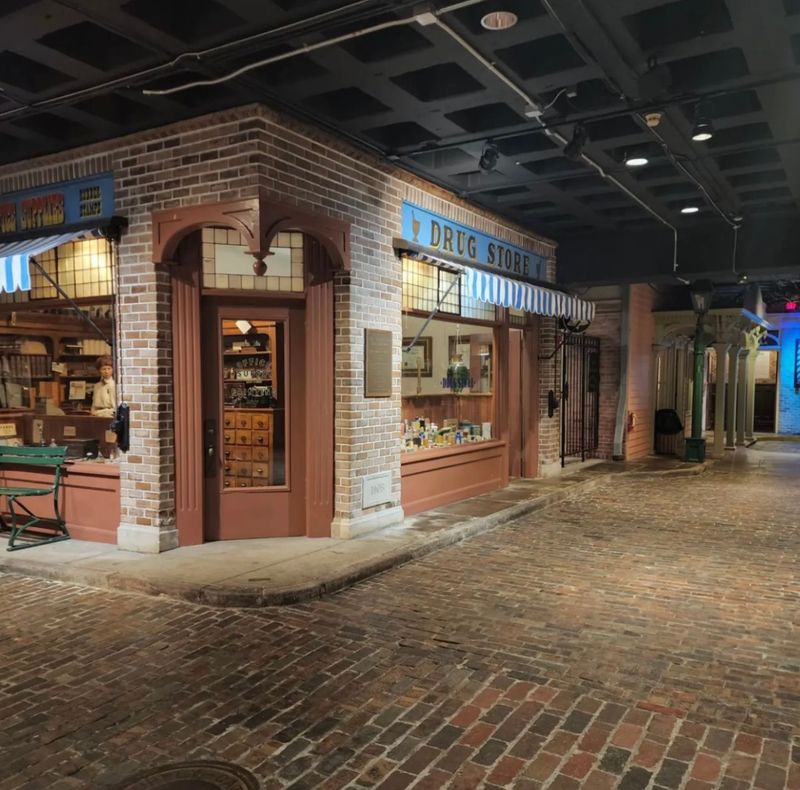
Cobblestones under your feet inside a building? At the Detroit Historical Museum, you can stroll down a recreated old city street complete with shops from long ago. It is a fun way to step back into Detroit’s early days.
The museum sits in Midtown, close to other big cultural spots like the Detroit Institute of Arts. That makes it easy to plan a full city day. If you’re driving in from out of town, the area has paid parking options nearby.
One of the highlights explores Detroit’s role as the Motor City. You can learn how car production shaped the city and the country. An assembly line display gives a sense of how vehicles came together piece by piece.
Another popular section covers the Underground Railroad and Detroit’s role as a stop on the path to freedom in Canada. Exhibits share stories of courage and community. It adds depth to the city’s history beyond cars.
Kids often love the toy and childhood displays, along with the model train setups. Holiday seasons sometimes bring extra exhibits that tie into Detroit traditions. Ask at the front desk about anything special during your visit.
Plan to spend a couple of hours here. That leaves time to grab lunch in Midtown, where you will find plenty of local restaurants. Coffee shops and bakeries make good recharging spots.
Check admission details before you go, since policies may change over time. The museum is usually closed on certain weekdays, so confirm hours online.
For travelers coming from far corners of the state, this stop pairs nicely with Dearborn’s museums. A weekend in metro Detroit can cover cars, inventions, and city history all in one trip. The drive home will be full of conversations about how the city grew.
9. Sleeping Bear Dunes National Lakeshore – Empire and Glen Arbor area
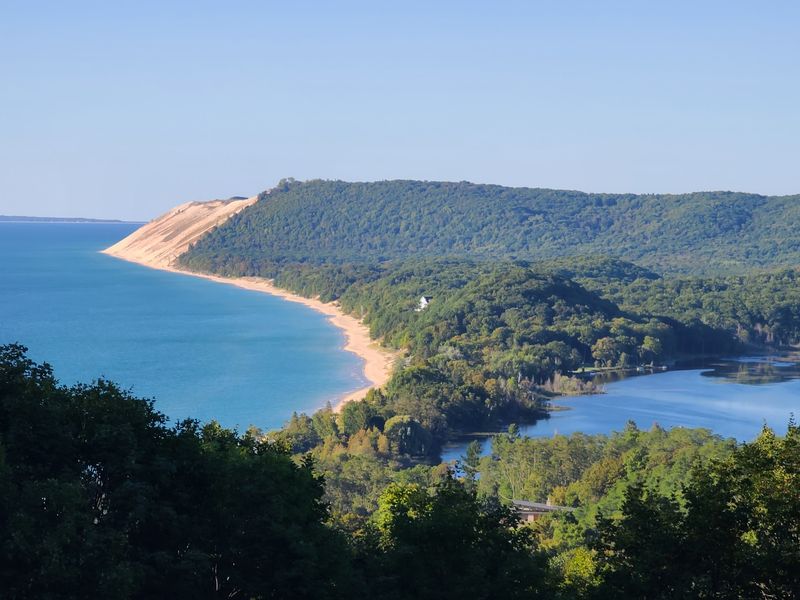
According to an Anishinaabe legend, a mother bear waited on the shore for her cubs, who became the Manitou Islands offshore. She became the Sleeping Bear dune. That story gives this stretch of coastline a name you will never forget.
The drive here through northern Michigan is a big part of the fun. Roads near Traverse City pass orchards, vineyards, and farm stands. Stop for cherries in summer if you spot a roadside sign.
The Dune Climb is the classic challenge. A giant wall of sand rises in front of you, and kids sprint up while adults puff along behind. Going down is the easy and fun part.
Pierce Stocking Scenic Drive offers overlooks with jaw-dropping views of Lake Michigan from high above. One overlook sits on a steep bluff above the water. Signs warn against climbing down, because getting back up is extremely hard and rescues can be costly.
Glen Arbor and Empire make cozy bases with shops, food, and beach access. Glen Haven has a historic village area near the water. Biking the Sleeping Bear Heritage Trail is another relaxed way to explore.
Beaches here range from busy to peaceful. The water is often clear and blue, though it stays cool even in summer. Bring water shoes for rocky spots.
A national park pass is required, so buy one online or at a visitor center. The Empire visitor center has maps and helpful rangers. Ask them about trail conditions before you set out.
Summer and fall are the busiest times. Arrive early to beat parking struggles at popular spots. If you’re staying a few days, try sunrise at a beach and sunset at an overlook for two totally different views of the same lake.
10. Soo Locks Visitor Center – Sault Ste. Marie
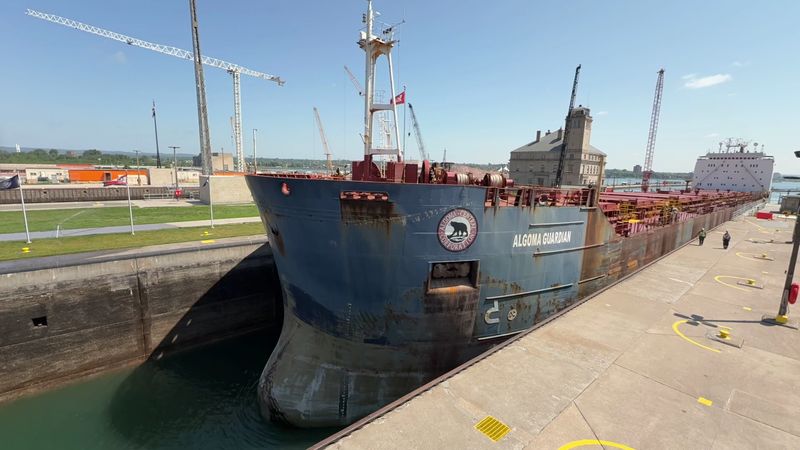
Watching a ship longer than several football fields rise or fall right in front of you is a sight that sticks. At the Soo Locks in Sault Ste. Marie, giant freighters move between Lake Superior and Lake Huron.
The locks lift and lower them to handle the difference in water levels.
Sault Ste. Marie is Michigan’s oldest city, sitting at the top of the Lower Peninsula’s reach across the bridge. After crossing the Mackinac Bridge, the drive north on the interstate is straightforward.
Before long, you are on the Canadian border.
The visitor center has exhibits about how the locks work and why they matter for shipping. Models and displays explain the process in simple ways. Kids get a kick out of learning how water does all the heavy lifting.
The observation platform is where the action happens. When a freighter arrives, people gather to watch it slide into the lock. Crew members sometimes wave from the deck.
Ship timing varies, so check online tracking tools or ask staff about upcoming arrivals. A little planning can save you from waiting too long. Grab a snack while you wait.
Boat tours offer another view, taking you through the locks yourself. That experience shows the water level changing around you. It is a fun way to understand the scale of the system.
The locks area connects to a walkable downtown with shops and restaurants. A park along the water offers places to relax. The view across to Canada adds another layer of interest.
Shipping season generally runs from spring into winter, with a winter shutdown for maintenance. Plan your trip during the active months. Combining this stop with Tahquamenon Falls or Whitefish Point turns an eastern UP road trip into a packed adventure.
11. Saugatuck Dunes State Park – near Saugatuck
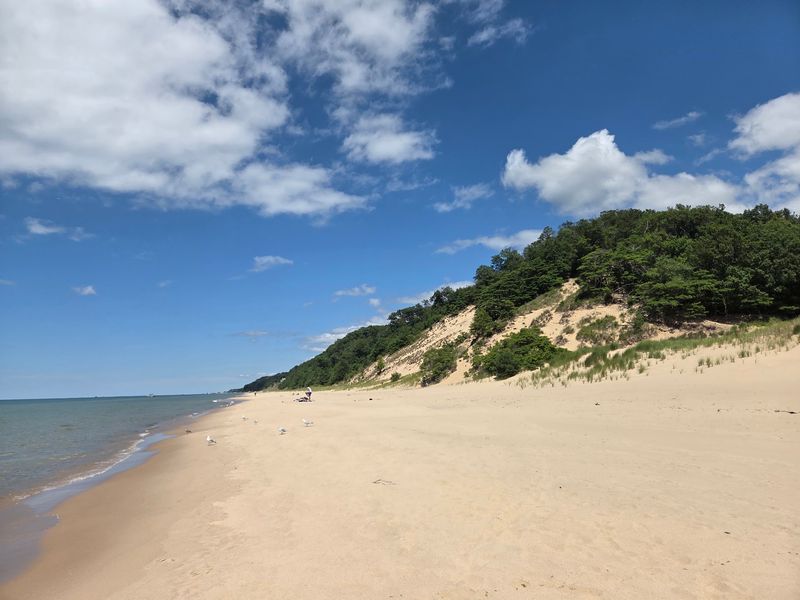
Quiet is the selling point here. While other beaches pack in crowds, Saugatuck Dunes State Park asks you to work a little for your sand. That small effort weeds out a lot of people.
Saugatuck is an artsy lakeside town known for galleries, boutiques, and boating. Drive in from Holland or Grand Rapids, and you will find a laid-back resort vibe. The state park sits just north of town.
From the parking area, a hiking trail winds through wooded dunes before reaching the beach. The walk takes some time and includes sandy hills that test your legs. Bring a light bag, because everything you carry has to come with you.
Once you reach the shore, the reward is a long stretch of beach with room to spread out. Waves roll in from Lake Michigan, and the dunes rise behind you. It is a great place for reading, napping, or skipping stones.
There are several trails in the park, so you can pick a shorter or longer route. Shady forest sections offer a break from the sun. Birdwatchers may spot songbirds among the trees.
The park has limited amenities compared to busier beaches. Pack water, snacks, and sunscreen. Plan bathroom stops before heading out on the trail.
After your beach time, head into Saugatuck for food and shopping. A classic option nearby is the hand-cranked chain ferry that carries walkers across the river. It is a quirky little ride that many visitors enjoy.
If you’re up for more dunes, the nearby area also offers dune ride tours. Those tours zip across sandy hills and make a fun change of pace. With a little planning, a single day can cover trails, beach time, and small-town fun.
12. Henry Ford Museum of American Innovation – Dearborn
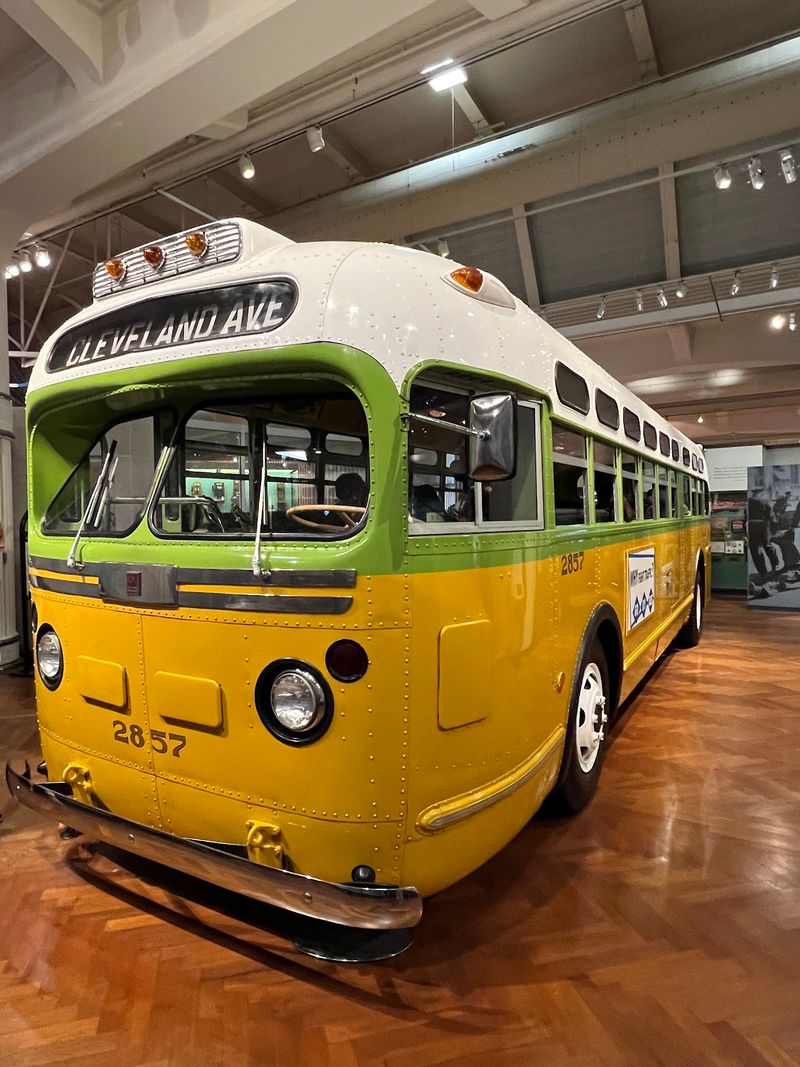
Some objects carry history in their steel and seats. At the Henry Ford Museum of American Innovation, you can stand next to the bus where Rosa Parks refused to give up her seat. It is a powerful moment in a museum packed with game-changing items.
The museum sits beside Greenfield Village in Dearborn. Many families plan a two-day trip to see both. If time is tight, pick this one for a rainy day, since everything is indoors.
Cars play a starring role, as you might guess. You will see vintage vehicles, presidential limousines, and race cars. Car lovers can lose hours here easily.
Beyond cars, there are huge trains, airplanes, and farm machines. A massive steam locomotive towers over visitors. Kids often stand in awe of its sheer size.
Exhibits also explore inventions that shaped daily life, from early household tools to modern tech. Interactive displays let you try things hands-on. It helps make big ideas easier to understand.
Another popular offering is the Ford Rouge Factory Tour, which usually leaves from the museum. You can see parts of a real working truck plant from overhead walkways. Check availability before your visit.
Pace yourself, because the museum floor is large. Pick a few must-see areas first, then explore the rest. Benches and cafes offer chances to rest.
Buying tickets online can save time at the entrance. Combo tickets for multiple attractions may be offered, so compare options. Parking is available on site.
For long-distance travelers, Dearborn makes a handy hub. Nearby hotels and restaurants make it easy to stay overnight. Spend one day here and another in the village, and your drive home will be filled with talk of engines and inventors.
13. Pictured Rocks National Lakeshore – between Munising and Grand Marais
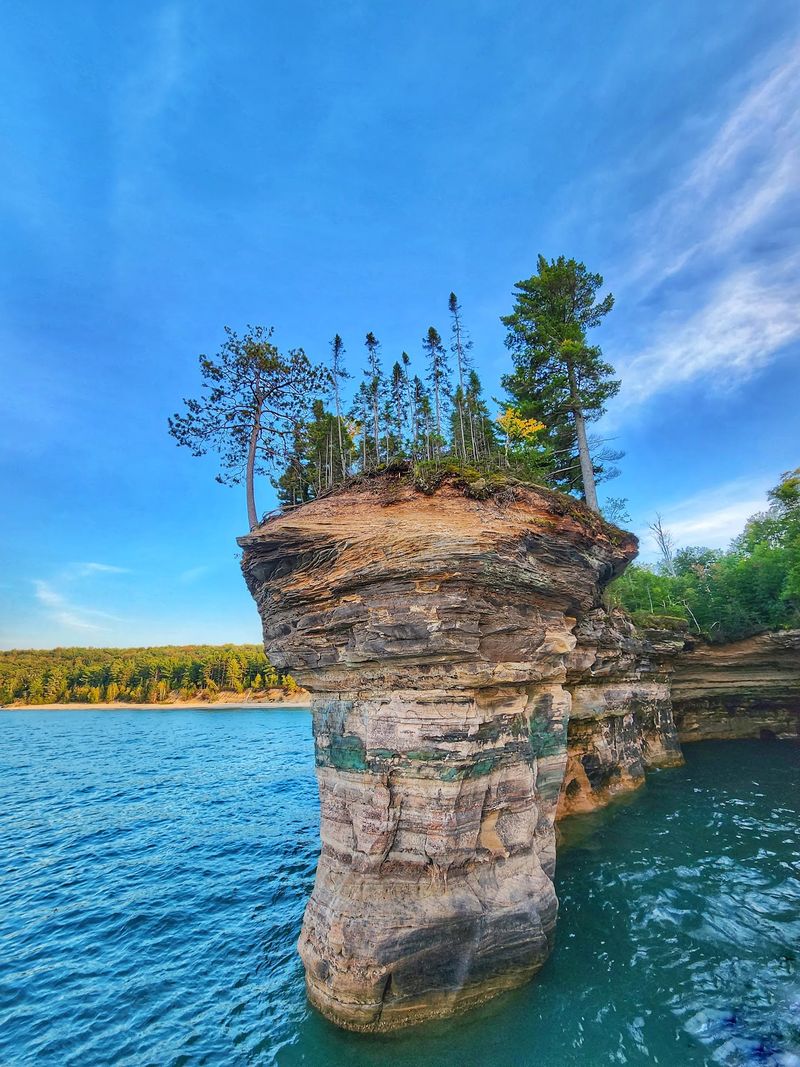
Streaks of orange, green, and white run down towering cliffs like someone spilled paint along the shore of Lake Superior. Minerals seeping through the sandstone created those colors over time. Pictured Rocks earned its name for good reason.
The lakeshore stretches between Munising and Grand Marais in the central Upper Peninsula. Drives here pass through forests and small towns. The road along this stretch offers pretty glimpses of the lake.
The best way to see the cliffs is from the water. Boat cruises leave from Munising and glide past rock arches and caves. Kayak tours bring you even closer, though Lake Superior can get rough, so a guided trip is safest for beginners.
On land, Miners Castle offers an easy overlook of a rock formation shaped a bit like a castle turret. Hiking trails lead to waterfalls like Munising Falls and Chapel Falls. Chapel Rock, with a tree growing on top, is a favorite hiking goal.
Toward the eastern end, Grand Sable Dunes and the Log Slide overlook offer huge sandy views. The Log Slide was once used to send logs down to the water. Going down is easy, but climbing back up is famously tough.
Twelvemile Beach and Miners Beach let you rest by the shore. The water is cold, even in summer. Rock hunting along the beach is a popular pastime.
Summer is busiest, and parking at top spots fills up fast. Arrive early or visit on weekdays. Fall brings bright colors and fewer bugs.
Plan at least two days if you can. Munising and Grand Marais both have lodging and food. A slower pace gives you time for boat rides, hikes, and beach breaks without feeling rushed.
14. Ludington State Park – near Ludington
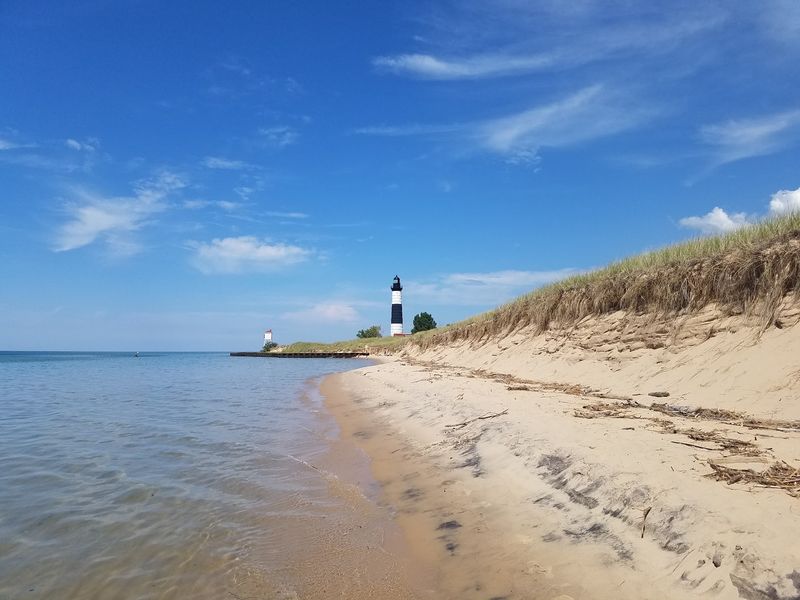
Here is a fun challenge: walk about two miles along a sandy trail to reach a black and white striped lighthouse. That hike to Big Sable Point Lighthouse is one of the favorite things to do at Ludington State Park. The tower stands proud among the dunes.
Ludington sits on Lake Michigan’s western coast. The drive takes you through small towns and farm country. As you get closer, the lake views start showing up.
The park sits between Lake Michigan and Hamlin Lake. That gives you two very different kinds of water. Big lake waves on one side, calmer inland water on the other.
Hamlin Lake is great for canoeing and kayaking. Rentals are often available during summer. Paddling through quiet coves makes a nice break from busier beaches.
Trails wind through forests and dunes across the park. Some lead to scenic spots and old shelters. A canoe trail on Hamlin Lake offers another way to explore.
The beach along Lake Michigan is wide and sandy. Families set up for full days in the sun. The Big Sable River flows nearby, and kids love floating along it on tubes in summer.
Camping is very popular here, and sites can book up months ahead. Planning early is key for summer weekends. Cabins and campsites help you stretch out your visit.
Downtown Ludington has shops, restaurants, and ice cream stands. The city is also home to a car ferry that crosses Lake Michigan to Wisconsin. Watching it arrive or depart adds a fun moment.
Pack sunscreen, sturdy sandals, and water for the lighthouse walk. The sand can be tiring to walk through. Once you get there, climbing the tower when it is open gives you a breezy lake view.
15. Mackinac Island State Park – Mackinac Island
No cars allowed. On Mackinac Island, people get around on foot, bikes, or horse-drawn carriages. That single rule sets the island apart from nearly everywhere else.
Getting there involves a drive to Mackinaw City or St. Ignace, then a ferry ride across the water. On the way, the Mackinac Bridge stretches over the straits in a grand display of engineering. The ferry ride itself offers great views of the bridge and island.
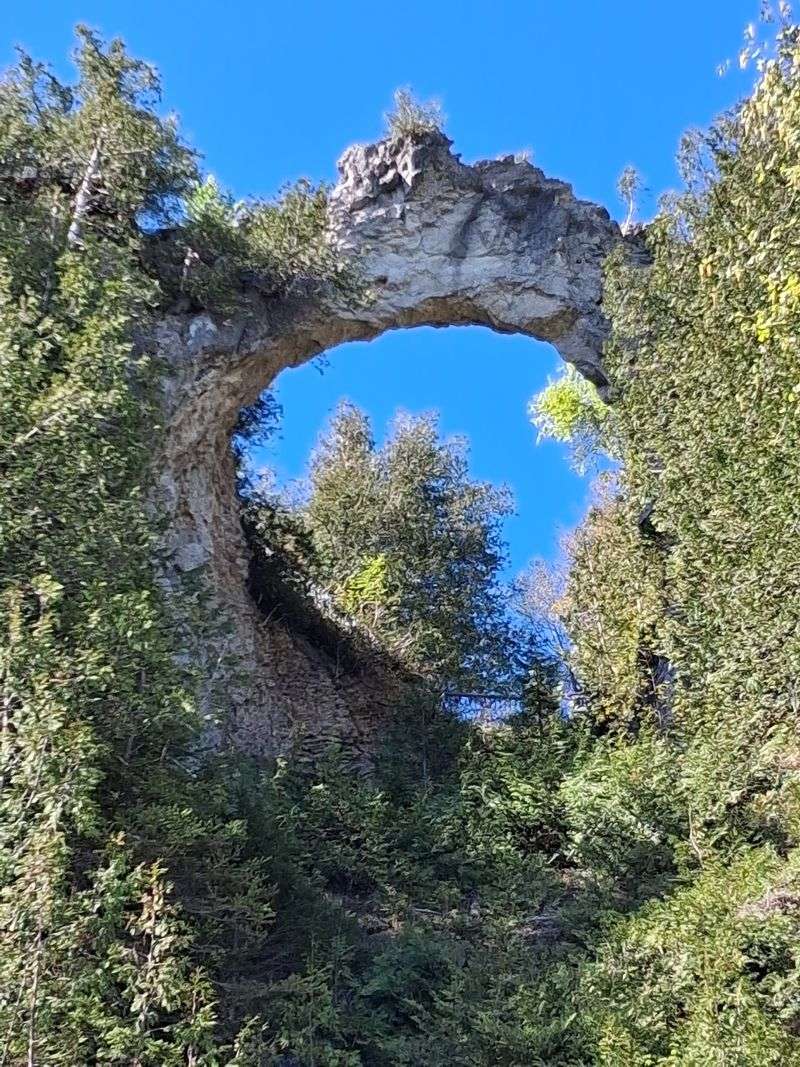
Much of the island is part of Mackinac Island State Park. Trails cross wooded hills and lead to natural formations. Arch Rock is the star, a limestone arch high above the water.
Fort Mackinac sits on a hill above the harbor. Historic buildings and costumed staff share stories of the fort’s past. Cannon and rifle demonstrations may happen during your visit.
Biking around the island is a must for many visitors. A road circles the shoreline, offering flat, scenic riding. Bike rentals are easy to find near the docks.
Fudge shops line Main Street, and samples are common. You will smell sugar and chocolate as soon as you step off the ferry. Grab a box to bring home.
Summer brings crowds, especially on weekends. Early morning or evening visits help you avoid busy times. Staying overnight lets you see the island after day visitors leave.
Remember that the island has limited options for groceries and services. Bring what you need and plan meals. Horses also share the roads, so watch where you step.
A visit here mixes history, nature, and small-town charm in a compact space. With a car left behind on the mainland, the slower pace becomes part of the trip. That makes the long drive up north a natural part of the experience.