New Jersey and low property taxes do not usually appear in the same sentence unless somebody is joking. This is the state where homeowners swap tax horror stories the way other people compare gas prices.
But tucked between the better-known high-bill suburbs and glossy shore enclaves are places where the annual property-tax hit is far less brutal than the statewide norm. In 2024, New Jersey’s average property-tax bill climbed to a record $10,095, which makes any town sitting far below that line worth a serious look.
For this list, the focus stays on municipalities with notably low average residential tax bills in the latest state data, while steering around a few statistical oddballs that are tiny, unusual, or not especially useful to readers hunting for realistic affordability.
The result is a lineup of places where lower taxes are not just a trivia fact. They are part of a more manageable cost-of-living story.
1. Woodbine, Cape May County
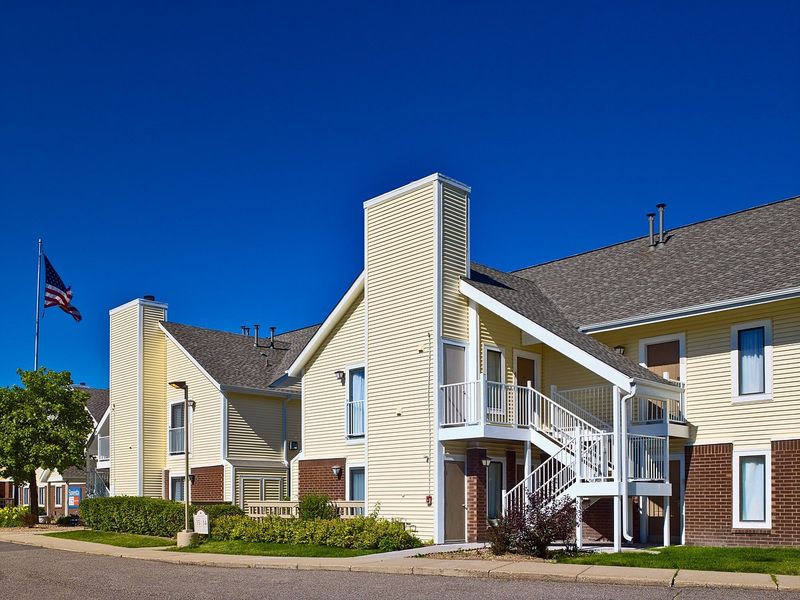
At first glance, Woodbine feels like one of those places people drive past without realizing it is quietly doing something rare in New Jersey: keeping the average residential tax bill extremely low.
In the state’s 2024 data, Woodbine comes in at $2,067, which is not merely low by New Jersey standards, but startlingly low when the statewide average sits above ten grand.
The town’s average 2024 sales price of about $241,142 makes the story even more interesting, because this is not just a tax fluke attached to million-dollar houses. It is one of the cleaner “affordability plus manageable carrying costs” combinations you will find anywhere in the state.
Woodbine also has a very different pace from North Jersey’s denser commuter towns. That matters.
Buyers looking here are often less interested in bragging rights and more interested in monthly math that actually works. The setting has a quieter, South Jersey feel, with more breathing room and less of the polished suburban pressure that can drive both home prices and tax bills upward.
It will not be the right fit for someone who wants a downtown packed with nightlife and coffee bars every ten feet, but for buyers who care more about value than flash, Woodbine has a strong case.
In a state where taxes can wreck a budget faster than the mortgage itself, a town posting a residential average barely above two thousand dollars gets attention fast, and deservedly so.
2. Camden, Camden County
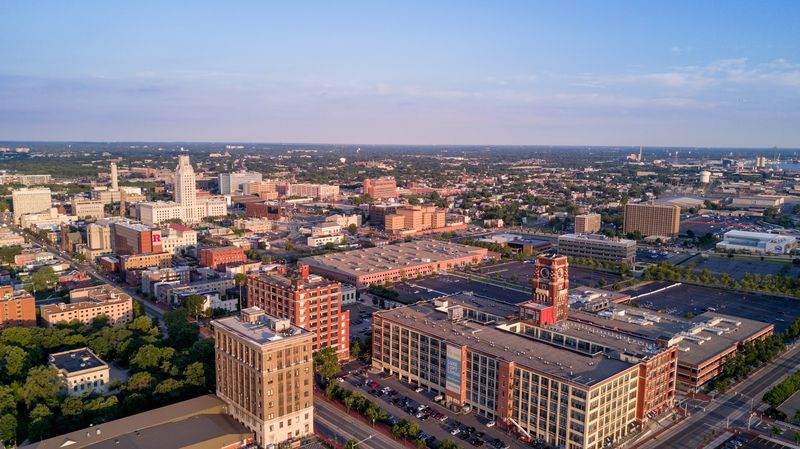
No one who knows New Jersey is going to confuse Camden with a sleepy bargain-hunter secret, but ignoring it on a low-tax affordability list would be ridiculous. The city’s average residential tax bill is $2,072 in the 2024 state report, putting it right near the bottom statewide.
Pair that with an average 2024 sales price of about $110,630, and Camden instantly stands out as one of the least expensive housing markets in New Jersey on paper. That “on paper” part matters, because this is a city where neighborhood-by-neighborhood variation is not a side note.
It is the entire conversation. Some buyers will see opportunity, especially those willing to target blocks with stronger momentum, proximity to employers, or access to the waterfront and university-area investment.
Others will decide the trade-offs are not for them. Both reactions are fair.
What makes Camden compelling for this particular article is not that it is universally appealing. It is that the tax burden is undeniably low, and in a state famous for crushing property bills, that alone changes the cost equation.
For a buyer comparing monthly expenses, a tax bill near two thousand dollars can leave far more room for repairs, insurance, or simply breathing easier. Camden is not a polished fantasy version of affordability.
It is the real, complicated version. That gives the city more credibility than a lot of prettier-sounding places with nicer brochures and much uglier annual bills.
Anyone writing about affordable New Jersey towns without naming Camden would be skipping one of the boldest examples in the data.
3. Commercial Township, Cumberland County
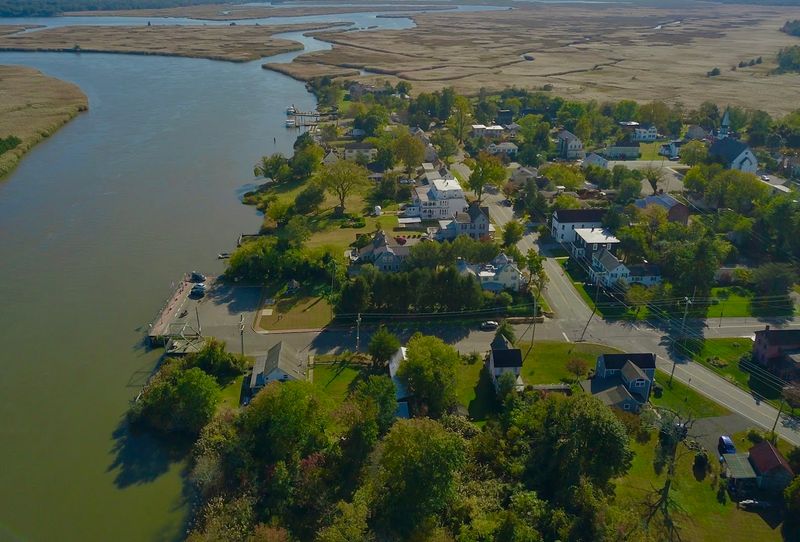
South Jersey shows up again and again on any honest list of lower-tax communities, and Commercial Township is one of the clearest examples of why.
Its average residential property-tax bill lands at $2,838 in the 2024 state numbers, which still feels almost suspiciously low once you remember what homeowners pay in much of the rest of New Jersey.
The average 2024 sales price, roughly $151,704, helps explain why the township reads as a true affordability option instead of a technicality. This is the kind of place where budget-minded buyers can see the whole cost picture making sense at once.
There is no glamor-push here, and honestly that is part of the appeal. Commercial Township is not pretending to be a mini Hoboken or an under-the-radar Montclair.
It leans rural, spread out, and practical. People who like a little elbow room, a less frantic pace, and housing costs that do not trigger a stress headache will understand the draw quickly.
The township’s lower taxes also matter because in modest-price markets, carrying costs can still ruin the bargain if the annual tax number balloons. That is not happening here to the same extent.
For buyers who care more about affordability than status symbols, Commercial Township offers one of the stronger value plays in the state. It is the kind of place locals mention when they are done listening to someone complain that nothing in New Jersey is affordable anymore.
Turns out some corners still are. You just have to be willing to look where the flashy relocation guides usually do not.
4. Dennis Township, Cape May County
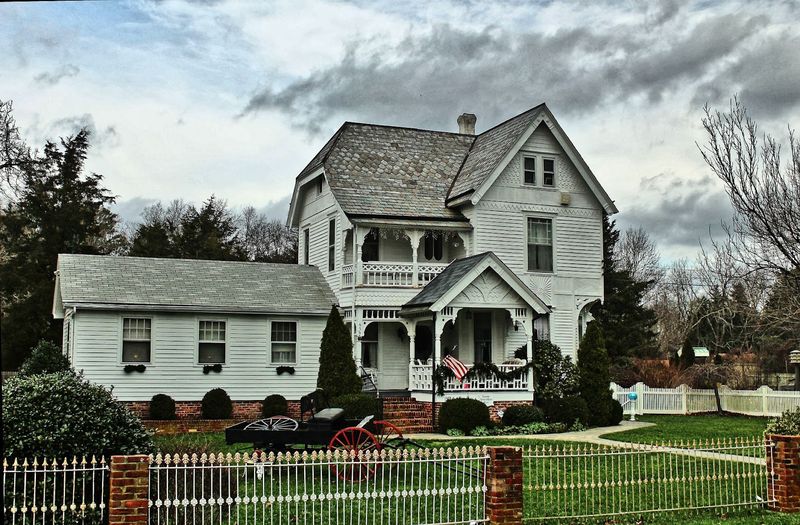
Cape May County is not usually where people expect to find a tax-friendly bargain. Too much of the region is shaped by shore demand, seasonal pricing, and the kind of real-estate heat that can send costs flying.
That is what makes Dennis Township such a strong pick. Its average residential tax bill is $3,565 in the 2024 state report, with an average sales price of about $352,789.
That combination is impressive for the county, especially compared with nearby places where even a modest house can come with a much nastier annual tax bill. Dennis has a quieter, inland energy that separates it from the splashier shore municipalities.
You are not paying for boardwalk buzz here. You are getting a more residential setting with easier access to Cape May County’s beaches and attractions without taking the full financial punch that comes with living in them.
For plenty of buyers, that is the sweet spot. The taxes are low enough to matter every single year, and the home prices are still within reach of households that have given up on the idea of “cheap” but still want “reasonable.”
Dennis also works nicely in an affordability story because it is not a strange outlier with almost no housing stock.
It feels like a real place for real homeowners. That makes the data more useful.
In a county where people often assume affordability is long gone, Dennis Township quietly proves that the map is more nuanced than that. Sometimes the trick is not chasing the beach address itself.
It is finding the town nearby where the numbers stay saner.
5. Trenton, Mercer County
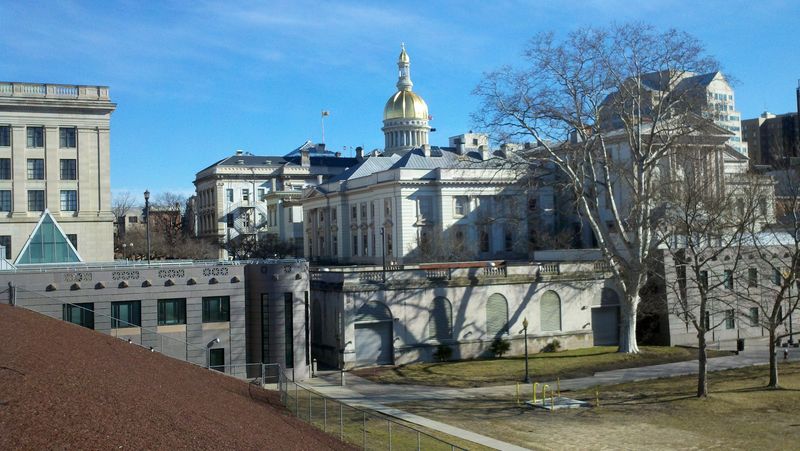
As the state capital, Trenton comes with a bigger reputation than most towns on this list, but the tax number alone earns it a seat. The city’s average residential tax bill is $3,690 according to New Jersey’s 2024 municipal data, which is dramatically below the statewide average.
That gap is not small. It is the kind of difference that can shift a household budget from barely manageable to realistic.
Trenton’s affordability story, of course, is more layered than a single tax figure. This is not a one-note market.
Some parts of the city feel more stable and livable for owner-occupants than others, and smart buyers pay attention to block-level conditions, housing stock, and access to rail or major roads. Still, it would be impossible to write a credible article on low-tax New Jersey municipalities and leave out the capital city.
The math is simply too strong. Trenton also has something many lower-cost places do not: institutional weight.
Government offices, transit connections, historic neighborhoods, and a central location give it a practicality that goes beyond bargain pricing. Buyers who want an urban environment without North Jersey’s price madness may find the city more compelling than its reputation suggests.
The key is realism. Trenton is not a polished fantasy version of affordability; it is a city where value depends on choosing carefully.
But that does not weaken its case. It strengthens it.
Lower taxes are most meaningful when they show up in places people can actually use, and Trenton absolutely fits that description for buyers who know how to look beyond the broad-stroke stereotypes.
6. Bridgeton, Cumberland County
Bridgeton has been on affordability radar screens for years, and the newest state figures do nothing to change that. The city’s average residential tax bill is $3,805, while the average 2024 sales price sits around $156,269.
That is the kind of pairing that immediately catches the eye in New Jersey, where it often feels like buyers must choose between a lower purchase price and a lower tax burden, but rarely get both. Bridgeton offers a better shot at that balance than many communities do.
The city also has the bones of an older, established place rather than a manufactured affordability story. There is history here, a real street grid, long-standing neighborhoods, and the kind of housing stock that can appeal to buyers looking for character without paying restoration-show premiums.
Some homes will need work. Some blocks will feel stronger than others.
That is true in most genuinely affordable places, and pretending otherwise would make the article sound like a brochure. What makes Bridgeton worth highlighting is that it keeps the annual tax bill relatively contained even as it remains one of the lower-priced housing markets in the state.
For households trying to stay in New Jersey without surrendering every spare dollar to housing, that matters enormously. Bridgeton is not a place that depends on hype.
It depends on arithmetic. And right now the arithmetic is doing it a favor.
Anyone willing to think practically instead of chasing the same overheated zip codes as everyone else will see why this Cumberland County city keeps getting mentioned in serious affordability conversations.
7. Salem, Salem County
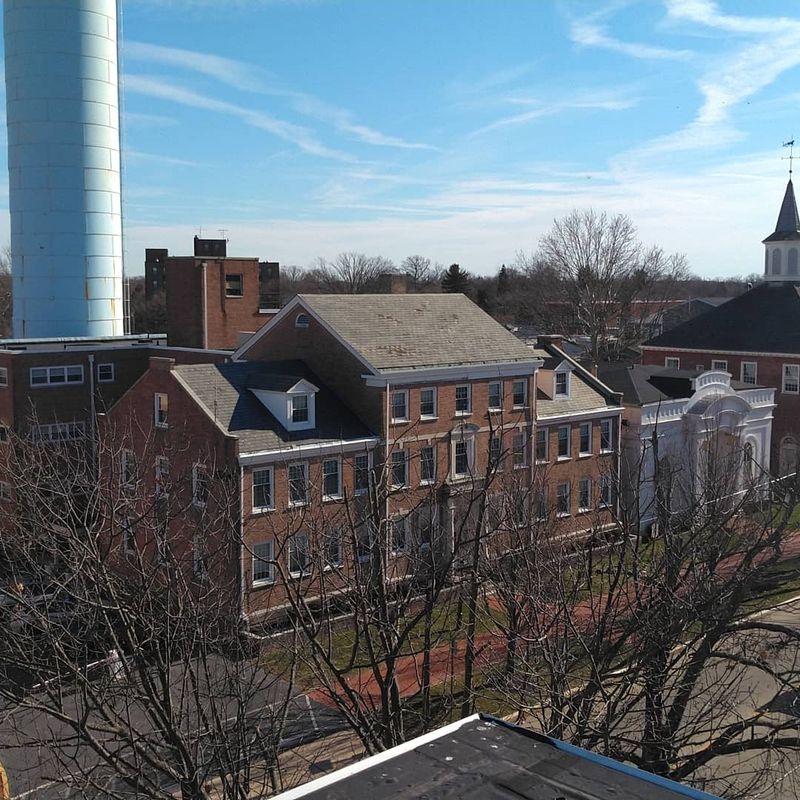
Salem is one of those places that can make a New Jersey buyer stop mid-scroll and say, “Wait, that is the tax bill?”
The city’s average residential tax bill is $3,808 in the 2024 state report, and the average sales price is only about $114,449. Those are unusually low figures for New Jersey, and together they make Salem one of the strongest pure affordability plays in the state.
This is not the kind of market that sneaks in with a cheap list price and then wallops owners later with a punishing tax load. The annual carrying cost remains relatively restrained too, which is exactly what budget-conscious buyers want to see.
Salem’s appeal is not about polish. It is about possibility.
For first-time buyers, investors focused on modest properties, or people who just want their monthly costs to stop behaving like a practical joke, the city deserves attention. Like other lower-cost urban markets, Salem comes with uneven conditions and requires a buyer to do real homework.
But that is true of nearly every place where affordability is still genuinely on the table. What helps Salem stand out is how low the numbers remain on both fronts.
In a state where property taxes can quietly turn an affordable mortgage into an ugly monthly obligation, Salem avoids that trap better than most. It also gives this list an important reminder: affordability is not always found in postcard towns with trendy main streets.
Sometimes it shows up in older cities where the economics still leave room for regular people. That may not be glamorous, but it is extremely useful.
8. Downe Township, Cumberland County
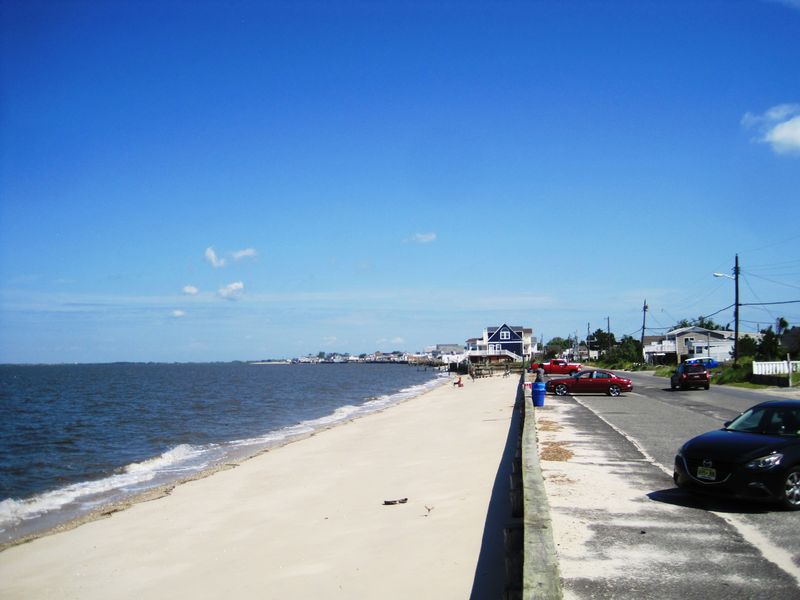
There is a certain kind of buyer who reads “rural South Jersey” and immediately perks up, and Downe Township is very much for that reader. The township’s average residential tax bill is $3,859, and the average 2024 sales price comes in around $202,865.
In New Jersey terms, that combination is refreshingly mild. Downe is not trying to be a destination brand.
It is quieter, more spread out, and shaped by a coastal-meets-rural character that feels far removed from the state’s denser suburban churn. That distance from the usual frenzy is part of the financial story.
Towns that are less pressured by commuter demand and prestige pricing often have a better chance of keeping both housing costs and tax bills from spiraling. Downe fits that profile.
It also offers something many “affordable” places cannot: a sense of room. Buyers looking for a compact downtown scene will probably not find their dream setup here, but those who want a slower pace, more land, and lower annual ownership costs may see real appeal.
The tax number matters because it stays well below the statewide norm without depending on a hyper-tiny or oddball housing market. This feels like a legitimate affordability option rather than a statistical trick.
In practical terms, a lower tax bill here can leave money for maintenance, commuting, emergency savings, or just daily life being less annoying. That is not a sexy real-estate slogan, but it is what households actually care about.
Downe Township belongs on this list because it offers affordability with a clear sense of place, not just a low number pulled from a spreadsheet.
9. Fairfield Township, Cumberland County
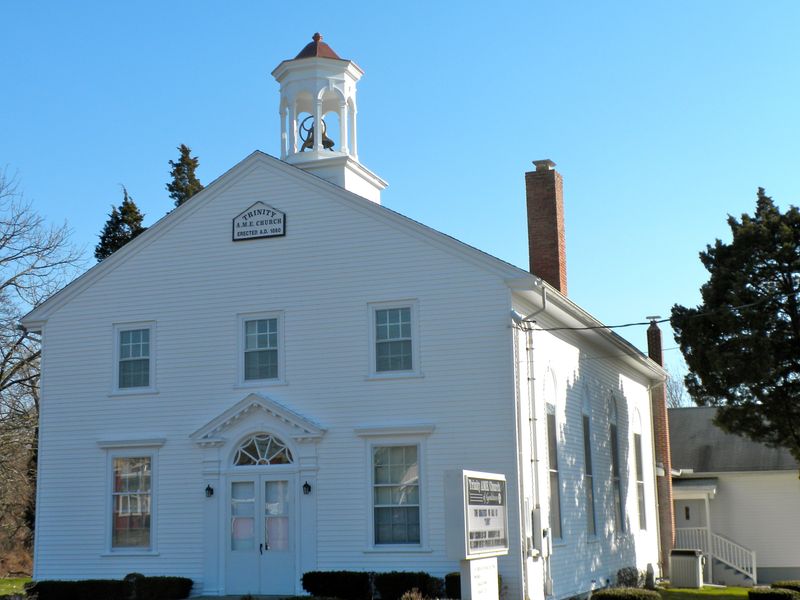
Fairfield Township has the kind of numbers that do not usually get enough attention outside South Jersey, which is a shame because the affordability case is solid. The township posts an average residential tax bill of $4,083 in the 2024 state data, with an average sales price of roughly $179,668.
That is a combination many New Jersey buyers would happily take after one glance at tax bills in pricier counties. Fairfield is not a place built around fancy branding or endless redevelopment buzz.
It is simpler than that. The value proposition is straightforward: lower housing prices, comparatively low property taxes, and a less overheated environment overall.
For some buyers, especially those who are tired of competing in markets where every decent house turns into a bidding war circus, that simplicity feels like a gift. The township leans rural and residential, and it is better suited to people who want practicality over scene-making.
That does not make it dull. It makes it useful.
In an affordability article, usefulness beats image every time. What helps Fairfield stand out is that the tax burden stays in check even with modest home prices, which means buyers are not walking into one of those false-bargain situations where the mortgage looks fine but the escrow payment starts throwing elbows.
Fairfield is the sort of place locals mention when someone insists New Jersey is impossible unless you are rich. No, it is just that the affordable pockets tend to sit off the usual spotlight path.
Fairfield Township is one of those pockets, and the state numbers back it up cleanly.
10. Folsom, Atlantic County
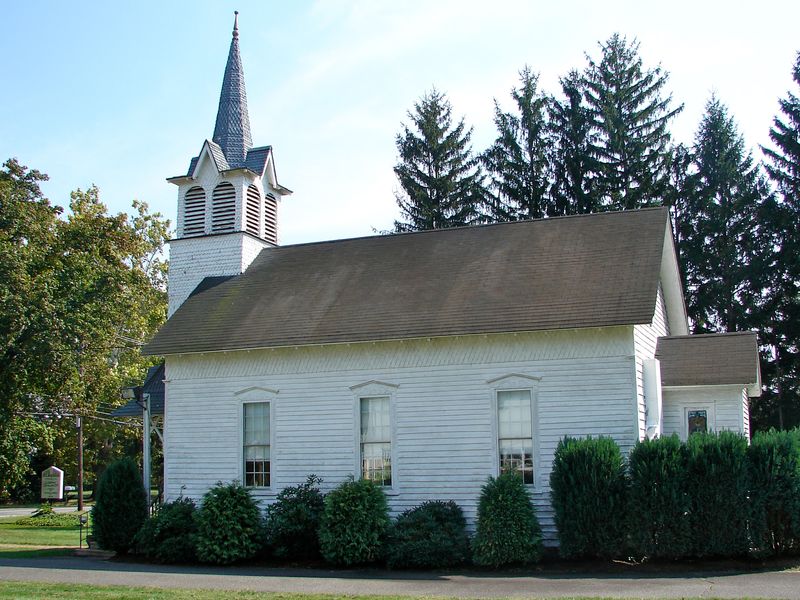
Folsom is a neat little reminder that not every lower-tax pick in New Jersey has to come from the most distressed or deeply rural corner of the map. The borough’s average residential tax bill is $4,389, and the average 2024 sales price is about $300,982.
That makes it less dirt-cheap than some of the cities and townships on this list, but still very appealing when you compare it with much of the rest of Atlantic County and beyond. Folsom works because it feels usable.
It is a small borough with a residential identity, a calmer pace, and more of that tucked-away South Jersey energy people either love instantly or completely overlook. Buyers who want something quieter than the shore market, without disappearing too far off the map, may find it especially attractive.
The tax burden staying under forty-five hundred dollars is a big part of that appeal. In New Jersey, once the bill stays under five grand, it starts to feel almost rebellious.
Folsom also adds variety to this list because it shows affordability does not always mean the very lowest home prices available. Sometimes it means finding a town where the purchase price is still manageable and the taxes do not come roaring in afterward to wreck the budget.
That distinction matters. For households with a little more purchasing power who still want restraint in their annual carrying costs, Folsom looks smart rather than merely cheap.
It is not the loudest place in the state, but for value-minded buyers, that is probably just fine. Lower stress, lower taxes, fewer theatrics.
There are worse combinations.
11. Maurice River Township, Cumberland County
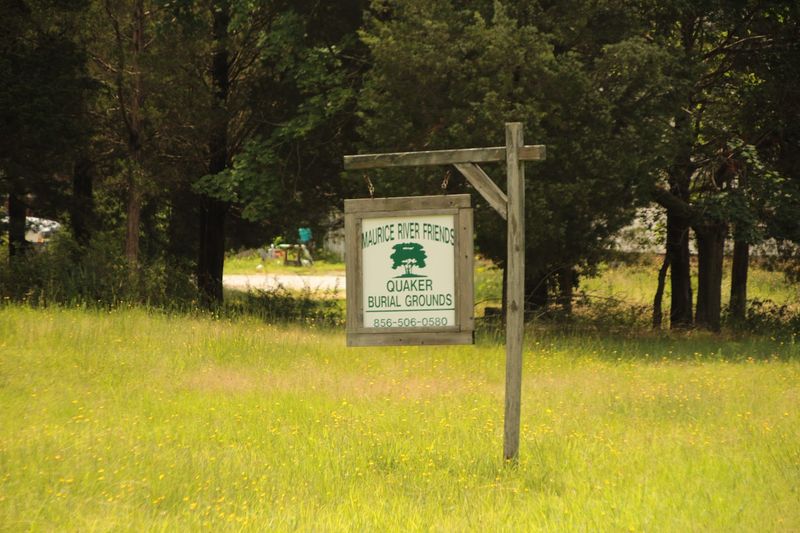
Maurice River Township is one of the strongest examples of rural affordability still hanging on in New Jersey. The township’s average residential tax bill is $4,634, and its average 2024 sales price is roughly $158,327.
That is a comfortable pairing for buyers who are not chasing a high-profile zip code and would rather keep their yearly housing costs under control. The township’s landscape and pace are a major part of the package.
This is a place where space, quiet, and a more natural setting matter more than polished suburban convenience. For the right buyer, that is not a compromise.
It is the whole point. Maurice River works especially well in this article because it is a reminder that affordability in New Jersey often survives in communities where demand has not been inflated by commuter prestige or lifestyle marketing.
Lower demand pressure does not automatically solve everything, but it can keep taxes and sale prices from escalating in the same dramatic way seen elsewhere. Here, the benefit shows clearly in the numbers.
An annual tax bill in the mid-four-thousands remains far below the state average, and that difference compounds year after year. Buyers feel that in their mortgage escrow, their emergency fund, and their overall sanity.
Maurice River is not for someone who wants to be five minutes from a dense retail corridor or a flashy downtown. It is for people who want practical ownership costs and a quieter way of living.
In a state where affordable often means “there is a catch,” Maurice River Township makes a better case than most that the catch might simply be that you need to enjoy peace and open space. Not the worst trade.
12. Brooklawn, Camden County
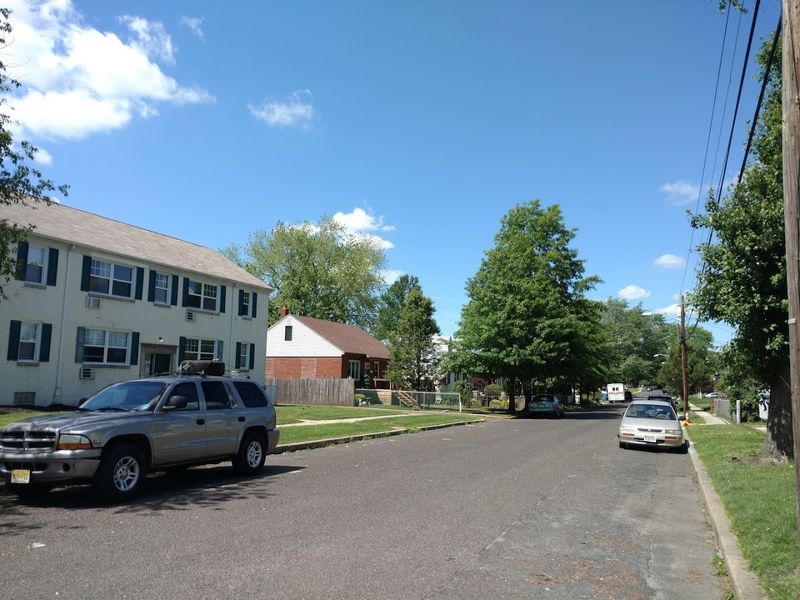
Brooklawn has one of the more appealing affordability profiles on this list because it feels like a straightforward residential borough rather than a highly specialized outlier. The average residential tax bill is $4,673, and the average 2024 sales price is around $221,559.
Those numbers put Brooklawn in a very attractive middle ground: low enough to stand out in New Jersey, but familiar enough to appeal to buyers who want a conventional small-town setup. Camden County is not generally known for feather-light tax bills, which makes Brooklawn’s position even more notable.
For readers who want accessibility to larger employment centers while still keeping ownership costs under better control, the borough may read as especially practical. It is small, residential, and easier to understand than some sprawling township situations where the vibe changes every few blocks.
That clarity helps. Affordability is not just about a cheap listing price.
Buyers also want a place where the ongoing math feels predictable. Brooklawn delivers that better than many New Jersey communities do.
The taxes stay meaningfully below the statewide average, and the housing market remains more attainable than plenty of suburban alternatives nearby. It is also the sort of place that locals often know is sensible before outsiders ever catch on.
No one is trying to turn Brooklawn into the next trendy obsession, and frankly that might be helping it. When a town escapes hype, households have a better chance of finding value.
Brooklawn earns its spot here because it combines manageable prices, manageable taxes, and a residential setting that feels real, which is exactly what many buyers are after even if they do not say it that neatly.
13. Penns Grove, Salem County
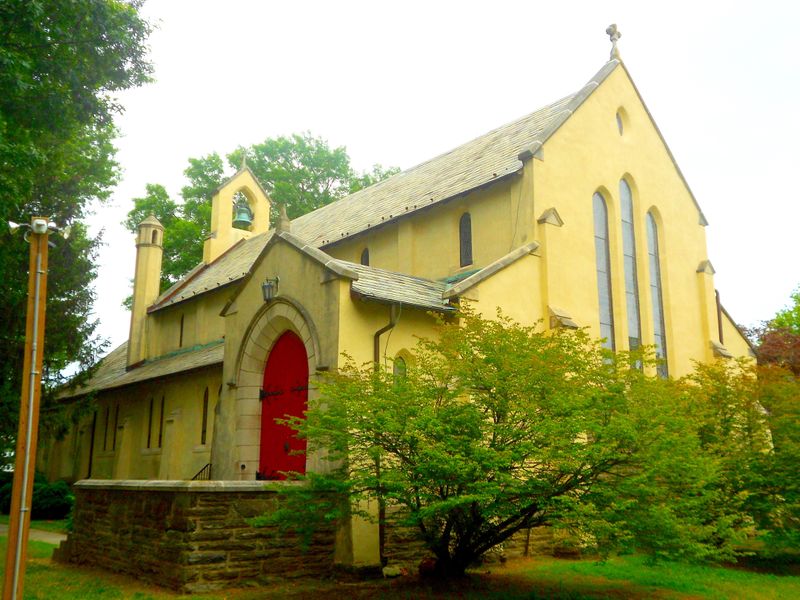
Penns Grove has the numbers to stop a reader cold. The borough’s average residential tax bill is $4,810, while the average 2024 sales price sits at about $137,394.
In New Jersey, that is a strong affordability signal from almost every angle. It means Penns Grove is not only less expensive to buy into than most municipalities, but also less punishing to hold onto year after year.
That second part matters more than people sometimes admit. Plenty of homes look affordable until the tax line shows up and starts behaving like a second mortgage.
Penns Grove largely avoids that problem. The borough is one of the clearest examples on this list of a place where the overall ownership picture remains accessible.
It is also part of a broader Salem County pattern: lower-profile towns with lower housing costs and lower annual tax burdens than what buyers see in much of the state’s hotter regions. Penns Grove will not be for everyone.
Some shoppers will want more polish, more retail, more prestige, or a stronger seller’s-market vibe. Others will look at the math and decide those extras are wildly overrated.
For buyers in that second group, Penns Grove deserves serious attention. The point of an affordability article is not to pretend every town fits every lifestyle.
It is to show where the numbers genuinely give people a chance. Penns Grove does exactly that.
It may never be the place getting breathless real-estate features about artisanal coffee and “vibrant mixed-use corridors,” and honestly that is okay. Some towns earn their reputation by being practical.
Penns Grove is one of them.
14. Manchester Township, Ocean County
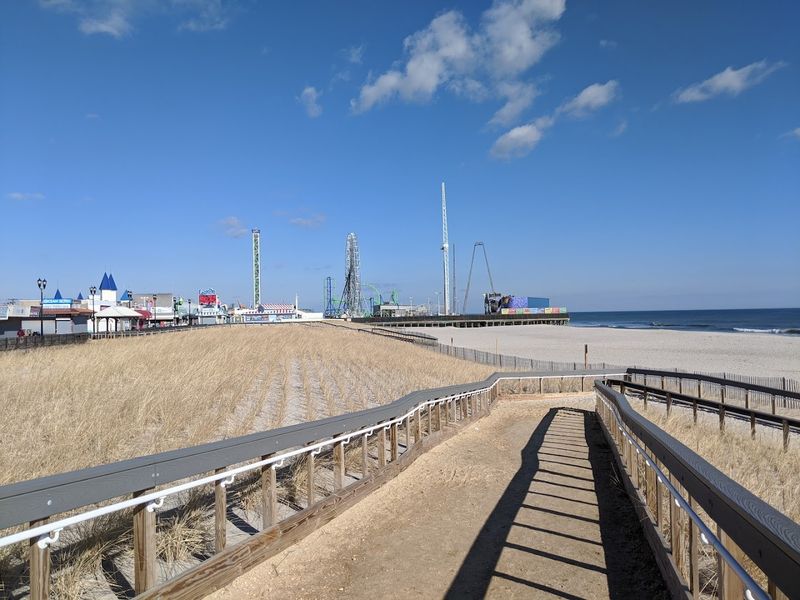
Manchester Township is one of the more reader-friendly picks on this list because it combines low taxes with something a lot of buyers crave: familiarity. The township’s average residential tax bill is $4,960, and the average 2024 sales price is about $364,227.
That home-price figure is higher than some of the deeper bargains in Cumberland or Salem counties, but the tax number remains notably restrained for a municipality with such a large residential presence. In other words, this is not just an obscure low-bill fluke.
It is a real, broad-market affordability advantage. Located in Ocean County, Manchester offers a different kind of value than the state’s bargain-basement cities.
It appeals to buyers who still want an established suburban setup, sizable housing stock, and a place that feels more mainstream while avoiding the truly punishing tax burdens common elsewhere in New Jersey. That matters because affordability is not one-size-fits-all.
Some people want the absolute lowest purchase price. Others are willing to spend more upfront if the yearly tax bite stays under control.
Manchester is ideal for that second group. The township is also widely recognized for its large number of age-restricted communities, though not every home here falls into that category.
What matters for this article is the bigger financial picture: a tax bill under five thousand dollars in a state averaging above ten thousand is a genuine advantage, full stop. Manchester proves that a lower-tax New Jersey town does not have to feel remote, tiny, or experimental.
Sometimes it can look like a place many residents already know well, which makes the affordability story easier to imagine living inside.
15. Pemberton Township, Burlington County
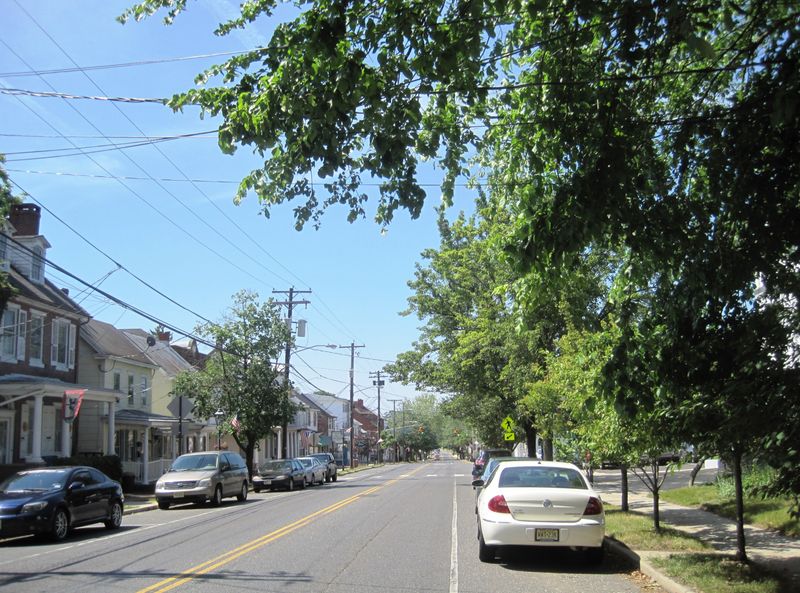
Pemberton Township rounds out this list nicely because it offers the kind of balanced affordability that many buyers find easier to act on. The township’s average residential tax bill is $5,045, and its average 2024 sales price is around $274,322.
That does not make it the absolute cheapest municipality here, but it does make it one of the more practical all-around choices. The taxes stay dramatically below the statewide average, yet the township is still recognizable, established, and broad enough to appeal to a wide range of households.
Burlington County can be a mixed bag for affordability, so a town keeping its average residential bill near five thousand dollars deserves a second look. Pemberton works well for readers who want a lower-cost option without feeling as though they are taking a leap into an ultra-tiny or highly unusual market.
It offers more of that lived-in South Jersey normalcy, where buyers can still find room to breathe and a housing budget that does not immediately turn hostile. The average sale price supports that impression.
It is not giveaway cheap, but it is within reach for households priced out of many hotter New Jersey locations. Just as important, the yearly tax bill does not wipe out the advantage.
That is what earns Pemberton its spot. Good affordability stories are not always about the single lowest number on the page.
Sometimes they are about the most usable number. Pemberton Township feels usable.
It gives buyers a plausible path to homeownership in a state that often seems determined to make that path absurdly expensive. That alone makes it worth highlighting.
Share this story