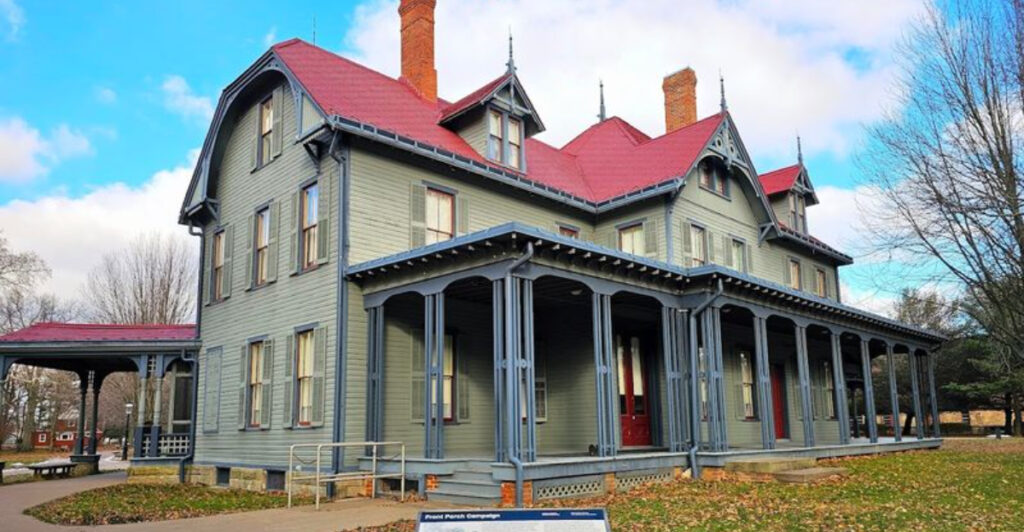
Step inside a presidential story that still feels personal the moment you arrive. At the James A. Garfield National Historic Site in Mentor, Ohio, you can explore the first presidential library, a beautifully preserved home, and the very lawn where a campaign reshaped American politics.
Friendly rangers bring the details alive with candor and care, making each stop feel meaningful. If you have ever wondered how history becomes memory, this is where the answer unfolds right in front of you.
1. The Memorial Library That Started It All
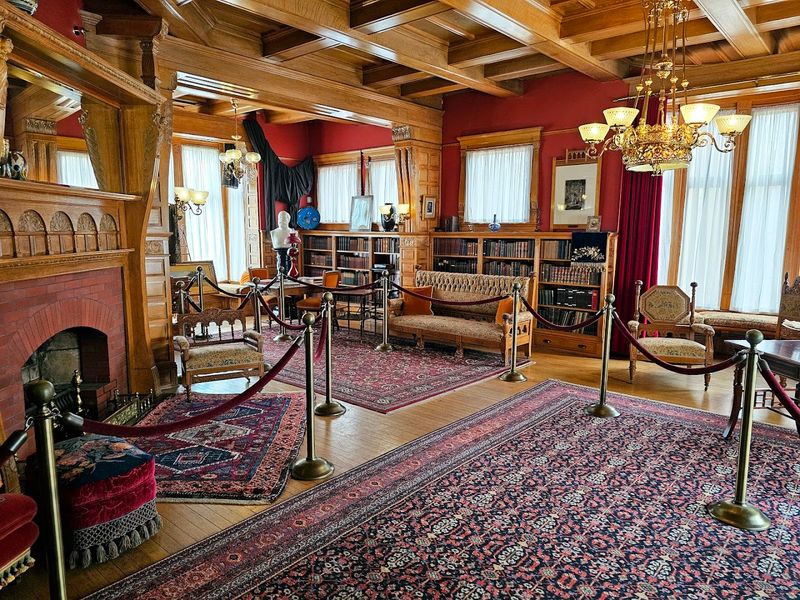
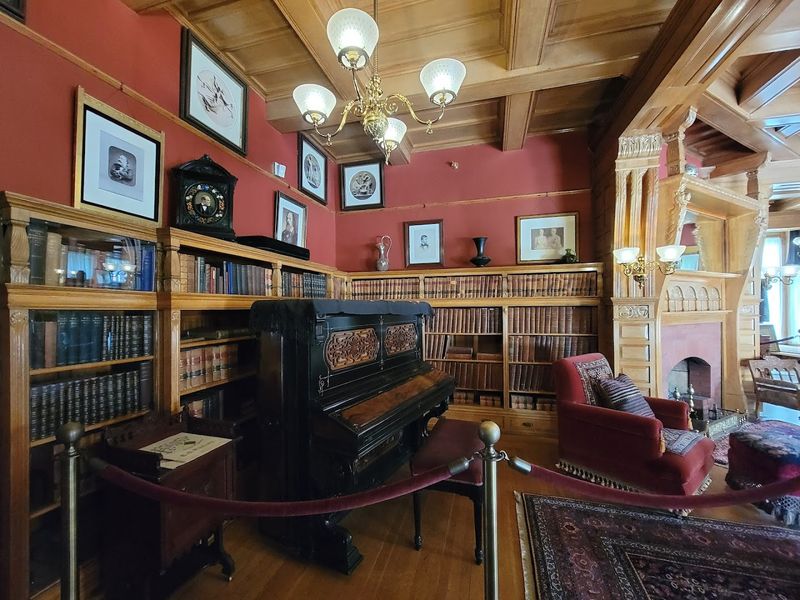
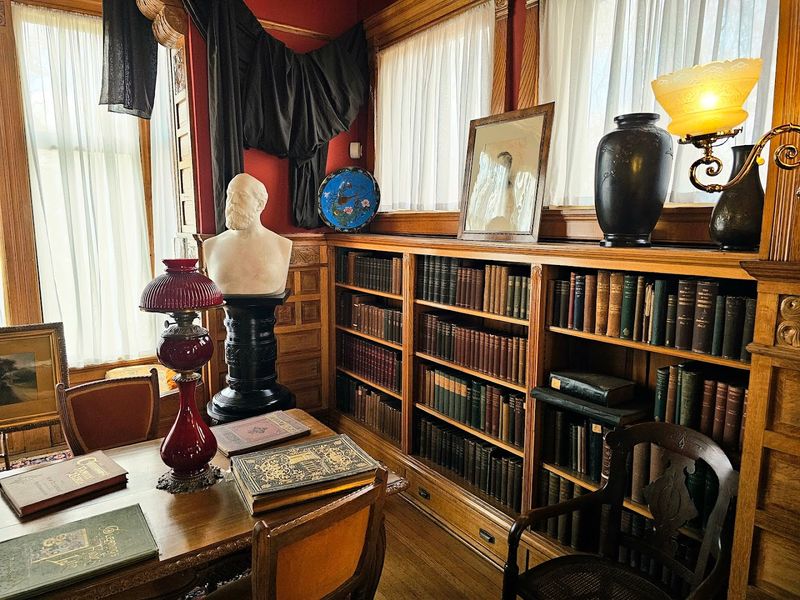
You come to Mentor for a house, but the moment you step into the Memorial Library, you feel a legacy. This is recognized as the first presidential library in the United States, created by Lucretia Garfield to safeguard her husband’s papers.
Original oak shelves line the room, holding volumes that reflect James’s wide curiosity, from classics to law.
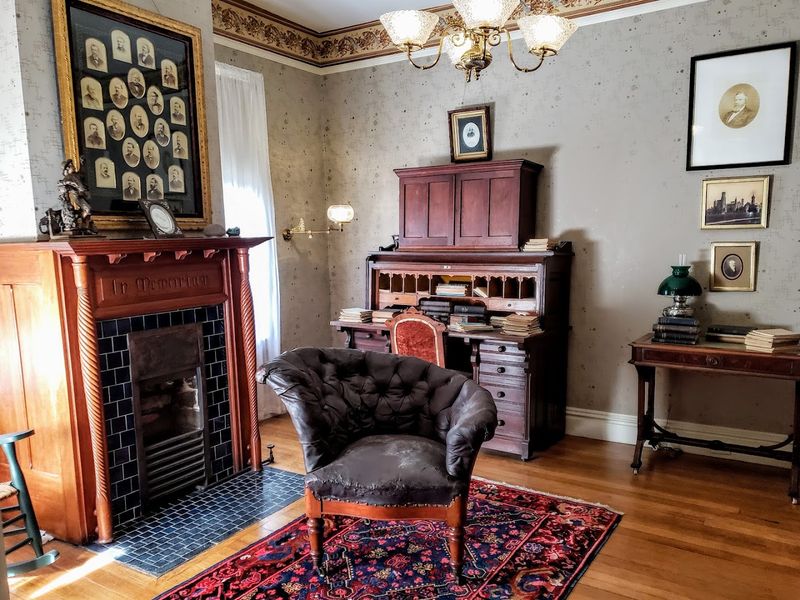
Stand near the fireplace and picture the family sorting correspondences after tragedy reshaped their lives. Rangers explain how cataloging began here, decades before the National Archives system, making scholarship possible.
You will leave with a sense that preservation is active work, not distant myth, and that this sunny library started a tradition presidents still follow. Listen for the creak of the floorboards as visitors shift, because even that small sound feels like history breathing.
Bring questions about sources, privacy, and legacy, and you will get thoughtful, candid answers grounded in artifacts today.
2. Visitor Center and Museum Highlights
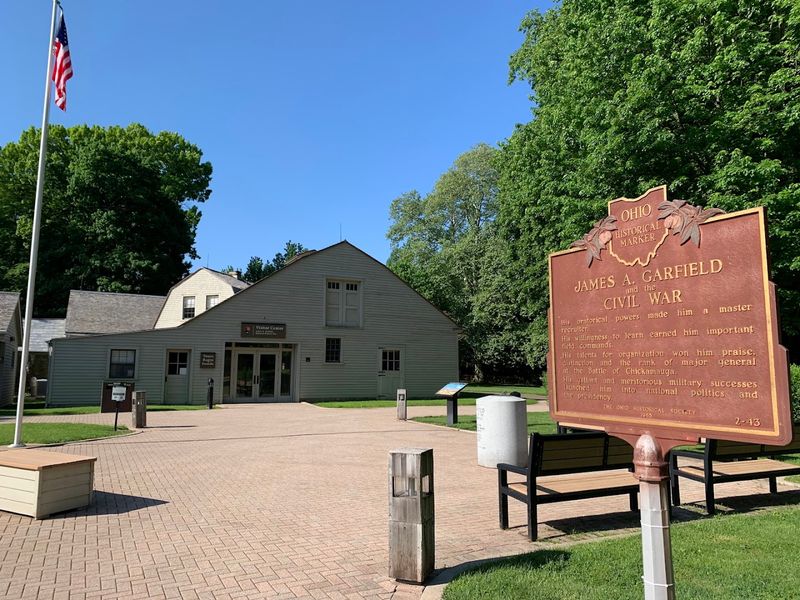
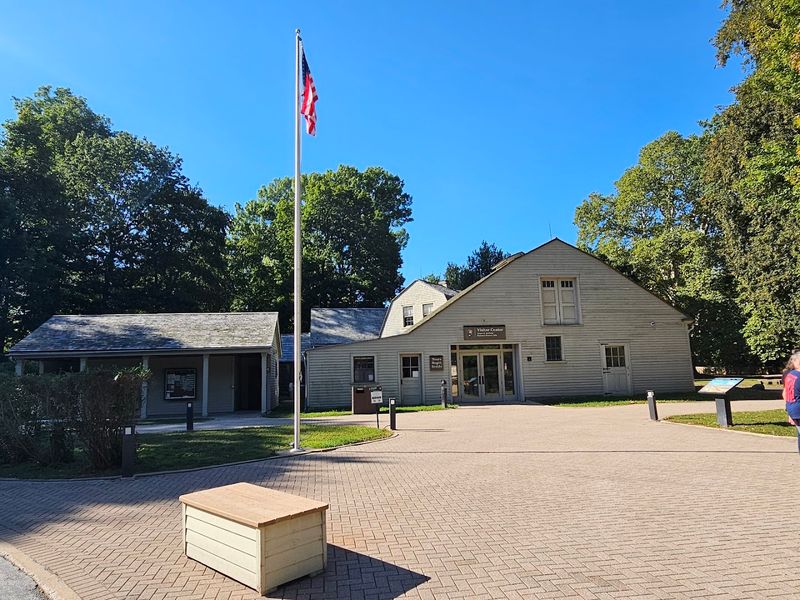
Start at the Visitor Center, where a concise film frames Garfield’s journey from canal boy to president. Exhibits move chronologically, using letters, portraits, and campaign memorabilia to bring the era alive.
Interactive screens let you trace the 1880 front porch campaign and compare media strategies with your own timeline.
Spend time with the assassination exhibit, which neither sensationalizes nor hides the sorrow. Panels detail medical missteps, public grief, and Lucretia’s steady resolve to shape memory.
Docents and rangers answer questions plainly, and you will likely leave appreciating how institutional memory protects fragile truths in a noisy world. Before you head to the house, browse the small bookstore for biographies, maps, and children’s activities.
Staff can help plan timing for tours, which typically run 45 minutes and sometimes fill quickly. Check operating hours carefully, since midweek closures surprise many travelers.
Parking is free, and accessibility details are posted near the desk.
3. Inside the Garfield Family Home
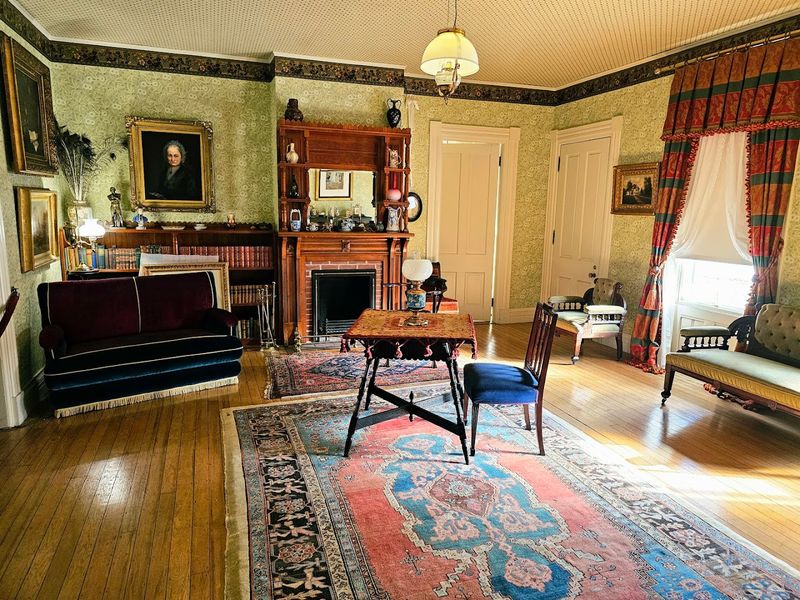
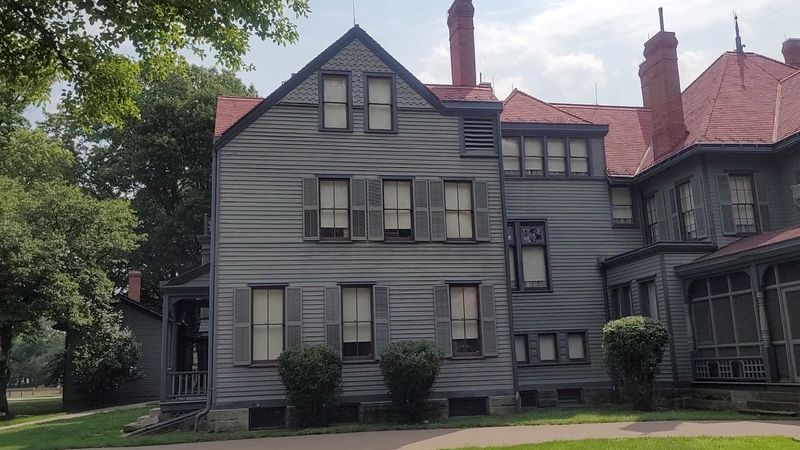
When you step into the house, the high ceilings and patterned carpets feel immediately personal. About ninety percent of the furnishings are original, so the spaces read like a living family album.
You will notice practical pieces beside elegant ones, suggesting taste rooted in learning rather than show.
The parlor offers portraits and music, while upstairs bedrooms reveal schedules, schoolbooks, and careful mending. Guides highlight where Lucretia managed budgets, and where James drafted speeches between visits from neighbors and newsmen.
In every room the tour balances story and artifact, inviting you to imagine routine days, sudden headlines, and the quiet work of rebuilding. Photography policies are sensible, so ask before shooting, then linger rather than rush.
Details like worn stair treads and sunlit wallpaper deliver texture that no textbook can provide. You will leave with the feeling that a family home shaped a presidency.
In small, observable ways, each day.
4. Front Porch Campaign Grounds
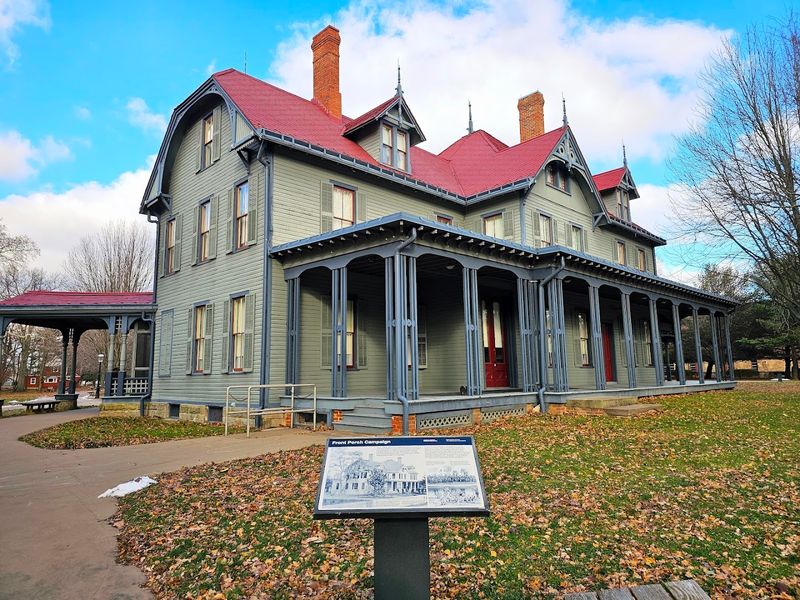
Outside, the lawn becomes a stage where the 1880 front porch campaign unfolded. Crowds gathered to hear Garfield speak at his home rather than traveling the country himself.
This practice connected neighborly hospitality with national politics in a way you can still sense on the grounds.
Rangers point out sightlines, press locations, and carriage paths that helped organize the excitement. You can picture hand-painted banners, brass bands, and farmers visiting between harvest chores.
Take a slow walk, read the signs, and imagine your feed refreshing with telegraphed quotes instead of push alerts, same urgency, different rhythm. The campaign office building nearby interprets strategy, messaging, and logistics through thoughtful displays.
Look for references to veteran outreach, civil service reform, and the party’s internal factions. You will appreciate how political storytelling can feel personal when the setting is a family yard.
History feels close here. Listen for wind in the trees today.
It lingers after departure.
5. Lucretia Garfield’s Stewardship
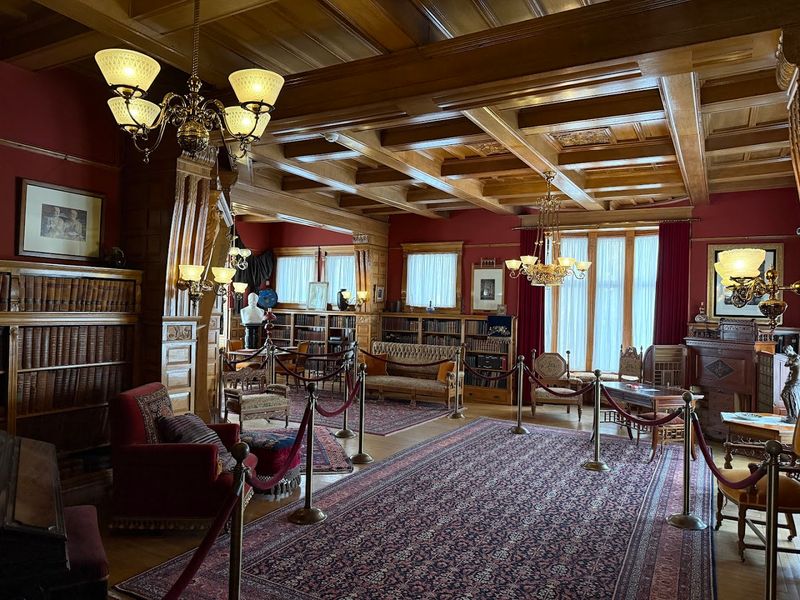
Much of what you see exists because Lucretia Garfield became a determined archivist and planner. After her husband’s death, she safeguarded documents, renovated spaces, and curated memory with care.
The site shows how her intelligence and patience translated grief into organized purpose.
Exhibits credit her decisions in creating the Memorial Library, selecting furnishings, and documenting provenance. You can read excerpts from letters that reveal both resolve and worry, always anchored by family needs.
Standing in her garden paths, you understand stewardship as leadership, and you leave grateful that history sometimes advances because one person refuses to let it fade. Her story challenges assumptions about who writes history and who preserves it for scholars and citizens.
Ask about conservation techniques, and you will hear practical notes on light, humidity, pests, and handling. That behind-the-scenes work is visible everywhere if you slow down.
Give it your full attention. You will be moved.
6. Ranger-Led House Tour
The free ranger-led tour is the heart of the visit, and it moves with thoughtful pacing. Expect about forty five minutes, with time for questions in each room.
Rangers blend biography, architecture, and primary sources, so the narrative feels grounded and humane.
If tours are full, add your name at the desk and explore exhibits until the next slot. You will hear small anecdotes that stick, like a child’s routine or a guest’s reaction to campaign crowds.
The experience is welcoming for first timers and still rich for historians, a rare balance that keeps conversations lively after you leave. Arrive early on weekends, and consider the first or last tour of the day.
If mobility is a concern, ask about seating pauses and elevator alternatives where appropriate. Rangers are happy to adapt stories, pacing, and volume to your group’s needs.
Gracious hosts make history approachable. You will feel welcome, always.
7. Grounds and Outbuildings Walk
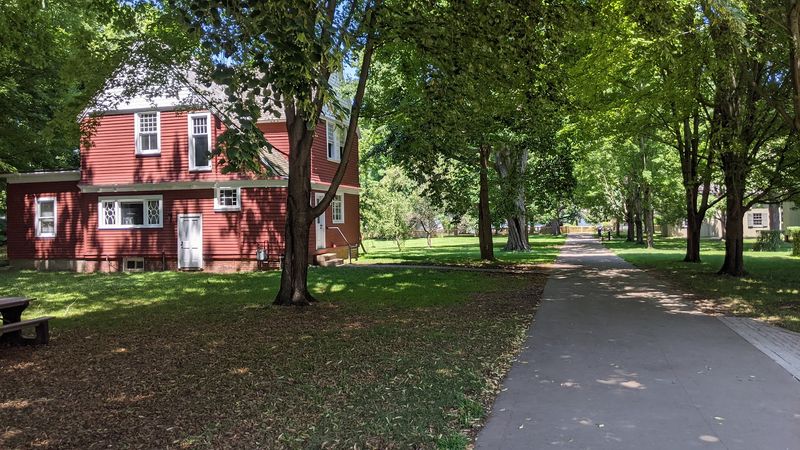
Beyond the house, the grounds invite a slow loop past barns, gardens, and the campaign office. Signage highlights farming operations that anchored the family’s finances and routines.
Walking past heirloom plantings, you sense how work, learning, and rest shared space in thoughtful ways.
Benches and shade trees make this a relaxing pause between exhibits, especially in summer. You might spot families completing Junior Ranger challenges or locals on short strolls.
The layout explains how a nineteenth century homestead functioned as both refuge and platform, blending domestic life with national service in ways still relevant today. Listen for birds and distant traffic, a soundtrack that reminds you history sits inside ordinary days.
Winter walks feel crisp and quiet, while autumn colors frame photographs beautifully without artificial staging. Bring water, comfortable shoes, and time to let small details speak.
You will find calm perspective here. Let the place breathe.
Walk slowly, intentionally.
8. Planning Your Visit
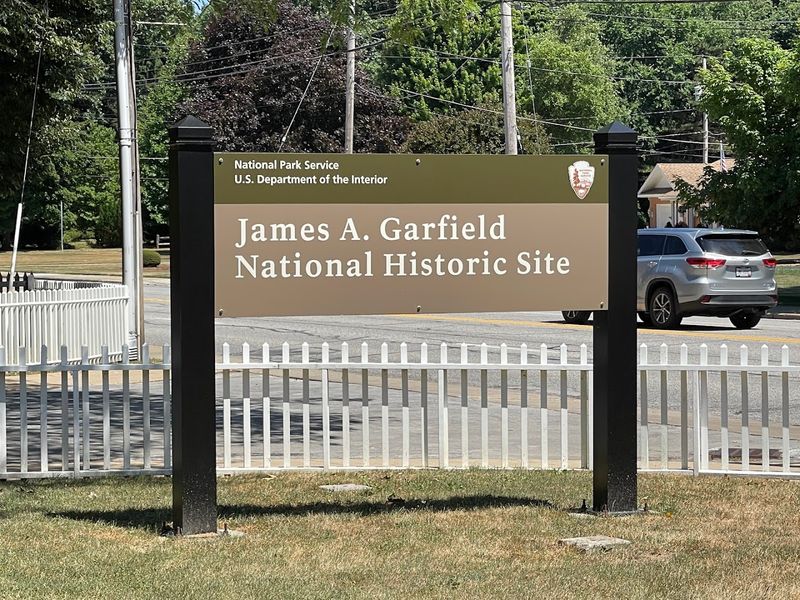
Check hours before you go, because the site is open Friday through Sunday from 10 AM to 5 PM. Monday through Thursday it is closed, so weekend planning matters.
Tours are free, but capacity is limited, and the last house tour typically starts mid to late afternoon.
Arrive early, watch the orientation film, then browse the museum if you are waiting for your slot. Phone reception can be spotty indoors, so save the website and map ahead.
Parking is straightforward, and restrooms are at the Visitor Center, which also stocks stamps for National Park passport collectors. If you miss the tour window, the exhibits still deliver strong context and an engaging experience.
Call ahead for group arrangements, school visits, or accessibility questions to ensure smooth timing. Remember that the grounds remain open during posted hours even if a tour is full.
You will still learn plenty. Bring patience and curiosity.
9. Junior Ranger and Family Fun
Families should ask about the Junior Ranger program at the front desk. The activity booklet turns observation into discovery, sending kids to find clues across exhibits and the grounds.
Completing the pledge earns a badge, a small ritual that makes learning feel celebratory and personal.
Scavenger style prompts encourage close looking, from wood grains to campaign slogans printed on ribbons. Parents appreciate how tasks mix movement with reading, and staff happily cheer on progress.
Even if your time is short, the program offers a meaningful way to engage together, and your child will likely remember the moment long after the drive home. Older kids can dive deeper by comparing newspaper accounts and creating a short presentation.
Ask a ranger about favorite artifacts for young historians to sketch or photograph respectfully. Shared discovery turns a museum stop into a family memory.
You will smile together. Pack snacks for afterward.
Celebrate learning.
10. Accessibility and Comfort
Accessibility is thoughtfully addressed, and staff invite questions so they can tailor guidance. Paths are well marked, seating is available, and printed materials help with wayfinding.
The orientation film includes clear narration, while exhibits feature readable captions at approachable heights.
If you or someone in your group needs additional support, ask about alternatives for stairs and pacing. Rangers can suggest quieter times, and they can adjust routes to minimize strain.
Communication is welcoming rather than clinical, which reduces stress and keeps focus on discovery and connection. Service animals are welcome within rules, and outdoor routes offer space for breaks and regrouping.
Restrooms and water are close to the Visitor Center entrance, reducing long walks between activities. Educational materials are available for many ages and learning styles, making interpretation more inclusive.
You will feel considered, not accommodated as an afterthought. Ask freely, and expect kindness.
That spirit defines this place. Beautifully.
11. Research and Archival Insights
Researchers find this site illuminating because it bridges private life and public duty through original sources. The Memorial Library and cataloged papers shaped modern presidential archival practice.
Exhibits preview holdings, and rangers can recommend further reading, including biographies and digitized collections maintained with partners.
If scholarship interests you, ask how citation standards evolved and what gaps remain in the record. You can explore how family narratives, press accounts, and government documents intersect.
The site demonstrates how careful organization transforms grief and confusion into accessible evidence that future citizens and students can question, test, and understand. Hearing this history inside the intact home sharpens nuance you might miss in a reading room.
Bring a notebook, and jot sensory details alongside dates, because context helps meaning endure. You will leave energized to learn more.
Questions create the best souvenirs. Carry yours home and share.
Invite conversation afterward. Keep reading, thoughtfully.
Stay curious.
12. Community Feel and Ranger Hospitality
Many reviews mention kind, knowledgeable rangers who make the site feel like a conversation rather than a lecture. Whether you choose the tour, the film, or a self-guided stroll, you are met with patience and clarity.
That warmth helps first-time visitors connect quickly with the story and the space.
Ask for recommendations based on your interests, and you will get tips tailored to architecture, politics, daily life, or scholarship. If something is unclear, staff welcome follow up questions and point you to exhibits that add depth.
The human connection here reflects the mission to preserve and share, not to gatekeep. You walk away feeling included in a bigger project of understanding the past.
That feeling lasts on the drive home and often pulls you back for another visit. Bring your curiosity.
They bring their best.
13. Practical Tips and Etiquette
Plan for Ohio weather, which shifts quickly near Lake Erie. Summers can be warm and humid, while winters bring crisp winds, so layer clothing.
Comfortable, closed toe shoes make stairs and gravel paths easier, and a small umbrella helps during sudden showers.
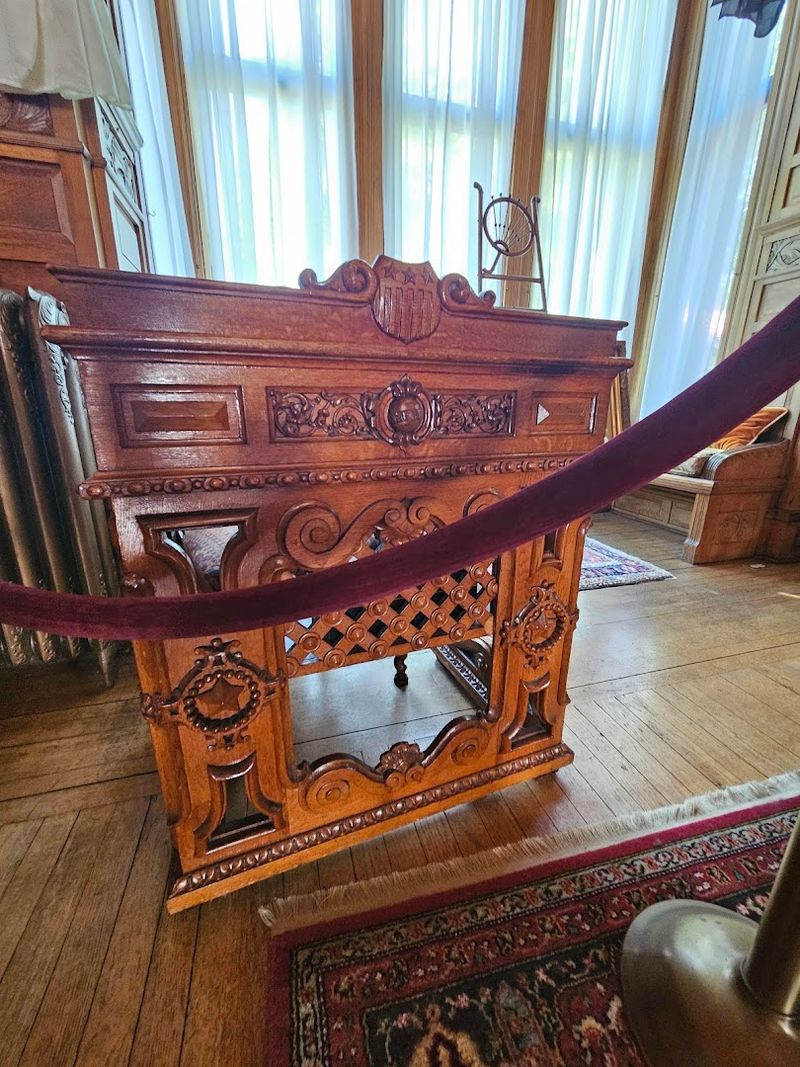
Photography is welcome in many areas, but always confirm rules in the house before using flash. Bring water, respect roped boundaries, and give rangers room to guide groups smoothly.
After your visit, explore Mentor Avenue for snacks, then return to the grounds for a last quiet walk that settles the stories into memory. If you are sensitive to light, consider visiting earlier or later in the day for softer sun.
A portable phone charger helps with photos and audio guides, and a notebook captures reflections offline. You will leave restored, informed, and ready to share the story.
Drive carefully, and come back soon. Bring a friend next time.
Share this story