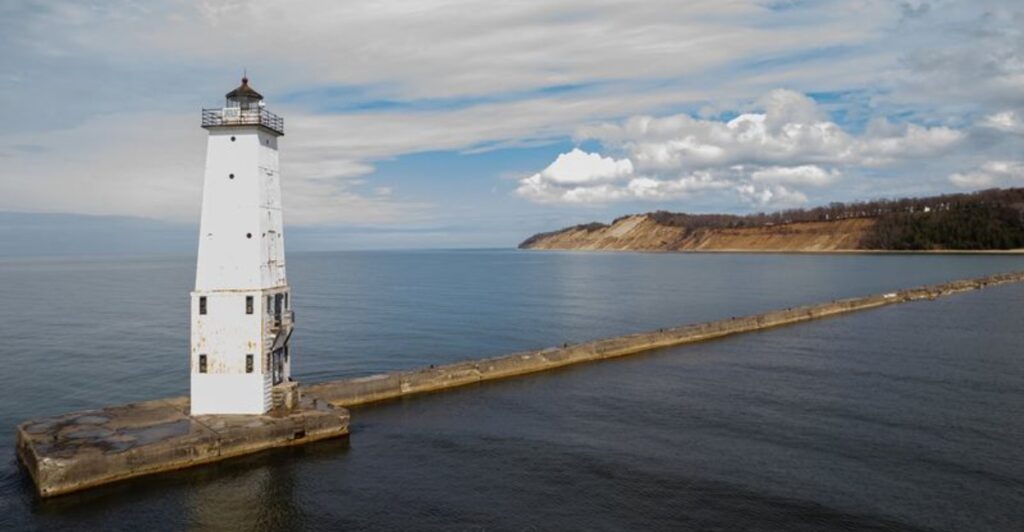
Sometimes the best way to reset is to put a little distance between yourself and the usual routine. Across Michigan, small towns near lakes, forests, and quiet downtowns make it easy to slow down for a weekend without planning a complicated trip. The appeal comes from trading packed schedules for waterfront walks, local shops, scenic drives, and enough breathing room to actually relax.
Some places feel peaceful and remote, while others give you just enough to do without making the weekend feel busy. For anyone ready for a change of scenery and a slower pace, these twelve Michigan towns make hitting the reset button surprisingly easy.
1. Lexington: A Thumb Town With Front Porch Energy
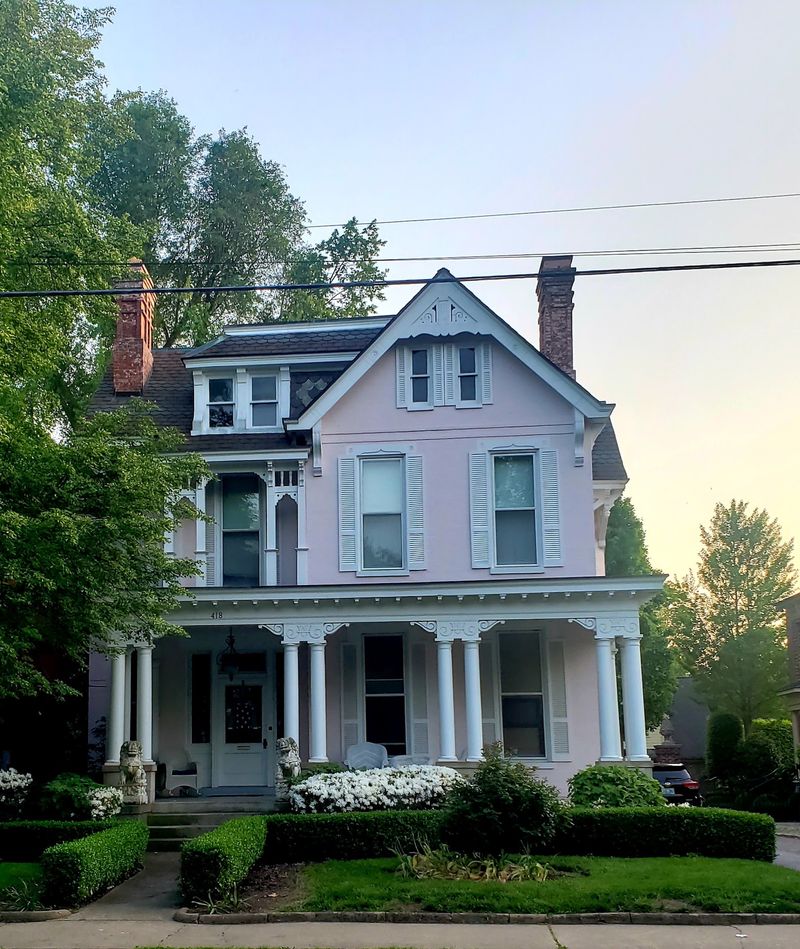
Picture a main street where the loudest sound on a Friday night might be live music drifting out of a cafe. Lexington sits on the Lake Huron shore in Michigan’s Thumb, and it moves at a pace that makes rushing seem silly. You can park the car and walk almost everywhere you want to go.
Start at the harbor. The marina is a great place to stroll in the morning with a coffee, watching boats bob and gulls argue over scraps. A long breakwall stretches out into the lake, and walking to the end gives you a wide view of open water that seems to go on forever.
Back in town, the old storefronts hold antique shops, small boutiques, and spots to grab a treat. Lexington has a reputation for music, so check local listings before you go. Summer weekends often bring concerts, and catching a show outdoors is a relaxed way to spend an evening without planning much at all.
Beach time fits easily into a stay here. The small public beach near the harbor offers a quiet spot to read, wade, or spend an afternoon by the water. Lake Huron can still feel chilly early in the season, so bring a sweatshirt even in June.
This corner of Michigan forms the Thumb of the mitten-shaped Lower Peninsula. Ask locals where they live, and they may hold up a hand to show you—a handy way to get your bearings before exploring.
From the Detroit area, you can leave after work on Friday and arrive in time for a sunset stroll, giving you more time to enjoy the weekend. Reserve summer lodging ahead, as the local inns and cottages can fill quickly once warm weather arrives.
2. Marquette: Big Lake, Big Trails, Easy Energy
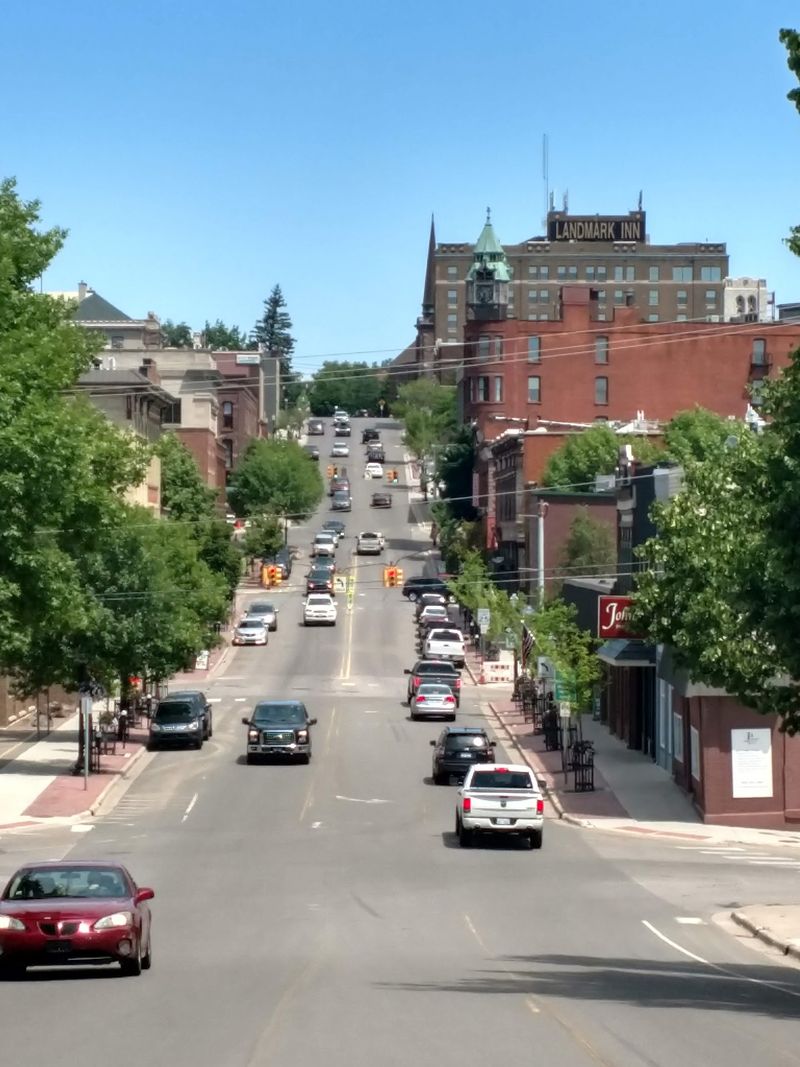
Lake Superior does not do small. Marquette, the biggest city in the Upper Peninsula, sits right on its edge, and you can feel that massive lake shaping everything from the weather to the weekend plans.
Get outside early. Presque Isle Park is a forested chunk of land poking into the lake, with a loop road and trails that wind past red rock cliffs. On warm days, brave locals leap off Black Rocks into the cold water.
You don’t have to join them, but watching is half the fun.
Sugarloaf Mountain is another must. The climb is short, with stairs on part of the trail, and the view from the top shows the shoreline, islands, and forest stretching for miles. Bring a snack and stay a while.
Downtown has a lively, college-town vibe thanks to Northern Michigan University. You’ll find coffee shops, breweries, bookstores, and outdoor gear stores where staff can recommend trails. Grab a pasty while you’re here.
These meat-and-vegetable pies came to the region with miners, and they are filling enough to power a full afternoon of hiking.
Check out the giant ore dock in the lower harbor. These huge structures were built to load iron ore onto ships, a reminder that this area was built on mining. Sunsets behind the dock make for great photos.
Biking is huge in Marquette. A paved multi-use path runs along the waterfront, perfect for a casual ride, while mountain bikers head into the hills for rougher trails. Rentals are available in town if you didn’t bring your own wheels.
Weather changes quickly near Superior, so layers are your best friend. Even summer evenings can turn cool, and winter brings serious snow, which turns the city into a playground for skiers and snowshoers.
3. Frankfort: Sand, Sunsets, and a Lighthouse Walk
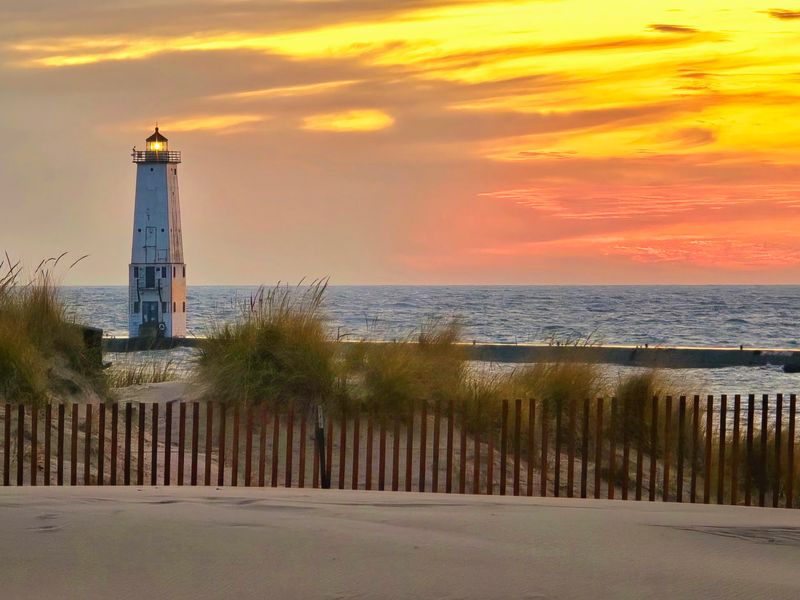
Ask anyone who’s been to Frankfort about sunsets and watch their face light up. This small Lake Michigan town sits at the mouth of the Betsie River, and its long pier leading to a white lighthouse might be one of the best evening walks in the state.
Spend your first afternoon on the beach. The sand is soft, the water turns shades of blue and green on clear days, and there’s plenty of room to spread out. When the sun drops low, head out on the pier with everyone else.
It’s a casual local tradition.
Main Street keeps things simple and friendly. You’ll find ice cream shops, small restaurants, and stores selling local art and gifts. Grabbing a cone and wandering is a perfectly good plan.
You’re also close to Sleeping Bear Dunes National Lakeshore, just a short drive north. Climbing the dunes is tough on the legs, but the views over the lake are a big reward. Pack water and sturdy shoes, since sand gets hot in summer.
For a quieter outing, head a few miles along the shoreline to Point Betsie Lighthouse, where the classic tower makes a striking photo subject. Nearby Crystal Lake offers clear water for paddling or swimming, with shallow areas along the shore.
The lake breezes and high bluffs around Frankfort also draw hang gliders. On a windy day, you might spot their colorful wings above the shoreline.
If you prefer exploring on two wheels, the Betsie Valley Trail starts near town and follows a former rail line, offering a mostly flat, scenic ride. Visit in fall for bright foliage and fewer crowds, especially if beach weather isn’t your main reason for coming.
4. Manistique: Home of the Big Spring
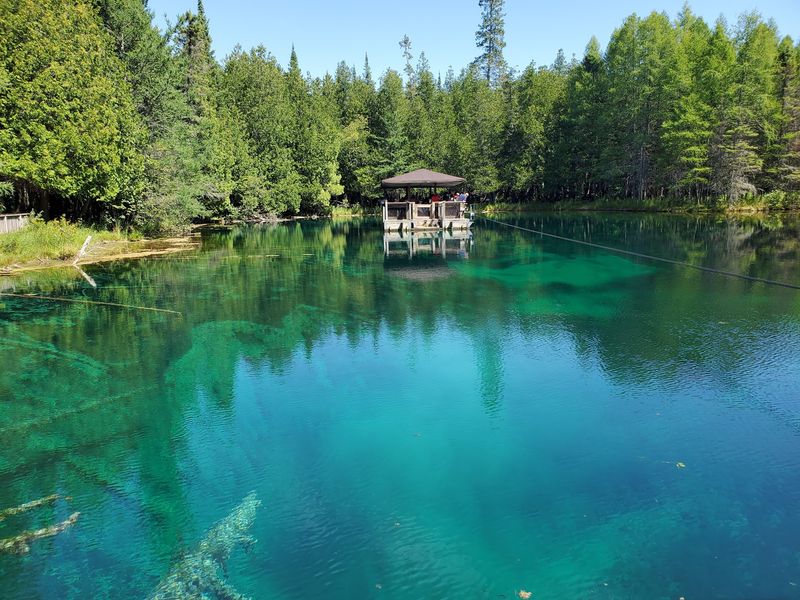
Imagine floating on a raft over water so clear you can see trout swimming forty feet below. That’s the main draw near Manistique, a laid-back Upper Peninsula town on the northern shore of Lake Michigan.
Kitch-iti-kipi, often called the Big Spring, sits inside Palms Book State Park just outside town. A self-operated raft lets you pull yourself across the spring using a cable. Look down through the viewing hole and you’ll see sand bubbling up from the bottom as water rushes in.
The color is a bright emerald green that photos barely capture.
Go early in the day if you can. The raft gets busy in summer, and morning light makes the water look even clearer. A state park pass is required, so have one ready.
Back in Manistique, take a walk along the boardwalk that runs by the lakeshore. It’s long, flat, and easy, with views of the red Manistique East Breakwater Lighthouse. Beaches along this stretch tend to be quiet, so you may find a patch of sand all to yourself.
The town itself is small and unfussy. You’ll find diners, a few shops, and friendly locals who are happy to give directions. Nobody here is in a hurry, and that’s kind of the point.
If you have extra time, Indian Lake State Park is close by for camping, fishing, or a lazy swim. Fishing is popular in the area, and you can often rent gear or hire a guide.
This region is also a good base for exploring the wider Upper Peninsula. Day trips to Fayette Historic State Park, an old iron-smelting town on a bay, can fill a second day nicely. Pack bug spray, since the woods here can be buggy in early summer.
5. Copper Harbor: The End of the Road, In the Best Way
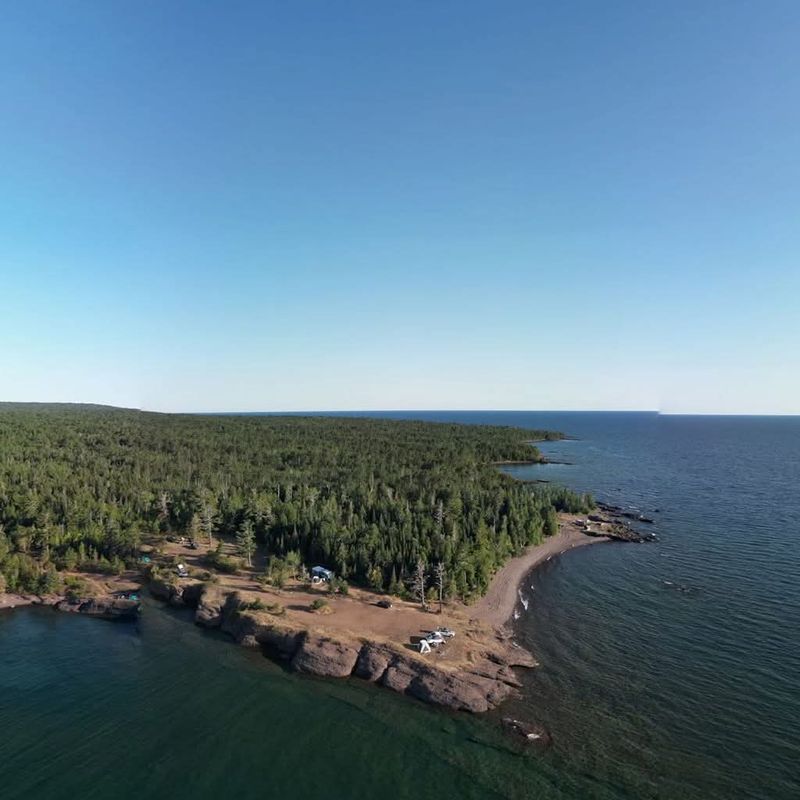
Drive north on US-41 until the road simply stops. That’s Copper Harbor, perched at the very tip of the Keweenaw Peninsula, surrounded by Lake Superior on nearly every side.
Getting here is part of the adventure. The last stretch winds through thick forest, and the trees form a tunnel over the road. In fall, those leaves turn red and gold, making the drive one of the prettiest in Michigan.
Once you arrive, head up Brockway Mountain Drive. This road climbs high above the lake, and the lookout at the top shows forest, water, and tiny town rooftops below. Hawks and eagles often soar past at eye level.
Fort Wilkins Historic State Park is right by town. The restored 1840s fort has old buildings you can walk through, and costumed guides sometimes share stories of soldier life in summer. Nearby, the Copper Harbor Lighthouse can be reached by boat tour.
Mountain bikers love this place. A big network of trails loops through the hills, ranging from easy rides to steep, rocky drops. If two wheels aren’t your thing, hiking trails lead to waterfalls and quiet lakes.
Cell service can be spotty, making it easier to unplug for a while. Before heading onto the trails, let someone know your plans and download the maps you’ll need.
The Keweenaw’s copper history adds another layer to exploring the area. Once a major copper-producing region, the peninsula yielded naturally occurring chunks of pure copper. You can browse samples at some local rock shops.
Copper Harbor also serves as a departure point for ferry trips to Isle Royale National Park. Even if the remote island wilderness isn’t on your itinerary, watching the boat pull away from the dock offers a glimpse of the town’s connection to it. Book lodging well ahead, as places to stay are limited.
6. Port Austin: Tip-of-the-Thumb Sunsets
Here’s a rare treat for the eastern side of the state: a sunset over the water. Port Austin sits at the top of the Thumb, so it faces Saginaw Bay to the west, and evening skies light up in a way most Lake Huron towns don’t get to enjoy.
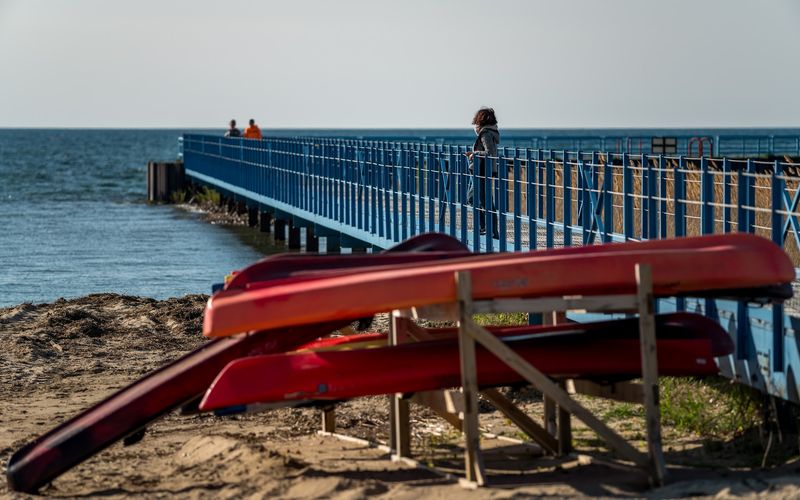
The star attraction is Turnip Rock, a funky rock formation sitting in the water with trees growing out of its top. It’s only reachable by water, since the surrounding shoreline is private. Most people rent kayaks or paddleboards in town and make the trip out.
Plan for a few hours round trip and check the wind before you go, because waves can pick up fast.
Not a paddler? Guided tours can take you out, and some boat outings pass by the rocky shoreline too.
Back on land, the town has a relaxed summer feel. A Saturday farmers market brings out local produce, baked goods, and crafts. Ice cream lines get long on hot afternoons, which tells you all you need to know about how locals spend their evenings.
Walk out on the breakwall to catch the sun going down. Benches and open views make it an easy spot to linger without spending a dime.
Port Crescent State Park is a short drive away. It has sandy beaches, dunes, and a boardwalk along the water. The park is also known for dark skies, so if you’re a stargazer, stay up late on a clear night for a sky full of stars.
Port Austin gets busy on summer weekends, so try visiting in late spring or early fall if you want quieter beaches. Lodging ranges from small motels to cottages, and booking ahead is smart during peak months.
7. Alpena: Shipwrecks and a Sunrise Coast
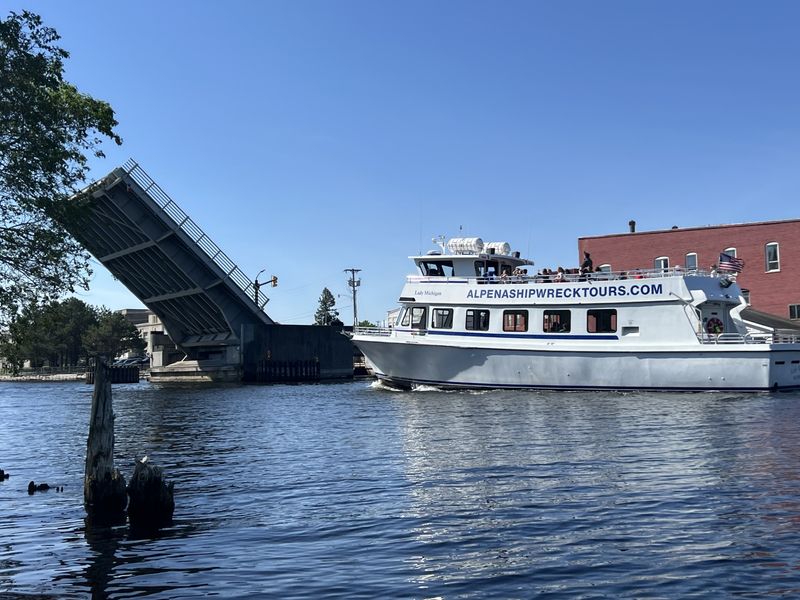
Under the waters near Alpena lie nearly 200 known shipwrecks. That’s why the area is home to Thunder Bay National Marine Sanctuary, a protected stretch of Lake Huron nicknamed Shipwreck Alley.
You don’t need scuba gear to see them. Glass-bottom boat tours leave from town in warmer months, and on calm days you can look down at old wooden hulls resting in the cold, clear water. The chilly lake helps preserve the wrecks, so some look surprisingly intact.
Start at the Great Lakes Maritime Heritage Center. It’s free and packed with exhibits, including a full-size replica of a schooner you can walk onto. Kids and adults both get into the hands-on displays about storms, sailors, and shipwreck stories.
Kayakers can paddle near shallow wrecks closer to shore, and snorkeling is possible in some spots during summer. Go with a guide if you’re new, since lake conditions can change quickly.
On land, Alpena has a paved bike path that loops through town and along the water. Downtown has local restaurants, a few breweries, and shops worth browsing. The pace is unhurried, and parking is rarely a hassle.
Since Alpena faces east, sunrises are the big show. Set an alarm, grab something warm to drink, and head to the shoreline before dawn. Watching the sun climb out of Lake Huron is a fine way to start a Saturday.
Nearby, Rockport State Recreation Area has an old limestone quarry where you can hunt for fossils. These ancient sea creature remains date back hundreds of millions of years, back when Michigan sat under a warm, shallow sea. Bring a small bag, sturdy shoes, and some patience, and you’ll likely find a few treasures to take home.
8. Grand Marais: Quiet Edge of the Pictured Rocks
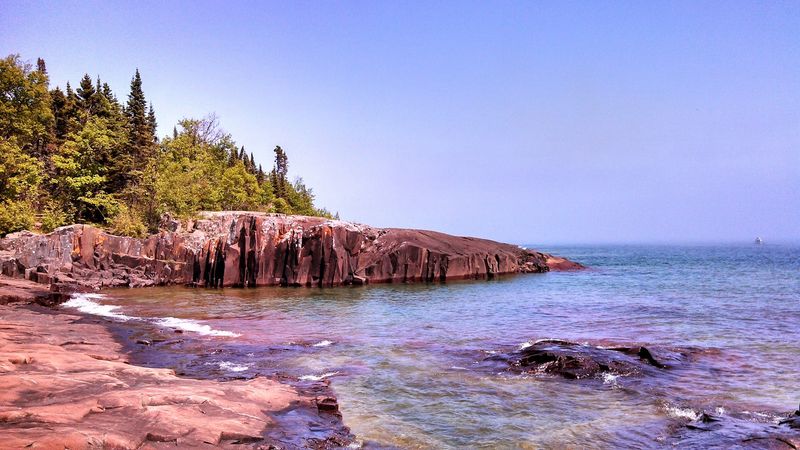
Tiny towns don’t come much tinier than Grand Marais. With a small population and a harbor facing Lake Superior, it sits at the eastern end of Pictured Rocks National Lakeshore, far from crowded tourist strips.
The Grand Sable Dunes rise just west of town. These massive sand slopes tower high above the lake, and the Log Slide overlook shows exactly how steep they are. Loggers once sent timber down this slope to the water.
Walking down is easy. Climbing back up is a serious workout, so think twice before you go.
Sable Falls is a short hike from a parking area, with stairs leading down to a pretty waterfall that flows toward the beach. After that, you can wander along the shore looking for agates, the banded stones that rock hounds hunt along Superior’s beaches.
Au Sable Light Station is reachable by a flat walk of about a mile and a half each way. Along the path, you may spot old shipwreck remains in the sand, depending on how the waves have shifted things.
Back in town, options are limited but charming. A few restaurants, a bakery, and some small shops cover the basics. Plan meals ahead, since hours can be short outside peak season.
The harbor is a calm place to watch the water. On clear nights, the sky gets very dark, so you may catch the northern lights if you’re lucky. Check aurora forecasts before your trip.
Getting here takes some driving, and services are spread out. Fill your gas tank before heading in, and bring snacks. The upside of all that distance is fewer people and more space to breathe, which is exactly what a reset weekend needs.
9. Ludington: Classic Beach Town, Done Right
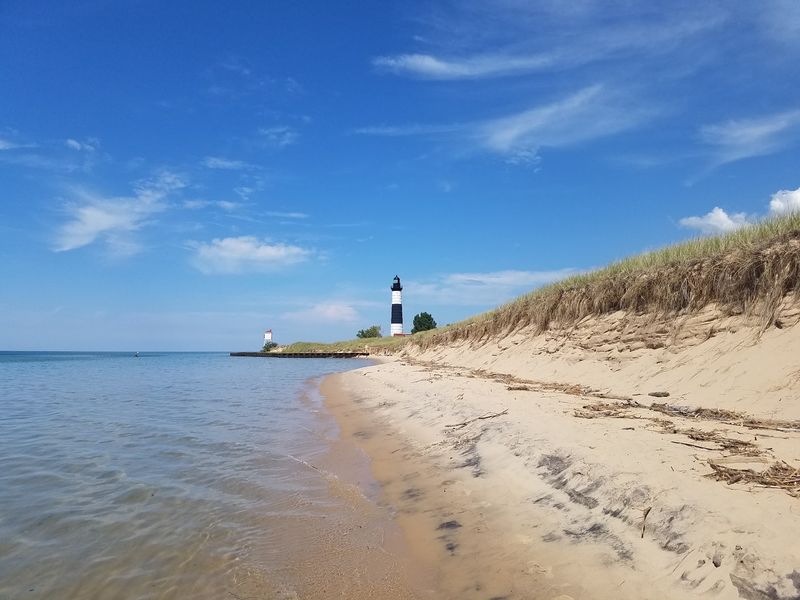
A car ferry that’s been crossing Lake Michigan for decades still pulls into Ludington’s harbor. The SS Badger carries passengers and vehicles to Wisconsin, and watching it arrive or depart is a small thrill even if you never step on board.
The beach here is wide and sandy, with a long walkway running along the shore. Follow the breakwater out to the North Breakwater Light, a tall, pyramid-shaped lighthouse at the end. Sunset is prime time for this walk, and plenty of locals make it a habit.
Ludington State Park sits a few miles north and deserves at least half a day. Big dunes, forest trails, and the Big Sable River give you plenty of options. You can hike to the Big Sable Point Lighthouse, a black-and-white striped tower, along a sandy path.
Tubing or canoeing down the river is a popular summer activity too.
Downtown has plenty of places to eat and shop, plus an old-school ice cream scene that people take seriously. Expect lines on hot nights, and know that they move quickly.
Ludington makes family outings easy, with shallow areas along the beaches, a playground near the water, and attractions close enough to fit several into your day.
The SS Badger adds a dose of maritime history. As one of the last operating coal-fired steamships of its kind, it offers a memorable connection to an earlier era of Great Lakes travel.
Book early for summer stays, especially if you want a hotel near the beach. Fall brings cooler hiking weather and colorful foliage in the state park, while spring offers a quieter setting for exploring trails and lighthouses, even when the lake remains too cold for a comfortable swim.
10. Calumet: Copper Country History Up Close
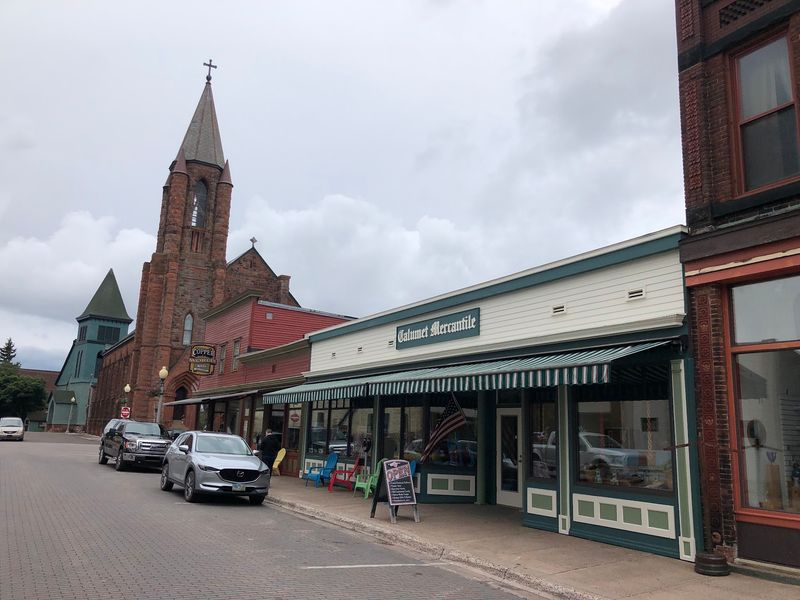
Walk through downtown Calumet and the buildings tell the story before any sign does. Big red sandstone storefronts and grand old churches show how wealthy this mining town once was, back when copper made the Keweenaw a booming place.
Calumet is part of Keweenaw National Historical Park, and a visitor center in town explains the area’s mining past through exhibits and displays. It’s a good first stop to get your bearings and grab maps for nearby sites.
The Calumet Theatre is a highlight. Built in 1900, it’s one of the oldest buildings of its kind in the region and still hosts performances. Tours may be available, so check ahead.
History buffs will want to read up on the Italian Hall disaster of 1913, a tragic event connected to a mining strike. A memorial marks the site today, and learning about it adds depth to your visit.
Calumet is a great base for exploring the rest of the Keweenaw. The Quincy Mine near Hancock offers tours that take you underground. Lake Superior beaches, waterfalls, and scenic drives are all within easy reach.
Food here leans hearty. Pasties are everywhere, and you’ll also find Finnish influences, since many immigrants from Finland settled in the area. Look for treats like pannukakku, a baked pancake.
Winters in the Keweenaw bring heavy snow, often well over 200 inches in a season. That makes the area a hot spot for snowmobiling, cross-country skiing, and snowshoeing. If cold doesn’t scare you, a winter trip offers a totally different side of town.
Summer and fall are milder, with long days and colorful forests. Pack layers no matter the season, and give yourself time to wander the side streets slowly.
11. Tawas City: Sandy Shallows on Tawas Bay
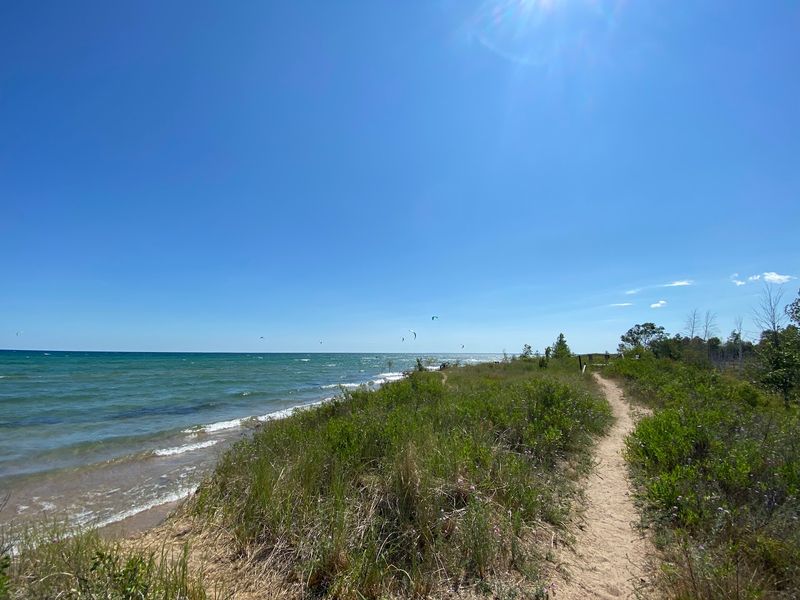
Shallow, warm-ish water is not something you usually say about the Great Lakes. Tawas Bay is an exception, with gentle sandy shallows that make it one of the friendlier swimming spots along Lake Huron.
Tawas City sits on the bay alongside its neighbor, East Tawas, and the two towns blend together nicely. Shops, restaurants, and parks line the shore, and you can easily bounce between them in a single afternoon.
Tawas Point State Park is the big highlight. A sandy hook of land curves out into the lake, with beaches on both sides and the Tawas Point Lighthouse standing near the end. Climbing the lighthouse is often possible in season, and the view from the top is excellent.
Birders love this point. During spring migration, colorful warblers and other birds stop here to rest, and you’ll often see people with binoculars scanning the trees. Even if you’re not a bird expert, it’s fun to see what flutters by.
The waterfront has a walking path and a pier for fishing or just taking in the view. Kids can splash safely in the shallows, and the soft sand is great for building castles.
Head inland a bit and you’ll reach the River Road Scenic Byway along the Au Sable River. Lumbermen’s Monument and the Iargo Springs overlook are both worth adding to a day drive, with long staircases leading to forested views.
Tawas has a small-town charm without feeling sleepy. Local festivals pop up in summer, so check the calendar before you go. Fishing charters are also available if you want to try for walleye or salmon.
Lodging ranges from simple motels to waterfront cottages, and booking ahead helps on holiday weekends.
12. Munising: Cliffs Painted by Nature
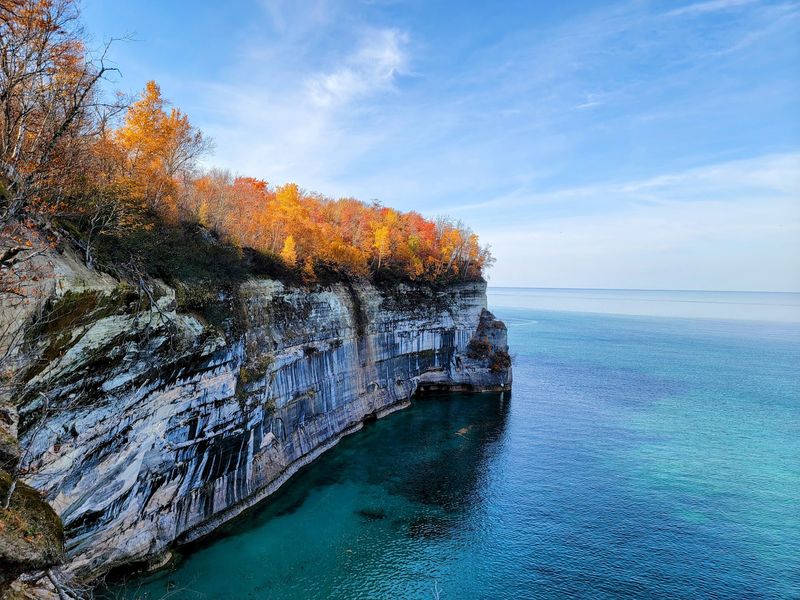
Streaks of orange, green, and black stain the tall sandstone cliffs near Munising. Minerals seeping through the rock create those colors, and they’re the reason Pictured Rocks National Lakeshore became the first national lakeshore in the country.
The best way to see the cliffs is from the water. Boat cruises leave Munising in summer and pass rock formations, arches, and waterfalls tumbling into the lake. Kayak tours get you even closer, but Lake Superior is cold and rough at times, so a guided trip is the safe call if you’re new.
On land, Miners Castle is an easy stop with an overlook and short paths. The rock formation looks like a castle turret rising from the water. Nearby beaches have bright, clear water on sunny days.
Waterfalls are everywhere around Munising. Munising Falls is a short, paved walk from the parking lot. Wagner Falls and Miners Falls are also easy to reach and great for photos.
Chapel Falls requires a longer hike, but the trail is scenic the whole way.
Glass-bottom boat tours in Munising Bay show off old shipwrecks below the surface. It’s a fun option if you want a break from hiking.
The town itself is a handy home base, with motels, restaurants, and outfitters. Summer gets crowded, so reserve tours and lodging early.
Winter turns the area into a different world. Frozen waterfalls form ice curtains, and ice climbers come from far away to scale them. Snowshoeing to frozen falls is an adventure you won’t forget.
Fall color here is stunning, usually peaking in late September to early October. Pack layers, sturdy shoes, and a camera with plenty of storage, because you’ll take more pictures than planned.