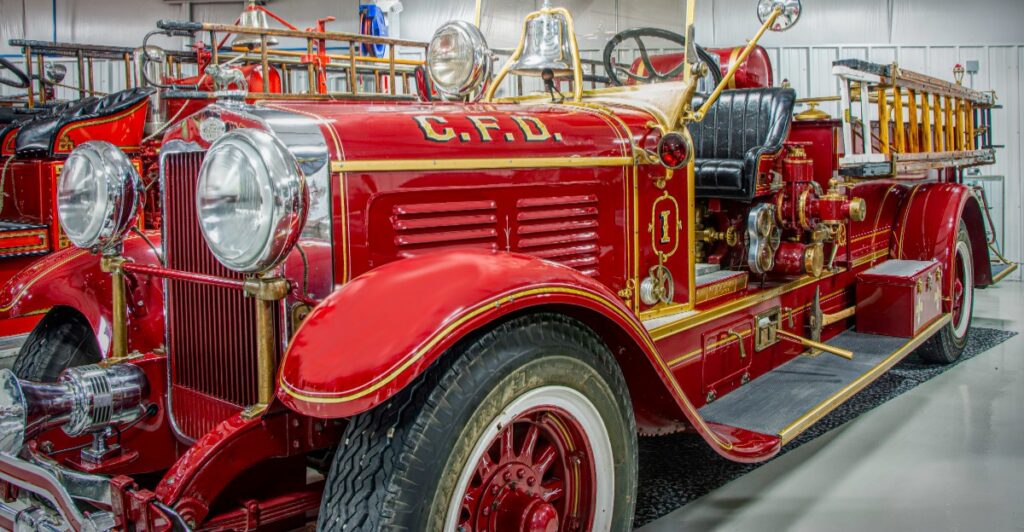
Tucked along Cincinnati Brookville Road in tiny Shandon, Ohio, a three-building museum holds shiny old cars, race machines, and antique fire trucks. Plenty of drivers zoom past without a second glance.
Inside, a friendly team shares stories that make every vehicle come alive. Here are ten things that make this hidden gem worth a special trip.
1. A Museum Hiding in Plain Sight
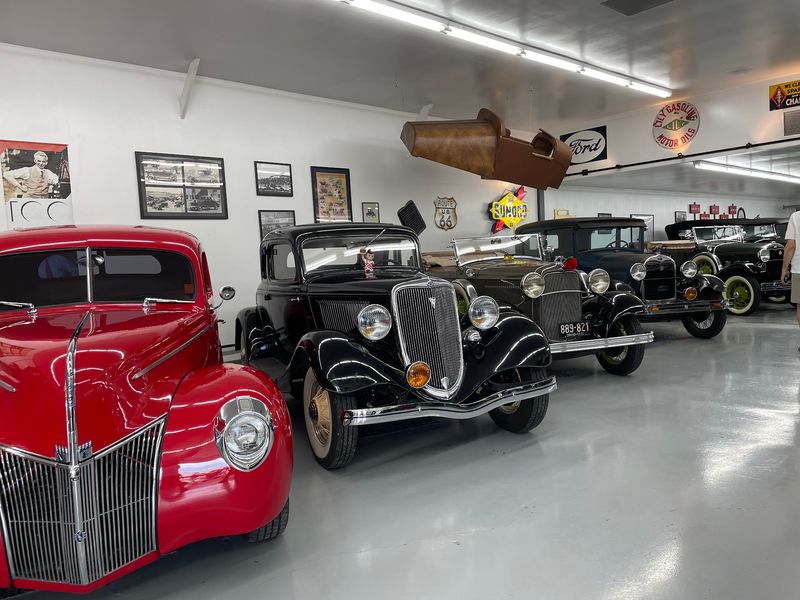
One visitor wrote that they had passed this place for years and thought it was only one building. Surprise: it is a full three-building museum sitting right beside the road in Shandon.
The address is 4985 Cincinnati Brookville Road, and the small-town setting makes it easy to miss. Blink while driving and you could roll right by thousands of dollars worth of gleaming history.
Reviewers call it a hidden gem again and again. The location feels remote, yet fans say the drive is part of the fun.
Once you pull in, the quiet countryside gives way to rows of polished fenders, shiny brass, and bright red fire engines. Plan to stay longer than you expect, because each building has its own surprises waiting inside the doors.
2. Cars From 1900 to 1935
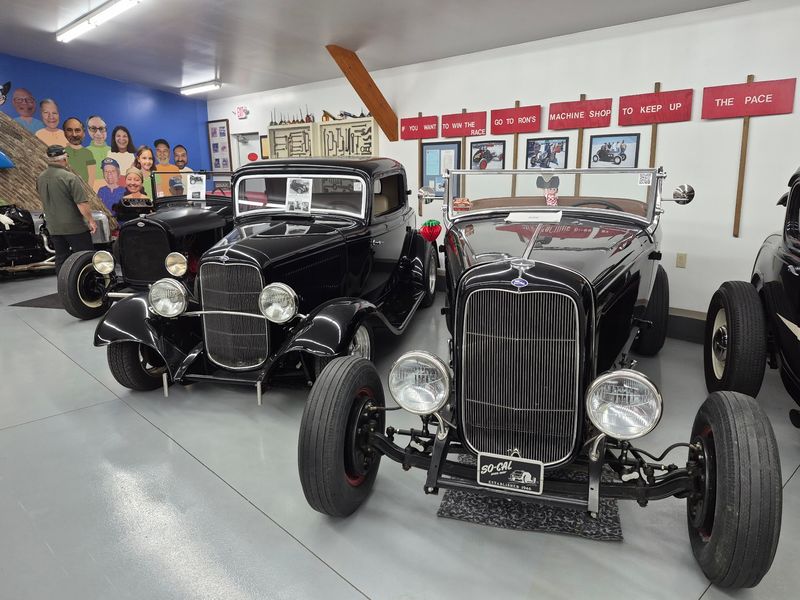
Picture a time when cars still looked like horse carriages with engines. The collection here covers vehicles from about 1900 to 1935, so you can watch the car change over three decades.
Early models have thin tires, tall bodies, and big lamps. Later ones show smoother shapes and more comfort.
Walking down the rows feels like flipping through a giant picture book. Kids can spot how steering wheels, seats, and headlights grew up over time.
Adults tend to linger over the paint, which shines like fresh glass.
Every car has a story, and the guides know many of them. Ask questions, because the answers often include surprising details about who built, drove, or rescued each vehicle.
3. Ford Model T and Model A Stars
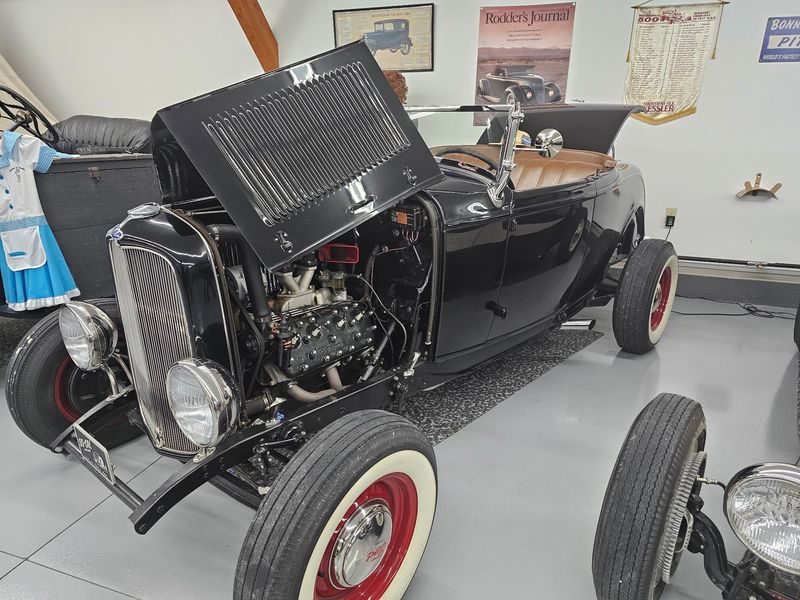
Few cars changed daily life like the Ford Model T. Here, you can stand beside Model T and Model A cars and see why so many families once loved them.
Reviewers mention these Fords again and again. The Model A came later and offered more power and style, so comparing the two is a fun game.
Look closely at the hand cranks, simple dashboards, and sturdy wheels. Imagine learning to drive with pedals that work differently from today’s cars.
Fun fact: Henry Ford once joked that buyers could choose any color as long as it was black. Many Model Ts really did roll out in that shade, though not every one.
4. Race Cars From the Salt Flats
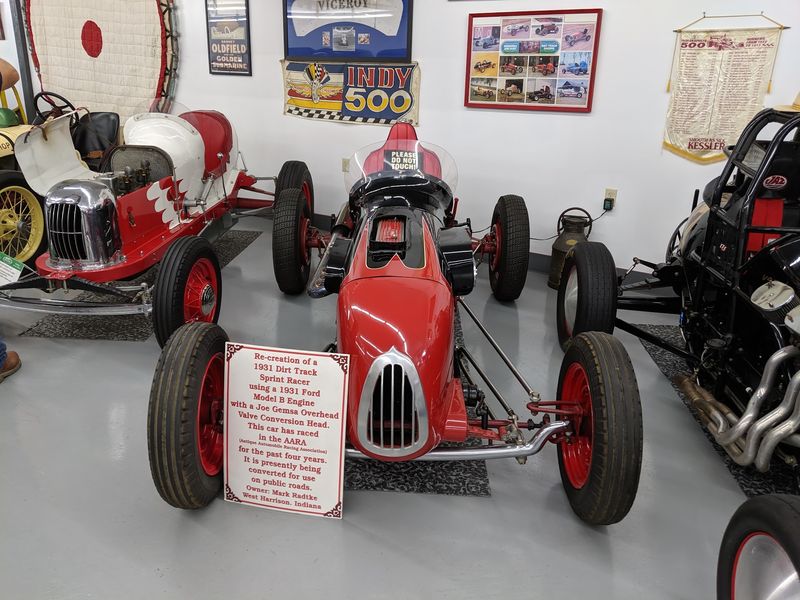
Speed fans, this stop is for you. One reviewer described the museum as a wonderful look at vehicles that sped across the salt flats.
Race cars have a different look from regular cars. They sit low, wear bold numbers, and often have simple, stripped-down bodies built for one job: going fast.
Standing next to them, you can almost hear the roar of an engine echoing over flat white ground. The museum also keeps memorabilia that explains the daring people behind the wheel.
Bring a friend and play a game of guessing which car was the fastest. Then ask a guide, who may share a story that changes your answer.
5. The Antique Fire Truck Hall
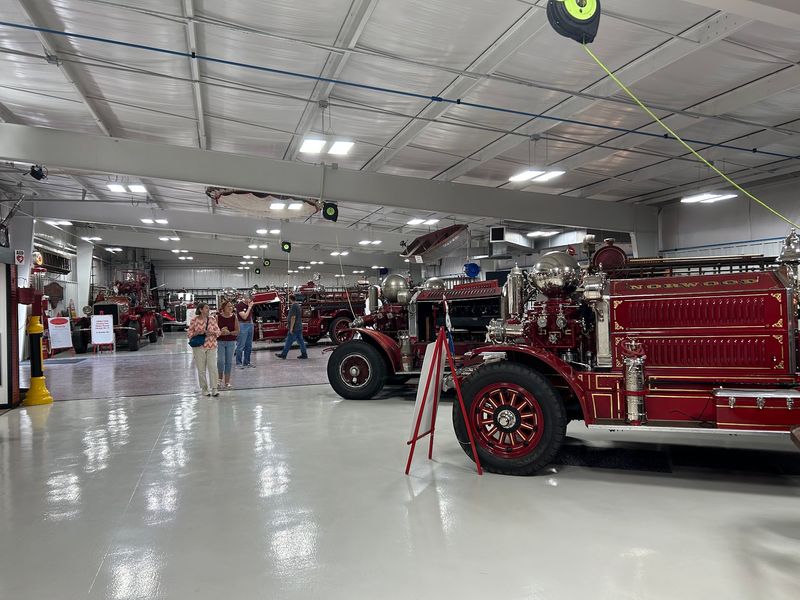
Ask regulars which building they love most, and many point to the last one. It holds vintage fire equipment from the 1800s into the 1950s.
Bright red paint, brass bells, and long hoses fill the space. Reviewers say the fire engines are the best part, and it is easy to see why.
Some pieces are pulled by hand, while others have roaring motors. Seeing them together shows how firefighting grew from bucket lines to powerful machines.
One guest said this is a huge firetruck museum, and the size surprises first-time visitors. Give yourself plenty of time here, because every corner has another gleaming engine to admire.
6. Meet Mark and the Friendly Crew
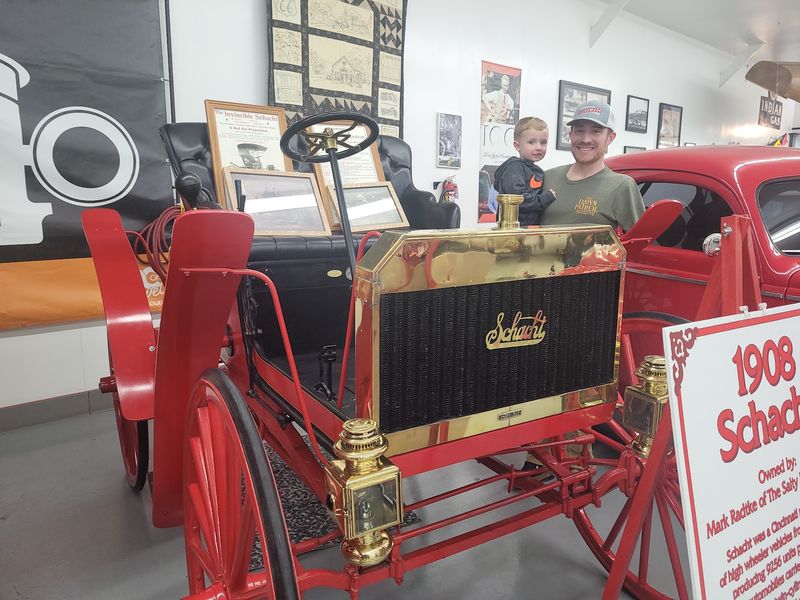
“Mark gives a great tour.” That line shows up in review after review, and it sums up the heart of the place.
Mark, one of the owners, walks guests through the collection and happily answers questions. Volunteers join in with friendly, often funny banter that shows how much they love their work.
One guest enjoyed hearing how different fire trucks were operated back in the day. Another said it felt like a built-it-himself heartland story.
The museum also honors Ron, a late partner, whose son helps carry on the mission. That family feeling makes visitors feel like friends rather than strangers, and many leave planning a return trip.
7. Restoration Happening on Site
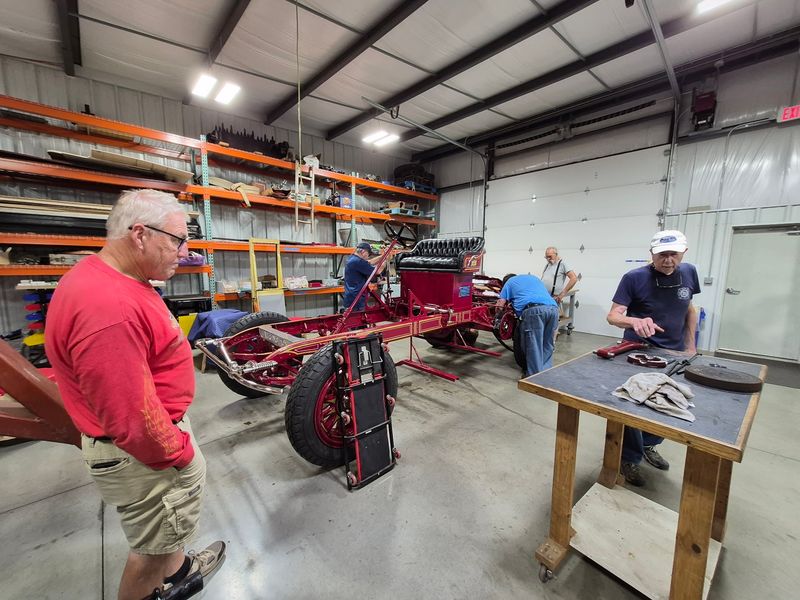
Here is something many museums cannot offer: the work is not finished. Visitors say the team restores fire trucks right on the property.
That means an old, tired machine may arrive rusty and leave looking brand new. Parts get cleaned, repainted, and fitted back together by hand.
Watching or hearing about this process teaches patience. A single bolt might take hours to find, and a paint job can take weeks.
Guides say the volunteers share a passion for bringing antique vehicles back to life. If you love fixing things, ask about current projects.
You might even leave inspired to start a restoration of your own.
8. Memorabilia and Little Treasures
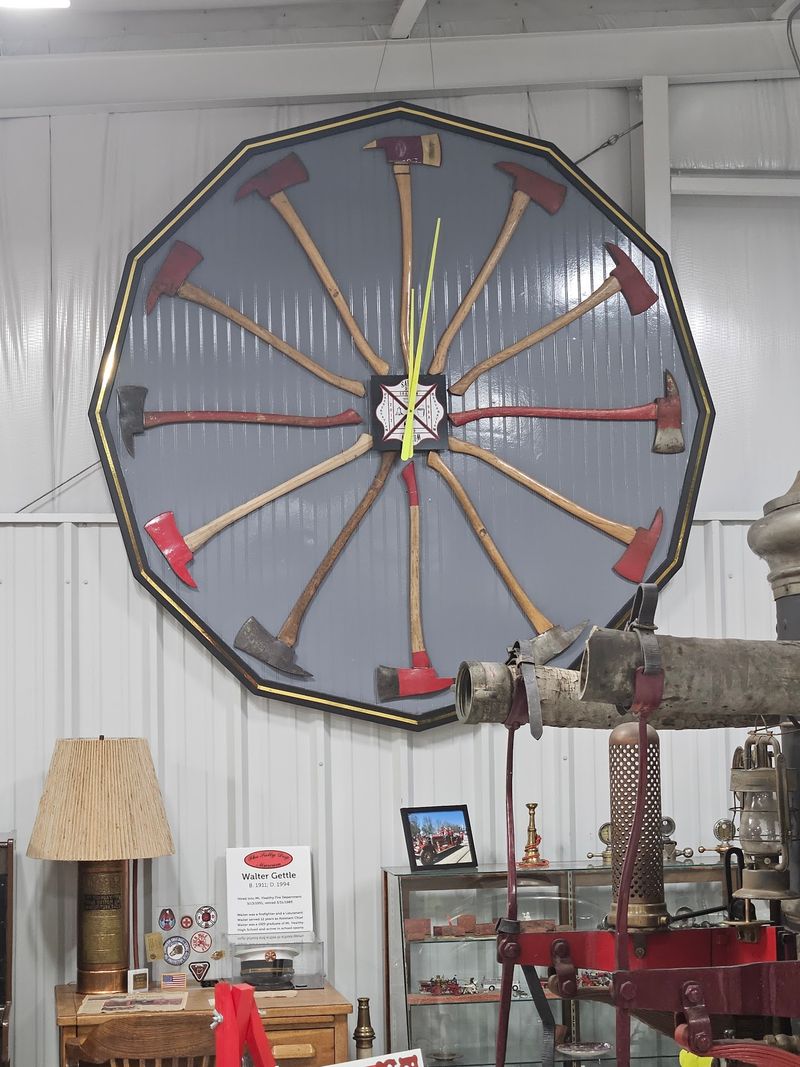
Between the big machines, small treasures wait on walls and shelves. Visitors mention memorabilia as a favorite extra.
Expect old signs, tools, helmets, and other pieces that add context to the vehicles. Each item hints at how people once lived, worked, and traveled.
Kids may enjoy a sweet surprise too. One grandfather shared that his granddaughter received her first Hot Wheels car at the end of the tour.
Take a slow lap and look up, down, and around. The smallest object might be the one that sparks the best conversation with your guide or your family.
9. A Family Friendly Adventure
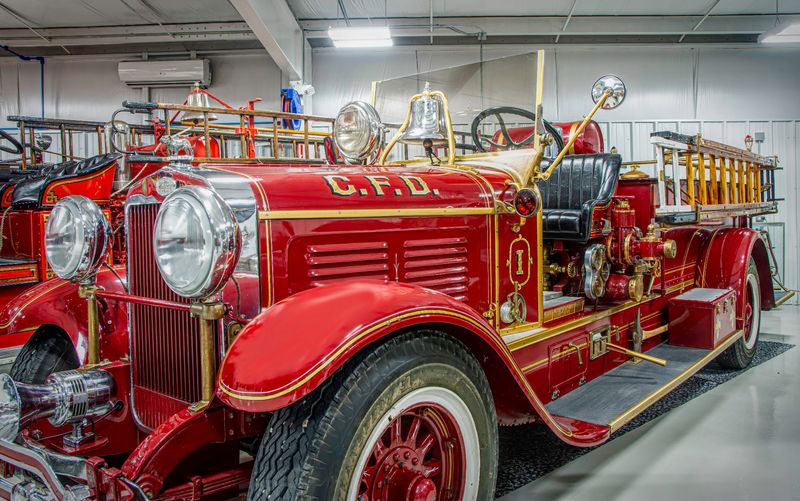
Imagine a four-year-old ringing a real fire truck bell. One grandparent shared that happy moment, and the child was allowed to sit right in the truck.
That hands-on spirit makes the museum great for families. Guides explain history in easy words and welcome curious questions from all ages.
Younger visitors love the bright colors and big wheels. Older ones enjoy the stories and the chance to see machines their grandparents might remember.
Admission is free, with a suggested donation of seven dollars. Many guests say that small gift is well worth it for the warm, personal visit.
10. Planning Your Visit
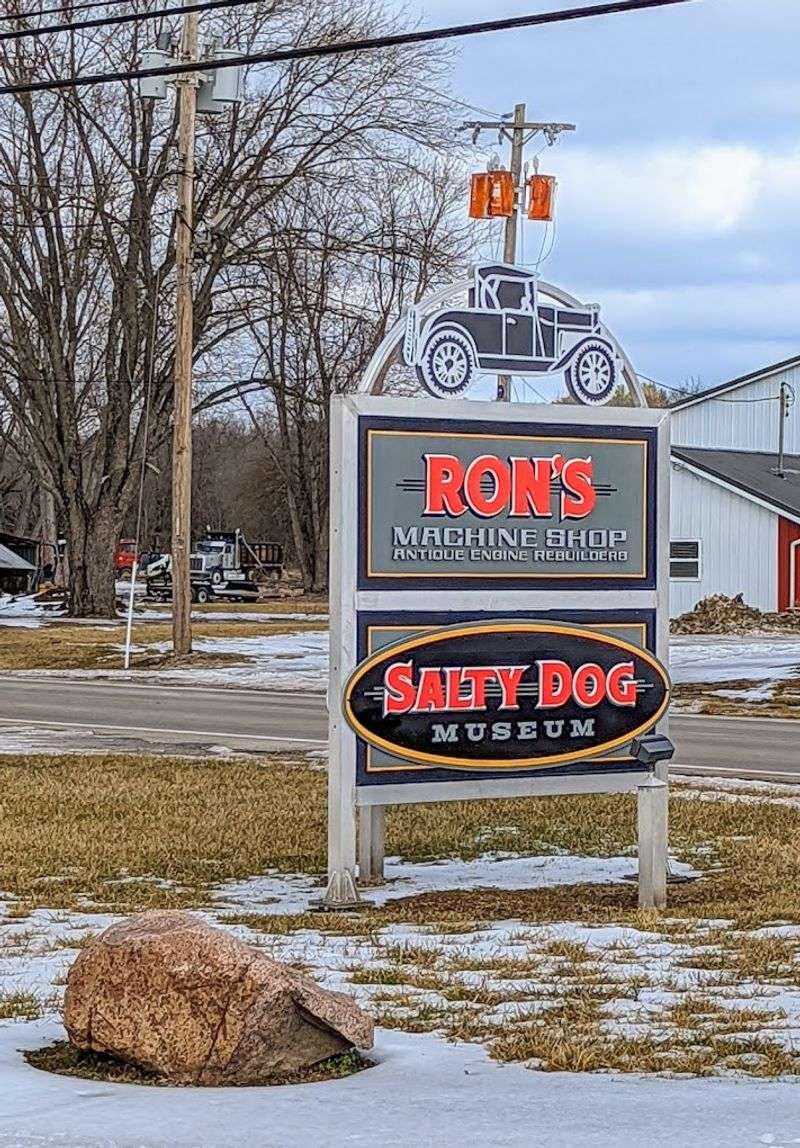
A little planning goes a long way here. The museum is open Thursday and Saturday from 10 AM to 4 PM, and closed other days.
Visitors suggest calling ahead at 513-256-6035 or booking a tour online. That way, a guide is ready to greet you and share the stories.
Timing matters, so double-check the schedule before you drive out. One guest found the doors closed on a Thursday morning, which is a good reminder to confirm first.
Consider visiting during the Shandon Strawberry Festival in June or Christmas in the Country. Pair the museum with a day in town, and you have a perfect small-town outing.
Share this story