Texas might be famous for wide-open plains and desert landscapes, but hidden across the state are some seriously beautiful waterfalls that’ll make you feel like you’ve stepped into a different world. From limestone grottoes in the Hill Country to rare desert cascades in Big Bend, these spots prove that the Lone Star State has way more natural beauty than most people realize. Whether you’re looking for an easy family stroll or a challenging trek through rugged terrain, these waterfall hikes offer something special that’s absolutely worth lacing up your boots for.
1. Hamilton Pool Preserve (Dripping Springs)
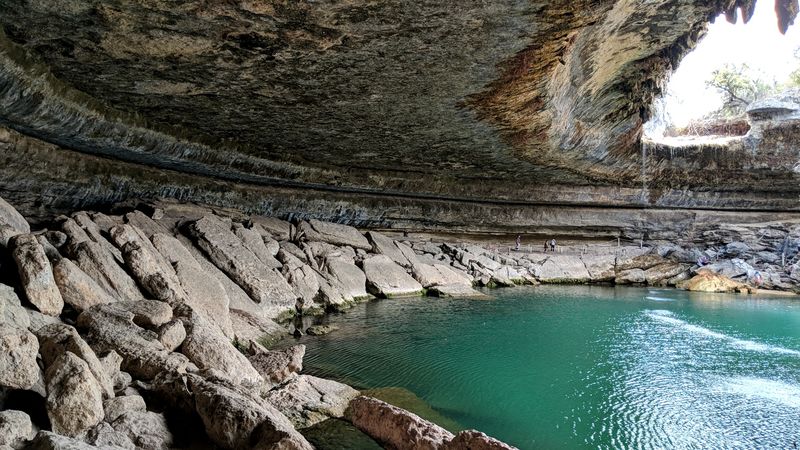
Picture a hidden paradise where a waterfall tumbles 50 feet into a pool so green it looks like something out of a fantasy movie. That’s Hamilton Pool, and it’s one of those places that makes you wonder how something this magical exists just outside Austin. The limestone overhang creates a natural cave ceiling that stretches overhead, draped with hanging gardens of ferns that have been growing there for thousands of years.
Getting there requires a reservation during peak season because this spot became so popular that they had to limit visitors to protect it. The hike down is pretty short—only about a quarter mile—but it’s steep and can get slippery, especially near the water. Once you’re down there, though, you’ll understand why people plan their visits months in advance.
The pool itself sits in a collapsed grotto that formed when the dome of an underground river caved in centuries ago. Depending on recent rainfall, you might be able to swim in the emerald water (they test it regularly for safety). Even when swimming’s not allowed, just being in this natural cathedral is incredible.
Early morning visits offer the best light for photos, with sun rays filtering through the opening above. The preserve also has an upper trail along the creek where you can spot wildlife and enjoy views of the surrounding canyon. Wear sturdy shoes with good grip—those limestone rocks can be treacherous when wet.
Summer weekends fill up fast, so weekday mornings are your best bet for a quieter experience. The preserve stays cool even on hot days thanks to all that shade and the constant mist from the falls. Just remember: reservations are required year-round now, so plan ahead or you’ll be turned away at the gate.
2. Gorman Falls (Colorado Bend State Park)
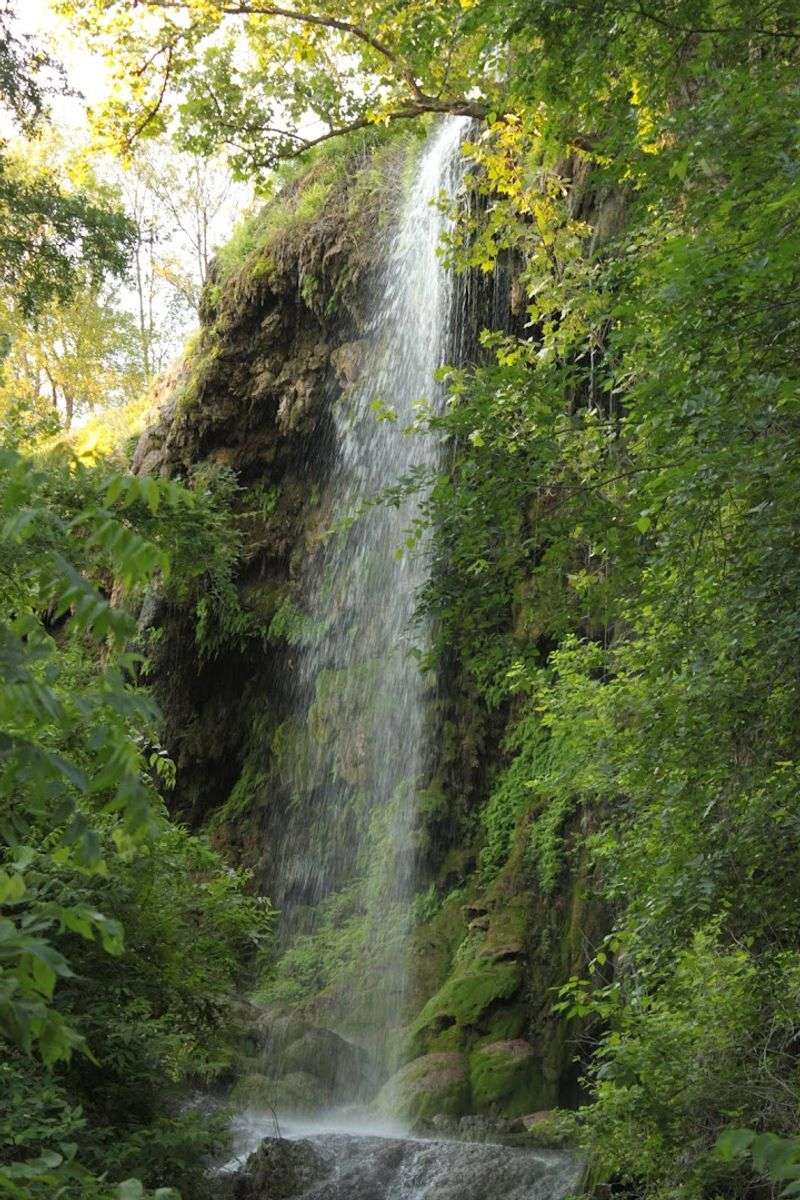
Most waterfalls in Texas depend on recent rain to put on a good show, but Gorman Falls flows year-round thanks to underground springs that pump out thousands of gallons daily. The result? A 70-foot curtain of water that’s turned the limestone cliff face into a living tapestry of emerald moss and travertine formations that look almost otherworldly.
The hike to reach it is no joke—about three miles each way through rugged Hill Country terrain. You’ll cross rocky creek beds, navigate steep sections, and probably work up a decent sweat, especially in summer. But here’s the thing: that challenging approach means fewer crowds and a more rewarding payoff when you finally round the bend and see those falls.
What makes Gorman Falls really special is the constant flow creating microenvironments where rare plants thrive. The moss glows an almost neon green in certain light, and the travertine deposits have built up over centuries into bizarre, beautiful formations. It’s like nature’s own sculpture garden.
You’ll need to join a guided hike to see the falls—the park requires it to protect this fragile ecosystem. Rangers lead groups on weekends, sharing knowledge about the geology and ecology that makes this place unique. The tours typically last three to four hours, so bring plenty of water and snacks.
Timing matters here. Spring brings wildflowers along the trail, while fall offers cooler temperatures that make the trek more pleasant. Summer can be brutally hot with limited shade, though the payoff of seeing those falls in full flow might be worth the sweat.
Winter hikes are surprisingly nice when the rest of Texas is dealing with crowds at more accessible spots.
3. Pedernales Falls State Park (Johnson City)
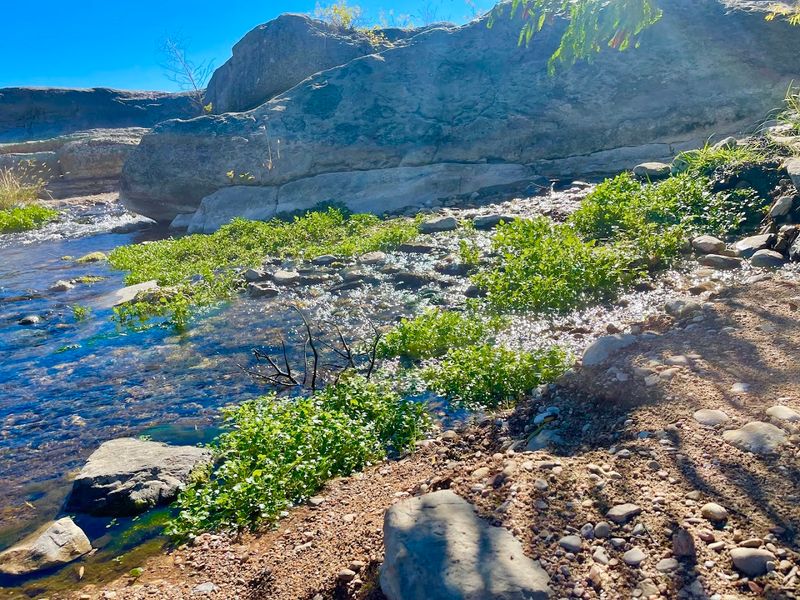
Forget the classic single-drop waterfall image—Pedernales Falls is all about wide, powerful cascades that spread across layered limestone like nature’s own staircase. When water levels are right, the Pedernales River creates a series of dramatic drops and pools that stretch nearly 200 feet across, making it one of the most photogenic water features in Texas.
The main falls viewpoint sits just a short walk from the parking area, making this incredibly accessible compared to other waterfall hikes on this list. Families with young kids can easily make it to the overlook, where you’ll get spectacular views of the tiered cascades. But don’t let the easy access fool you—this place can be dangerous when the river’s running high.
Flash floods have claimed lives here, which is why the park closes certain areas when water levels rise. Always check conditions before you visit, and never attempt to cross the river or climb on the slick limestone when water’s flowing. That said, when conditions are safe, wading in the upper pools offers a refreshing break on hot days.
Beyond the main falls, the park has nearly 20 miles of hiking trails that wind through Hill Country scenery. The Wolf Mountain Trail offers elevated views of the river valley, while the Juniper Ridge Loop takes you through classic Texas terrain dotted with twisted junipers and prickly pear. Bird watchers love this park—golden-cheeked warblers nest here in spring.
Visit after a good rain for the most impressive flow, but give it a day or two so the water clears up enough to see those beautiful limestone layers. Early morning light makes the rock formations glow, and you’ll beat the crowds that show up by mid-morning on weekends.
4. Krause Springs (Spicewood)
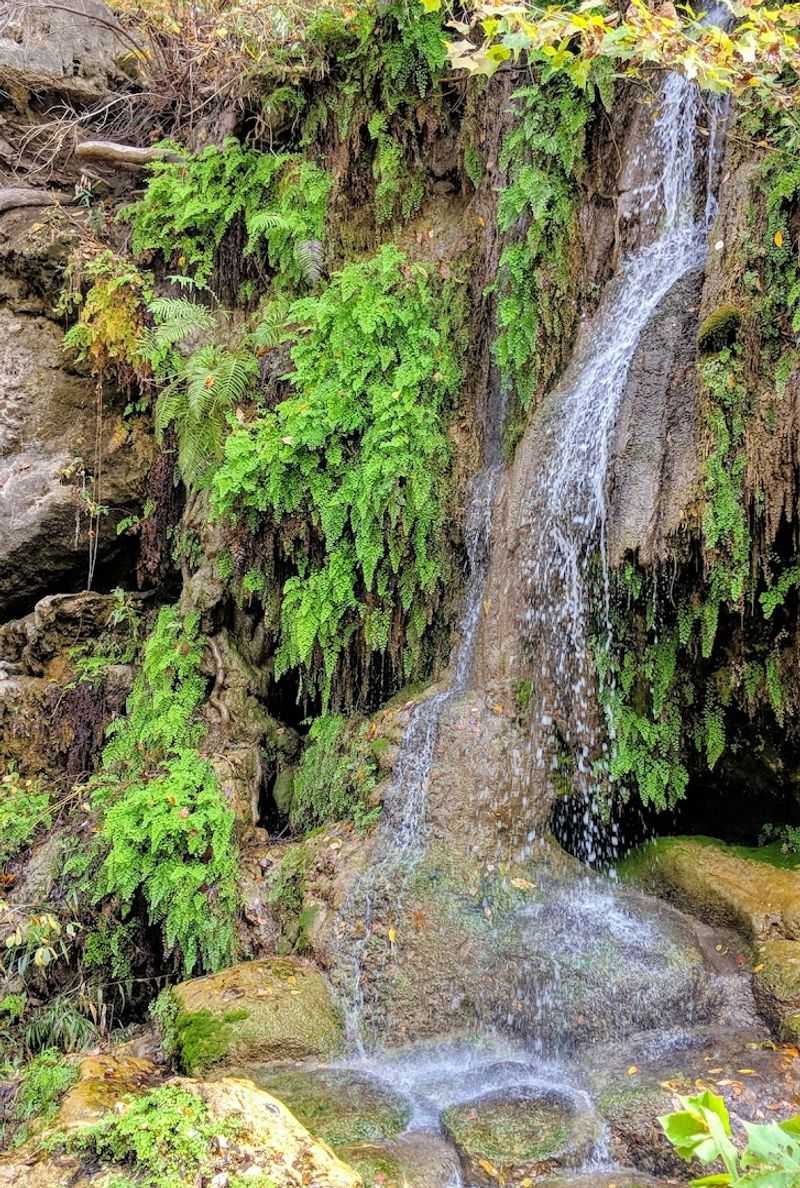
Privately owned and utterly charming, Krause Springs feels like stumbling onto someone’s secret swimming hole—which, in a way, it is. The property has been in the Krause family for generations, and they’ve opened it up for visitors to enjoy the natural springs, small waterfalls, and that incredibly inviting swimming area shaded by towering cypress trees.
The waterfalls here aren’t towering giants, but they don’t need to be. Several small cascades tumble over rocks into crystal-clear pools where the water stays a refreshing 68 degrees year-round. It’s the kind of place where you can spend hours just floating, listening to the sound of falling water, and forgetting that the rest of the world exists.
Two main pools offer different experiences—the upper
5. Cattail Falls (Big Bend National Park)
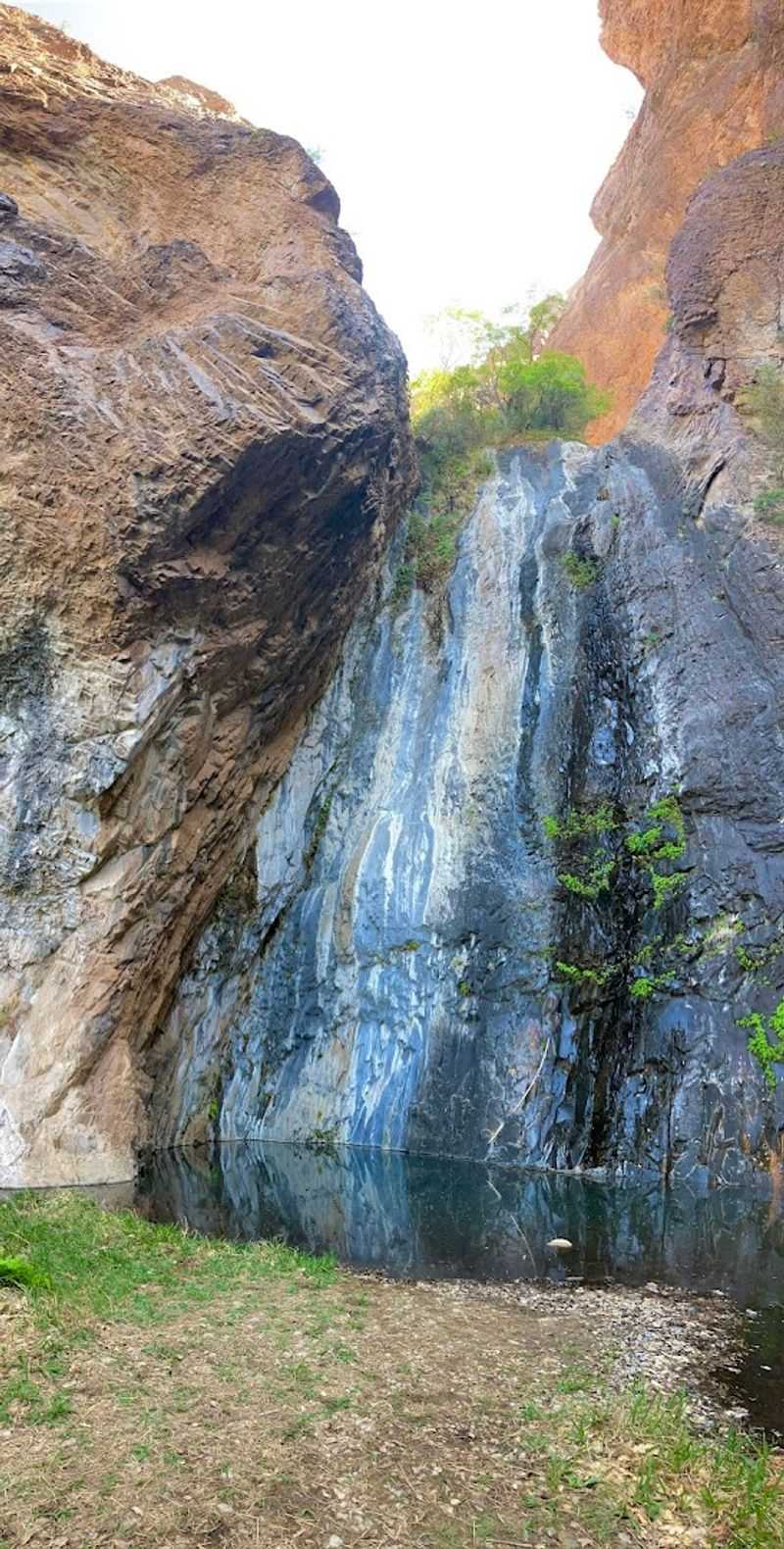
In the Chihuahuan Desert where water is precious and rainfall scarce, Cattail Falls represents something almost miraculous. This seasonal waterfall only appears after significant rain, tumbling down a rocky cliff face in one of the most remote corners of Big Bend National Park. When it’s flowing, it’s genuinely one of the most unique sights in Texas.
The hike to reach it covers about three miles round trip through classic Big Bend desert terrain. You’ll navigate rocky washes, scramble over boulders, and probably question your life choices when the sun’s beating down. But catching this falls after a storm?
That’s a story you’ll tell for years.
What makes Cattail Falls special isn’t just its rarity—it’s the stark contrast between the flowing water and the bone-dry desert surrounding it. Cacti and ocotillo frame views of the falls, creating surreal photo opportunities you won’t find anywhere else. When water’s present, it creates temporary pools where desert wildlife comes to drink.
Timing a visit requires monitoring weather patterns and sometimes getting lucky. Monsoon season (July through September) offers your best chances, though flash floods make hiking dangerous during active storms. Check with park rangers about recent rainfall and current conditions before attempting the hike.
The trail isn’t well-marked in places, so bring a map and GPS device. Cell service is nonexistent out here. Carry at least twice as much water as you think you’ll need—desert hiking in Big Bend is no joke, and rescue is far away if something goes wrong.
If the falls aren’t flowing, the hike still offers incredible desert scenery and solitude that’s increasingly hard to find. Just manage expectations and understand that seeing Cattail Falls requires both planning and luck. When everything aligns, though, it’s absolutely magical.
6. McKinney Falls State Park (Austin)
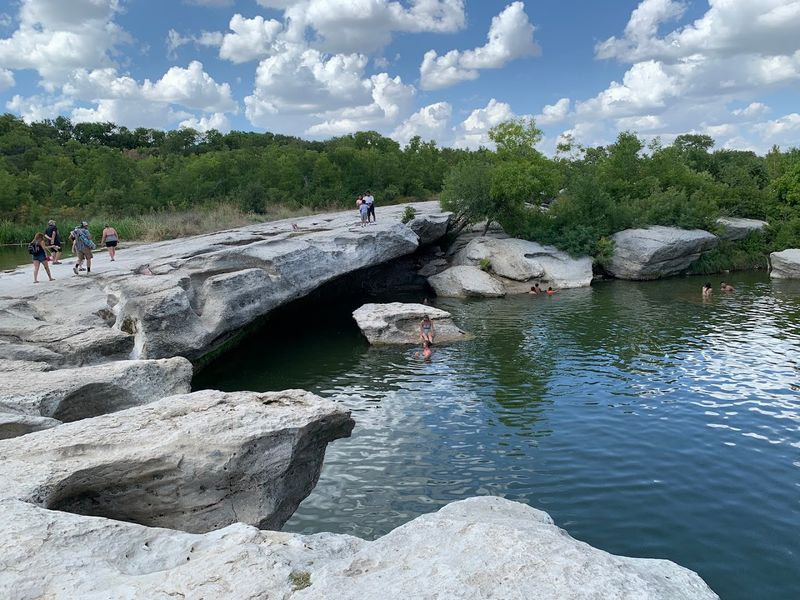
Just eight miles from downtown Austin, McKinney Falls offers two distinct waterfalls that give you a solid nature fix without requiring a major expedition. Upper Falls and Lower Falls each have their own character, and the trails connecting them make for a pleasant few hours of hiking that won’t completely wreck you.
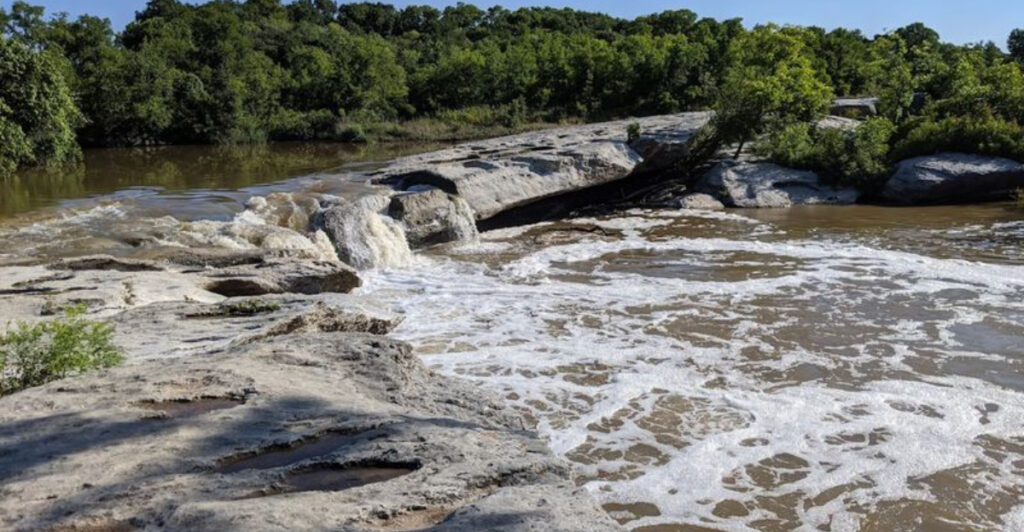
Upper Falls creates a wide cascade over layered limestone when Onion Creek is running well. It’s the more dramatic of the two, with water spreading across the rock face in sheets that catch the light beautifully. Lower Falls is gentler, more of a series of small drops and pools that are perfect for wading when conditions allow.
The park sits on land that once belonged to James McKinney, and you can still see ruins of his homestead near the falls. It adds a cool historical dimension to your hike—you’re walking through both natural and human history. Interpretive signs explain how the McKinney family lived here in the 1850s.
Trail difficulty ranges from easy to moderate depending on which route you take. The main loop connecting both falls is about three miles and mostly flat, with some rocky sections near the water. Families with kids handle it just fine, and dogs are allowed on leash, making this a popular weekend spot for locals.
Water flow varies dramatically depending on recent rain. After dry spells, the falls can reduce to a trickle, while heavy rains upstream can turn Onion Creek into a raging torrent (and close trails for safety). Check the park’s website for current conditions before heading out.
Swimming is technically allowed when water quality is good, though the park posts warnings about bacteria levels after heavy rains. Many people wade in the pools or just sit on the rocks with their feet in the water, which is refreshing enough on hot days.
7. Westcave Preserve (Round Mountain)
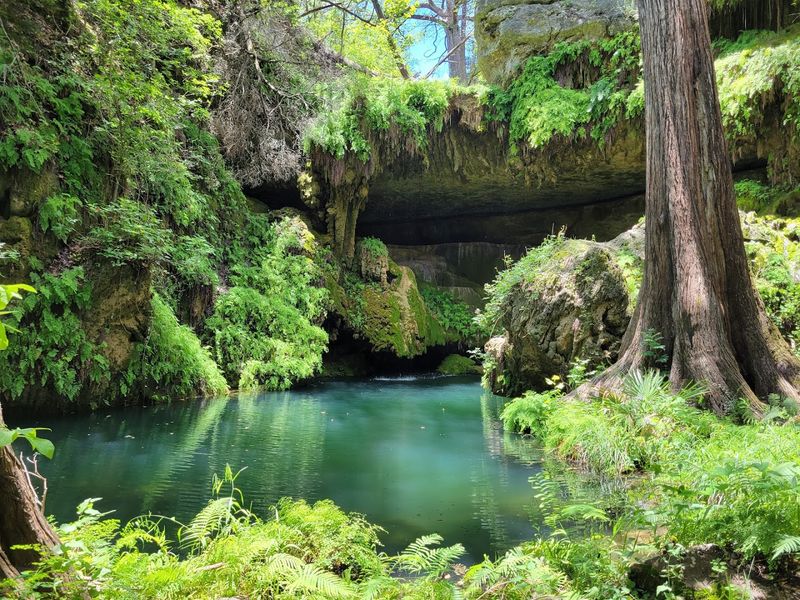
Westcave Preserve protects one of the most spectacular grottos in Texas, where a waterfall drops into a canyon oasis that feels like stepping into a rainforest. The preserve exists specifically to protect this fragile ecosystem, which means access is limited to guided tours only—but that restriction keeps the place pristine and makes your visit feel extra special.
Tours happen on weekends and last about 90 minutes, led by knowledgeable guides who explain the unique geology and ecology. The hike down into the grotto involves steep stairs and can be slippery, but the preserve provides walking sticks if you need them. Once you descend into the canyon, the temperature drops noticeably and the air fills with mist.
The waterfall itself feeds a pool in the grotto where rare ferns and maidenhair plants thrive in the constant humidity. Limestone walls tower overhead, and the whole space feels cathedral-like in its grandeur. It’s smaller than Hamilton Pool but equally impressive, with fewer crowds thanks to the guided tour requirement.
Photography is allowed, but the lighting can be tricky with the deep shade and bright openings. Bring a camera that handles contrast well, or just put the phone away and experience the place fully. The guides are good about giving everyone time to take it in.
The preserve also maintains upland trails that offer Hill Country views and wildlife watching opportunities. Golden-cheeked warblers nest here, along with various other bird species. If you arrive early for your tour, these trails are worth exploring.
Reservations are required and spots fill up weeks in advance during peak season. The preserve limits group sizes to minimize impact, so don’t expect to just show up and get in. Plan ahead, book your tour, and show up ready to experience one of Texas’s hidden natural treasures.
8. Lost Maples State Natural Area (Vanderpool)
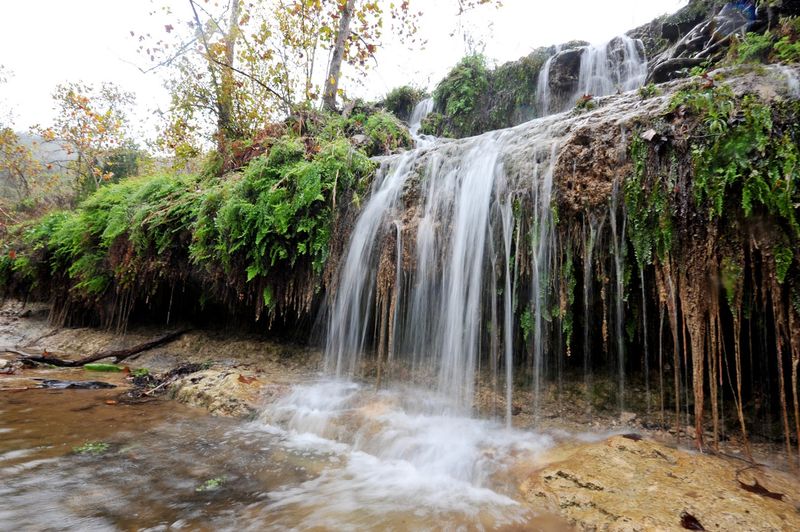
Famous for its fall foliage when the Uvalde bigtooth maples turn brilliant shades of red and gold, Lost Maples also hides quiet canyon waterfalls that most visitors overlook. These aren’t the park’s main attraction, but that’s exactly why they’re special—you’ll often have them to yourself while everyone else is photographing trees.
The waterfalls appear along the streams that cut through the park’s rugged canyons. They’re seasonal and depend on recent rainfall, but when flowing, they create peaceful cascades over limestone ledges in settings that feel remote and wild. The combination of falling water and those distinctive maples creates scenes you won’t find anywhere else in Texas.
Hiking here is more challenging than many Hill Country parks. Trails climb steep canyon walls, cross rocky creek beds, and demand decent fitness levels. The East Trail offers the best waterfall access, winding through canyons where you’ll hear water before you see it.
Bring sturdy boots and expect to scramble over rocks.
Fall is obviously the most popular time to visit, when the maples put on their show and the park becomes absolutely packed. If you’re coming for waterfalls, though, spring after good rains offers better flow and fewer crowds. The wildflowers are incredible in April and May, adding another layer of beauty to the landscape.
The park limits daily visitors during peak fall weekends to prevent overcrowding. They literally turn people away at the gate once capacity is reached, so arrive early or visit on weekdays. If you’re specifically waterfall hunting, consider coming in late winter or early spring when the trees are bare but the creeks are running.
Wildlife is abundant here—white-tailed deer, armadillos, and numerous bird species make the park home. The canyons provide habitat for species that can’t survive in the hotter, drier surrounding areas, making this a biological island of sorts.
9. Chalk Ridge Falls Park (Belton)
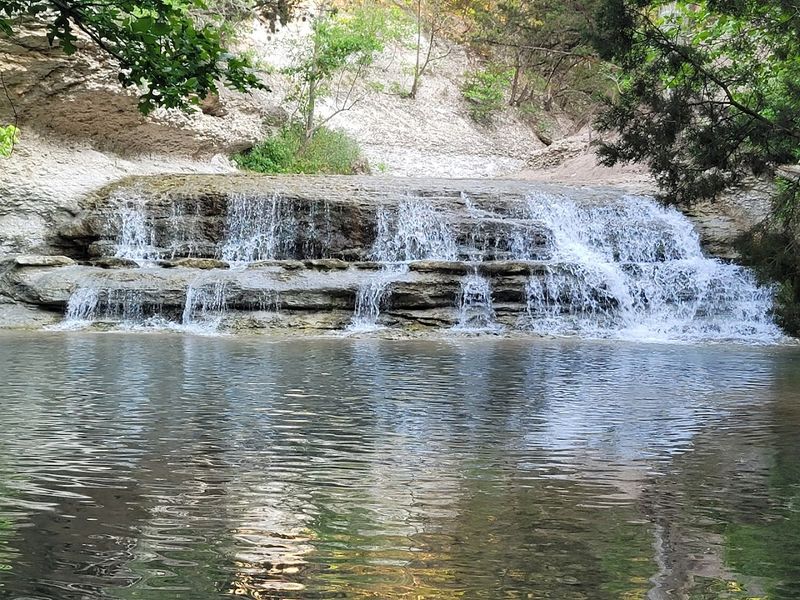
If you want a waterfall hike that won’t intimidate beginners or wear out kids, Chalk Ridge Falls delivers exactly that. This city park in Belton features an easy trail, a charming waterfall, and a rope bridge that makes everyone feel like an adventurer—even though the whole experience is pretty low-key and accessible.
The falls themselves tumble over a limestone ledge into a pool that’s popular for wading when water levels are safe. It’s not a massive drop, but the setting is lovely, with trees providing shade and rocks offering spots to sit and enjoy the view. After heavy rains, the falls put on a better show, but even during drier periods, there’s usually some water flowing.
That rope bridge is honestly a highlight, especially for kids. It sways just enough to feel exciting without being scary, and it offers a fun way to cross the creek and continue exploring. The whole park is well-maintained with clear trails, making it perfect for families or anyone who wants a nature experience without serious hiking.
The loop trail is only about a mile, so you can easily knock it out in under an hour. But the park is pleasant enough that you might want to linger, especially if you bring a picnic. Benches and shaded areas make it easy to relax and enjoy the peaceful setting.
Local residents use this park regularly, so weekday mornings offer the quietest experience. Weekends can get busy with families, but it never feels overcrowded. Free parking and no entrance fees make it an easy, budget-friendly outing.
The waterfall flows best in spring after good rains, though the creek usually has at least some water year-round. Summer visits are pleasant thanks to the shade, and the falls provide a cooling backdrop even when you can’t swim. It’s not the most dramatic waterfall in Texas, but sometimes easy and charming is exactly what you need.
10. Twin Falls (Barton Creek Greenbelt, Austin)
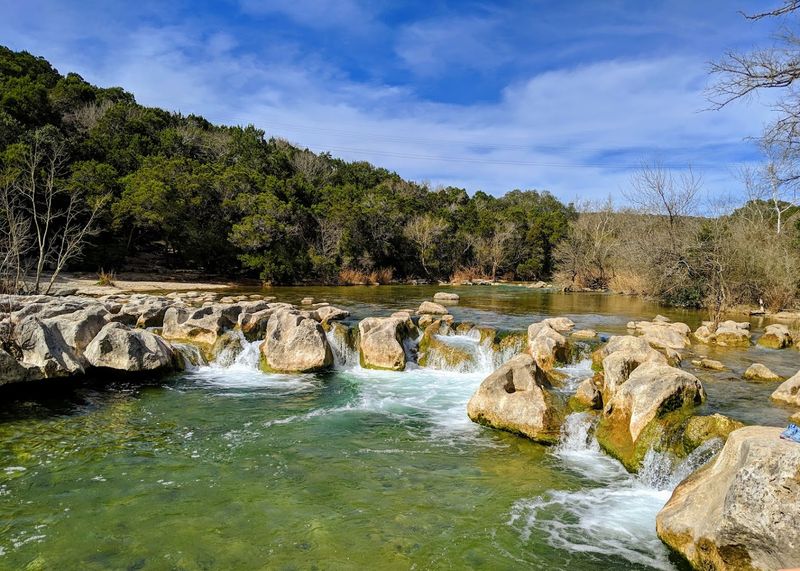
Austinites know that Twin Falls is the spot to hit after a good rain, when Barton Creek swells and creates multiple cascading falls perfect for swimming and general water-based fun. This isn’t a wilderness experience—you’ll share the trail with runners, dog walkers, and families—but it’s a beloved local hangout that delivers exactly what it promises.
The falls are actually a series of small cascades rather than two distinct drops, but the name stuck and everyone knows what you mean when you mention Twin Falls. Water flows over limestone shelves creating natural slides and pools that range from ankle-deep to deep enough for swimming. When conditions are right, it’s basically an outdoor water park without the admission fee.
Getting there requires hiking along the Barton Creek Greenbelt, with several access points depending on where you want to start. The most popular route begins at the Gus Fruh Access and covers about three miles round trip. The trail follows the creek, crossing it multiple times, so expect to get your feet wet even before you reach the falls.
Water levels vary dramatically depending on rainfall. After dry periods, the falls might be reduced to a trickle with just shallow pools remaining. Following heavy rains, the creek can become dangerously high and swift—people have drowned here during floods, so always check conditions and use common sense.
When it’s just right, though, it’s magical.
The greenbelt stays shaded thanks to cypress and oak trees, making it pleasant even on hot days. Limestone cliffs line portions of the creek, and the whole setting feels surprisingly wild considering you’re in the middle of a major city. It’s easy to forget that downtown Austin is just a few miles away.
Weekends bring crowds, especially during summer when everyone’s seeking water relief. Early morning visits offer the best chance at having the falls more to yourself. Bring water shoes—the creek bottom is rocky and can be slippery, and you’ll be crossing multiple times regardless of which route you take.
Share this story