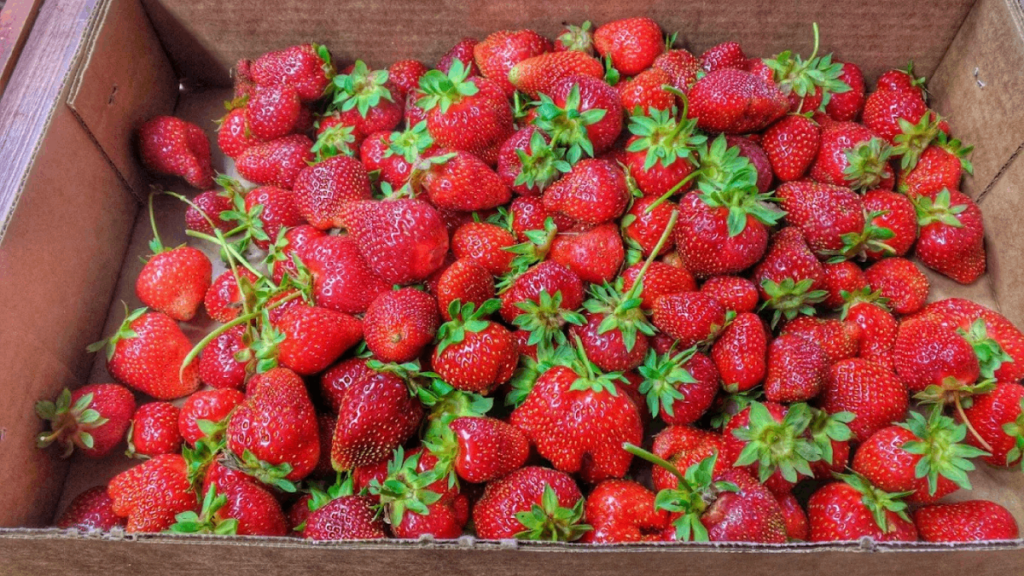
Tennessee’s rolling hills and fertile valleys hide some of the best family-friendly farm experiences in the South. U-pick farms let kids see where their food comes from while parents enjoy fresh air and the satisfaction of filling their own baskets.
Whether you’re after juicy strawberries in spring, plump blueberries in summer, or crisp apples come fall, these eleven Tennessee farms offer hands-on fun that beats any screen time.
1. Berney Blueberry Farm — Powell
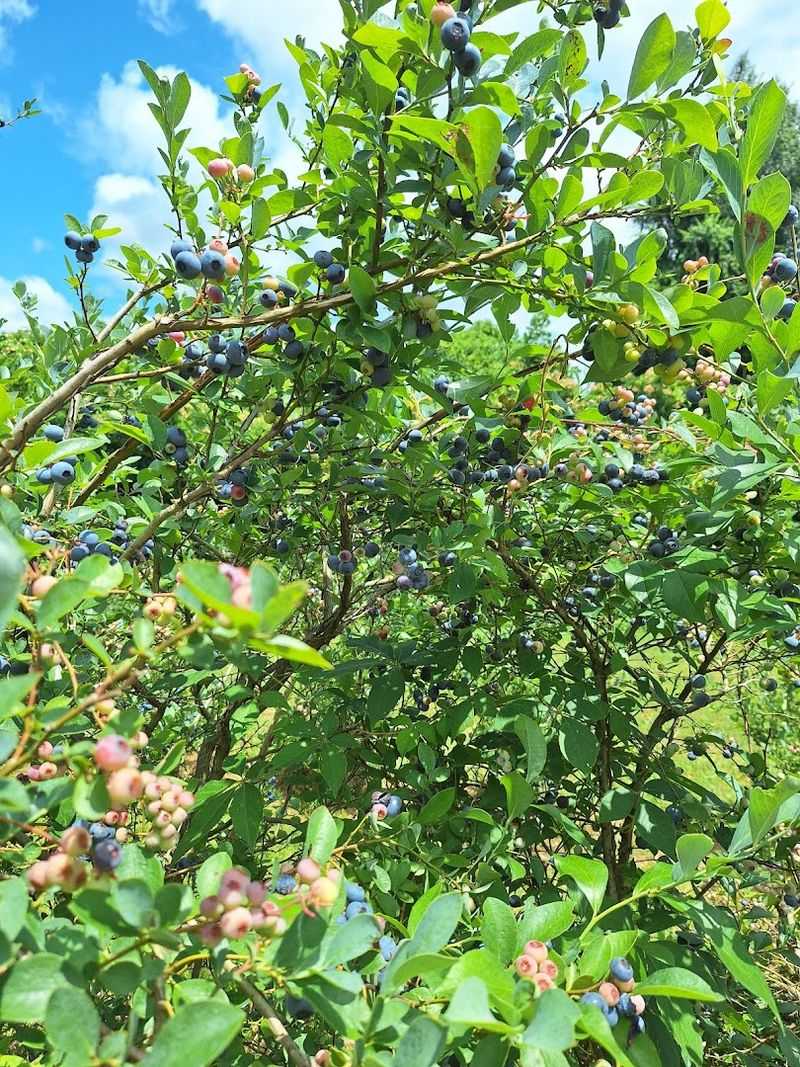
Just outside Knoxville, this blueberry haven opens its gates when summer heat settles in, usually from late June through July. Rows of plump bushes heavy with berries make it easy for even the smallest hands to find ripe fruit hanging at just the right height.
Families appreciate the straightforward setup here. No complicated rules or confusing pricing structures. You grab a container, head into the fields, and start picking.
The farm keeps things simple, which means more time enjoying the experience and less time figuring out logistics.
Blueberries here ripen in waves, so calling ahead ensures you catch peak season. The berries tend to be sweeter as July progresses, though early-season fruit still makes excellent pies and jams. Kids love the instant gratification of popping a few in their mouths while they work.
Powell’s location makes this an easy day trip for East Tennessee families. You’re close enough to Knoxville for a post-picking lunch in town, yet far enough out to feel like you’ve escaped the city. The farm’s relaxed atmosphere means nobody’s rushing you through the rows.
Pack sunscreen and hats since shade can be limited between the bush rows. Morning visits offer cooler temperatures and firmer berries.
2. Blueberry Ridge Farm — Decaturville
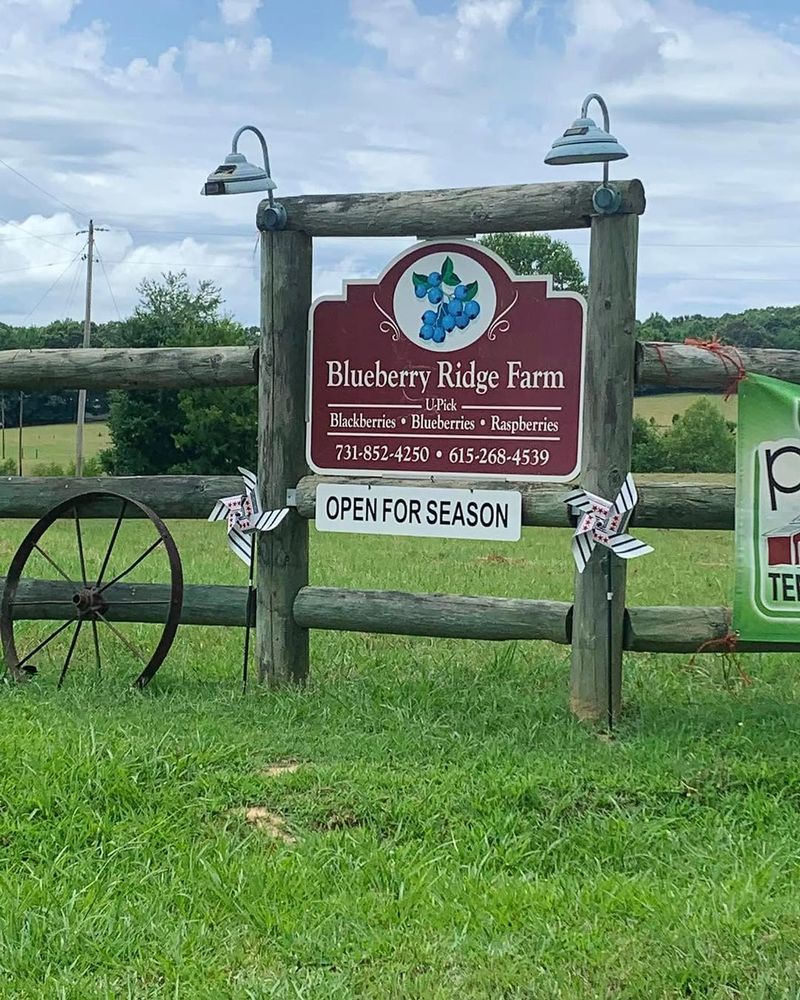
West Tennessee farming doesn’t get more authentic than this Decaturville operation. Five distinct blueberry varieties grow here, each ripening on its own schedule throughout a roughly six-week window starting in June. That variety means different flavor profiles and berry sizes, giving your harvest some interesting texture.
Blackberries join the lineup partway through the season, adding a tart counterpoint to the sweeter blues. The farm’s approach to multiple crops means you might visit twice in one summer and have completely different picking experiences. Early June favors one variety, while mid-July showcases another.
The farm’s rural setting feels genuinely removed from suburban sprawl. You’re picking where farming has been the primary occupation for generations, not where development recently carved out a cute agritourism stop. That authenticity shows in how the operation runs and how the owners interact with visitors.
Decaturville sits far enough west that it doesn’t see the tourist crowds of Middle or East Tennessee. You’ll likely share the fields with local families rather than busloads of day-trippers. That quieter atmosphere lets kids explore at their own pace without feeling rushed or overwhelmed.
Bring plenty of containers since the generous bushes make fast work of filling a single bucket.
3. Bradley Kountry Acres — Cottontown
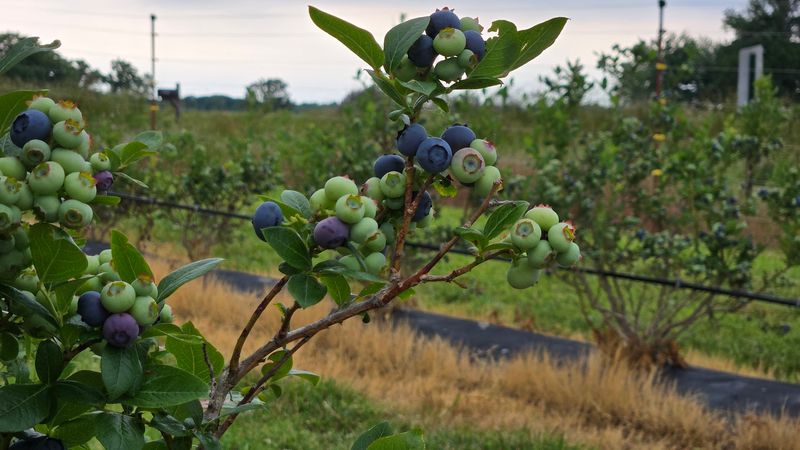
Some farms feel like they just opened yesterday, all polished and Instagram-ready. This Cottontown spot carries the comfortable wear of a longtime family operation where multiple generations have worked the same soil. That history shows in the well-established berry patches and the owners’ practiced ease with visitors.
Blackberries arrive first, typically ready for picking around mid-June when school lets out and families start planning summer activities. The timing works perfectly for parents looking to fill those first weeks of break with outdoor adventures. Thorny canes mean careful navigation, but the reward is intensely flavored berries that put grocery store versions to shame.
July and August shift focus to blueberries, extending the farm’s season deep into summer. This staggered approach means you could make this a regular stop rather than a one-time visit. Kids who enjoyed the blackberry expedition often return excited to compare the different picking experiences.
The farm’s proximity to Nashville makes it accessible for Metro families without requiring a full-day commitment. You’re far enough north to feel rural but close enough that the drive doesn’t exhaust everyone before you even start picking. Cottontown’s location also means slightly cooler temperatures than farms further south.
Seasoned pickers recommend arriving early, especially for blackberries. Morning fruit is firmer and the sun hasn’t turned the fields into ovens yet. The farm provides containers, though bringing your own means one less thing to manage while wrangling kids and berries simultaneously.
4. Buffalo Trail Orchard — Greeneville
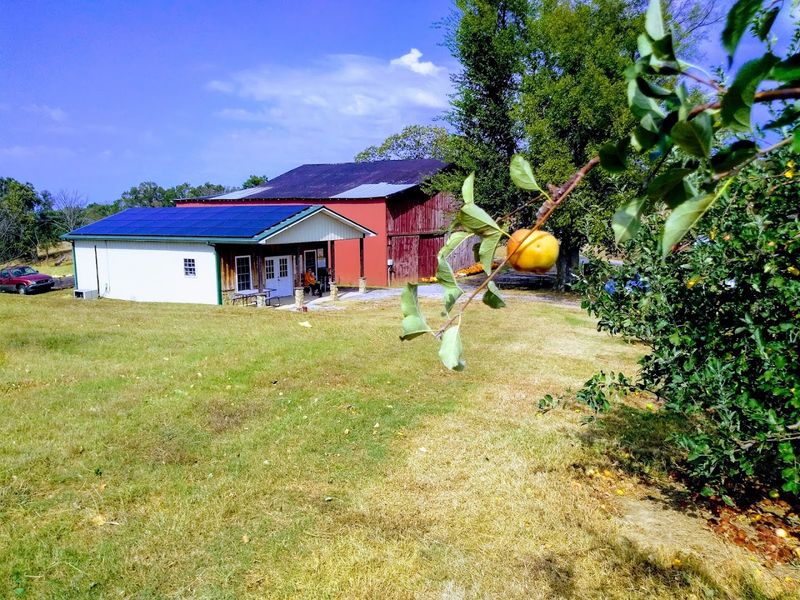
Most u-pick operations specialize in one or two crops. This Greeneville orchard throws that limitation out the window with raspberries, peaches, blackberries, apples, and pumpkins all available for picking, depending on when you visit. That diversity transforms a single farm into a year-round destination.
Spring through fall, something’s always ripening here. Raspberries kick off the season, followed by stone fruits and berries through summer, then apples and pumpkins carry you into autumn. Families who discover this place early often return multiple times, making it a seasonal tradition rather than a single outing.
The orchard’s East Tennessee location means cooler nights that help fruit develop better flavor. Apples especially benefit from that temperature swing, producing crisper texture and more complex taste than varieties grown in warmer regions. Peach season here is brief but spectacular, with tree-ripened fruit that bears no resemblance to hard supermarket specimens.
Greeneville sits far enough off the interstate that you won’t stumble onto this farm accidentally. That relative remoteness keeps crowds manageable even during peak picking times. The orchard’s hillside location also provides better drainage than flat farms, meaning you’re less likely to encounter muddy conditions after rain.
Plan visits around specific crops since not everything’s available simultaneously. Calling ahead prevents disappointment when you’re hoping for raspberries but arrive during apple season. The variety here also means different picking techniques—berries require gentle fingers while apples need a firm twist and pull.
5. Circle S Farms — Lebanon
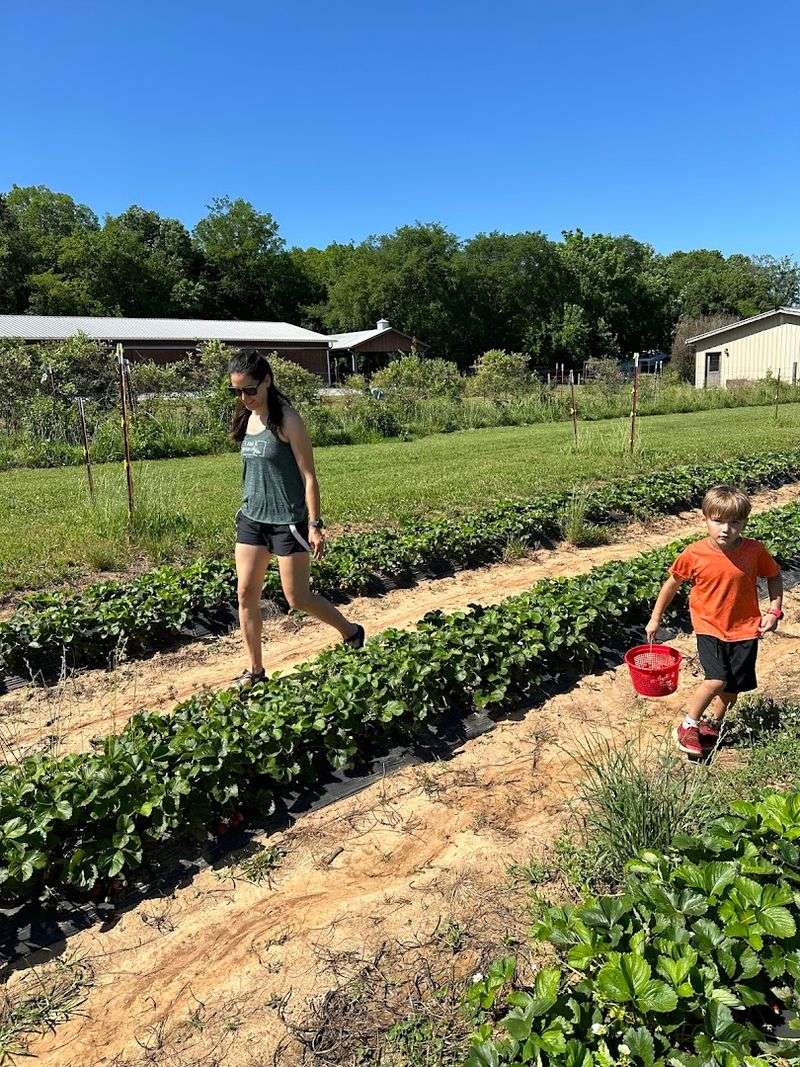
Walk onto this Lebanon property and you immediately sense the multigenerational care that’s shaped every row and planting. Families have worked this land long enough that the current generation grew up picking the same berries they now invite visitors to harvest. That continuity creates an atmosphere that feels less commercial, more like you’re being welcomed into a working farm’s rhythm.
Strawberries launch the picking season, bringing families out in late spring when the weather’s perfect for outdoor activities. Blackberries and blueberries follow in succession, stretching the farm’s relevance well into summer. Each crop demands different skills—strawberries hide under leaves, blueberries cluster in obvious bunches, blackberries test your tolerance for thorns.
The farm stand here deserves as much attention as the fields. Homemade jams showcase what happens when someone who really knows fruit decides to preserve it. Fresh produce rounds out the offerings, giving you a full farm-market experience beyond just the u-pick aspect.
Lebanon’s Middle Tennessee location puts this farm within easy reach of Nashville, Murfreesboro, and surrounding communities. The drive itself is pleasant, following roads that haven’t been completely overtaken by development yet. You’re close enough to civilization for convenience but far enough out for authentic rural scenery.
The farm’s strawberry season especially attracts crowds, so weekend mornings see the heaviest traffic. Weekday visits offer a quieter experience with better access to the ripest fruit.
6. Falcon Ridge Farm — Toone
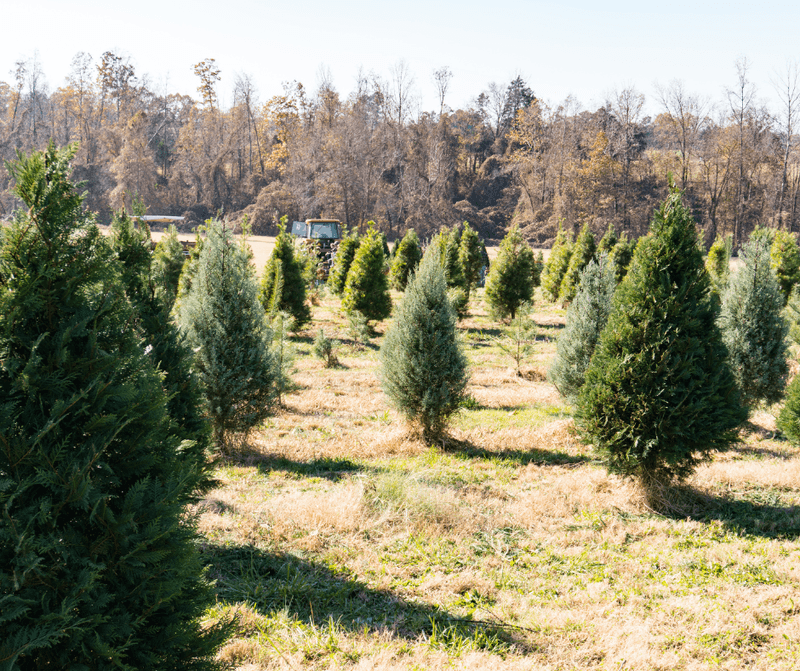
Calling this a u-pick farm undersells what’s actually happening here. Strawberries, blueberries, blackberries, and muscadines cover the fruit requirements, but then you’ve got flowers for cutting, sweet corn for roasting, and special events that transform the property into a full agritourism destination. One visit barely scratches the surface.
Muscadines set this farm apart from berry-only operations. These thick-skinned native grapes ripen in late summer, offering a completely different picking experience.
The intense, musky-sweet flavor divides opinions, but even skeptics admit fresh-picked muscadines beat anything you’d find in stores.
Events here range from seasonal festivals to educational programs, adding layers beyond simple crop harvesting. Check their calendar before visiting since a regular picking day feels different from a festival Saturday. Some families prefer the quieter experience, while others specifically target event days for the extra activities.
Toone’s location in West Tennessee means this farm serves communities often overlooked by agritourism operations concentrated around major cities. That regional importance shows in how locals treat this place—not as a novelty but as a genuine community resource. You’re picking alongside people who’ve made this an annual tradition for years.
The flower-cutting option appeals to visitors who want something beyond edible harvests. Kids enjoy choosing blooms for arrangements while parents focus on produce. Sweet corn season creates its own rush, with families timing visits to catch ears at peak ripeness.
Multiple crops mean you could visit monthly through the growing season and always find something new ready for picking.
7. High Meadows Farm — Tracy City
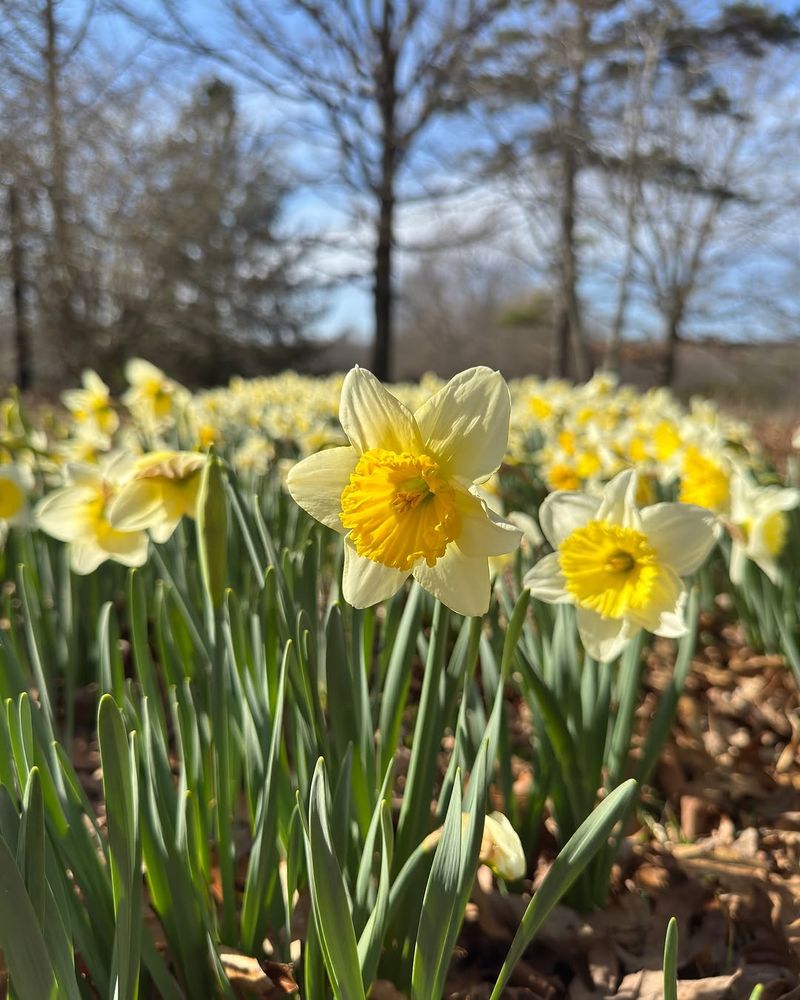
Elevation changes everything when it comes to growing conditions. This Cumberland Plateau farm sits high enough that temperatures stay cooler and the growing season shifts later than lowland operations. Blueberries here ripen from July through September, extending picking opportunities well past when flatland farms have finished.
That extended season makes High Meadows a lifesaver for families who missed earlier picking windows. Vacation schedules don’t always align with berry seasons, so having a farm that produces into September opens opportunities for late-summer harvests. The cooler mountain air also makes August and September picking more comfortable than it would be at lower elevations.
Beyond blueberries, the farm offers flowers and vegetables for browsing and purchasing. That variety transforms a picking trip into a broader farm experience. Kids who tire of berries can explore the flower beds or check out what’s growing in the vegetable patches.
Tracy City’s mountain location means the drive here is part of the experience. You’re climbing up to the plateau, watching the landscape shift from rolling hills to dramatic elevation changes. The scenic route makes this more than just a farm visit—it’s a legitimate day trip that combines mountain views with agricultural tourism.
September picking offers a bonus: early fall color starting to creep into the surrounding forests. The combination of berry harvesting and leaf-peeping creates a uniquely Tennessee experience. Bring layers since mountain weather can shift quickly, and morning fog often lingers longer than it does in the valleys below.
8. Kelley’s Berry Farm — Castalian Springs
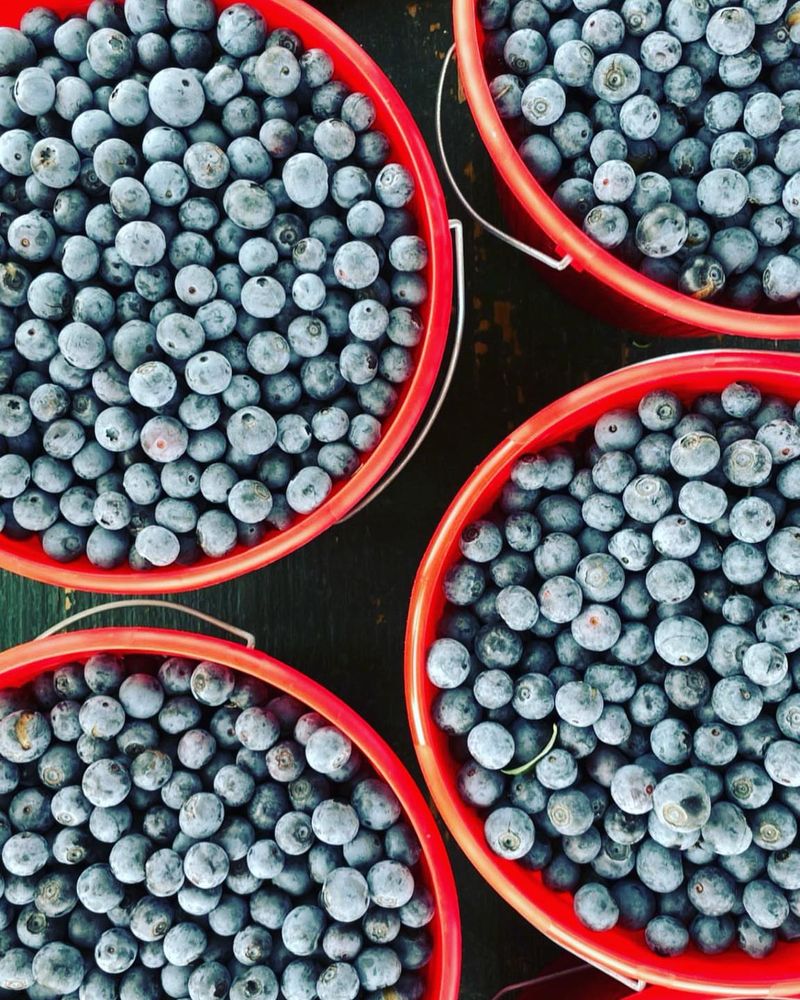
Four decades of growing berries teaches you things that newer operations haven’t learned yet. This Castalian Springs farm carries that experience in every well-tended row and in how smoothly the picking process flows. When you’ve been welcoming families for over 40 years, you’ve figured out what works and what doesn’t.
Strawberries and blueberries form the core offering here, a classic combination that covers late spring through summer. The farm’s focus on these two crops rather than diversifying into a dozen different fruits means specialized attention to quality. The plants are mature, well-established, and produce reliably heavy yields.
Longtime visitors talk about bringing their own children to the same farm where they picked as kids. That generational continuity creates something special—a place where family memories layer upon each other across decades. First-time visitors might not sense that history immediately, but the farm’s practiced efficiency and the owners’ ease with crowds reveal years of refinement.
Castalian Springs sits in Sumner County, accessible from multiple directions without requiring backroad navigation. The location serves Nashville’s northern suburbs while remaining genuinely rural. You’re not picking berries with subdivisions visible in the background, yet you’re also not driving two hours into remote countryside.
Peak season here draws crowds, especially on weekends when families descend en masse. Early morning visits claim the best berries before afternoon heat and heavy traffic deplete the ripest options. The farm’s long season means you can often find a quieter weekday if weekend crowds aren’t your preference.
9. Williamson Family Farm — Murfreesboro
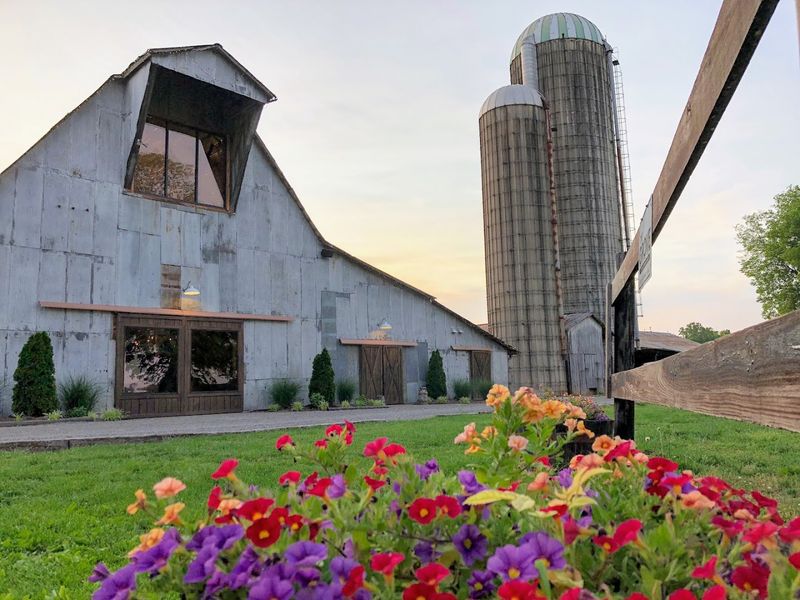
USDA organic certification isn’t just a marketing angle—it represents a fundamentally different approach to farming. This Murfreesboro operation has committed to growing without synthetic pesticides or fertilizers, which means families can let kids graze on berries straight from the bush without worry. That peace of mind matters when you’re dealing with enthusiastic young pickers who can’t resist sampling their harvest.
Summer berries transition into fall apples, giving this farm two distinct seasons of appeal. The extended relevance means you could make this a twice-yearly tradition, picking berries when school lets out and returning for apples when leaves start turning. Each season offers different experiences and different lessons about where food comes from and how it grows.
Agritourism here goes beyond simple picking. The farm designs experiences that educate while entertaining, helping kids understand sustainable agriculture without making it feel like a classroom lecture. Parents appreciate learning alongside their children, often discovering they didn’t know as much about organic farming as they thought.
Murfreesboro’s location makes this farm accessible to a huge population base spanning Nashville, Smyrna, Franklin, and surrounding communities. Despite that accessibility, the property maintains authentic farm character rather than feeling like a manicured suburban attraction. You’re visiting a working farm that happens to welcome visitors, not a theme park designed to look agricultural.
Organic growing methods sometimes mean smaller yields and less picture-perfect fruit. Berries might show natural blemishes that conventional farming would have prevented with chemical interventions.
10. Stoney Creek Farm — Franklin
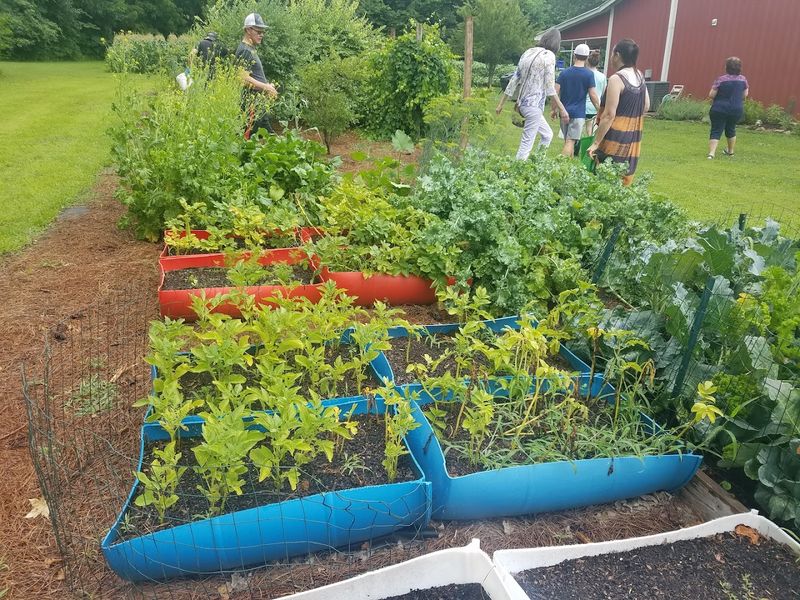
Franklin’s explosive growth has consumed farmland at an alarming rate, making remaining agricultural operations increasingly precious. This farm represents what Williamson County used to look like before development transformed it into one of Tennessee’s fastest-growing areas. Visiting here feels like stepping back to when the region was still primarily rural.
The farm’s name hints at the creek that winds through the property, adding scenic beauty to the practical business of growing crops. That natural water feature creates habitat for wildlife and provides irrigation for the fields. Kids often spot birds, butterflies, and other creatures while picking, turning the agricultural experience into an impromptu nature observation session.
Proximity to Franklin means this farm draws visitors from one of Tennessee’s wealthiest counties, yet the experience remains down-to-earth and accessible. You’re not paying premium prices for the Franklin address, just enjoying quality u-pick opportunities that happen to be located near a desirable community. The contrast between the farm’s rural character and the surrounding development makes the agricultural preservation feel even more valuable.
Seasonal offerings vary, so checking availability before visiting prevents disappointment. The farm adapts its crops based on growing conditions and market demand, meaning what’s available this year might differ slightly from last season. That flexibility keeps the operation sustainable while maintaining the core u-pick experience families expect.
Traffic around Franklin can be intense, especially during rush hours and weekends. Plan your visit timing to avoid the worst congestion, or accept that getting there might take longer than the distance suggests. Once you arrive and start picking, though, the surrounding development fades and you’re fully immersed in the farm experience.
Parking can fill up during peak times, so arriving early claims your spot and accesses the best fruit.
11. Mountain Mist Farms — Pigeon Forge
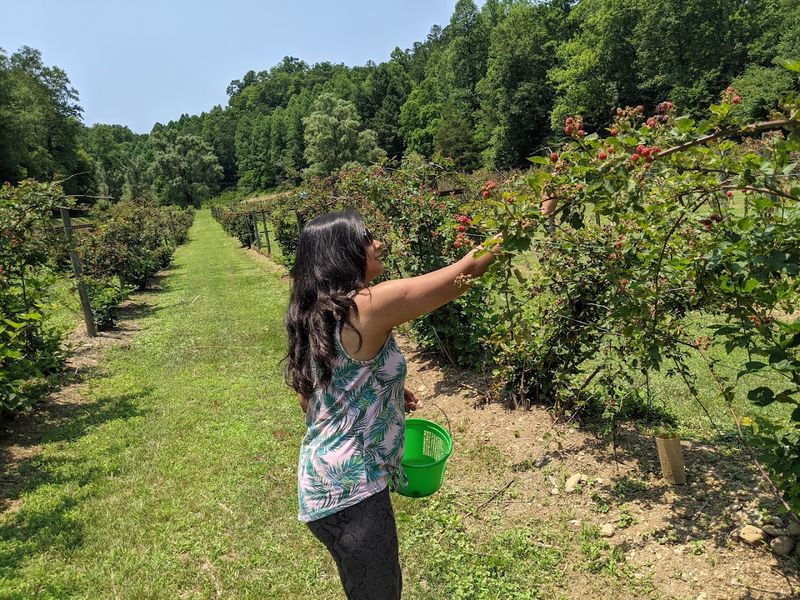
Pigeon Forge means tourists, and lots of them. This farm has learned to serve both visiting families looking for authentic mountain experiences and locals seeking quality produce. That dual mission requires balancing accessibility for first-timers with substance that satisfies experienced pickers who’ve seen dozens of u-pick operations.
Mountain location provides the same elevation benefits as other high-country farms—cooler temperatures, extended seasons, and growing conditions that produce exceptional flavor. The Smoky Mountain backdrop doesn’t hurt either, creating photo opportunities that lowland farms simply can’t match. You’re picking berries or apples with legitimate mountain scenery surrounding you, not just rolling hills pretending to be mountains.
Tourist-area farms sometimes prioritize entertainment over agriculture, becoming more theme park than working operation. This farm manages to maintain its agricultural integrity while remaining welcoming to visitors who might be experiencing u-pick for the first time. That balance means both novices and experienced pickers find value here without feeling like the farm is talking down to one group or overwhelming the other.
Pigeon Forge’s infrastructure means plenty of dining and lodging options nearby if you’re combining farm visits with a broader Smoky Mountain trip. The farm becomes one component of a multi-day vacation rather than requiring a dedicated trip. That convenience appeals to families already planning to be in the area for other attractions.
Summer crowds in Pigeon Forge are legendary, and the farm sees its share of peak-season traffic. Visiting during shoulder seasons—late spring or early fall—reduces congestion while still offering picking opportunities. The farm’s tourist-area location also means better-maintained access roads and clearer signage than more remote operations, making navigation easier for out-of-town visitors unfamiliar with East Tennessee’s winding mountain roads.