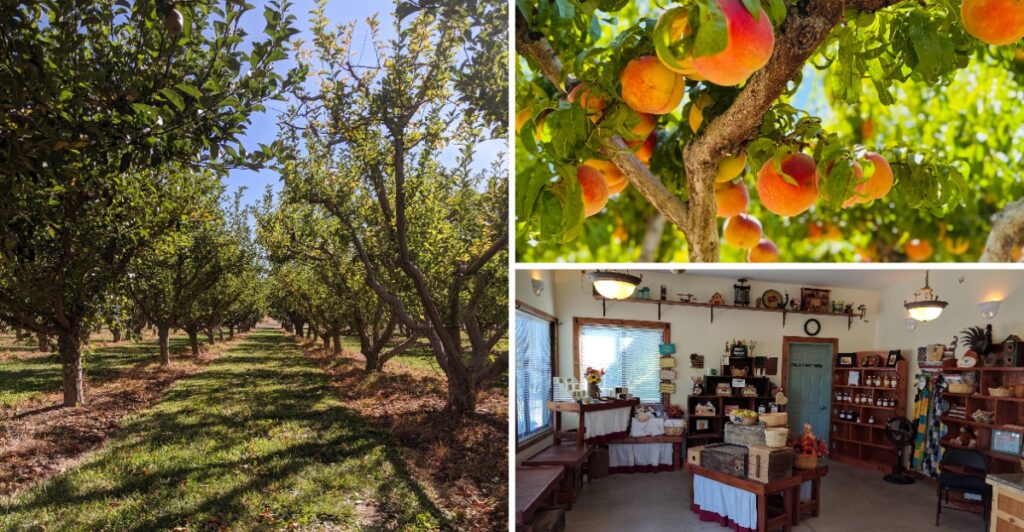
A trip to Fruit Basket Orchards turns fresh Colorado fruit into something you can pick with your own hands. Located in Grand Junction near the celebrated growing region around Palisade, the family farm invites visitors into the rows when crops are ripe and available for U-pick.
Depending on the season, that can mean reaching for juicy peaches, crisp apples, or clusters of grapes before filling a basket to take home. Since harvest timing changes with weather and ripeness, knowing what is ready before heading out is essential. Come prepared, and an ordinary fruit run becomes a memorable afternoon on a working Colorado orchard.
Low Trees, Wide Skies, and a Quiet Road on the Grand Valley’s East Side
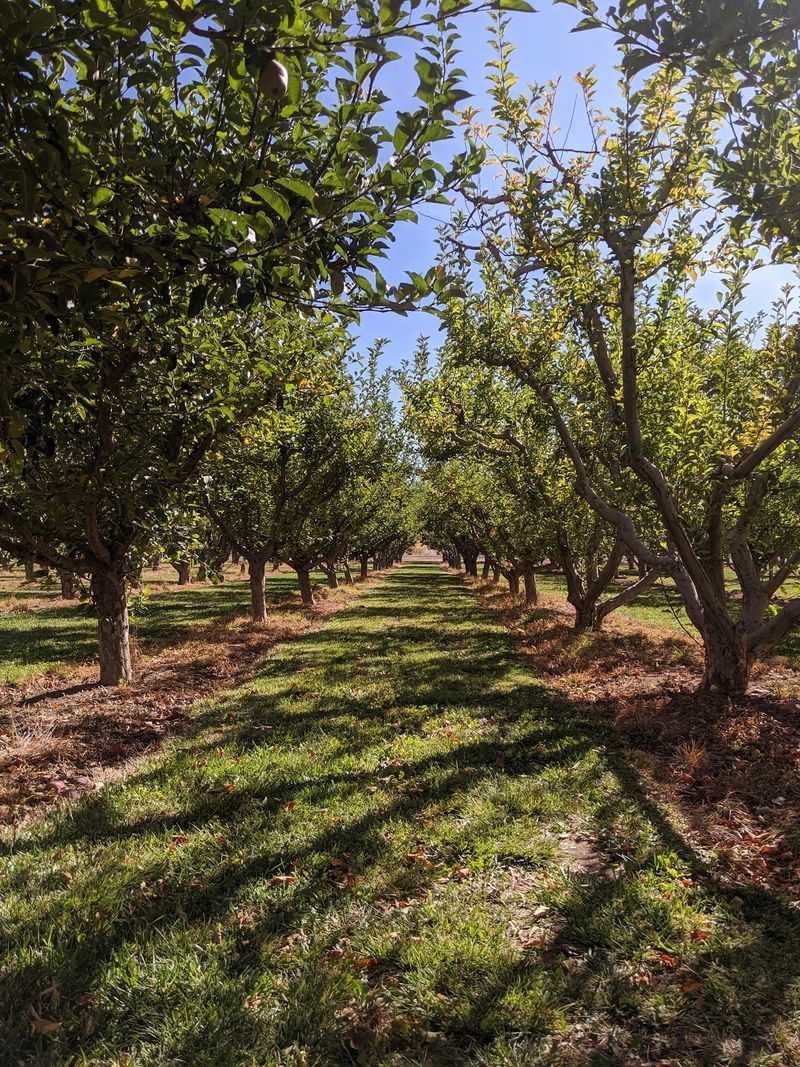
Turn off the main roads east of Grand Junction and the scenery changes fast. Houses thin out, irrigation ditches run along the shoulders, and rows of fruit trees start lining up like students at recess.
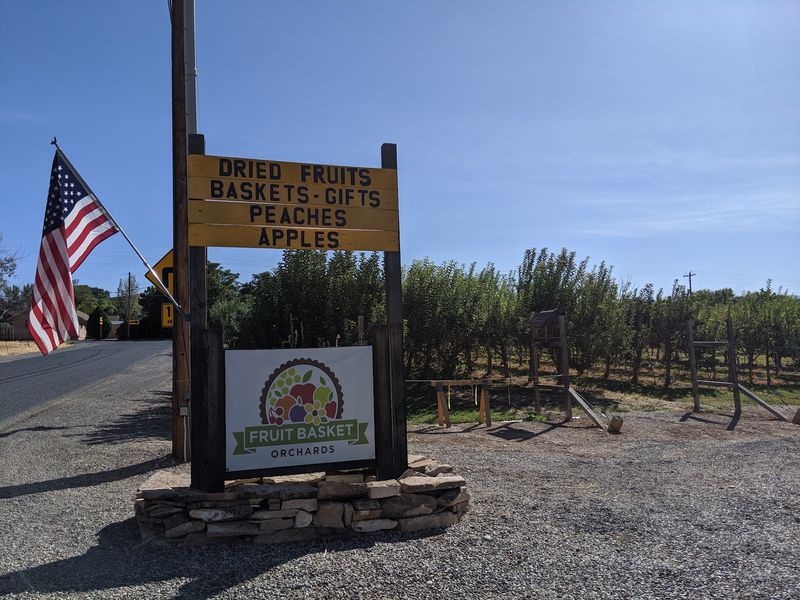
Fruit Basket Orchards sits right in this patchwork, on 32 1/2 Road, a short drive from the famous orchards of Palisade. The first thing you notice is the size of the place.
It is a small, family-scale orchard, not a giant commercial operation with tractors roaring past. That smaller footprint changes the whole visit, because you can see most of the trees from where you park.
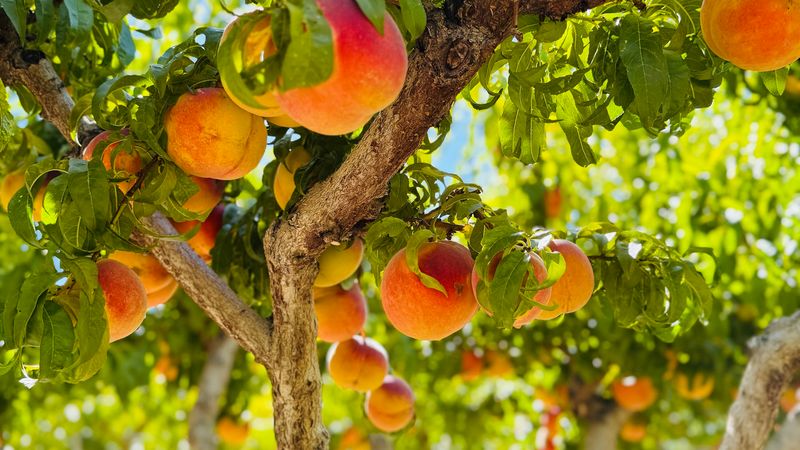
Look closer and the trees themselves stand out. Many are pruned low and wide, so the branches sit at about the height of an adult’s shoulders. No ladders lean against trunks, and nobody needs to climb anything to reach the good fruit.
Behind it all, the Grand Valley does its thing. Dry desert air, bright sun, and the distant tan walls of the Book Cliffs frame the view. On a clear morning the light hits the leaves and the rows almost glow green against the brown hills.
This mix of desert and orchard might seem odd at first. The Grand Valley gets hot days and cool nights in summer, and river water from the Colorado keeps the trees fed. Growers here have used that combo for more than a century to raise sweet peaches and crisp apples.
So when you step out of the car, the setting already explains a lot. Short trees, open sky, mountain views, and quiet country roads set the stage. Grab a basket, stretch your legs, and walk toward the first row before the sun climbs too high.
Peaches So Juicy You’ll Need a Napkin
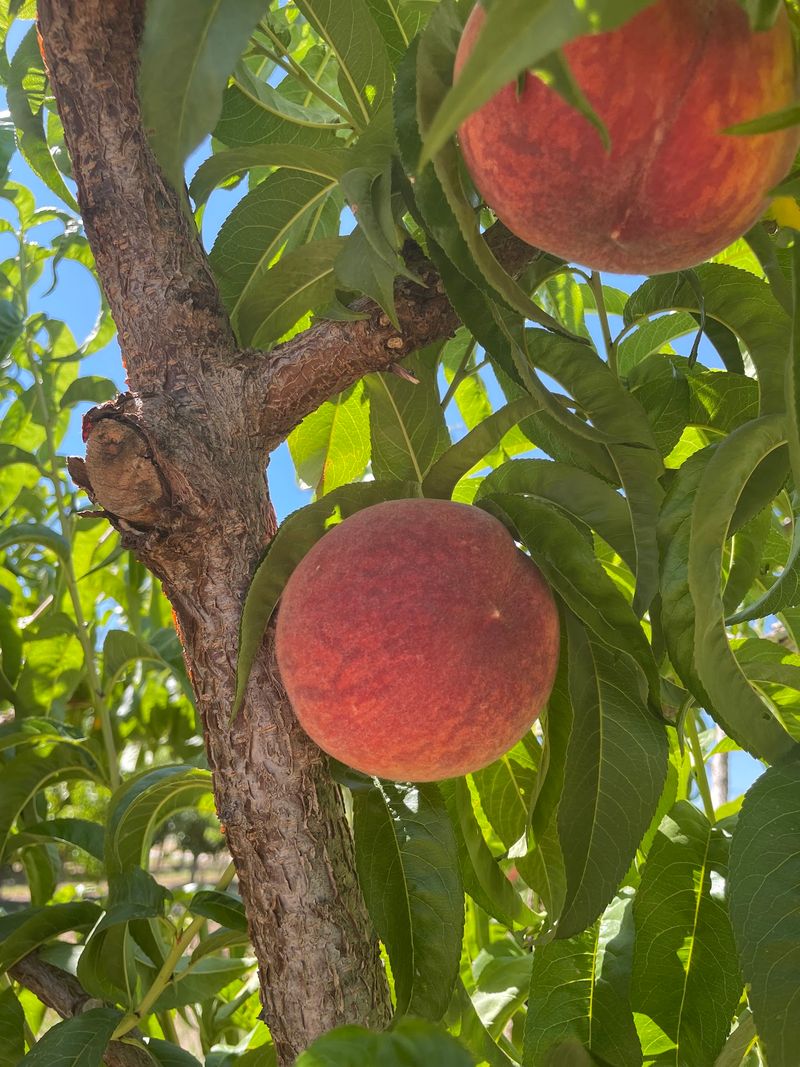
Bite into a tree-ripened peach and the juice will run straight down your wrist. That messy moment is the main event at Fruit Basket Orchards, where peach season pulls in families from all over the state. Some people drive five hours just for this.
Western Colorado peaches have a big reputation, and the reason is simple. Hot sunny days build sugar inside the fruit, while cool nights help hold onto flavor. A peach picked here at peak ripeness tastes sweeter than one shipped hundreds of miles in a truck.
Picking a good one takes a little skill. Skip the bright red color as your only clue, since some peaches blush early. Instead, look for a warm golden background color and fruit that gives just slightly when you press gently near the stem.
Twist, do not yank. A ripe peach should come off the branch with a soft roll of the wrist. If you have to pull hard, it probably needs a few more days on the tree.
Handle your haul like eggs. Peaches bruise easily, so set them in the basket instead of dropping them in. Stack them in a single or double layer if you can, and keep the basket out of a hot car trunk on the drive home.
Once home, leave firm peaches on the counter for a day or two to soften. Ripe ones can go in the fridge to last longer. Then the fun part starts: slicing them over ice cream, baking a cobbler, or just eating them standing over the sink.
Families with kids find peach picking especially easy. The fruit is big, the color is bright, and the low branches let even small hands reach their own prize.
Apples, Grapes, and a Farm Stand Worth Browsing
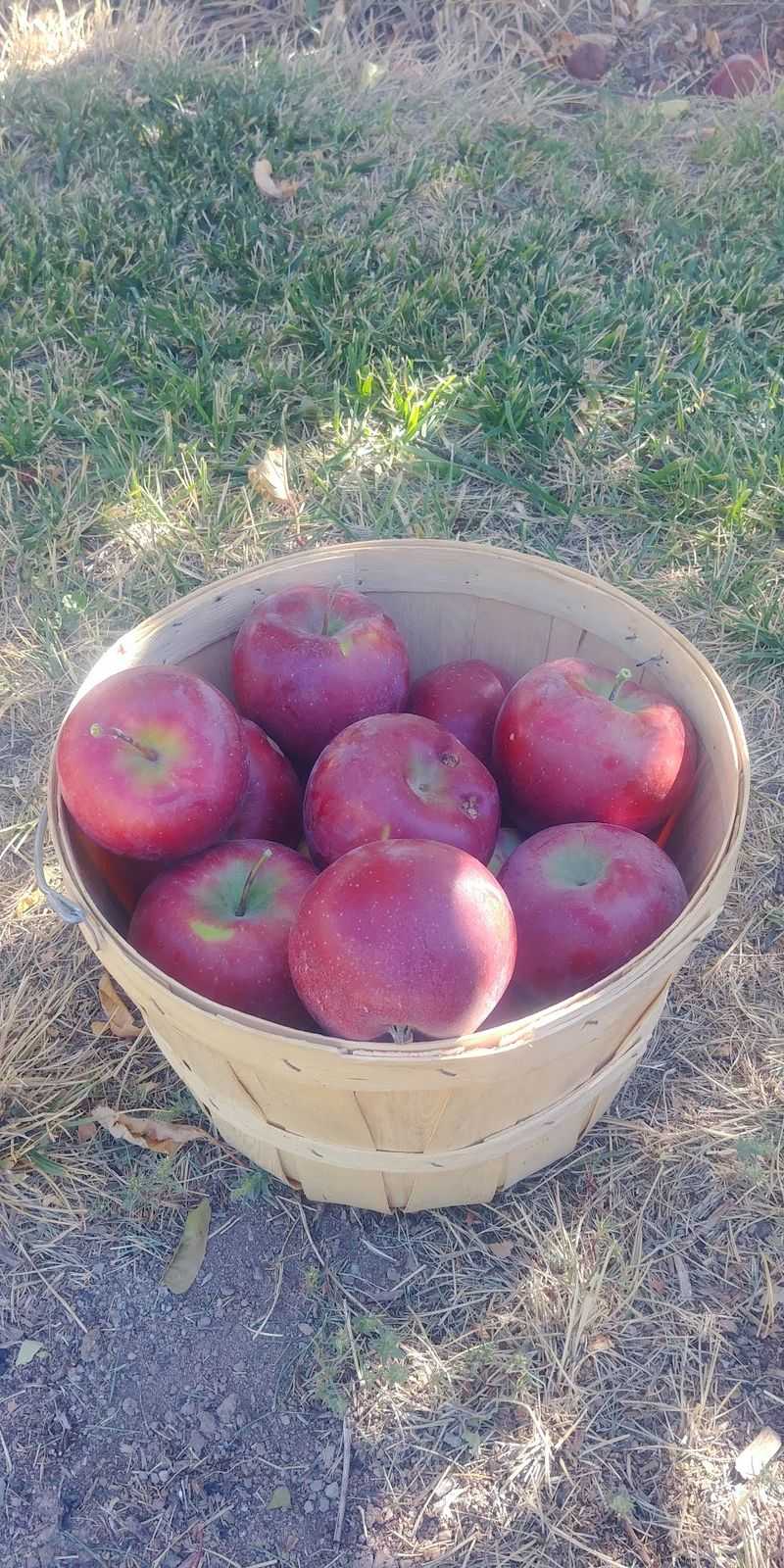
Peaches get the spotlight, but the supporting cast at Fruit Basket Orchards is strong. When summer cools into fall, apples take over the rows. Several varieties grow here, and trying to choose a favorite can turn into a friendly family argument.
Golden Delicious stands out as a local pick, with a mellow, honey-like sweetness when it comes straight off the branch. Other varieties bring more crunch or more tartness. Picking a few of each lets you taste the difference side by side at the kitchen table later.
Grapes show up too, adding a surprise for visitors who only expected tree fruit. Over the years the farm has also offered things like apricots, cherries, and garden tomatoes. What is available depends on the season, so treat the crop list as a moving target.
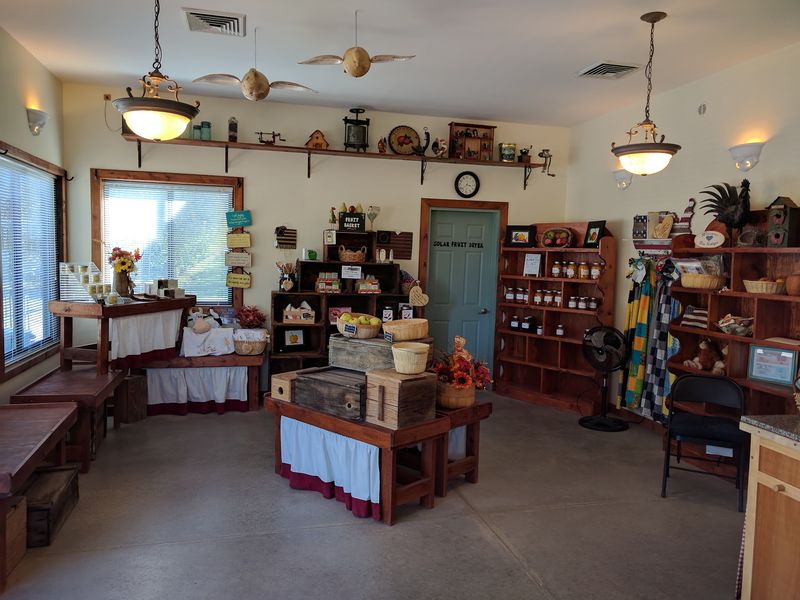
Then there is the farm stand. Shelves have held jams, jellies, salsa, local honey, and bags of dried apples. The dried apples deserve special mention because they are chewy, sweet, and easy to snack on during the drive home.
Homemade cherry cookies have also made appearances, and they tend to disappear fast. Small handcrafts sometimes sit beside the jars. It is the kind of stand where you go in for one thing and leave with four.
Here is a smart move. Pick your fresh fruit first, then shop the stand on your way out. That way you know how much fresh produce you already have and can grab preserved goods that last for months.
Jam and dried fruit also make easy gifts. A jar of Grand Valley jelly travels well in a suitcase and tastes like a Colorado summer in January.
Meet the Owners Who Run the Rows
Small farms run on people, not machines. At Fruit Basket Orchards, the owners are usually right there, greeting visitors, explaining the rules, and pointing toward the trees that are ready. That hands-on style shapes the whole trip.
The orchard changed hands more than a decade ago, and the current operators have kept it personal. On some visits, a host has walked families through the trees, teaching kids how to spot a ripe apple and how to lift it off without snapping the branch. Those mini lessons turn a fruit run into a real farm class.
Kids especially soak this up. Learning that you should cup an apple and roll it upward, instead of tugging, sounds small. But it helps the tree keep next year’s buds safe, and it gives children a reason to slow down and look.
Friendly chat comes with the territory. Ask what is picking best that week, and you will likely get a straight answer. Growers know which rows sweetened up after a hot spell and which ones need a few more days.
Running an orchard is tough work, though. Birds peck holes in fruit, weather can wipe out a crop, and late in the season the trees get picked over. Some neighbors have also noticed noise devices used to scare birds away from ripening fruit.
Knowing this helps set fair expectations. A family orchard does not have endless perfect fruit every single day. What it does have is people who care about their trees and will usually tell you honestly what is out there.
So say hello, ask questions, and listen. A two-minute chat at the start often leads you to the sweetest branch on the property.
How to Pick Like a Pro Once You’re Out There
Basket in hand, rules sheet read, and the rows are waiting. Now comes the part that separates a so-so visit from a great one: picking smart.
Start by staying in the marked area. U-pick orchards often open only certain trees at a time, based on what is ripe. Wandering into closed rows can mean grabbing unripe fruit or damaging trees that need more time.
Next, check each piece before it goes in the basket. Turn the fruit over and look for bird pecks, soft spots, or holes. Late in a season, birds and bugs get first dibs, so inspecting carefully saves you from paying for fruit you will toss later.
Look high and look inside. The outside branches get picked first because they are easiest to reach. Fruit tucked closer to the trunk or on the back side of a tree is often untouched and just as sweet.
Leave the snacking for later. Many orchards, including this one, ask visitors not to eat fruit while picking. It keeps things fair since fruit is paid for by weight or amount, and it is simply part of the farm’s rules.
Bring the right gear too. Closed-toe shoes handle uneven ground and fallen fruit better than sandals. A hat and sunscreen matter in the bright Grand Valley sun, and a water bottle keeps little pickers happy.
Kids do best with a job. Give each child a color or size to hunt for, like the biggest peach or the reddest apple. It turns picking into a game and keeps everyone moving down the row. When the basket gets heavy, head back to weigh up. Then decide if you want one more lap.
Planning a Colorado Orchard Trip: Days, Fees, and Timing
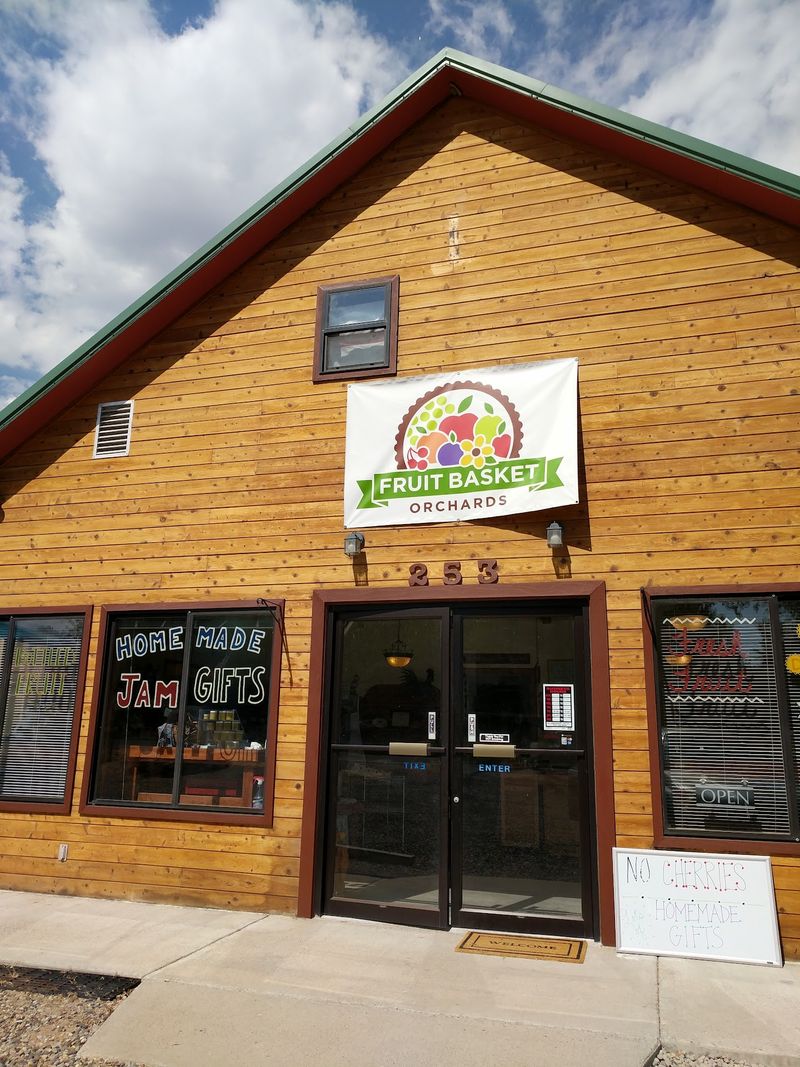
Mark your calendar carefully, because this orchard keeps short hours. Fruit Basket Orchards is open Fridays and Saturdays from 9 AM to 4 PM. The rest of the week, the gates stay closed.
That schedule makes early arrival a big deal. Showing up at 9 on a Friday gives you the coolest air and the best chance at freshly ripened fruit. By late Saturday afternoon, popular trees may already be picked over.
Season matters even more than the day. Peaches in the Grand Valley usually run from mid-summer into early fall, and they tend to wrap up around the first week of October. Apples come on later, while grapes ripen in late summer and fall.
Expect a u-pick fee. The orchard has charged a non-refundable entry or insurance fee for picking, separate from what you pay for your fruit. Ask about the current amount when you arrive so there are no surprises.
Because that fee does not come back, timing your trip pays off. If you are driving a long way, think about visiting during the peak of a crop rather than at the tail end. Late in a season, fewer good pieces remain on the trees.
Cash is a smart backup. Rural internet can be spotty, and card readers sometimes struggle. Tucking some bills in your pocket keeps checkout smooth.
Plan for rules too. You may get a sheet explaining where to pick and what is allowed. Reading it quickly and following along keeps the visit easy for everyone.
Finally, pack a cooler for the car. Fresh peaches and apples hold up far better on a long drive when they stay out of the heat.
Why a Small Grand Junction Orchard Beats the Grocery Aisle
Price tags tell part of the story. Fruit at Fruit Basket Orchards has long been known for fair rates, and plenty of visitors end up carrying home more than they planned. When picking is this fun, the basket fills itself.
Freshness tells the rest. Grocery store fruit is often picked early so it survives shipping, then ripens in a box. Fruit here comes off the branch when it is ready, which is why the flavor hits harder.
There is also the ease factor. Low trees mean no ladders and no wobbly climbing. Grandparents, little kids, and anyone who is not a fan of heights can all join in at the same level.
Size plays a role too. A small orchard is quick to walk, so a visit fits nicely into a morning before lunch in Grand Junction or a drive through Palisade wine and fruit country. You will not need an entire day to fill a basket.
It works for more than family outings. Couples have picked apples here to celebrate anniversaries, and school groups have used farms like this for field trips. Learning where food grows beats reading about it in a textbook.
Just go in with clear eyes. Crops shift week to week, the fee is non-refundable, and birds sometimes win the race to ripe fruit. Visit during peak season and check the trees closely, and you stack the odds in your favor.
The payoff is simple and real. You drive home with sticky fingers, a trunk full of Grand Valley fruit, and a jar of honey rolling around somewhere in the back seat. Next summer, the peaches will be waiting again.