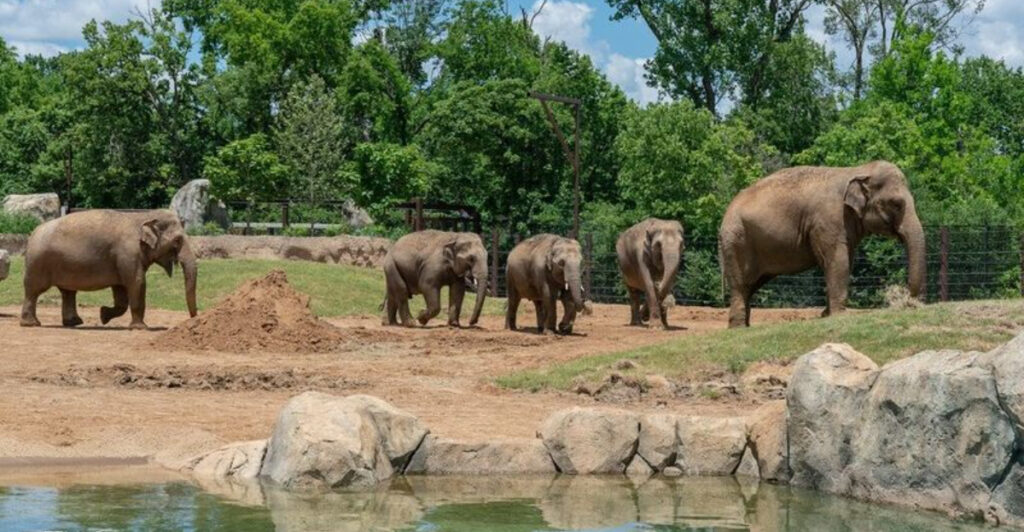
If you think you know what an elephant exhibit looks like, Elephant Trek at the Cincinnati Zoo will reset your expectations the moment you step in, unfolding a sweep of grass, water, and shade that feels startlingly natural for a city setting at 3400 Vine St, Cincinnati, OH 45220, where rolling terrain and thoughtfully placed overlooks invite you to slow your walk, match your breathing to the cadence of those confident footsteps, and realize you are entering a space designed for elephants first and for your wonder second. It is no surprise the Google Maps pin for Elephant Trek carries a sparkling wall of perfect feedback, a five star average from early visitors who rave about the huge outdoor yards, the beautiful theming, and the pure joy of watching trunks explore, with several noting how this is one of the better parts of the zoo and an enormous improvement over the old reserve they remember from past trips; parents mention relaxed strollers, photographers gush about soft morning light, and locals keep saying they cannot believe this much room exists so close to downtown.
You will notice the difference right away as you drift along boardwalks that hug wetlands, linger beside clear viewing panes where footfalls vibrate softly, and catch cooling breezes off the water, all while staff share quick insights about enrichment, health care training, and the way elephants choose when to wade, dust, or doze; you might even hear the distant call of siamangs nearby and spot otters skimming the surface, widening the story of Asian habitats stitched together along the path. Whether you come with kids, friends, or a camera, Elephant Trek feels like a natural wildlife paradise set within a world class zoo, and this guide will help you savor the space, spot the most memorable behaviors, plan a flexible visit, and leave inspired to support elephants and the ecosystems they call home.
1. A Habitat That Breathes
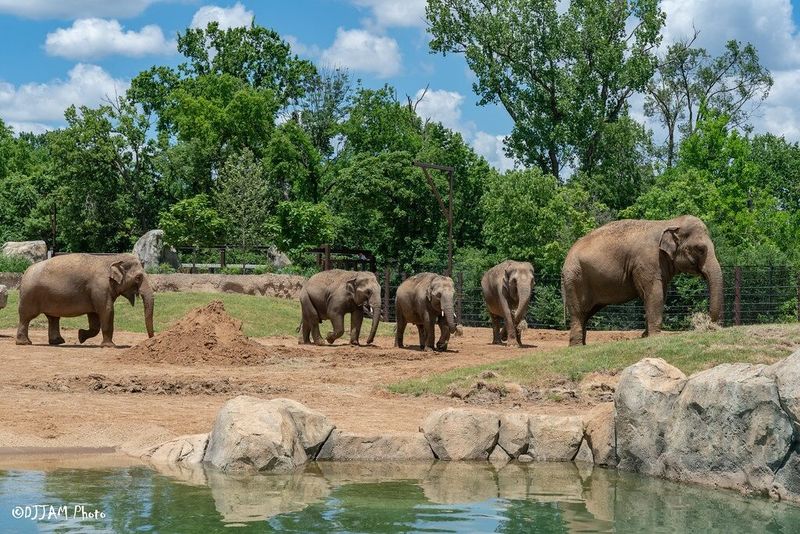
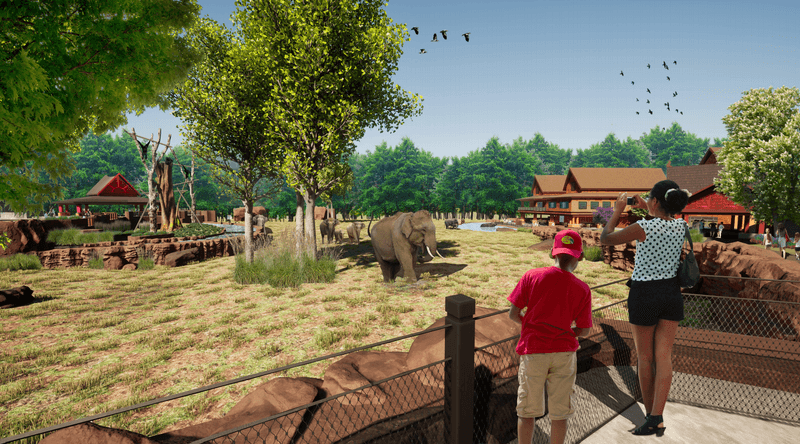
Elephant Trek at the Cincinnati Zoo feels like stepping into a living savanna, right in Ohio. Broad grasslands roll into shady groves, with sandy banks and gentle hills that invite slow, mindful observing.
You can trace the paths elephants choose, noticing favorite rubbing posts, dusting spots, and pools that sparkle under Midwestern light.
Designers prioritized space, choice, and natural behaviors, so movements feel unhurried and real. Elevated viewpoints let you watch social moments play out, from trunk greetings to coordinated walks.
I love pausing near the watering channel, where the scent of wet earth drifts over the boardwalk and reminds you this habitat was built for elephants first, guests second.
Look for keepers placing browse along tree guards to spark foraging. Those simple touches slow the pace and turn every corner into a discovery.
It feels respectful, expansive, and thrilling, the kind of place you linger without checking the clock.
2. Welfare In Action
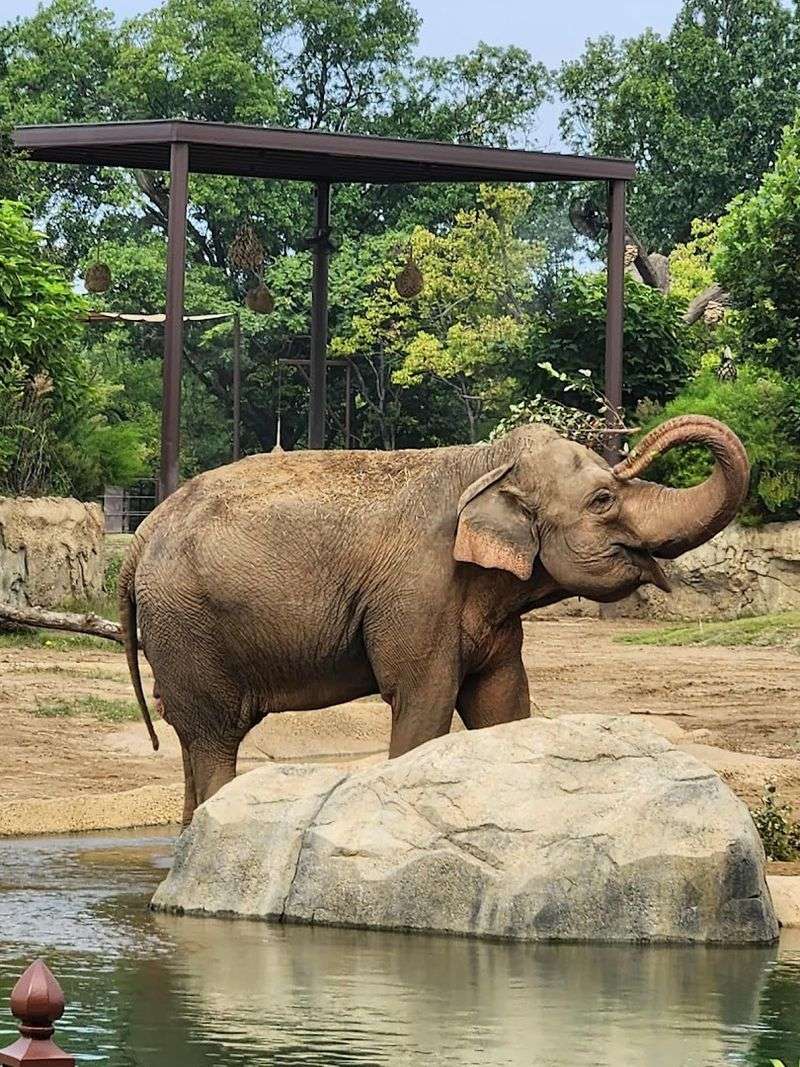
Here, elephants set the rhythm, not a schedule on a sign. You might catch a dust bath erupting in a cinnamon cloud, or see ears flare as a breeze shifts across the yard.
Watch trunks map the ground like curious hands, testing textures, sniffing, and sorting mouthfuls of hay.
Care teams weave enrichment into the landscape, from scattered browse to puzzle feeders that reward problem solving. Positive reinforcement training, done at protected contact walls, lets elephants participate in their own healthcare.
You get to observe trust in action while keepers check feet, present targets, and offer treats for calm cooperation.
The result feels humane and transparent, a living classroom where welfare is visible. You leave understanding how choice, space, and social bonds keep giants thriving.
And you carry that empathy home, ready to champion better habitats everywhere. Small changes add up in big, elephant sized ways.
You can actually see.
3. Your View, Their Pace
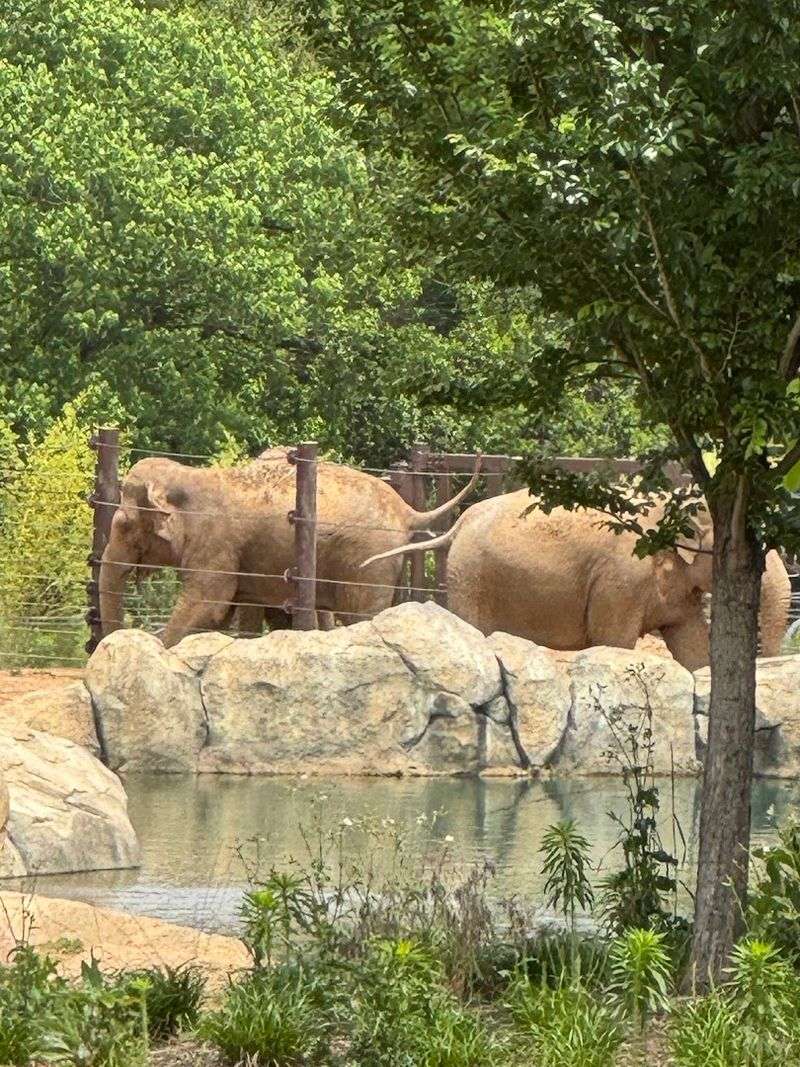
From the first overlook, the panorama opens like a storybook page. Boardwalks curve along wetlands, lifting you just enough for sweeping views without feeling removed.
Kids press against railings, adults lean in, and conversations soften as elephants wander through tall grass and water.
I recommend pausing at the lower glass, where footfalls sound like softly packed drums. You can sense the size of a shoulder rising beside you, and still feel safe and calm.
Scent, sound, and space blend into an experience that feels intimate without crowding the elephants or each other.
Wayfinding is clear, seating is generous, and shade appears exactly when you hope for it. You can take your time, take photos, then simply breathe.
That kind of hospitality lets the habitat shine while you relax into the moment. Strollers, wheelchairs, and curious minds all move easily here.
You will feel welcomed at every turn. Truly inclusive design.
4. Training And Enrichment
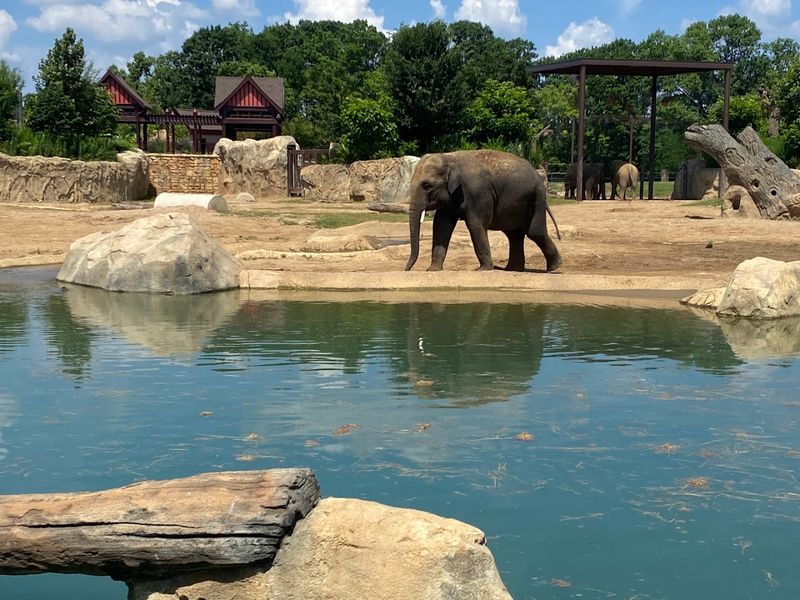
If you catch a training session, linger a while. Keepers explain behaviors with warmth, and you see elephants target a buoy, lift a foot, or open their mouths on cue.
It is calm, methodical, patient, and rooted in consent, with barriers that prioritize safety for everyone.
Enrichment appears throughout the day as opportunities, not staged tricks. Browse bundles tucked around stumps nudge foraging, while feeders challenge memory and teamwork.
Water features invite play, so you might witness splashes, trumpets, and joyful shoves that read like siblings at a summer pool.
You come away understanding why mental stimulation matters as much as nutrition. A healthy mind supports healthy feet, skin, and sleep, and that shows in every step.
The keepers model respect you can mirror at home by seeking out ethical, accredited zoos and supporting conservation. Small choices ripple outward in meaningful, practical ways.
Your voice and wallet matter. Truly so.
5. Water, Design, Sustainability
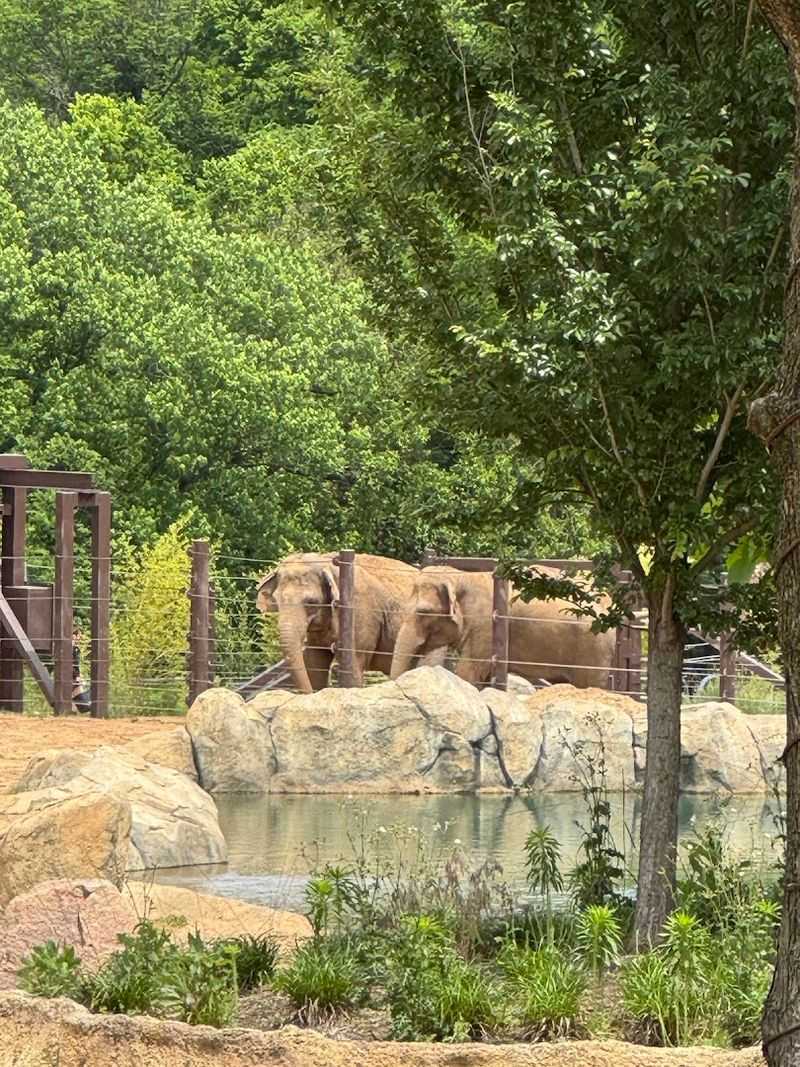
Water is the heartbeat here, threading through the habitat in streams, pools, and wallows. It cools bodies, softens skin, and tempts playful pushes that dissolve any lingering stress.
Watching sunlight scatter across ripples, you feel the design nudging both elephants and guests to slow down.
Filtration systems and smart grading keep water clean and flowing, a behind the scenes win you can appreciate. Plantings stabilize banks, welcome pollinators, and shape microclimates that offer shade and seasonal color.
You sense sustainability not as a lecture, but as a comfort you can touch.
Bring a reusable bottle and follow the water with your steps. Notice how every turn reveals a new reflection, a new breeze, and a quieter mindset.
The landscape teaches by example, and you carry that lesson back to your daily routes. Sustainability feels practical, beautiful, and completely achievable when you see it working.
It starts with attention. Begin today.
6. Family Friendly Planning
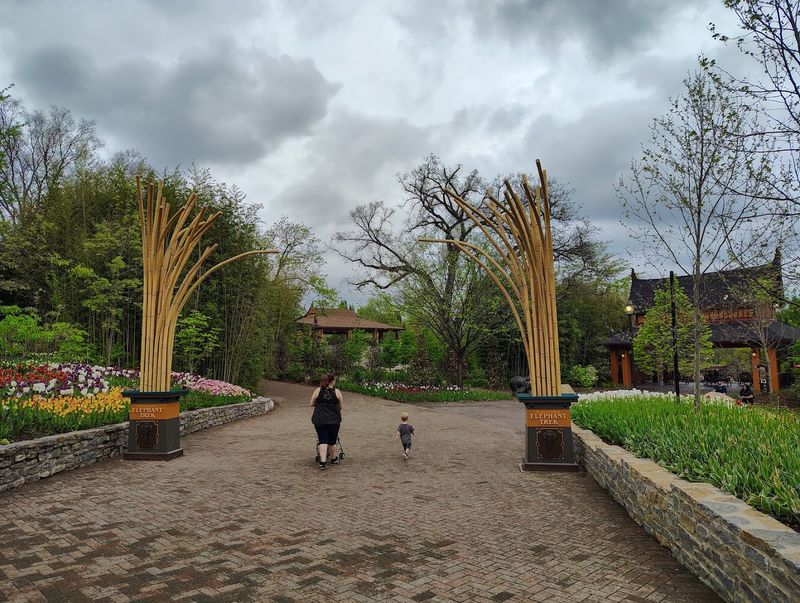
Elephant Trek works beautifully for families, multigenerational groups, and first time zoo goers. Paths are wide, surfaces are smooth, and railings offer steady rests for small hands.
Strollers and wheelchairs glide, with frequent pull outs so you can pause without blocking views.
Plan for varied weather by dressing in light layers, and budget time for unrushed watching. Snacks and water help, but do not rush a good moment because the next one might be better.
Give kids a job, like spotting enrichment or counting birds, and they will notice more than you expect.
If someone needs a sensory break, seek quiet pockets beside planted berms. Sound softens there, and shade is kind.
A few peaceful minutes can reset the whole group and make the day feel spacious again. Ask staff for timing clues if you hope to see baths or training.
They are friendly and knowledgeable. You will benefit greatly.
7. Photographing Elephant Trek
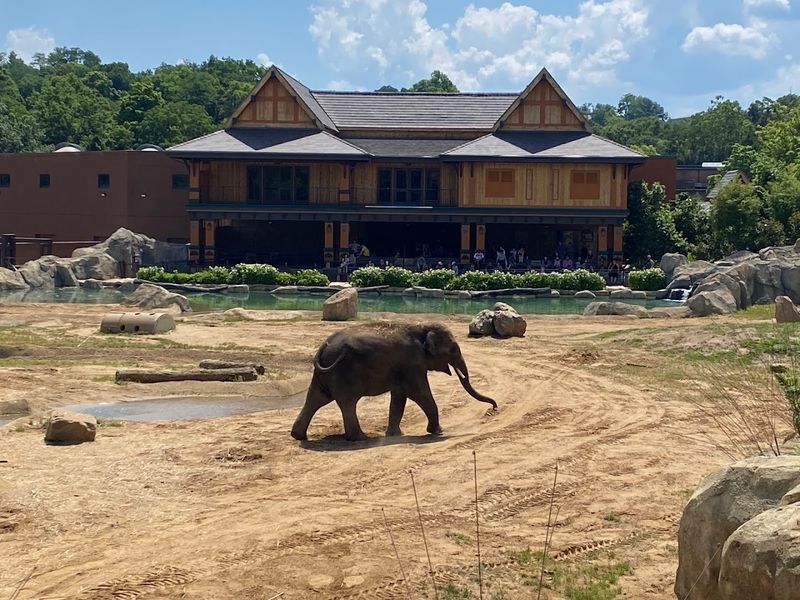
For beautiful photos, arrive early when light is soft and crowds are gentle. Morning coolness often invites active foraging, trunk dips, and playful interactions near water.
Position yourself at an angle to the glass to reduce reflections, and watch for backdrops of grasses, sky, and stone.
Golden hour adds glow to dust baths and turns water into liquid copper. Focus on eyes and trunk tips for emotion, and give space so behavior stays natural.
Burst mode helps with splashes, while a polarizer can tame glare if the sun climbs high.
Remember to step back and enjoy time without the lens. Some moments are better lived than captured.
Share the frame with kids or friends, and you will carry warmer memories home. Check forecasts, since rain can create magical reflections and fewer visitors.
Cloud cover also softens shadows and flatters skin tones for portraits. Be patient and observant.
Wait quietly longer.
8. Beyond Elephants: Neighbors
Elephant Trek links to other Asian species, creating a neighborhood that deepens the story. Swing by Siamang Point to hear duets echo like forest songs, then watch Asian small clawed otters thread through water with bright, quick energy.
These encounters round out the ecosystem and keep eyes and minds alert.
Interpretive signs connect dots between habitats, from forests to river edges to grasslands. You start to see how elephants share space with neighbors, and why protecting corridors matters.
Kids love matching tracks and calls, while adults appreciate the bigger picture painted in approachable language.
Before leaving, jot down one action you will take for wildlife this month. Maybe it is planting a native tree, skipping palm oil snacks, or supporting accredited zoos.
Small steps, shared often, grow into meaningful change you can feel proud of. You are part of the story, and your choices echo beyond the gates.