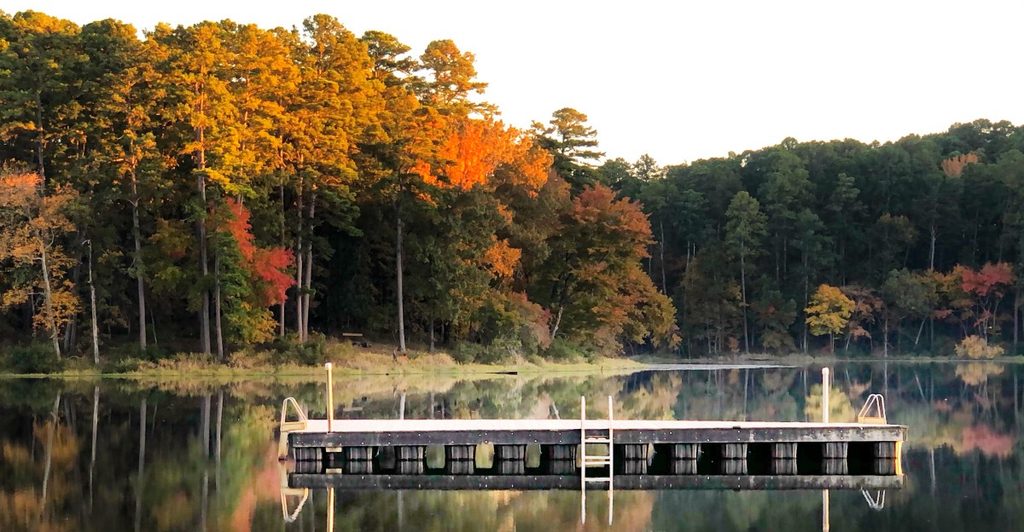
Think Texas only has cactus and cowboy boots? Come autumn, the Lone Star State puts on a color show with red maples, golden cypress, and fiery oaks. Some of the best views are tucked inside state parks and wild canyons.
Grab a jacket and a camera, because here are the places worth the drive.
1. Tyler State Park (Tyler)
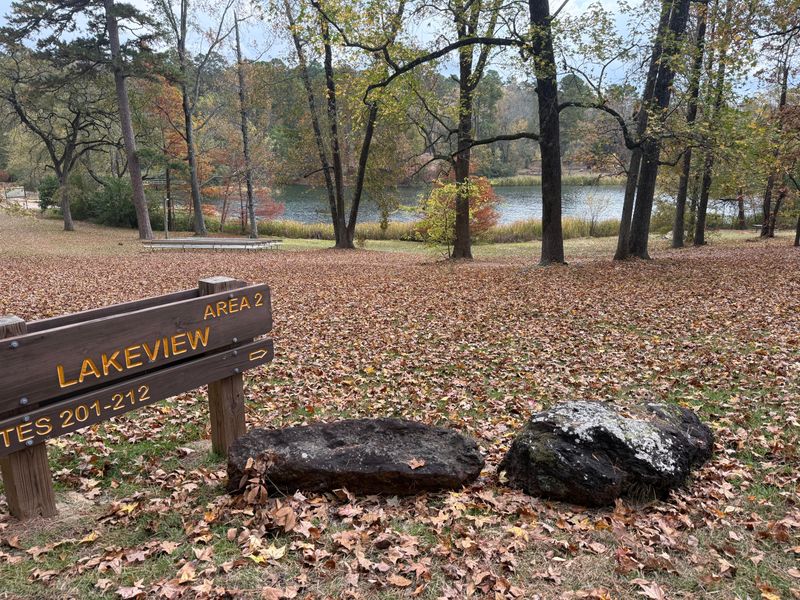
Picture a 64-acre lake wrapped in pines, with sweetgum and oak leaves flipping to red, orange, and gold along the shoreline. That is the scene waiting in the Piney Woods of East Texas.
Fall here feels slow and cozy. You can stroll the lake loop, rent a paddleboat or canoe, and watch the colors double in the water. Mornings are the quietest, and the mist on the lake makes photos look almost painted.
Hikers have plenty of choices. The Whispering Pines Trail is a classic, winding through tall trees where fallen leaves crunch underfoot. If you like a longer walk, the park has miles of trails that loop through hills and hardwood stands, so you can pick the length that suits your legs.
Here is a tip: color timing in East Texas usually peaks later than in other parts of the country, often in November. Check recent park updates before you go, since a warm spell can push things back a bit.
Bring a picnic and claim a table near the water. Campers can pitch a tent or reserve a cabin, which is a great way to wake up right in the middle of the show. Pack layers, because mornings can be chilly and afternoons warm up fast.
Fun detail: the park was built in the 1930s by a Civilian Conservation Corps crew, and you can still spot their stonework around the grounds. Walking past it while leaves drift down feels like stepping into an old postcard.
Families will love how easy the paths are for little legs. Bring binoculars too, because birds love the lake, and fall brings visitors that pass through on their trip south. Even a short visit leaves you with a camera roll full of color.
2. Guadalupe Mountains National Park (Salt Flat)
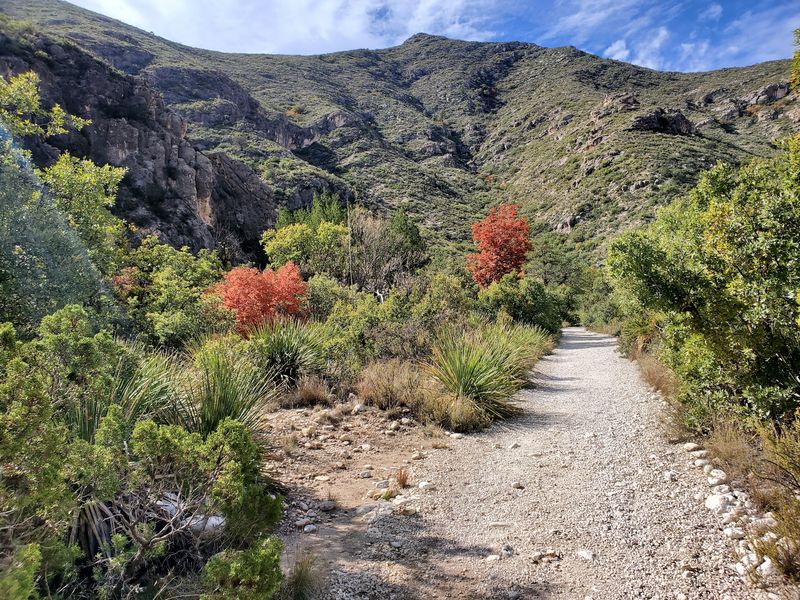
Hidden in a rugged desert canyon, a surprise waits for anyone who makes the long drive: trees blazing red, orange, and yellow against pale rock. McKittrick Canyon is the star here, and it is the main reason fall fans make the trip.
Bigtooth maples, oaks, and other hardwoods grow along a spring-fed creek, which feels almost unreal in such dry country. The contrast is what makes it special. Cliffs, cactus, and flaming leaves all share one frame.
Plan your timing carefully. Color often peaks from late October into November, though it shifts with the weather. The canyon is a day-use area with set hours, so check the park website before leaving and arrive early to enjoy the trail without rushing.
The hike is the best way to see it. The trail follows the creek bed, crossing it several times, and you can turn around whenever you like. Go as far as the historic Pratt Cabin if you want a goal, since the stone building makes a lovely rest stop.
Pack more water than you think you need. Desert air is dry, shade is patchy, and there are no stores nearby. Sturdy shoes, a hat, and snacks make the day far more comfortable.
Fun fact: this region holds the highest point in Texas, Guadalupe Peak. You do not need to climb it to enjoy fall, but looking up at it from the canyon floor gives you a sense of just how big this landscape is.
Stay overnight in the park if you can, because the stars out here are unbelievable. A fall trip combines leaf color, quiet, and wide-open sky in one adventure.
3. Cooper Lake State Park (Cooper)
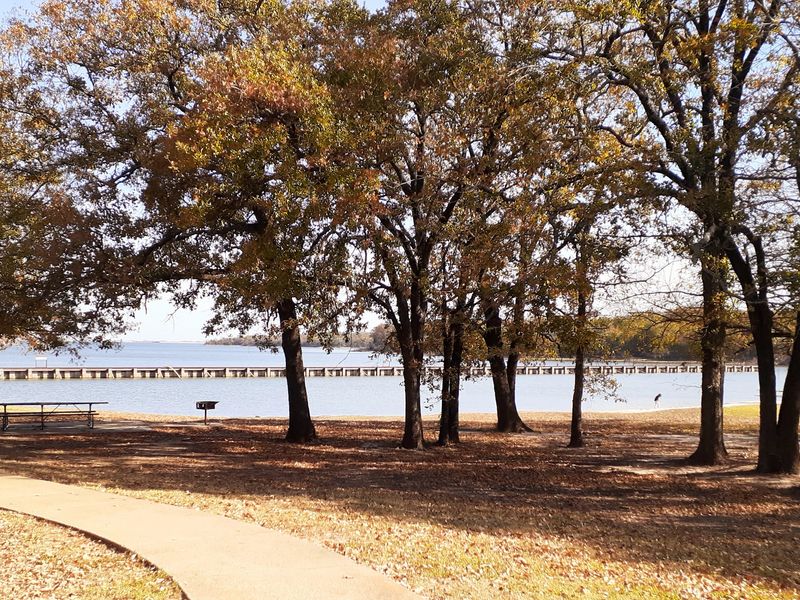
Ever wanted to watch a sunset paint a lake orange while the trees along the shore do the same thing? Cooper Lake serves up that double feature in the northeast corner of Texas.
The park sits in two units, South Sulphur and Doctors Creek, each with its own personality. Both offer shoreline trails, shady woods, and open water views. Fall turns the hardwoods along the edges into warm shades of rust and honey.
Paddlers get a special treat. Gliding along the shoreline in a kayak lets you see color from a fresh angle, with leaves floating by and herons standing like statues in the shallows. Bring your own boat or check what rentals are offered before you head out.
Cyclists and hikers will find plenty of trail miles here too. The paths are mostly mellow, which makes them good for families and anyone who wants a relaxed afternoon. Stop often, because the light changes quickly in autumn and each bend in the trail looks different.
Fishing is popular, so you might share the shoreline with anglers casting at dawn. Crisp air, a thermos of something hot, and a quiet dock make a perfect morning.
A tip for photographers: aim for the hour before sunset. Low sun lights up the leaves from behind, and they glow like stained glass. Keep your camera ready for flocks of birds crossing the water.
Camping is available if you want to stretch the trip into a weekend. Falling asleep to crickets and waking to a cool, golden morning is the kind of simple pleasure that makes fall in Texas so good.
4. Lost Maples State Natural Area (Vanderpool)
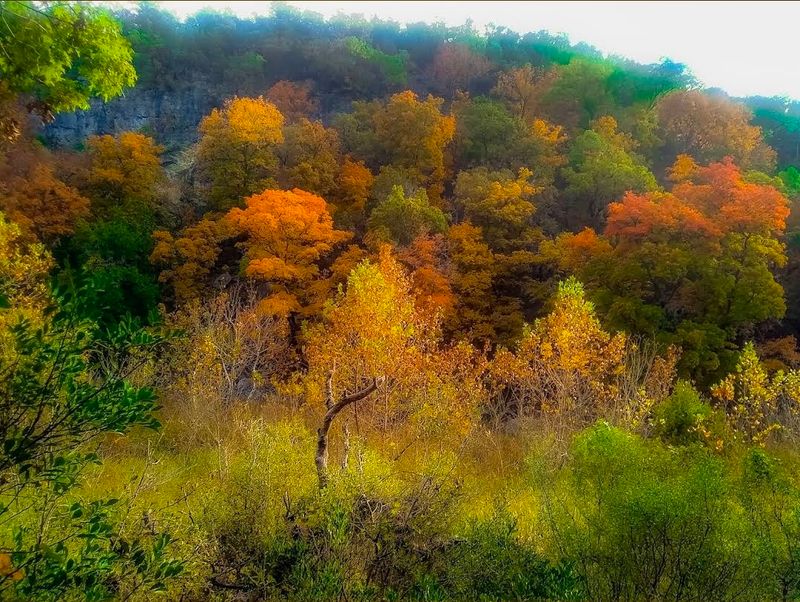
Ask any Texan where to find fall color and this is likely the first name you hear. The Hill Country canyon is famous for bigtooth maples that turn brilliant red, orange, and gold.
Those trees are a leftover from cooler, wetter times, and they grow in sheltered canyons where moisture lingers. That is why finding them in the middle of limestone hills feels like a small miracle. Peak color usually lands in late October through mid November.
Here is the honest truth: everyone knows about it. Weekends in peak season get crowded, and parking can fill up early. Go on a weekday if you can, or arrive right at opening to beat the rush.
The East Trail is a favorite, climbing to a ridge with sweeping views over the colored canyon. The Maple Trail loop takes you right under the trees, where sunlight filters through leaves and everything glows. Wear good shoes, because some stretches are rocky.
The Sabinal River winds through the park, adding clear water and cypress trees to the scene. Birders also come for the chance to spot rare species that live in the canyons.
Reserve a campsite early if you want to stay overnight, since fall dates go quickly. Check the park status page before you leave, as leaf reports are updated during the season.
Bring a camera, a snack, and patience. The color may not be perfect every year, but when it is, the canyon looks like it caught fire in the best possible way.
5. Davis Mountains State Park (Fort Davis)
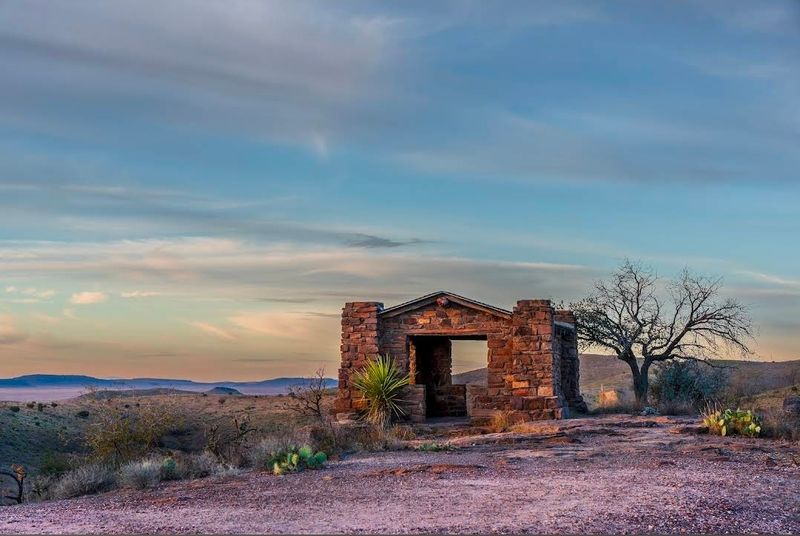
Cool mountain air, golden grass, and a sky that seems to go on forever: West Texas does autumn in a quieter, wilder way. The Davis Mountains offer a different kind of color show, one made of warm tones across rugged slopes.
Instead of a wall of red leaves, you get patches of gold from cottonwoods and oaks tucked into canyons and creek beds. Against the volcanic rock and blue sky, those patches pop even more. It is subtle, and that is part of the charm.
Drive Skyline Drive for a big view. The road climbs above the park, and overlooks let you gaze across the mountains and valley below. Go near sunset, when the light turns everything honey colored.
Hiking the Indian Lodge Trail takes you toward a historic hotel built in the 1930s with thick adobe walls. Even if you are not staying, it is fun to see. The trail is moderate and rewards you with open views.
The area is also known for dark skies. Nearby, McDonald Observatory hosts star parties, so you can pair a daytime color hunt with a night of stargazing. Book ahead because programs can sell out.
Nights get cold out here, so pack a warm jacket even if the afternoon feels mild. Camp or stay in town, and wander Fort Davis for a slice of pie.
Bring binoculars for birds and mule deer. Fall in the mountains is peaceful, and it feels like a secret.
6. Garner State Park (Concan)
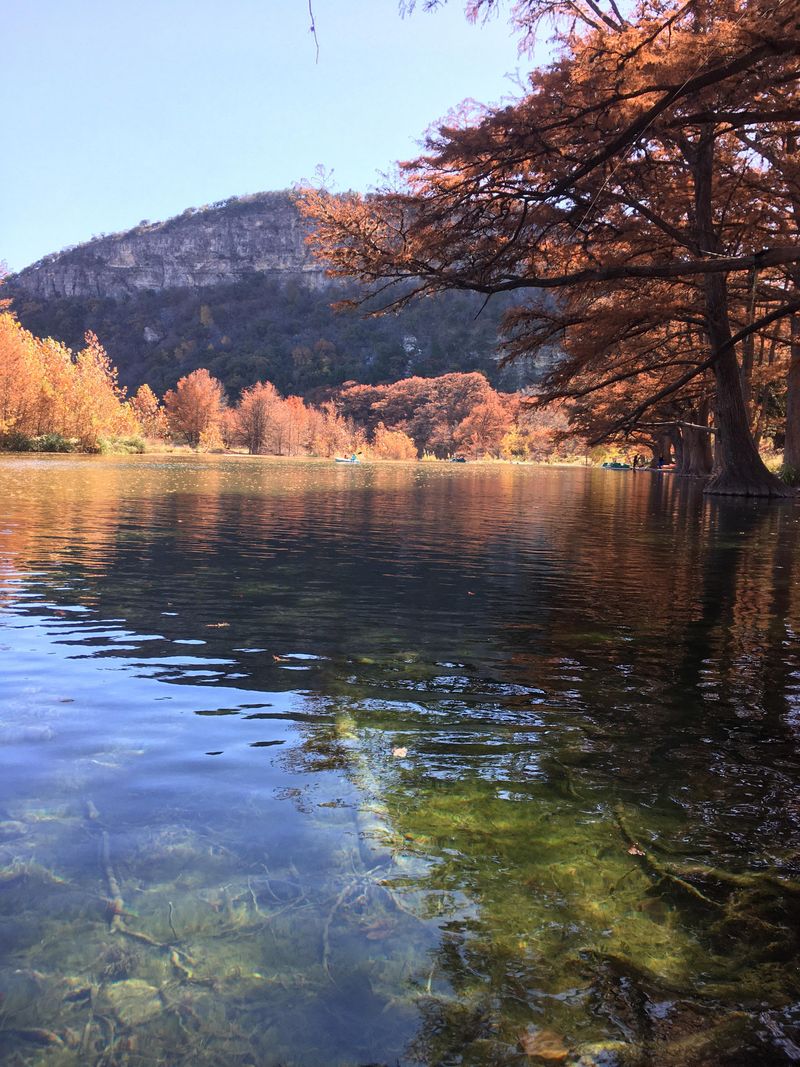
Summer crowds love the Frio River, but fall visitors get the better deal. The tubes are packed away, the lines are shorter, and the cypress trees along the bank start turning shades of rusty orange.
Bald cypress trees are the headliners here. Their needles shift to copper and gold, framing the clear green river like a painting. Add oaks and other hardwoods on the hills, and you have a calm, colorful backdrop.
Hike up Old Baldy for the best view. The climb is short but steep, with stone steps, and it ends with a sweeping look across the park and valley. Go slowly, bring water, and take breaks to enjoy the scenery.
Garner is also known for its old-school dance pavilion, a tradition that has carried on for generations. In cooler months the jukebox may be quiet, but the building itself is a fun piece of Texas history to check out.
The temperature in fall is comfortable for walking. Mornings can be chilly, so bring a hoodie, then shed it as the sun warms up. Dipping your toes in the water might still be tempting on a sunny afternoon.
Stay in a cabin or camp under the trees if you want the full experience. Evenings are quiet and smell like woodsmoke.
Reserve ahead for popular weekends, especially around holidays. Pair this park with nearby Lost Maples for a double leaf-peeping road trip through the Hill Country.
7. Palo Pinto Mountains State Park (Strawn)
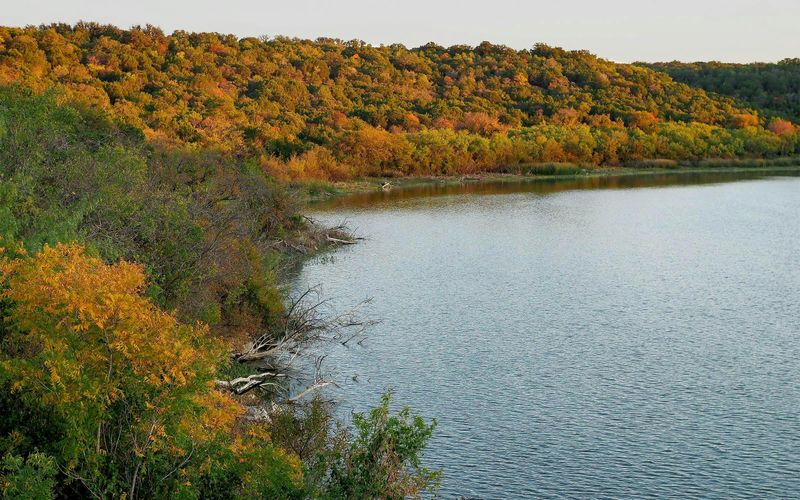
Newer than most of its neighbors, this park is still a bit of a hidden gem. It opened to the public in 2023, so you can say you visited before everyone else caught on.
The terrain is a mix of rolling hills, ridges, and open views, with oaks, elms, and other trees adding patches of gold and rust among the evergreen junipers. That mix keeps the scenery interesting, since reds and yellows stand out against deep green.
Trails are the main event. Wander along ridgelines for broad views of the Cross Timbers landscape, and watch how the light shifts through the afternoon. Because the park is still developing, it feels roomy and uncrowded.
Plan for sturdy shoes and plenty of water. Facilities may be simpler than at older parks, so check what is open before you drive out. Park staff updates are your friend when planning.
Photographers will like the wide-open horizons. Early morning brings soft light and cool air, while late afternoon lights up the hillsides in warm tones.
It is also an easy getaway from the Dallas-Fort Worth area, which makes it ideal for a spontaneous day trip. Pack a lunch and make a loop through the hills.
Look for wildlife as you go. Birds, deer, and other creatures move around more in cooler weather. Moving quietly gives you a better shot at spotting them.
Come back in different seasons to see how the park changes. Fall is a fine time to start.
8. Daingerfield State Park (Daingerfield)
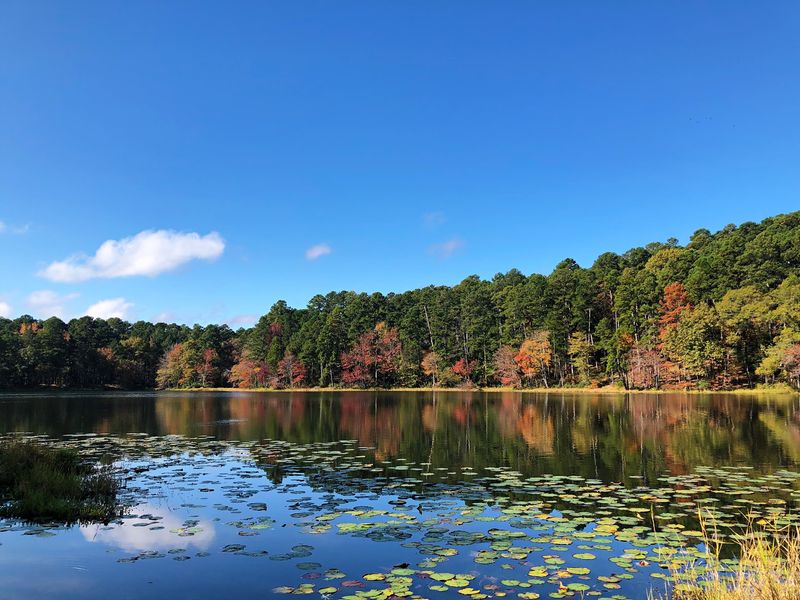
Some places are small but pack a punch, and this East Texas gem is one of them. A compact lake sits in a bowl of pines and hardwoods, and in autumn the whole scene turns fiery.
Sweetgums, maples, and oaks mix with towering pines, so you get red and gold against steady green. It is the kind of setting where every direction looks like a calendar photo. A loop trail around the lake lets you take it all in at an easy pace.
Rust-colored soil and rolling hills give the park a different feel from the flat prairie most people picture in Texas. The lake reflects the trees, so you get double the color if the air is calm. Dawn is the best time for that mirror effect.
History fans will enjoy the old stone structures built by a Civilian Conservation Corps crew in the 1930s. The craftsmanship still looks sturdy, and it adds charm to the walk.
Fishing is a popular pastime. Grab a pole, find a quiet spot, and let the afternoon drift by. You do not need to catch anything to feel relaxed.
Fall is also a good season to camp here. Nights are cool, campfires feel right, and the woods are peaceful. Bring a warm blanket and a thermos.
Since the park is small, you can see most of it in a few hours. Add a stop in the nearby town for a bite, and you have a perfect little getaway.
9. Caprock Canyons State Park and Trailway (Quitaque)
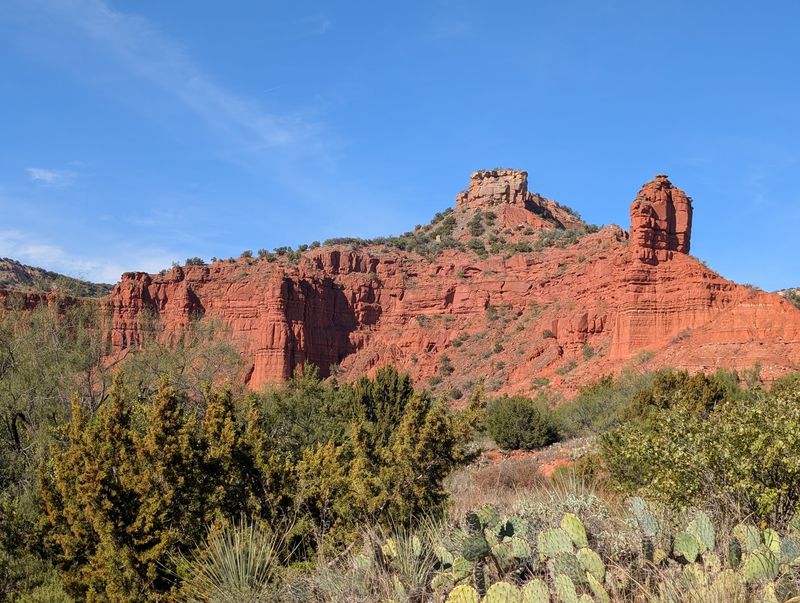
Red cliffs, golden cottonwoods, and a herd of bison wandering nearby: not exactly what most people expect from fall in Texas. That is what makes Caprock Canyons such a memorable stop in the Panhandle.
The canyon walls glow in striped layers of red and orange all year, but autumn adds yellow leaves along the creek beds. The contrast against the blue sky is striking, especially in late afternoon when the rock seems to light up from within.
The park is home to the Texas State Bison Herd, which roams the grounds. Keep a safe distance, because these animals are large and wild. A zoom lens or binoculars lets you enjoy them without getting too close.
Trails range from short strolls to long treks. The Lake Theo area is a nice starting point, with views of water framed by colorful bluffs. If you are feeling adventurous, hike deeper into the canyons for more solitude.
Cyclists and horseback riders can use the Trailway, which follows an old rail line and crosses a tunnel that is home to bats. Check seasonal info about the tunnel before you plan on it.
Weather can swing quickly in the Panhandle, so pack layers and a windbreaker. Mornings can be frosty, and afternoons can turn warm in an instant.
Camp here for a night of big skies and campfire stories. The wide-open landscape makes fall color feel like a bonus on top of an already amazing place.
10. Caddo Lake State Park (Karnack)
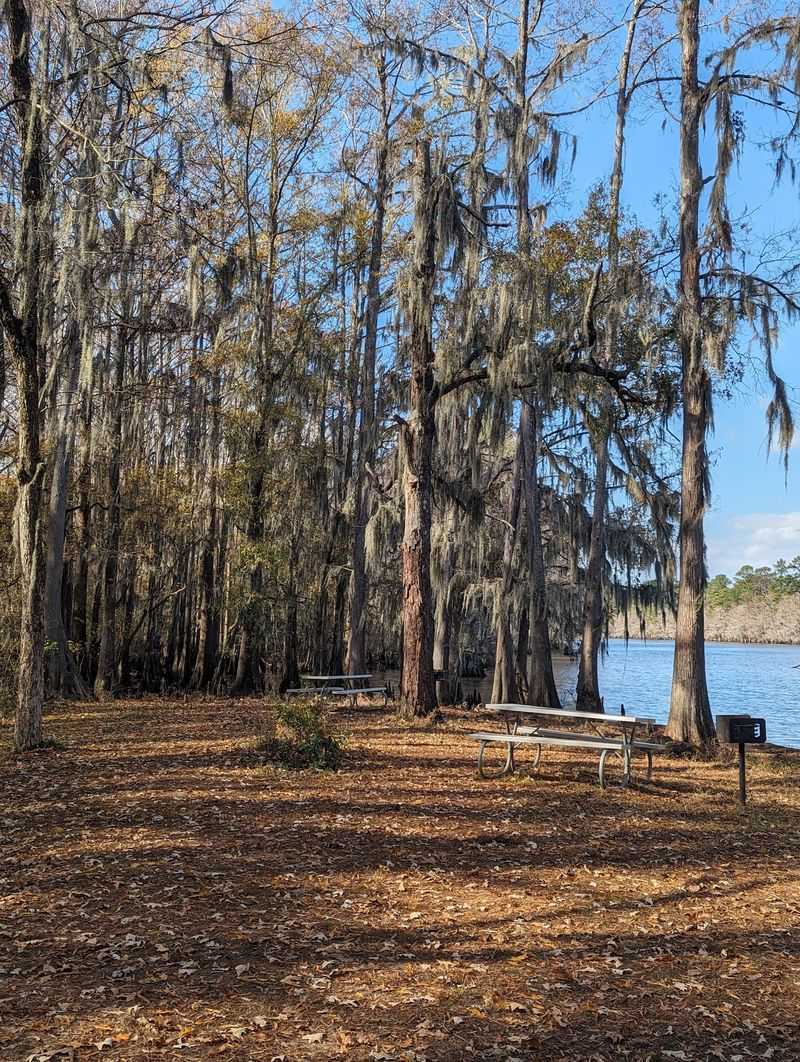
Bald cypress trees draped in Spanish moss, water the color of strong tea, and needles turning rusty orange: Caddo Lake in fall looks like a scene from a storybook swamp. It is easily one of the most atmospheric places in Texas.
The maze of bayous and sloughs is best explored by boat. Paddle a canoe or kayak, or book a guided tour if you want help finding your way. Trails are marked, but it is easy to feel turned around, which is part of the adventure.
Fall brings cooler air and fewer bugs, which makes the trip far more comfortable than summer. Mist often hangs over the water in the morning, giving everything a soft, dreamy look. Pack a camera and a waterproof bag.
Color here is less about bright reds and more about warm copper and gold. The cypress needles shift gradually, and the reflections on the dark water make them seem to glow. Peak timing often falls in November.
On land, you can walk short nature trails through the woods, or settle into a cabin built by the Civilian Conservation Corps. The setting feels like a cozy retreat.
Wildlife is everywhere if you stay quiet. Look for herons, turtles, and maybe an alligator sunning itself in the distance. Keep your distance and enjoy the show.
Fun fact: Caddo is one of the few naturally formed large lakes in Texas, and it has long been considered a unique wetland treasure. Go once in fall and you will understand why.
Share this story