There is a place in Springfield where the woods whisper, the past speaks up, and a hidden waterfall steals the show. George Rogers Clark Park blends serene trails, a glimmering lake, and vivid living history into one unforgettable day.
You can hike, paddle, picnic, and then stand where pivotal moments unfolded long before our time. If you are craving beauty with meaning, this park delivers both in generous measure.
1. The Secret Waterfall Above Hosterman Lake
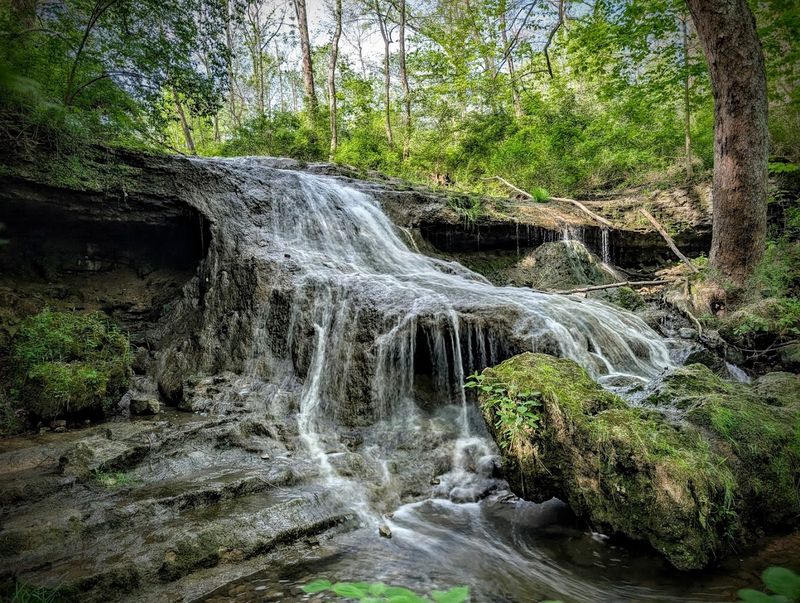
Hidden just off the trail above Hosterman Lake, the park’s little waterfall feels like a discovery every time. You hear it first, a crisp hush rising through sycamores, then the glint of water appears beyond the old stone bridge.
Pause there, breathe, and watch silver ribbons tumble over weathered rock.
Getting close takes a short, sometimes muddy walk, so wear shoes you do not mind rinsing. The footing can be slick in spring, and access is best from the downstream bridge overlook.
Morning light hits the falls beautifully, turning spray into sparkles and making photos pop without filters.
You cannot scramble right under the drop, but lingering on the bank still feels immersive. Bring a thermos, listen for woodpeckers, and let the white noise clear busy thoughts.
On hot days, the shady hollow runs cooler, giving you a refreshing pause before looping back to the lake.
2. Hosterman Lake: Fishing And Kayaking Calm
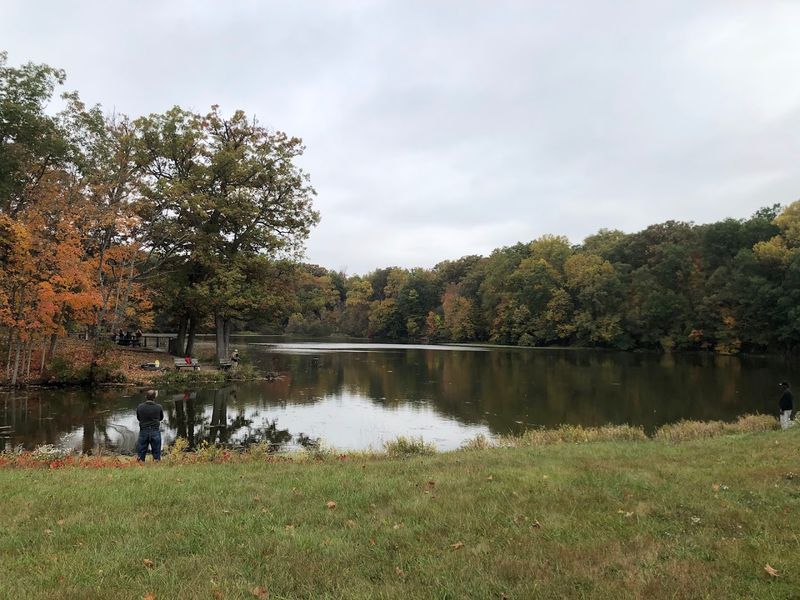
Hosterman Lake sits like a mirror in the park’s heart, ringed by reeds and easy pull offs for casting. Catch and release on bass keeps things sustainable, while bluegill and catfish give kids a real tug.
Early or late, the surface dimples with rises and the shoreline glows soft.
You can slip in a kayak or canoe from several gentle banks, then glide past turtles sunning on logs. Motorboats are out, which makes the water wonderfully calm for beginners.
Bring a PFD, a small tackle box, and a bucket for litter so we leave it better than we found it.
On windy afternoons, tuck behind the point near the dam to find shelter. Winter views are starkly beautiful, but watch for thin ice and seasonal closures.
After paddling, picnic beneath the trees, compare fish stories, and circle the lake trail to stretch legs before heading home.
3. Trail Loops, Bridges, And Wayfinding Tips
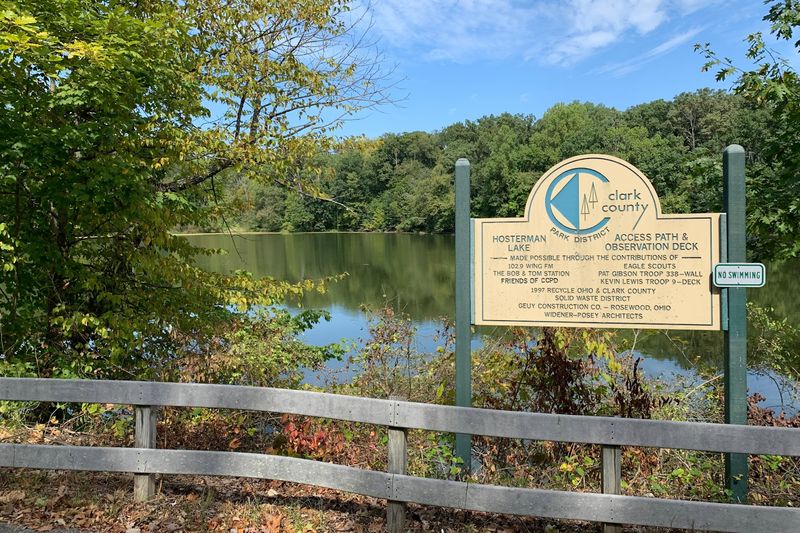
The park’s trail network strings together woods, meadows, bridges, and creeks, offering short loops that fit busy days. Maps are posted near the dam, and a paper version helps when junctions feel uncertain.
Cell service can dip, so screenshot the map before you head under the canopy. Trailheads at S Tecumseh Road lots fill quickly on weekends.
After rain, expect muddy patches and slick boardwalks, especially along the creek below the waterfall. Waterproof hikers or old sneakers keep the focus on birdsong instead of puddles.
Most trails are family friendly, yet some climbs surprise, so bring water and take breaks where the breeze moves.
Trail blazes and signs improve each season, but intersections still ask for attention. Follow the lake clockwise if you want steady shade, counterclockwise for big sky and prairie.
If a segment feels worn or blocked, choose an alternate loop and report issues to Clark County Park District.
4. Where History Echoes: The Battle Of Piqua
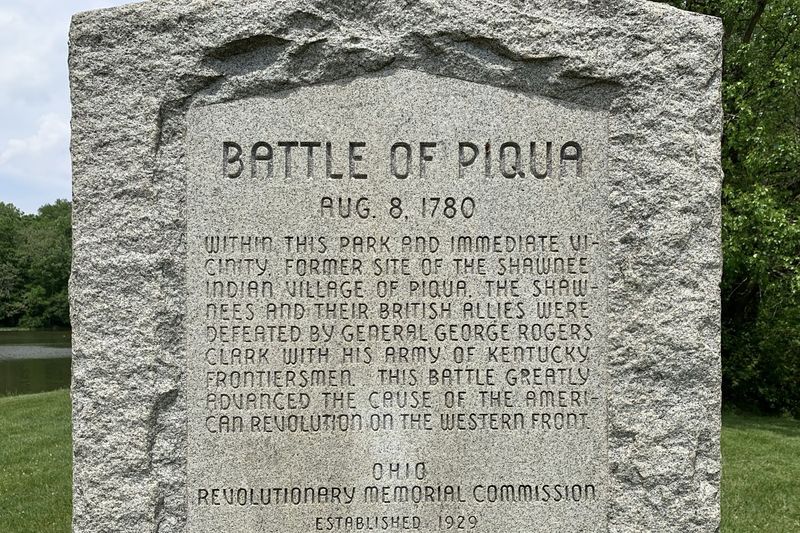
History hums beneath your boots here, because these fields cradle the 1780 Battle of Piqua, also called Peckuwe. American forces clashed with Shawnee warriors near the Mad River, and the landscape still holds that memory.
Interpretive signs trace routes, leaders, and the human cost that echoed across the frontier.
Many visitors come to reflect on Tecumseh, born nearby, whose story threads through this ground. You can stand by markers and imagine families, villages, and difficult choices that shaped the region.
The park invites respect, curiosity, and listening to perspectives beyond familiar textbooks. Consider how stories were preserved and who told them.
I like to slow down at the reconstructed features, reading every plaque and then closing my eyes for a minute. Cannons sometimes thunder during reenactments, making the past startlingly present.
When the rumble fades, wind in the grass takes over, and the lessons feel both sobering and hopeful.
5. Fair At New Boston: Living History Weekend
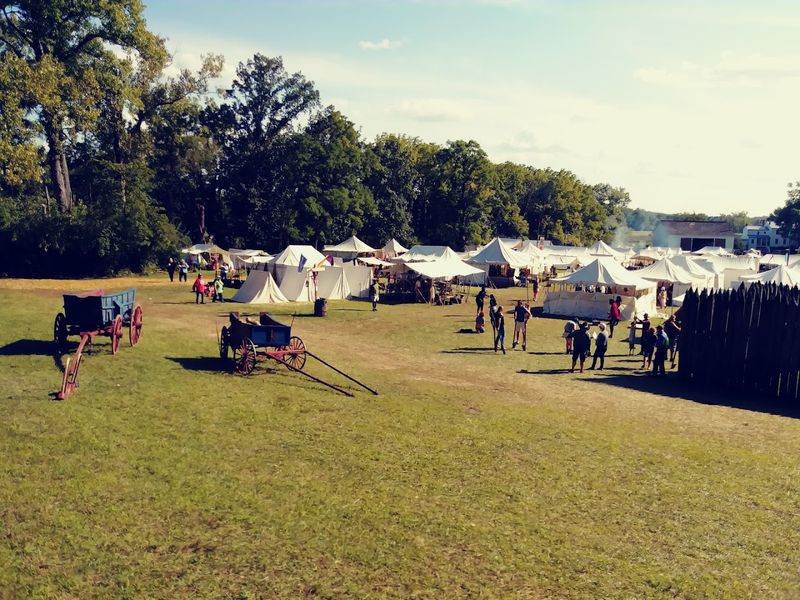
Over Labor Day weekend, the park transforms for the Fair at New Boston, a vibrant step into the early 1800s. Tents bloom across the meadow, artisans hammer and stitch, and the smell of hearth cooking drifts between flags.
You wander, sample, and chat with people who live history with cheerful precision.
Expect cannon fire, militia drills, and demonstrations that explain daily life beyond the battlefield. Kids light up at toy booths and fife tunes, while adults savor pressed cider and careful storytelling.
There is an entrance fee for the fair, so plan a budget and arrive early for parking.
If you love photography, golden hour across camp lines is pure magic. Ask questions kindly and always request permission before taking a portrait.
When you finally leave, your pockets carry ticket stubs and your head carries context that deepens every quiet trail the next day today.
6. Woodland Indian Village: Everyday Ingenuity
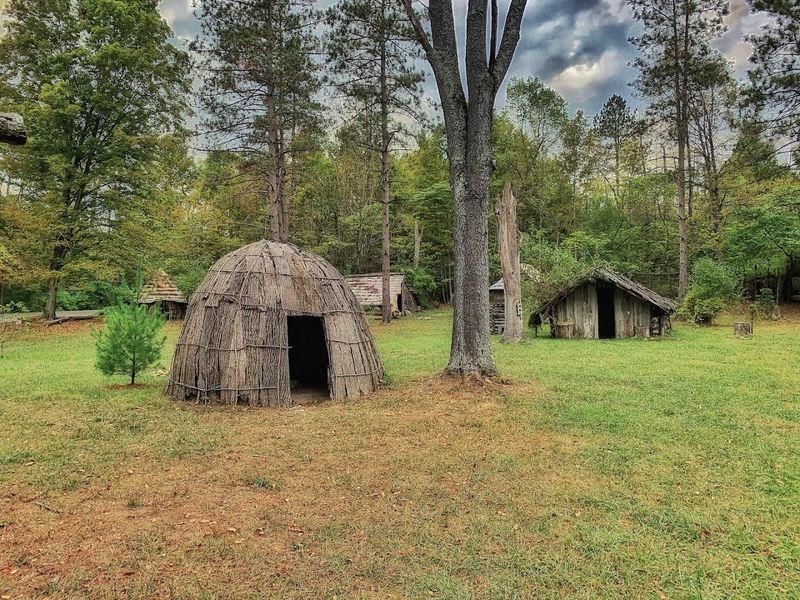
Near the trails, the Woodland Indian Village invites you to step through time with reconstructed structures and hands on interpretation. Bark covered lodges, drying racks, and garden plots outline daily rhythms that powered communities.
Standing there, you sense ingenuity in every fiber, from lashings to clay lined hearths.
Volunteers answer questions about tools, trade, and seasonal movement with patience and specificity. Kids love grinding corn, feeling pelts, and comparing footprints in the dust.
Approach with humility, remembering these lifeways belong to living descendants whose voices deserve space and care. Staff can also recommend books and podcasts for deeper learning.
Read every panel, then pause to listen to leaves and birds for a minute. That quiet helps the setting speak beyond artifacts or costumes.
When you rejoin the modern path, the woods feel richer, and the waterfall’s song carries threads of stories you might have missed before.
7. Hertzler House Museum And Interpretive Stops
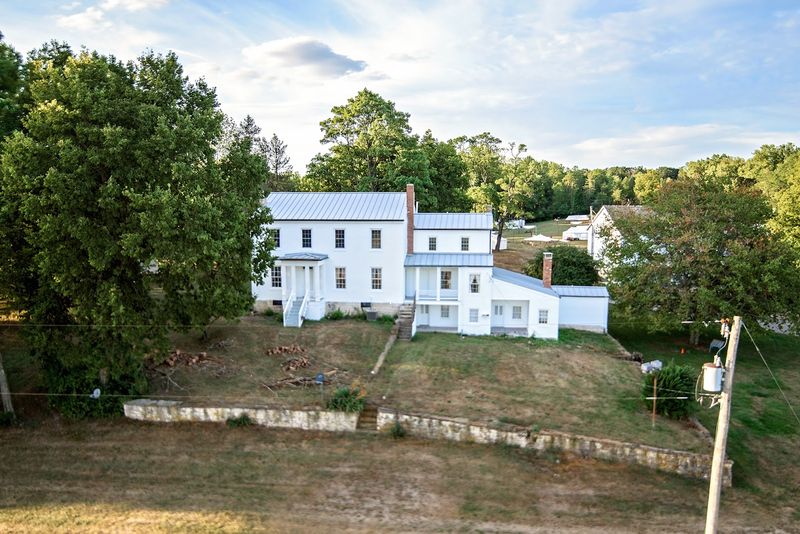
At the park’s edge, the Hertzler House Museum and nearby interpretive spaces add vivid context to a trail day. Hours are limited, often weekends or event days, so check the Clark County Park District website before you go.
A small fee sometimes applies, supporting preservation and educational programs for all ages.
Inside, period rooms reveal textiles, tools, and recipes that made frontier households hum. Docents share stories with warmth, connecting global trade to local hearths in clear, friendly language.
If doors are closed, peek at the exterior, read the signage, and plan a return visit soon.
Pair a museum stop with the battlefield walk to balance domestic life and conflict. That contrast brings history off the page and into your senses.
When you step back outside, the soundtrack shifts to wind, geese, and laughter drifting from Hosterman Lake’s fishing banks. Grab a printed schedule so future openings are on your calendar.
8. Picnic Shelters, Rookery Romp, And Family Time
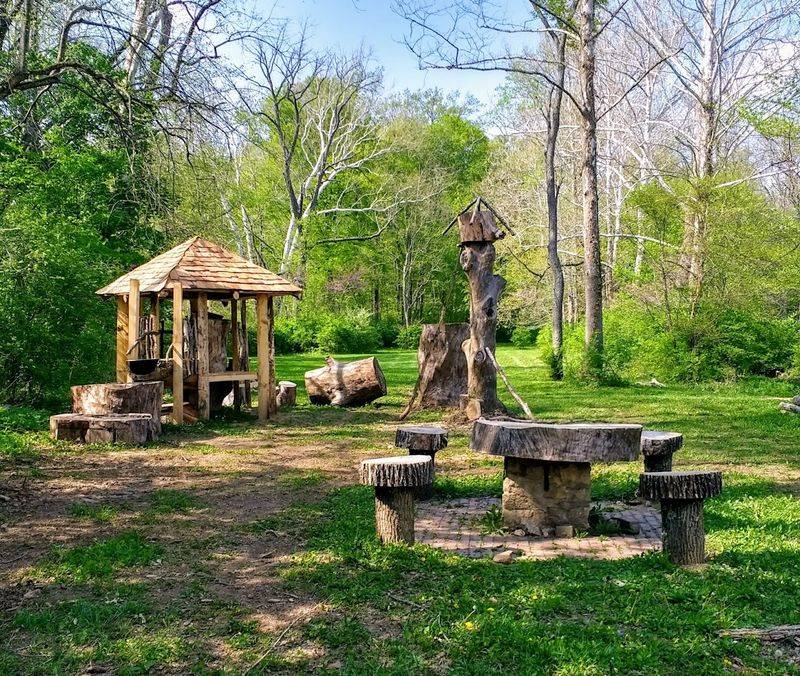
Spread a blanket or claim a covered shelter, because this park was built for picnics that linger. Tables sit under maples with breezes off the lake, and grills wait patiently for sizzling lunches.
Restrooms are mostly porta johns, so bring sanitizer and a backup plan for little ones. Coolers with ice keep drinks perfect on humid afternoons.
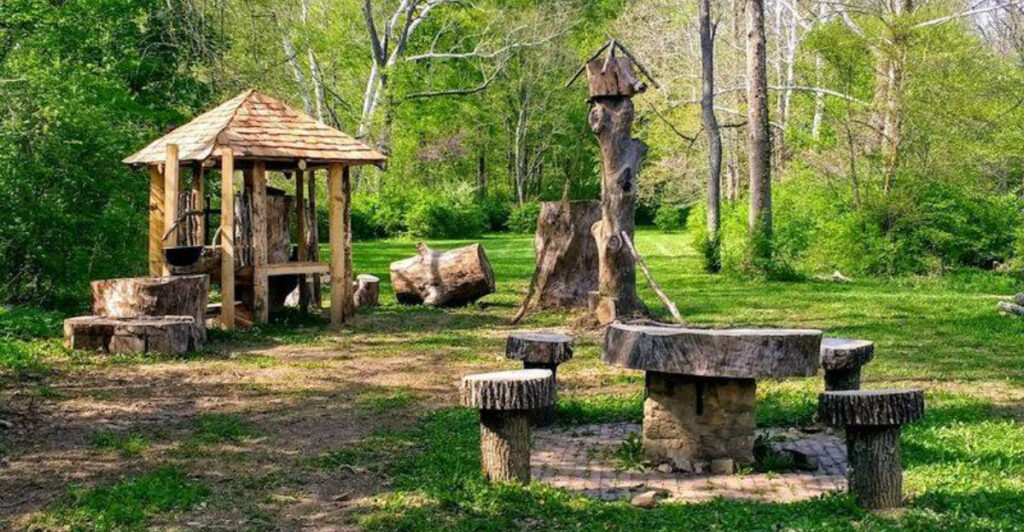
Kids burn energy at the Rookery Romp nature play area when it is open, clambering on logs and balancing across beams. Bring a frisbee, field guides, and a kite for the broader meadows.
Short loop trails make it easy to squeeze in a mini hike between sandwiches and tag.
On busy weekends, arrive early to snag shade and parking near shelters. Please pack out trash, even tiny bits, so raccoons and geese are not tempted.
When the sun dips, the lake turns gold and conversations soften into that contented quiet every family remembers.
9. Hours, Parking, And Accessibility Essentials
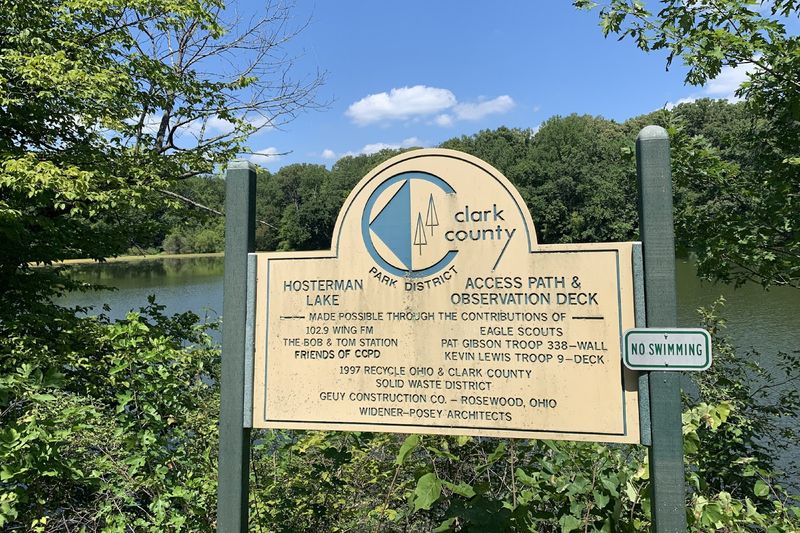
George Rogers Clark Park opens 8 AM to 6 PM daily, with gates closing promptly, so time loops wisely. Parking lots are scattered around the lake and trailheads, and weekends fill mid morning.
If a gate is shut for maintenance, circle the loop road and choose another signed lot.
Most paths are natural surface with short hills, roots, and occasional mud, while some sections offer smoother grades. Benches appear near viewpoints, and bridges provide sturdy creek crossings.
If mobility is a concern, scenic drives and lakeside stops still deliver beauty without long walks. Accessible parking spots are signed near shelters and restrooms.
Pack water, sunscreen, bug spray, and a small first aid kit. Keep dogs leashed, give anglers space, and step aside for those moving faster uphill.
After storms, watch for downed branches, and never venture onto ice unless officials have clearly opened it for recreation.
10. Seasonal Highlights And Photography Tips
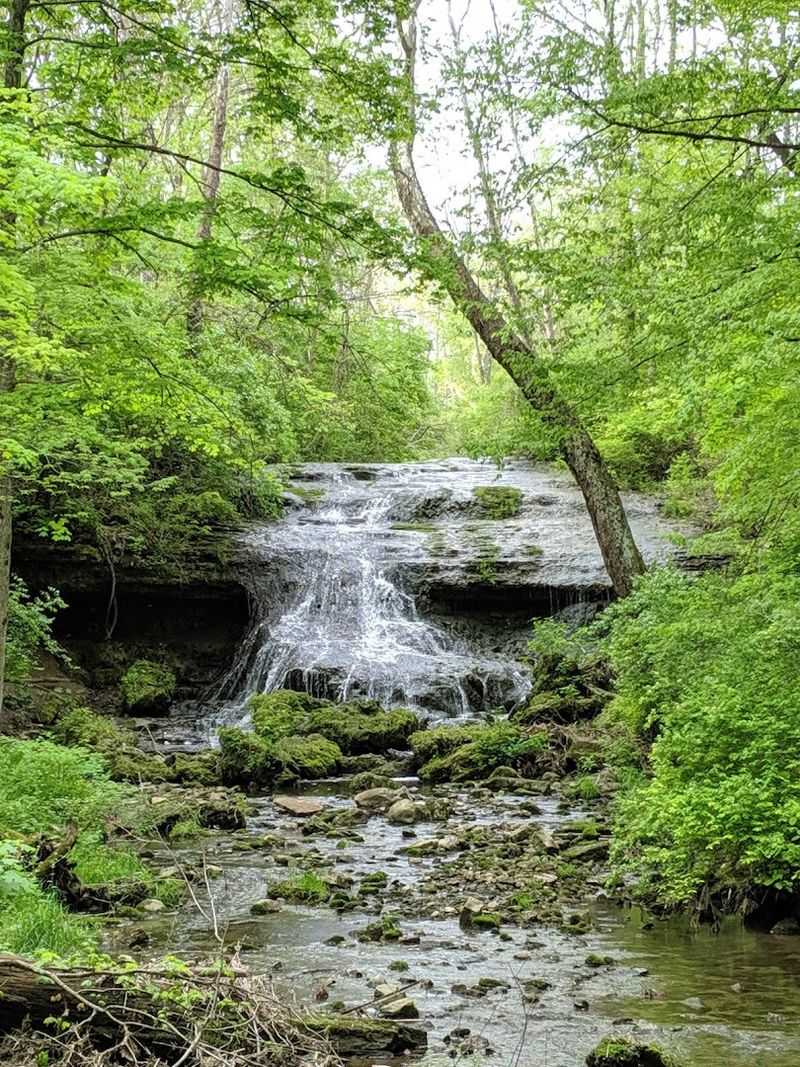
Each season reshapes the park’s mood, so your camera sees something new every visit. Spring wildflowers stencil color along creek banks and under oaks, while waterfalls run fullest after rain.
Summer brings dragonflies, lush shade, and sunset paddles that paint Hosterman Lake with ripples of fire. Cloudy days make colors pop and tame harsh shadows.
In fall, maples flare orange and trails crunch, making every overlook feel cinematic. Frosty mornings sharpen edges in winter, revealing long views across the battlefield and quiet coves for birds.
A fast fifty millimeter or a compact zoom keeps weight down while covering portraits and landscapes.
Arrive early or linger late for low angle light that flatters textures and faces. Expose for highlights near the falls, use a polarizer for glare, and bring a microfiber cloth.
Respect closures, stay on paths, and remember the best shot includes your curiosity and care.