Some restaurants are memorable because of the food. Others stay with you because the building itself has a story to tell.
Across Tennessee, a surprising number of restaurants have taken over spaces that once served completely different purposes. Old chapels, blacksmith shops, fire stations, warehouses, drugstores, and even a former movie theater have all been given a second life as places to eat.
That history adds something special to the experience.
You might dine beneath soaring church ceilings, sit where firefighters once waited for calls, or watch old films flicker across a screen while enjoying dinner. These places do more than serve a meal — they connect the present with the people and stories that came before.
From Knoxville and Memphis to Nashville, Franklin, and Chattanooga, these 11 Tennessee restaurants prove that the setting can be just as memorable as what is on the plate.
1. 71 South in Knoxville
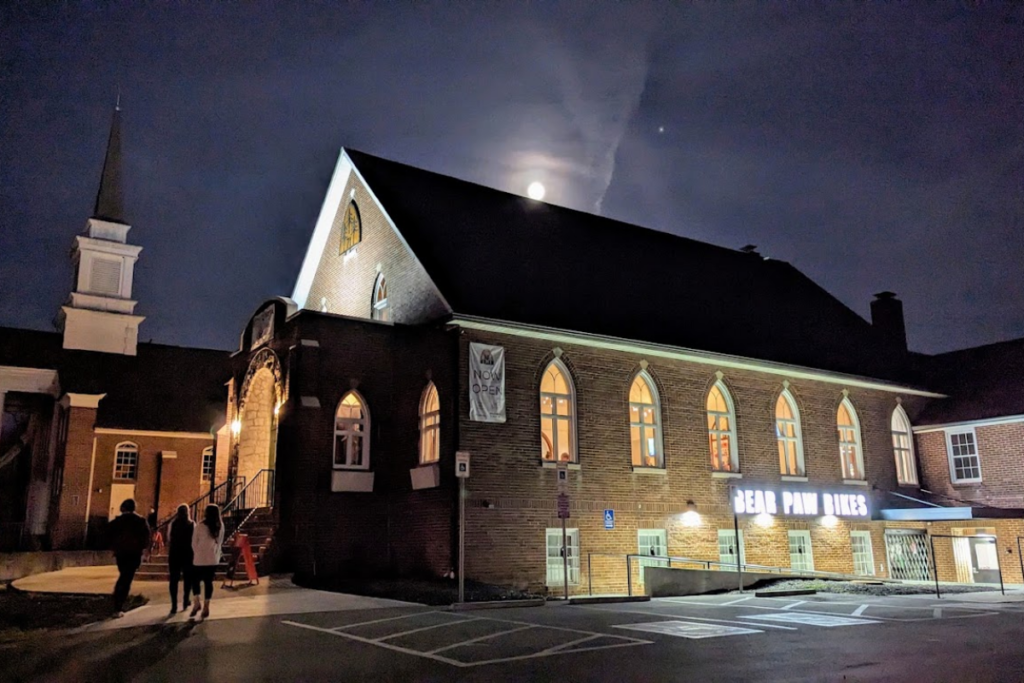
Ever wanted to say grace over a plate of something delicious in an actual chapel? In Knoxville, you can. This restaurant sits in the former chapel of Sevier Heights Baptist Church, in a building nearing a century old.
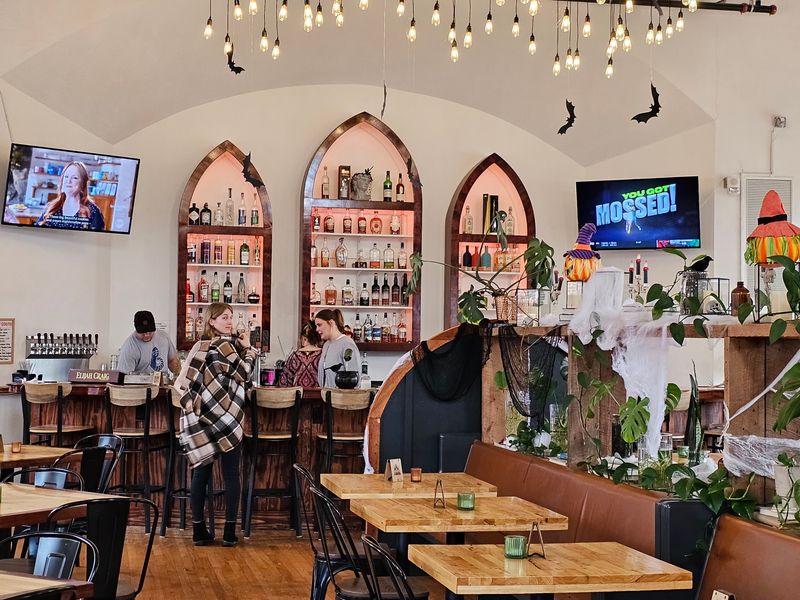
The people who restored the space kept the church feel alive. Pew seating still lines parts of the dining room, so you may find yourself sliding onto a bench that once held Sunday worshippers. The old pulpit was given a new job too, and now it works as the host stand.
Walking up to check in feels a bit like approaching the front of the sanctuary.
That mix of reverence and relaxed dining is what makes the place so memorable. The room has high ceilings and a hush that settles in even when the tables are full. Conversations tend to drift toward the building itself, which is a nice icebreaker for a first date or a family gathering.
Plan to arrive a few minutes early so you can look around before you sit. Peek at the architecture, notice the way the light falls across the room, and ask your server what parts of the chapel were saved. Staff members at places like this often love sharing small details that never make it into articles.
If you are visiting Knoxville and want a meal with a sense of place, this is a strong first stop. Pair it with a walk around the neighborhood afterward, and you get both a good dinner and a little local history. Reservations are a smart idea for weekend evenings, since a one-of-a-kind room tends to draw a crowd.
Pews were originally a fairly late addition to many churches, since early congregations often stood or sat on simple benches. Today, they make surprisingly comfortable dinner seats. Bring friends, linger over dessert, and enjoy the quiet charm of a chapel turned dining room.
Dress however you like. Nobody here will judge your shoes, though you may want to keep your voice a touch lower out of habit. Some visitors report that the room just feels special, and it is easy to see why once you walk through the door.
2. The Beauty Shop in Memphis
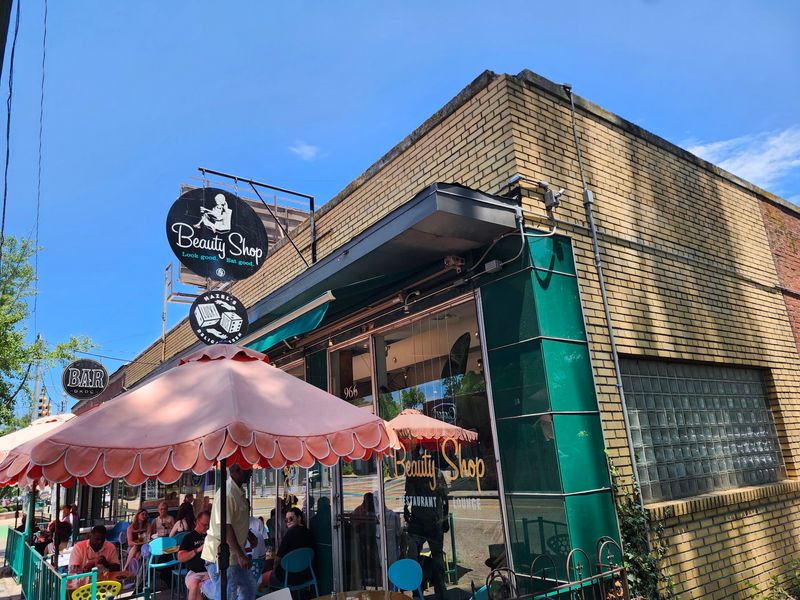
Picture a row of old-fashioned hair dryers hovering over your brunch table. That is the quirky scene waiting in Memphis, where a former 1940s-style beauty shop now feeds hungry guests. The vintage dryers stayed behind and became part of the decor.
Photos practically take themselves here. The retro details give the room a playful energy, like stepping into a movie set where someone is about to get a fresh perm. You do not need to know anything about hairstyling history to smile at the sight.
The best part is how the restaurant leans into its past without turning it into a gimmick. The building was designed for conversation and gossip, and that spirit seems to live on. Tables fill with friends catching up, which is exactly what happened in salons for generations.
If you go, bring a camera and a bit of curiosity. Take a lap around the room before ordering, and look for the small touches that nod to the building’s earlier life. Kids often love spotting the dryers, so it works well as a family stop too.
Memphis has no shortage of famous places to eat, so this one stands out by being cheerful and unexpected. It is a good pick for birthday meals, girls’ day outings, or any time you want food with a side of personality.
In the 1940s, beauty shops were often social hubs where neighbors swapped news and recipes. Many women spent hours there each week, so a restaurant taking over the space feels oddly fitting. The chatter just changed from hairspray talk to menu talk.
Go at a quieter hour if you want to study the decor. Go at a busy hour if you want the full buzz. Either way, plan on leaving with a story and probably a few pictures worth sharing.
3. The Firehouse in Johnson City
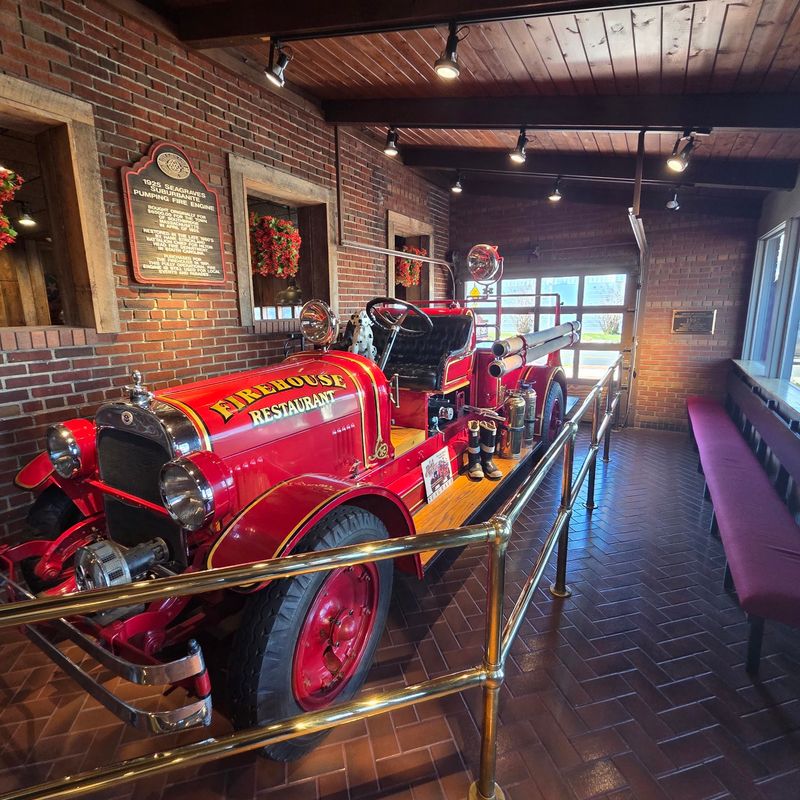
Some restaurants borrow a firehouse theme. This one is the real deal. The building went up in 1930 and served Johnson City as Station No. 2 until 1976.
After the fire crews moved out, the building sat waiting for a new purpose. In 1981, the firehall was purchased at auction, and the restaurant moved in. That means the walls have seen both emergency alarms and anniversary dinners.
Look closely when you arrive. The shape of the building still says fire station, with the big bay-style openings and sturdy, practical construction. It is easy to imagine trucks rolling out the doors on their way to a call.
Inside, the setting gives the meal a sense of occasion. Families, coworkers, and couples fill the tables, and the history adds a conversation starter. Kids who love fire trucks often get a kick out of eating where real firefighters once lived and worked.
If you plan a visit, make it part of a longer Johnson City day. Walk around downtown, then head here for supper while the evening light hits the old brick. Ask the staff whether they know any stories about the station, since long-running local spots tend to collect good ones.
Firehouses of this era were built to be durable and functional, with room for equipment, sleeping quarters, and tools. That sturdy design makes them well suited for dining rooms, where space and strong bones really matter.
The best part is how natural the fit feels. Nothing about the building seems forced into a new role. It simply traded hoses for hot plates, and it has been serving the community in a different way for more than forty years.
4. The Blacksmith Restaurant in Jackson
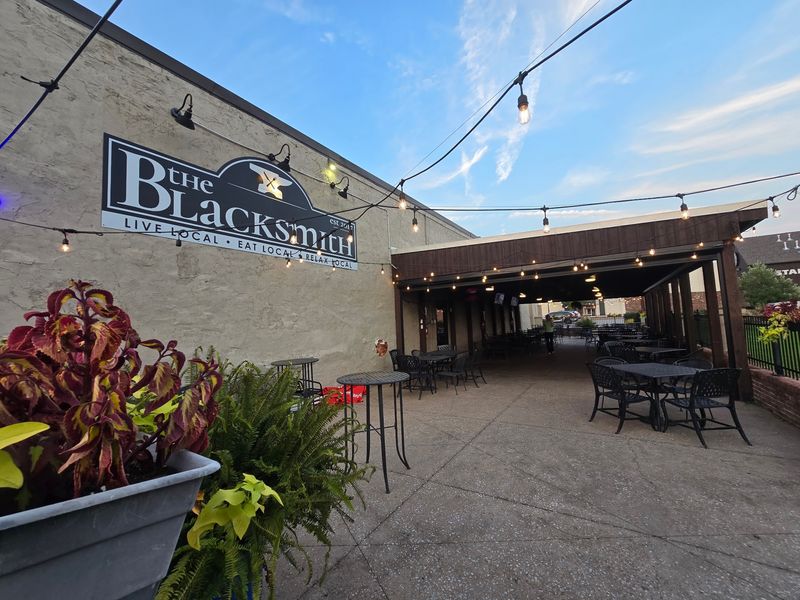
Back in the 1840s, travelers rolling into Jackson needed two things: a place for their horses and someone to fix a broken carriage. This downtown building filled both needs. It began as a livery and blacksmith shop.
Over time, the building changed jobs. At one point it became a fish market, which is a big leap from horseshoes to fresh catch. Eventually, it settled into its current life as a restaurant, and the name keeps the original trade in view.
West Tennessee does not always get the same attention as Nashville or Memphis, so a stop like this feels like a small discovery. The old structure gives downtown Jackson a bit of character, and it rewards anyone who enjoys history with their meal.
When you visit, take a moment outside before you walk in. Look at the proportions of the building and picture wagons pulling up out front. Then step inside and notice how the space blends old bones with a comfortable dining setup.
This is a good choice for road trippers cruising between Memphis and Nashville. Jackson sits conveniently along that route, so you can break up the drive with something more interesting than a drive-through. A relaxed dinner here can turn a long travel day into a highlight.
Livery stables were once as common as gas stations are today. They offered feed, rest, and care for animals, much like a modern pit stop offers fuel and snacks. The blacksmith in the back was the original repair shop.
Bring someone who enjoys local stories, and ask staff what they know about the building. Tales about former uses tend to come out over dessert. It is a satisfying way to taste a piece of Jackson’s past.
5. Geist in Nashville
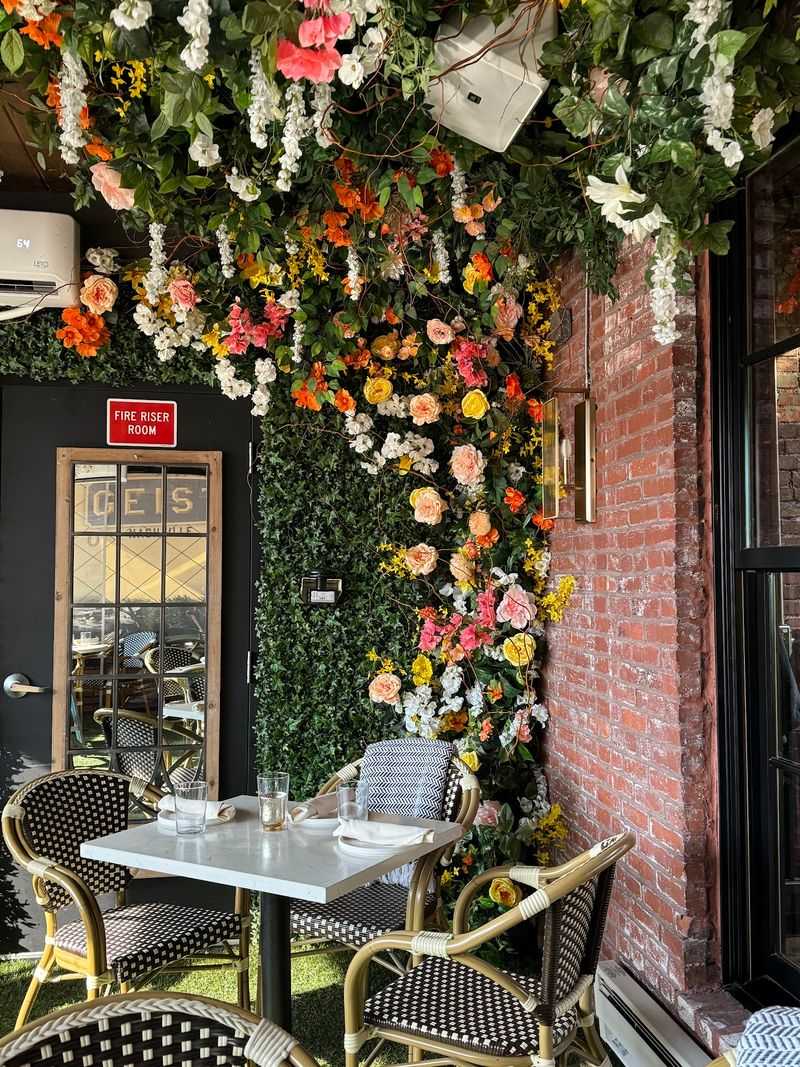
Three generations of one family swung hammers in this building. John Geist and Sons Blacksmith Shop was established in 1886 and rebuilt in brick around 1900. The business kept going until it closed in 2006.
Now the space has a new life as a restaurant, and the name keeps the family history in view. Brick walls and a sturdy frame hint at the work that once happened here. It is a nice reminder that Nashville’s story is not only about music.
The city has changed fast, with new towers popping up all the time. That makes a building like this feel even more special. It stands as a link to a time when metalwork was the heartbeat of a neighborhood.
Plan to arrive with an appetite and a little time to look around. The architecture rewards slow eyes, and you may spot details that suggest the hard work done in the past. Think of the shop as a craftsman’s workshop that now serves a different kind of craft.
This is a smart pick for visitors who want something local and not a tourist trap. It also works well for a date night, since the setting has character without feeling stuffy. Locals appreciate it for how it honors the past.
Blacksmiths once made everything from tools to wagon parts to household hardware. A shop that lasted more than a century was a real community pillar. Few trades can claim that kind of staying power.
When you leave, take a quick look back at the building. Imagine the glow of a forge and the ring of hammer on iron. It makes dinner feel like part of a much longer story.
6. Gray’s on Main in Franklin
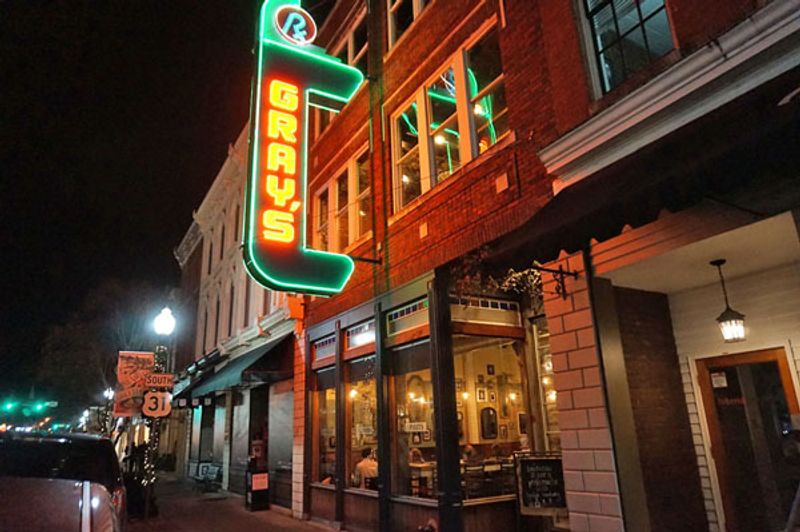
Soda fountains and prescriptions once filled this corner of Franklin. The circa-1876 building housed Gray Drug Co. for nearly a century. In 2013, it reopened as a restaurant.
The restoration saved many original features. Look down and you will see old floors, then look up to find tin ceilings and structural timbers. Memorabilia on display adds even more history, giving you plenty to study between bites.
Franklin’s Main Street already feels like a postcard, with brick sidewalks and historic storefronts. Eating inside a former drugstore adds one more layer to the experience. It is easy to picture neighbors stopping in for medicine and a chat.
If you can, walk the downtown area before or after your meal. Window-shop, wander, and soak up the atmosphere. Then let dinner be the finishing touch on a relaxed day in town.
This place suits many occasions. Bring out-of-town guests who like history, or head over with friends who simply enjoy a good setting. The room has a lived-in warmth that makes people linger.
Drugstores of the late 1800s often doubled as social centers. People gathered there for news, remedies, and sometimes ice cream. A restaurant filling the space keeps that gathering tradition going.
Ask your server about the memorabilia, because small items on the walls often have stories behind them. You might learn something you would never find in a guidebook. That little bit of discovery makes the meal feel richer.
7. The Abbey at the Heartland Little River Chapel in Townsend
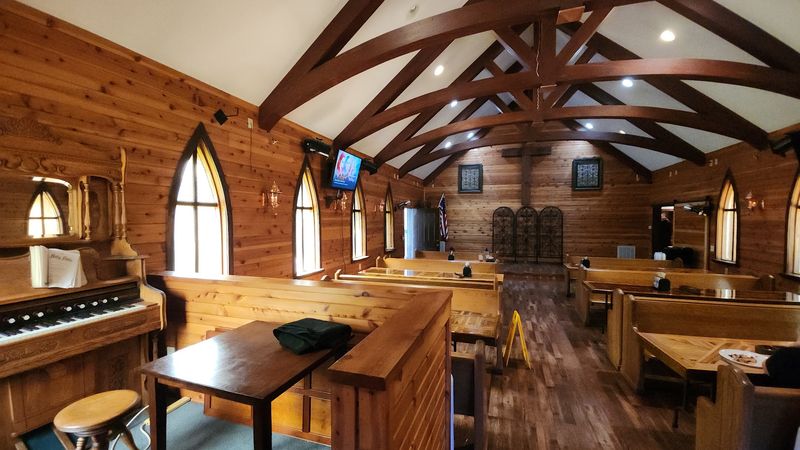
Townsend is known as the peaceful side of the Smokies, and this stop fits right in. The Abbey at the Heartland Little River Chapel carries a chapel connection in its very name. Eating in a setting like this feels calm from the moment you arrive.
Details about the building are best confirmed before your visit, so check current hours and offerings. A quick call or look at the official page can save you a trip. Places in small mountain towns sometimes change schedules with the seasons.
What you can count on is the setting. Townsend sits close to the national park, with quiet roads and tree-lined views. That backdrop makes any meal feel like part of a mountain getaway.
Consider pairing dinner with a day outdoors. Hike, wade in a creek, or drive scenic roads, then finish with a seat in a chapel-inspired space. It is a lovely way to end a day of fresh air.
This spot appeals to couples, families, and small groups who want something different from chain restaurants. The chapel idea adds a sense of occasion, even for an ordinary weeknight. It is also a nice choice for celebrating milestones.
Townsend calls itself the peaceful side of the Smokies because it sees fewer crowds than busier gateway towns. That relaxed pace carries over into its dining spots. Nobody seems to be in a hurry.
Plan ahead during peak fall color season, since visitors flood the area then. Reserving a table, if offered, will keep your evening smooth. After that, all that is left is to sit back and enjoy the quiet.
8. The Majestic Grille in Memphis
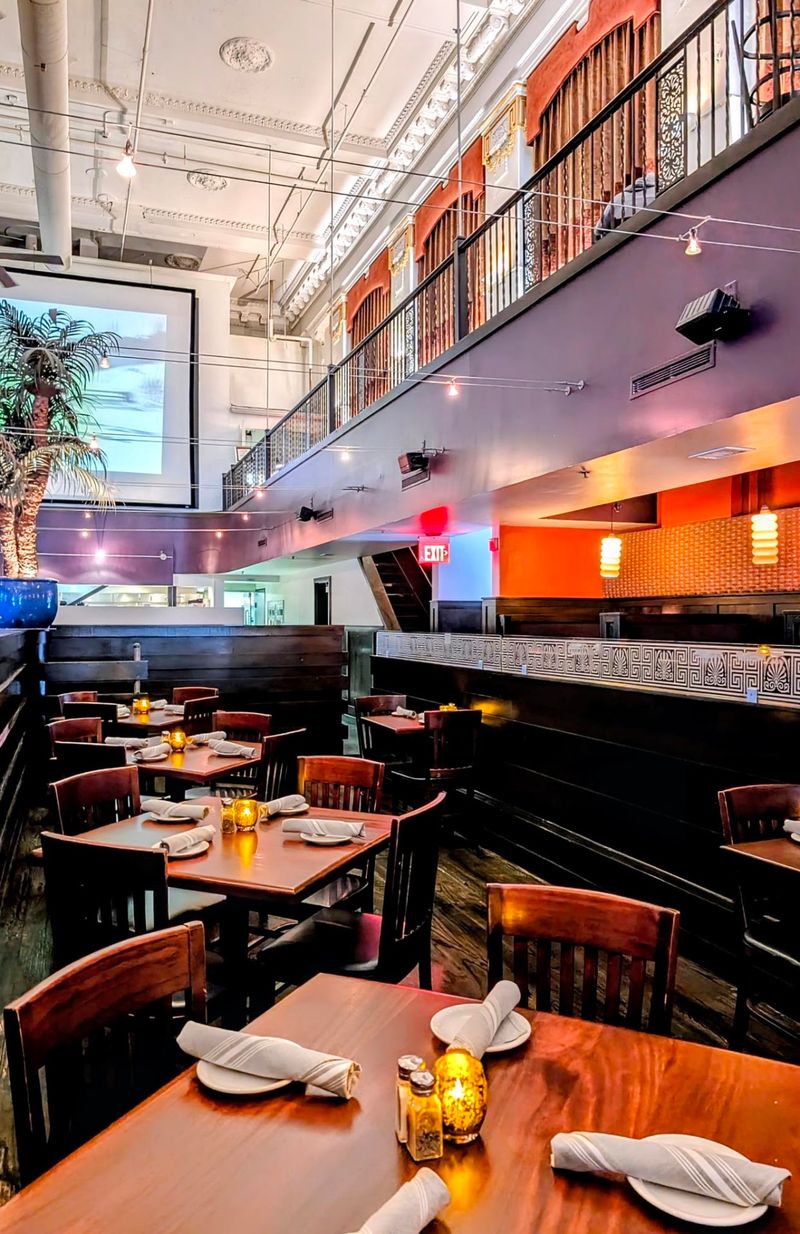
Dinner and a movie, minus the popcorn bucket. The Majestic Grille sits in the building that once housed the Majestic No. 1 Theatre. It opened in 1913 and showed movies for more than three decades.
The restaurant honors that history on purpose. A screen plays old films while you eat, so the silver-screen spirit remains. It is a clever way to keep the building’s identity alive.
Watching black-and-white clips over a meal creates a mood you do not find everywhere. Some people get lost in the flickering scenes, while others simply enjoy the atmosphere. Either way, it sparks conversation.
Memphis has deep roots in entertainment, so this fits naturally. The city’s story is full of music and performance, and early cinema was part of that world. Eating in a former movie house adds another thread to the tapestry.
For a good visit, ask for a seat with a clear view of the screen if you want the full effect. If you prefer to talk, a quieter spot may be better. Both options work well, depending on the group.
Fun fact: theaters from the early 1900s were often called picture palaces, and many were designed to feel grand. Even when the screens changed, the sense of showmanship often lingered in the architecture. Here, a bit of that glamour remains.
Visit before a downtown outing or after an evening stroll. The setting makes ordinary plans feel like a mini adventure. And yes, you can absolutely pretend you are a star while you order dessert.
9. FEED Table & Tavern in Chattanooga
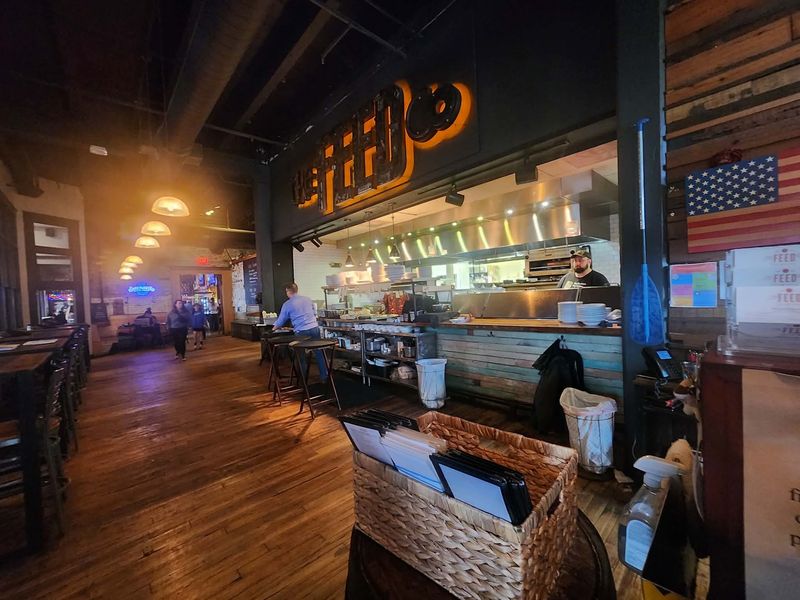
Sacks of grain once moved through these doors. The restaurant occupies an early-20th-century building formerly used as Chattanooga’s Seed-Feed Supply Co. warehouse. The name, FEED, keeps that background front and center.
Designers kept the warehouse bones. Old loading-dock areas were folded into the modern restaurant design, which gives the place a spacious, open feel. You can almost hear carts rolling and crates thumping.
Industrial buildings make great dining rooms because they offer height, light, and sturdy character. Here, those traits shape the whole mood. It feels relaxed but polished.
Chattanooga has become well known for reinventing old spaces. This restaurant fits right into that trend, showing how a working building can turn into a gathering place. It is a good example for anyone curious about how cities reuse their past.
If you visit, look for the places where the old structure shows through. Notice the way the layout supports moving goods and now moves hungry guests. Small details often reveal the most.
Feed stores once served as hubs for farmers, who stopped by for supplies and swapped news. That community role matches what a restaurant does today. The crowd just changed from overalls to date-night outfits.
Pair your meal with a stroll around the city. Chattanooga’s riverfront and downtown streets are easy to explore on foot. A satisfying dinner in a warehouse makes a fitting end to the day.
10. Stationairy in Nashville
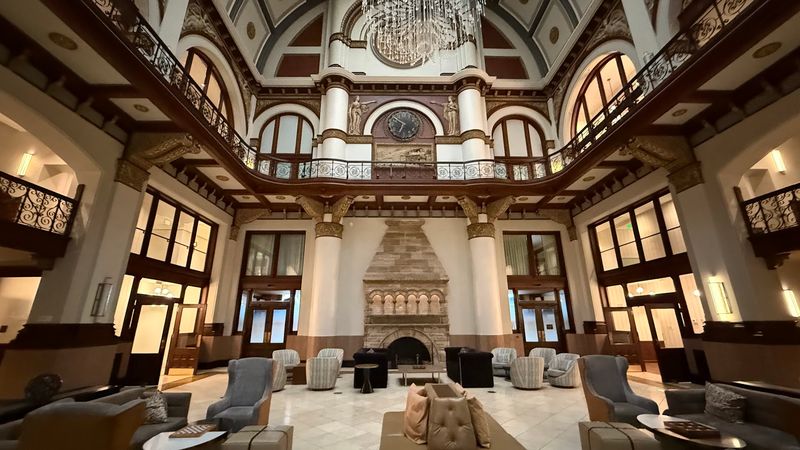
Few dining rooms can match the drama of a grand train station. Stationairy sits inside Nashville’s historic Union Station. Original granite walls, giant arched windows, and 22-foot ceilings are part of the design.
Step inside and your eyes go up first. The tall ceilings make everything feel open and important. Light pours through the arched windows and warms the stone.
Train stations were once the front doors of a city. Travelers arrived with suitcases and hopes, and the architecture was built to impress. Eating here lets you borrow a little of that grandeur.
Nashville is known for music, but its railroad history deserves attention too. A meal in this setting offers a different side of the city. It pairs well with a visit to downtown sights.
Try going near sunset when the glow adds drama to the stone. Take a minute to walk around and admire the structure. Photos here tend to turn out beautifully.
Union Stations were built so that several rail lines could share one central hub. That teamwork helped cities grow faster. Nashville’s version still stands as a symbol of that era.
Dress up a little if you want to match the setting, though no one will mind casual clothes. It works well for celebrations, business dinners, or a special night out. Either way, you leave with the feeling of having visited a landmark.
11. The Mailroom in Clarksville
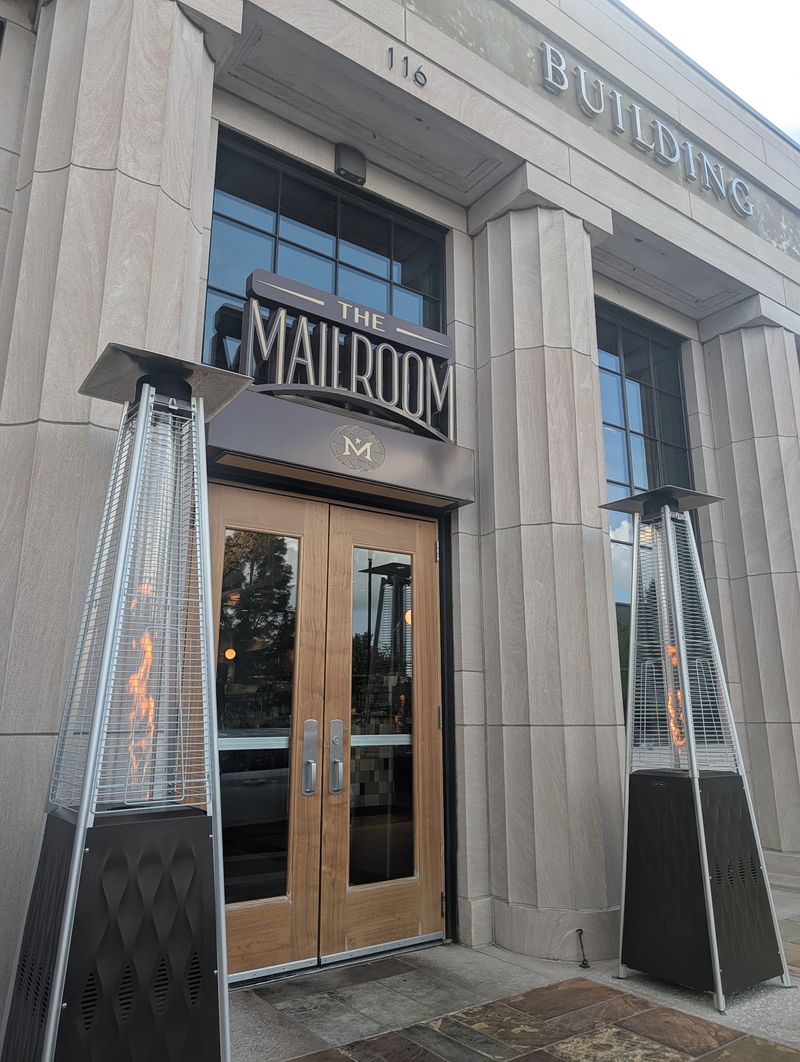
The name alone makes you curious. The Mailroom in Clarksville hints at a past tied to letters and deliveries. It is a fun reminder that restaurants can grow from any kind of building.
Exact details about the building’s history are best confirmed with the restaurant, so ask when you visit. Staff can share the real story better than any guess. That conversation is part of the fun.
Clarksville has a lively downtown near the Cumberland River, and this stop fits into a walkable day. Browse shops, stroll the streets, and then settle in for a meal. A small-city outing like this can feel refreshingly easygoing.
Look for touches that nod to the name. Little design details, signs, or decor may play with the mail theme. Spotting them is a bit like a scavenger hunt.
This place is a good fit for friends meeting after work or families looking for something local. The setting offers character without being fussy. It is the kind of spot where regulars become friends.
Before email, a mailroom was the beating heart of any busy office or post facility. Letters were sorted by hand, and speed mattered. Now the only thing being delivered is dinner.
Check hours before you go, since smaller restaurants sometimes adjust schedules. Then plan a relaxed evening and enjoy the story. Clarksville rewards curious eaters with places like this.
Share this story