Tennessee has plenty of famous attractions, but some of its most fascinating places are the ones time nearly left behind.
Hidden in forests, tucked beside rivers, and scattered across old industrial landscapes, abandoned and forgotten sites still tell stories of logging towns, prisons, ironworks, resorts, and communities that once bustled with life. Many of these places are preserved inside parks or historic areas, which means you can explore them legally and safely without crossing fences or wandering where you should not.
What makes them so compelling is the contrast. Crumbling stone walls sit beneath fresh green leaves, old furnaces rise from quiet woods, and abandoned foundations slowly disappear into the landscape.
From ghost-town cabins in the Smokies to historic coke ovens, prison walls, and forgotten river settlements, these 10 Tennessee sites offer a hauntingly beautiful look at the state’s past — and plenty of reasons to keep exploring.
1. Elkmont Ghost Town – Great Smoky Mountains National Park
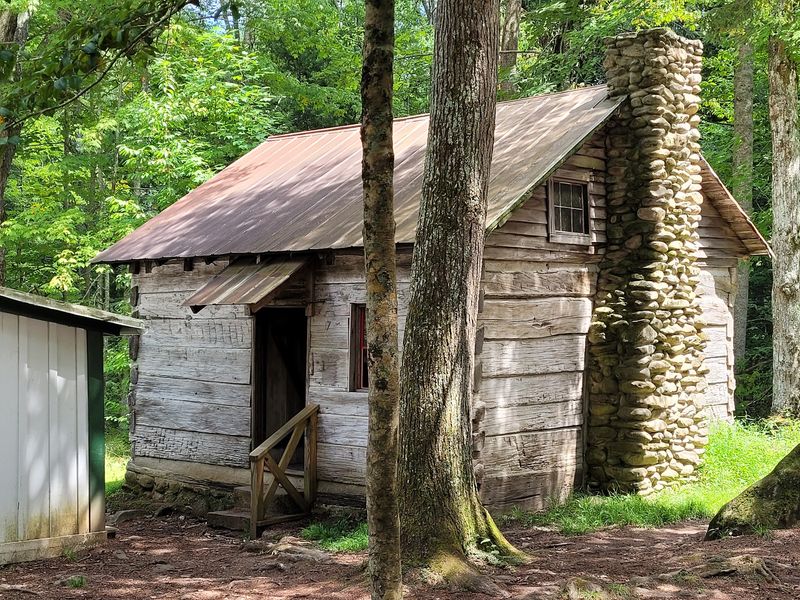
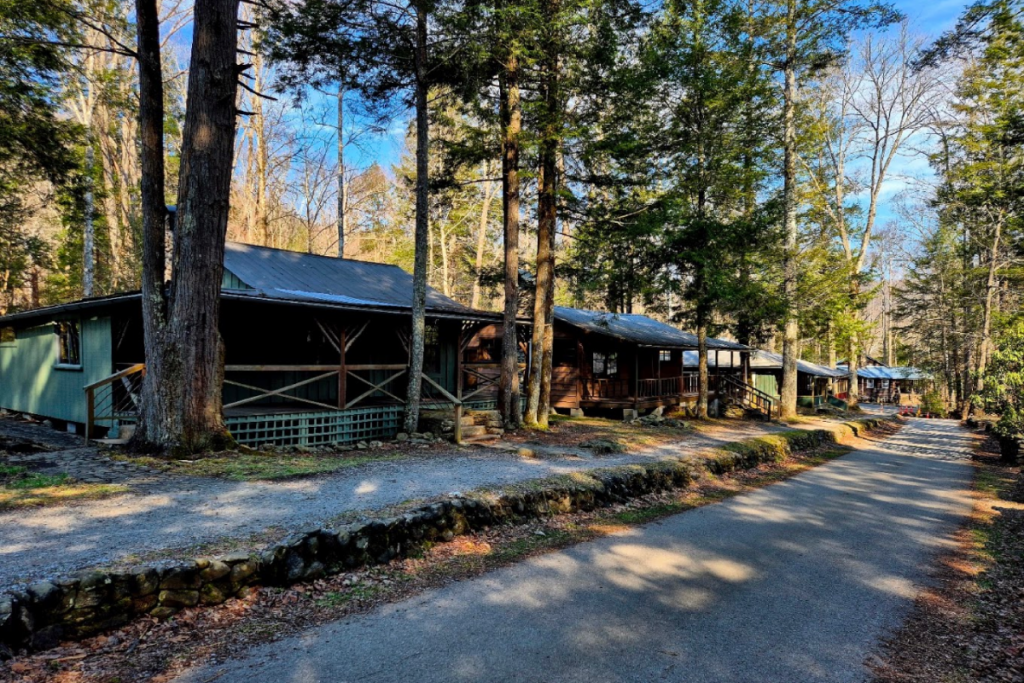
Picture a mountain getaway where the cabins outlasted the vacationers. Elkmont began as a logging community and later became a summer retreat, and now the leftover buildings sit quietly among the trees.
Walking the old roads feels a bit like crashing a party that ended decades ago. Porches sag, stone chimneys lean, and moss has claimed many of the steps. Some cabins have been fixed up by the park, while others stay in a weathered state that photographers love.
Start with the Little River Trail, which follows the water and passes remnants of the old community. The path is wide and gentle, so it works for most families. Keep an eye out for foundations hidden beside the trail, because they appear when you least expect them.
Timing matters here. Spring brings wildflowers, and the park is known for its synchronous fireflies in early summer, which draw big crowds. Entry for that event is handled through a lottery system, so check the National Park Service website well ahead of time.
Fall is another winner, with color all over the hillsides. Go early in the day if you want quiet, since parking can fill up fast. Bring water, a light jacket, and a camera with plenty of space.
Remember the rules of the park. Look inside buildings only where access is allowed, never climb on fragile structures, and leave every board and brick where you found it. Those rules help the cabins survive for the next curious visitor.
The area once held a social club of wealthy families who spent summers here. Imagine card games and picnics where bears now wander. Check current building access before you go, because conditions change with preservation work.
Give yourself at least two hours. Bring a snack, read the signs, and listen to the creek. The soundtrack alone is worth the drive.
2. Historic Brushy Mountain State Penitentiary – Petros
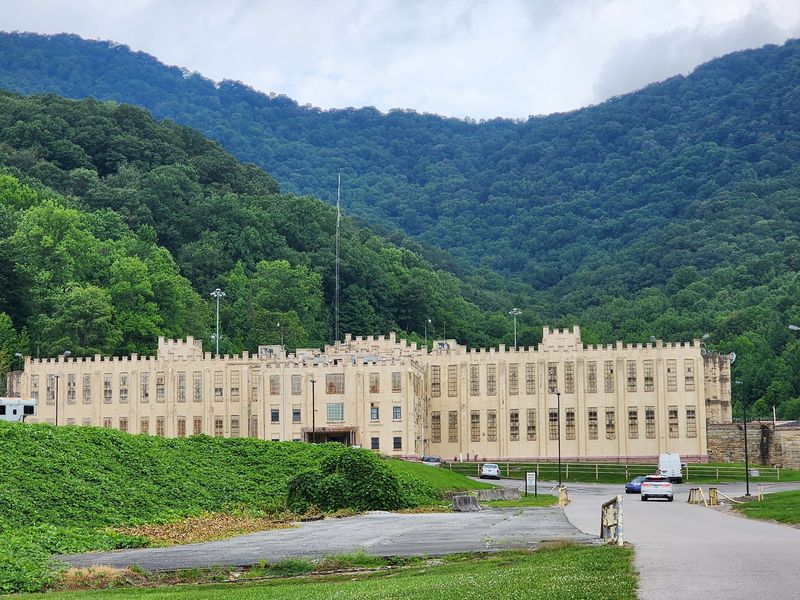
Few places carry as much brooding drama as this old mountain prison. Built into the Cumberland hills, its thick walls once held some of the state’s toughest inmates, and the site closed in 2009.
Today the property is open for tours, which is the legal and safer way to see it. Guides walk you through cell blocks, the yard, and the dramatic stone exterior. Expect peeling paint, cold corridors, and a lot of echoes.
The prison was famous for a notorious escape story tied to a well-known figure who was held here in the 1970s. Guides tell the tale far better than any blog can, so ask questions and let them spin it.
Start by checking the current schedule, since tours and special events change by season. Some visits focus on history, while others lean into the spooky side after dark. Pick the style that fits your group.
Wear comfortable shoes with good grip. Floors can be uneven, and some stairs are steep. Layers help too, because the thick walls hold chilly air even in summer.
Kids with a taste for history might enjoy it, but the subject matter is serious. Think about the age of your group before booking. A quick call to the site can clear up questions.
Outside, the setting is gorgeous. Ridge views and quiet woods surround the grounds, and the contrast with the grim buildings is striking. Bring a camera, and stay within the areas the staff allow.
Plan on a couple of hours here, and add a stop for lunch in nearby towns. A mountain drive after a prison tour feels oddly refreshing.
3. Grundy Lakes & Lone Rock Coke Ovens – Tracy City
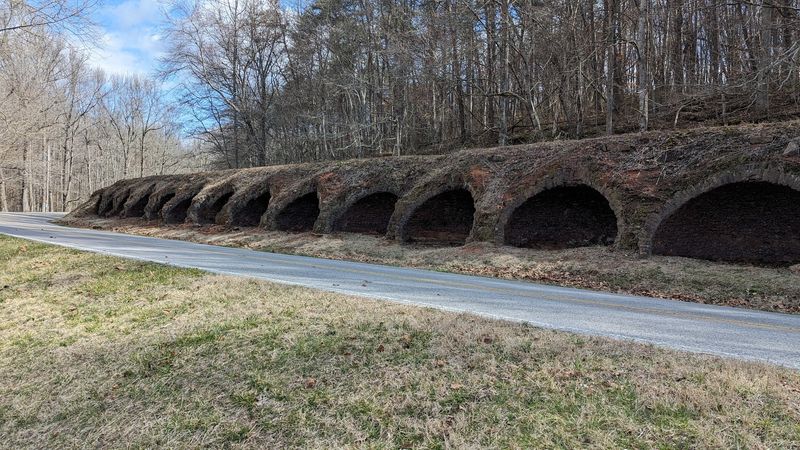
Rows of brick beehives sit in the forest like a forgotten village for giant bread loaves. Those are coke ovens, built to turn coal into fuel for ironmaking, and Grundy Lakes State Park keeps a fine collection.
The trail leads past small lakes that formed in old mining pits. The water often has a lovely greenish tint, and the shoreline is peaceful and easy to enjoy. Walk slowly, because the ovens appear between the trees in clusters.
Convict laborers once worked in this region, and the mining story is not a cheerful one. Read the signs with respect, and think about the people who built these structures under hard conditions.
The ovens have rounded openings that make for great photos. Stay outside them and off the tops, since the brick is old and can crumble. A zoom lens lets you capture details without risking the structures.
Nearby, the Lone Rock area adds more ruins along the trail network. Look for foundations, rock walls, and remnants of mining operations. A map from the park or a trail app helps you stay oriented.
Bring bug spray in summer, because the water draws mosquitoes. Spring and fall are comfortable seasons, and winter shows the structures more clearly without leaves in the way.
Tracy City is close, so grab a snack in town after your hike. The area is known for local baked goods that make a tasty reward.
Allow about two hours, and keep an eye on your footing. Roots and rocks are common along the paths, but the walks are generally manageable for most hikers.
4. Dunlap Coke Ovens – Dunlap
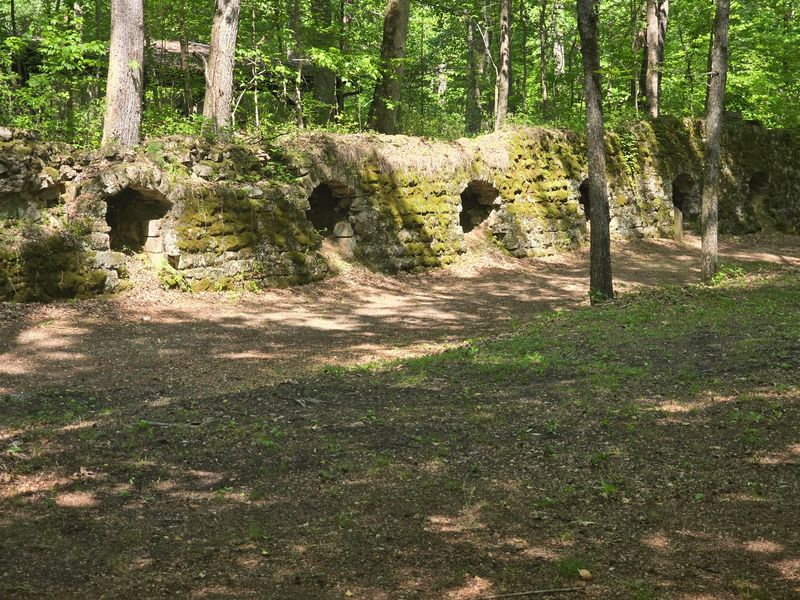
Here is a quick trivia nugget: Tennessee has one of the more impressive collections of coke ovens in the South, and Dunlap holds a standout set. The Dunlap Coke Ovens Park puts them on display with easy access.
The ovens stand in long rows, with arched openings facing the walkway. Their stone fronts have darkened over time, and plants poke out of cracks. It is a simple scene, but it feels powerful.
The coke made here once fed furnaces that powered an industrial boom. Signs at the park explain how workers loaded coal and managed the heat. Reading them makes the stonework more meaningful.
Because the site is a public park, you can visit without worry. A short stroll takes you along the full line, so it works for small kids and anyone who wants a gentle outing. Benches and open space invite a picnic.
Photographers should visit near sunrise or late afternoon. Low light brings out the texture in the stone and softens harsh shadows. Cloudy days are great too, since the colors look deep and rich.
Please keep off the ovens themselves. Old masonry can shift, and the park wants them preserved for future visitors. Staying on the walkway keeps everyone safe.
Pair this stop with other regional sights, such as Sequatchie Valley scenery. The drive alone is lovely, especially when the leaves change.
Plan for thirty to sixty minutes, unless you linger over the signs. Bring water and a hat in summer, since shade can be limited near the ovens.
5. Old Stone Fort Paper Mill Ruins – Manchester
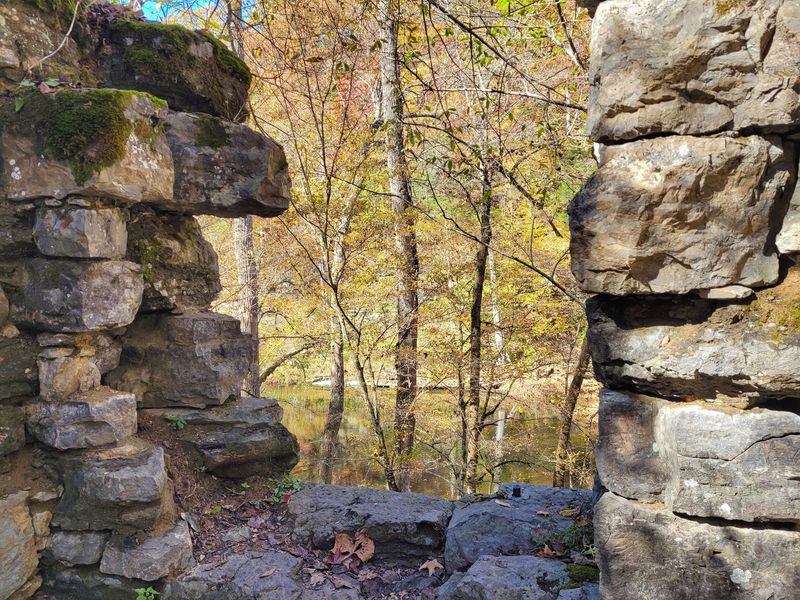
Water tumbles over rocks, and just beside it, stone walls rise from the ground like pieces of a lost puzzle. The paper mill ruins at Old Stone Fort State Archaeological Park tell a very different story than the ancient earthworks nearby.
Back in the nineteenth century, a mill used the river’s power to produce paper. Today, you can see foundations and remnants along the trail, tucked among waterfalls and cliffs. The mix of nature and industry makes it a favorite.
Start at the museum to get context. Exhibits explain the Native American mound complex that gives the park its name, and then you can compare that story with the later mill. Two eras sit side by side here.
The Forks of the Duck River Trail is the main route, and several overlooks show the water at its best. After rain, the falls get louder and more dramatic. Dry spells reveal more rock and calm pools.
Wear shoes with good traction, because rocks near the river can be slick. Keep kids close near edges, and follow park signs about restricted areas. Rangers are happy to answer questions.
Photographers will love the reflections and textures. Try a slow shutter speed on your phone or camera to blur the water. Early morning light is soft and kind to stone.
Fall adds color, while spring brings strong waterfalls. Summer is good for shade, but expect humidity. Pack water either way.
Plan on two hours, more if you enjoy museums. Nearby Manchester has places to eat, so make a full day of it.
6. Montgomery Bell Tunnel & Pattison Forge Site – Harpeth River State Park
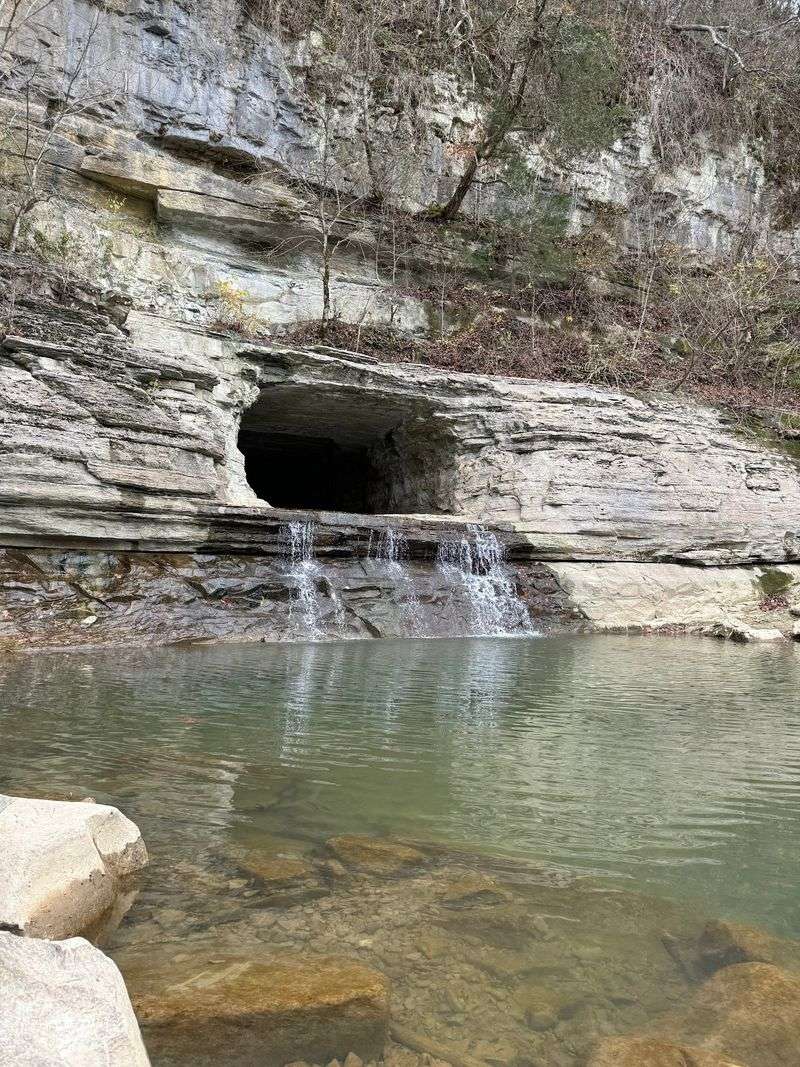
Long before modern engineering crews, a determined ironmaster had enslaved workers carve a tunnel through solid rock. That tunnel, finished in the early 1800s, redirected water to power an ironworks, and it still exists at Harpeth River State Park.
The story carries heavy history. The labor behind the tunnel was forced, and honoring that truth is part of the visit. Signs and ranger programs can provide more detail, so take time to read them.
A short walk leads to the tunnel area, where the cut through the bluff is surprisingly impressive. Standing there, you can imagine the effort it required with simple tools. The river bends around the hill, which explains why the shortcut mattered.
Nearby, the Pattison Forge site includes traces of the ironworks. Look for stone foundations and flat areas where operations once took place. The land feels calm now, which makes the contrast striking.
Many people visit by paddling the Harpeth, and the river offers a gentle ride in good conditions. Check water levels first, and wear a life jacket. Local outfitters can help with rentals and shuttles.
Hikers can enjoy trails that wind through woods and along the water. Spring wildflowers and fall color bring extra charm. Bring bug spray in summer.
Photographers should visit in softer light for the best look at the rock face. Keep off unstable ledges, and stay in marked areas. Respect for the site keeps it available for everyone.
Plan on about an hour or two, longer if you paddle. It is a quiet history lesson with a river view.
7. Great Western Iron Furnace – Bumpus Mills
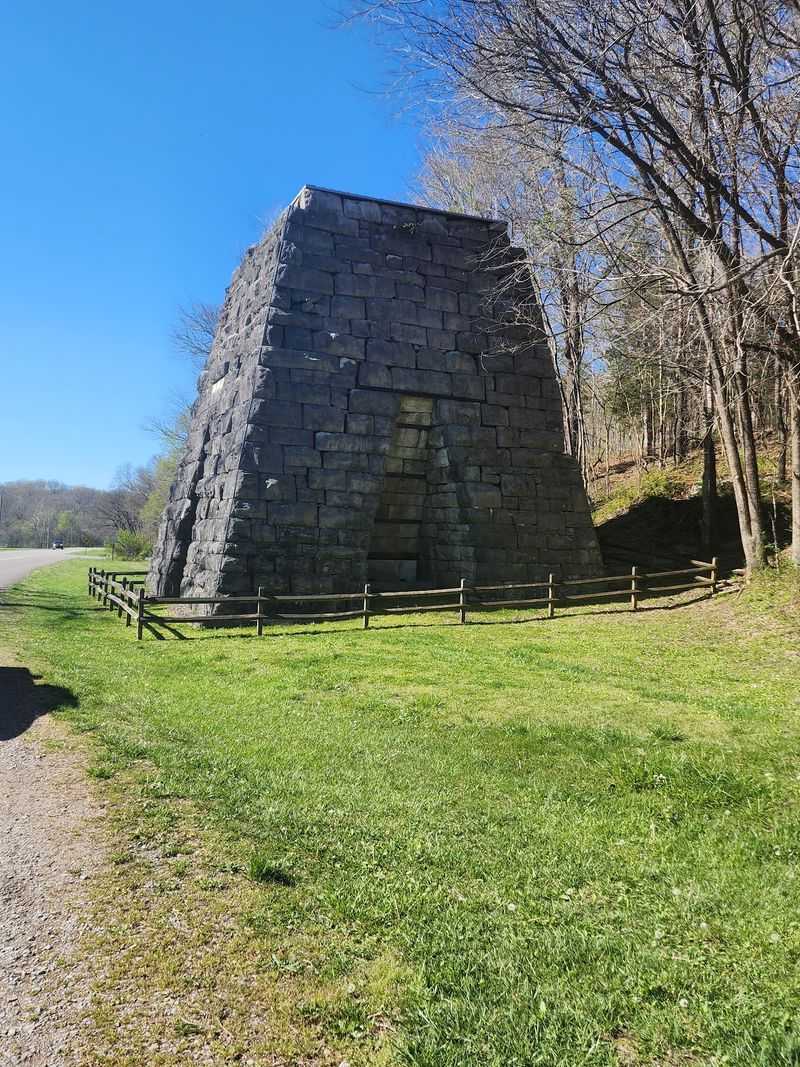
“Where did all that iron come from?” is a fair question when you stand in front of this towering stone stack. The Great Western Furnace, in the Land Between the Lakes area, once turned ore into iron for a growing nation.
The furnace is tall, sturdy, and oddly handsome. Its stone blocks fit together in a way that makes you appreciate the old builders. Trees circle the site, giving it a hush that feels almost like a small outdoor chapel.
Iron production here relied on local timber, ore, and limestone. Workers kept fires burning day and night, and the surrounding landscape changed as forests were cut for charcoal. Signs and brochures explain more about how it all worked.
The site sits in a recreation area, so check current access and hours before you go. Roads may be gravel, and conditions shift with weather. A quick call to the visitor center can save a wasted trip.
Bring a camera, because the furnace looks great from several angles. Low sun brings out the texture in the stone. Walk the full perimeter and look for details like arches and old openings.
Stay off the structure and respect barriers. Old masonry can be fragile, and protecting it keeps the history alive. Pack out any trash too.
The surrounding woods make for pleasant hiking, and wildlife sightings are common. Deer and wild turkeys sometimes wander near the paths. Keep a respectful distance.
Plan about an hour for the stop, or more if you tie it into a day around the lakes. Bring water and a map, since signal can be spotty.
8. Historic Rugby – Rugby
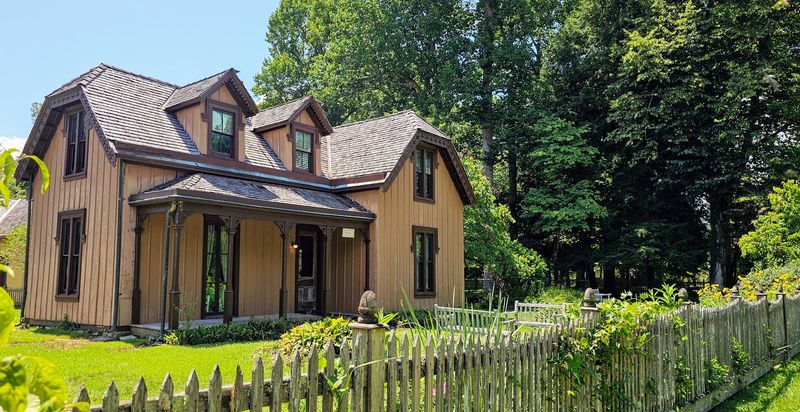
A utopian English village on the Cumberland Plateau sounds like a made-up story, yet Historic Rugby is real. Founded in the 1880s, it was meant to be a community where younger sons of English gentry could build new lives.
The dream faded for many reasons, including illness, harsh winters, and changing finances. Many residents left, and the town went quiet. Today, a nonprofit preserves the buildings, so it is not truly abandoned, but it carries a strong sense of a place that history paused.
Wander the streets and you will see Victorian-style homes, a church, a library, and other restored structures. Guided tours explain who lived here and what they hoped to create. The stories are lively, with plenty of surprises.
The Thomas Hughes Free Public Library is a highlight. Its shelves hold a collection of books from the era, and the room feels frozen in time. Peek in and imagine reading by lamplight.
Trails nearby lead into the woods and toward the Clear Fork River. The setting is scenic, with gentle hills and quiet corners. It is a good place to slow down and listen.
Check the schedule for events, which can include festivals and special tours. Lodging is available in historic buildings, so you can even stay overnight. Book ahead during busy seasons.
Photographers will find plenty to shoot, from porches to picket fences. Respect posted signs, and remember that some buildings are private or limited. A friendly staff can point out what is open.
Plan on half a day, more if you hike. Bring comfortable shoes and curiosity.
9. Hidden Lake’s Abandoned Resort Site – Harpeth River State Park
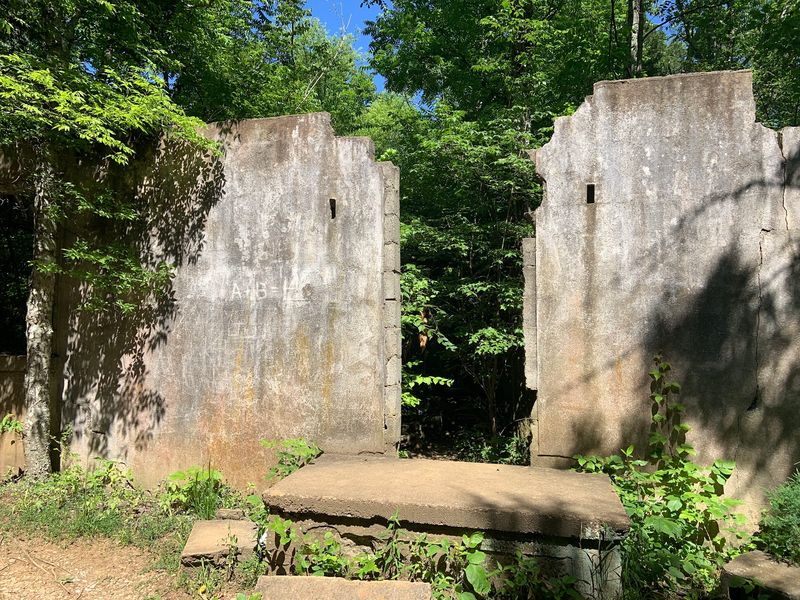
Secret swimming holes and old resort stories go together like peanut butter and jelly. Hidden Lake, tucked into Harpeth River State Park, once hosted visitors who came for relaxation and fun.
Today the resort buildings are gone or reduced to scattered remains, and nature has taken the stage. The lake itself is calm, ringed by trees, and surprisingly peaceful for being so close to Nashville. A hush hangs over the water.
The trail around the lake is short and friendly. Along the way, look for clues of the past, such as old foundations, cut stone, and odd flat areas where structures stood. Informational signs can add context, so read what you find.
The area is popular with hikers and nature watchers. Herons, turtles, and songbirds are common, especially in the early morning. Bring binoculars if you have them.
Swimming is not the point here, and park rules should always be checked before you plan any water activity. Stay on marked paths and obey posted signs. These rules protect both visitors and the landscape.
Spring offers wildflowers and fresh green leaves. Fall paints the hillsides in warm colors, and the reflection in the water is lovely. Winter reveals more of the ruins because the trees are bare.
Photographers should arrive early or late in the day for soft light. Mist sometimes rises from the water on cool mornings, adding a dreamy touch. Keep your gear dry and stay alert for slick spots.
Plan an hour or so. Pack water and a snack, then settle on a bench and let the lake do its work.
10. Nemo Historic Area – Obed Wild and Scenic River
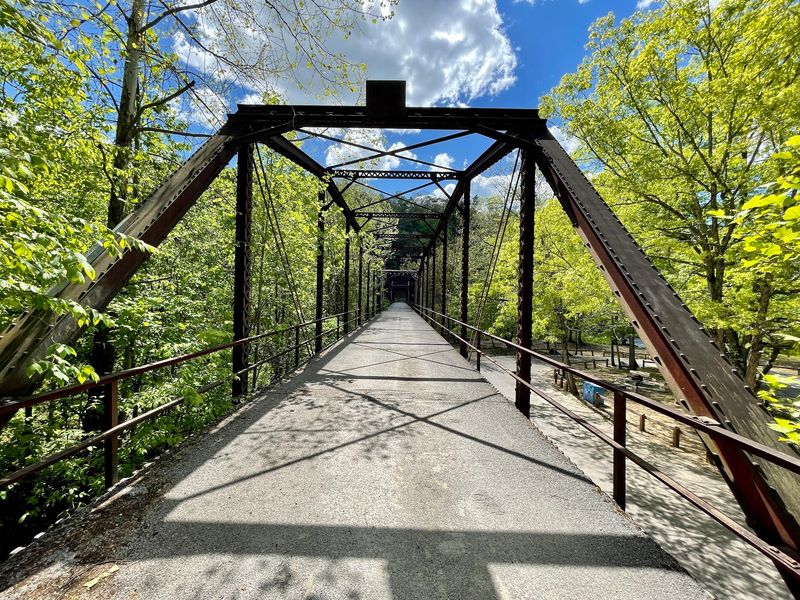
Some places whisper rather than shout, and Nemo is one of them. Near the Obed Wild and Scenic River, this former community once thrived around a railroad stop, with homes and businesses clustered along the tracks.
Little remains today beyond foundations, rock walls, and the memory of a small mountain town. The Obed area is now managed for recreation, so hiking and exploring here is allowed within park rules. That legal access makes it a worry-free adventure.
Start by checking in with the visitor center, where staff can describe current trail conditions and recommend routes. Maps help you spot historic features, and the rangers know the best stories. Do not skip that chat.
The landscape is dramatic. Sandstone cliffs, deep gorges, and clear water set the stage for the old town site. Even if you only come for the scenery, the history adds a bonus layer.
Hikers can choose from trails of different lengths. Wear sturdy footwear, since rocks and roots can be tricky. Carry plenty of water, because shade can be patchy on warm days.
Climbers and paddlers also love this area, so you might see them in action. Watching them is entertaining, but give them space. The river’s level can change quickly, so check conditions before any water plans.
Photographers should look for the contrast between ruins and natural forms. Early light on the cliffs is spectacular. Respect all signs, and leave artifacts where they lie.
Plan for a half day. Pack lunch, stay curious, and let the quiet do the talking.
Share this story