
A great croissant should crackle at the edges, pull apart in buttery layers, and leave a few crumbs behind. In Newton, Massachusetts, SALT Patisserie on Beacon Street gives pastry lovers plenty of reasons to slow down, with classic croissants, sweet creations, and savory options filling the case. The appeal comes from the contrast between crisp shells and delicate interiors, making even a simple pastry feel worth paying attention to.
Choosing just one may be the hardest part, especially if you are tempted to build a box for later. For anyone chasing a standout Massachusetts bakery stop, SALT Patisserie makes a strong case for arriving hungry.
Golden Layers Make the First Move

Before you choose a filling, take a look at the folds. A croissant’s raised ridges and browned edges offer the first clues to its texture, and SALT Patisserie’s croissants put that layered structure at the center of the experience.
The appeal is contrast: a crisp outside gives way to a softer middle. Instead of one smooth piece of bread, you get thin sheets that separate as you bite, leaving small flakes on the plate and a buttery finish on your tongue.
Those layers come from a process called lamination. Bakers fold dough around butter, then roll and fold it again to build many thin layers; during baking, steam helps those layers lift apart. You do not need the technical details to enjoy the pastry, but knowing them makes those little ridges more interesting.
At SALT, start by noticing the difference between the outer tips and the thicker center. The narrower ends offer more crust in each bite, while the middle gives you a better sense of the soft interior. Eating across the pastry, rather than only from its center, lets you experience both.
A plate and an extra napkin are useful here. Breaking a croissant over the plate catches loose pieces, and those crumbs are part of the pleasure rather than a sign that you picked the wrong pastry. If you are taking photos, capture the whole croissant before pulling it apart.
Keep your first order simple enough to notice the dough itself. A heavily filled pastry can be delicious, but it shifts attention toward its filling. For a clear introduction to SALT’s croissant style, look for the browned folds, break off a small piece, and pay attention to how the shell changes into the tender center.
That small pause gives the pastry’s structure a chance to speak before sweetness enters the picture.
Start With Butter, Then Follow the Almonds
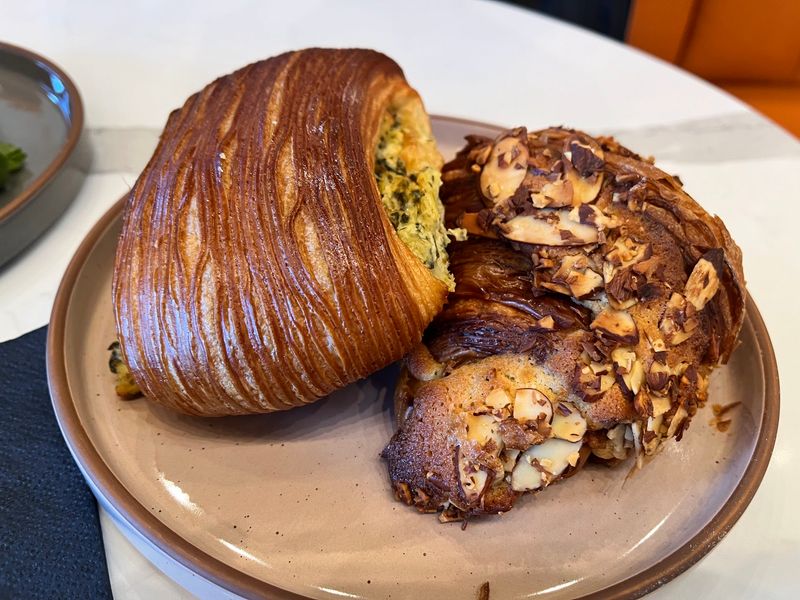
Sometimes the smartest order is the least complicated one. SALT’s plain butter croissant gives you a starting point before almond, chocolate, cream, or savory fillings change the experience. Without those extras, the dough has nowhere to hide.
Try a bite on its own before reaching for your drink. Notice whether your attention goes first to the crust, the butter, or the soft center. Personal taste matters here: someone who loves a rich pastry may enjoy a different balance than someone who prefers a lighter breakfast.
The almond croissant takes that same general idea in a sweeter, nuttier direction. Almond brings a roasted aroma that pairs naturally with browned pastry, making it a useful second choice if you want to compare two styles without jumping to a completely different dessert.
Share the pair if you are visiting with someone. Divide each pastry so both of you get some edge and some middle, rather than giving one person all the crust. That simple move makes the comparison fairer and keeps the tasting from turning into a debate about unequal pieces.
Coffee can help separate the bites, but it should not drown them out. Take a sip between the plain and almond versions, then return to whichever one you liked most. SALT offers coffee drinks, so you can build a modest breakfast around a pastry rather than ordering several sweets at once.
Ask what is available before settling on the pair, since a pastry case is not a promise that every option will remain all day. If only one of these croissants is left, enjoy that one rather than treating the visit as incomplete. A plain croissant is a useful introduction; an almond version is a flavorful next step.
Neither needs an elaborate order around it, just a little time and room on your plate.
Chocolate and Fruit Take Different Routes
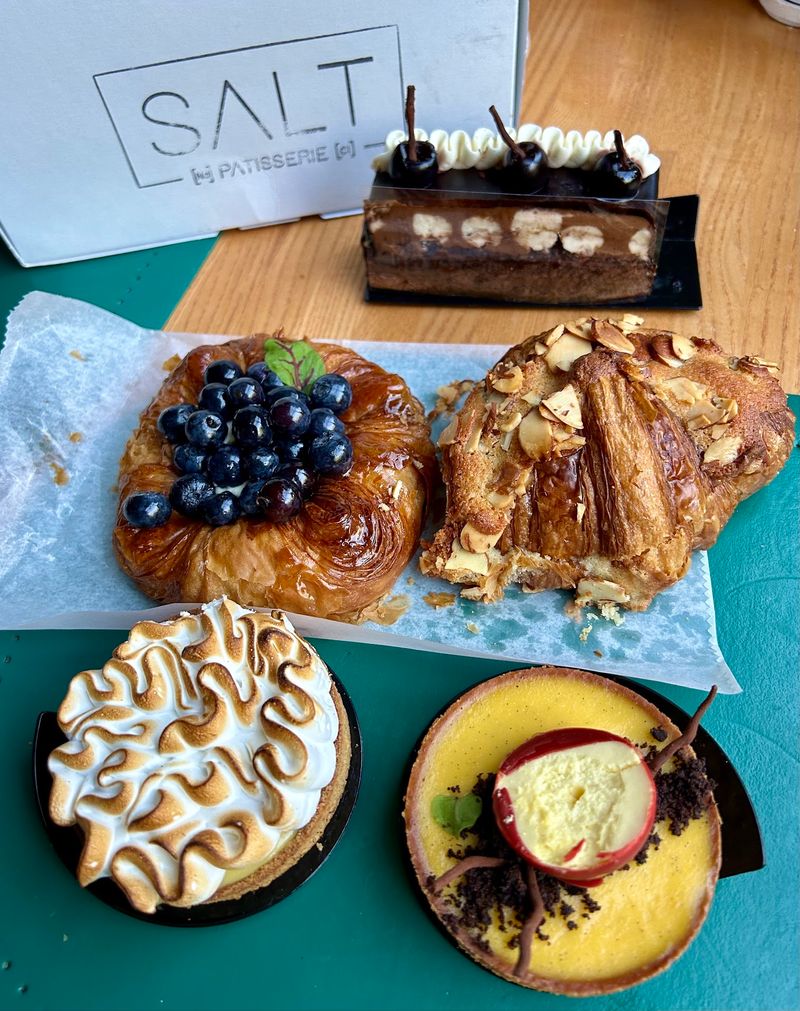
A chocolate center and a bright fruit filling pull breakfast in different directions. SALT’s sweet pastry choices include pain au chocolat, while raspberry cream croissants have also appeared among its offerings. They give you two ways to enjoy layered dough beyond the plain butter version.
Pain au chocolat puts chocolate inside the pastry rather than spreading it across the top. That means a bite from the end may taste mostly of dough, while a bite through the center brings the chocolate forward. Cut through the middle if you want to see how the two parts meet.
Fruit and cream create a different contrast. Raspberry adds a tart note against rich pastry, while cream softens the sharpness and changes the texture. Because filled options can change, ask whether a raspberry cream croissant is available rather than building your whole visit around it.
If you are choosing between chocolate and fruit, think about what you want after the first bite. Chocolate suits a deeper, richer flavor; raspberry offers a brighter shift. Neither is automatically the better pastry, and choosing by mood is more useful than trying to crown a winner.
For a shared tasting, keep the pieces small and the order sensible. Begin with an unfilled croissant, then move toward the richer choices so their fillings do not crowd out the simpler dough. Water between samples is enough; you do not need special tasting skills or a complicated plan.
Filled pastries also deserve a little care on the way home. Keep the box level, avoid piling other purchases on top, and ask staff about storage if you will not eat them soon. Cream, chocolate, and crisp pastry do not all behave the same way over time.
Enjoying your selection promptly lets you judge the contrast between shell and filling before travel changes the texture too much.
Savory Croissants Can Carry Lunch

Not every croissant needs to lean sweet. SALT’s savory selection has included potato truffle and spinach artichoke croissants, along with croissant sandwiches. These options move the pastry from a coffee companion toward something you might choose for a more filling meal.
Potato and truffle make a particularly interesting pairing inside laminated dough. Soft potato contrasts with the brittle shell, while truffle adds an earthy flavor rather than sugar. If you usually skip sweet pastries at breakfast, that combination gives you a different reason to look at the croissant case.
Spinach and artichoke take another route, bringing vegetables into the same buttery framework. The useful question is not whether a savory croissant counts as breakfast or lunch. It is whether you want a richer pastry with a filling that fits your appetite at that moment.
Sandwich choices have included bacon and egg as well as smoked salmon. Do not assume every sandwich is offered every day, especially if one specific filling is the reason for your visit. Ask about the current selection and any day restrictions before placing the rest of your order.
A fork and knife can be helpful for a loaded croissant, though they are not required. Cutting it lets you keep the filling and dough together instead of squeezing the shell flat with your hands. For sharing, divide through the filling so each portion includes more than a loose corner of pastry.
Keep dietary needs in mind before choosing. A vegetable filling does not mean the entire pastry avoids dairy or other ingredients you may need to limit, and sandwich fillings add their own concerns. Ask staff about ingredients rather than guessing from the name.
Then decide whether you want a single savory pastry or a savory and sweet pair to split. That choice keeps lunch focused without turning the whole counter into your order.
A Massachusetts Pastry Stop With Room for Coffee
Beacon Street gives this pastry stop a clear place on your Newton map. SALT Patisserie is at 792 Beacon Street in Newton Centre, Massachusetts, so you can plan around a specific neighborhood stop rather than treating it as an unnamed bakery somewhere outside Boston.
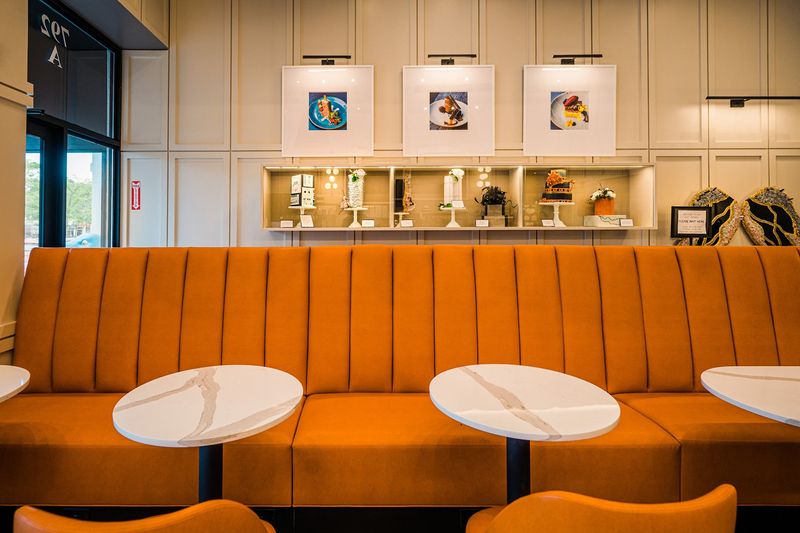
The shop offers indoor seating, but space is limited. Outdoor tables provide another option when weather allows, making your plan partly a question of comfort and timing. A sunny pastry break and a quick takeaway order are both reasonable ways to use the same place.
If sitting down matters to you, check for a table before placing a large order. A small shop can be comfortable without having enough seats for every arriving group. Keep a takeaway plan in mind so a full room does not derail the visit.
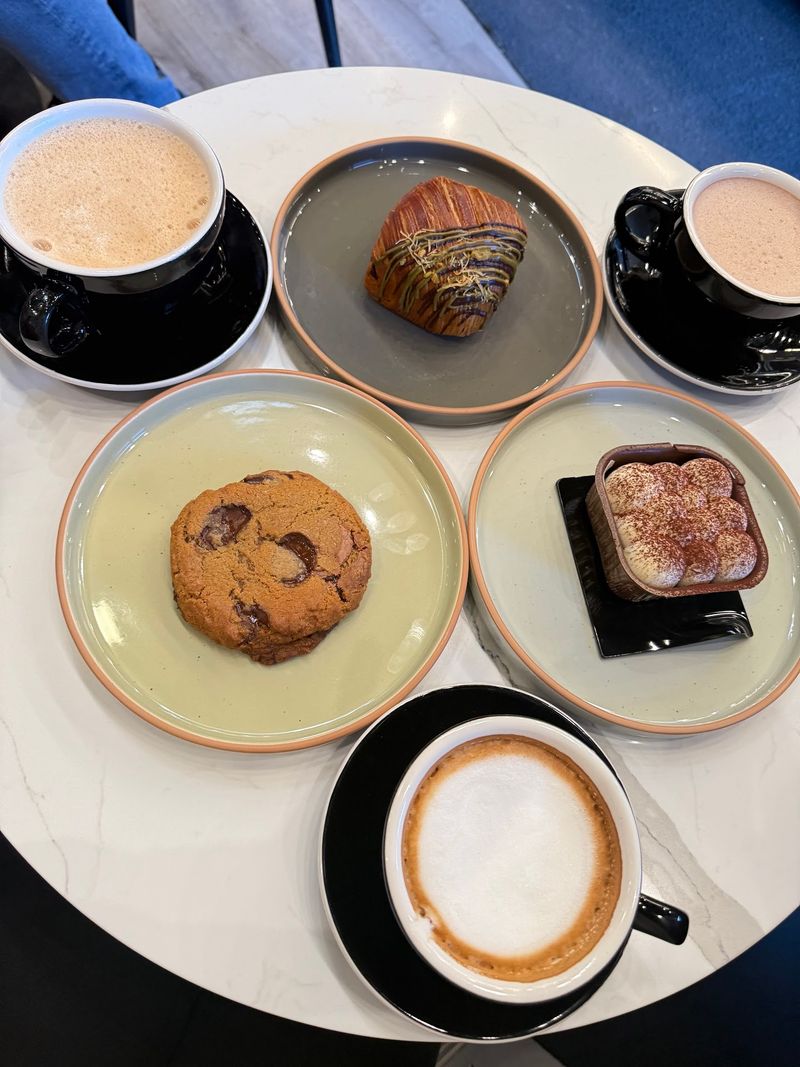
Coffee gives the croissant a natural partner, and SALT’s drink choices include familiar options such as lattes, cappuccinos, and cold brew. Choose the drink you actually enjoy rather than the one that looks best beside a pastry. A hot coffee encourages slower sipping; a cold drink may suit an outdoor stop.
For conversation, order first and settle in once your food is ready. Keeping bags and coats close helps preserve space for other customers, especially indoors. If you are meeting several friends, remember that limited seating makes a large group less flexible than one person stopping for a croissant.
Parking needs a quick check rather than an assumption. Paid parking has been noted near the shop, but signs and current rules should guide your decision, including any time limits or Sunday exceptions. Leave enough time to park, order, and enjoy your food without watching the clock.
With those basics handled, the visit can stay pleasantly simple: a pastry, a drink, and a seat if one is available when you arrive that day.
Know the Hours Before Chasing the Crumbs
An early pastry plan needs the right opening time. SALT’s supplied schedule lists a 7 AM opening Monday through Friday and an 8 AM opening on Saturday and Sunday. That one-hour difference matters if you are picking up breakfast before other plans.
Monday has the earlier closing time, listed as 5 PM. Tuesday through Sunday are listed as closing at 6 PM. Check current hours before making a special trip, since holidays or schedule changes can affect even a familiar weekly routine.
Opening hours tell you when the shop operates, not which pastries will be available. If your goal is a particular croissant, ask about availability rather than assuming it will wait until late afternoon. Earlier visits may offer more flexibility, but no supplied information guarantees a full selection at a specific hour.
For a box to share, give yourself time to choose and ask questions. Explain how many people you are feeding and whether you want mostly plain, sweet, or savory pastries. That is more helpful than ordering a random assortment and hoping every person finds something that suits them.
Check prices before expanding the order. Filled croissants, sandwiches, drinks, and extra desserts can turn a small breakfast into a larger purchase quickly. The supplied menu references come from different dates, so older prices should not be treated as current promises; use the prices shown during your visit.
Carry the box flat and keep it away from heavy bags. If you are bringing pastries to a gathering, ask about the best way to hold them until serving, especially when cream or other perishable fillings are involved. Avoid trapping warm pastries in a tightly sealed container without guidance, since moisture can soften a crisp shell.
Good planning is mostly practical here: arrive at the right hour, choose within your budget, and protect the pastry during the ride.
Build a Small Box, Not a Pastry Mountain

The toughest decision may come after you have chosen your croissant. SALT also offers other pastry and dessert directions, including kouign amann, passion fruit tart, cookies, and cakes. A little restraint makes it easier to enjoy the differences instead of rushing through too much food.
Keep the croissant as your anchor. If the article’s crisp crust and flaky layers brought you here, order the pastry that lets you explore them first. Then add one contrasting item, rather than selecting several rich pastries that all compete for the same appetite.
Kouign amann is a useful companion if you want to stay with layered pastry while changing the sweetness and crust. Its sugar-rich style offers a different kind of crunch from a butter croissant. Comparing the two gives your tasting a clear purpose without requiring a huge box.
A passion fruit tart moves further away from the croissant format. The fruit brings a bright, tart flavor, and the tart’s structure gives you a different texture to explore. Choose it when you want contrast, not when you simply want another version of buttery folded dough.
If you are taking food home for others, variety should solve a need. Include a plain option for someone who prefers simpler flavors and a filled choice for someone who wants more sweetness or a savory bite. Ask about ingredients and storage so your gift is useful as well as attractive.
SALT’s strongest fit for this visit is clear: croissants provide the starting point, and the wider pastry selection lets you shape the rest of the stop. You do not have to try every category to understand the shop. One carefully chosen croissant, perhaps followed by a contrasting treat, gives you enough to notice the baking, compare textures, and finish comfortably.
Leave room in the box instead of turning every appealing pastry into a purchase.