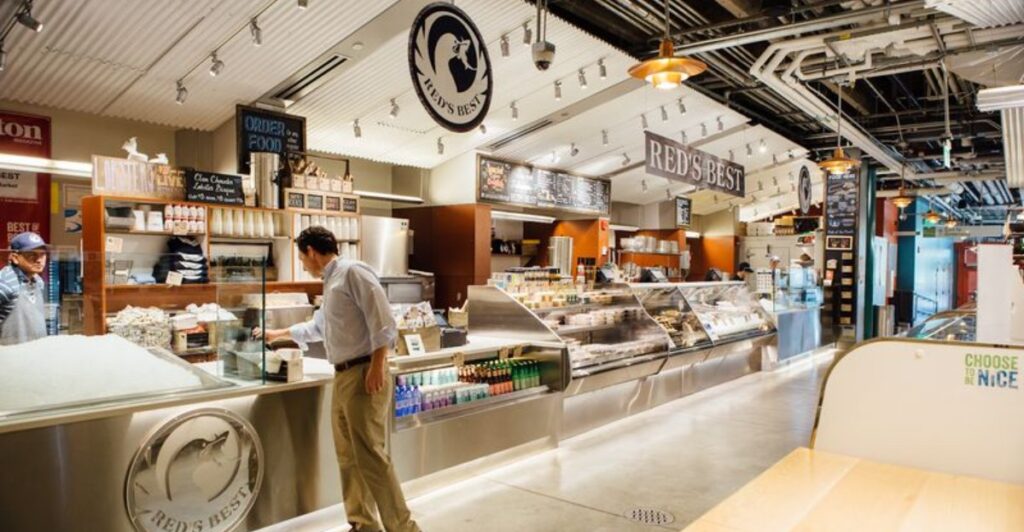
One stop at Boston Public Market can turn into lunch, dessert, and a bag full of New England finds before you know it. At 100 Hanover Street, this year-round indoor marketplace brings local growers, bakers, food makers, and small businesses together under one roof, making it easy to sample your way through the region without leaving downtown. Despite the mill-like setting some descriptions suggest, this is not a historic mill or a weekend-only event.
The appeal comes from the variety, with warm cider donuts, prepared food, fresh ingredients, and unexpected treats all competing for attention. Come hungry, browse slowly, and leave room in your bag for whatever catches your eye.
Boston’s Market Scene Comes Under One Roof
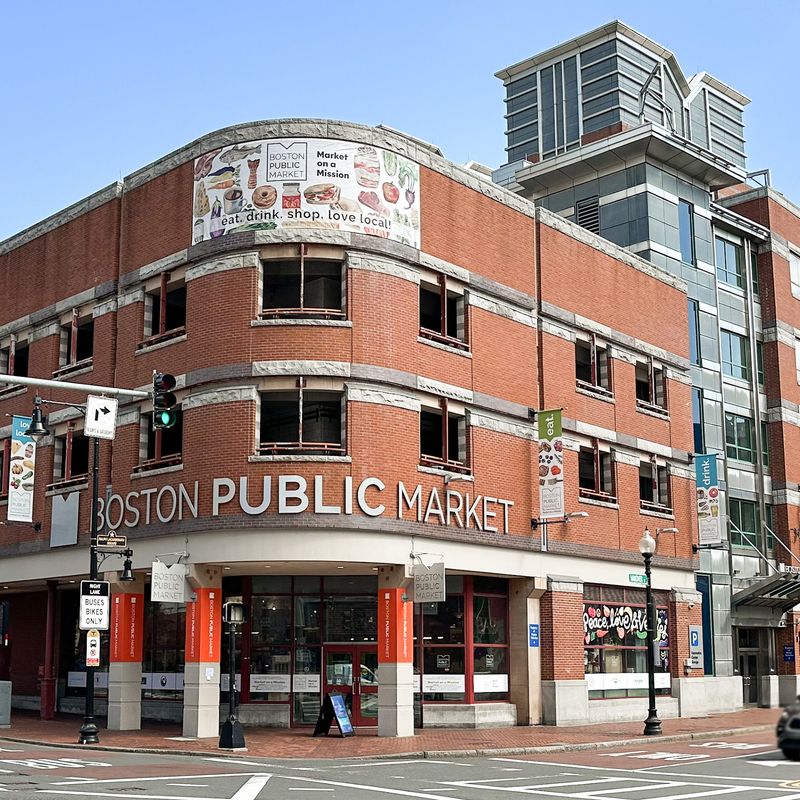
Coffee, vegetables, and lunch all compete for your attention here. Boston Public Market brings grocery shopping and ready-to-eat food into the same indoor space, so your first decision is less about where to go and more about which counter deserves the first stop.
The address is 100 Hanover Street, in downtown Boston near Haymarket. Do not arrive expecting a converted mill with old machinery or a rural weekend fair; the market is an urban, year-round destination with vendors operating throughout the week.
That distinction helps you plan the right kind of visit. You can stop for a quick breakfast, gather ingredients for dinner, or turn a rainy afternoon into a slow browse without depending on outdoor weather or a single weekly market day.
Start with a complete lap before spending much money. Prepared meals, baked goods, produce, seafood, and specialty foods serve different needs, and seeing the range first keeps you from filling your bag before finding the things you actually want.
Watch how the counters work as you walk. Some are better suited to a fast takeaway order, while others invite a closer look at ingredients, sizes, or preparation choices; leave room for shoppers who already know exactly what they need.
The indoor format also makes mixed plans easier. If one person wants coffee and another wants groceries, neither has to leave the building, and a group can split up briefly before meeting again with a very different collection of purchases.
Give yourself permission to browse without treating every stall as a required stop. A useful first visit might be as simple as finding breakfast, choosing one local ingredient, and learning where to return next time. Before ordering anything messy or bulky, notice the seating area and decide whether you want to eat inside or carry your food away.
Follow the Cider Donuts, Then Build Breakfast
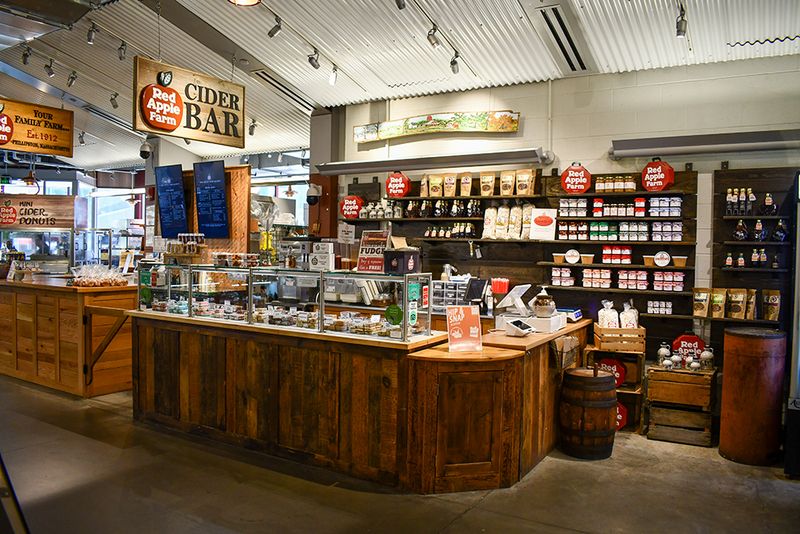
A small cider donut can redirect an entire morning. Red Apple Farm is a useful starting point for the market’s sweeter side, especially if you want a recognizable New England treat rather than a large meal before your day has really begun.
Apple cider donuts pair naturally with coffee, but breakfast does not have to stop there. Bagels, pastries, and other baked goods give you room to choose between something sweet and something more filling, depending on the counters open during your visit.
Take a moment to compare portions before ordering. A snack-sized purchase leaves space for another taste later, while a full breakfast makes more sense if the market is your main food stop before several hours of walking around Boston.
Freshness is a better question than guesswork. Ask which items were recently prepared, whether a donut is served warm, or what the staff would suggest for eating right away; friendly, direct questions can help you choose without holding up the line.
If you are sharing, keep the plan simple. Buy one sweet item and one savory item, find a place to pause, and divide them before moving on. You get variety without juggling several bags, drinks, and napkins through the aisles.
Dietary needs deserve a separate conversation at the counter. Do not assume that a plain-looking pastry is free of dairy, eggs, or nuts, and ask about shared equipment if an allergy makes cross-contact a concern for you or your group.
Breakfast here works best when you resist ordering everything at once. Start with the treat that caught your eye, then decide whether you still need something substantial. Save delicate pastries for a firm container if they are traveling home, and keep drinks upright while you browse.
A squashed breakfast souvenir rarely improves with extra time in a shopping bag.
A Massachusetts Grocery Bag With a Seasonal Twist
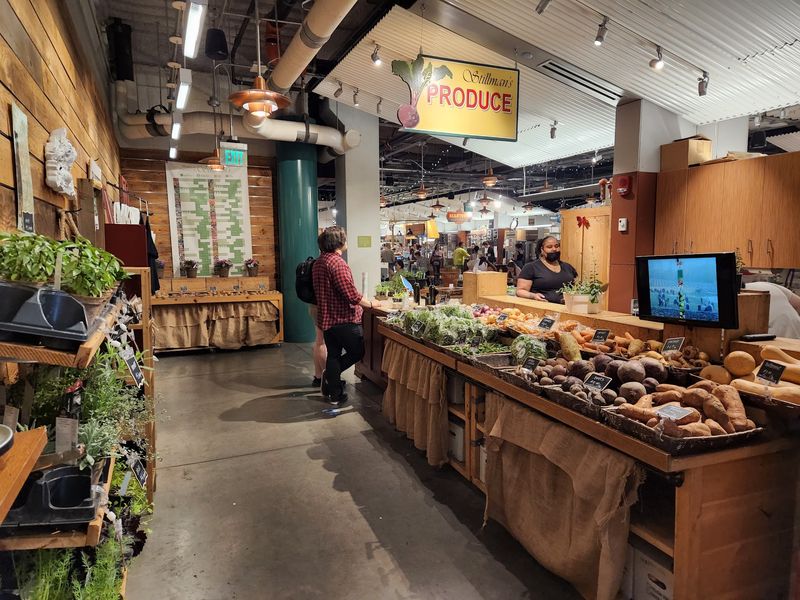
Dinner can begin with a head of garlic instead of a reservation. Alongside its prepared food counters, Boston Public Market offers ingredients that turn a casual visit into practical shopping, including produce, seafood, cheeses, and specialty foods from the surrounding region.
Seasonal shopping changes the way you choose. Rather than arriving with a rigid list, look at what is available and build a meal around it; a vegetable, a good bread, and one flavorful addition can carry more weight than a complicated recipe.
Labels and conversation are your best guides to origin. Ask where an item was grown or made, how it should be stored, and how soon it should be eaten. Those answers matter more than assuming every product traveled the same short distance.
For a simple dinner, choose one main ingredient before adding extras. Fresh seafood might suggest a quick supper, while vegetables and cheese could become a lighter meal; buying with a plan reduces the chance of carrying home several unrelated treats.
Travel changes the shopping rules. If your next stop is a hotel rather than a kitchen, focus on foods you can safely store and use. Refrigerated purchases need proper temperature control, so bring an insulated bag if you expect a longer journey.
Price comparisons are easier when you check quantity as well as the label. A small specialty jar and a larger everyday ingredient serve different purposes, and neither is automatically the better purchase. Ask about sizes before deciding what fits your budget.
The most useful souvenir may be something you will actually cook with. Choose a product that fits your usual meals, then ask for one straightforward serving idea. Back home, that advice turns a market purchase into dinner rather than shelf decoration.
Pack heavier groceries underneath delicate produce, and leave fragile baked goods on top for the trip home.
Lunch Can Come From More Than One Counter
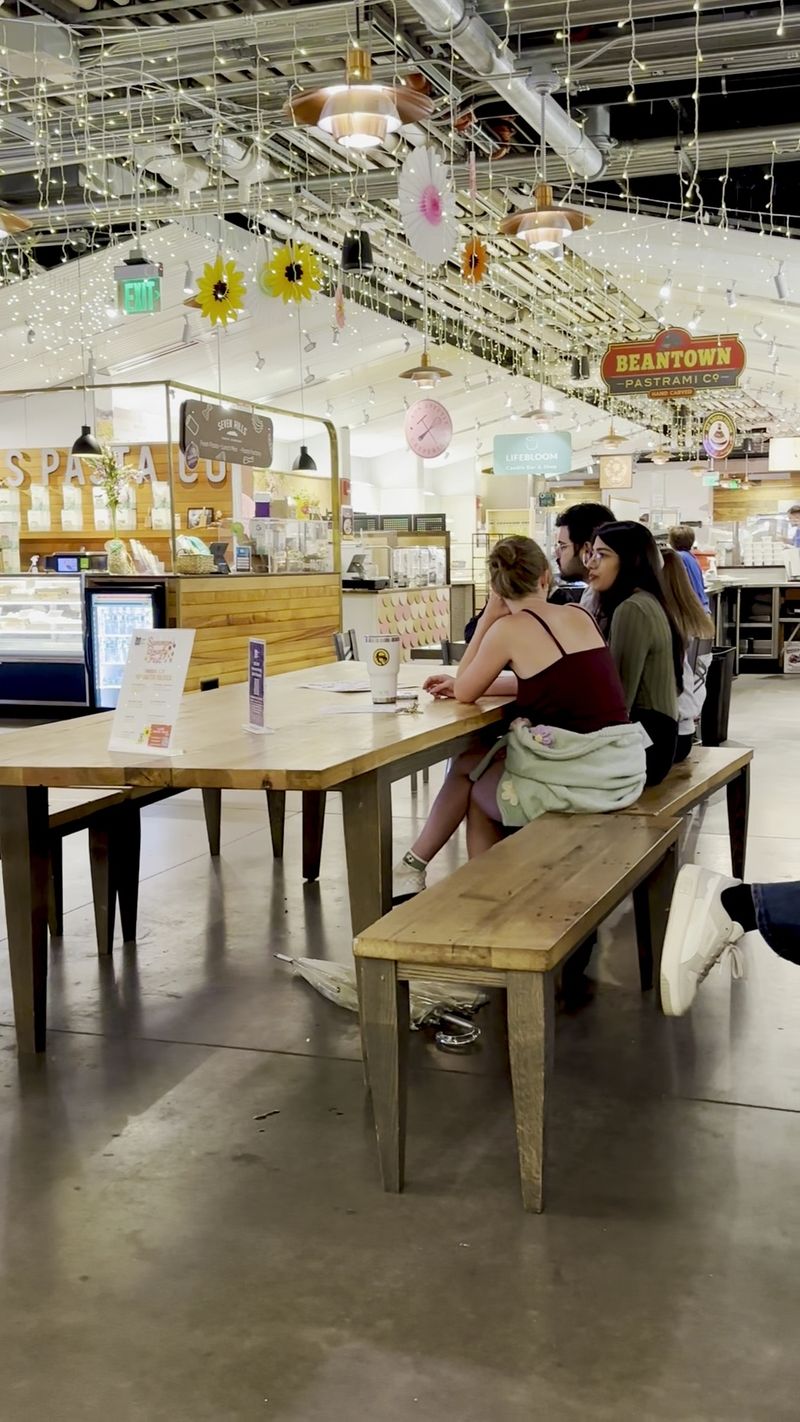
Nobody has to agree on lunch before entering. The market’s separate food counters let you choose different dishes and still eat together, which is handy when one person wants a sandwich and another has seafood firmly on the brain.
Lobster rolls, clam chowder, oysters, and pastrami sandwiches are among the foods associated with the market’s dining options. Availability and menus can change, so treat those as possibilities to look for rather than a guaranteed checklist waiting at every visit.
A good lunch starts with one quick circuit. Read menus, check prices, and notice which dishes are prepared to order. That short survey helps you avoid buying an early snack only to discover a meal you would have preferred around the next corner.
Coordinate timing if you are eating with others. A cold item and a freshly cooked order may be ready at different speeds, so ask about the wait before everyone pays. Pick a meeting spot instead of searching through the aisles with cooling food.
Shared seating makes flexibility useful, especially during busy meal periods. Tables may not be available the instant your order is ready, and a large group should not assume it can sit together. Keep bags close and leave space for neighboring diners.
Before buying seafood, ask the practical questions that fit your needs. Find out whether a dish is served raw or cooked, discuss allergies, and check ingredients in sauces or soups. Chowder and sandwich fillings can contain foods that are not obvious from their names.
You can keep the meal affordable by choosing one main dish and sharing an extra rather than ordering a full spread. Drinking water and skipping duplicate sides also leave room in the budget for groceries. Clear your place when you finish, gather every wrapper, and let the next hungry group settle in.
Small Makers Give Everyday Purchases a Story
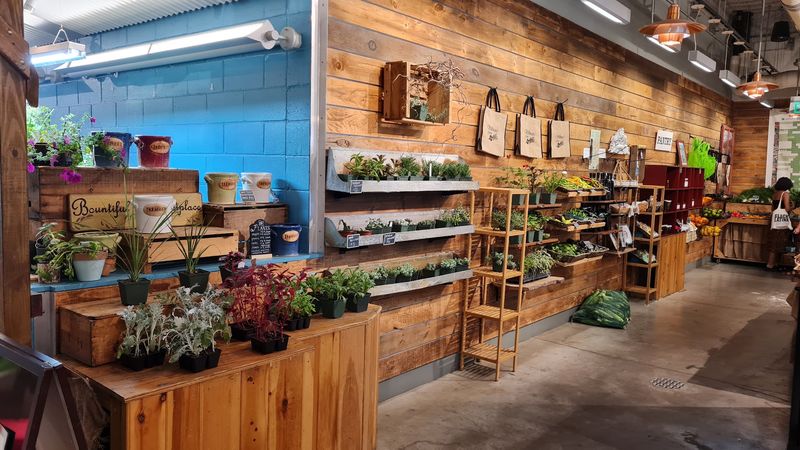
A jar on a shelf becomes more interesting when someone explains how to use it. Boston Public Market gives small food businesses a shared place to sell, putting the people behind regional products closer to the shoppers choosing their next meal or gift.
The market opened in 2015, so its story is not one of centuries inside an old mill. Its local connection comes through its focus on New England food and producers, bringing regional work into a busy downtown setting where you can encounter it directly.
You do not need a long interview to learn something useful. Ask what a product pairs with, which size makes sense for a first purchase, or how the maker got started. If there is a line, save broader questions for a quieter moment.
Creativity appears in practical forms here. A familiar ingredient can become a specialty spread, an everyday baked good can take on a seasonal flavor, and a carefully packaged pantry item can double as a gift. Look closely rather than judging only by the category.
When browsing nonfood goods, let the actual display guide you. Gift items, kitchen goods, and handmade pieces may be available, but individual sellers and stock can change. Avoid building your visit around a particular craft unless you have confirmed its current presence.
A thoughtful gift starts with the recipient, not the prettiest package. Consider their cooking habits, dietary needs, and storage space, then check whether the item can travel easily. Fragile containers and chilled foods need more planning than a sturdy pantry purchase.
Supporting a small business does not require filling an entire tote. One carefully chosen item, bought with a clear idea of how it will be used, can be a better decision than several impulse purchases. Keep any care or storage instructions with the product, especially when giving it to someone else.
Make Saturday Browsing Easy, Not Exhausting
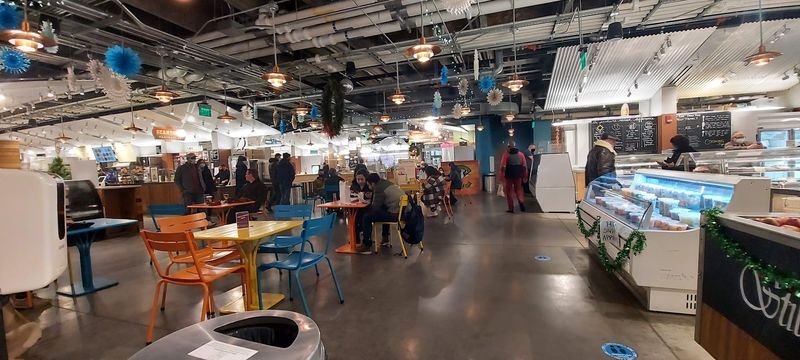
Bring a small bag and a loose plan, not an obstacle course of errands. A weekend visit is easier when you know whether you are coming mainly for breakfast, lunch, groceries, or browsing, even if you leave room for an unexpected purchase.
The supplied schedule lists Saturday hours as 8 AM to 8 PM and Sunday hours as 8 AM to 6 PM. Hours can change, and individual counters may follow different schedules, so confirm current opening times before making a special trip for one vendor.
Earlier visits can give you more breathing room before the lunch rush, though no particular hour guarantees an empty market. If choosing food matters more than catching a lively crowd, allow enough time to browse without arriving close to the building’s closing hour.
Public transportation is a practical option because the market sits near Haymarket station. If you drive, check current garage rates and any available validation rules before parking; older reports of discounted parking should not be treated as a promise of today’s price.
Keep the indoor market separate from neighboring outdoor activity in your plans. Boston Public Market is not the same operation as the nearby Haymarket outdoor market, and its year-round indoor schedule should not be confused with a separate street market’s shopping days.
For comfort, pack lightly and wear shoes suited to walking. A reusable bag handles dry groceries, while an insulated bag helps with chilled purchases. If you need a restroom, ask staff about access and any current entry requirements rather than assuming unrestricted use.
Families and groups benefit from a simple meeting point. Choose one before splitting up, keep children near the counters, and avoid blocking narrow spaces while deciding where to eat. Set a spending limit early, too.
It is easier to enjoy browsing when each extra treat does not require a fresh budget discussion.
Leave With More Than a Lunch Receipt
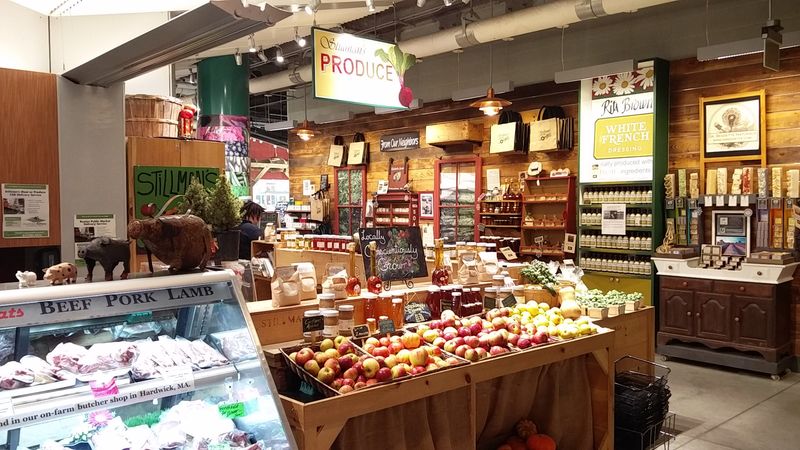
The smartest final purchase might be tomorrow’s breakfast. After eating and browsing, Boston Public Market gives you a chance to turn a pleasant stop into something useful, whether that means groceries for dinner, a portable gift, or a treat saved for later.
Before heading out, sort your finds by what needs attention first. Chilled foods should go home promptly, delicate pastries need protection, and produce may need different storage once you arrive. A quick check now prevents a careless journey from spoiling a careful choice.
If you are traveling, choose a purchase that fits your next few hours. Food that needs refrigeration is awkward before a long walk, while liquids and fragile jars deserve thought before a flight. Check applicable travel rules rather than assuming every market item belongs in your carry-on.
Leave a little room in the visit for one final comparison. You may discover that the ingredient you can use all week is a better buy than another snack, or that a modest gift fits your budget better than the larger version you first noticed.
The market’s strongest feature is the way different food needs meet in one place. A meal, a grocery errand, and a conversation with a seller can happen during the same visit, without requiring a full day or a fixed route through every counter.
That makes it useful beyond a single weekend outing. You can return with a specific purpose, such as buying seafood or picking up baked goods, and let seasonal stock shape the smaller choices. Familiarity helps you spend less time deciding and more time finding what you need.
No invented mill history is needed to explain the appeal. Boston Public Market stands on its present-day role: bringing regional food businesses and everyday shoppers together indoors. Take your bags, check that nothing was left at the table, and make your next stop.