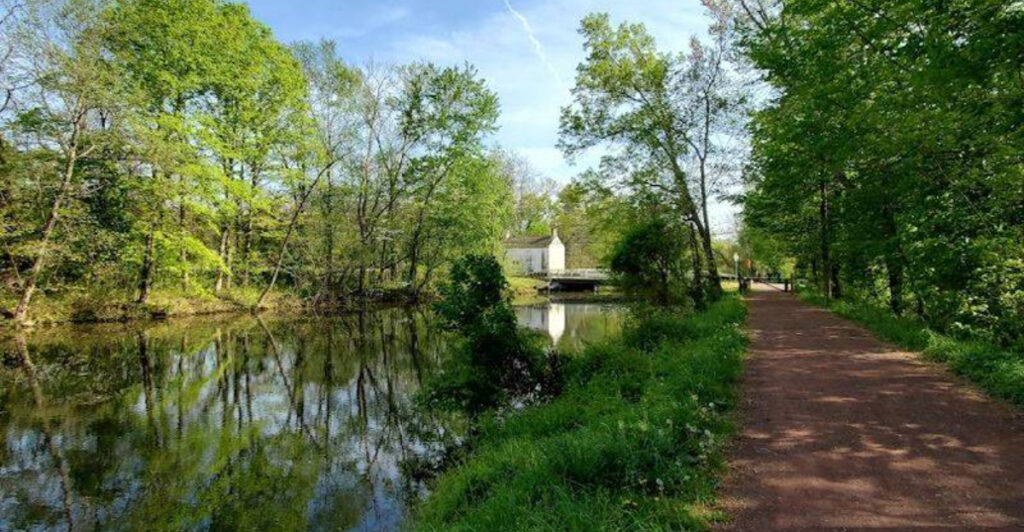
New Jersey does not always get credit for its soft, slow, scenic side, but the Delaware and Raritan Canal towpath has been quietly showing off for years. This is the kind of trail that makes you wonder why more people are not talking about it over coffee in Princeton or while lingering in a bakery in Lambertville.
The path is flat, the setting is easy on the eyes, and the whole place feels stitched together with canal water, old stonework, leafy shade, and bridges that look like they belong in a painting. It is also wonderfully forgiving.
You do not need hiking poles, a training plan, or a heroic attitude. You just need decent shoes and enough time to notice the details.
Along stretches near Princeton and up toward the feeder canal towns, the trail delivers a rare combination of ease and atmosphere. It feels historic without being fussy, scenic without trying too hard, and charming in a way New Jersey does exceptionally well when it leans into its past.
Why This Easy New Jersey Trail Feels Made for a Relaxed Day Outdoors
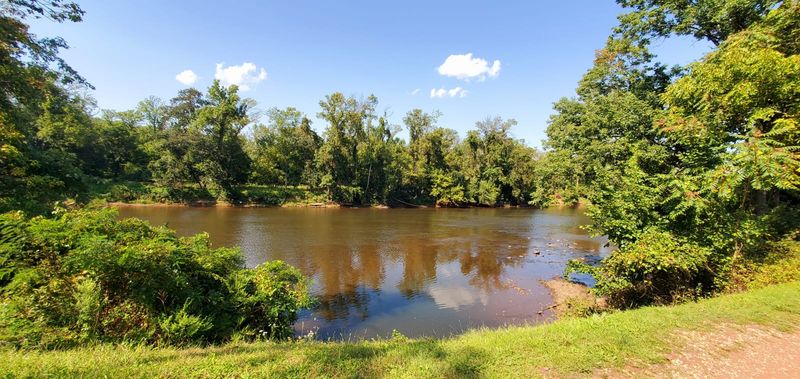
Plenty of trails promise an easy outing and then immediately hand you roots, rocks, mud, or a surprise hill that makes your knees file a formal complaint. The D&R Canal towpath is different.
This park runs for more than 70 miles, and one of its biggest advantages is right there under your feet: a long, mostly flat, continuous trail that lets you settle into a comfortable rhythm instead of constantly watching where you step.
That matters, especially for walkers who want scenery and fresh air without turning the afternoon into an endurance event.
Near Princeton, the towpath is particularly inviting. You can reach it from spots like Turning Basin Park, Quaker Road, South Harrison Street, Mapleton Road, and Kingston, which means you can choose your mileage instead of committing to some epic march just because a trail map guilted you into it.
The canal itself does half the work here. Water on one side, trees overhead, birds moving through the corridor, and just enough history to keep things interesting.
The pace naturally slows. People chat more.
Nobody looks like they are racing for a summit photo. And because the path follows an old canal route, the walk has that rare linear calm that feels almost European in its logic.
It is not dramatic in the thunder-and-cliffs sense. It is better than that.
It is usable, beautiful, and deeply pleasant, which is exactly why it keeps winning over walkers, cyclists, and anyone who prefers a scenic glide to a sweaty struggle.
The Historic Bridges That Make Every Stretch of the Walk More Memorable
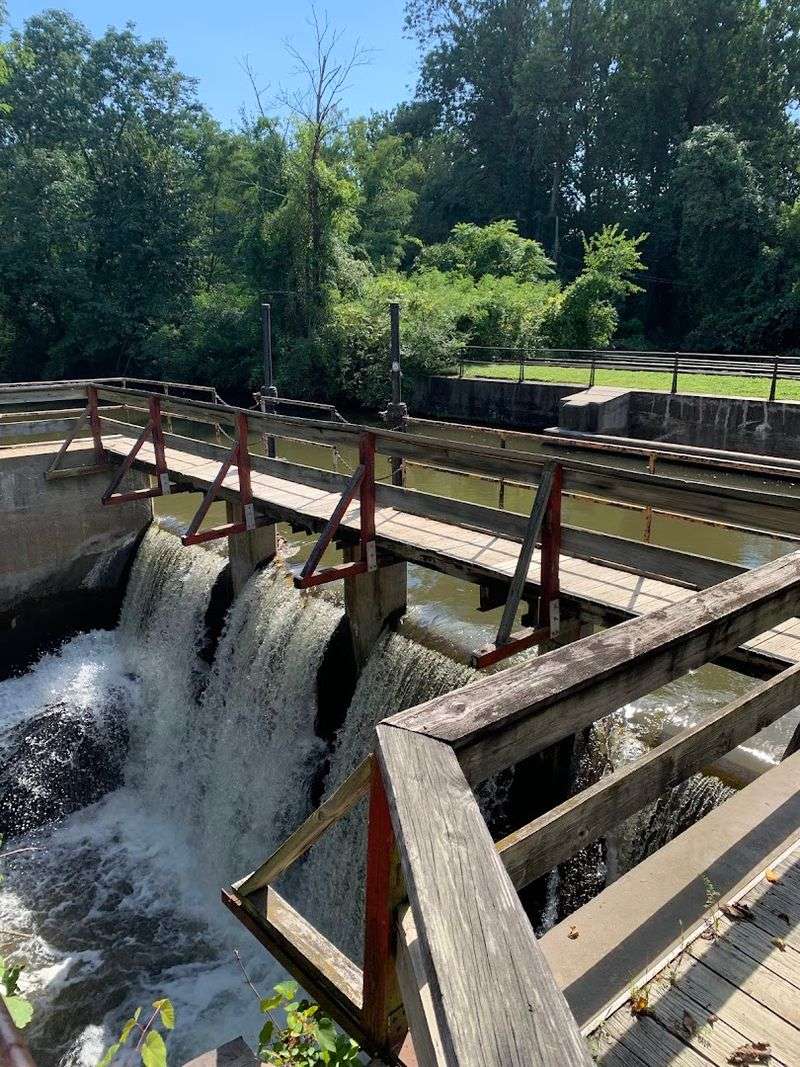
What gives this trail its personality is not just the water or the trees. It is the built-in sense of history.
The D&R Canal is full of 19th-century infrastructure, and that includes bridges, bridge houses, locks, spillways, culverts, and the kind of stonework that instantly makes modern construction look a little too proud of itself. On the trail, bridges do more than get you from one side to the other.
They break up the walk with little moments of drama. A crossing appears ahead through the trees.
An old structure frames the canal. A shadow hits the water just right.
Suddenly you are not simply taking a walk in New Jersey. You are moving through a landscape that still carries the bones of another era.
Around the broader canal system, visitors can spot historic bridge tender houses and old canal features that remind you this was once a working transportation corridor, not just a pretty place to stretch your legs on a Saturday morning.
Up near Bulls Island, there is even a Roebling-designed pedestrian bridge that adds a little engineering swagger to the scenery.
That mix of function and beauty is the magic trick here. Nothing feels fake or staged.
These structures were built to do real work, and now they give the trail texture, scale, and a quietly cinematic quality. Even people who claim not to care about history usually end up slowing down for a better look.
Old bridges have that effect. They make a walk feel storied, and this trail has enough of them to keep the route from ever feeling one-note.
How the Canal Path Brings Old-World Beauty to the Heart of New Jersey
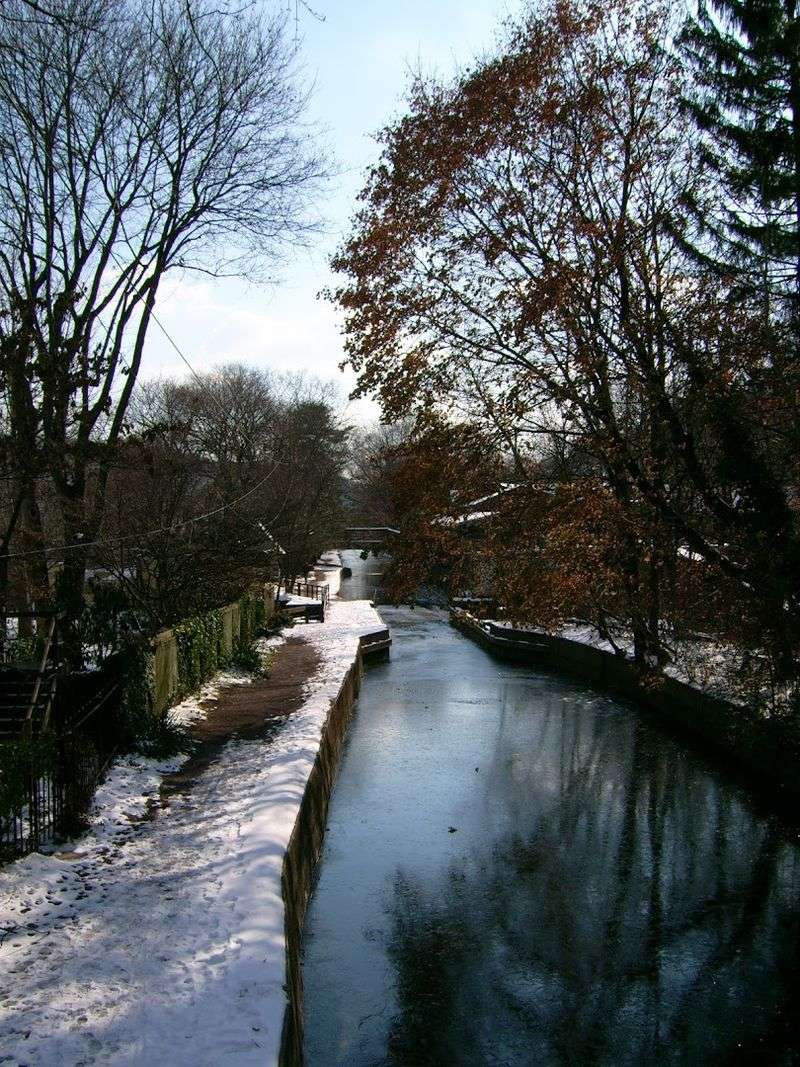
Nobody is saying you will round a bend and suddenly think you have wandered into rural France by accident. But there is a reason people reach for European comparisons on this trail.
The canal towpath has that same unhurried, gently composed beauty that old-world landscapes do so well. Water runs quietly beside the path.
Trees lean in. Historic features appear where you least expect them.
The trail moves through towns with real character instead of bland highway-strip energy. And because the route was shaped by 19th-century canal life, it carries a kind of inherited grace that newer recreation spaces simply cannot fake.
In Princeton, the southern edge of town feels softer along the canal. Carnegie Lake views, old lock-related sites, and the easy approach from downtown give the whole outing a polished but unpretentious vibe.
Head north along the feeder canal corridor and the mood shifts into postcard territory with river towns like Stockton, Lambertville, and Frenchtown nearby. That is where the “old-world charm” line starts to feel less like marketing and more like a fair description.
These places are compact, walkable, and full of the kind of details people actually remember later: porches, old storefronts, church spires, narrow streets, weathered brick, and views that do not need a filter to look romantic. The canal ties it all together.
It turns the trail into more than exercise. It becomes a slow travel experience inside New Jersey, one where the landscape still feels connected to its own history and where beauty arrives in layers instead of shouting for attention.
What Makes This Scenic Route So Appealing for Older Walkers
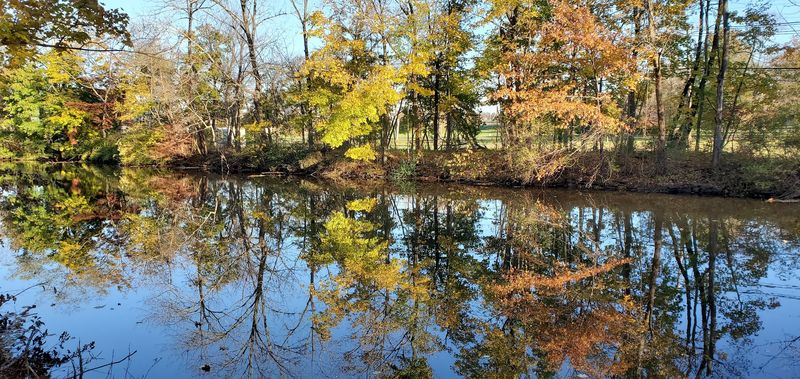
Ease is part of the story, but it is not the whole story. What really makes this route shine for older walkers is how civilized the experience feels from start to finish.
The ground is generally forgiving compared with rugged hiking trails, the path is straightforward to follow, and there is no sense that you must conquer anything to enjoy it. That lowers the barrier in the best possible way.
You can come for twenty minutes, two hours, or a casual out-and-back with a coffee afterward and still feel like you had a proper outing. The state park also notes that the towpath trail and recreational facilities are partially accessible to people with disabilities, which adds another layer of practicality for visitors planning a lower-stress day outdoors.
Then there is the scenery itself. Older walkers often know a secret younger hikers eventually learn: not every good walk needs to leave you breathless.
Sometimes the best trail is the one that lets you notice a heron lifting off the canal, the texture of old stone, or the way late afternoon light settles across the water. This route rewards exactly that kind of attention.
It is also easy to pair with nearby towns, which means a walk can end with lunch in Princeton, browsing in Lambertville, or a relaxed stop in Frenchtown instead of a long trudge back from the middle of nowhere. In other words, the trail respects your energy.
It offers beauty, history, wildlife, and movement without asking you to perform athletic heroics. That is not boring.
That is smart design, and it is a big reason the canal keeps earning repeat visitors.
The Quiet Wildlife and Waterside Views That Steal the Show
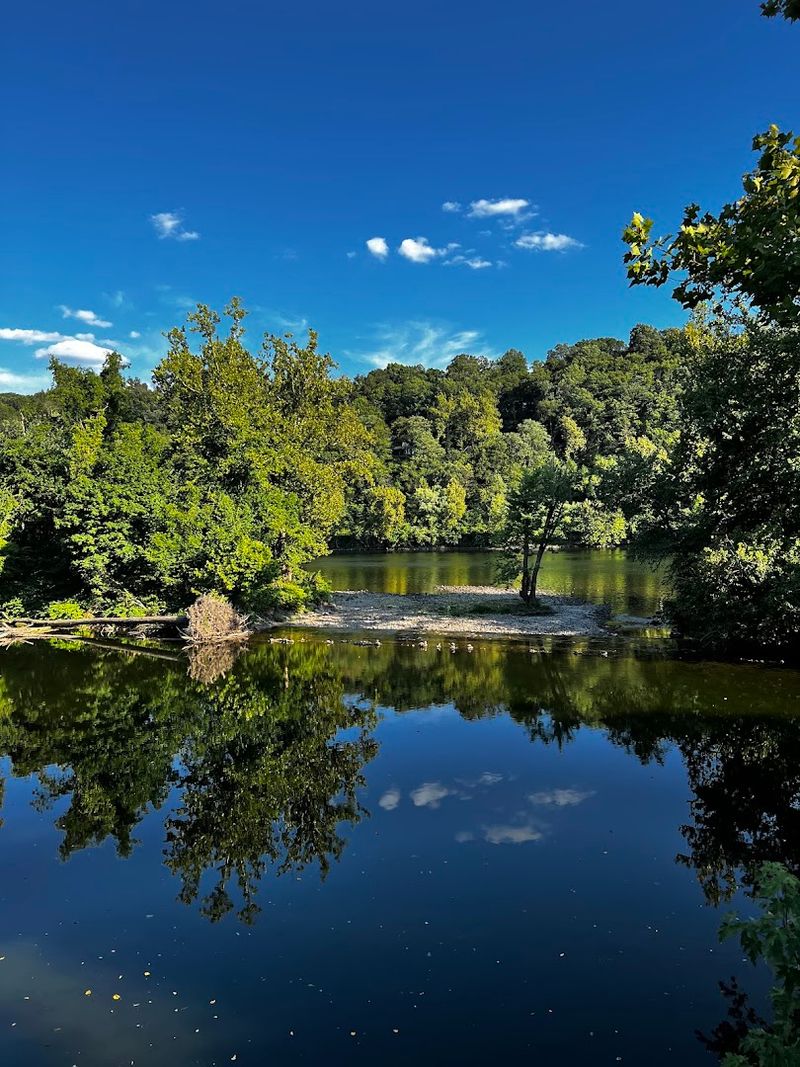
For a trail that sits within reach of suburbs, roads, and busy towns, this place is surprisingly good at making the outside world fade into the background. The canal creates its own mood.
Water smooths everything out. Sound softens. Reflections do half the decorating. Then the wildlife starts showing up, sometimes with impeccable timing.
The D&R Canal State Park is described by the state as a valuable wildlife corridor connecting fields and forests, and that becomes obvious pretty quickly once you start paying attention.
Birdwatchers already know the deal, but even casual walkers tend to notice movement in the reeds, turtles sunning themselves, ducks cruising along like they own the place, and the occasional great blue heron making everyone nearby stop talking for a second.
The views are not flashy. They are layered. On one side, calm water. On the other, trees, towpath, and glimpses of old infrastructure.
In some sections near Princeton, the proximity to Carnegie Lake adds another lovely visual element. Up along the feeder canal, the connection to the Delaware River corridor brings an even broader sense of landscape.
That subtlety is part of the appeal. You are not overwhelmed by spectacle.
You are invited into observation. The reward is that every walk feels slightly different depending on the season, the weather, and the light.
Spring brings fresh green edges and birdsong. Summer leans lush and shady.
Fall turns the canal into a ribbon of gold and rust. Even winter has its spare, elegant charm when the trees open up and the old lines of the canal stand out more clearly.
This trail does not need to show off. It just keeps giving you things worth noticing.
Where to Start Your Walk Near Princeton and What to See Along the Way
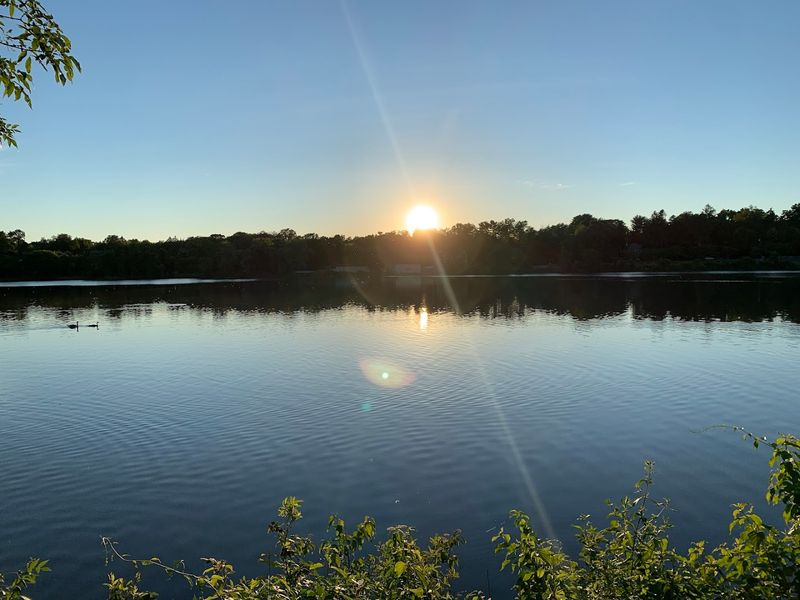
First-timers do best when they resist the urge to overcomplicate this trail. Princeton is one of the easiest and most rewarding launch points because access is simple and the surroundings feel immediately polished.
Several official access points make it easy to choose a comfortable stretch, including Turning Basin Park, Quaker Road, South Harrison Street, Mapleton Road near the Millstone Aqueduct, and Kingston via the old Lincoln Highway area.
That flexibility is ideal if you want a shorter walk with maximum scenery and minimum logistical drama.
Start near Princeton and you get a little bit of everything that makes the canal special: a flat towpath, calm water, leafy cover, historic atmosphere, and quick connections to actual civilization when you are done walking.
Depending on your starting point, you may catch views tied to Carnegie Lake, pass old canal-related features, and move through one of the prettiest edges of the Princeton area without ever feeling trapped in traffic or parking-lot chaos.
If you are in the mood to stretch the day, you can treat the canal walk as the anchor and then build around it. Do the trail first, then head into town for lunch, coffee, or a little aimless wandering, which is honestly a strong strategy in Princeton.
And if this first visit hooks you, the larger canal system gives you plenty of excuses to come back and try other sections farther north or south. That is the beauty of a 70-mile linear park.
It can be a quick neighborhood-style stroll one day and a completely different regional outing the next, all while keeping the same easygoing spirit that makes this trail so appealing in the first place.